36氪

Search documents
外派非洲,是份好工作吗?
36氪· 2025-12-10 11:18
Core Viewpoint - The article discusses the complexities and realities of working in Africa, particularly for Chinese expatriates, highlighting both the financial incentives and the challenges faced in such roles [14][15][22]. Group 1: Historical Context - The trend of Chinese expatriates in Africa began in the 1960s, coinciding with the continent's independence movements and China's need for allies [25][30]. - The construction of the TAZARA Railway is a significant historical example of early Chinese involvement in Africa, with nearly 50,000 Chinese engineers sent to assist [35][36]. - By the 1980s, China's aid to Africa shifted from political to economic motivations, with state-owned enterprises leading the charge in infrastructure projects [37][39]. Group 2: Current Employment Landscape - There is a growing number of job postings for expatriate positions in Africa, with salaries often exceeding those in major Chinese cities by more than double [55][57]. - For example, expatriates in engineering roles can earn an average monthly salary that is over twice that of similar positions in Beijing [57]. - New graduates can expect total compensation packages of around 250,000 yuan per year, while those with more experience can earn between 350,000 to 500,000 yuan [58][59]. Group 3: Challenges Faced by Expatriates - Working in Africa is often characterized by high demands, with expatriates expected to work long hours and handle multiple responsibilities [84]. - Health risks are significant, as Africa is known for high rates of infectious diseases, and access to quality healthcare can be limited [88][90]. - Security concerns are prevalent, with reports of crime and violence against expatriates, particularly in countries like Nigeria and the Democratic Republic of the Congo [92][96]. Group 4: Economic Considerations - The high salaries offered to expatriates are a result of supply and demand dynamics in the labor market, where local labor may not meet the expectations of Chinese companies [78][80]. - Despite the financial benefits, expatriates often face a high cost of living in terms of personal sacrifices, including isolation and cultural barriers [98][100]. - The article notes that while expatriates can save money due to provided accommodations and limited spending options, the overall experience can be challenging [71][74]. Group 5: Future Outlook - The increasing interest in Africa as a market presents both opportunities and challenges for companies, with issues such as political instability and corruption affecting operations [109][110]. - The evolving landscape means that while some expatriates find success, others may struggle with the realities of working in such environments [111][112]. - Ultimately, the decision to work in Africa is a complex one, influenced by personal circumstances and broader economic trends [115][116].



WISE2025收官日精华全记录,这波「商业干货」必须拿好!
36氪· 2025-12-10 11:18
Group 1 - The WISE2025 conference highlighted the evolution of Chinese commercial ecology from mere visibility to deeper insights and practices, focusing on brand mentality, technological empowerment, and future scenarios [2][11][64] - The event featured interactive experiences showcasing advanced technologies, including various robots and smart devices, emphasizing the concept of human-machine coexistence [4][8][28] - The conference discussed the importance of brand recognition and emotional value in a changing market, with insights from industry leaders on how to build lasting brands [12][16][20] Group 2 - The release of the "Future Super Brand List" by 36Kr and Nielsen IQ emphasized the significance of cultural resonance and user loyalty in brand development amidst economic fluctuations [14][16] - Insights from various speakers, including Zhao Yan and Wang Zhiguo, highlighted the shift from industrial manufacturing to biological manufacturing and the role of AI in enhancing productivity and organizational efficiency [18][21][22] - The discussions on globalization underscored the need for companies to adapt to local markets and build value networks, moving from a mindset of mere expansion to one of symbiosis [38][39][46] Group 3 - The conference concluded with a consensus that Chinese business is transitioning from model innovation to value reconstruction, with a focus on the deeper logic of commercial practices [64][63] - Key trends identified included the importance of understanding generational motivations and the role of founders in shaping brand identity in a trust-scarce environment [55][56] - The event showcased the potential of AI and technology in redefining marketing and consumer engagement, emphasizing the need for businesses to leverage these tools for future growth [29][40][48]

俄罗斯,开始卖黄金了
36氪· 2025-12-10 00:33
以下文章来源于盐财经 ,作者凌川儿 盐财经 . 洞察趋势,睿智人生。《南风窗》旗下专业财经媒体。 俄央行售黄金补赤字,因俄乌冲突财政承压。 文 | 凌川儿 编辑 | 江江 来源| 盐财经(ID:nfc-yancaijing) 封面来源 | Unsplash "俄罗斯央行最近出售黄金是一个重要提醒和信号。就我个人而言,此前我也持有部分黄金作为资产组合一部分,但最近我已卖掉。"近日,半夏投资创始人 李蓓对黄金的鲜明观点,引发了广泛关注与热议。 过去两年,中国央行等多国央行是黄金的主要买家,最近这个因子开始变化。 据新华社报道,俄罗斯中央银行11月20日向俄罗斯国际文传电讯社确认,该行已开始出售储备的实物黄金,以弥补国家预算所需资金。 俄罗斯中央银行开始出售储备的实物黄金 这是俄罗斯历史上首次公开将黄金储备用于财政支出。 此举延续了此前与国家财富基金(NWF)黄金交易的操作模式,不过此前交易大多以虚拟方式进行,政府将黄金出售给央行,或可看作是两方之间的"账面 调整",黄金仍保留在国家储备中。 如今,俄罗斯央行发起的实物黄金交易亦完全是在境内进行,可以将外界关注的交易标的物现货黄金,看作在俄联邦财政体系里扮演着"内部 ...

8点1氪:山姆回应“麻薯盒内出现活老鼠”;水银体温计明年起禁产;京东外卖回应“随心囤”Bug :将承担商家全部损失
36氪· 2025-12-10 00:33
Group 1: Sam's Club Incident - A consumer reported finding a live mouse in a delivery bag containing a box of 24 pieces of Member's Mark mochi purchased via the Sam's Club app [3][5] - Sam's Club stated that the initial investigation indicated the mouse likely entered the bag during the time it was left at the pickup point, which is outdoors and surrounded by vegetation [5] - The company has apologized for the incident and committed to improving packaging management and delivery services [5] Group 2: Market Movements - Bubble Mart's stock price has dropped nearly 44% over four months, resulting in a market value loss exceeding 200 billion HKD (approximately 180 billion RMB) [12][13] - Deutsche Bank's report indicated that Bubble Mart plans to significantly increase the production of its Labubu toys from 10 million units in the first half of the year to an average of 50 million units per month by the end of the year, warning that mass production could signal a decline in brand popularity [13] Group 3: Regulatory Changes - China will ban the production of mercury-containing thermometers and blood pressure monitors starting January 1, 2026, due to safety concerns regarding mercury's toxicity [6][7] Group 4: Corporate Developments - SpaceX is reportedly planning an IPO in 2026, aiming to raise over 30 billion USD with a target valuation of approximately 1.5 trillion USD [7] - Xiaomi has initiated personnel adjustments in its China operations, affecting key roles in mobile phones, automotive, and major appliances, in response to recent performance pressures [16]

「中科硅纪」完成新一轮战略融资,推进行业级灵巧手+具身大小脑量产与场景落地丨早起看早期
36氪· 2025-12-10 00:33
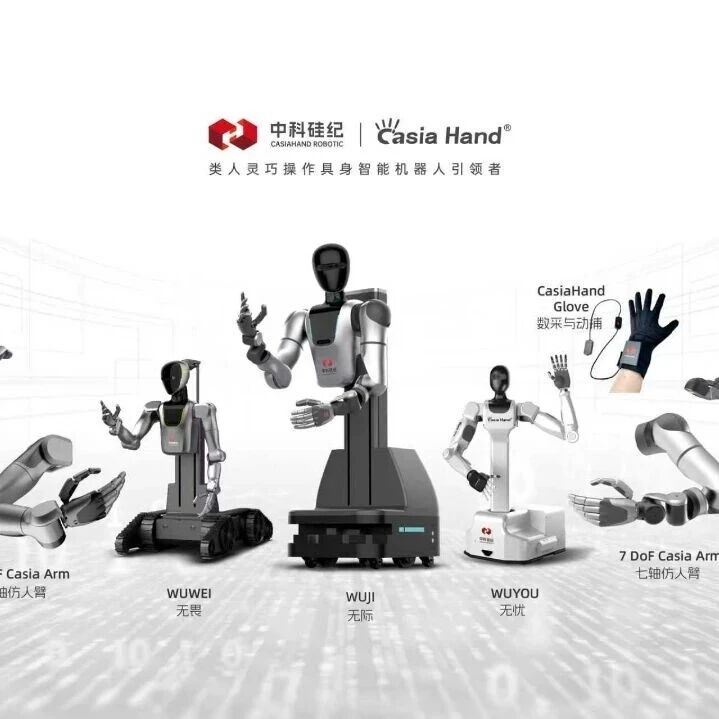
Core Viewpoint - Zhongke Silicon Valley Robotics Co., Ltd. has completed a new round of strategic financing aimed at mass production of dexterous hand products and iteration of embodied brain models, indicating strong investor confidence in the company's technology and market potential [1][6]. Financing and Use of Funds - The financing round was led by Huakong Fund, with participation from Nanjing Chuangtou, Taiya Capital, and Beijing Future Science City Fund, among others [1]. - Funds will primarily be used for the mass production of industry-level dexterous hands, iteration of embodied brain models, and expansion into industry application scenarios [2]. Product Development and Technology - Zhongke Silicon Valley focuses on the R&D of hardware for robotic "upper limb" dexterous operations and embodied brain models, having been incubated from the Chinese Academy of Sciences since 2018 [2]. - The company has introduced the Casia Hand series, which includes four models designed for various applications, achieving 100% localization of core components [3][4]. Product Features - The Casia Hand series includes: - A three-finger dexterous hand for household and service robots, capable of simulating human hand movements [4]. - A high-speed hand for industrial applications with a joint angular velocity of up to 720 degrees/second and a lifespan exceeding one million cycles [4]. - The dexterous hands utilize a rope-driven mechanism, with some models combining rope and rigid drive solutions to balance freedom, load, and compliance [5]. Innovation in Materials and Design - Zhongke Silicon Valley has addressed common issues in rope-driven systems, such as creep and short lifespan, by introducing metal alloy rope materials and redesigning the rope path and tension control [8]. Software Integration - The company has developed a high-precision optical fiber sensing data glove for capturing multi-joint movements of the human hand, which aids in controlling the dexterous hand or robotic arm [9]. - Zhongke Silicon Valley offers both "small brain" (basic control and action library) and "large brain" (task understanding and reasoning capabilities) models, enhancing the dexterous hand's functionality [11][12]. Market Potential and Investor Insights - Investors highlight the team's deep technical foundation from national research institutions and their ability to commercialize hardware and embodied brain models effectively [14][15]. - The company is seen as a key player in the robotics industry, with significant potential for applications in both industrial and household settings [15].
烤冷面三十年:走向预制,冷面消失
36氪· 2025-12-10 00:33
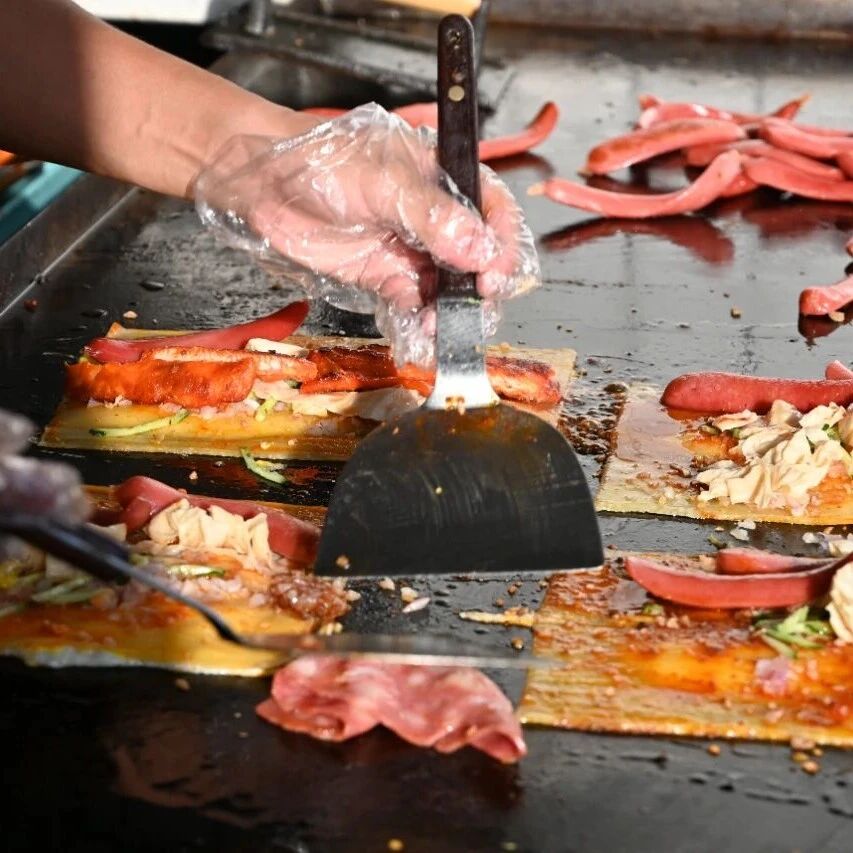
Core Viewpoint - The article explores the evolution and cultural significance of "Kao Leng Mian" (grilled cold noodles) in Northeast China, highlighting its transformation from a local delicacy to a standardized street food across the country, while reflecting on the nostalgia associated with its original form [4][6][36]. Group 1: Historical Context and Origin - Kao Leng Mian is believed to have originated in 1996 in Mishan City, Heilongjiang Province, with local media affirming this claim [17]. - The dish has undergone significant changes over the years, with the original form being replaced by a standardized version that includes a flat noodle wrapped with egg, onion, and cilantro [12][30]. Group 2: Cultural Significance and Memory - The article emphasizes that Kao Leng Mian serves as a collective memory for many individuals, representing a shared cultural experience rather than a commercial brand [6][36]. - The nostalgia for the original version of Kao Leng Mian reflects a longing for simpler times and shared childhood experiences, particularly in the context of Northeast China's socio-economic changes [36]. Group 3: Market Dynamics and Standardization - The dish's ingredients and preparation methods have become standardized, making it widely available but also leading to a loss of uniqueness and regional identity [34]. - The prevalence of pre-packaged ingredients has diminished the potential for creating distinctive products, resulting in a business model that relies on low margins and high volume sales [34]. Group 4: Variants and Innovations - Various cooking methods and forms of Kao Leng Mian exist, including fried versions and those with different sauces, showcasing the dish's adaptability [29][22]. - The article notes that despite the evolution of the dish, the core elements remain simple and accessible, contributing to its popularity across different demographics [32].
风景这边独好!WISE2025商业之王大会,首日中有哪些不容错过的名场面?
36氪· 2025-12-09 13:35
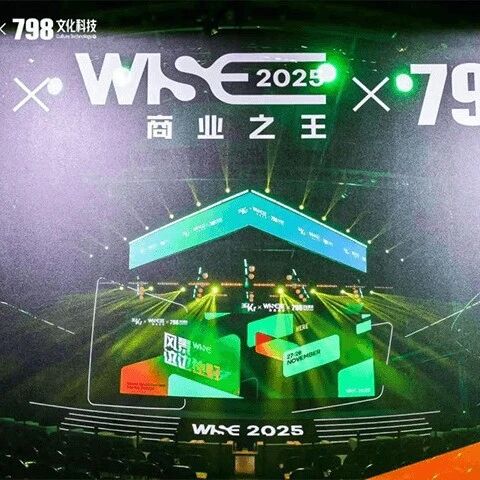
Core Insights - The WISE2025 conference emphasizes the transformative power of innovation in reshaping China's business landscape, focusing on technology, persistence, and innovation as key drivers for success [5][6]. Group 1: Conference Overview - The WISE2025 conference, held on November 27-28, 2025, in Beijing, gathered leaders from various sectors including smart hardware, AI, robotics, life sciences, and retail to discuss the theme "The Scenery Here is Unique" [3]. - The event featured a unique format with "seven short plays" to facilitate discussions, highlighting the integration of technology and innovation in business practices [10]. Group 2: Keynote Highlights - 36Kr CEO emphasized the importance of technology and innovation in achieving business success, stating that companies that leverage technology and maintain persistence will thrive [5][6]. - The founder of Insta360 shared insights on the challenges and rewards of entrepreneurship, emphasizing the importance of passion and courage in driving innovation [10]. Group 3: Industry Innovations - The CEO of Galaxy General Robotics discussed advancements in humanoid robots, showcasing their capabilities in retail and industrial applications, with a valuation of 17 billion yuan [12]. - The CEO of BGI Group explored the integration of AI in life sciences, advocating for a proactive approach to health and longevity, and predicting the normalization of xenotransplantation [13]. Group 4: Retail Transformation - The CEO of Yonghui Supermarket outlined the company's transformation strategy focused on quality retail, emphasizing the importance of product quality and supply chain optimization [17]. - The discussion on AI in the supply chain highlighted how AI can address procurement challenges for SMEs, with data showing a 3.5 times increase in purchasing frequency for members [32]. Group 5: Future of AI and Technology - The CEO of Dipo Technology discussed the importance of building a data-knowledge-decision loop for enterprise-level AI applications, showcasing successful collaborations across various industries [37]. - The Shanghai Future Industry Fund manager highlighted the role of government support and venture capital in driving disruptive innovation in cutting-edge technologies [49].
Google眼镜杀回来了!最强AI上头,两大潮牌站台,还有一款中国造
36氪· 2025-12-09 13:35
Core Viewpoint - Google is re-entering the smart glasses market with a new strategy focused on Android XR and AI capabilities, aiming to create a robust ecosystem for XR devices and applications [4][47]. Group 1: Android XR Overview - Android XR is a new system designed for XR devices, compatible with most applications from the Google Play Store, providing a comprehensive platform for developers and manufacturers [12][15]. - The system is expected to attract more third-party manufacturers, expanding the XR ecosystem and increasing the production of applications and content [17][49]. - Google has partnered with various companies, including Samsung and XREAL, to develop Android XR, which is seen as a more open and appealing platform compared to competitors like Meta and Apple [44][47]. Group 2: Product Launches - Google introduced several XR devices, including Project Aura, a wired XR glasses product that offers dual-eye XR effects in a lightweight form, suitable for outdoor use [21][30]. - Two additional wireless glasses were announced, focusing on fashion and everyday wear, with one being an AI glasses model without a display and the other featuring a single AR display for basic notifications [33][40]. - The new products are set to launch in 2024, with Google emphasizing the importance of user experience and privacy features [31][39]. Group 3: Market Position and Future Outlook - Google aims to learn from past experiences with Google Glass, focusing on a more structured approach to product development and market entry [47][51]. - The company is optimistic about the growth potential of the XR market, leveraging its existing app ecosystem and AI capabilities to create unique use cases for smart glasses [49][54]. - Future developments will include a wireless dual-eye XR glasses product, which is expected to be a significant upgrade but will not be available until 2027 [46].


AI时代,如何看待榜单导购的价值?
36氪· 2025-12-09 13:35
Core Insights - The article discusses the evolving landscape of consumer behavior, highlighting a shift from "finding products" to "selecting products," with 76.64% of users needing tools to reduce decision-making costs [1] - The rise of various ranking lists, including the JD Gold List, is seen as a response to consumer fatigue and the need for trustworthy product recommendations [2][3] Group 1: Consumer Behavior and Challenges - Consumers face a new type of fatigue where they struggle to determine what is worth buying, despite the abundance of product information [1] - The report indicates that 76.56% of users prioritize finding trustworthy and high-quality products, reflecting a demand for reliable decision-making tools [1] - The proliferation of rankings has led to a decline in trust, with many lists being influenced by advertising rather than genuine consumer behavior [7][10] Group 2: JD Gold List Overview - The JD Gold List was created to provide an objective ranking based solely on real data, free from commercial influence, and has gained consumer trust over six years [3][8] - In 2025, approximately 1 billion users are expected to make purchases influenced by the JD Gold List, with products on the list seeing a 12-fold increase in sales growth compared to regular products [15][17] - The JD Gold List has established a reputation for high standards, with no artificial selection or paid placements, relying on user purchase data and product performance [11][12] Group 3: Impact on Brands - Brands that appear on the JD Gold List, such as Midea and Nongfu Spring, benefit from increased visibility and consumer trust, leading to higher sales and positive reviews [21][24] - The list serves as a validation tool for brands, helping them to establish credibility and connect with consumers effectively [23][26] - The introduction of co-branded products with the JD Gold List has proven successful, with products seeing significant sales increases and high customer satisfaction rates [27] Group 4: Future Directions - JD plans to enhance the Gold List's capabilities by integrating AI technology, allowing for personalized rankings and improved user interaction [35] - The company aims to expand the influence of the Gold List, providing more opportunities for quality products to be recognized and seen by consumers [35] - The ongoing commitment to transparency and quality is expected to set a benchmark for the industry, encouraging brands to improve their product quality and service experiences [35]


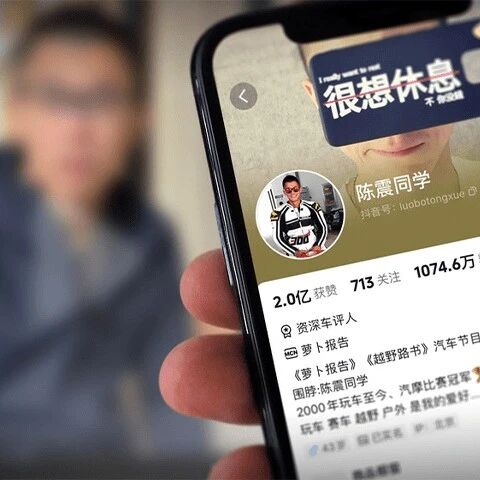
偷税被罚超200万的陈震,究竟有多赚钱?
36氪· 2025-12-09 13:35
Core Viewpoint - The article discusses the tax evasion case of Chen Zhen, a well-known car reviewer, highlighting the financial implications and the impact on his personal brand and business operations [5][21]. Tax Evasion Case - Chen Zhen was found to have evaded personal income tax totaling 1.1867 million yuan from 2021 to 2023 through various means, leading to a total penalty of 2.4748 million yuan imposed by the tax authorities [5]. - Following the tax investigation, Chen Zhen's accounts across multiple social media platforms were banned due to violations of laws and community rules, affecting over 24 million followers [5]. Advertising Revenue - Chen Zhen's Douyin account has 10.745 million followers, with advertising rates ranging from 350,000 yuan for 1-20 seconds to 800,000 yuan for over 60 seconds [7]. - In November, he published 30 videos, with at least 7 being advertisements, potentially generating over 5 million yuan in revenue based on the highest advertising rate [7]. Business Operations - Chen Zhen is associated with five companies, four of which are operational, focusing on advertising, information technology, and commerce [10][11]. - His main company, Ge Rui Chi Advertising, has a tax debt of 2,965 yuan, indicating potential financial management issues [11]. Personal Brand and Business Model - Chen Zhen's rise to fame began with his reputation as "Erhuan Shisanlang," which has been pivotal in building his personal brand and subsequent business ventures [16][17]. - His business model heavily relies on his personal credibility, which has shown vulnerabilities due to recent controversies and public image crises [20][21]. Recent Controversies - Chen Zhen faced significant setbacks, including a breach of contract that cost him 5 million yuan and a serious traffic accident for which he was deemed at fault [20]. - These incidents have raised concerns about the sustainability of his business model, as personal risks directly translate into systemic risks for his enterprises [21].