市值风云

Search documents
关税战引发全美“针头荒”,谁是国内穿刺器械最大赢家?这家公司你可能第一次听说!
市值风云· 2025-07-01 10:02
Core Viewpoint - The article highlights the significant role of China's needle industry in the global supply chain, particularly in the context of the U.S.-China trade war, which could lead to a shortage of medical needles in the U.S. [3][5] Industry Overview - The global injection and puncture device market, which includes syringes, infusion devices, blood collection needles, and indwelling needles, produced approximately 80 billion units in 2023, driven by aging populations, rising chronic disease rates, and advancements in medical technology [6][9] - The global market for injection needles is highly concentrated, with BD, Terumo, and B. Braun holding over 60% market share [6][9] Market Share and Key Players - BD leads the market with a 32% share, excelling in high-end medical institutions, particularly in insulin injection and vaccination [9] - Terumo follows with an 18% share, focusing on safety needle technology in the Asia-Pacific and Middle East regions [9] - B. Braun specializes in anesthesia and infusion therapy needles, maintaining a strong position in European public hospital procurement [10] Domestic Market Insights - China's annual production of injection and puncture devices is around 28 billion units, with domestic sales of approximately 18 billion units and exports of about 10 billion units [11] - China holds a 35% share of the global production capacity for injection and puncture devices, with significant exports to Europe (38%), North America (32%), Southeast Asia (20%), and Africa (10%) [11] Pricing Dynamics - China's export average price for injection devices is $0.12 per unit, significantly lower than Germany's $0.85 and the U.S.'s $0.68, reflecting the cost advantages in low-end products [14] Consumption Patterns - Domestic consumption of medical injection devices is primarily driven by healthcare needs, accounting for about 83% of total consumption, with the remainder coming from chronic disease management and aesthetic procedures [16] Industry Structure - The puncture device industry includes manufacturing processes for welding tubes, needle tubes, and finished puncture devices, with varying levels of market concentration across different segments [18] - The downstream finished puncture device segment is highly competitive, with over 500 manufacturers in China, but more than 90% are small enterprises, indicating a low concentration of large-scale manufacturers [18]


公司亏麻了,老板爽死了!北信源:十年失血14亿,四年亏掉8亿,但老板已套现27亿
市值风云· 2025-06-30 10:01
Core Viewpoint - The article discusses the decline of Beixin Source (300352.SZ), highlighting its significant drop in market value and performance issues in the context of the cybersecurity industry, which is facing intense competition and evolving threats [2][3][21]. Financial Performance - Beixin Source's revenue has stagnated around 6-7 billion, dropping to 5.2 billion in 2024, a year-on-year decrease of 24.3%, with a further decline of 52.7% in Q1 2025 [7][9]. - The company has accumulated losses of 8.2 billion since 2021, with only a minor profit of 660,000 in 2023 [9][12]. - The gross profit margin has decreased from approximately 70% to 55.59%, a drop of about 15 percentage points, attributed to increased competition and rising costs [12][22]. - The total operating expenses have surged to 80.91%, up 35 percentage points from 2018, indicating a significant loss of control over costs [12][13]. Cash Flow Issues - Beixin Source has faced severe cash flow problems, with accounts receivable accounting for 110% of revenue by the end of 2024, leading to a cumulative net cash outflow of 490 million over ten years [13][14]. - The free cash flow has totaled -1.4 billion, indicating a critical financial strain [14]. Industry Context - The cybersecurity industry is experiencing a downturn, with 14 out of 20 listed companies reporting declining revenues, and 13 companies showing losses in 2024 [18][19]. - Beixin Source's revenue decline of 24.31% places it among the worst performers in the industry [19]. - The overall cybersecurity market in China is projected to grow from 11 billion USD in 2023 to 17.1 billion USD by 2028, with a compound annual growth rate of 9.2% [24][26]. Competitive Landscape - The cybersecurity market is becoming increasingly saturated, with over 3,984 companies operating in the sector, leading to fierce competition and price wars that compress profit margins [29][31]. - Beixin Source's traditional products are losing their competitive edge, and the company lacks significant offerings in emerging areas like cloud security and proactive defense [32][35]. Management and Strategy - The company's management has been criticized for a lack of innovation and responsiveness to market changes, with a notable decline in R&D effectiveness compared to competitors [33][34]. - The founder's actions, including significant stock sales during peak market conditions, raise concerns about the company's long-term strategy and commitment to growth [36][39].


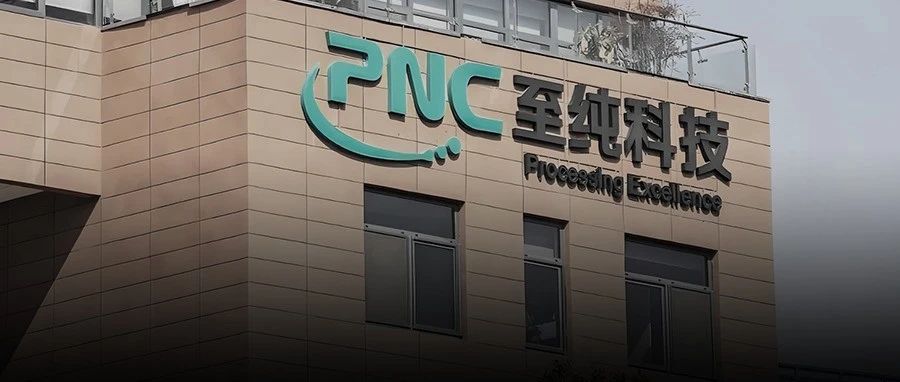
市值风云对至纯科技的《声明与谴责》的再声明与再谴责
市值风云· 2025-06-29 10:57
Core Viewpoint - The article discusses the financial discrepancies of Zhichun Technology (603690.SH) and raises concerns about potential financial fraud based on significant deviations from industry peers' financial metrics [3][9]. Financial Discrepancies - Zhichun Technology's financial indicators, such as accounts receivable and fixed assets as a percentage of revenue, are significantly higher than those of comparable companies, indicating potential issues with credit policies and asset management [16][19]. - The company reported accounts receivable at 28.34 billion, fixed assets at 26.93 billion, and a high interest-bearing debt ratio of 42.33% as of the end of 2024, which are concerning compared to industry norms [17][23]. Cash Flow Concerns - Zhichun Technology has experienced negative operating cash flow for eight consecutive years, totaling -2.786 billion from 2017 to 2024, which is a stark contrast to its peers that have managed to achieve positive cash flow in certain years [29][30]. - The company attributes its negative cash flow to high R&D investments and inventory buildup, yet it has not demonstrated the ability to generate cash from operations [27][31]. Debt Structure Analysis - The company’s debt is heavily concentrated in interest-bearing liabilities, with a short-term loan of 30.73 billion, which is significantly higher than its peers, indicating a risky financial structure [20][23]. - The comparison with Huahai Qingke shows that while both companies have similar revenue and inventory levels, Zhichun Technology's financial health is compromised by its high accounts receivable and low contract liabilities [18][19]. Profitability Issues - Zhichun Technology's gross margin has declined by 7.6 percentage points over the past eight years, contrasting with the upward trend in gross margins of its industry peers [35]. - The company’s gross margin of 31.4% is only slightly above that of system integrator Zhengfan Technology, indicating a competitive disadvantage in profitability [35]. Regulatory Context - The article emphasizes the importance of transparency and accountability for publicly listed companies, especially in light of regulatory scrutiny aimed at preventing financial misconduct [45][46]. - The ongoing concerns regarding Zhichun Technology's financial practices highlight the need for vigilance from investors and regulatory bodies to ensure market integrity [46][47].

抢跑超充快充赛道,出货逆势大增50%!负极黑马,产能扩建,钱袋子告急
市值风云· 2025-06-27 10:02
Group 1 - The negative electrode sector, as a core part of the upstream battery supply chain, is facing challenges despite strong shipment growth. National negative electrode shipments are projected to reach 2.08 million tons in 2024, a year-on-year increase of 26%, but the average price for mid-range negative electrodes is expected to decline by 23% to approximately 17,500 yuan per ton, resulting in stagnant industry revenue [3][4]. - Profitability is deteriorating, with companies incurring losses of nearly 3,000 yuan for every ton of negative electrode sold by the end of December. Major players in the sector, including BTR (835185.BJ), Shanshan (600884.SH), and Putailai (603659.SH), have reported net profit declines exceeding 30% [4]. - Despite the challenges faced by leading companies, a second-tier manufacturer has emerged as a potential standout in the market [5].
狠人当家,创始人直播豪饮精华水!国货林清轩赴港IPO:正刚香奈儿,踩中“以油养肤”,12亿营收接近天花板?
市值风云· 2025-06-27 10:02
Core Viewpoint - Lin Qingxuan is positioning itself to become the "first domestic high-end skincare stock" in Hong Kong, leveraging the growing trend of "oil-based skincare" and aiming for significant market share in the high-end skincare segment [3][4][10]. Group 1: Company Overview - Lin Qingxuan was founded in 2003 and claims to be a leader in the high-end domestic skincare market [4][10]. - The company’s flagship product, Camellia Oil, is projected to generate revenue of 450 million RMB in 2024, contributing 37% to total revenue [11][19]. - The company has achieved a compound annual growth rate (CAGR) of 32.3% from 2022 to 2024, with total revenue expected to reach 1.21 billion RMB in 2024, a year-on-year increase of 50.3% [19][49]. Group 2: Market Position - Lin Qingxuan holds a 12.4% market share in the facial oil segment, leading among domestic brands since its launch in 2014 [15][21]. - In the high-end skincare market, Lin Qingxuan is the only domestic brand among the top 15, with a market share of 1.4% [16][18]. - The top three high-end skincare brands in China are Lancôme, Estée Lauder, and SK-II, all foreign brands [17]. Group 3: Financial Performance - The company’s revenue from online channels reached 710 million RMB in 2024, accounting for 59.1% of total revenue, marking a significant increase from 2022 [46]. - Lin Qingxuan's gross profit margin is notably high at 82.5% in 2024, surpassing competitors like Estée Lauder, which reported a gross margin of 72% [47][49]. - The net profit for 2024 is projected to be nearly 190 million RMB, reflecting a year-on-year growth of 121% [49]. Group 4: Marketing and Sales Strategy - The company has a high sales expense ratio, averaging 62.2% from 2022 to 2024, with marketing expenses reaching 690 million RMB in 2024 [36][38]. - Lin Qingxuan's marketing strategy heavily relies on social media and influencer endorsements, which have significantly contributed to its brand visibility [8][9]. - The workforce is predominantly focused on sales and marketing, with 85% of employees in these roles [44]. Group 5: Challenges and Future Outlook - The company faces challenges in sustaining its rapid growth, particularly as market competition intensifies with established international brands [54]. - There is a concern regarding the over-reliance on a few key products, as the company has yet to develop a broader product portfolio [54]. - Lin Qingxuan aims to enhance its brand value and expand its sales network through the funds raised from its upcoming IPO [27].

半年报披露枪响!长川科技:半导体检测设备代表先声夺人
市值风云· 2025-06-27 10:02
Core Viewpoint - Changchuan Technology (300604.SZ) is expected to see significant growth in its net profit for the first half of 2025, with estimates ranging from 360 million to 420 million yuan, indicating a year-on-year increase of 67.54% to 95.46% [3][4]. Financial Performance - The projected net profit for the first half of 2025 is close to the total net profit for the entire year of 2024, suggesting that Changchuan Technology is on track to achieve a historical high in net profit for 2025 [6]. - The company's first-quarter growth rate exceeded 2,500%, although this was influenced by a low base from the previous year [5]. Industry Context - The semiconductor testing equipment industry has shown sustained growth since 2024, with Changchuan Technology being a key player in the domestic market [7][9]. - The company has successfully supplied its products to major integrated circuit firms, contributing to the import substitution of testing machines and sorting machines [15]. Product and Market Position - Changchuan Technology's core business focuses on sample and finished product testing, with approximately 90% of its revenue in 2024 coming from testing machines and sorting machines [13]. - The company is also attempting to make breakthroughs in the probe station sector, although progress has been slow, with project timelines extended to the end of 2025 [16]. Competitive Landscape - The high-end testing machine market is still dominated by foreign companies, with major players holding over 66% market share in 2024 [15]. - Other domestic competitors in the testing machine sector include Huafeng Measurement Control and Liandong Technology, both of which have also reported significant growth in net profit [19][20]. Future Outlook - The overall outlook for domestic semiconductor testing equipment companies remains positive, with many expected to achieve record highs in performance within the year [28].

独家重磅!强烈质疑至纯科技财务造假:27亿现金失血,57亿负债高悬,八年10倍“虚假繁荣”里自杀式分红和高频募资齐上演
市值风云· 2025-06-27 10:02
Core Viewpoint - The article discusses the financial struggles of Zhichun Technology, which, despite achieving significant revenue growth, faces severe cash flow issues, high accounts receivable, and mounting debts, leading to concerns about its financial health and sustainability [2][9][57]. Financial Performance - Zhichun Technology's revenue skyrocketed from 369 million in 2017 to 3.605 billion in 2024, nearly a tenfold increase over eight years [2]. - However, the company has reported a cumulative net cash outflow of 2.786 billion over the same period, indicating a pattern of "operating at a loss" [9]. - In 2024, the company experienced a net profit drop of 93.7% compared to 2023, with a net loss of 57.4 million, marking its first loss since going public [43][57]. Accounts Receivable and Inventory Issues - As of the end of 2024, accounts receivable reached 2.834 billion, 8.5 times that of 2017, consistently accounting for about 70% of total revenue [10][14]. - The company's inventory ballooned to 3.118 billion by the end of 2024, a 15-fold increase since 2017, with inventory turnover days extending to 435 days [22][24]. - The proportion of inventory to total revenue surged from 56% to 86.5% over three years, raising concerns about the efficiency of asset management [23]. Debt and Financial Health - The company's interest-bearing debt increased 15 times over eight years, reaching 5.746 billion by the end of 2024, with a debt ratio of 42.33% [57][58]. - In 2024, the interest expenses hit a record high of 185 million, consuming a significant portion of the company's earnings [58]. - The company reported only 900 million in cash against 5.746 billion in debt, highlighting a precarious financial situation [61]. Corporate Governance and Transparency - The company has faced scrutiny from the Shanghai Stock Exchange regarding its accounts receivable disclosures, which it has largely kept confidential, citing "commercial secrets" [18][20]. - There are concerns about the company's high bad debt provisions, which have increased significantly, indicating potential issues with credit management [45][49]. Market Position and Competitiveness - Despite the overall positive environment for the semiconductor industry, Zhichun Technology's performance has diverged negatively from its peers, raising questions about its competitive position [31][35]. - The company's gross margin has declined significantly, contrasting with the upward trends seen in similar companies within the industry [28].
汽车吃肉,眼镜喝汤?小米YU7带飞"含米量"基金收益40%+,智能眼镜ETF却集体沉没!
市值风云· 2025-06-27 10:02
Core Viewpoint - The article warns against the hype surrounding smart glasses, suggesting that investment opportunities should focus on the "content" of companies like Xiaomi rather than the popularity of concepts [1][12]. Group 1: Xiaomi's Automotive Launch - Xiaomi's first SUV, YU7, was launched at a price of 253,500 yuan, and within three minutes, 200,000 units were sold [3][4]. - The launch event also introduced Xiaomi's first AI glasses, priced approximately 15% lower than Meta's Ray-Ban, featuring voice calls, photo and video recording, and real-time translation capabilities [6]. Group 2: Investment Performance - Xiaomi-related ETFs have seen a return of over 40% due to the company's strong cash flow and marketing capabilities [8]. - The average return for high "Xiaomi content" funds was 21.5% for 2024 and 23.5% year-to-date, indicating significant gains for investors who followed previous recommendations [12]. Group 3: Smart Glasses Market Outlook - The global smart glasses market is expected to grow significantly, with an estimated shipment of over 12 million units in 2025, reflecting an 18.3% year-on-year increase, particularly strong in China with a 113.8% increase in online sales [15]. - The smart glasses industry is segmented into three main areas: chips, optics, and sensors, which are closely related to various consumer electronics indices [15][16]. Group 4: ETF Performance and Industry Analysis - Seven ETFs tracking consumer electronics indices have reported negative returns this year, indicating challenges in the sector despite the hype around smart glasses [17]. - The only ETF tracking the virtual reality theme index is VRETF (159786.SZ), which covers upstream industries like electronic components and digital chip design [19][20]. Group 5: Consumer Demand and Market Sentiment - Smart glasses are not considered a necessity for average consumers, and despite recent interest, they may not become essential personal items [23]. - The product's limitations, such as not catering to the needs of the visually impaired, may lead to lower adoption rates, suggesting that investors should be cautious and not be swayed by market sentiment [23].

“金融航母”穿越周期:生态共赢、AI领航
市值风云· 2025-06-25 15:20
Core Viewpoint - China Ping An is establishing a unique "comprehensive finance + healthcare" ecosystem, which is gaining market confidence and demonstrating strong financial performance through strategic integration of finance, technology, and healthcare services [4][5][6]. Group 1: Financial Performance and Market Confidence - On June 25, 2023, China Ping An's A-shares rose by 1.92% to 57.88 CNY, marking a four-day consecutive increase and reaching a new high for the year, while H-shares increased by 3% to 51.45 HKD, also achieving four consecutive days of gains [2]. - The total market capitalization of Ping An has surpassed 1 trillion CNY, reflecting market validation of its strategic layout and the value created by its integrated financial and healthcare model [2][4]. Group 2: Dividend Strategy and Resilience - Ping An's dividend strategy exemplifies its balance between internal accumulation and external returns, with a significant increase in dividend payouts from 3.17 billion CNY in 2011 to 46.17 billion CNY in 2024, representing a compound annual growth rate of 23% [6][9]. - The per-share dividend has risen from 0.4 CNY in 2011 to 2.55 CNY in 2024, with the dividend yield increasing from 1.2% to 4.8% [6][11]. - Cumulatively, Ping An's cash dividends from 2011 to 2024 reached 358.9 billion CNY, significantly outpacing competitors like China Life and China Pacific Insurance [9][11]. Group 3: Competitive Advantages and Ecosystem - Ping An's "comprehensive finance + healthcare" ecosystem is characterized by deep data integration and scenario collaboration, creating a unique value network that combines financial and service attributes [27][31]. - The company has built a substantial customer base, with 63% of clients enjoying services from its healthcare ecosystem, leading to higher customer retention rates [12][29]. - Ping An's competitive barriers are reinforced by its extensive data assets, with 245 million customers generating comprehensive behavioral data, facilitating a positive feedback loop of service optimization and customer retention [29][31]. Group 4: Technological Innovation and Patent Leadership - Ping An leads in patent applications within the financial technology and healthcare sectors, with 8,582 patents in fintech and 4,176 in healthcare, surpassing major competitors [17][21]. - The company has established a three-tier model system for AI applications, significantly enhancing its operational efficiency and product offerings [22][24]. - Ping An's technological innovations have resulted in substantial economic benefits, with AI-driven products generating over 200 billion CNY in sales and achieving significant cost savings [22][24].


国补退坡怎么办?垃圾焚烧、“绿热”改造,在手项目预增5成,看中科院子公司打样!
市值风云· 2025-06-25 10:05
Core Insights - The article discusses the challenges faced by waste incineration companies in China as government subsidies are gradually phased out for both new and existing projects, leading to concerns about profitability [3][4]. - Companies are increasingly focusing on expanding their heating supply business, referred to as "green heat," as a strategy to compensate for the loss of subsidies [3][4]. Industry Overview - Since 2021, new waste incineration projects have adopted a bidding system for grid connection, with national subsidies being gradually withdrawn [3]. - Existing projects will also lose subsidies after 15 years of operation or after reaching 82,500 operational hours, creating a significant profitability gap for companies [3]. Company Performance - Leading company, China Everbright International (0257.HK), processed approximately 56 million tons of waste in 2024, with a year-on-year growth of only 7%, while its heating supply reached nearly 6 million tons, showing a substantial year-on-year increase of 37% [3]. - Other notable companies in the A-share market, such as Hanlan Environment (600323.SH), Energy Conservation Environment (300140.SZ), and Green Power (601330.SH), reported heating supply volumes of 1.48 million tons, 1.44 million tons, and 560,000 tons respectively, with year-on-year growth rates of 35%, 34%, and 31% [3][4].