市值风云

Search documents
德国ETF今年悄悄大涨3成,原因有哪些?
市值风云· 2025-06-06 10:03
Core Viewpoint - The German stock market has shown remarkable performance this year, with the Huaan Fund's German ETF (513030.SH) achieving a return of 31.7%, outperforming most domestic assets [2][3]. Group 1: ETF Performance - The German ETF has experienced a bull market for three consecutive years, with a total return of 76.5%, although it still lags behind its benchmark by 17 percentage points while significantly outperforming the CSI 300 Index [3][4]. Group 2: ETF Composition - The ETF tracks the DAX Index, which includes 40 major companies listed on the Frankfurt Stock Exchange, representing over 70% of the German stock market's market capitalization [7]. - Major holdings in the ETF include: - SAP (13.67%): Europe's largest tech company, leading in ERP software with a market cap exceeding $300 billion, focusing on AI and cloud services [8]. - Siemens (9.17%): An industrial giant with a strong presence in infrastructure and medical devices [8]. - Allianz (7.29%): The world's largest insurance group, operating in 70 countries with a market cap over $90 billion [9]. - Deutsche Telekom (6.70%): The largest telecom operator in Europe with extensive international operations [10]. - Approximately 80% of the revenue from these companies comes from international markets, with only 20% from the German domestic market, indicating a decoupling of the DAX Index performance from the local economy [11]. Group 3: Economic Factors - The German government introduced a €460 billion tax reduction plan in 2025, significantly lowering industrial users' electricity costs by 50%, which has reduced manufacturing operational costs [16]. - The European Central Bank has implemented eight consecutive interest rate cuts, maintaining a historical low yield of 2.93% on ten-year German bonds, creating a favorable financing environment for companies [18]. Group 4: Currency and Cost Advantages - The depreciation of the euro against the dollar from 1.11 in 2024 to 1.04 in mid-2025 has enhanced the price competitiveness of German exports, with machinery exports to the U.S. increasing by 9% [20]. - The reduction in industrial electricity costs has further decreased manufacturing expenses, leading to a 19% increase in net profit for BMW despite only a 4% increase in global sales [20]. Group 5: Investment Options - Domestic investors can access the German stock market through two ETFs: Huaan Fund's German ETF (513030.SH) and Jiashi Fund's German ETF (159561.SZ), with management scales of 1.35 billion and 1.64 billion respectively [21]. - Huaan's ETF has a premium of 2.12%, while Jiashi's ETF is at a discount of 0.25%, making the latter potentially safer [21]. - In terms of liquidity, Huaan's ETF has a significantly higher turnover rate of 8.8 times compared to Jiashi's 2.6 times in May [22].


埃文凯尔盛赞中国农业育种技术 工业化水平 京东采销是农业百科全书
市值风云· 2025-06-06 10:03
Core Viewpoint - The article highlights the transformative experience of international friends visiting Chinese agriculture, showcasing the advancements in technology, quality, and cultural integration within the industry [2][4][11]. Group 1: Agricultural Advancements - The tour revealed the advanced breeding technology in China, particularly in watermelon varieties, which far exceed those available in the U.S. [5] - In Hubei's crawfish kingdom, a modern factory with 4,000 workers can produce over a thousand tons of crawfish daily, demonstrating high efficiency and automation [7]. - The Guangdong Maoming millennium lychee garden exemplifies the blend of cultural heritage and innovation, emphasizing that innovation is the best form of cultural inheritance [9]. Group 2: Economic Impact and Initiatives - JD Supermarket's "100 Billion Agricultural Subsidy" plan has invested over 3.5 billion yuan, benefiting 25 million consumers and saving them nearly 1 billion yuan [11][13]. - During the recent 618 shopping festival, over 500 fresh agricultural products saw a fivefold increase in order volume compared to the previous year, with specific products like lychees and eggs experiencing significant sales growth [11]. - JD Supermarket plans to establish over a million acres of agricultural bases by 2025, enhancing the quality and authenticity of agricultural products while promoting rural development [13].


成本制胜!烯烃产业种子选手,先进工艺弯道超车,毛利率全线领先,“复制粘贴”加速扩张
市值风云· 2025-06-06 10:03
Group 1 - The core viewpoint of the article highlights the continuous expansion of advantageous production capacity, with market share reaching one-third [1] - The production of olefins is an important indicator of a country's chemical industry development level [3] - The article discusses the cost advantages of the gas-based route for producing light olefins like ethylene and propylene, represented by companies like Satellite Chemical [3] Group 2 - The coal-based routes, such as Coal-to-Olefins (CTO) and Methanol-to-Olefins (MTO), are becoming increasingly significant in China's olefin production due to the country's resource endowment of abundant coal and limited oil and gas [6] - The article emphasizes the advantages of the coal-based route in the context of recent international trade dynamics and the sustained low coal prices since 2023, suggesting that if the coal-based route can maintain cost advantages similar to the gas-based route, it would be ideal [6]

入主2个月,溢价200%注入劣质资产?新疆火炬:买壳花的钱,靠关联交易就收回了一半
市值风云· 2025-06-06 10:03
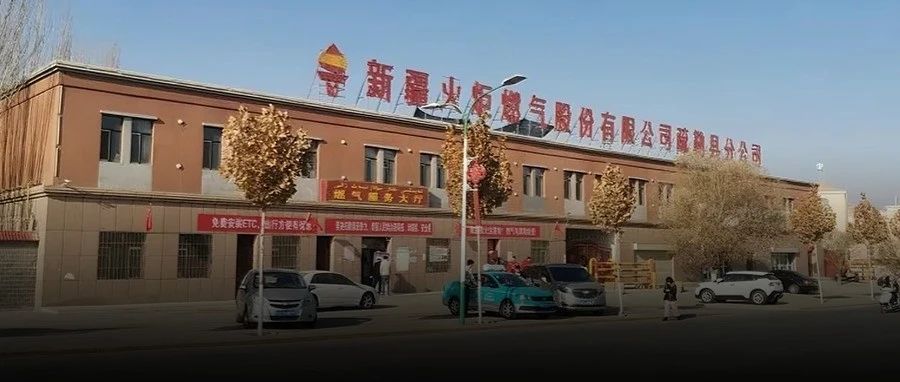
Core Viewpoint - The acquisition of Yushan Litai by Xinjiang Torch at a price significantly above its book value raises concerns about potential related-party transactions and the rationale behind such a high premium [2][4][8]. Group 1: Acquisition Details - Xinjiang Torch announced the acquisition of 100% equity in Yushan Litai for 125 million, representing a 203.20% premium over its book value [2][4]. - The counterparty, Jiangxi Zhongjiu Natural Gas Group, became the indirect controlling shareholder of Xinjiang Torch just two months prior to the transaction [2][4]. - The acquisition has drawn scrutiny from the exchange, leading to an inquiry from Xinjiang Torch, which took two weeks to respond [2][3]. Group 2: Financial Performance of Yushan Litai - Yushan Litai's gross profit margins for gas sales were 9%, 13%, and 12% for the years 2023, 2024, and Q1 2025, respectively, which are significantly lower than Xinjiang Torch's margins exceeding 20% [9][11]. - The financial health of Yushan Litai is concerning, with cash on hand at only 7.13 million and interest-bearing debt at 50.74 million, resulting in a high debt ratio of 41.3% [12][13]. - Yushan Litai's projected net profits for 2024 are 9.55 million, with performance commitments for the following years, indicating a modest growth expectation [14][15]. Group 3: Strategic Considerations - The rationale for acquiring a company located over 4,000 kilometers away raises questions about the strategic logic, especially given Xinjiang's abundant natural gas resources [17][25]. - Xinjiang Torch has previously focused on expanding its operations in regions adjacent to its existing infrastructure, making this acquisition appear inconsistent with past strategies [22][25]. - The company has indicated that external growth through acquisitions will be a focus for 2025, suggesting a shift in strategic direction [28][31]. Group 4: Financial Implications for Xinjiang Torch - The financial burden of the acquisition is significant, with Xinjiang Torch's cash reserves dwindling to 220 million by Q1 2025, raising concerns about liquidity [33][32]. - Jiangxi Zhongjiu has profited substantially from these transactions, having recouped a significant portion of its investment in Xinjiang Torch through high-premium sales [39][40].

万里马上市以来:融资7.8亿,亏损7.5亿,分红0.3亿,套现6亿!
市值风云· 2025-06-05 10:02
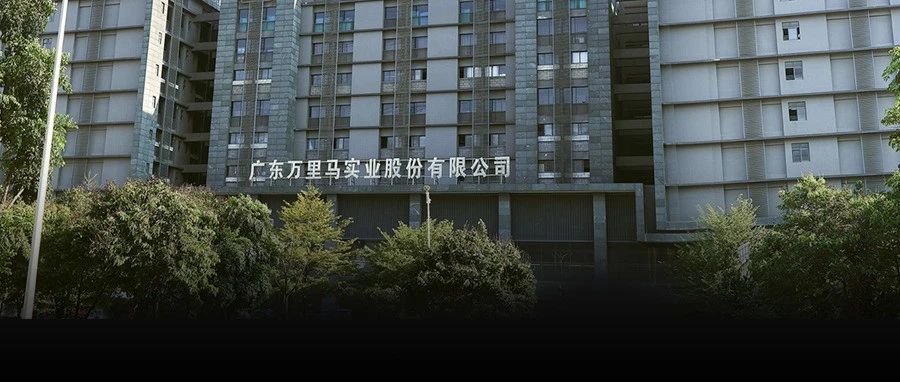
Core Viewpoint - The article highlights the significant decline in the company's performance, particularly in its group purchasing business, and the alarming trend of major shareholders liquidating their holdings, suggesting a "clearance sale" mentality regarding the company [1][45][56]. Company Overview - Wanlima (300591.SZ) was established in 2002 and went public in 2017, focusing on leather goods and personal protective products, primarily through an ODM model for international brands [4]. - The company operates through three proprietary brands and multiple agency brands, utilizing five main sales channels: group purchasing, direct sales, e-commerce, wholesale agents, and ODM [6]. Sales Channels and Clientele - Group purchasing is the core channel, primarily serving military, police systems, and state-owned enterprises, with products including shoes, belts, and protective gear [7][11]. - The top five clients accounted for 81% of sales in 2024, with the PLA's logistics department being the largest customer [11][12]. Financial Performance - The group purchasing channel has seen fluctuating revenues, with a notable decline from 2019 to 2021, followed by a recovery in 2022 and 2023, but still not reaching pre-pandemic levels [15][16]. - In 2024, the company's revenue was 590 million yuan, a year-on-year decline of 5.1%, with a significant drop of 32.5% in the first quarter of 2025 [19][28]. Profitability Challenges - The company has faced declining gross margins, with the gross margin for the group purchasing channel dropping to 3.4% in 2024 due to high production costs and limited pricing power [28][30]. - Cumulative net losses since 2020 have reached 750 million yuan, indicating a severe lack of profitability [34]. Shareholder Actions - Major shareholders have significantly reduced their holdings, with the controlling shareholders' stake dropping from 63.33% in 2017 to 21.09% by the end of 2024, raising concerns about the company's future [43][45]. - The total amount cashed out by shareholders through various means is approximately 5.9 billion yuan, indicating a lack of confidence in the company's prospects [55][56]. Industry Context - The leather goods industry is experiencing a phase of stagnant growth and declining profit margins, with companies like Aokang International and Red Dragonfly also reporting revenue declines [25]. - The market is characterized by intense competition, particularly in the mid to low-end segments, where Wanlima operates [23].

扎堆伊拉克,中小油气生产商有望化蛹成蝶?这家宝藏公司近水楼台!
市值风云· 2025-06-04 10:02
Core Viewpoint - The article discusses the impact of Trump's energy policies on the oil and gas industry, highlighting the shift in capital expenditure strategies among U.S. shale oil companies and the recent bidding rounds in Iraq that attracted significant international interest, particularly from Chinese firms [3][8][43]. Group 1: U.S. Oil and Gas Industry - Trump's administration has focused on traditional energy sources, advocating for reduced regulations on oil and gas extraction, with a target price of $50 per barrel set by advisor Peter Navarro [5][3]. - U.S. shale oil producers have learned from past price crashes and are now prioritizing cash flow and shareholder returns over aggressive capital spending, leading to a reduction in capital expenditures for 2025 and 2026 [8][10]. - Major companies like Chevron have announced significant layoffs, with plans to cut 9,000 jobs by the end of 2026, reflecting a broader trend of cost control in the industry [11]. Group 2: Global Oil Market Dynamics - Brent crude oil prices have fallen by 17% since the beginning of the year, currently around $60 per barrel, influenced by concerns over a potential global economic recession and OPEC+ production challenges [12]. - The Middle East remains a key player in the oil market, with the lowest extraction costs found in countries like Kuwait, Saudi Arabia, and Iraq, making them attractive for international investment [17][19]. Group 3: Iraq's Oil and Gas Bidding Rounds - Iraq is set to launch its fifth and sixth rounds of oil and gas block tenders, attracting participation from major global oil companies, with a focus on exploration and production contracts [21]. - Chinese companies have emerged as significant players in the bidding process, winning the majority of contracts, including those for high-potential exploration blocks [22][27]. - The article highlights the controversial background of some winning bidders, such as the United Energy Group, which has faced scrutiny for past financial misconduct [28][30].



FOF基金在重仓什么?机构对这六只产品真“偏爱”
市值风云· 2025-06-04 10:02
Core Viewpoint - The rapid development of public funds has led to a diverse range of fund products, making it challenging for investors to select suitable options. FOF funds, acting as "professional buyers," reflect market risk preferences and strategy adjustments, providing valuable insights for investors [2][3]. Group 1: FOF Fund Preferences - The top three actively managed equity funds favored by FOF funds in Q1 include Dachen Gaoxin C managed by Liu Xu (37 FOF funds), Fuguo Stable Growth C managed by Fan Yan (26 FOF funds), and Huaxia Innovation Frontier managed by Tu Huanyu (21 FOF funds) [5][6]. - Liu Xu is characterized as a value investor focusing on safety margins and long-term stock selection, while Fan Yan is known for her diversified holdings and strong drawdown control, earning her the title of "earthquake master" [7]. - Tu Huanyu adopts a technology growth style, focusing on TMT and new energy sectors, resulting in higher volatility compared to Liu Xu and Fan Yan [7]. Group 2: Fund Performance and Characteristics - Fuguo Stable Growth C and Jing Shun Chang Cheng Quality Evergreen C saw significant institutional buying in Q1, with shares increasing by 18.0373 million and 9.6018 million, respectively [10]. - Jing Shun Chang Cheng Quality Evergreen C, managed by Fan Yan, has consistently outperformed benchmarks and peers, achieving a year-to-date return of 8.17% and a total return of 44.39% over three years [13][12]. - The fund's strategy shifted towards technology sectors, significantly increasing allocations to electronics and communications, which contributed to a net value increase of over 40% in 2024 [15][14]. Group 3: Institutional Preferences - The top ten actively managed equity funds by FOF fund holdings, excluding those with high self-company holdings, include Huaxia Innovation Frontier with a market value of 4 billion yuan and 21 FOF funds [28][29]. - The fund manager Tu Huanyu focuses on long-term investment returns in TMT, new energy, and pharmaceuticals, achieving a cumulative return of 48% since he began managing the fund in March 2020 [30][31]. - The maximum drawdown for Huaxia Innovation Frontier during Tu Huanyu's tenure reached -44.5%, indicating a high level of volatility [33].
姚劲波A股首秀,易明医药一字涨停!壳资源迎价值重估,58赶集要借壳上市?
市值风云· 2025-06-04 10:02
Core Viewpoint - The control transfer of Yiming Pharmaceutical has been completed, with the new owner being Yao Jinbo, the founder of 58.com, marking it as his first A-share listed company [2][3]. Group 1: Company Overview - Yiming Pharmaceutical, with a market value of just over 2 billion, has been relatively unnoticed until now [2]. - The company was listed at the end of 2016, focusing on chronic medications for diabetes and cardiovascular diseases, including products like Yiming Aotianping and Yiming Weidongling [3]. Group 2: Financial Performance - Yiming Pharmaceutical's revenue has stagnated, with 2020 revenue at 600 million and projected revenue of 650 million in 2024, showing a decline of 7.4% in Q1 2025 [3][5]. - The net profit has remained stable at around 30-40 million, with R&D expenses projected to be over 15 million in 2024, indicating limited growth potential for a pharmaceutical company [5]. Group 3: Acquisition Insights - Yao Jinbo's acquisition price of 15.10 CNY per share represents a 24% premium over the last closing price and a 30% premium over the 20-day average price prior to suspension, indicating a strong commitment [2]. - The financials reveal that Yiming Pharmaceutical has a clean balance sheet, with 320 million in cash, 170 million in accounts receivable, and total liabilities under 300 million, suggesting it is a clean shell for potential future operations [6][9]. Group 4: Future Expectations - The share transfer agreement includes performance commitments from the previous controlling shareholder, ensuring revenue of no less than 600 million and net profit of no less than 30 million from 2025 to 2027, which may guide Yao's future plans for the company [11].


26只产品同时获批!首批浮动费率基金深度解析与投资策略指南来临!
市值风云· 2025-06-03 10:02
Core Viewpoint - The introduction of floating fee rate funds in China marks a significant shift in the asset management industry, aligning the interests of fund managers and investors by linking management fees to fund performance and holding periods [4][5][6]. Summary by Sections Introduction of Floating Fee Rate Funds - The China Securities Regulatory Commission released an action plan to promote high-quality development of public funds, emphasizing the establishment of a floating management fee mechanism linked to fund performance [2][4]. Characteristics of Floating Fee Rate Funds - The first batch of 26 floating fee rate funds has been approved, which redefines the traditional fixed fee model by dynamically linking management fees to performance and holding periods [4][5]. - Compared to traditional fixed rates (commonly 1.5%), the management fee for new products can fluctuate by 67% (ranging from 0.6% to 1.5%) [5][6]. - A "non-symmetric floating" rule is set, where if the fund underperforms the benchmark by 3%, the fee drops to 0.6%, and it only rises to 1.5% if it outperforms by 6% while achieving positive returns [5][6]. Implications for Fund Managers - Fund managers are now required to prioritize investor interests, as management fees can be significantly reduced if performance is poor, reflecting a strong commitment to aligning with investor outcomes [6]. - The new regulations place substantial performance pressure on fund managers, necessitating the selection of strong investment strategies and high-quality assets for these floating fee products [6]. Performance Analysis of Fund Managers - The article provides an analysis of the performance of fund managers associated with the newly launched floating fee rate funds, highlighting their historical returns over one, two, and three years [8][10]. - Notably, the fund manager Nong Bingli achieved a three-year return of 54.4%, focusing on technology and growth sectors [10][13]. Investment Strategies of Fund Managers - Nong Bingli's investment strategy emphasizes technology and consumer sectors, with a focus on leading companies in electronics, communications, and new energy [13][15]. - The article also discusses another fund manager, Zhou Yun, who adopts a conservative value investment approach, achieving consistent returns while maintaining a diversified portfolio [23][26]. Conclusion - The launch of floating fee rate funds represents a new phase in China's asset management industry, encouraging investors to choose products that align with their risk preferences and market conditions [37][38].
天塌了!锰基正极材料小霸主,遭遇比亚迪搅局两轮车电池,湘潭电化:扩产锰酸锂前途未卜
市值风云· 2025-06-03 10:02
Core Viewpoint - The article discusses the competitive landscape and future prospects of manganese lithium batteries in the electric two-wheeler market, highlighting the challenges posed by the dominance of lithium iron phosphate batteries and the fluctuating prices of lithium carbonate [4][24][29]. Group 1: Industry Overview - The rapid development of the power battery industry has led to increased attention on the cross-application of manganese in lithium batteries, particularly manganese lithium batteries, which have clear application scenarios in electric two-wheelers and low-speed electric vehicles [7][8]. - The electric two-wheeler market is crucial for the sustained growth of manganese lithium materials, with a projected domestic demand of 115,000 tons by 2026 [11][36]. - The market for manganese-based cathode materials is relatively small, leading to a challenging survival environment for small and medium enterprises, while larger companies dominate due to their scale and R&D capabilities [12][13]. Group 2: Company Performance - The company plans to raise 487 million yuan for a project to produce 30,000 tons of spinel manganese lithium battery materials, indicating a strategic shift towards lithium battery materials [8][9]. - In 2024, the company expects revenue of 1.9 billion yuan, with its main business segments being electrolytic manganese dioxide (EMD) and manganese lithium, where EMD contributes 67% of revenue [13][18]. - The company's EMD business has a gross margin of 37%, while manganese lithium has struggled with profitability, showing a gross margin of less than 1% in recent years [13][20]. Group 3: Market Dynamics - The electric two-wheeler market in China has reached a saturation point, with a decline in sales expected in 2024, which may impact the demand for manganese lithium batteries [35][47]. - The global electric two-wheeler market saw a slight increase in sales, but the domestic market is projected to decline by 11.6% in 2024 [34][35]. - The price of lithium carbonate has a significant impact on the profitability of manganese lithium batteries, with fluctuations leading to varying gross margins across the industry [20][29]. Group 4: Competitive Landscape - The article highlights the competitive threat posed by lithium iron phosphate batteries, which are becoming increasingly cost-effective and may overshadow manganese lithium batteries in the market [24][27][28]. - The price of manganese lithium battery materials has been revised downwards from 55,000 yuan to 33,000 yuan per ton, reflecting the competitive pressure from lithium iron phosphate [30][31]. - The company faces challenges in maintaining its market position as the advantages of manganese lithium over lithium iron phosphate diminish, particularly in terms of cost and performance [28][29].