半导体芯闻

Search documents
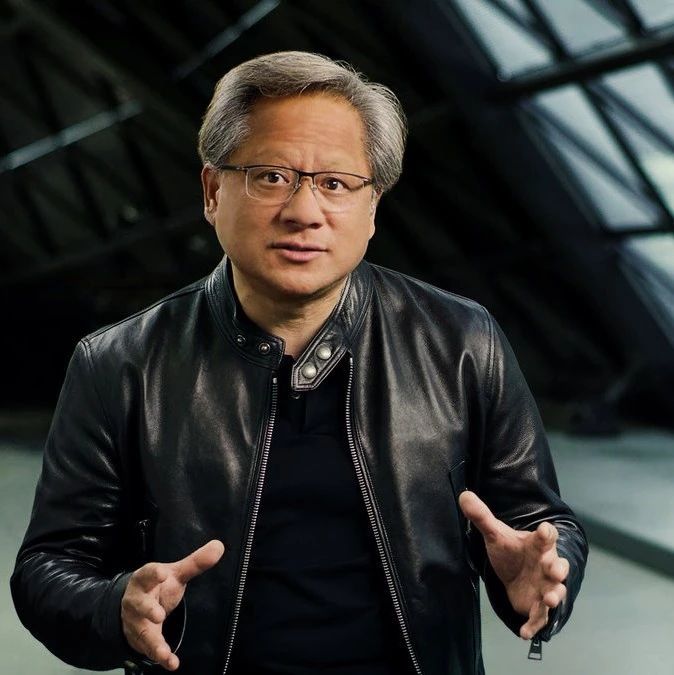
黄仁勋:台积电是史上最伟大的公司之一
半导体芯闻· 2025-08-22 11:28
Core Viewpoint - Nvidia's CEO Jensen Huang praised TSMC during his visit to Taiwan, highlighting the company's significance and expressing that anyone looking to invest in TSMC would be "very smart" [1]. Group 1: Nvidia and TSMC Collaboration - Huang emphasized that TSMC is producing six new products for Nvidia, including a new central processing unit and a new graphics processing unit [1]. - Nvidia is planning to establish the "NVIDIA Constellation" project in Taiwan to accommodate its growing workforce, indicating a strong commitment to the region [6]. Group 2: U.S. Government Involvement in Semiconductor Industry - The U.S. government is considering acquiring stakes in semiconductor companies, including Intel, as part of discussions surrounding the CHIPS Act, which aims to revitalize U.S. semiconductor manufacturing [4]. - TSMC has received a commitment of $6.6 billion under the CHIPS Act to support the construction of three advanced chip manufacturing plants in Arizona [2]. Group 3: Market Reactions and Developments - TSMC's stock has increased by 6.5% year-to-date, reflecting positive market sentiment towards the company [6]. - Nvidia has requested some of its component suppliers to halt production related to the H20 graphics processor due to security concerns raised by China [6][7].


在CSEAC 2025“百企人才招聘会”上开启职业生涯新天地
半导体芯闻· 2025-08-21 10:26
Group 1 - The 13th Semiconductor Equipment and Core Components and Materials Exhibition (CSEAC 2025) will take place from September 4 to 6, featuring a large-scale talent recruitment event with over 100 semiconductor companies participating [2] - The recruitment event aims to connect students and professionals with job opportunities in the semiconductor industry, making it the largest talent supply-demand platform in both international and domestic semiconductor exhibitions [2] - Accompanying the recruitment event, there will be a series of activities including a university成果展 (achievement exhibition), talent matching conference, and corporate presentations to foster collaboration between academia and industry [2] Group 2 - The corporate human resources promotion conference will be held on September 5, 2025, at the Taihu International Expo Center, featuring presentations from various semiconductor companies [3] - The schedule includes speeches from industry leaders and presentations from companies such as Advanced Micro-Fabrication Equipment Inc. China and Beijing NAURA Microelectronics Equipment Co., Ltd. [3][4] - The event will also feature a detailed explanation of semiconductor industry support policies by government representatives [2] Group 3 - A list of participating companies and their booth numbers has been provided, including notable firms like NAURA, AMEC, and SiCARRIER [5] - The recruitment needs of these companies will be released in due course, encouraging interested candidates to stay updated [6] - A list of universities and research institutions participating in the event has been updated, showcasing collaboration opportunities in semiconductor research and development [8]
韩国芯片,紧急应对
半导体芯闻· 2025-08-21 10:26
Group 1 - The article discusses the increasing pressure from the U.S. on South Korea regarding semiconductor investments, particularly in light of the upcoming summit between the South Korean President and U.S. President [1][2] - The U.S. government is considering acquiring shares in South Korean semiconductor companies like Samsung and SK Hynix that receive subsidies for investments in the U.S. [1][2] - The potential for the U.S. to hold stakes in these companies could lead to increased influence over their investment decisions in the U.S. [1] Group 2 - South Korean officials are preparing for unexpected demands from President Trump during the summit, particularly concerning investment and security issues [2] - There is a recognition that the risks associated with the summit are higher than in previous meetings, necessitating careful risk management strategies [2] - Suggestions include providing tangible results to President Trump while maintaining strategic ambiguity on alliance modernization topics [2]
IDAS 2025 设计自动化产业峰会:巅峰聚首!80+顶尖行业专家领衔,即刻报名锁定参会资格!
半导体芯闻· 2025-08-21 10:26
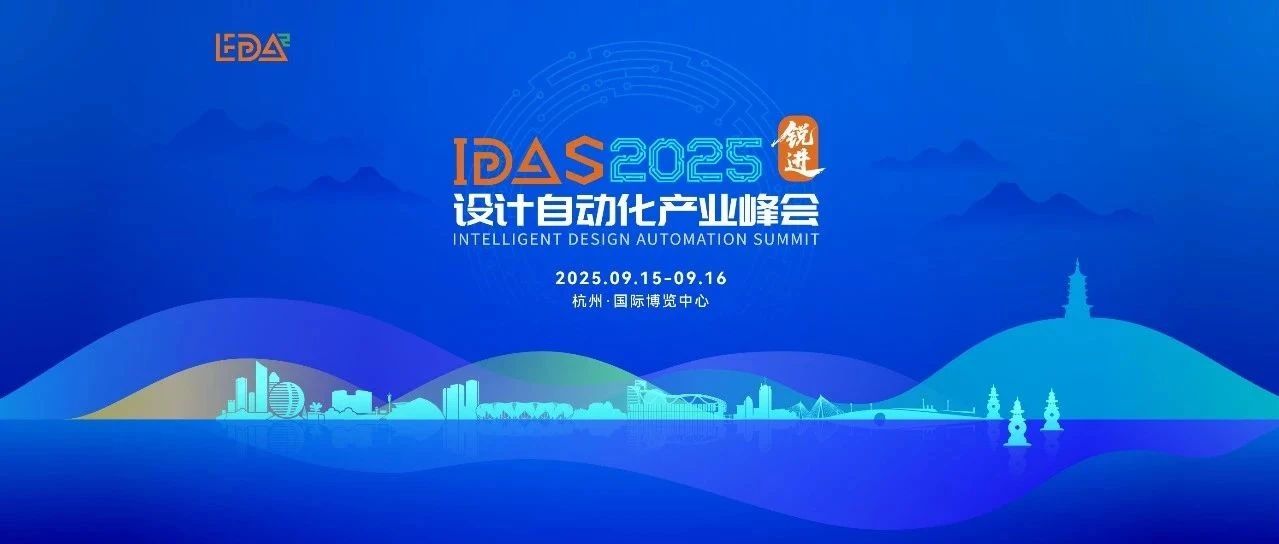
Core Viewpoint - The article discusses the upcoming Intelligent Design Automation Summit 2025 (IDAS 2025), focusing on the rapid restructuring of the global semiconductor industry and the need for diverse supply chains and EDA technology advancements [3][4]. Event Overview - IDAS 2025 will take place on September 15-16, 2025, at the Hangzhou International Expo Center, aiming to gather key players from the semiconductor industry, including leading companies, universities, and research institutions [3][4]. - The summit will feature a main forum, 12 specialized forums, and related enterprise user conferences, expecting over 500 leading semiconductor companies and 2,500 professional attendees [4]. Themes and Topics - The summit will cover a wide range of topics from circuit-level to system-level design, including analog and digital circuit design, chip manufacturing, and packaging [3][4]. - Key discussion areas will include AI for EDA, 3D IC, and various technological roadmaps, with a focus on sharing the latest research findings and analyzing macro trends in the industry [4]. Agenda Highlights - The agenda includes an opening ceremony and main forum on September 15, followed by specialized forums covering topics such as custom design, memory design, and advanced packaging [11][12]. - On September 16, the main forum will address solutions for improving chip lifecycle yield, alongside various specialized discussions on AI technology applications in semiconductors [13][15]. Participation and Registration - Registration for the summit is currently open, with multiple ways to sign up, including through the EDA² official website and the "EDA Square" WeChat account [6][7][9].
DRAM巨头,史上最惨
半导体芯闻· 2025-08-21 10:26
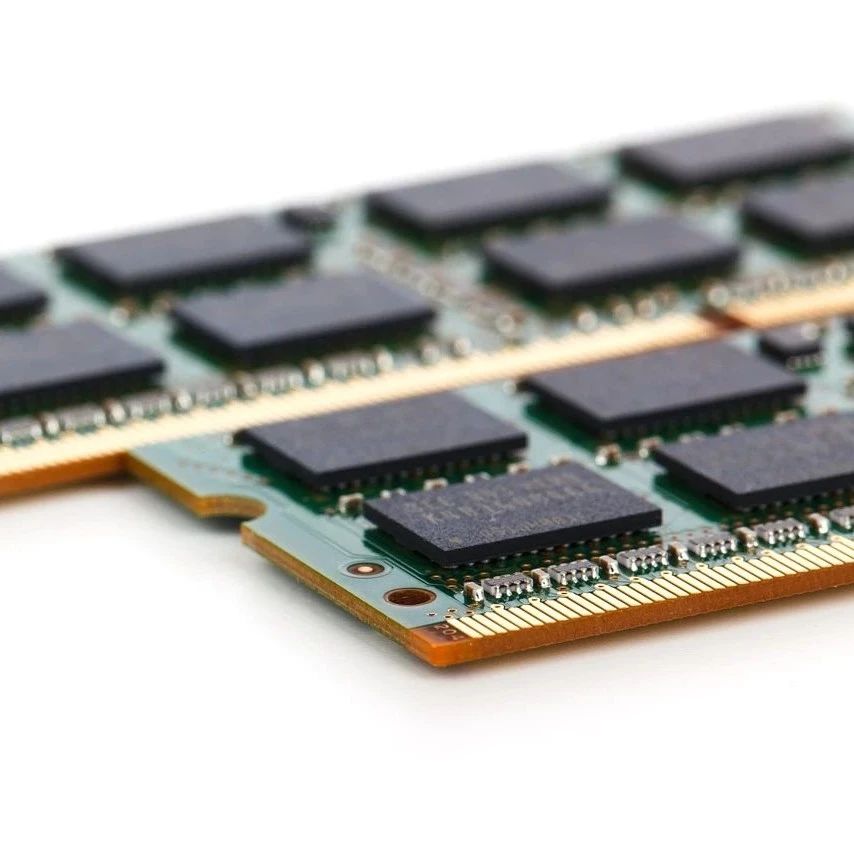
Core Viewpoint - Samsung Electronics has lost its position as the world's largest DRAM manufacturer for the first time in over 30 years, with SK Hynix taking the lead due to strong demand for AI memory chips and exclusive supply agreements with Nvidia [1][2]. Market Share Changes - Samsung's global DRAM market share has decreased by 8.8 percentage points over the past six months, marking the largest decline since 1999 [1]. - In contrast, SK Hynix's market share has increased from 27.7% in 2022 to 29.9% in 2023, and is projected to reach 33.4% in 2024. In the first half of this year, SK Hynix's share reached 36.3%, surpassing Samsung for the first time in 33 years [1]. Financial Performance - SK Hynix's U.S. subsidiary reported sales of 24.7 trillion KRW (approximately 177.9 billion USD) in the first half of the year, a 103% increase from the previous year [1][2]. - The company's DRAM operating profit from HBM accounted for 54% in Q1 of this year [2]. Strategic Partnerships - SK Hynix has maintained its position as the largest supplier to Nvidia since March 2024, when it began delivering HBM3E chips [2]. - The company has strengthened its collaboration with major U.S. tech firms through its Silicon Valley subsidiary, which recently underwent a leadership change [2]. Investor Sentiment - There has been a shift in investor interest, with SK Hynix's retail shareholder base growing by 21.3% in the first half of the year, compared to Samsung's 18.9% [2]. Product Development and Challenges - Samsung plans to diversify its DRAM product offerings to regain market share, focusing on high-capacity AI servers and products like HBM, high-capacity DDR5, and LPDDR5x for servers [3]. - Samsung is facing challenges in supplying HBM to Nvidia due to unmet thermal standards, signal quality issues, and lower yield rates compared to competitors [4][5][6]. Competitive Landscape - The introduction of NVLink aims to ensure rapid response from AI semiconductors, but Samsung's HBM has performance issues that affect data recognition and AI model performance [6]. - Samsung's lower yield rates hinder timely contract fulfillment and weaken its negotiating position [6].
CoWoS,迎来替代者
半导体芯闻· 2025-08-21 10:26
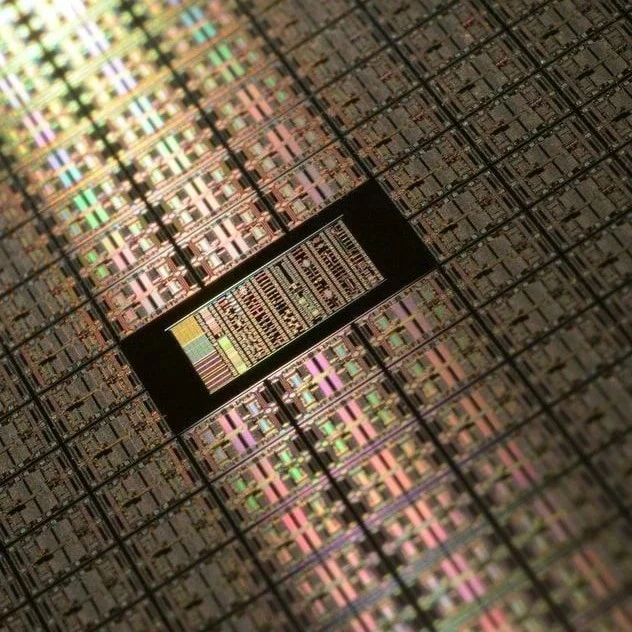
Core Viewpoint - The emergence of CoWoP technology by Nvidia is seen as a potential disruptor to TSMC's CoWoS technology, which has been dominant in advanced packaging for AI chips. The industry is debating whether CoWoP is merely a temporary trend or a significant shift in semiconductor packaging [1][3]. Summary by Sections CoWoP vs CoWoS - CoWoP (Chip on Wafer on PCB) integrates the packaging substrate with PCB, allowing for a thinner, lighter, and higher bandwidth module design compared to CoWoS (Chip-on-Wafer-on-Substrate). This integration reduces material and manufacturing costs while accelerating production timelines [2][3]. Market Impact - The introduction of CoWoP has sparked discussions about its potential to replace CoWoS and has raised questions about the future of TSMC's CoPoS (Chip-on-Panel-on-Substrate) technology, which is designed to address CoWoS's production bottlenecks [3][4]. Advantages of CoWoP - CoWoP offers several advantages, including simplified system architecture, improved thermal management, reduced substrate costs, and potentially fewer backend testing steps. It aims to solve issues like substrate warping and enhance NVLink coverage without additional substrate layers [4][5]. Challenges and Risks - Despite its potential, CoWoP faces significant challenges in commercial viability, particularly in scaling up for high-capacity GPUs. The transition from existing technologies to CoWoP involves risks, especially given TSMC's current high yield rates with CoWoS [6][7]. Industry Sentiment - PCB manufacturers express skepticism about CoWoP's ability to replace CoWoS in the short term, citing the need for substantial advancements across the entire supply chain. They believe that existing technologies remain adequate and that the transition to CoWoP will take considerable time [7][8].
Arm神经技术,打造移动端图形性能新标杆
半导体芯闻· 2025-08-21 10:26
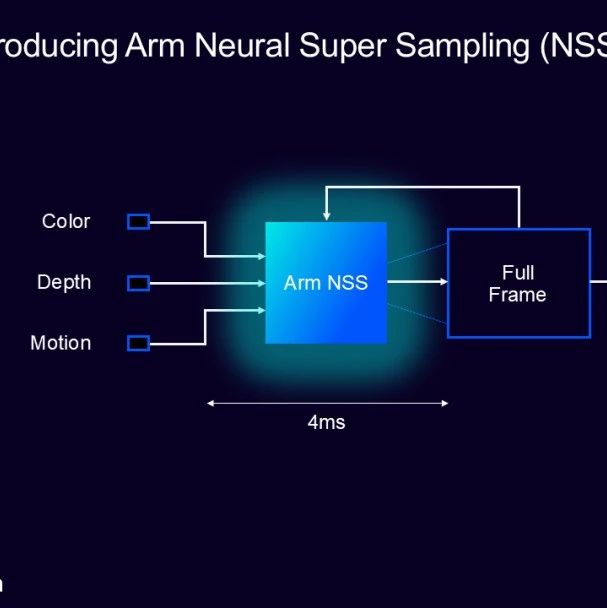
Core Viewpoint - The article emphasizes Arm's commitment to enhancing mobile graphics technology through innovation and the introduction of specialized AI capabilities, aiming to meet the growing demand for immersive gaming experiences and high-quality graphics on mobile devices [1][3][25]. Group 1: Technological Advancements - Arm has consistently pushed the boundaries of mobile graphics performance, introducing features like ray tracing and variable rate shading in 2022, and vertex shading technology in 2023, with further enhancements planned for 2024 [1][3]. - The introduction of Arm's Neural Technology aims to integrate dedicated neural accelerators into GPUs, significantly enhancing AI computing capabilities on mobile devices, potentially achieving PC-level AI graphics performance [3][6][10]. Group 2: Developer Support and Ecosystem - Arm has launched an open development kit to empower developers, providing tools and resources to facilitate the integration of AI technologies into their graphics applications [12][14]. - The open development kit includes a plugin for Unreal Engine and a Vulkan PC emulation environment, allowing developers to test and develop applications even before mobile hardware is ready [12][14]. Group 3: Key Applications and Future Directions - The first application of Arm's Neural Technology, Neural Super Sampling (NSS), combines super-resolution techniques with AI neural networks to enhance image quality while reducing GPU workload [16][18]. - Future applications such as Neural Frame Rate Upscaling (NFRU) and Neural Super Sampling and Denoising (NSSD) are planned to further improve graphics performance and user experience [19][22]. - Arm's strategy of providing open access to its neural technology contrasts with traditional closed ecosystems, allowing developers to customize and optimize their applications according to specific needs [23][25].

英特尔,失去的20年
半导体芯闻· 2025-08-21 10:26
Core Viewpoint - Intel has experienced a significant decline over the past 20 years due to strategic missteps, management issues, and failure to capitalize on emerging market opportunities, particularly in the smartphone sector [1][2][3]. Group 1: Historical Context and Strategic Missteps - Intel's decline began approximately 20 years ago, marked by failed acquisitions in the telecom and wireless technology sectors, costing the company $12 billion with little to no return [1]. - The company attempted to enter the smartphone market but made a critical strategic error by abandoning a partnership with Arm to pursue its own x86 architecture, resulting in a decade-long failure to produce competitive products [1]. - Management issues became apparent as Intel repeatedly missed chip release schedules and lost market share, ultimately abandoning its smartphone chip efforts [1]. Group 2: Recent Developments and Leadership Changes - In response to the crisis, Intel's board brought back Pat Gelsinger, who had a long history with the company, to lead an ambitious and costly plan to regain its position in the global chip market [2]. - Despite receiving significant government subsidies, including approximately $8 billion, analysts express skepticism about Intel's ability to execute its plans effectively [2][3]. - The recent leadership change, with Lip-Bu Tan replacing Gelsinger, raises questions about the company's direction and the challenges of attracting new leadership amid ongoing scrutiny [3]. Group 3: Geopolitical Context and Competitive Landscape - The U.S. government views chip manufacturing as a critical component of national security, leading to bipartisan support for the CHIPS and Science Act to bolster domestic production [2]. - Taiwan's TSMC and South Korea's Samsung have become the leading producers of advanced chips, raising concerns about Intel's competitiveness and the implications for U.S. chip manufacturing [2][5]. - Analysts note that while Intel remains the only U.S. company capable of producing advanced chips, it must prove its ability to deliver on its promises to regain market confidence [5].

国巨收购,加钱
半导体芯闻· 2025-08-21 10:26
Group 1 - The core viewpoint of the article is that Kioxia Holdings has officially launched a public acquisition of Shibaura Electronics, with multiple adjustments to the acquisition price, reflecting competitive dynamics in the semiconductor industry [1][2] - Kioxia has raised its acquisition price from 6,200 yen to 6,635 yen per share, marking the fourth increase, and has extended the acquisition period to September 4, 2025, in accordance with Japanese regulations [1][2] - Shibaura Electronics is recognized as a leading manufacturer of negative temperature coefficient (NTC) thermistors, showcasing strong technical capabilities that Kioxia aims to leverage through this acquisition [1][2] Group 2 - During recent meetings, both companies reached a consensus on strategic synergies, including shared global sales channels and customer relationships, which will benefit Shibaura Electronics in market expansion [2] - The collaboration is expected to enhance Shibaura's product application potential, particularly in future AI applications, while also strengthening its technological leadership with Kioxia's financial and R&D resources [2] - Kioxia's advanced automation technology is anticipated to improve Shibaura's manufacturing efficiency and flexibility, further supporting the overall value enhancement of Shibaura Electronics [2]
软银曾考虑买下晶圆厂?
半导体芯闻· 2025-08-20 11:10
Core Viewpoint - SoftBank plans to acquire a record $2 billion stake in Intel, making it one of the largest shareholders of the American chip manufacturer, while also considering a direct acquisition of Intel's foundry division shortly before the deal [1][2]. Group 1: Investment and Strategic Moves - SoftBank's investment in Intel represents a significant commitment to turning around the struggling company and highlights its geopolitical importance in keeping advanced semiconductors in the U.S. [2][3]. - The investment aligns with SoftBank's broader strategy to expand its influence in the artificial intelligence market and establish a foothold in emerging technologies [2][3]. - Previously, SoftBank held a 4.9% stake in Nvidia but sold it during a downturn, resulting in substantial losses as Nvidia's stock rebounded [3]. Group 2: Intel's Challenges and Leadership - Intel has faced ongoing challenges and is competing with TSMC for advanced semiconductor processes, with geopolitical concerns surrounding TSMC's operations in Taiwan [1][2]. - CEO Lip-Bu Tan has been working to refocus Intel on core operations and cost-saving measures, but faces scrutiny due to past associations with China [1][2]. - Intel's foundry business is struggling, and without sufficient customer commitments, its next-generation manufacturing processes may be at risk [3][4]. Group 3: Political and Economic Context - The U.S. government is considering using funds from the CHIPS Act to acquire a 10% stake in Intel, emphasizing the strategic importance of domestic semiconductor manufacturing [1]. - The relationship between Trump and Lip-Bu Tan has evolved, with Tan previously being a board member at SoftBank until 2022 [2]. - The outcome of SoftBank's investment and the political interventions by Trump and Son Masayoshi remain uncertain regarding their potential to revitalize Intel [4].