半导体芯闻

Search documents
Wolfspeed,股价大涨480%
半导体芯闻· 2025-07-08 10:23
Core Viewpoint - Wolfspeed, Inc. has appointed Gregor van Issum as CFO, effective September 1, which has positively impacted the stock price amid ongoing financial challenges and restructuring efforts [1][2]. Group 1: Company Leadership Changes - Gregor van Issum brings over 20 years of experience in the technology sector, having previously held significant roles at ams-OSRAM and NXP Semiconductors [1]. - David Emerson was appointed COO in May to help improve gross margins and turn the company profitable [1]. Group 2: Financial Performance and Restructuring - Wolfspeed's stock has plummeted by 65.32% year-to-date, contrasting with a 5.92% increase in the S&P 500 [2]. - The company faced severe financial strain due to fluctuating U.S. trade policies and declining demand, leading to concerns about its ability to continue operations [2]. - In June, Wolfspeed announced plans to file for U.S. bankruptcy protection to alleviate its overall debt burden, with a restructuring process expected to be completed by Q3 2025 [2]. - Post-restructuring, Wolfspeed anticipates a 70% reduction in debt (approximately $4.6 billion) and a 60% decrease in annual cash interest expenses [2]. Group 3: Market Outlook and Stock Performance - Investors are optimistic that Van Issum's leadership will facilitate successful restructuring and effective cash management, capitalizing on strong demand for silicon carbide in electric vehicles and AI data centers [2]. - Following the announcement, Wolfspeed's stock surged by 95.76% to $2.31, marking the highest closing price since May 20, with a remarkable increase of 479.24% in July alone [2].


英特尔裁员,最高补偿19个月工资
半导体芯闻· 2025-07-08 10:23
Core Viewpoint - Intel Israel is undergoing significant layoffs as part of a broader cost-cutting strategy, offering substantial severance packages to affected employees while also imposing conditions that may lead to dissatisfaction among staff [1][4][6]. Group 1: Layoff Details - Intel Israel has initiated a new round of layoffs, affecting hundreds of employees across all business areas, including the Kiryat Gat factory, which previously avoided layoffs [2][4]. - The company currently employs approximately 9,300 individuals, with around 4,000 working at the Kiryat Gat facility [3]. - The layoffs will primarily impact middle management and technical staff at the Remote Operations Center (ROC), as part of a strategy to streamline operations and introduce automation [5][6]. Group 2: Severance Packages - Employees with five years of service will receive severance equivalent to four months' salary, while those with ten years will receive ten months, and employees with over thirty years will receive nineteen months [1]. - A condition attached to the severance package is that employees who challenge their termination through hearings may forfeit the enhanced compensation, leading to employee dissatisfaction [1]. Group 3: Strategic Importance of Israel - Intel's Kiryat Gat factory is a key manufacturing site, contributing significantly to the company's revenue, and is part of a broader global restructuring effort [6][7]. - As of the end of 2024, Intel's property, plant, and equipment in Israel are valued at $10.4 billion, marking a 12% increase from $9.29 billion in 2023, highlighting Israel's strategic importance to Intel [7]. - The company views its Israeli operations as critical for its core business, particularly in relation to the Intel 7 technology, which remains vital for production and revenue [7].

AMD在印度疯狂招人
半导体芯闻· 2025-07-08 10:23
如果您希望可以时常见面,欢迎标星收藏哦~ 来 源: 内容来自半导体芯闻综合 。 AMD 正大力投资印度市场,力求扩大其在印度的业务规模和人才储备。AMD 首席技术官马克·帕 珀马斯特 (Mark Papermaster) 表示,公司在过去三年中在印度的员工人数翻了一番,并有望在未 来两到三年内突破 10,000 名员工。 帕珀马斯特在接受 CNBC-TV18 采访时表示:"在印度学校毕业的工程师们知道,他们在 AMD 能 够快速成长。"他还补充道,AMD 二十多年来在印度建立的深厚基础,帮助公司打造了强大的领 导力储备。"AMD 的特别之处不仅在于他们来自印度大学的天赋,还在于他们的决心和品格。"他 说道。 帕珀马斯特担任 AMD 印度团队执行发起人超过 13 年,他表示,公司对其印度研发业务"无比自 豪"。他指出:"团队中体现出的渴望、动力和对成长的承诺,尤为突出。" 2023年,AMD宣布将在印度投资4亿美元,分五年部署。"这项投资……进展顺利,"Papermaster 确认道,并指出班加罗尔新的TechnoStar设计中心已于去年年底竣工。 | | 推荐阅读 | | --- | --- | | 10万亿 ...


芯片将面临铜风险
半导体芯闻· 2025-07-08 10:23
Core Viewpoint - The semiconductor industry, valued at $650 billion, faces increasing climate change risks that could affect copper supply, essential for production, with projections indicating that by 2035, 32% of semiconductor production will rely on copper affected by climate change, rising to 58% by 2050 [1][2]. Group 1: Climate Change Impact on Semiconductor Supply - By 2035, at least 34% of copper supply for semiconductor production will be at risk of drought interruptions [2]. - Currently, Chile is the only country supplying copper to the semiconductor industry, but within ten years, most of the 17 countries supplying copper will face severe drought risks [2]. Group 2: Actions and Strategies for Risk Management - Semiconductor manufacturers and buyers need to enhance supply chain resilience, with 68% of investors believing companies should intensify efforts to mitigate supply chain risks [3]. - Actions being taken include copper miners investing in desalination plants and improving water efficiency, while semiconductor manufacturers are innovating materials and diversifying suppliers [3]. Group 3: Recommendations for Business Leaders - Business leaders should identify climate risks across the value chain and manage these risks through supplier diversification and collaboration with partners to enhance climate resilience [4]. - Proactive strategies can help uncover vulnerabilities in supply chains and operations, allowing companies to protect their financial, operational, and reputational value [4].
芯片,好了吗?
半导体芯闻· 2025-07-08 10:23
Core Viewpoint - Artificial intelligence (AI) is considered the most exciting technological transformation of this generation, with semiconductor companies leading the innovation wave. AI accelerators for large language models are expected to account for 20% of the total semiconductor market in 2024, with this share projected to grow further. Nvidia is at the core of the AI boom, and both Nvidia and AMD are expected to perform well in the AI sector despite challenges in the Chinese market due to U.S. restrictions [1][20][16]. Semiconductor Industry Overview - The semiconductor demand is experiencing a broad surge, with digital semiconductors for AI leading the trend, while automotive and industrial semiconductors are gradually rebounding [8]. - Global semiconductor trade data indicates strong revenue growth driven by AI, with a projected 23% increase in chip industry sales in the first half of 2025 [9]. AI Semiconductor Demand - Nvidia's AI accelerators are projected to account for 20% of semiconductor revenue in 2024, with significant growth expected in 2025. Despite losing over $10.5 billion in revenue from the Chinese market, Nvidia's sales remain strong in non-China markets [20][16]. - Data center spending is expected to account for 25% of semiconductor end-market demand in 2024, with Nvidia maintaining a leading position in AI infrastructure [17]. Analog/Mixed-Signal Semiconductor Outlook - The severe cyclical downturn in the analog/mixed-signal semiconductor sector is nearing its end, with inventory levels dropping to a point where reordering is necessary. The long-term trend of increasing chip content in automotive and industrial applications remains solid [2][45]. - The median valuation of analog/mixed-signal chip manufacturers is considered undervalued by 13%, while digital chip stocks are undervalued by 3% [5]. Automotive Semiconductor Market - Automotive semiconductors are projected to account for 12% of chip industry revenue in 2024, with an increase in chip content per vehicle, especially in electric vehicles [49][53]. - The Chinese electric vehicle market is expected to grow by 25% in 2024, further driving demand for automotive semiconductors [53]. Industrial Semiconductor Market - Industrial semiconductors, which include military, aerospace, and medical applications, are expected to recover from a cyclical low, despite concerns over tariffs [56]. - The revenue growth of industrial semiconductors is anticipated to outpace U.S. manufacturing activity due to increasing chip content in devices [58]. Wireless Semiconductor Market - The wireless semiconductor market, primarily used in smartphones, is recovering from overordering during the pandemic, with a projected 28% market share in 2024 [36]. - The growth of wireless semiconductors is expected to be modest, with concerns over tariffs and a lack of a strong rebound in the consumer electronics sector [60]. Financial Performance and Margins - Nvidia's gross margin remains unmatched, peaking at 78%, while AMD's gross margin is gradually improving, expected to reach around 40% due to market restrictions [41][42]. - The gross margins for analog/mixed-signal semiconductors are anticipated to rebound as revenue growth resumes following the cyclical downturn [62].

Groq在欧洲建立数据中心,挑战英伟达
半导体芯闻· 2025-07-07 09:49
Core Viewpoint - Groq, an AI semiconductor startup, has established its first data center in Europe, specifically in Helsinki, Finland, in collaboration with Equinix, aiming to capitalize on the growing demand for AI services in the region [1][3][2]. Group 1: Company Expansion - Groq is accelerating its international expansion by setting up a data center in Europe, following a trend of increased investment by other American companies in the region [2][3]. - The data center in Helsinki is supported by investments from Samsung and Cisco's investment divisions, indicating strong backing for Groq's growth strategy [3][4]. Group 2: Market Positioning - Groq's valuation stands at $2.8 billion, and the company has developed a chip called the Language Processing Unit (LPU), designed for inference rather than training, which is crucial for real-time data interpretation [3][4]. - The company aims to differentiate itself in the AI inference market, competing against established players like Nvidia, which dominates the training of large AI models with its GPUs [3][4]. Group 3: Competitive Advantage - Groq's LPU does not rely on expensive high-bandwidth memory components, which are in limited supply, allowing the company to maintain a more flexible supply chain primarily based in North America [4][5]. - The CEO, Jonathan Ross, emphasized Groq's strategy of focusing on high-volume, lower-margin business, contrasting with competitors that prioritize high-margin training solutions [4][5]. Group 4: Infrastructure and Service Delivery - Groq's rapid deployment capabilities were highlighted, with the company planning to start serving customers shortly after the decision to build the data center [5]. - The collaboration with Equinix allows Groq to connect its LPU with various cloud providers, enhancing accessibility for enterprises seeking AI inference capabilities [5][6].
台积电:美国扩张不会影响全球计划
半导体芯闻· 2025-07-07 09:49
Core Viewpoint - TSMC's investment in the U.S. will not affect its existing projects in other regions, countering reports from The Wall Street Journal regarding delays in its Japan expansion due to U.S. tariffs [1][2]. Group 1: U.S. Investment and Expansion - TSMC is taking U.S. tariff threats seriously and is reallocating resources to accelerate its investment in Arizona, where a large chip manufacturing center is under construction [3]. - The company has committed to a $100 billion investment to build three additional fabs, two integrated circuit assembly plants, and a research center [6]. Group 2: Japan Expansion - TSMC's first wafer fab in Kumamoto, Japan, began production at the end of last year, while the second fab's construction has been slightly delayed due to local transportation issues [5]. - Although there is no confirmed timeline for the second fab's construction, reports suggest it may face further delays [6]. Group 3: Global Operations - TSMC is also constructing a new fab in Dresden, Germany, which is expected to start production in 2027 [7]. - The company’s global expansion strategy is influenced by various factors, including customer demand, business opportunities, operational efficiency, government support, and overall costs [1].

2025年Q3,DRAM价格上涨
半导体芯闻· 2025-07-07 09:49
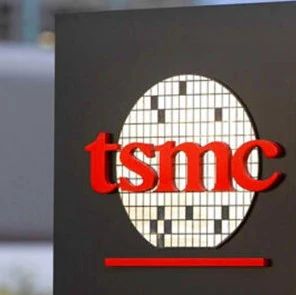
Core Viewpoint - The article discusses the anticipated price increases in the DRAM market due to shifts in production capacity and demand dynamics, particularly focusing on DDR4 and DDR5 products, as well as the impact of EOL (End of Life) policies on supply and pricing trends [3][4][5]. Group 1: DRAM Market Dynamics - Major DRAM manufacturers are shifting production towards high-end products, leading to a projected price increase of 10% to 15% for conventional DRAM in Q3 2025, with an overall increase of 15% to 20% when including HBM [3]. - Demand for DDR4 remains strong, with expectations of a price increase of 40% to 45% for consumer DDR4 in Q3 due to limited supply and prioritization of server applications [3][4]. - The supply of PC DDR4 is constrained by manufacturers' EOL policies and increased demand from cloud service providers, leading to a forecasted price increase of 8% to 13% for PC DRAM in Q3 [4][5]. Group 2: Server and Graphics DRAM Trends - The server DRAM market is experiencing increased demand driven by data center construction and AI server deployments, with price increases expected to be between 3% and 8% in Q3 [5]. - The graphics DRAM segment is seeing strong demand from NVIDIA's new generation graphics cards, with GDDR6 experiencing significant price increases due to supply constraints, while manufacturers are transitioning to GDDR7 [5].
芯片产业的下一个颠覆性突破!
半导体芯闻· 2025-07-07 09:49
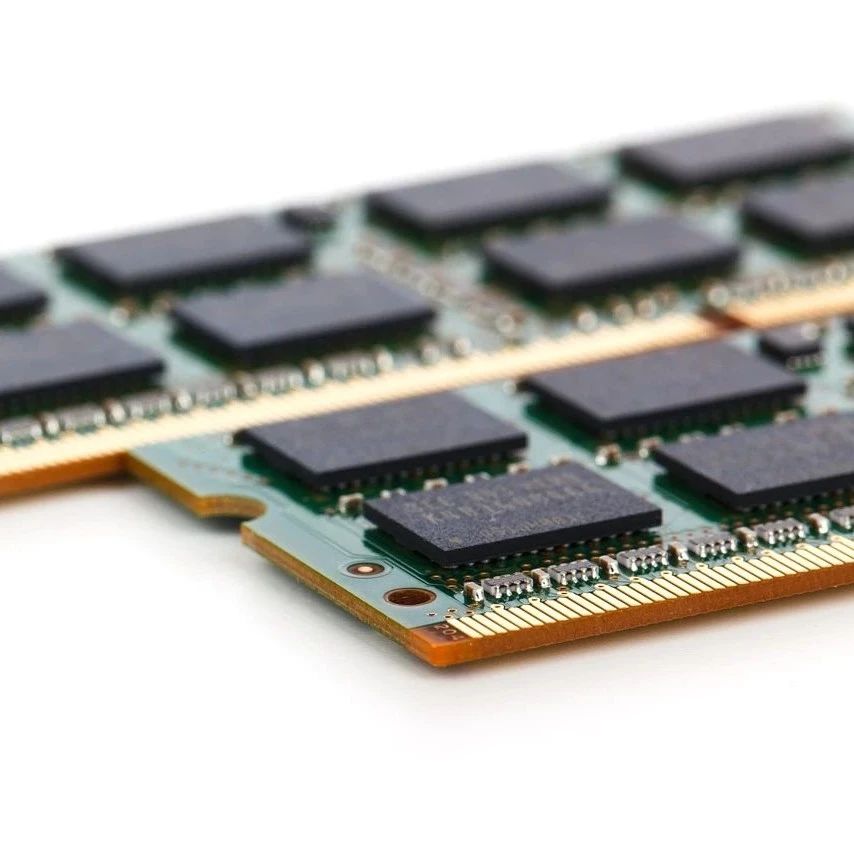
Core Viewpoint - The article discusses the future of semiconductor technology, emphasizing the transition from traditional silicon-based materials to two-dimensional (2D) semiconductor materials as a key focus for innovation and development in the industry [2][12][53]. Group 1: Industry Trends and Predictions - IMEC predicts that by 2039, the second generation of 2D Field Effect Transistors (2DFET) will become mainstream, highlighting the growing importance of 2D materials in semiconductor technology [4][53]. - The global market for 2D semiconductor materials is expected to reach $1.8 billion in 2024, with graphene being the largest segment, accounting for 45% of the market share [16]. - The market is projected to grow at a compound annual growth rate (CAGR) of 24%-26.5% from 2025 to 2030, driven by demand in 5G communication, AIoT, and high-performance computing [16]. Group 2: Material Innovations - The transition to 2D semiconductor materials is seen as a solution to the challenges posed by traditional silicon-based devices, which face physical limitations such as quantum tunneling and short-channel effects [5][12]. - 2D materials, such as graphene and transition metal dichalcogenides (TMDs), offer unique electrical properties and the potential for higher integration densities, with vertical field-effect transistors (VFETs) achieving densities ten times that of FinFETs [6][14]. - Research has shown that 2D materials can be engineered to exhibit a wide range of electronic properties, making them suitable for various applications, including neuromorphic devices and quantum computing [9][12]. Group 3: Industrial Applications and Developments - Companies like TSMC, Intel, and Samsung are investing heavily in the research and integration of 2D semiconductor materials, pushing the industry from laboratory experiments to large-scale production [16]. - The first domestic engineering demonstration line for 2D semiconductors has been launched, aiming to develop commercial production lines within three years [17]. - Significant advancements have been made in the development of flexible integrated circuits based on 2D materials, with successful demonstrations of medium-scale circuits that integrate over 100 transistors [45][50]. Group 4: Challenges and Solutions - The integration of 2D materials into existing semiconductor processes presents challenges, including the need for compatible substrates and the management of high-temperature growth processes [54][57]. - Researchers are exploring various methods to overcome these challenges, such as using low-resistance source/drain contacts and alternative doping techniques to enhance the performance of 2D devices [58][59]. - The industry is also focusing on developing heterogeneously integrated chip technologies that leverage existing silicon ecosystems while incorporating 2D materials [59].

倒计时2天 | 人工智能,IP盛会,约定北京
半导体芯闻· 2025-07-07 09:49
Core Viewpoint - Rambus, established in 1990, is a pioneer in interface IP and security IP, redefining data transmission standards between memory and systems with innovative high-speed interface technologies [1] Group 1: Company Overview - Rambus has significantly enhanced performance limits in data centers and edge computing with solutions like DDR memory interfaces, HBM3/4, and PCIe 5/6 [1] - The company offers a robust product portfolio with various security IP solutions, including root of trust technology, secure protocol engines, inline cryptographic engines, and post-quantum cryptography accelerators [1] Group 2: Event Details - A technical seminar focusing on AI and automotive sectors will be held on July 9, 2025, at the Beijing Lijing Huayuan Hotel, featuring industry partners and technical experts [2][3] - The event will include discussions on the latest interface and security IP solutions for AI and advanced applications, highlighting products like quantum-safe encryption, HBM4, GDDR7, and PCIe 6.1/7.0 [6] Group 3: Agenda Highlights - The morning session will cover silicon IP for AI and next-generation applications, including topics such as memory selection for training and inference, and the importance of PCIe and CXL in the AI era [5][6] - The afternoon session will focus on automotive security solutions, addressing trends and challenges faced by hardware and software designers in smart connected vehicles [6][7]