半导体芯闻

Search documents
巨头警告:存储史上最狠涨价要来了!
半导体芯闻· 2025-11-27 10:49
Group 1 - Major tech companies like Dell and HP warn of potential storage chip shortages due to skyrocketing demand for AI infrastructure, which may lead to a 50% increase in storage module prices by Q2 next year [1][3] - Companies such as Xiaomi and Lenovo are preemptively stockpiling storage chips in response to rising costs, with Lenovo's CFO noting a 50% increase in current storage chip inventory compared to usual levels [6][2] - The supply shortage is expected to raise manufacturing costs across various sectors, including smartphones, medical devices, and automobiles, as storage chips are essential in modern electronic devices [1][3] Group 2 - Dell's COO Jeff Clarke highlighted unprecedented cost increases across DRAM, hard drives, and NAND flash, indicating that these costs will inevitably be passed on to consumers [2] - HP's CEO Enrique Lores anticipates significant challenges in the second half of 2026, suggesting potential price hikes for products as a response to supply constraints [2] - The supply chain issues are exacerbated by U.S. sanctions limiting the technological capabilities of emerging Chinese chip companies [2] Group 3 - The valuation of major storage chip manufacturers has surged due to the AI demand, with companies like Samsung, SK Hynix, and Micron Technology seeing significant stock price increases [3] - SK Hynix reported that all storage chip products for 2026 are sold out, indicating a persistent supply tightness [3] - The demand for all storage-related products is extremely strong, while supply lags behind, leading to a continued upward trend in DRAM and NAND flash prices [3] Group 4 - China's top chip manufacturer, SMIC, noted that the storage chip shortage is partly due to manufacturers prioritizing partnerships with leading AI chip supplier Nvidia [4] - Nvidia is focusing on assembling high-value, cutting-edge systems for AI data centers, which may further limit the availability of storage chips for other electronic devices [5] Group 5 - Xiaomi has raised prices for its flagship models and anticipates that the storage chip shortage will lead to increased mobile device prices next year [6] - Asus is also stockpiling inventory, with both Lenovo and Asus planning to maintain stable prices during the holiday season and reassess the market situation next year [6] - Apple remains optimistic, managing costs effectively despite slight upward pressure on storage chip prices [6] Group 6 - SK Group's chairman Chey Tae-won warned of supply bottlenecks, stating that many companies are requesting storage chip supplies, and efforts are underway to meet these demands [7]







事关台积电,英特尔否认!
半导体芯闻· 2025-11-27 10:49
Group 1 - Intel denied allegations from TSMC regarding former executive Wei-Jen Lo leaking trade secrets after joining Intel, stating there is no basis for the claims [1] - Intel emphasized its strict policies against the use or transfer of third-party confidential information and expressed commitment to these principles [1] - TSMC filed a lawsuit against Wei-Jen Lo, claiming he likely disclosed confidential information to Intel, which prompted the legal action [2] Group 2 - Wei-Jen Lo had a significant tenure at TSMC, leading the production of advanced chips like 5nm, 3nm, and 2nm before retiring and joining Intel [1] - TSMC's statement highlighted the necessity of legal action due to the high likelihood of information leakage by Lo [2]


三星HBM团队,重大调整
半导体芯闻· 2025-11-27 10:49
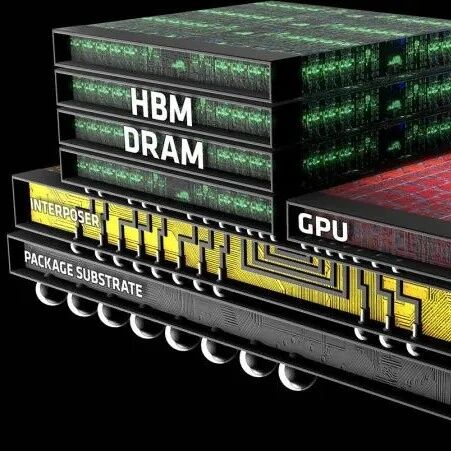
Group 1 - Samsung Electronics has reorganized its structure by integrating the newly established High Bandwidth Memory (HBM) development team into the DRAM development department, aiming to enhance the efficiency of next-generation product development and demonstrating confidence in its established HBM technology foundation [1][2] - The reorganization plan was confirmed during an executive briefing, with the former HBM development team now part of the design team under the DRAM development lab, led by Vice President Sun Young-soo [1] - The HBM development team will continue to work on next-generation HBM products and technologies, such as HBM4 and HBM4E, under the guidance of the design team [1] Group 2 - Samsung Electronics plans to leverage this reorganization to overcome the experience gaps encountered in the HBM3 and HBM3E sectors and aims to significantly expand its market share starting next year [2] - According to market research firm TrendForce, driven by an increase in HBM4 supply, Samsung Electronics is expected to reclaim over 30% of the global market share by 2026 [2]
美国半导体,狂揽90%投资
半导体芯闻· 2025-11-27 10:49
不过麦肯锡强调,欧洲并非处于落后地位,而是转向更具防御性的产业战略。由博世、英飞 凌、恩智浦联合支持的台积电德累斯顿工厂项目正按计划推进,聚焦 12 纳米至 28 纳米节点 —— 这一区间对汽车及工厂自动化领域至关重要。2025 年 10 月,格芯(GlobalFoundries) 宣布投资 11 亿欧元(约合 12.7 亿美元)启动德累斯顿 "SPRINT 项目" 扩建,该投资将重点 强化电源管理及连接芯片的供应链韧性。 报告强调,美欧均在应对同一结构性压力:缩短芯片需求与供应之间的 "地缘政治距离"。麦肯 锡表示,以成本优化为核心的全球分布式半导体制造时代已终结,取而代之的是 "安全优先" 框 架,该框架鼓励区域产业整合。 在 欧 洲 , 这 一 转 变 正 日 益 凸 显 主 动 性 。 麦 肯 锡 将 荷 兰 政 府 干 预 中 资 控 股 的 安 世 半 导 体 (Nexperia)控制权视为分水岭事件,标志着欧洲已从被动审查转向主动保护本土技术根基。 这与美国的出口管制、友岸外包等政策形成更广泛的协同。 麦肯锡总结称,跨大西洋半导体产业的新兴格局代表着西方生态系统内的新分工:美国定位为 高性能计算 ...

英伟达,急了?
半导体芯闻· 2025-11-27 10:49
如果您希望可以时常见面,欢迎标星收藏哦~ 英伟达未回应关于该备忘录的置评请求。 伯恩斯坦刊发备忘录的前一日,科技媒体《The Information》报道称,Meta正与Alphabet旗下谷 歌洽谈使用后者推出的 AI 芯片(与英伟达半导体形成竞争),消息发布后英伟达股价应声下跌。 英伟达随后在 X 平台(原推特)公开回应该报道,称 "为谷歌的成功感到高兴",但强调其芯片仍 比竞争对手 "领先一代"。这一表态引发 X 平台用户质疑与批评,有用户疑惑为何英伟达要通过社 交媒体回应谷歌 —— 后者是英伟达的主要客户之一。 谷歌 DeepMind 研究员苏珊・张(Susan Zhang,拥有 3.8 万余名粉丝)在 X 平台写道:"英伟达 肯定有人意识到这一表态多么不妥…… 对吧?" 全球市值最高企业英伟达正针对其 4.5 万亿美元估值(较历史峰值 5 万亿美元有所回落)的质疑 展开防御,通过在华尔街及社交媒体发起信息公关活动回应市场疑虑。 上周,英伟达向卖方股票分析师发布详细备忘录,逐点反驳了因书籍及电影《大空头》而闻名的迈 克尔・伯里(Michael Burry)及 Substack 平台其他作者的相关言论。 ...


江波龙mSSD,开辟端侧AI存储新路径
半导体芯闻· 2025-11-27 10:49
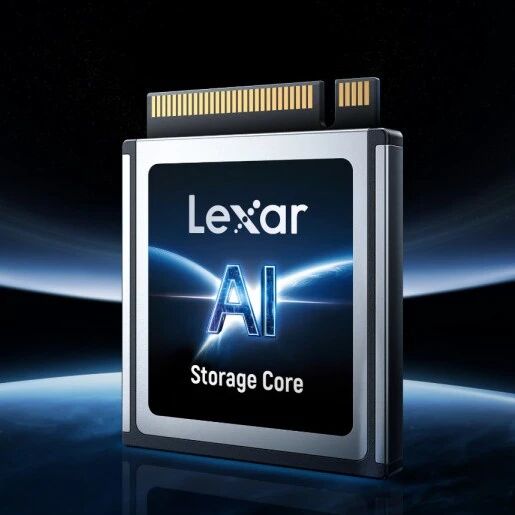
Core Insights - The article discusses the launch of the world's first AI Storage Core by Jiangbolong, utilizing mSSD as a high-speed core storage medium to address challenges in data throughput, random read/write of small data blocks, and reliability in complex environments [1][4]. Group 1: Product Features - The AI Storage Core is not a simple upgrade but a new product based on mSSD integrated packaging technology, enhancing flexibility and environmental adaptability while maintaining high performance and reliability [4]. - The product offers high performance, significantly exceeding conventional SD and CFexpress Type B storage cards in sequential read/write speeds, supporting massive data throughput [6]. - Reliability is enhanced through Jiangbolong's Wafer-level System-in-Package (SiP) technology, integrating key components to mitigate reliability issues and providing robust data security features [8]. - The AI Storage Core supports hot-swapping, allowing users to safely install or remove devices during system operation, enhancing usability across devices [9]. Group 2: Target Applications - The AI Storage Core is tailored for various AI applications, including: - AI computers and workstations, facilitating rapid model loading and efficient operation for complex tasks like language model training and image generation [12]. - AI gaming consoles, reducing lag and enhancing real-time AI interactions for an immersive gaming experience [13]. - AI photography equipment, supporting high-resolution video writing and real-time AI analysis, suitable for high-end imaging and security monitoring [14]. - AI smart driving, processing vast amounts of data from multiple sensors in extreme environments [15]. - AI robots, designed for compact integration and capable of operating in diverse environments, enhancing their learning and memory capabilities [16]. Group 3: Future Developments - Jiangbolong plans to continue innovating in storage hardware and AI terminal collaboration, expanding the product matrix to include more forms and applications in edge AI, smart vehicles, and industrial IoT [17].
这项存储技术,让NAND功耗暴降96%!
半导体芯闻· 2025-11-27 10:49
Core Insights - Samsung Electronics' research team has confirmed that combining ferroelectric materials with oxide semiconductors in NAND flash memory structures can potentially reduce power consumption by up to 96% compared to existing products [1][2]. Group 1: Research Findings - The paper titled "Ferroelectric Transistors for Low-Power NAND Flash Memory" was published in the journal Nature, representing a collaborative effort by 34 researchers from Samsung Advanced Institute of Technology (SAIT) and the Semiconductor Research Institute [1]. - Traditional NAND flash memory stores data by injecting electrons into storage cells, requiring an increase in the number of layers to enhance storage capacity. However, this leads to increased read and write power consumption, creating a bottleneck in industry development [2]. - The SAIT research team identified a breakthrough by leveraging the inherent properties of oxide semiconductors, which, despite being seen as a limitation in high-performance devices, became a key factor in significantly reducing power consumption in ferroelectric-based NAND flash memory [2]. Group 2: Future Applications - Once commercialized, this technology is expected to greatly enhance power efficiency across various fields, from large-scale AI data centers to mobile devices and edge AI systems. The reduction in power consumption will not only help lower operational costs for data centers but also extend battery life for mobile devices [3]. - The lead author of the research, a Samsung SAIT researcher, expressed pride in confirming the feasibility of ultra-low power NAND flash memory, emphasizing the growing importance of storage in the AI ecosystem and the goal of advancing subsequent research towards product commercialization [3].

开放创芯,成就未来——ICCAD-Expo 2025成功举办!
半导体芯闻· 2025-11-27 10:49
Core Insights - The ICCAD-Expo 2025 was successfully held in Chengdu, focusing on the theme "Open Innovation, Achieving the Future," featuring a series of activities including a summit forum, specialized forums, and an industry exhibition [2][4]. Event Overview - The event attracted over 2,000 domestic and international integrated circuit companies, with more than 6,300 guests including industry leaders and experts [2]. - The forum structure included 1 summit forum, 10 specialized forums, and 1 industry exhibition, creating a high-end communication platform for the integrated circuit industry [2]. Industry Insights - Professor Wei Shaojun presented a report indicating that the sales revenue of the entire industry is expected to reach 835.73 billion yuan by 2025, with a year-on-year growth rate of 29.4%, signaling a strong recovery [6]. - The report highlighted that the industry scale could exceed 1 trillion yuan by 2030, with Shanghai, Shenzhen, and Beijing leading in sales revenue [6]. Structural Challenges - The integrated circuit design industry faces structural challenges characterized by a "small, scattered, and weak" structure, with a product mix skewed towards low-end products [7]. - Communication and consumer electronics chips account for nearly two-thirds of sales, while computer chips only represent 7.7% of the market, significantly lower than the global average of about 25% [7]. Future Directions - The report emphasized the need for differentiated competition and avoiding homogenization to ensure sustainable industry development [7]. - The industry must focus on strengthening core technology and product competitiveness through systematic innovation to build a fully autonomous and reliable Chinese chip industry [7]. Forum Highlights - The summit forum featured 23 industry leaders discussing global trends, industry chain collaboration, and ecological construction in the integrated circuit sector [9]. - Topics included EDA and IP innovation, heterogeneous computing, DPU data center transformation, and AI integration, showcasing the technological forefront of the industry [9]. Specialized Forums - Ten specialized forums were held, with nearly 200 industry elites sharing insights on EDA innovation, automotive-grade chips, and generative AI [12]. Exhibition Overview - The exhibition showcased the entire integrated circuit industry chain, covering key areas such as IP licensing, EDA tools, and wafer manufacturing, with over 300 top semiconductor companies participating [14]. - The exhibition spanned 20,000 square meters and highlighted the strong gathering effect of the Chengdu-Chongqing region's integrated circuit industry [14]. Future Events - The next ICCAD-Expo 2026 will be held in Beijing, marking a continuation of the event's success and its role in promoting innovation and competitiveness in the integrated circuit industry [16].
DRAM龙头,究竟是谁?
半导体芯闻· 2025-11-26 10:49
Group 1 - SK Hynix maintains its position as the global leader in the DRAM market for the third consecutive quarter, but the gap with Samsung Electronics has narrowed significantly [1] - The global DRAM market revenue reached $41.4 billion in Q3, a 30.9% increase quarter-over-quarter, driven by significant price increases [1] - SK Hynix's revenue for Q3 was $13.75 billion, up 12.4% quarter-over-quarter, but its market share decreased from 38.7% to 33.2% [1] Group 2 - Samsung Electronics regained the top position in the global DRAM market in Q3, with sales reaching $13.942 billion, a 29.6% increase quarter-over-quarter, and a market share of 34.8% [2] - SK Hynix's sales were $13.79 billion, with a market share of 34.4%, indicating a competitive landscape with only a 0.4 percentage point difference between the two companies [2] - Micron Technology ranked third with sales of $8.984 billion and a market share of 22.4% [2] Group 3 - Samsung's growth in HBM supply and strong prices for general DRAM products were key factors in its performance rebound [3] - The overall DRAM market sales reached $40.037 billion in Q3, a 24.7% increase quarter-over-quarter and a 54% increase year-over-year [3] - Samsung also leads the NAND flash market with sales of $5.366 billion and a market share of 29.1% [3] Group 4 - The memory market is expected to continue its strong momentum into Q4, with ongoing supply shortages and low inventory levels among suppliers [4] - Price strength is anticipated to persist due to sustained demand across various application areas [4]
英伟达应该慌吗?
半导体芯闻· 2025-11-26 10:49
Core Viewpoint - Google is developing its own Tensor Processing Unit (TPU) chips, which are expected to be adopted in large quantities by Meta, potentially threatening Nvidia's dominance in the AI chip market [1]. Group 1: Google and Meta Collaboration - Google is in talks with Meta for a potential chip supply deal valued at several billion dollars, which would help Meta reduce its reliance on Nvidia as a single supplier [1]. Group 2: TPU vs. GPU Technology - TPUs and GPUs serve different roles in AI computing; GPUs were originally designed for gaming graphics but have become mainstream for AI model training due to their parallel processing capabilities, while TPUs are Application-Specific Integrated Circuits (ASICs) designed specifically for accelerating neural network computations [3]. - TPUs sacrifice generality for efficiency in specific AI tasks, whereas Nvidia emphasizes that its GPUs are versatile and capable of running all AI models across various computing scenarios [3].