半导体芯闻

Search documents
一家芯片公司,被疯抢
半导体芯闻· 2025-09-02 10:39
Core Viewpoint - Samsung and SK are engaged in a subtle psychological battle over the AI semiconductor company Rebellion, as both giants aim to secure a foothold in the next-generation AI chip market, making Rebellion's strategic direction highly significant [2]. Group 1: Investment and Valuation - Rebellion is currently undergoing a Series C funding round, with expected investments reaching up to $200 million (280 billion KRW) and a valuation of 1.55 trillion KRW. The company has attracted global investors, including Qatar Investment Authority, LionX Ventures, and Soros Fund Management, leading to a rapid increase in its valuation [2]. - Samsung Securities and Samsung Venture Investment are participating in this funding round, marking their first involvement in any financing round for Rebellion. The investment is reportedly funded indirectly through Samsung Electronics, although specific amounts have not been disclosed [2]. Group 2: Strategic Partnerships and Mergers - Rebellion has maintained a close business relationship with Samsung Electronics, integrating Samsung's HBM and other memory semiconductors into its products and utilizing Samsung's foundry for mass production. For its next-generation chip, Rebel Quad, Rebellion plans to communicate directly with Samsung Electronics [3]. - Rebellion is merging with SK Telecom's subsidiary, Sapion Semiconductor, which will make SK Group the largest shareholder. Sapion is an AI semiconductor company that was spun off from SK Telecom's internal R&D department [3]. Group 3: Technology and Product Development - Rebellion announced the launch of its next-generation AI semiconductor, REBEL-Quad, at the Hot Chips Symposium 2025. The chip utilizes Samsung's 4nm process technology, offers performance comparable to NVIDIA's Blackwell, and features HBM3E memory with a capacity of up to 144GB and a bandwidth of 4.8TB/s [7]. - The REBEL-Quad chip employs a chiplet architecture, making it the first product to implement high-speed chiplet-to-chiplet communication using the UCIe-Advanced standard, which enhances data transfer speed and reliability while reducing power consumption [7]. - Rebellion's proprietary memory processing technology enhances inference speed, enabling more stable and efficient model services in large-scale AI environments. The company also demonstrated the Qwen3 Model 235B MoE at the symposium, attracting significant attention from local AI experts [8]. Group 4: Competitive Landscape - There is a consensus that SK Hynix has a technological edge in HBM over Samsung, which could provide SK Group with an opportunity to promote its HBM technology. The choice of HBM supplier may significantly impact future chip production [5]. - Industry insiders suggest that the collaboration among major Korean companies like Samsung, SK, and KT to support Rebellion is drawing international attention, highlighting the competitive dynamics within the semiconductor ecosystem [5].

日本功率半导体,大撤退
半导体芯闻· 2025-09-02 10:39
Core Viewpoint - The semiconductor industry is experiencing a shift in focus from power semiconductors to emerging technologies like AI chips and HBM, leading to a changing competitive landscape where Japanese manufacturers are losing their previous advantages [1][2][29]. Group 1: Current Trends in Power Semiconductors - The demand for AI chips is surging due to the rise of large models, while HBM is gaining prominence in data storage due to its high bandwidth characteristics [1]. - Japanese manufacturers, once leaders in power semiconductors, are facing delays in capacity expansion and losing market share to domestic competitors in China [1][2][29]. Group 2: Japanese Manufacturers' Challenges - Japanese companies like Mitsubishi Electric, Fuji Electric, and Renesas are struggling with declining market shares and financial performance, with some reporting significant losses [9][22][25]. - The competitive landscape is shifting, with Japanese firms now holding only three positions in the global top ten power semiconductor manufacturers, all with market shares below 5% [7][12][25]. Group 3: Financial Performance of Key Players - ROHM reported a net loss of 50 billion yen for the fiscal year ending March 2025, marking its first annual loss in 12 years, while also facing a significant drop in operating profit [9][22]. - Renesas Electronics announced a record net loss of 175.3 billion yen in the first half of 2025 and has decided to abandon its plans to enter the silicon carbide (SiC) market [15][18][29]. Group 4: Market Dynamics and Competition - The rise of Chinese semiconductor companies is significantly impacting Japanese firms, with Chinese manufacturers rapidly gaining market share and driving down prices [29][30]. - The global electric vehicle market's slower-than-expected growth is affecting demand for power semiconductors, further complicating the situation for Japanese manufacturers [29][32]. Group 5: Strategic Responses and Future Outlook - Japanese companies are attempting to adapt by forming partnerships and seeking new market opportunities, but these efforts are often hindered by internal competition and lack of collaboration [25][35]. - The Japanese government is pushing for increased investment in the semiconductor sector, aiming to boost the market share of domestic companies, but challenges remain in execution and coordination [35].
芯片公司被看衰,或暴跌
半导体芯闻· 2025-09-02 10:39
Core Viewpoint - UBS has downgraded the rating of Nordic Semiconductor from "Neutral" to "Sell," raising the target price from 115 NOK to 121 NOK, indicating a potential 23% decline from current levels [2] Group 1: Company Performance - Nordic Semiconductor reported Q2 sales of $164 million, up from $127.95 million year-over-year and exceeding market expectations of $154.6 million [3] - The growth was primarily driven by a 14% quarter-over-quarter increase in the consumer segment, while the industrial and healthcare segments remained stable [3] - The gross margin was 50.7%, slightly above the expected 50%, and increased by 120 basis points from the previous quarter [3] - EBITDA margin reached 7.0%, significantly higher than the market expectation of 3.1% [3] Group 2: Future Outlook - For Q3 2025, Nordic Semiconductor expects revenue between $165 million and $185 million, approximately 7% above the expected median, attributed to the gradual recovery of both large and small key customers [3] - The company anticipates a gross margin of around 50% for this period, aligning with expectations [3] - Analysts express concerns about the sustainability of the 20% growth rate beyond 2025, with Jefferies reiterating a "Underperform" rating [3]

寻找供应商 | 湾芯展2025等您来接单(第一期)
半导体芯闻· 2025-09-02 10:39
Core Viewpoint - The article emphasizes the organization of the WESEMIBAY exhibition aimed at fostering business cooperation within the semiconductor industry, highlighting various procurement needs and opportunities for suppliers [1][2]. Group 1: Procurement Needs - The exhibition has collected procurement demands across a wide range of semiconductor components, materials, equipment, and chips, including specialized items like robot-specific chips and PTFE filter elements with a filtration precision of 3nm [1][6]. - Specific procurement needs include grinding equipment for custom non-standard parts and high-quality fluid control products designed for the semiconductor and photovoltaic industries [4][6]. Group 2: Event Details - The WESEMIBAY exhibition is scheduled to take place from October 15 to October 17, 2025, at the Shenzhen Convention Center in Futian [2][10]. - Registration for participation is open until September 20, 2025, with opportunities for attendees to obtain free tickets through pre-registration [5][10]. Group 3: Company Profiles - A U.S.-listed company involved in the production of semiconductor-related disk drives and components, as well as precision molds and electronic devices, is highlighted as a participant in the exhibition [4]. - A newly established company focusing on fluid control products, with a team averaging over 10 years of experience, aims to provide high-purity and high-reliability solutions for the semiconductor sector [6].

芯片巨头,股价暴跌
半导体芯闻· 2025-09-01 10:27
Core Viewpoint - Marvell Technology's stock plummeted by 18.6%, reaching a near three-month low, primarily due to disappointing revenue forecasts for its data center segment, raising concerns about the demand for customized AI chips [2][3]. Group 1: Financial Performance - Marvell Technology's stock fell by $14.37 to $62.86, resulting in a market value loss of nearly $12 billion in one day [2]. - The company's stock has decreased by 43.08% this year, while the semiconductor index has risen by 13.84% during the same period [2]. Group 2: Market Dynamics - The company has heavily relied on customized chip business, primarily serving cloud giants like Amazon and Microsoft, but these clients are developing their own AI chips, which may reduce dependency on Marvell [2]. - Reports suggest that Microsoft's self-developed AI chip plans have been delayed until 2028 or later, which could temporarily increase demand for Marvell's products but also highlight long-term uncertainties for the company [2]. Group 3: Analyst Perspectives - Some analysts believe the market's reaction to Marvell's performance is exaggerated, with one suggesting that Microsoft's delay in self-development could actually benefit Marvell [3]. - However, another analyst pointed out that Marvell's smaller scale compared to competitors like Broadcom may lead to a multi-supplier strategy from cloud customers, potentially squeezing profit margins [3].

星宸科技,拟收购
半导体芯闻· 2025-09-01 10:27
Core Insights - Starry Technology reported a revenue of approximately 1.4 billion yuan for the first half of 2025, marking an 18.6% year-on-year increase, with the second quarter achieving 740 million yuan, a 12.4% year-on-year and 10.9% quarter-on-quarter growth, setting a historical high for both half-year and single-quarter revenue [2] - The company announced a cash acquisition of approximately 210 million yuan for a 53.3087% stake in Shanghai Furui Kun Microelectronics, which will become a subsidiary and be included in the consolidated financial statements, enhancing its strategic positioning in AI SoC chip design [2][5] - Furui Kun, established in 2014, specializes in Bluetooth chip design and has been recognized as a national-level "specialized and innovative" enterprise, boasting a comprehensive R&D capability across various domains [3] Financial Performance - Furui Kun achieved a revenue of approximately 58.75 million yuan in the first half of 2025, with a performance commitment to achieve a cumulative net profit of no less than 100 million yuan from 2026 to 2028 [2][3] Product and Market Position - Furui Kun's main products include dual-mode Bluetooth SoC chips and low-power Bluetooth MCU chips, serving various applications in consumer, industrial, and automotive sectors, with significant market presence and multiple certifications [4] - The acquisition will enhance Starry Technology's existing core IPs, allowing for a more integrated SoC platform that combines perception, computation, and connectivity capabilities [5] Strategic Implications - The acquisition represents a strategic complement between "intelligent computing" and "reliable connectivity," aiming to create a balanced competitive edge in performance, power consumption, and cost for edge AI SoC chips [5]
专访Cadence高级副总裁:AI如何推动EDA走向虚拟工程师时代
半导体芯闻· 2025-09-01 10:27
Core Viewpoint - The semiconductor industry is experiencing a transformative phase driven by AI and advanced chip design methodologies, with a shift towards "agent-based AI" that enhances collaboration in chip design [1][2][4]. Group 1: Industry Trends - The demand for AI-related industries has surged, with official forecasts increasing from $950 billion to $1.2 trillion in just one year, driven by data center AI computing and extending to edge computing [2]. - Companies traditionally not involved in chip manufacturing, such as Xiaomi and Alibaba, have emerged as significant players in the semiconductor space, indicating a shift towards "software-defined chips" [2]. Group 2: Technological Innovations - Paul Cunningham introduced the "3D dimensional" integration technology, emphasizing the need for comprehensive system simulation and optimization across various dimensions, including mechanical, thermal, and fluid simulations [4]. - The combination of principle-based methods, accelerated computing, and AI is seen as crucial for addressing the challenges in the semiconductor industry, referred to as the "three-layer cake" architecture [4]. Group 3: AI Evolution in EDA Tools - Cadence's journey in AI began in 2016, focusing on integrating machine learning into tools for faster and higher-quality results, evolving from "AI optimization" to "human-computer interaction transformation" [5][6]. - The introduction of conversational capabilities in Cadence tools allows users to interact using natural language, marking a significant shift towards "virtual engineers" rather than just tools [5][6]. Group 4: Future of Automation and Digital Twins - The vision for the future includes a gradual transition towards full automation in design processes, with digital twins and AI playing a pivotal role in accelerating simulations and providing new scientific breakthroughs [9][10]. - The integration of AI with digital twins is expected to enhance the efficiency of simulations across various fields, including physics and biology, significantly reducing computation time [9][10]. Group 5: Talent Demand and Industry Challenges - There is a growing demand for engineers in the semiconductor industry, with AI seen as a tool to enhance productivity rather than replace human jobs, especially in regions like China where the demand for talent is exceptionally high [11]. - The industry faces a talent shortage, and the integration of AI is viewed as essential for addressing this gap, allowing engineers to work more efficiently alongside AI [11].

英特尔又一大将跳槽
半导体芯闻· 2025-09-01 10:27
事实上,为适应其领先芯片需求不断下滑的市场环境,英特尔在过去一年中持续实施大规模的成本 削 减 和 裁 员 计 划 。 仅 在 2024 年 , 公 司 就 裁 减 了 约 15,000 个 职 位 , 并 于 上 个 月 再 度 裁 员 15,000 人,显示出其精简营运的决心。在俄勒冈州,英特尔的员工人数在过去一年中至少减少了5,400 人。尽管员工人数大幅缩减,英特尔依然是该州最大的企业雇主,并在Hillsboro 持续开发其先进 芯片技术。 如果您希望可以时常见面,欢迎标星收藏哦~ 来 源 :内容technews 。 最近,半导体大厂英特尔(Intel)正经历一波显著的高阶主管离职潮,这凸显了公司内部的技术 困境及领导层的剧烈变动。其中,在英特尔服务长达25 年资深主管Narahari Ramanuja 的离职尤 其引人注目。日前,他已宣布将转任亚德诺半导体(Analog Devices)在俄勒冈州扩建工厂的负 责人,此人的去职被视为英特尔面临人才流失挑战的最新例证。 根据美国俄勒冈州当地媒体报导,英特尔正努力寻求技术上的复苏。然而,2025 年以来,公司已 有多位关键技术专家和高阶管理人员相继离职或 ...

中国芯片,猛追韩国
半导体芯闻· 2025-09-01 10:27
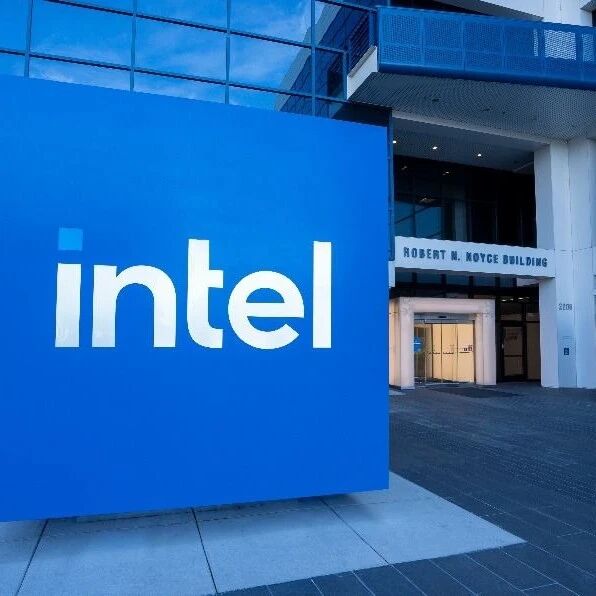
Core Viewpoint - China's efforts to achieve self-sufficiency in semiconductors are beginning to yield results, raising concerns for South Korean memory chip manufacturers like Samsung Electronics and SK Hynix as Chinese IT companies ramp up internal development and production [2]. Group 1: China's Semiconductor Strategy - Chinese IT giants are accelerating the research and mass production of domestically developed AI chips, seen as a strategic move to reduce reliance on foreign technology [2]. - In 2023, Beijing has invested over $8.4 billion to promote AI and semiconductor localization [2]. - Morgan Stanley predicts that China aims to double its domestic AI chip production by 2026 and increase the self-sufficiency rate of AI chips to 82% by 2027 [2]. - Local governments in China have committed to raising the share of domestic AI chips in data centers to 70% or higher by 2027 [2]. Group 2: Competitive Landscape - Changxin Storage, a leading DRAM supplier in China, is preparing to mass-produce the fourth generation of high-bandwidth memory (HBM3) chips next year, with analysts noting that the technology gap is closing faster than expected [3]. - Huawei has entered the semiconductor field with AI solid-state drives designed for high-performance data centers, traditionally dominated by Samsung, SK Hynix, and Micron Technology [3]. - Experts warn that if the current trend continues, the leading position of South Korean memory chip manufacturers may be weakened [3]. Group 3: Future Opportunities - NH Investment & Securities analyst Ryu Young-ho suggests that the emergence of more AI chip manufacturers could broaden the supply base and reduce dependence on a few dominant companies, potentially creating new growth opportunities for South Korean memory chip suppliers, provided they maintain their next-generation memory performance advantage [4].
芯片设备大厂,遭重挫
半导体芯闻· 2025-09-01 10:27
Group 1 - The U.S. Department of Commerce has revoked the authorization for Samsung Electronics and SK Hynix to use U.S. equipment for chip production in China, impacting U.S. semiconductor equipment stocks negatively [2][3] - The announcement also rescinded Intel's exemption, although Intel had already sold its NAND flash memory plant in Dalian to SK Hynix earlier this year [2] - The new regulations will only allow Samsung and SK Hynix to procure U.S. equipment necessary to maintain existing operations in China, prohibiting licenses for expansion or upgrades [2][3] Group 2 - The revocation of authorization is expected to take effect in 120 days, coinciding with a period of suspended U.S.-China tariffs, with U.S. tariffs on Chinese imports locked at 30% and Chinese tariffs on U.S. imports at 10% until November [3] - Samsung's Xi'an plant produces 35-40% of its total NAND flash memory output, while SK Hynix produces approximately 40% of its DRAM in Wuxi and 20% of its NAND flash memory in Dalian [3] - The change in authorization is likely to reduce sales for U.S. semiconductor equipment manufacturers such as KLA Corporation, Applied Materials Inc., and Lam Research Corp., which saw stock declines of 2.46%, 2.73%, and 3.79% respectively [3]