半导体行业观察

Search documents
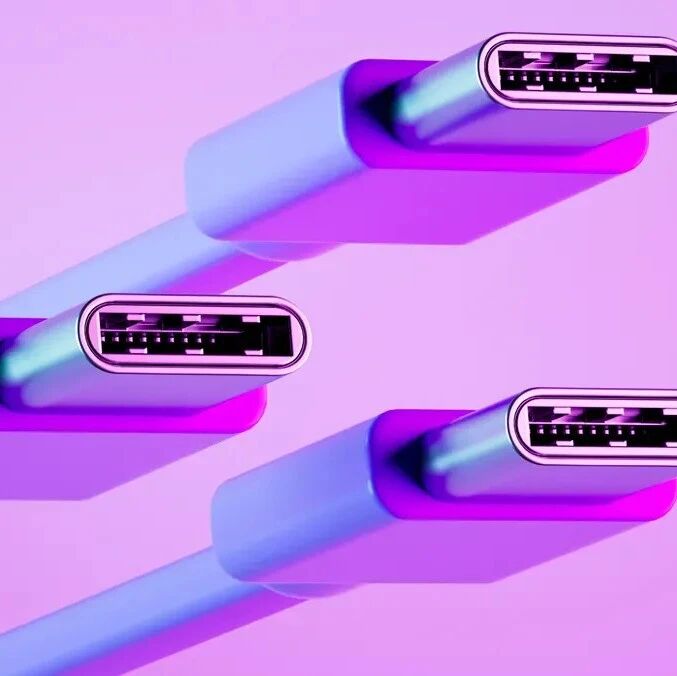
欧盟下令:2028 年所有设备用 USB-C!
半导体行业观察· 2025-10-19 02:27
Core Points - The European Union (EU) is implementing legislation to standardize USB-C power adapters and cables across various consumer electronics by 2028, aiming for interoperability and sustainability [2][4] - The new regulations will apply to external power supplies (EPS) with a maximum power of 240 watts, requiring at least one USB-C port and detachable cables [2][3] - Manufacturers must clearly label the rated power on the power supply, charging interface, and cables, ensuring the values reflect sustainable charging power [3] Group 1: Legislation Details - The EU's new legislation will encompass a wide range of devices, including gaming consoles, monitors, routers, and wireless chargers, promoting a common charging solution [2] - All EPS exceeding 10 watts must meet minimum energy efficiency standards, including efficiency requirements at 10% load and stricter average efficiency and no-load power consumption standards [3] - Wireless charging bases are also required to reduce standby power consumption and must have replaceable/reusable external structures to extend lifespan and reduce electronic waste [3] Group 2: Impact and Exemptions - The EU estimates that this measure will save approximately 1,070 terawatt-hours (TWh) of electricity annually by 2030, with around 400 million power devices sold each year [4] - Certain device categories are excluded from the new regulations, such as uninterruptible power supplies (UPS), medical devices, specific toys, electric scooters, and emergency lighting control devices [6] - The legislation does not prohibit manufacturers from including chargers or power adapters with their products, allowing companies like Apple and Google to continue bundling power supplies [3]

2nm,印度也要搞?
半导体行业观察· 2025-10-19 02:27
Core Viewpoint - India is making significant strides in semiconductor design, with the ability to design 2nm chips, showcasing its potential to compete with top international manufacturers [1][2]. Group 1: Technological Advancements - The Indian government emphasizes the importance of data in driving growth, likening data to "new oil" and data centers to "new refineries" [1]. - India has progressed from designing 5nm and 7nm chips to now being capable of designing 2nm chips, which are among the most complex and smallest chips available [1]. - The manufacturing of chips requires extreme precision and purity, with a loss of $200 million possible from just five minutes of power outage during production [1]. Group 2: Government Initiatives - In May 2023, the Indian government introduced a plan to support electronic component manufacturing to address critical bottlenecks in the semiconductor supply chain [2]. - The government is now covering 50% of the project costs for all manufacturing units, chip testing, and packaging units, regardless of chip size [2]. - The Indian Semiconductor Mission (ISM) was approved in 2021 with a budget of ₹760 billion to promote manufacturing, design, and production [2]. Group 3: Investment and Infrastructure - By 2025, India plans to establish its first advanced 3nm chip design center in Noida and Bangalore, marking a significant milestone in its semiconductor capabilities [2][3]. - Five production units are currently under construction, indicating a crucial step towards local chip production [3]. - The state of Madhya Pradesh has made significant progress in IT and electronics, planning to invest ₹1.5 billion over the next six years [3]. Group 4: Emerging Technologies - India is transitioning from traditional silicon-based semiconductors to the latest silicon carbide-based semiconductors, which are essential for advanced applications [3]. - The roadmap includes the introduction of advanced 3D glass packaging technology, critical for defense systems and aerospace applications [3].
全球首个六层堆叠CMOS,来了
半导体行业观察· 2025-10-19 02:27
Core Viewpoint - KAUST has achieved a groundbreaking milestone in chip design by creating the world's first six-layer stacked hybrid CMOS structure, setting new standards for integration density and energy efficiency in large-area electronic devices [1][2]. Group 1: Research Achievements - The research team at KAUST has successfully developed a six-layer stacked hybrid CMOS structure, surpassing the previous limit of two layers in hybrid CMOS technology [1]. - This innovation opens new possibilities for miniaturization and high-performance development of electronic devices, which is crucial for flexible electronics, smart health, and the Internet of Things (IoT) [1]. Group 2: Technical Insights - The traditional method of enhancing integration density by reducing transistor size is reaching quantum mechanical limits, prompting the need for alternative approaches such as vertical stacking of transistors [2]. - KAUST's manufacturing process maintains temperatures below 150°C, with most steps performed at room temperature, minimizing damage to underlying structures during layer addition [2]. - The team has optimized the manufacturing process to achieve smoother surfaces between layers and precise alignment for optimal connectivity, significantly improving the vertical stacking technique [2].

存储行业,三十年来首次!
半导体行业观察· 2025-10-19 02:27
Core Insights - The global storage market is experiencing simultaneous shortages in DRAM, NAND flash, and HDD products, a situation unprecedented in the last 30 years according to ADATA's chairman [1] - Major cloud service providers (CSPs) like OpenAI, Google, Amazon, and Microsoft are now the primary competitors for storage manufacturers, shifting the traditional supply chain dynamics [1] - The focus of storage manufacturers has shifted towards high-value products like HBM and DDR5, leading to a significant reduction in available chips for module manufacturers [2] Group 1: DRAM Market Dynamics - The shortage of DDR4 is expected to last for at least two years, as major manufacturers have nearly halted its production, fulfilling only minimal contractual obligations [2] - The price of DDR4 16Gb has surged approximately 44% in three months and over 413% compared to a year ago, while DDR5 16Gb prices increased by about 83% in just one month [2] Group 2: NAND Flash and HDD Market Trends - The NAND flash market, previously oversupplied, is now heating up due to a shortage of HDDs, forcing companies to purchase more expensive enterprise-grade SSDs [3] - TrendForce predicts a 5% to 10% average price increase for NAND in Q4 due to the surge in SSD orders resulting from HDD production cuts [3] Group 3: Long-term Market Outlook - The current storage crisis driven by AI is fundamentally different from past cyclical fluctuations, indicating a structural demand shift that could sustain a new era of market prosperity until at least 2026 [3]

英伟达的又一场“阳谋”
半导体行业观察· 2025-10-19 02:27
Core Insights - The article discusses the evolution of data center networking in the era of AI, highlighting the shift from traditional computing chips to the importance of networking in AI model training, particularly with the introduction of NVIDIA's Spectrum-X Ethernet switch [1][5][12]. Group 1: Importance of Networking in AI - The performance of data centers has historically relied on advancements in computing chips, but the advent of AI has redefined the entire computing architecture, emphasizing the need for efficient networking [1]. - In AI model training, communication delays and bandwidth bottlenecks between GPUs have become critical constraints, necessitating the use of thousands of GPUs in parallel to handle large models [1][5]. - The design goals for AI networks focus on minimizing tail latency and ensuring that the slowest node does not hinder overall performance, which is a significant departure from traditional Ethernet performance metrics [5][10]. Group 2: Features of Spectrum-X - Spectrum-X introduces several enhancements to Ethernet for AI applications, including lossless Ethernet, adaptive routing, and congestion control, which are essential for maintaining high performance during AI training [5][6][10]. - The technology employs RoCE for CPU bypass communication, ensuring end-to-end lossless transmission, and utilizes hardware-level telemetry for real-time network status reporting [6][11]. - Spectrum-X's adaptive routing and packet scheduling techniques help manage large data flows effectively, preventing network congestion and maintaining linear scalability in AI clusters [10][12]. Group 3: Industry Impact - The introduction of Spectrum-X represents a strategic shift in the Ethernet networking industry, as NVIDIA integrates multiple components into a cohesive ecosystem, challenging traditional network vendors [13][14]. - Companies that have historically relied on Ethernet standards, such as Broadcom and Cisco, may face significant challenges as NVIDIA's AI-optimized features become integral to data center operations [14][15]. - The competitive landscape is shifting, with traditional network equipment suppliers and emerging interconnect startups needing to adapt to the new AI-driven networking paradigm established by NVIDIA [16][18]. Group 4: InfiniBand vs. Spectrum-X - InfiniBand remains the dominant choice for high-performance computing, offering ultra-low latency and lossless networking, which are critical for AI training at scale [20][21]. - While InfiniBand is characterized by its closed ecosystem, the emergence of Spectrum-X aims to provide similar performance levels within an open Ethernet framework, appealing to a broader range of cloud and enterprise customers [22][24]. - The ongoing development of the Ultra Ethernet Consortium indicates a push from various industry players to create new open standards that can compete with the performance of InfiniBand [22].

万亿芯片巨头,宣布裁员
半导体行业观察· 2025-10-19 02:27
Group 1 - Broadcom, a chip giant with a market capitalization of $1.65 trillion, recently conducted layoffs primarily affecting sales, customer success, customer management, and solutions departments [2] - The exact number of layoffs remains unclear, but Broadcom has been implementing rolling layoffs, including significant cuts to its recently acquired software company VMware, which has seen its workforce reduced by about half [2] - Broadcom has benefited significantly from the AI boom by designing chips for AI technologies, having first surpassed a $1 trillion market cap at the end of last year [2] Group 2 - This week, Broadcom signed a strategic agreement with OpenAI to provide a customized AI accelerator with a capacity of 10 gigawatts (GW) [2] - The company has been continuously raising prices for VMware products following the acquisition [2] - Broadcom has not responded to media requests for comments regarding the layoffs [2]


从无人问津到市值250亿,这家芯片公司凭什么?
半导体行业观察· 2025-10-19 02:27
Core Viewpoint - The article highlights the significant growth and potential of Credo, a semiconductor company specializing in active electrical cables (AEC), amidst the booming demand for AI infrastructure, particularly from major cloud computing companies [2][3][4]. Group 1: Company Overview - Credo's stock price has more than doubled this year, reaching $143.61, with a market capitalization nearing $25 billion, up from approximately $1.4 billion at its IPO in 2022 [2]. - The company is positioning itself as a key supplier in the expanding AI infrastructure market, which is projected to be worth trillions [2][3]. Group 2: Market Potential - Morgan Stanley analysts predict that the AEC market will reach $4 billion by 2028, driven by investments from major cloud companies like Amazon and Microsoft [3]. - Analysts forecast that Credo's annual revenue will grow by at least 50% by 2028, with sales expected to exceed $1 billion by the 2026 fiscal year [3][4]. Group 3: Product and Technology - Credo's AECs are designed to connect multiple GPUs in servers, with the potential for each server to require up to nine cables, significantly increasing the demand for their products [5][6]. - The AECs are more reliable than traditional fiber optic cables, helping to prevent costly downtime in AI data centers [6][7]. Group 4: Client Relationships and Collaborations - Credo is increasingly collaborating with major cloud computing companies during the early planning stages of large AI clusters, indicating strong demand for its products [6][7]. - The company anticipates that three to four clients will contribute over 10% of its revenue in the coming quarters, including new large-scale clients [6][7]. Group 5: Future Outlook - The demand for AI infrastructure is described as "insatiable," with Credo facing unprecedented market demand for its next-generation products [9]. - The AI data center spending is expected to reach $1 trillion by 2030, presenting significant opportunities for Credo and its competitors [4][8].
不一样的展会,不一样的精彩!2025湾芯展圆满收官!
半导体行业观察· 2025-10-19 02:27
Core Insights - The 2025 Bay Area Semiconductor Industry Expo successfully concluded in Shenzhen, attracting over 600 exhibitors and more than 112,300 attendees over three days, showcasing approximately 2,500 new products [1][4][17] - The event emphasized a dual-track approach focusing on core and specialty sectors, providing a comprehensive view of the entire semiconductor industry chain [2][3] Exhibition Highlights - The expo featured major global players from over 20 countries, including top companies like AMAT, Lam Research, and KLA, alongside prominent domestic firms such as North Huachuang and Shanghai Microelectronics [3] - A differentiated layout was implemented, covering key areas such as chip design, wafer manufacturing, and advanced packaging, while also highlighting emerging sectors like AI chips and RISC-V ecosystems [3][4] New Product Launches - The event served as a platform for significant product launches, with Shenzhen Wanliyan Technology unveiling the world's first 90GHz real-time oscilloscope, marking a 500% performance improvement over previous domestic models [5][6] - Other notable launches included EDA design software by Qiyunfang Technology and various semiconductor components from companies like Hangzhou Zhongxin and Ningxia Dunyuan [6] Industry Forums and Discussions - The expo hosted over 30 specialized forums, including the 2025 Chip Conference, featuring discussions led by industry experts on topics such as core technology breakthroughs and ecosystem collaboration [9][12] - Forums addressed the entire semiconductor value chain, linking technology supply with market demand, and included sessions on advanced lithography and AI chip development [12] Market Engagement and Collaboration - The event facilitated significant market interactions, with around 5,000 professional buyers from leading companies like Samsung and BYD participating, enhancing connections between domestic and international resources [14] - The establishment of the Shenzhen Advanced Manufacturing Supply Chain Innovation Service Platform and a semiconductor fund aimed to inject momentum into the Bay Area's semiconductor industry [12][14] Awards and Recognition - The 2025 "Bay Chip Award" recognized over 100 companies based on votes from 3.7828 million professionals, highlighting excellence in various categories including technology innovation and customer service [15] Future Outlook - The success of the expo has led to high demand for the 2026 event, with over 600 companies already reserving exhibition space, indicating a growing interest in the semiconductor sector [17] - The Bay Area semiconductor industry is positioned for rapid development, driven by innovation and collaboration, contributing to global semiconductor advancements [17]




CPO真的要来了
半导体行业观察· 2025-10-18 00:48
Core Insights - Broadcom is poised to capitalize on the growing demand for co-packaged optics (CPO) in data centers, leveraging its extensive expertise in optical communications acquired through strategic acquisitions [2][3] - The company has made significant advancements in its CPO technology, particularly with the introduction of the Tomahawk series of Ethernet switch ASICs, which promise improved reliability, reduced power consumption, and lower costs [3][5] CPO Technology Development - Broadcom's first-generation "Humboldt" Tomahawk 4 CPO switch chip, launched in January 2021, has a total switching capacity of 25.6 Tbps and features four optical engines providing 12.8 Tbps bandwidth, with power consumption of approximately 6.4 watts per 800 Gb/s port [5] - The second-generation "Bailly" CPO switch ASIC, based on the 51.2 Tbps Tomahawk 5 chip, began shipping in 2023 and has shown a 14.1% reduction in power consumption compared to its predecessor, with 800 Gb/s ports consuming only 5.5 watts [8][9] Reliability and Performance - Meta Platforms has reported successful testing of the Bailly CPO switch, achieving over 1 million device hours without any link jitter, indicating high reliability and performance in real-world applications [13][15] - The average mean time between failures (MTBF) for the optical links in the Bailly CPO system supports the operation of large AI clusters, ensuring that interconnect failures do not become a bottleneck [16][21] Future Innovations - The upcoming "Davisson" TH6 CPO device is expected to further enhance performance, featuring a 102.4 Tbps ASIC with the capability to connect up to 512 ports at 200 Gb/s, significantly improving scalability for AI workloads [9][10] - Davisson's design allows for field-replaceable laser modules, enhancing maintenance and reliability, with power consumption for 800 Gb/s ports reduced to approximately 3.5 watts, a 36.4% decrease compared to the previous generation [10][19] Cost Efficiency - Transitioning from traditional pluggable optical modules to CPO technology can lead to substantial cost savings in power consumption, with estimates suggesting a reduction in operational costs for large-scale deployments [19][23] - The potential savings from adopting CPO technology could cover the costs of additional GPU accelerators, highlighting the financial benefits of improved energy efficiency [19][21]
英伟达开始在美国生产GPU,台积电加速布局
半导体行业观察· 2025-10-18 00:48
Core Viewpoint - The collaboration between NVIDIA and TSMC in the U.S. marks a significant milestone in the production of AI chips, enhancing the domestic supply chain and solidifying the U.S. leadership in the AI era [3][5][6]. Group 1: NVIDIA and TSMC Collaboration - NVIDIA's CEO Jensen Huang celebrated the first NVIDIA Blackwell wafer produced in the U.S. at TSMC's Phoenix facility, highlighting the achievement as a historic moment for American semiconductor manufacturing [3][5]. - The production of the Blackwell architecture chips is crucial for AI, telecommunications, and high-performance computing applications, with TSMC's Arizona factory set to produce advanced technology chips including 2nm, 3nm, and 4nm nodes [5][6]. Group 2: Technological Advancements - TSMC is accelerating the deployment of its advanced N2 process node, expected to achieve mass production by the end of 2025, which will replace the FinFET architecture with nanosheet-based gate-all-around transistors [8][9]. - The N2P process, anticipated to launch in the second half of 2026, aims to further enhance efficiency, with significant improvements in speed and power reduction compared to previous nodes [11]. Group 3: Financial Performance and Investment - TSMC reported a record revenue of $33.1 billion, driven by demand for AI accelerators and high-end smartphone chips, with advanced process technologies contributing nearly three-quarters of sales [13]. - The company plans to maintain strong capital expenditures of up to $42 billion this year, with a significant portion allocated to expanding cutting-edge manufacturing capabilities [13][17]. Group 4: Future Expansion Plans - TSMC's Arizona facility is expected to evolve into a "GigaFab" cluster, capable of producing approximately 100,000 wafers per month, integrating packaging, testing, and local supplier networks [21]. - The expansion in Arizona is part of a broader strategy to ensure domestic chip production capabilities and reduce reliance on Asian foundries, with TSMC exploring additional land acquisitions for further growth [21].