半导体行业观察

Search documents
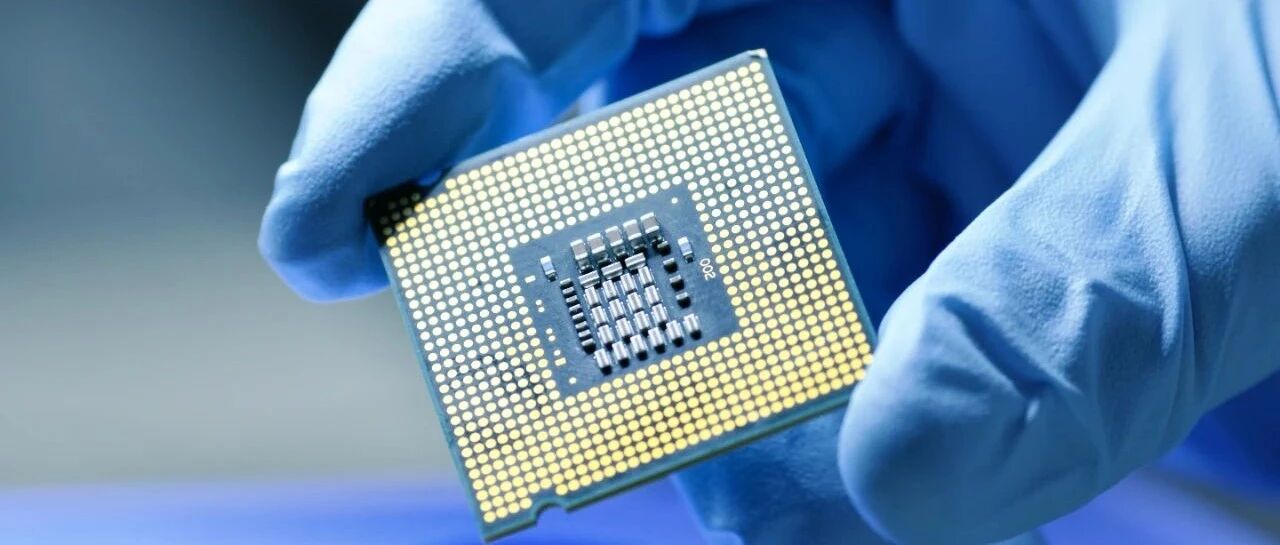
大模型变革EDA的三种方式
半导体行业观察· 2025-09-29 01:37
Core Insights - The article discusses the integration of Large Language Models (LLMs) into Electronic Design Automation (EDA), highlighting their potential to enhance hardware design processes and reduce human labor through automation [1][2][4]. Group 1: Current Applications of LLMs in EDA - LLMs have shown exceptional capabilities in context understanding and logical reasoning, assisting engineers across the entire EDA workflow from high-level design specifications to low-level physical implementations [6][7]. - Case studies demonstrate LLMs' effectiveness in hardware design, testing, and optimization, such as the use of GPT-4 in generating HDL code for an 8-bit microprocessor [6][7][8]. - Advanced synthesis techniques like High-Level Synthesis (HLS) are being enhanced by LLMs, which can convert C/C++ code into Register Transfer Level (RTL) code, improving design flexibility and efficiency [5][7]. Group 2: Challenges and Future Directions - Despite the benefits, LLMs face challenges in addressing the complexity of hardware design, particularly in integrated design synthesis where logical and physical implementations are interdependent [4][29]. - Future developments aim to create intelligent agents that can seamlessly integrate various EDA tools and processes, bridging the semantic gap between different design stages [31][32]. - The article emphasizes the need for advanced feature extraction and alignment techniques to enhance the integration of LLMs in EDA, ultimately aiming for a fully automated design process that matches or exceeds the quality of human-engineered designs [32][33]. Group 3: Innovations in Testing and Verification - LLMs are being utilized to automate the generation of system-level test programs, which are crucial for validating the functionality of hardware designs under real-world conditions [23][24]. - The development of frameworks that leverage LLMs for behavior difference testing and program repair in HLS is highlighted, showcasing their potential to improve design, debugging, and optimization efficiency [10][15][12]. Group 4: Conclusion - The integration of LLMs into EDA workflows presents significant opportunities for transforming hardware design paradigms, potentially leading to reduced development costs and shorter time-to-market for new products [34][36].

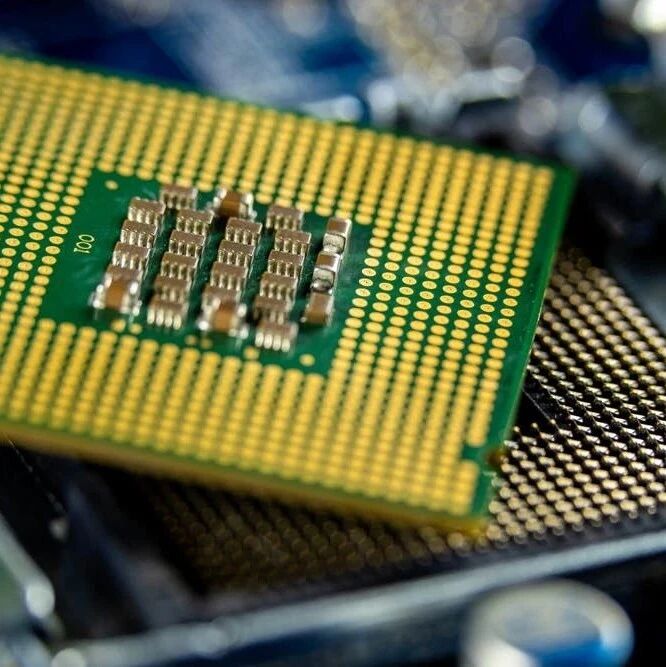
下一代GPU,竞争激烈
半导体行业观察· 2025-09-29 01:37
Core Viewpoint - NVIDIA and AMD are competing to develop superior AI architectures, with significant upgrades planned for their next-generation products in terms of power consumption, memory bandwidth, and process node utilization [2][3]. Group 1: AI Product Competition - AMD's Instinct MI450 AI series is expected to compete fiercely with NVIDIA's Vera Rubin, with both companies making substantial modifications to their designs [2][5]. - AMD executive Forrest Norrod expressed optimism about the MI450 product line, likening it to AMD's transformative "Milan moment" with the EPYC 7003 series [3]. - The MI450 is projected to be more competitive than NVIDIA's Vera Rubin, with AMD planning to leverage its own technology stack for future products [3]. Group 2: Technical Specifications - The MI450X's Total Graphics Power (TGP) has increased by 200W, while the TGP for Rubin has risen by 500W to 2300W, indicating a response to market competition [5]. - Memory bandwidth for Rubin has improved from 13 TB/s to 20 TB/s per GPU, showcasing the enhancements made in both product lines [5]. - AMD's MI450 is rumored to feature HBM4 memory with up to 432 GB per GPU, while NVIDIA's Rubin is expected to have around 288 GB per GPU [6]. Group 3: Interconnect Technology - AMD plans to significantly enhance its chip-to-chip (D2D) interconnect technology with the upcoming Zen 6 processors, as evidenced by developments in the Strix Halo APU [8][10]. - The new D2D interconnect method reduces power consumption and latency by eliminating the need for serialization/deserialization, thus improving overall bandwidth [12][15]. - The Strix Halo's design utilizes TSMC's InFO-oS technology and redistribution layers (RDL) to facilitate efficient communication between chips [10][15].


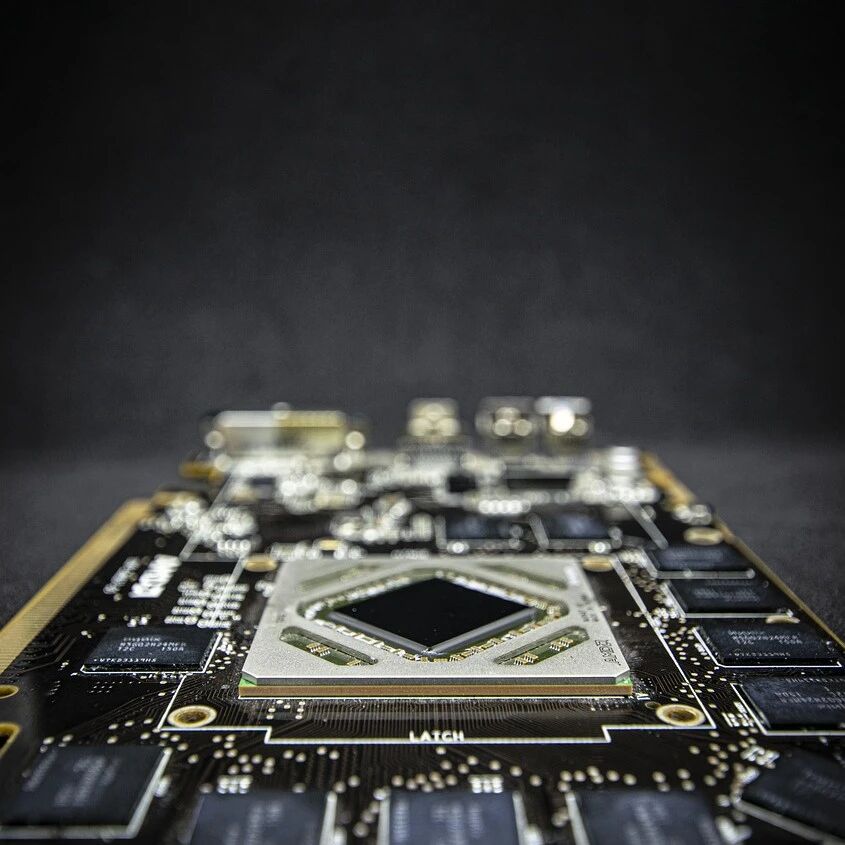
CPU和CPU,是如何通信的?
半导体行业观察· 2025-09-29 01:37
Core Viewpoint - The article discusses the advancements in GPU communication technologies, particularly focusing on GPUDirect Storage, GPUDirect P2P, NVLink, NVSwitch, and GPUDirect RDMA, which enhance data transfer efficiency and reduce bottlenecks in high-performance computing environments [27]. Group 1: GPU and Storage Communication - The data flow from storage systems to GPU memory involves two data copies: from NVMe SSD to system memory and then from system memory to GPU memory, which introduces redundancy [6]. - GPUDirect Storage allows direct access from storage to GPU memory, significantly improving data loading efficiency by reducing unnecessary system copies [7]. Group 2: GPU to GPU Communication - Traditional GPU communication involves multiple data copies through system memory, which can be inefficient [10]. - GPUDirect P2P enables direct data transfer between GPUs, bypassing the CPU and reducing data copy actions by half [12]. Group 3: NVLink and NVSwitch - NVLink provides high bandwidth for data transfer between GPUs, achieving up to 600GB/s for NVIDIA A100 Tensor Core GPUs, which is significantly higher than traditional PCIe [15]. - NVSwitch facilitates full interconnectivity among multiple GPUs, supporting high bandwidth and scalability for large GPU systems [20]. Group 4: Cross-Machine Communication - Traditional cross-machine communication requires multiple steps involving system memory, which can be inefficient [22][24]. - GPUDirect RDMA simplifies this process, allowing direct access to GPU memory from peripheral PCIe devices, thus enhancing communication efficiency [25]. Group 5: Summary of Technologies - The combination of GPUDirect technologies, including P2P and RDMA, supports efficient communication within single nodes and across multiple nodes, essential for AI training and high-performance computing [28].

首个混合内存技术,实现片上AI学习和推理
半导体行业观察· 2025-09-28 01:05
Core Viewpoint - A French team has developed the first hybrid memory technology that supports adaptive local training and inference for artificial neural networks, addressing a long-standing technical bottleneck in edge AI efficiency [1][2]. Group 1: Research and Development - The research, led by CEA-Leti, demonstrates that on-chip training is feasible and can achieve competitive accuracy, eliminating the need for off-chip updates and complex external systems [2]. - The innovative technology enables edge systems and devices, such as autonomous vehicles and medical sensors, to learn from real-time data and adapt models on the fly while controlling energy consumption and hardware wear [2]. Group 2: Technical Challenges - Edge AI requires both inference (reading data to make decisions) and learning (updating models based on new data), but existing storage technologies excel at only one of these tasks [2][3]. - Memristors are efficient for inference due to their ability to store analog weights, while ferroelectric capacitors (FeCAPs) allow for quick, low-energy updates but are unsuitable for inference due to their destructive read operations [2]. Group 3: Hybrid Approach - The team proposes a hybrid method where forward and backward passes use low-precision analog weights stored in memristors, while updates are performed using higher precision FeCAPs [5]. - Memristors are periodically reprogrammed based on the most significant bits stored in FeCAPs to ensure efficient and accurate learning [5]. Group 4: Unified Memory Stack - A unified memory stack composed of silicon-doped hafnium oxide and a titanium scavenging layer has been designed, allowing the dual-mode device to operate as both FeCAPs and memristors [7]. - The same storage unit can be utilized for precise digital weight storage (training) and analog weight representation (inference) based on its state [7]. Group 5: Implementation and Testing - A digital-to-analog transfer method enables the conversion of hidden weights in FeCAPs to conductance levels in memristors without the need for formal digital-to-analog converters [8]. - The hardware was manufactured and tested using standard 130-nanometer CMOS technology, integrating both types of memory and their peripheral circuits into a single chip [8].
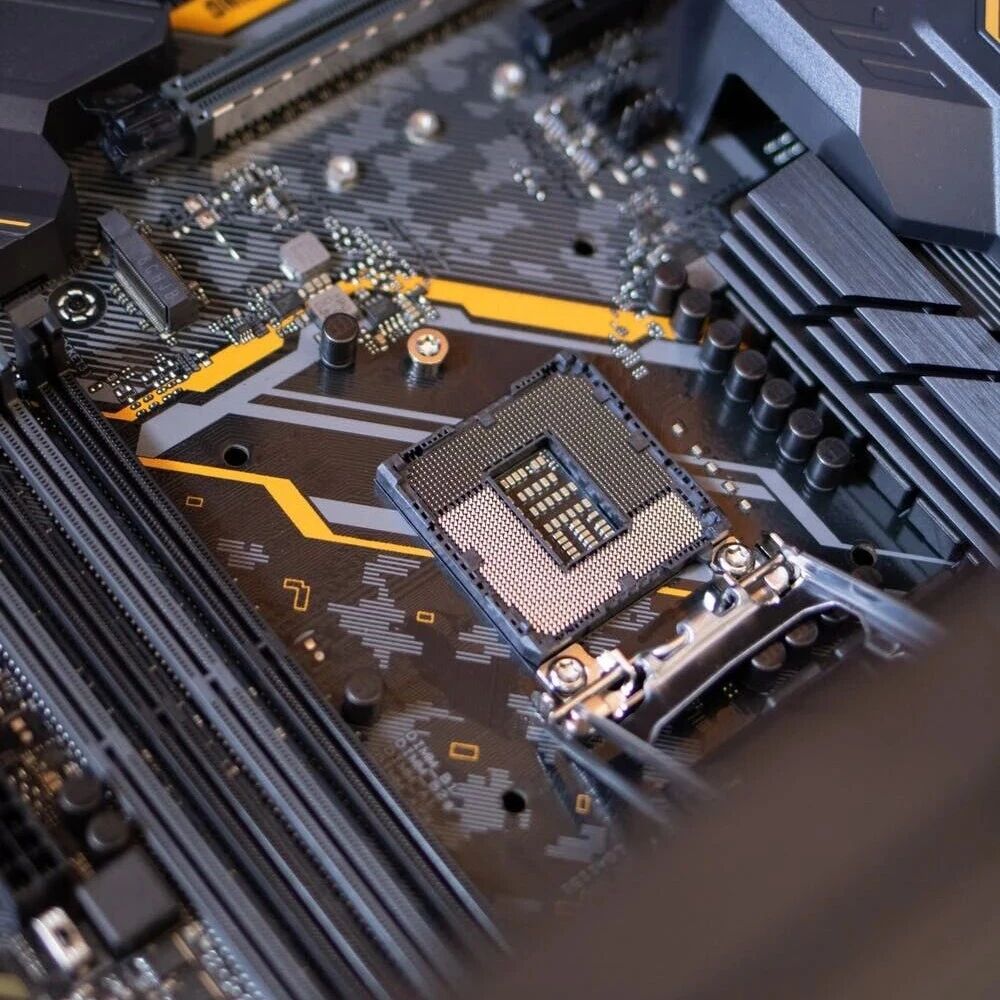
为MCU加入AI,安谋科技Arm China发布新IP
半导体行业观察· 2025-09-28 01:05
Core Insights - Anmou Technology has launched its third-generation high-efficiency embedded chip IP, "STAR-MC3," which is based on the Arm®v8.1-M architecture and integrates Arm Helium™ technology to enhance AI computing performance while maintaining excellent area and energy efficiency [1][4]. Group 1: Product Features - STAR-MC3 significantly enhances AI capabilities, with vector computing performance improved by over 200% compared to the first generation [4]. - The chip offers broad compatibility, allowing seamless upgrades from traditional MCU architectures without additional memory structure changes, thus enhancing machine learning (ML) and digital signal processing (DSP) performance [4]. - STAR-MC3 achieves a 10% improvement in area efficiency compared to STAR-MC2, making it the smallest CPU IP supporting Helium technology [4]. - The energy efficiency of STAR-MC3 is improved by 3% compared to the previous generation, and over 100% compared to the first generation, balancing high performance with low power consumption [4]. Group 2: Application Areas - STAR-MC3 is designed for main control chips and co-processor chips, targeting the AIoT market, including wearable devices and wireless connectivity devices, providing enhanced audio and DSP processing capabilities [7]. - The chip can also serve as a core CPU for system controllers or Sensor Hubs in mobile phones and server chips, handling power-sensitive tasks to reduce the load on the main CPU and extend standby time [7]. Group 3: Development Support - STAR-MC3 has successfully linked with SEGGER J-Link and Flasher programming tools, which will significantly enhance customer development efficiency [8]. - The launch of STAR-MC3 further enriches Anmou Technology's CPU IP family in IoT, AIoT, automotive electronics, and robotics control sectors, with a commitment to continuous technological innovation and collaboration with ecosystem partners [8].
2025 工博会焦点:“打造工业算力‘芯’引擎”研讨会落幕,五大领域破题产业升级
半导体行业观察· 2025-09-28 01:05
Core Insights - The seminar "Building the Industrial Computing Power 'Chip' Engine" successfully gathered industry elites and facilitated deep technical sharing and practical exchanges, aiming to support the intelligent transformation of the manufacturing industry [1][16] Group 1: Ion Implantation Technology - Ion implantation machines are essential equipment for integrated circuit chip manufacturing, serving as the core foundation of industrial computing power [3] - Shanghai Kaishitong Semiconductor Co., Ltd. introduced its latest achievements in ion implantation technology, emphasizing its comprehensive one-stop service platform for the entire lifecycle of ion implantation equipment [4] Group 2: AI Empowerment in Semiconductor Yield Management - Chiprate Intelligent Technology focuses on AI and semiconductor yield management systems, addressing challenges such as complex transistor structures and increased detection demands in the semiconductor industry [6] - The AI+YMS platform integrates various system data to analyze process data fluctuations and defect classifications, providing critical support for next-generation semiconductor yield improvement [6] Group 3: Industrial Big Data - The seminar highlighted the importance of AI in addressing the challenges of yield analysis in semiconductor manufacturing, particularly due to the complexity of processes and data dispersion [7][8] - Shanghai Zheta Information Technology Co., Ltd. presented solutions that combine industry know-how with AI and big data technologies to achieve comprehensive data analysis across manufacturing types [8] Group 4: FPGA Technology - Shanghai Anlu Information Technology Co., Ltd. discussed the innovative applications of domestic FPGA technology in industrial control, machine vision, and artificial intelligence, showcasing its role in enhancing China's manufacturing quality [10] Group 5: RISC-V Architecture - The seminar featured discussions on the RISC-V architecture's advantages in agile development for AI processors, emphasizing its flexibility and customization capabilities for specific application scenarios [12] Group 6: Semiconductor Equipment Intelligence - Shanghai Jifeng Electronics Co., Ltd. shared insights on integrating AI into semiconductor detection equipment, achieving over 95% accuracy in fault diagnosis and significantly improving detection precision [14] Group 7: Industry Collaboration and Future Outlook - The seminar served as a vital link for collaboration across the semiconductor industry, facilitating communication between different technological fields and promoting innovation [16] - The event underscored the importance of industrial computing power in driving the transformation of China's manufacturing sector towards high-end and intelligent production [16][17]


台积电3nm和5nm产能被客户抢光
半导体行业观察· 2025-09-28 01:05
Core Viewpoint - TSMC's production lines are nearing full capacity due to unprecedented demand for its 3nm and 5nm processes, driven primarily by mobile and HPC customers amid the AI boom [2][3]. Group 1: Demand and Market Dynamics - TSMC is experiencing strong demand across all its processes, particularly from major clients like NVIDIA, AMD, and Apple, who are integrating TSMC's chips into their consumer products [3]. - The 3nm and 5nm production lines are expected to be fully booked by next year, with a significant portion allocated to mobile and HPC clients [3][4]. - The tight supply of wafers has made it increasingly difficult for tech giants to secure chips, indicating a shift in the semiconductor market where chips are viewed as a scarce resource [4]. Group 2: Future Projections and Investments - TSMC may be compelled to raise process prices to manage demand and expand its production lines, with plans for the N3 process to commence in Arizona, requiring substantial investment [4]. - The demand for the 5nm node is also robust, with reports suggesting that companies like Apple have pre-booked a significant portion of capacity well ahead of the 2nm process launch [4]. Group 3: Industry Implications - The semiconductor industry is heavily reliant on TSMC, making it one of the most critical assets for companies worldwide, which has prompted the U.S. government to seek diversification of production away from Taiwan [4].

AI革命EDA,短板在哪里?
半导体行业观察· 2025-09-28 01:05
Core Viewpoint - The article discusses the evolving role of AI in Electronic Design Automation (EDA) tools, highlighting both the potential benefits and limitations of integrating AI technologies into the EDA landscape [1][5]. Group 1: AI Integration in EDA - AI has been utilized in EDA for years, with early adopters like Solido Solutions employing machine learning techniques long before generative AI became mainstream [3][5]. - The recent advancements in AI, particularly in generative and agentic AI, have opened new possibilities for EDA tools, although the economic benefits remain uncertain [3][5]. - AI can enhance the efficiency of EDA tools by optimizing design processes and improving productivity, particularly through reinforcement learning techniques [7][8]. Group 2: Challenges and Requirements - Accuracy and verifiability are critical in EDA tools, as design failures can be costly; thus, transparency in AI decision-making is essential [7][10]. - The complexity of chip design requires AI tools to handle vast design spaces effectively, necessitating a combination of traditional algorithms and AI methods [8][11]. - Trust in AI tools is a significant concern, with the need for clear explanations of AI processes to ensure reliability in high-stakes environments like chip design [9][10]. Group 3: Data and Model Limitations - The effectiveness of AI in EDA is hindered by the lack of sufficient training data, particularly for specialized languages and contexts within the industry [11][12]. - Existing companies have a competitive advantage due to their extensive data resources, making it challenging for startups to enter the EDA tool market [8][11]. - The industry must ensure that the training datasets used for AI models are accurate and relevant to avoid producing erroneous outputs [10][11].



英伟达的AI投资版图
半导体行业观察· 2025-09-28 01:05
Core Insights - Nvidia announced a $100 billion investment in OpenAI, highlighting its significant investment portfolio since the emergence of generative AI in 2022 [2] - The company also committed $5 billion to Intel and $500 million each to Wayve and Nscale, showcasing its strategy of investing in both competitors and partners [2] - Nvidia's market value surged from approximately $420 billion to around $4.3 trillion since the launch of ChatGPT, with annual revenue increasing from $27 billion in FY2023 to $130.5 billion, a growth of 383% [3] Investment Strategy - Nvidia's investment portfolio, valued at $4.33 billion, includes companies like Applied Digital, Arm, and CoreWeave, many of which have strategic ties to Nvidia's core business [2][3] - The number of investments made by Nvidia increased from 16 in 2022 to 41 in 2024, and is projected to reach 51 by 2025, excluding the commitment to OpenAI [4] - Nvidia's investments often do not require the companies to exclusively use its technology, as seen in its relationship with OpenAI and Cohere [3] Market Position - Nvidia has become a central player in the AI ecosystem, with its investments indicating potential acquisition targets [7][8] - Analysts suggest that Nvidia's growing sales and cash flow, combined with a challenging regulatory environment for acquisitions, make its investment in OpenAI a "win-win" situation [7] - Nvidia's investments span various technologies, including AI models, biotechnology, robotics, and autonomous vehicles, indicating a broad strategic focus [10] Recent Developments - Nvidia participated in multiple funding rounds for AI startups, including a €1.7 billion ($2 billion) investment in Mistral AI and a $3.07 billion investment in Runway [13] - The company holds a 7% stake in CoreWeave, a cloud service provider that competes with major players like Microsoft and Google, and has secured a $6.3 billion order from Nvidia [14] - Nvidia's venture capital activities have led to successful returns, such as its investment in Scale AI, which recently secured a $14.3 billion deal with Meta [13]

以色列,重塑全球芯片版图
半导体行业观察· 2025-09-28 01:05
Core Viewpoint - Israel has transformed from a "startup nation" to a global semiconductor powerhouse, playing a crucial role in reshaping the global chip landscape [1][2]. Group 1: Historical Development - The establishment of Motorola's semiconductor R&D center in Israel in 1964 marked the beginning of the country's semiconductor industry [3]. - The entry of major tech companies like Microsoft and National Semiconductor in the 1970s helped build a robust industry framework, transitioning Israel from a pure R&D hub to a base with both R&D and manufacturing capabilities [3][4]. - The 1980s to 2000s saw significant breakthroughs, including Intel's development of the 8088 processor, which became a key component in the rise of the global PC industry [4]. Group 2: Key Players and Innovations - Israeli companies have made notable innovations, such as Galileo Technology's development of the first true flash file system in 1990, which revolutionized storage devices [5]. - Mobileye's introduction of the first ADAS-specific processor in 2004 established it as a leader in the automotive semiconductor sector, culminating in its acquisition by Intel for $15.3 billion [6][9]. - Other significant acquisitions include Mellanox by NVIDIA for $6.9 billion and Habana Labs by Intel for approximately $2 billion, enhancing their respective positions in data center and AI chip markets [11][12]. Group 3: Competitive Advantages - Israel's semiconductor industry benefits from a strong local ecosystem supported by multinational companies, high R&D investment (4.3% of GDP), and a vibrant startup culture with around 70 semiconductor startups raising $5.5 billion [30][31]. - The education system emphasizes engineering and technology, producing a skilled workforce that supports the industry's growth [30]. Group 4: Opportunities and Challenges - Emerging technologies like AI chips and IoT align well with Israel's existing technological capabilities, presenting growth opportunities [33]. - However, challenges such as talent retention, geopolitical risks, and increasing global competition pose significant threats to the industry [34][36]. Group 5: Future Outlook - The future of Israel's semiconductor industry hinges on its ability to leverage existing strengths while addressing challenges, with potential for growth in AI and edge computing sectors [36][37]. - Strategies to enhance talent retention, diversify supply chains, and focus on design and R&D rather than full-scale manufacturing will be crucial for maintaining its competitive edge [37].