半导体行业观察

Search documents
OpenAI:我们需要100亿个GPU
半导体行业观察· 2025-09-30 03:31
Core Viewpoint - The collaboration between OpenAI and Nvidia is seen as a significant step towards a future where artificial intelligence (AI) operates continuously, with the need for approximately 10 billion GPUs to support this vision, surpassing the current global population of 8.2 billion [1][2][3] Group 1 - OpenAI President Greg Brockman envisions a future where AI acts as a dedicated agent working for individuals while they sleep, requiring each person to have their own dedicated GPU [2] - Sam Altman, CEO of OpenAI, compares the scale of their collaboration with Nvidia to the Apollo program, suggesting it is even more ambitious [1] - Brockman emphasizes that the AI industry is currently "three orders of magnitude" behind in computational power, indicating a significant gap that needs to be addressed to achieve the goal of always-on AI [2] Group 2 - The world is moving towards a "computational scarcity" state, where AI data center services may become a form of currency, reflecting a shift in economic dynamics [3] - The geopolitical implications of Nvidia's GPUs are highlighted, as they have become a focal point in US-China relations, suggesting that this trend will continue [3]



模拟芯片,被看好
半导体行业观察· 2025-09-30 03:31
Core Viewpoint - The analog semiconductor market is projected to grow significantly, reaching $102.3 billion in 2024 and expanding to approximately $295.9 billion by 2034, with a compound annual growth rate (CAGR) of 6.4% [2][4][14]. Market Overview - The analog semiconductor market is composed of integrated circuits and devices that process real signals such as voltage, current, frequency, temperature, and light [2]. - In 2024, the Asia-Pacific region will dominate the market with a share exceeding 45.9%, generating $46.9 billion in revenue [2][8]. Key Drivers - The rapid expansion of electric vehicles (EVs) and advanced driver-assistance systems (ADAS) is a primary driver for the analog semiconductor market, with global EV registrations expected to reach approximately 14 million by 2023 [4][14]. - The development of the Internet of Things (IoT) ecosystem, including smart homes and industrial automation, heavily relies on analog chips for signal processing and power efficiency [4][16]. Demand Analysis - Industries such as automotive, telecommunications, consumer electronics, and industrial automation are increasingly adopting analog semiconductor solutions [5][6]. - The automotive sector accounted for 33.6% of the market share in 2024, with analog semiconductors being widely used in powertrain control, safety systems, battery management, and infotainment systems [9][15]. Emerging Trends - The shift towards energy-efficient devices is particularly prominent in IoT and automotive sectors, where battery life and power consumption are critical [12][14]. - The integration of new materials like Gallium Nitride (GaN) and Silicon Carbide (SiC) is on the rise, enhancing performance and efficiency [12]. Investment Opportunities - There is a growing demand for power management chips, sensors, and dedicated analog components tailored for artificial intelligence and machine learning applications [6][12]. - Companies focusing on advanced manufacturing facilities for analog chips and research into energy-efficient solutions are expected to thrive [6]. Challenges - The analog semiconductor market faces challenges such as high manufacturing and development costs, which are exacerbated by supply chain disruptions and geopolitical tensions [15][17]. - The reliance on a limited number of key material suppliers increases the risk of shortages, leading to higher prices and production instability [15][17]. Key Players - Major companies driving the analog semiconductor industry include Texas Instruments, Analog Devices, STMicroelectronics, and NXP Semiconductors, which provide essential components for consumer electronics, automotive, and industrial systems [18].

台积电1.6nm,提前赴美
半导体行业观察· 2025-09-30 03:31
Core Viewpoint - TSMC is accelerating the construction of its new factory in Arizona, aiming for mass production of 2nm and A16 processes by 2027, one year ahead of the original 2028 schedule, driven by strong demand from US clients and geopolitical considerations [2][3]. Group 1: TSMC's Production Plans - TSMC's Arizona factory is expected to start mass production of the A16 process in 2027, with the 2nm process also being expedited [2]. - The first wafer fab in Arizona is set to begin mass production using 4nm technology in Q4 2024, achieving yield rates comparable to those in Taiwan [2]. - The second fab, utilizing 3nm technology, has been completed, and TSMC is seeing strong interest from advanced US clients, prompting an acceleration of production timelines [2]. Group 2: Geopolitical Context - The acceleration of TSMC's US manufacturing reflects the strong demand for local production from American clients and aims to mitigate geopolitical risks [2]. - The US government has proposed a "50-50" chip production model, emphasizing the need for TSMC to increase its manufacturing presence in the US [5][6]. - TSMC's strategy aligns with the US's broader goals of protecting strategic industries and responding to potential tariffs on chips [3][5]. Group 3: Future Considerations - TSMC plans to produce 2nm chips in Taiwan by the second half of 2025 and A16 chips by the second half of 2026 [3]. - The company is considering further accelerating production in response to strong AI-related demand from clients [2]. - TSMC's future strategies must focus on maintaining its competitive edge amid evolving US policies and market dynamics [7].

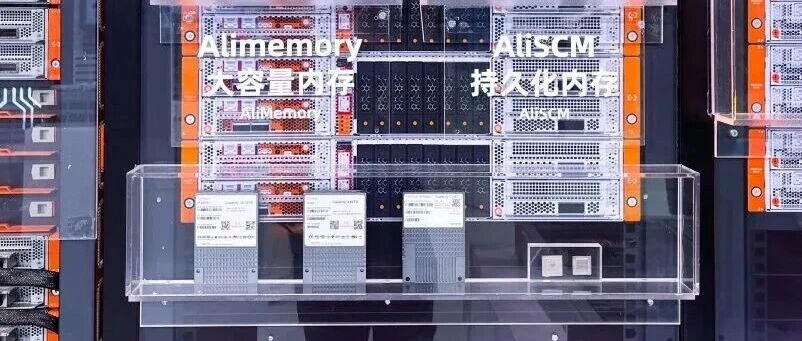
德明利eSSD亮相2025阿里云栖大会,谋局AI存储新赛道
半导体行业观察· 2025-09-30 03:31
Core Insights - The annual Alibaba Cloud Summit showcased the new generation of AI servers, highlighting the importance of both computing power and storage capacity in AI infrastructure [1][4] - The eSSD market is projected to grow at a rate of 35% annually, driven by the increasing demand for efficient and reliable storage solutions in AI applications [3][5] Group 1: AI Infrastructure and Market Trends - The global storage market is experiencing explosive growth due to the investment in AI infrastructure, with Alibaba predicting over 380 billion yuan in investments over the next three years [4] - Major tech companies like Meta, Amazon, and Google are significantly increasing their capital expenditures, indicating a robust demand for AI servers and storage solutions [4] - The traditional HDDs are becoming less viable for AI workloads due to their limitations in high concurrency and low latency requirements, leading to a shift towards enterprise SSDs (eSSD) [4] Group 2: Domestic eSSD Development - Domestic company Demingli is strategically positioning itself in the eSSD market, launching a range of products tailored for AI applications starting in 2024 [10][11] - The eSSD market in China is expected to reach $6.25 billion in 2024, with a year-on-year growth of 187.9%, indicating a significant opportunity for domestic manufacturers [11] - Demingli's focus on high-performance and customized solutions is aimed at meeting the stringent requirements of enterprise-level SSDs, which are more demanding than consumer-grade SSDs [12][11] Group 3: Technological Advancements and Customization - Demingli is enhancing its R&D capabilities across multiple cities to develop eSSD solutions that meet the needs of AI computing and data centers [10][18] - The company is implementing a full-chain customization strategy, allowing it to enter the supply chains of leading cloud service providers [10][11] - The integration of advanced technologies such as PCIe 5.0 SSDs and QLC flash memory is crucial for meeting the growing storage demands in AI scenarios [14][16] Group 4: Future Directions and Industry Positioning - The focus of the eSSD industry is shifting towards better alignment with customer needs, emphasizing collaboration and innovation in technology [21] - Demingli aims to enhance data throughput for high-performance computing and AI applications while providing differentiated value through deep customization [21][22] - The company is positioned as a significant player in the AI storage market, leveraging its technological capabilities and supply chain resilience to compete effectively against international giants [22][19]
四亿美金光刻机,不如预期
半导体行业观察· 2025-09-30 03:31
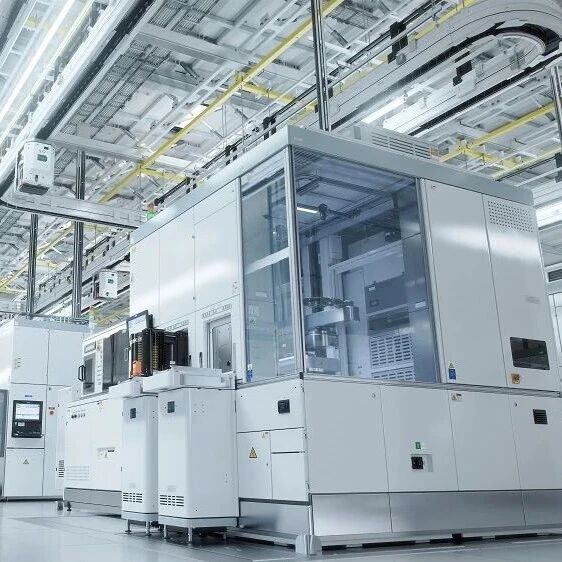
Core Viewpoint - ASML Holding is positioned to benefit significantly from the AI boom due to its near monopoly in the specialized lithography machine market for high-performance chips, but faces challenges in ensuring growth beyond 2026 due to limited major customers and high costs of new technology [1][2]. Group 1: ASML's Market Position and Challenges - ASML's stock has increased by 11% over the past year, but concerns arise regarding its ability to maintain growth due to reliance on a few key customers, particularly TSMC, which dominates advanced chip manufacturing [1][2]. - The company is selling a new generation of High NA EUV machines, with costs exceeding $400 million each, but TSMC is hesitant to adopt this technology immediately, preferring to extend the life of existing EUV machines [1][2]. - High NA technology promises to enable more complex chip designs with fewer exposure steps, but the initial costs and operational expenses are significant barriers for customers [1][3]. Group 2: Competitive Landscape and Customer Dynamics - Barclays analyst Simon Koles predicts ASML will ship only three High NA machines in 2026, down from five in 2025, indicating a slow adoption rate until at least 2028 [2]. - Intel is seen as a potential key customer for ASML, having purchased two High NA machines as part of its strategy to regain competitiveness in AI chip manufacturing, but faces financial risks due to its weakened position [2][3]. - The adoption of High NA technology by Intel is not guaranteed, as success depends on various factors including yield learning curves and the ability to attract external customers [3]. Group 3: Industry Trends and Future Prospects - The storage chip sector, which has lagged behind logic chips in adopting advanced lithography technology, may present new opportunities for ASML as companies like SK Hynix and Samsung begin to implement High NA systems for high-bandwidth memory chips [5]. - Recent developments indicate that SK Hynix has assembled a High NA system for mass production, potentially challenging competitors like Samsung and Micron [5]. - ASML's reliance on major customers highlights the risk that having superior technology alone does not guarantee market success, as the industry must be ready to invest in new technologies [5].
高通构建双引擎生态:骁龙赋能终端,跃龙深耕产业
半导体行业观察· 2025-09-29 01:37
Core Viewpoint - Qualcomm has established itself as a leader in the wireless communication industry through continuous investment in research and development, exceeding $100 billion since its inception in 1985, and is now expanding its business into various fields including AI, IoT, and automotive technology [1][2]. Group 1: Business Expansion and Innovation - Qualcomm has evolved beyond traditional wireless technologies, developing platforms like Snapdragon for smartphones, PCs, and automotive applications, and the new Dragonwing platform for industrial IoT [1][2][16]. - The company is focusing on AI integration, emphasizing its role in reshaping user interactions and device connectivity [1][21]. Group 2: Chip Development Strategy - Qualcomm is building a robust chip ecosystem by acquiring companies like NUVIA and Alphawave, enhancing its capabilities in CPU, GPU, and AI processing [4][6]. - The Snapdragon 8 Gen 2, featuring the Qualcomm Oryon CPU, represents a significant leap in mobile processing power, achieving unprecedented CPU frequencies and energy efficiency [10][14]. Group 3: Product Offerings - The Snapdragon platform has become the preferred choice for flagship smartphones, with the latest Snapdragon 8 Gen 2 offering substantial performance improvements in CPU, GPU, and AI capabilities [8][12]. - Qualcomm's new Snapdragon X2 Elite processors for PCs are designed for high performance and efficiency, with the X2 Elite Extreme leading in CPU performance by 75% compared to competitors [14][15]. Group 4: AI and Future Trends - Qualcomm is positioning itself at the forefront of AI development, with a focus on edge computing and real-time AI applications, aiming to make AI ubiquitous across devices [19][22]. - The company identifies six core trends driving the future of AI, including the shift from smartphone-centric to agent-centric computing and the evolution of computing architectures [21][22]. Group 5: Collaboration and Market Impact - Qualcomm has played a crucial role in the development of China's technology sector over the past three decades, partnering with local companies to enhance mobile technology and automotive solutions [17][18]. - The company aims to leverage its technology to drive transformation in various industries, including industrial IoT and network infrastructure, under the new Dragonwing brand [16][19].


黄仁勋:中国芯片潜力无穷,仅落后美国“几纳秒”
半导体行业观察· 2025-09-29 01:37
Core Viewpoint - The article discusses the impact of U.S. export controls on China's semiconductor industry, suggesting that these measures may inadvertently accelerate China's push for self-sufficiency and "de-Americanization" in technology [1][2]. Group 1: U.S. Export Controls and China's Response - The U.S. government has implemented a series of export controls aimed at restricting semiconductor technology to China, intending to hinder the development of its chip industry [1]. - Experts, including NVIDIA CEO Jensen Huang, argue that these restrictions may be counterproductive, as they could drive China to enhance its own semiconductor capabilities [1][2]. - Huang claims that China is only "a few nanoseconds" behind the U.S. in chip technology, highlighting the potential for rapid advancements in China's semiconductor sector [1][2]. Group 2: NVIDIA's Strategy and Market Dynamics - NVIDIA is planning to resume shipments of its H20 AI GPU to Chinese customers after a pause due to U.S. export regulations, indicating a willingness to adapt to the changing market [2]. - The company is also developing a new chip that complies with current restrictions while aiming to deliver higher performance, showcasing its commitment to maintaining a presence in the Chinese market [2]. - Huang emphasizes that foreign companies should be allowed to invest and compete in China, as this aligns with China's interests and could foster a more dynamic competitive environment [2][3]. Group 3: China's Semiconductor Development - Chinese companies are increasingly investing in custom chips, either through internal teams or by funding startups, to support their ambitious development plans [3]. - Huawei has launched its Atlas 900 A3 SuperPoD system, featuring the Ascend 910B chip, and aims to achieve or exceed current chip performance levels by 2027 [2][3]. - This shift towards self-sufficiency and the development of proprietary technology poses a significant challenge to NVIDIA, which previously held a 95% market share in China [2].
“美国要制造50%先进芯片”
半导体行业观察· 2025-09-29 01:37
Core Viewpoint - The article discusses the upcoming significant trade agreement between the U.S. and Taiwan, focusing on semiconductor production and the strategic goal of achieving a 50-50 split in chip manufacturing capacity between the two regions [2][3]. Group 1: Trade Agreement and Semiconductor Strategy - U.S. Commerce Secretary Howard Lutnick emphasized that a major trade agreement with Taiwan is imminent, aiming to enhance semiconductor production capabilities [2]. - Lutnick proposed a "50-50" strategy for semiconductor production, where both the U.S. and Taiwan would each produce half of the global chip supply, highlighting the importance of Taiwan's participation in this initiative [3]. - The U.S. currently relies on Taiwan for 95% of the chips used in mobile phones and automobiles, which poses a risk due to the geographical distance of 9,000 miles [2]. Group 2: Domestic Chip Production Goals - Lutnick stated that during his tenure, the goal is to increase U.S. domestic chip production from 2% to 40%, a challenging target that requires over $500 billion in investment [3]. - He argued that relying solely on Taiwan for chip production could undermine U.S. self-defense capabilities, thus advocating for a balanced approach to semiconductor manufacturing [3]. - The article notes that achieving the "50-50" production goal will require extensive negotiations and coordination between the U.S. and Taiwan [3].
多数AI芯片,只能用三年?
半导体行业观察· 2025-09-29 01:37
Core Insights - Major tech companies have committed over $800 billion in AI infrastructure investments, surpassing the cost of the U.S. interstate highway system built over 40 years [1] - AI infrastructure investments are projected to require approximately $800 billion in AI product revenue for a decent return on investment [1] - The cost of developing 1 GW of computing power is estimated at $50 billion, with two-thirds allocated for chips and networking equipment [1][2] Group 1 - OpenAI's vision includes adding 1 GW of computing power weekly, indicating a significant demand for AI infrastructure [1] - By 2030, the tech industry is expected to deploy around $500 billion in capital expenditures to meet AI demand and generate approximately $2 trillion in new revenue [1] - High demand for AI services is outpacing the capabilities of companies to provide intelligent computing power, as noted by Goldman Sachs [2] Group 2 - Meta's total expenditure in the U.S. from 2023 to 2028 is projected to be $600 billion, covering data center infrastructure and operational investments [2] - Global infrastructure investment needs are estimated to reach $68 trillion from 2024 to 2040, equivalent to building a complete interstate highway system every six weeks [2][3] - The construction cost of an AI data center is estimated to be between $40 billion and $50 billion, highlighting the financial challenges faced by both the government and tech companies [3] Group 3 - Alphabet views the risk of under-investing in AI as greater than the risk of over-investing, emphasizing the long-term utility of AI infrastructure [3] - Google Cloud has already generated billions in revenue through AI applications, showcasing the monetization potential of AI technologies [3] - Alphabet is positioned to capitalize on generative AI opportunities, potentially surpassing competitors like Microsoft, Apple, and Nvidia [3]

氮化镓,大有可为
半导体行业观察· 2025-09-29 01:37
Core Insights - The global RF device market is projected to reach $51.3 billion in 2024 and grow to $69.7 billion by 2030, driven by demand from consumer electronics, telecom infrastructure, and emerging applications [2] - The adoption of GaN technology is increasing in 5G and 6G networks, with the GaN RF device market expected to grow from $1.2 billion in 2024 to $2 billion by 2030, reflecting a CAGR of 8.4% [3][6] - GaN-on-Si technology is becoming a key player in the RF front-end (RFFE) market, offering advantages in efficiency, integration, and frequency range compared to traditional technologies [3][5] Market Growth and Demand - The demand for highly integrated RF front-end solutions is accelerating due to the rollout of 5G and the initial stages of 6G, necessitating a shift towards wide bandgap (WBG) semiconductors like GaN and SiC [2] - The market for GaN technology is expected to expand significantly as telecom operators face challenges such as exponential data growth and increasing power consumption [6][17] Technological Advantages - GaN technology offers higher breakdown voltage, higher electron mobility, and superior power density compared to traditional LDMOS and GaAs technologies, making it suitable for high-frequency applications [5] - GaN-on-Si technology is positioned to compete effectively in both low-power and high-power applications, with a projected market share increase in base station power amplifiers from single digits to over 10% by 2029 [9] Integration and Cost Efficiency - The use of standard silicon substrates for GaN-on-Si devices allows for reduced material costs and scalability, leveraging existing CMOS-compatible processes [8] - Innovations in packaging, such as copper-molybdenum and ceramic designs, enhance thermal performance and minimize size, which is crucial for dense MIMO antenna arrays [8] Future Applications - GaN-on-Si technology is not only relevant for 5G and 6G infrastructure but also shows potential in satellite communications and mobile devices, although challenges remain in supply chain maturity and cost competitiveness [11][12] - The transition to larger wafer sizes (8-inch and 12-inch) is expected to lower unit costs and expand capacity, aligning with the increasing demands of future wireless networks [15] Strategic Positioning - The success of GaN-on-Si technology in the coming decade will depend on continuous cost reduction, reliability improvements, and a robust supply chain to support mass production [17] - Major RF manufacturers are accelerating the adoption of GaN-on-Si technology, with several companies investing in 8-inch platforms to enhance production capabilities [13][14]