国家能源局

Search documents
《油气管网设施公平开放监管办法》院士解读︱强化自然垄断环节监管 助力全国统一大市场建设
国家能源局· 2025-10-16 08:06
Core Viewpoint - The article emphasizes the importance of regulating natural monopoly segments in the oil and gas pipeline network to support the construction of a unified national market, enhancing energy security and optimizing resource allocation [2][3]. Group 1: Breaking Down Monopoly Barriers - The new regulatory measures focus on dismantling monopoly barriers in the oil and gas pipeline facilities, promoting a fair and just competitive environment for various market entities, which will significantly enhance resource allocation efficiency [4]. - This initiative is a crucial support for the construction of a unified national market, aiming for free flow of factors, unified rules, and fair competition [4]. Group 2: Strengthening Natural Monopoly Regulation - The new regulatory framework clarifies the scope and operational rules for fair access to natural monopoly segments, facilitating the optimization of energy resource allocation and contributing to the modern energy market system [5]. - The previous regulatory measures laid a foundation for stable pipeline services, which are essential for energy supply security and fostering a competitive market environment [5]. Group 3: Improving Fair Access Mechanisms - The new regulations enhance the framework for fair access to oil and gas pipeline facilities, aiming to improve service levels and ensure comprehensive planning to avoid resource waste and market imbalance [6]. - This approach considers various factors such as resource distribution and market demand, aligning with the current development stage of the oil and gas industry in China [6]. Group 4: Introducing Penalties for Fair Access - The new regulations represent a significant legal advancement by introducing penalty clauses that align with the Energy Law, creating a comprehensive legal responsibility system [7]. - This innovation aims to regulate the behavior of pipeline facility operators and ensure orderly market participation, thereby preventing resource misuse and unhealthy competition [7].


中华人民共和国国家发展和改革委员会令 第33号《油气管网设施公平开放监管办法》
国家能源局· 2025-10-16 02:43
Core Viewpoint - The "Regulations on Fair and Open Supervision of Oil and Gas Pipeline Facilities" aims to enhance the efficiency of oil and gas pipeline facilities, ensure stable supply, and establish a fair and competitive market order, effective from November 1, 2025 [1][4]. Chapter Summaries Chapter 1: General Principles - The regulations are designed to improve the utilization of oil and gas pipeline facilities and protect the rights of operating companies and users [4]. - The regulations apply to oil and gas pipeline facilities within the territory of the People's Republic of China and its jurisdictional waters [4]. - Fair and open access means that operating companies must provide services like transportation and storage to eligible users without discrimination [4]. Chapter 2: Basic Requirements for Fair Access Services - Operating companies are responsible for establishing systems to provide fair and non-discriminatory services to eligible users [7]. - Companies must maintain financial independence for their operations and adhere to national pricing policies [9][10]. - The government encourages diverse service offerings based on market demand [10]. Chapter 3: Application and Acceptance of Fair Access Services - Companies must create user registration procedures that are fair and transparent [9]. - Applications from users that do not meet conditions or provide false information will be rejected [13]. - Capacity allocation for services must be conducted fairly and communicated promptly to users [11]. Chapter 4: Contract Signing and Execution - Service contracts must be signed based on fair and non-discriminatory principles [17]. - Companies cannot delay or refuse to sign contracts without valid reasons [18]. - Users must fulfill their obligations as per the contract, and any unused service capacity will be treated as forfeited [20]. Chapter 5: Information Reporting and Disclosure - Companies are required to regularly report information related to fair access services, including user registration and contract execution [22]. - Information must be disclosed proactively and upon request through designated platforms [23]. Chapter 6: Regulatory Measures and Legal Responsibilities - Regulatory authorities have the right to conduct inspections and require compliance from operating companies [25]. - Violations of the regulations can lead to penalties, including fines and warnings [30][31]. Chapter 7: Supplementary Provisions - Definitions of key terms such as "oil and gas pipeline facilities" and "users" are provided to clarify the scope of the regulations [24].

国家能源局有关负责同志就《油气管网设施公平开放监管办法》答记者问
国家能源局· 2025-10-16 02:43
Core Viewpoint - The introduction of the "Regulatory Measures for Fair Access to Oil and Gas Pipeline Facilities" aims to enhance the fairness and openness of oil and gas pipeline operations, addressing the increasing demands from market participants for equitable access and service [2][3]. Group 1: Background of the Regulatory Measures - The regulatory measures are a response to the need for independent operation and market-oriented reforms in natural monopoly sectors, as highlighted in the 20th National Congress of the Communist Party of China [3]. - The measures are designed to implement the Energy Law, which mandates fair access and non-discriminatory service provision by energy transmission network operators [3]. - The new regulations enhance enforcement capabilities by establishing penalties for violations, thereby improving regulatory authority and effectiveness [3]. Group 2: Key Contents of the Regulatory Measures - New provisions require pipeline operators to establish user registration processes and service acceptance criteria, promoting the use of online platforms for service requests [4]. - The measures introduce penalties for nine specific violations related to fair access, along with five user-related violations to maintain market order [4]. - Information disclosure requirements have been revised, categorizing information into different levels of public access to balance transparency and security [4]. Group 3: Scope of Regulated Pipeline Facilities - The regulatory measures define oil and gas pipeline facilities to include those providing public services for the transportation, storage, and unloading of crude oil, refined oil, and natural gas, excluding certain internal and specialized pipelines [5]. - The scope encompasses facilities operated by various entities, including state-owned enterprises, local state-owned enterprises, and private companies [5]. Group 4: Implementation Considerations - The National Development and Reform Commission and the National Energy Administration will coordinate efforts to promote understanding and compliance with the new measures, ensuring that pipeline operators enhance their service levels [7].


欢迎报考国家能源局公务员
国家能源局· 2025-10-15 10:21
近日,中央公务员主管部门发布了中央机关及其直属机构2026年度考试录用公务员公告。2026年,国家能源局计划考试录 用35名公务员,其中局机关7人、派出机构28人,具体岗位信息详见中央机关及其直属机构2026年度考试录用公务员专题 网站(http://bm.scs.gov.cn/kl2026)中的《招考简章》。报考者可在2025年10月24日前18:00前登录专题网站,按照 有关规定,提交报考申请。欢迎大家踊跃报考! 特此公告。 国家能源局2026年度考试录用公务员公告 2025年10月15日 国家能源局人事司 ...
国家能源局有关负责同志就《电动汽车充电设施服务能力“三年倍增”行动方案(2025—2027年)》答记者问
国家能源局· 2025-10-15 09:55
Core Viewpoint - The "Three-Year Doubling Action Plan for Electric Vehicle Charging Facilities Service Capacity (2025-2027)" aims to enhance the charging infrastructure to support the rapid growth of the electric vehicle industry in China, addressing existing gaps and improving consumer confidence in electric vehicle purchases [2][3]. Background of the Action Plan - The rapid development of new energy vehicles necessitates a robust charging infrastructure, which currently faces challenges such as uneven distribution, insufficient residential services, and the need for improved operational management [3]. - The plan aligns with the central government's initiative to boost consumption, particularly in the automotive sector, and aims to create a high-quality charging infrastructure system to support the growth of the new energy vehicle industry [3]. Overall Considerations of the Action Plan - The plan emphasizes four key areas: 1. **Equity**: Focus on balanced development of charging facilities, especially in rural areas, and enhancing the power capacity of existing facilities [4]. 2. **Innovation**: Promote vehicle-grid interaction to utilize electric vehicles as flexible energy storage resources [4]. 3. **Inclusivity**: Address challenges in residential charging infrastructure and simplify the installation process for consumers [4]. 4. **Implementation**: Clearly define responsibilities among various stakeholders to ensure effective execution of the plan [4]. Main Goals of the Action Plan - By the end of 2027, the plan aims to establish 28 million charging facilities nationwide, providing over 300 million kilowatts of public charging capacity to meet the needs of more than 80 million electric vehicles, effectively doubling the current service capacity [5]. Five Major Special Actions Proposed - **Public Charging Facility Upgrade**: Differentiate strategies for urban, intercity, and rural charging networks, focusing on fast charging and high-power facilities [6]. - **Residential Charging Condition Optimization**: Mandate new residential areas to include charging facilities and enhance existing ones [6]. - **Vehicle-Grid Interaction Promotion**: Expand pilot projects for vehicle-grid interaction and explore market-based response models [6]. - **Supply Capacity Improvement**: Integrate charging facility needs into distribution network planning and enhance service efficiency [6]. - **Charging Service Quality Enhancement**: Upgrade existing facilities and improve operational quality and service standards [6]. Measures to Ensure Effective Implementation - **Strengthened Leadership**: Various government departments will coordinate to ensure the plan's implementation [7]. - **Enhanced Execution**: Local governments will develop tailored action plans and support infrastructure improvements [7]. - **Safety Management**: Emphasize safety standards in the construction and operation of charging facilities [7]. - **Public Awareness**: Increase efforts in policy promotion and cross-sector communication [7].

关于印发《电动汽车充电设施服务能力“三年倍增”行动方案(2025—2027年)》的通知
国家能源局· 2025-10-15 09:55
Core Viewpoint - The article outlines the "Three-Year Doubling Action Plan for Electric Vehicle Charging Facilities Service Capacity (2025-2027)" aimed at enhancing the charging infrastructure to boost electric vehicle adoption and improve consumer confidence [2][4]. Group 1: Main Goals - By the end of 2027, the plan aims to establish 28 million charging facilities nationwide, providing over 300 million kilowatts of public charging capacity to meet the charging needs of more than 80 million electric vehicles, effectively doubling the current service capacity [4]. Group 2: Public Charging Facility Quality Upgrade Actions - Strengthening urban fast charging networks by constructing 1.6 million new direct current charging guns, including 100,000 high-power charging guns by the end of 2027 [5]. - Accelerating the renovation of charging facilities in highway service areas, with plans to build 40,000 "super-fast combined" charging guns of 60 kilowatts or more by the end of 2027 [5]. Group 3: Rural Charging Facility Development - Expanding charging network coverage in rural areas by adding at least 14,000 direct current charging guns in townships without public charging stations by the end of 2027 [6]. Group 4: Residential Charging Condition Optimization - New residential areas are required to build or reserve charging facilities for all fixed parking spaces, while existing areas will enhance charging facilities based on local conditions [7]. - Promoting a "unified construction and service" model for residential charging facilities to ensure sustainable management and operation [7]. Group 5: Vehicle-Grid Interaction Application Promotion - Expanding vehicle-grid interaction pilot projects, aiming to add over 5,000 bidirectional charging and discharging (V2G) facilities and achieve a reverse discharge volume exceeding 20 million kilowatt-hours by the end of 2027 [8]. Group 6: Power Supply Capacity and Service Improvement Actions - Upgrading distribution networks to accommodate charging facility demands, focusing on urban core areas, highway service areas, and old residential communities [9]. - Enhancing the efficiency of electricity connection services for electric vehicle charging facilities through simplified application processes and improved service channels [9]. Group 7: Charging Operation Service Quality Enhancement - Improving the quality and efficiency of public charging stations by upgrading old equipment and optimizing user experience through better service standards [10]. Group 8: Implementation Assurance Mechanisms - Strengthening organizational leadership to ensure the effective implementation of the action plan, with various departments responsible for different aspects of charging facility development [11][12]. - Promoting safety management and compliance with national standards in the construction and operation of charging facilities [12]. Group 9: Publicity and Guidance - Increasing policy publicity through various media channels to create a favorable environment for electric vehicle consumption and the upgrade of charging infrastructure [13].

习近平:推动落实全球发展倡议、全球安全倡议、全球文明倡议、全球治理倡议
国家能源局· 2025-10-15 08:57
推动落实全球发展倡议、全球安全倡议、全球文明倡议、全球治理倡议 ※ 习近平 2021年9月21日,国家主席习近平在北京以视频方式出席第七十六届联合国大会一般性辩论并发表题为《坚定信心 共克时艰 共建更加美好 的世界》的重要讲话。 新华社记者 黄敬文/摄 发展是实现人民幸福的关键。面对疫情带来的严重冲击,我们要共同推动全球发展迈向平衡协调包容新阶段。在此,我 愿提出全球发展倡议: ——坚持发展优先。将发展置于全球宏观政策框架的突出位置,加强主要经济体政策协调,保持连续性、稳定性、可持 续性,构建更加平等均衡的全球发展伙伴关系,推动多边发展合作进程协同增效,加快落实联合国2030年可持续发展议 程。 ——坚持以人民为中心。在发展中保障和改善民生,保护和促进人权,做到发展为了人民、发展依靠人民、发展成果由 人民共享,不断增强民众的幸福感、获得感、安全感,实现人的全面发展。 一 2023年3月15日,中共中央总书记、国家主席习近平在北京出席中国共产党与世界政党高层对话会,并发表题为《携手同行现代化之路》的 主旨讲话。 新华社记者 刘彬/摄 ——坚持普惠包容。关注发展中国家特殊需求,通过缓债、发展援助等方式支持发展中国 ...

国家能源局12398能源监管热线投诉举报处理情况及典型案例通报(2025年9月)
国家能源局· 2025-10-15 01:46
Complaint Situation - In September 2025, the 12398 Energy Regulatory Hotline received a total of 2804 complaints, with 2613 from the electricity sector and 191 from the renewable energy sector [4] - The main complaints were directed at State Grid Corporation (2035 complaints) and Southern Power Grid Company (591 complaints), focusing on issues such as electricity installation, power outage repairs, and meter measurement [4][6] - The complaint handling rate was 100%, with a satisfaction rate of 89.92% for follow-up calls after complaints were resolved [6][8] Complaint Hotspots - Issues reported included inadequate equipment maintenance leading to low voltage and frequent outages in regions like Inner Mongolia and Sichuan [9] - Complaints from Shaanxi and Guangxi highlighted irregularities in disconnection due to unpaid bills and delays in repair services [10] - In Heilongjiang and Fujian, complaints were related to insufficient material reserves and errors in electricity pricing [10] Appeal Situation - In September 2025, 327 appeals were received, with a complaint appeal rate of 11.26%, primarily against State Grid Corporation [11][12] - The main issues in appeals were related to electricity installation, meter measurement, and power outage repairs [13] Appeal Hotspots - Reports from Anhui and Beijing indicated irregularities in the promotion of smart payment systems and improper handling of user capacity increase requests [16] - Complaints from Liaoning and Xinjiang pointed to non-standard procedures in meter replacement and faulty measurement devices causing billing issues [17] - Issues in Hebei and Hunan included inadequate routine inspections and delays in capacity upgrades, leading to frequent outages [18] Reporting Situation - The hotline received 109 reports in September 2025, with the majority concerning electrical facility licensing and renewable energy grid connection [19] - The provinces with the highest number of reports included Guangdong (18), Hebei (11), and Shaanxi (9) [19] Reporting Handling - A total of 82 reports were resolved, with regulatory actions taken against verified violations through measures such as regulatory interviews and administrative penalties [21] Work Requirements - Energy companies are required to standardize electricity installation management and improve service efficiency to enhance user satisfaction [22] - There is a need to improve power quality and increase investment in distribution network construction [22] - Companies should enhance service levels, standardize meter replacement procedures, and improve monitoring of measurement devices [22] - Management of disconnections due to unpaid bills should be standardized, with timely notifications and efficient repair resource allocation [22] Typical Cases - A case in Liaoning involved a report of unauthorized disconnections, leading to regulatory action against the local power company [23] - In Shanxi, a complaint about erroneous billing due to meter connection errors was validated, resulting in corrective measures by the power company [24] - A case in Gansu highlighted issues with frequent outages and low voltage, prompting regulatory orders for improvements [25] - In Jiangsu, a report of improper solar grid connection procedures led to regulatory scrutiny and corrective actions [25] - A complaint in Yunnan regarding delays in meter installation was confirmed, resulting in improved internal processes by the local power company [26] - A case in Anhui involved a company providing false documentation for electrical facility licensing, leading to revocation of their license [26]

人民日报丨加快建设全国统一电力市场
国家能源局· 2025-10-14 11:58
电力市场是全国统一大市场的重要组成部分。2021年,习近平总书记在中央全面深化改革委员会第二十二次会议上指 出:"要遵循电力市场运行规律和市场经济规律,优化电力市场总体设计,实现电力资源在全国更大范围内共享互济和优化 配置,加快形成统一开放、竞争有序、安全高效、治理完善的电力市场体系。"这是构建现代能源体系、推动能源高质量发 展的重大部署,同时也为构建全国统一大市场提供了重要基础。我们要以习近平经济思想为指引,加快建设全国统一电力 市场,促进电力资源优化配置、构建现代能源体系、推动能源高质量发展,为以中国式现代化全面推进强国建设、民族复 兴伟业提供有力支撑。 建设全国统一电力市场是建设全国统一大市场、推动高质量发展的探索实践 建设全国统一大市场是发挥我国超大规模市场优势的内在要求。习近平总书记在《关于构建新发展格局》中指出:"从供给 看,我国基于国内大市场形成的强大生产能力,能够促进全球要素资源整合创新,使规模效应和集聚效应最大化发挥。"电 力是经济社会发展的基础性支撑,电力资源的优化配置关乎能源安全与高质量发展大局。建设全国统一电力市场是深化电 力体制改革的重要举措,有利于促进电力资源优化配置、保障电力供应 ...
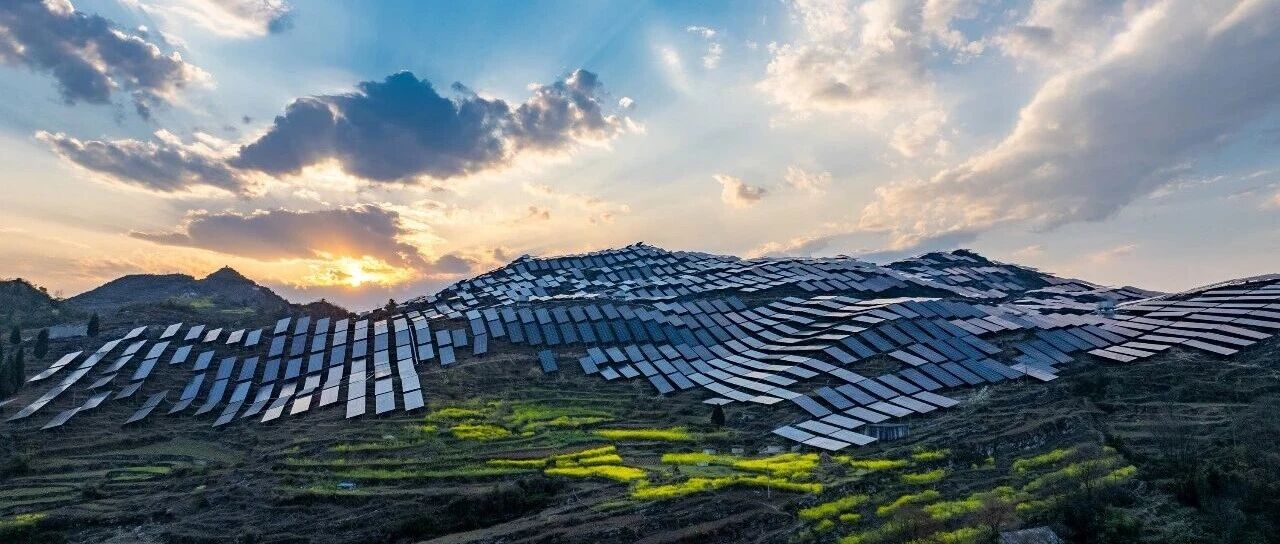
2025年国际能源变革论坛将于10月23-25日在苏州举行
国家能源局· 2025-10-14 10:09
点击 关注 2025年国际能源变革论坛 将于10月23-25日在苏州举行 论坛期间将安排以下活动 ○ 10月23日: 举行11场分论坛和2场主题活动 ○ 10月24日: 上午举行论坛开幕式、主旨演讲、成果发布仪式 下午举行2场高端对话 ○ 10月25日: 上午举行闭门研讨会 国家能源局微信公众号是国家能源局新闻宣传、信息公开、服务群众的重要平台。 国家能源局 · 公开 政务信息 · 发布 行业动态 ·提供 公众服务 了解更多能源动态,请长按图片识别或扫描右侧二维码,关注国家能源局官方微信公众号。 为贯彻落实习近平总书记提出的全球发展 倡议和全球治理倡议,充分展示我国能源 转型取得的历史性成就以及能源领域的技 术创新、应用实践和国际合作成果等,国 家能源局将与国际可再生能源署和江苏省 人民政府于10月23日-25日,在江苏省苏州 市共同举办2025年国际能源变革论坛。 本届论坛主题为"十年携手能源变革 创新领 航绿色未来",设置新能源科技创新国际合 作、全球清洁能源产业链供应链合作、构建 能源绿色低碳转型共赢新模式、国际能源治 理体系建设与变革等议题。论坛将邀请相 关国家能源部长、驻华大使和国际组织负 责人出席 ...