日经中文网

Search documents
在日外国人2025年汇款回国金额或超1万亿日元
日经中文网· 2025-08-31 00:33
Core Viewpoint - The remittance amount from foreign workers in Japan has significantly increased, reaching a historical high in the first half of 2025, with expectations to exceed 1 trillion yen for the year due to factors such as bonuses and long holidays [2][4]. Group 1: Remittance Trends - In the first half of 2025, remittances from foreign workers in Japan amounted to 506.8 billion yen, marking a 38% increase year-on-year and setting a new half-year record [2][4]. - The total remittance amount is projected to surpass the previous record of 847.5 billion yen set in 2024, potentially exceeding 1 trillion yen for the first time [4]. - The number of foreign workers in Japan has increased by 12% year-on-year, reaching 2.3 million, with Vietnamese nationals being the largest group [4]. Group 2: Remittance Destinations - The top remittance destinations in 2024 included Vietnam (326.2 billion yen), Indonesia (102.1 billion yen), and the Philippines (90.2 billion yen) [6]. - Global remittance flows have tripled over the past 20 years, with Japan ranking 25th in terms of outbound remittance amounts [6]. Group 3: Risks Associated with Remittances - There are two main risks associated with remittances from foreign workers: illegal activities and the impact on the yen exchange rate [8]. - A survey indicated that 2% of foreign residents in Japan used underground remittance services, primarily due to favorable exchange rates [8]. - Increased remittance amounts could lead to higher selling pressure on the yen as foreign workers convert yen to their local currencies [8]. Group 4: Domestic Remittance Trends - In the first half of 2025, remittances from Japanese residents abroad to Japan totaled 303.1 billion yen, a 10% decrease year-on-year [9]. - The net selling of yen after accounting for remittances was 203.7 billion yen, the highest half-year figure since comparable data began in 1996 [9].

中国重启日本牛肉进口动向让产地期待升温
日经中文网· 2025-08-31 00:33
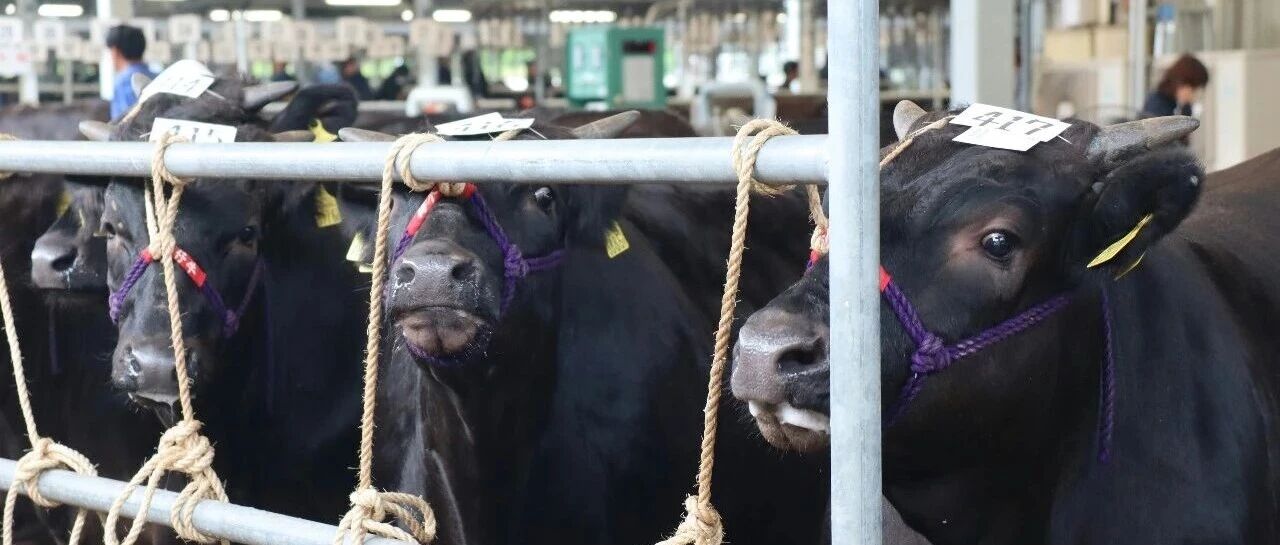
Core Viewpoint - Japan's beef industry is optimistic about the potential for exporting beef to China, marking a significant shift after 24 years of import restrictions due to BSE and other issues [6][5]. Group 1: Market Potential - The Japanese beef company KAMICHIKU expresses excitement about the Chinese market, describing it as an "unknown market" with "huge possibilities" [6][4]. - Kagoshima Prefecture's agricultural exports are projected to grow by 28% in 2024, reaching 47.052 billion yen, with beef being a strategic focus [6]. Group 2: Historical Context - Japan's beef exports to China were halted in 2001 due to BSE, and various import bans have been in place since then, including a ban on seafood following the Fukushima disaster [5][6]. - The Japan-China Animal Health and Quarantine Agreement, signed in 2019, is a crucial step towards resuming beef exports, which has now come into effect [6][5]. Group 3: Future Goals - Kagoshima aims to increase its beef export rate, currently below 10%, and targets 50 billion yen in exports by 2025 [6]. - The Japanese government aims to boost agricultural exports by 70% by 2030, with beef as a key category [6]. Group 4: Consumption and Demand - China's beef consumption is projected to reach 10.66 million tons in 2024, a 14.5% increase from 2021, with imports expected to be 2.87 million tons, significantly exceeding Japan's production [7]. - Kumamoto Prefecture is also optimistic about beef exports, having established direct flights to Shanghai to facilitate trade [7]. Group 5: Cautionary Perspectives - Despite the optimism, there are cautious voices regarding the complexities of certification and export conditions that need to be clarified [7]. - The Japanese agricultural sector is advised to diversify trade partners to mitigate risks associated with reliance on a single market like China [8].
日本要在28年量产检测疾病的量子传感器
日经中文网· 2025-08-31 00:33
Core Viewpoint - The Japanese Quantum Science and Technology Agency (QST) is set to mass-produce high-sensitivity quantum sensors that can accurately measure temperature changes within human cells, potentially enabling early disease detection by 2028 [1][6]. Group 1: Quantum Sensor Technology - Quantum sensors utilize phenomena from the quantum realm to achieve ultra-high sensitivity in measuring parameters like temperature, distinguishing them from traditional sensors [3][6]. - QST's quantum sensors are made from diamonds containing trace amounts of nitrogen, allowing them to detect minute temperature changes, with a current capability of measuring variations as small as 0.1 degrees Celsius and theoretically down to 0.01 degrees Celsius [6][7]. Group 2: Production and Market Potential - QST plans to establish a production system capable of manufacturing between 60,000 to 100,000 sensors annually by 2028, with current production at approximately 10 grams per year, aiming to increase this to 520 grams [1][7]. - The global market for quantum sensors is projected to reach approximately $1 billion to $2 billion by 2030, indicating significant commercial potential [8]. Group 3: Applications in Healthcare - The ability to measure temperature changes in individual cells could lead to advancements in understanding disease severity and predicting drug efficacy, particularly in differentiating between healthy and diseased cells [6][7]. - QST is exploring the use of quantum sensors for detecting disease markers in blood, which could alleviate the burden of invasive testing methods currently required for conditions like Alzheimer's disease [7]. Group 4: Broader Implications and Future Goals - Beyond healthcare, quantum sensors made from durable diamonds could be utilized in harsh environments, such as space, and could replace numerous traditional sensors in devices like electric vehicles and smartphones, enhancing efficiency [8]. - QST aims to collaborate with enterprises to advance the mass production and quality management of quantum sensors, with a long-term goal of promoting quantum technology across various industries [7][8].

英伟达苦心摸索面向中国AI半导体迭代方案
日经中文网· 2025-08-30 00:33
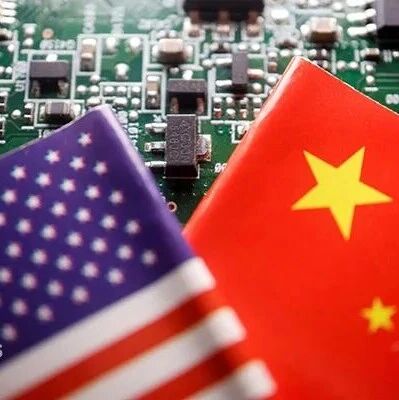
Core Viewpoint - Nvidia is facing challenges in the Chinese market due to government actions discouraging the use of its main product, H20, prompting the company to explore new chip designs to maintain its presence in this significant market [2][4]. Group 1: Product and Market Dynamics - Nvidia has notified suppliers, including Amkor Technology and Samsung, to halt production related to H20 due to deteriorating demand expectations in China and concerns over security vulnerabilities raised by Chinese authorities [4][6]. - H20 was initially seen as a key product for entering the Chinese market, but U.S. export controls have complicated its shipment, leading to a shift in strategy [4][5]. - Nvidia is now developing new semiconductor products based on the Blackwell architecture, aiming to cater to the Chinese market and potentially replace the older Hopper series [6][7]. Group 2: Government Relations and Export Controls - U.S. Commerce Secretary's comments on H20 have led to a hardened stance from China, with officials advocating for increased procurement of domestic products instead of relying on Nvidia [5][6]. - There are indications that U.S. export controls may be circumvented if Nvidia can offer a downgraded version of Blackwell that meets performance criteria similar to H20, allowing for potential negotiations with the U.S. government [7][6]. - The Chinese government has criticized H20 for its vulnerabilities, suggesting that domestic alternatives could fulfill similar roles, which may undermine the intended impact of U.S. export restrictions [7].

日元汇率存在“稳定器”,与日美利差联动减弱
日经中文网· 2025-08-30 00:33
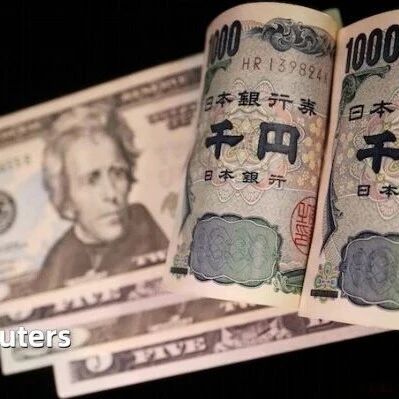
Core Viewpoint - The Japanese yen has been stagnant in the range of 140 to 150 yen per dollar since April, with no clear direction despite U.S. government pressures for currency correction and interest rate cuts [2][4]. Group 1: Currency Exchange Rate Dynamics - The sensitivity of the yen exchange rate is decreasing, and even with heightened expectations for changes in U.S.-Japan monetary policy, there is no clear directional movement in the exchange rate [2][6]. - The yen briefly appreciated to 146 yen per dollar following expectations of a narrowing interest rate differential between the U.S. and Japan, but quickly returned to 147 yen [4][6]. - The linkage between the yen exchange rate and the U.S.-Japan interest rate differential, which was significant during last year's depreciation of the yen, is weakening this year [6][10]. Group 2: Market Behavior and Supply-Demand Factors - Despite the narrowing interest rate differential, market participants betting on yen appreciation have not disappeared, with speculative funds reaching a historical maximum in yen purchases in April [6][9]. - Japanese export companies, which previously bought yen to mitigate losses from appreciation, are now showing minimal movement in following suit [6][9]. - The balance of trade and service accounts has been nearly stable this year, indicating that neither buying nor selling pressure on the yen is significantly influencing its value [9][10]. Group 3: Monetary Policy Considerations - It is essential to consider supply-demand conditions alongside U.S.-Japan monetary policy when predicting the yen exchange rate [10]. - The ambiguous statements from the Federal Reserve Chairman Powell suggest a cautious approach to discussing policy changes, which may prevent market participants from actively buying yen [10].
小泽征尔在中国播下的种子正开花结果
日经中文网· 2025-08-30 00:33
Core Viewpoint - The memorial concert for the late Japanese conductor Seiji Ozawa was held in Beijing, showcasing the impact he had on Chinese musicians and the ongoing legacy of his teachings [1][3]. Group 1: Event Overview - The "2025 Seiji Ozawa Memorial Concert" took place on July 20 at the Zhongshan Park Music Hall near the Forbidden City, featuring approximately 60 Chinese musicians who had been directly guided by Ozawa [3][4]. - The concert included three pieces, all of which held significant memories associated with Ozawa, including Beethoven's works and a string version of the famous Chinese piece "Erquan Yingyue" [3][6]. Group 2: Musical Pieces and Performers - The first piece performed was the third movement of Beethoven's last completed work, the "Sixteenth String Quartet," which was an important piece taught by Ozawa during his time in Switzerland [3][6]. - The second piece, "Erquan Yingyue," was conducted by Huang Yi, who noted Ozawa's desire to bring Chinese music to the world [6]. - The final piece was Beethoven's "Seventh Symphony," which had been performed during Ozawa's previous concerts in China [6]. Group 3: Legacy and Influence - Ozawa, born in Shenyang, China, had a deep affection for the country and significantly influenced many young musicians, with over 200 students having participated in his music school since its establishment in 2000 [6][7]. - The concert was organized by Ozawa's students, who had only 9 hours to rehearse together, reflecting the strong foundation and memories of Ozawa's teachings that remained with them [7][9]. - The event highlighted the potential for future collaborations among the musicians, with hopes for continued gatherings and performances [9]. Group 4: Future Prospects - The students expressed a desire to continue the activities initiated by Ozawa, but acknowledged the need for sponsorship to sustain future events [9]. - Ozawa's philosophy emphasized that music transcends race and nationality, which poses a challenge for the students to spread his ideals as they represent a Chinese orchestra in a global context [9].

36氪精选:1.2万亿超级工程,瞄准小城墨脱
日经中文网· 2025-08-30 00:33
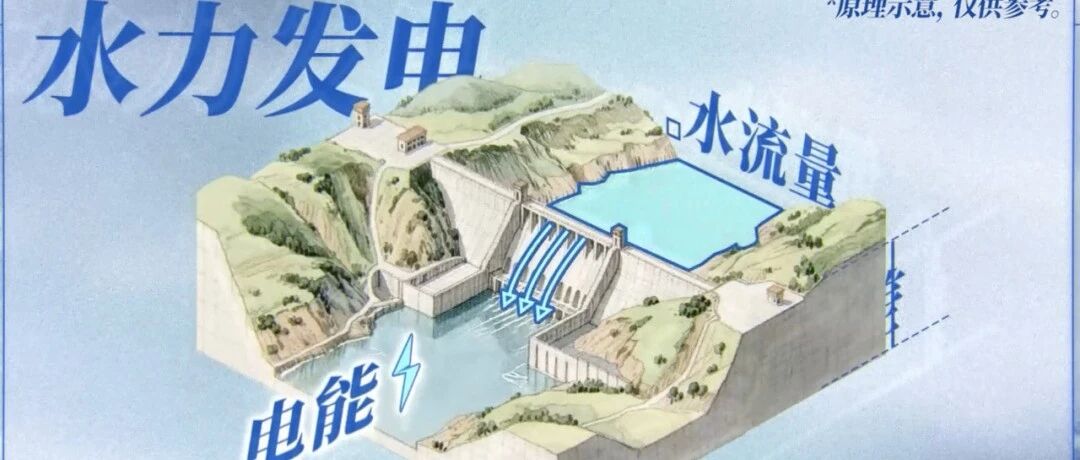
Core Viewpoint - The article discusses the significance and challenges of the Yarlung Tsangpo River hydropower project in Medog County, Tibet, highlighting its potential to generate substantial clean energy and its implications for China's energy structure and carbon neutrality goals [6][22][27]. Group 1: Project Overview - The Yarlung Tsangpo River project has a total investment of 1.2 trillion, making it China's first trillion-level infrastructure project, surpassing the combined costs of major projects like the Beijing-Shanghai High-Speed Railway and the South-to-North Water Diversion [6][11]. - The project aims to harness the natural drop of over 2,000 meters in a 200-kilometer stretch of the river, with an estimated annual power generation of 3,000 billion kilowatt-hours, enough to power Beijing for two years [11][19]. Group 2: Technical Challenges - The project faces significant technical challenges, including the need for a multi-stage development approach due to the extreme elevation drop, requiring the construction of five hydropower stations [13][15]. - Advanced tunneling technology is necessary for the project, with large-diameter tunnel boring machines costing 200-300 million each, which were previously dominated by foreign companies [15][17]. Group 3: Economic and Energy Implications - The project is essential for transforming China's energy mix, as coal-fired power currently accounts for over 60% of electricity production, and the hydropower stations will enhance clean energy capacity [22][25]. - The demand for electricity is increasing, with a notable rise in consumption from high-tech manufacturing and electric vehicles, indicating a growing need for clean energy sources [25][26]. Group 4: Future Outlook - The completion of the Yarlung Tsangpo project is expected to take several years, but it represents a critical investment in the future of energy infrastructure, impacting not just local areas but the entire nation [27].
从大熊猫看到的“动物软实力”
日经中文网· 2025-08-29 08:00
Core Viewpoint - The return of four giant pandas from Japan to China has become a significant topic in Sino-Japanese diplomacy, highlighting the soft power and diplomatic role that giant pandas play between the two nations [7][9][17]. Group 1: Panda Diplomacy - The return of the four pandas is linked to the Convention on International Trade in Endangered Species of Wild Fauna and Flora (CITES), which restricts the international transfer of endangered species [6]. - China has shifted from gifting pandas to a rental system aimed at breeding, with the first instance being the rental to Japan in 1994 [7]. - Currently, only two pandas remain in Japan, set to return in February 2026, raising the possibility of Japan facing a "zero panda" situation [7][17]. Group 2: Historical Context - Giant pandas have played a role in Sino-Japanese relations since the normalization of diplomatic ties in 1972, when China gifted two pandas to Japan [9]. - The use of pandas in diplomacy dates back to 1941, when two pandas were gifted to the United States by Soong Mei-ling to garner support during the Second Sino-Japanese War [9]. Group 3: Public Diplomacy - As of May 2025, China has rented 45 pandas to 15 countries, including the United States, emphasizing the importance of public diplomacy in international relations [10]. - The cute image of giant pandas helps mitigate China's "wolf warrior" diplomacy image, contributing positively to international public opinion [10][17]. Group 4: Economic and Cultural Impact - The presence of giant pandas in foreign zoos not only fosters diplomatic relations but also generates economic benefits through tourism [15][19]. - The emotional connection and care for pandas in foreign countries enhance their role in fostering goodwill and dialogue between nations [19].

特朗普发文攻击政敌索罗斯,二人因何结怨?
日经中文网· 2025-08-29 08:00
Core Viewpoint - The article discusses the ongoing conflict between former President Trump and billionaire investor George Soros, highlighting Trump's accusations against Soros and his son for allegedly funding violent protests in the U.S. and violating the Organized Crime Control Act [1][3]. Group 1: Trump's Accusations - Trump claims that George Soros and his son have violated the Organized Crime Control Act and should be prosecuted for their support of violent protests across the U.S. [1][3] - Trump has not provided any evidence to support his allegations against Soros [3]. - The timing of Trump's comments may be linked to the deployment of the National Guard in Washington, D.C., amid reports from conservative media about Soros-funded groups opposing this deployment [3]. Group 2: Soros's Political Activities - George Soros has been a significant donor to the Democratic Party, contributing approximately $180 million from 2021 to 2022, making him one of the highest individual donors in the U.S. [5]. - In April 2025, Soros donated $1 million to the Texas Majority PAC, aiming to make Texas a competitive state for both Republican and Democratic parties in the upcoming midterm elections [5]. Group 3: Soros's Background and Influence - Soros, originally from Hungary, has been in opposition to Hungarian Prime Minister Viktor Orbán, who is known for his authoritarian governance and media control [7]. - The Hungarian government has launched a campaign against Soros, labeling him as a "national enemy" due to his support for immigration [7]. - Soros is historically known for his successful short-selling of the British pound in 1992, which led to significant financial gains and a shift in the UK's currency policy [7].

日产全球销量16个月来重回增长,受中国市场拉动
日经中文网· 2025-08-29 08:00
Core Viewpoint - Nissan's global sales in July reached 262,745 units, marking a 1% year-on-year increase, with significant growth in the Chinese market contributing to this performance [2][4]. Group 1: Sales Performance - In July, Nissan's sales in China grew by 22%, totaling 57,359 units, which helped offset declines in Japan and Europe [2][4]. - The launch of the pure electric sedan "N7" in China in late April has been a strong performer, compensating for the downturn in other markets [2][4]. - Despite a decline in U.S. sales, North America overall saw a 4% increase, reaching 107,929 units [4]. Group 2: Market Challenges - Japan's domestic sales fell by 19%, the largest drop among eight major automakers in the country [4]. - The overall production of Japan's eight major passenger car companies decreased by 2% year-on-year, totaling 1,978,949 units in July [4]. - Mazda experienced the largest decline, with a 23% drop in production, falling to 86,551 units, and a significant 28% decrease in domestic production [4].