盐财经

Search documents
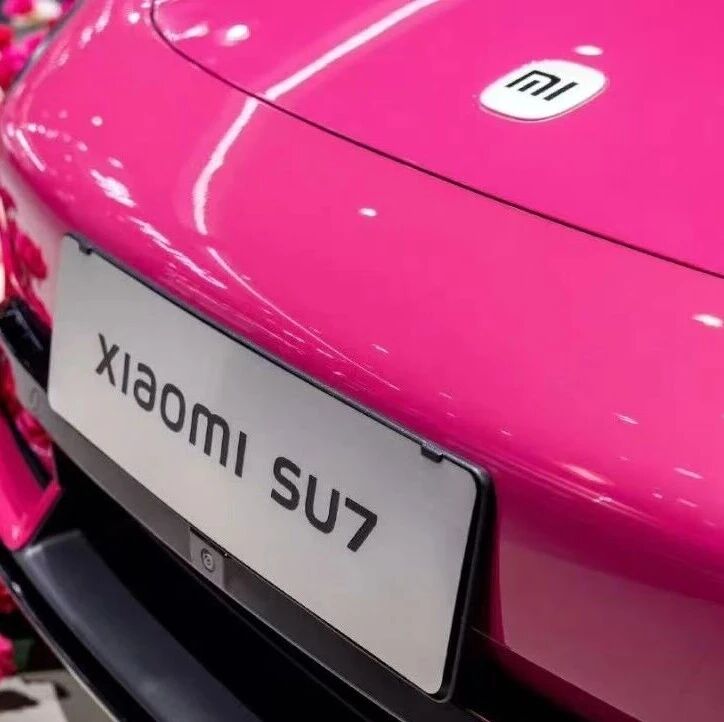
小米召回11.69万辆SU7
盐财经· 2025-09-19 09:08
Core Viewpoint - Xiaomi has initiated a recall of over 116,900 units of its SU7 standard version electric vehicles due to potential safety risks associated with the L2 highway navigation assistance feature [2][4]. Group 1: Recall Details - The recall affects specific models produced between February 6, 2024, and August 30, 2025, including 98,462 units of XMA7000MBEVR2 and XMA7000MBEVR5, and 18,425 units of BJ7000MBEVR2 [4]. - The recall is classified as a software OTA (Over-The-Air) update, requiring users to upgrade their systems to address the identified safety issues [4][6]. - The safety concern arises from the vehicle's insufficient recognition, warning, or handling of extreme scenarios while the L2 feature is active, which could increase the risk of collisions if the driver does not intervene promptly [4][6]. Group 2: Software Upgrade and Features - Xiaomi will provide a free software upgrade via OTA to eliminate the safety risks for the recalled vehicles, with notifications sent to affected owners through SMS and mobile apps [4][6]. - The OTA upgrade enhances the performance of the SU7's driving assistance features, including improvements in highway navigation and the introduction of a "dynamic speed" function that adjusts the target speed based on environmental conditions [6]. Group 3: Sales Performance - The Xiaomi SU7, launched in March 2024, has seen significant sales, with over 300,000 units delivered by July 2024, achieving delivery milestones of 100,000 units in just over 7 months and 200,000 units in 4 months [9]. - In the second quarter, revenue from Xiaomi's smart electric vehicle and AI innovation segment increased by 233.9% year-on-year to 21.3 billion yuan, with core automotive business revenue rising by 230.3% to 20.6 billion yuan, driven by increased delivery volumes and average selling prices [9].


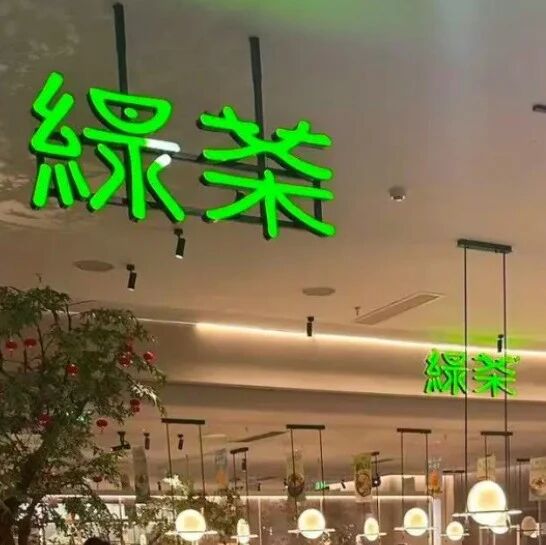
“无预制菜” ,绿茶餐厅涂黑
盐财经· 2025-09-18 13:06
Core Viewpoint - The controversy surrounding "pre-made dishes" at Green Tea restaurants has led to a significant shift in consumer perception, with the term "freshly made" becoming a contentious issue in the restaurant industry [2][4]. Group 1: Consumer Perception and Reactions - Recent observations indicate that Green Tea restaurants have removed signage claiming "no pre-made dishes, freshly made" from their storefronts, raising questions about transparency [3]. - Consumers have expressed concerns over the use of pre-made dishes without prior notification, arguing that it infringes on their right to know [4]. - Social media discussions reveal a polarized view on pre-made dishes, with some consumers feeling misled by the restaurant's marketing strategies [4]. Group 2: Operational Practices and Supply Chain - Green Tea Group's prospectus reveals a partnership with 205 third-party food processing companies, allowing them to reduce upfront investment costs and enhance operational efficiency by outsourcing much of the food preparation [3][6]. - The reliance on pre-made dishes has been framed as a means to improve restaurant efficiency, although it contradicts the marketing narrative of freshly made food [4][6]. Group 3: Regulatory Scrutiny and Financial Performance - The China Securities Regulatory Commission has inquired about the food safety and proportion of pre-made dishes used by Green Tea restaurants, emphasizing the need for compliance in their supply chain practices [6]. - Green Tea Group reported a positive earnings forecast, expecting a net profit of approximately 247-254 million RMB for the first half of the year, marking an estimated growth of nearly 40% [7]. - The expansion of Green Tea restaurants has been significant, with over 500 locations established across various provinces and regions in China by August 2025 [7].
在海外,再造一个腾讯云
盐财经· 2025-09-18 13:06
Core Viewpoint - The article emphasizes the unwavering commitment of Chinese companies to internationalization, showcasing their shift from being mere manufacturers to becoming global brands with original designs and digital capabilities [2]. Group 1: Internationalization Trends - Chinese companies are increasingly focusing on international markets, as evidenced by the aggressive growth of brands like Pop Mart and the successful IPO of Mixue Ice Cream in Hong Kong [2]. - The Tencent Global Digital Ecosystem Conference highlighted the growing importance of internationalization, with more international elements and attendees than in previous years [2]. Group 2: Tencent Cloud's International Strategy - Tencent Cloud has rapidly expanded its international presence, achieving "high double-digit" growth over the past three years, significantly outpacing the average growth of China's public cloud market [5][7]. - Tencent Cloud's internationalization strategy aims to replicate its domestic success globally, enhancing its infrastructure, compatibility, and service depth [7]. Group 3: Role of Cloud Services in Internationalization - Cloud service providers are crucial in enhancing the efficiency and quality of companies' international expansion by leveraging proven domestic technologies and experiences [5][9]. - Tencent Cloud's products, such as TDSQL and TCE, have been instrumental in supporting the core systems of various international clients, demonstrating high performance and stability [11]. Group 4: Unique Chinese Experience - Tencent Cloud differentiates itself by leveraging its unique "Chinese experience" in social ecosystems, media, and mobile payments, which provides a competitive edge in the global market [16]. - The integration of Tencent's small program solutions in various international contexts, such as facilitating Chinese tourists in Japan, exemplifies the practical application of this unique experience [19][20]. Group 5: Localization as a Key to Internationalization - The essence of internationalization lies in localization, where Tencent Cloud focuses on deeply embedding itself within local ecosystems to address specific regional needs [24][27]. - Tencent Cloud's global infrastructure, including data centers and support centers, enables it to provide localized services while maintaining a consistent global experience [27]. Group 6: Successful Case Studies - Tencent Cloud has successfully supported major projects, such as the global launch of the game "Ningchao," demonstrating its capability to handle high user concurrency and rapid deployment [28][31]. - The seamless migration of GoTo Group's services to Tencent Cloud in Indonesia showcases the effectiveness of Tencent's cloud solutions in managing large-scale transitions [32][33]. Conclusion - The article concludes that true internationalization is about connecting people and services globally, with Tencent's mission being to enhance the quality of life through technology [34].


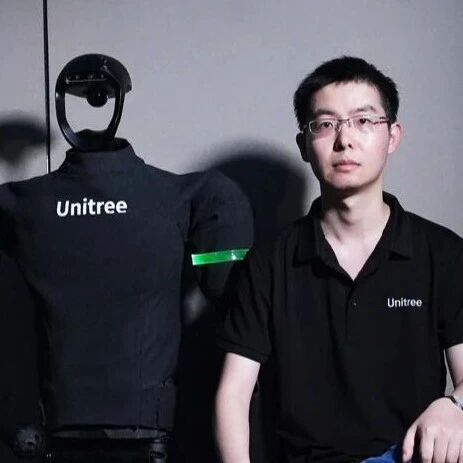
10天涨100亿,宇树科技朋友圈狂欢
盐财经· 2025-09-17 09:42
Core Viewpoint - Yushu Technology, a domestic robotics company, is preparing for its IPO with an estimated valuation exceeding 10 billion yuan, igniting excitement in the capital market [4][12]. Group 1: IPO and Market Impact - Yushu Technology plans to submit its IPO application between October and December, with operational data to be disclosed at that time [4]. - The anticipation surrounding Yushu Technology's IPO has led to significant stock price increases for related companies, such as Juxing Legend and Shoukai Holdings, which have seen their market values surge [5][8]. - Juxing Legend's stock rose over 20% after unveiling a collaborative product with Yushu Technology, demonstrating the market's enthusiasm for Yushu's potential [7]. Group 2: Financial Performance and Valuation - Yushu Technology's valuation reached approximately 12 billion yuan following a recent financing round led by major investors, including Tencent and Alibaba, raising nearly 700 million yuan [12]. - The company has achieved annual revenues exceeding 1 billion yuan and has been profitable for five consecutive years, positioning it as a leader in the humanoid robotics sector [17]. - Yushu Technology's innovative pricing strategy has allowed it to offer products at significantly lower prices than competitors, enhancing its market position [18][20]. Group 3: Competitive Landscape - The humanoid robotics industry is experiencing rapid growth, with predictions indicating it will become a major investment theme over the next decade, particularly in China [17]. - Yushu Technology's reliance on self-developed components has enabled it to control production costs effectively, a critical factor in its competitive strategy [18]. - As competition intensifies, Yushu Technology must diversify its revenue streams to sustain growth and address potential investor concerns post-IPO [20].
月薪过万,今年最热门的行业却招不到人
盐财经· 2025-09-17 09:42
Core Viewpoint - The aging population in China is creating a significant demand for elderly care services, leading to a burgeoning market for caregivers, with potential earnings exceeding 10,000 yuan per month in major cities [2][5]. Group 1: Market Demand and Growth - As of now, there are approximately 310 million individuals aged 60 and above in China, accounting for 22% of the total population, indicating a vast need for elderly care services [2]. - In the second quarter of this year, the number of caregiver job postings increased by 54% year-on-year, with an average monthly salary of 5,720 yuan, reflecting an 8% increase compared to the previous year [2][5]. - Major cities are implementing substantial subsidies to attract talent in the elderly care sector, with cities like Guangzhou and Shenzhen offering one-time employment subsidies ranging from 6,000 to 15,000 yuan for qualified candidates [5]. Group 2: Challenges Faced by Caregivers - Despite the attractive salary prospects, many young individuals entering the field quickly realize the harsh realities of the job, including physical and emotional challenges [6][10]. - Caregivers often face demanding work conditions, including long hours, high physical exertion, and dealing with difficult situations such as managing the care of bedridden patients [11][21]. - The high turnover rate in the industry is attributed to the demanding nature of the work, with many young caregivers leaving after a short period due to the stress and physical toll [40]. Group 3: Workforce Composition and Trends - The current workforce in elderly care is predominantly older, with nearly 40% of caregivers aged between 50 and 55, and only 3% under 30 years old, highlighting a "youth gap" in the industry [30][32]. - Although many graduates from relevant fields enter the industry, a significant portion chooses to leave, with a reported 40% to 50% turnover rate among new caregivers [35][36]. - The integration of younger caregivers is essential for providing companionship to elderly individuals and adapting to the increasing use of technology in care settings [36][39]. Group 4: Economic Viability and Future Outlook - The elderly care industry faces challenges in profitability, with only 6.4% of institutions reporting profits, while many operate at a loss or break even [40]. - The emergence of new business models, such as "intergenerational care" initiatives, aims to enhance service offerings and improve financial sustainability [42]. - The industry's growth and ability to attract and retain talent will depend on developing viable profit models that can support better compensation for caregivers [42][43].

大学学费,涨了
盐财经· 2025-09-16 10:41
Core Viewpoint - The rising tuition fees in Chinese universities are reshaping the perception of higher education as a reliable investment, especially for low-income families who may face significant debt burdens [4][30]. Group 1: Tuition Fee Increases - A notable increase in tuition fees has been observed across various provinces in China since 2023, with some institutions raising fees by over 50% [7][8]. - Specific examples include East China University of Science and Technology raising fees to 7,700 yuan, and Taiyuan University of Technology increasing engineering fees from 6,000 yuan to 8,970 yuan [9][10]. - The trend is expected to continue, with over 100 universities already implementing fee hikes, leading to a new standard approaching the 10,000 yuan threshold [8][16]. Group 2: Factors Behind Fee Increases - The rising costs are attributed to increased expenses related to faculty salaries and laboratory equipment, alongside a shift towards market-driven pricing [12][15]. - The expansion of higher education has outpaced initial funding models, leading to a "more students, less money" scenario, compelling universities to raise tuition as a form of self-rescue [26][30]. Group 3: Financial Sources for Universities - Universities primarily rely on tuition fees, government funding, social donations, and income from school-run enterprises, with many public institutions heavily dependent on government support [22][23]. - However, government funding for higher education has decreased, with a reported reduction of 4.6 billion yuan in 2024 compared to the previous year [23][24]. Group 4: Changing Perceptions of Higher Education - The perception of higher education as a guaranteed pathway to stable employment and higher income is shifting, with an increasing number of graduates facing lower starting salaries and a competitive job market [30][34]. - The phenomenon of "degree inflation" is evident, as lower-level degrees are becoming more favorable in certain job markets, leading to a reassessment of the value of a university degree [34][37]. Group 5: Impact on Families - Families are increasingly weighing the costs of higher education against potential returns, with many considering the financial burden of tuition and living expenses [30][35]. - The rise in tuition fees has led to a significant increase in student loans, with 955.18 billion yuan in loans issued in the past year, marking a 36.51% increase [40][41].

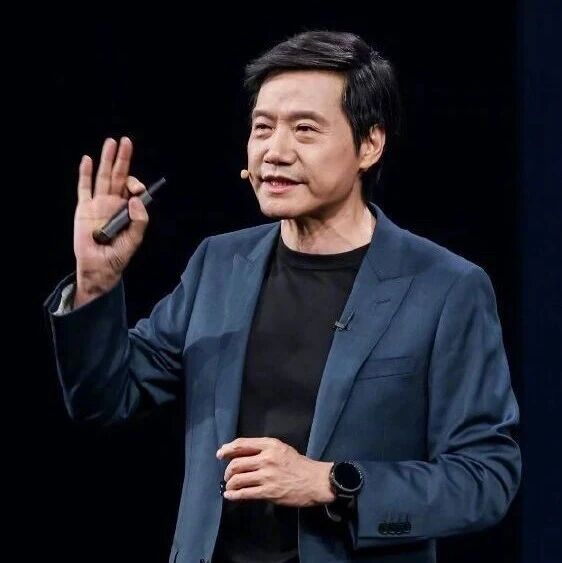
小米全面对标苹果,正面迎战
盐财经· 2025-09-16 10:41
Core Insights - The Xiaomi 17 series is set to be launched this month, marking a significant leap in the digital series history and arriving a month earlier than the previous generation [3][5] - The series includes three models: Xiaomi 17, Xiaomi 17 Pro, and Xiaomi 17 Pro Max, all featuring the world's first Snapdragon 8 Gen 2 mobile platform [5][6] - Xiaomi's high-end strategy has been in place for five years, aiming to compete directly with Apple's iPhone, with confidence stemming from substantial progress in technology and experience [4][6] Product Details - Xiaomi 17 is described as the strongest standard flagship with comprehensive upgrades without a price increase [5] - The Pro models represent a significant technological leap, with Xiaomi 17 Pro being a compact imaging flagship and Xiaomi 17 Pro Max being the most powerful imaging flagship in Xiaomi's history [5][6] - The company has invested over 100 billion RMB in R&D over the past five years, with plans to increase this to 200 billion RMB in the next five years [6] Market Positioning - Xiaomi aims to directly compete with the iPhone 17 series, showcasing confidence in their product capabilities [4][5] - The company emphasizes a shift from parameter-led to experience-first approaches in their high-end product development [6]

虞书欣家族财富,麻烦缠身
盐财经· 2025-09-14 10:07
Core Viewpoint - The article discusses the controversy surrounding actress Yu Shuxin and her family's business dealings, particularly focusing on the partnership between her father's company and a state-owned enterprise, raising questions about transparency and potential conflicts of interest [4][11][31]. Group 1: Business Background - Yu Shuxin's father, Yu Pijie, is the actual controller of Xinyu City Huashang Mining Co., Ltd., which was established in 2007 with a registered capital of 2 million yuan [4][5]. - Huashang Mining partnered with Xinyu Steel Group, a major state-owned enterprise, to form Xinyu Xingu Mining Co., Ltd., which became a key supplier for Xinyu Steel [5][12]. - The transaction volume between Xingu Mining and Xinyu Steel surged from 18 million yuan in 2009 to over 630 million yuan in 2013, totaling over 1.5 billion yuan in five years [5][16]. Group 2: Controversy and Allegations - Allegations arose questioning whether Yu Pijie gained undue benefits through his company's dealings with state-owned enterprises, particularly regarding the lack of transparency in the partnership [5][17]. - The partnership raised eyebrows due to the small size of Huashang Mining compared to the scale of Xinyu Steel, leading to speculation about the legitimacy of the business relationship [13][15]. - Yu Pijie has publicly stated that Huashang Mining acted solely as a financial investor and that all transactions were conducted through public bidding [17][24]. Group 3: Financial Implications - In 2010, Xinyu Steel provided 210 million yuan in funding to Xingu Mining, which raised concerns about the nature of the financial relationship between the two companies [22][24]. - By 2013, Xingu Mining had utilized 740 million yuan of Xinyu Steel's funds, which was not adequately explained, leading to further scrutiny [24][27]. - The financial strain on Xinyu Steel was evident, with a debt ratio of 74.53% in 2013, highlighting the potential risks associated with the partnership [26][27]. Group 4: Public and Regulatory Response - The controversy has sparked a broader discussion about the transparency of celebrity wealth accumulation and the implications for public interest [31][34]. - Xinyu Steel has acknowledged the public's concerns and stated that they are addressing the situation, indicating potential regulatory scrutiny [34][35]. - The ongoing investigation into the matter reflects the public's demand for accountability and clarity regarding the relationships between private enterprises and state-owned companies [31][35].


宗馥莉或另立门户
盐财经· 2025-09-14 10:07
本文转载自新京报 值班编辑 | 宝珠 视觉 | 羽玺 据蓝鲸新闻报道,9月13日,蓝鲸新闻记者从多个信源了解到,娃哈哈或使用新品牌"娃小宗"。 据杭州娃哈哈宏辉食品饮科有限公司的一份内部文件显示,自娃哈哈集团创始人离世后,公司一直努力 推进解决各项历史相关遗留问题,为维护"娃哈哈"品牌使用的合规性,公司决定从2026年新的销售年度 起,更换使用新品牌"娃小宗"。 , 星标关注《盐财经》 洞察趋势,睿智人生 /// 大家都在看 /// 点 在看 把盐撒给更多的人 ...

哪吒车主突然收到断网短信
盐财经· 2025-09-12 09:57
Core Viewpoint - Neta Auto has recently become a focal point of public attention due to issues regarding its vehicle connectivity services, which are now being affected by the company's financial difficulties and contractual disputes with its service provider, Lenovo Dongde [3][5]. Group 1: Connectivity Service Issues - On September 11, multiple Neta car owners reported receiving messages from "Hozon Auto," indicating that Lenovo Dongde would cease providing vehicle connectivity services due to unpaid service fees [3]. - Lenovo Dongde stated that Hozon Auto had failed to pay service fees on time, leading to significant operational cost pressures, and thus, they would begin to shut down services for all vehicles with outstanding payments [5]. - To mitigate the impact on car owners, Lenovo Dongde introduced a "Neta Car Owner Data Plan," allowing users to purchase data packages directly through their platform, with prices ranging from 5.9 yuan to 699 yuan [7]. Group 2: Company Financial Performance - Neta Auto previously promised lifetime free basic data for its Neta L model and three years of free entertainment data, but the company is now facing severe financial challenges [10]. - Founded in 2014, Hozon Auto had a registered capital of over 2.8 billion yuan and achieved a peak annual sales volume of 152,100 vehicles in 2022, becoming the top seller among new car manufacturers [10]. - However, in 2024, the company's annual sales plummeted to 64,500 vehicles, a year-on-year decline of 49.37%, leading to reports of a broken capital chain [10]. - In May 2023, Neta Auto experienced service disruptions due to unpaid data fees, and by June, the company entered bankruptcy review proceedings [10].