美股研究社

Search documents
70亿!光刻机新晋独角兽诞生,挑战ASML,还要建晶圆厂
美股研究社· 2025-10-30 10:16
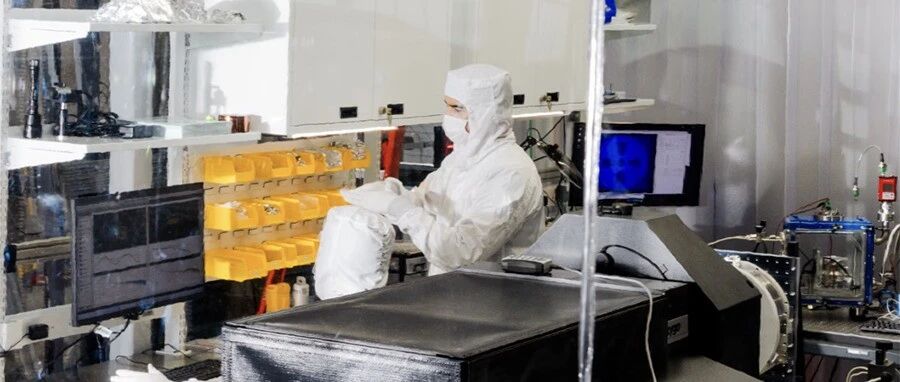
Core Viewpoint - A new American chip equipment startup, Substrate, has emerged as a unicorn with a valuation exceeding $1 billion, aiming to challenge industry giants ASML and TSMC in the semiconductor sector [5][6]. Group 1: Company Overview - Substrate has secured $100 million in seed funding and is focused on developing advanced X-ray lithography technology that claims to rival ASML's High-NA EUV machines, achieving a resolution comparable to 2nm semiconductor nodes [6][7]. - The company has designed a new type of vertically integrated foundry that utilizes particle accelerators to produce extremely bright beams of light, which are essential for advanced semiconductor manufacturing [8]. Group 2: Technology and Innovation - Substrate's first production-grade 300mm wafer lithography equipment has been completed, capable of withstanding the high G-forces required by leading foundries [9]. - The company aims to reduce the cost of top-tier silicon wafers significantly, projecting a cost of around $10,000 by 2030, compared to the current $100,000 [9]. Group 3: Strategic Goals - Substrate's ultimate goal is to surpass ASML's business scope and establish a custom semiconductor manufacturing foundry in the U.S., with plans for mass production starting in 2028 [10]. - The company intends to build a network of foundries equipped with its lithography machines, aiming to produce high-quality wafers at lower costs [12][13]. Group 4: Leadership and Vision - CEO James Proud emphasizes the need for the U.S. to regain its leadership in semiconductor production through a new, vertically integrated foundry model that continues to push the boundaries of Moore's Law [12][22]. - Proud, a serial entrepreneur with no prior experience in the chip industry, has assembled a team of about 50 experts from leading companies and national laboratories to drive Substrate's vision [20][18]. Group 5: Industry Challenges - Analysts express skepticism about Substrate's ambitious plans, noting the complexity and capital intensity of the semiconductor supply chain, which has historically taken decades and significant investment to develop [21][26]. - Despite the challenges, Proud remains confident, arguing that historical precedents show that such ambitious goals can be achieved [26].

美联储即将退出“疫情救市模式”,9万亿缩表工程如何软着陆?
美股研究社· 2025-10-29 10:34
Core Viewpoint - The Federal Reserve is set to conclude its quantitative tightening program, marking the end of large-scale financial market interventions initiated in March 2020 due to the COVID-19 pandemic. The Fed aims for the market to operate independently while returning to traditional interest rate tools to stimulate or cool the economy [5][6]. Summary by Sections Quantitative Easing and Tightening - To counter the economic impact of the pandemic, the Federal Reserve implemented quantitative easing, purchasing trillions of dollars in securities to maintain low long-term interest rates, which expanded its balance sheet to nearly $9 trillion. Since 2022, the Fed has reversed these measures through quantitative tightening, reducing its balance sheet by $2.2 trillion [6]. Bank Reserves and Economic Signals - The Fed intends to reduce bank reserves from "ample" to "adequate," but determining the end point for quantitative tightening remains challenging. Currently, bank reserves account for about 10% of nominal GDP. The Fed is cautious to avoid a repeat of the 2007-2009 financial crisis, where a significant drop in bank reserves led to market volatility [7]. Market Reactions and Future Expectations - Experts suggest that the end of quantitative tightening may be interpreted by the market as a sign of the Fed's intention to boost the economy. Some traders might view this as another economic stimulus measure [7][8]. Concerns Over Liquidity - There are warnings that the current state of the money market indicates the Fed may be repeating past mistakes of excessive liquidity withdrawal. Some analysts argue that the Fed has allowed too much reserve to dissipate and should resume purchasing Treasury securities to replenish market liquidity [8]. Future Monetary Policy - The Fed has indicated that it does not currently see the need to increase its securities purchases, with predictions that it will not expand its balance sheet before the end of 2026. However, it will monitor year-end financing costs closely to respond to market pressures if necessary [8][9]. Caution in Future Interventions - The Fed's experience with previous rounds of bond purchases has made it more cautious about using quantitative easing as a monetary policy tool. Critics argue that such interventions leave a significant footprint in financial markets. The Fed is unlikely to face a situation requiring a return to quantitative easing in the foreseeable future, as current economic conditions are more likely to present inflationary pressures rather than deflationary ones [9].

五年前被风暴摧毁的核电站,被谷歌在2029年叫醒
美股研究社· 2025-10-29 10:34
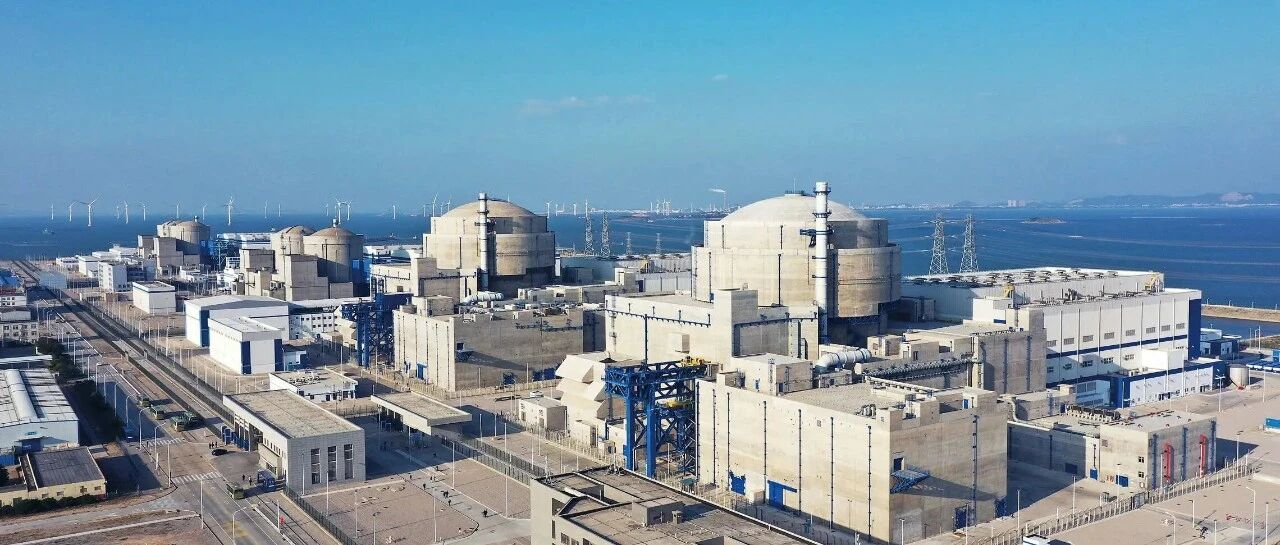
Core Viewpoint - The article discusses the revival of the Duane Arnold Energy Center in Iowa, highlighting the collaboration between NextEra Energy and Google to restart the nuclear power plant, which is seen as a significant project in the wave of reactivating retired nuclear facilities in the U.S. [6][10] Group 1: Project Overview - The Duane Arnold Energy Center, a 615 MW nuclear power plant, was shut down due to a derecho storm in August 2020, leading to the loss of local jobs and businesses [4]. - Five years later, NextEra Energy and Google announced plans to restart the plant, aiming for it to be operational by Q1 2029, contingent on regulatory approvals [6][13]. - Google signed a 25-year power purchase agreement (PPA) with NextEra, which will also acquire 100% ownership of the plant [6][14]. Group 2: Market Implications - The announcement led to a positive market reaction, with NextEra's stock price rising, reflecting the increasing demand for stable, clean energy driven by AI and technology companies [10][19]. - The trend of tech giants like Microsoft and Amazon also pursuing nuclear energy solutions indicates a broader shift towards reliable energy sources to support their operations [10][11]. Group 3: Energy Demand and Supply Dynamics - There is a growing recognition that the current energy supply is insufficient to meet the demands of AI expansion, with nuclear power being one of the few sources capable of providing the necessary 24/7 dispatchable power [11][12]. - The article emphasizes that while renewable sources like solar and wind are important, they cannot fully meet the continuous energy needs of data centers [11][12]. Group 4: Economic and Community Impact - The revival of the nuclear plant is not just about energy production; it represents a reactivation of industrial heritage, creating local jobs in nuclear engineering and maintenance [13][18]. - The project is expected to enhance the local tax base and provide educational opportunities, benefiting the community economically [18]. Group 5: Investment Insights - The article suggests that the value of dispatchable clean power will increasingly be recognized in asset pricing, leading to a "certainty premium" for such energy sources [19]. - Long-term contracts like Google's PPA will help stabilize energy prices and integrate carbon reduction goals into corporate strategies [20]. - The potential for re-evaluating traditional utility assets, including retired nuclear plants, is highlighted as a new investment opportunity in the AI era [21].


AI日报丨马斯克旗下AI驱动的维基百科竞品历经坎坷后正式上线,苹果加速OLED升级
美股研究社· 2025-10-29 10:34
Group 1 - The rapid development of artificial intelligence (AI) technology is creating widespread opportunities in the market [3] - OpenAI's total investment in AI infrastructure is approximately $1.4 trillion, with plans for an IPO as a likely option due to funding needs [5] - Blackstone and Saudi AI company Humain have signed a $3 billion agreement to build data centers in Saudi Arabia, aiming to support the rapid growth of AI and cloud computing [6] Group 2 - Nvidia's CEO Jensen Huang stated that new chips will generate $500 billion in revenue over the next five quarters, dismissing concerns about an AI bubble [10] - Apple is planning to upgrade its devices to OLED displays, with the iPad mini expected to adopt OLED as early as next year [10] - Tesla is considering internal candidates for CEO succession in response to potential leadership changes, emphasizing Elon Musk's irreplaceable role in the company [11][12] Group 3 - Microsoft has invested in OpenAI's transition to a profit-oriented organization, holding a 27% stake valued at $135 billion, with IP licensing extended to 2032 [13]




财报季有望推动美股再创新高
美股研究社· 2025-10-29 10:34
Group 1 - The core point of the article highlights that the recent surge in major stock indices is primarily driven by strong corporate earnings growth, with the Dow Jones, Nasdaq, and S&P 500 reaching historical highs due to favorable inflation reports [1][2]. - Long-term market trends closely align with corporate profit trajectories, indicating that the recent index highs signal a bullish outlook for the market, as historical data suggests strong market performance in the following year [2]. - The current earnings season has seen a rare upward revision of earnings expectations by analysts, with 86% of reported earnings exceeding forecasts, and third-quarter earnings growth revised from 7.9% to 9.2% [2][5]. Group 2 - The S&P 500's forward 12-month price-to-earnings (P/E) ratio stands at 22.7, significantly above the 10-year average of 18.6, marking the highest level since the 2000 internet bubble [4]. - Current profit margins for S&P 500 companies are stable at 12.8%, close to historical records, and are expected to rise to 13.4% in Q1 and 13.7% in Q2 of the next year, driven by advancements in artificial intelligence [4]. - Notable companies such as Coca-Cola, Ford, General Motors, 3M, and Netflix have reported strong earnings, indicating robust economic performance that contradicts sentiment surveys suggesting otherwise [5][6].

下一只黑天鹅,关税退款“大赌局”!
美股研究社· 2025-10-28 10:24
Core Viewpoint - A potential legal battle may force the U.S. government to refund hundreds of billions in tariffs, creating a unique speculative market around this issue [3][4]. Group 1: Legal Context and Implications - U.S. Treasury Secretary Yellen acknowledged that if the Supreme Court rules certain tariffs imposed by the Trump administration as illegal, the Treasury may have to refund "about half of the tariffs," which he described as a "terrible" blow to the department [3][4]. - Two lower courts have already ruled that the Trump administration lacked legal authority to impose certain tariffs under the International Emergency Economic Powers Act, with the case now set for oral arguments at the Supreme Court on November 5 [4][12]. - As of August this year, over $70 billion in disputed tariffs have been collected, and a reversal of this policy could have profound effects on U.S. finances and importing businesses [4][12]. Group 2: Market Reactions and Investment Strategies - Wall Street investment banks, including Jefferies and Oppenheimer, are facilitating unique transactions connecting importers who have paid high tariffs with investors seeking high returns, primarily hedge funds [5]. - The core logic of these transactions involves cash-strapped importers selling their future potential claims for tariff refunds at a significant discount, allowing them to receive guaranteed payments without waiting for court decisions [5]. - Investors typically purchase these claims for 20 to 40 cents on the dollar, meaning favorable Supreme Court rulings could yield several times the original investment [5]. Group 3: Retail Investor Participation - Unlike institutional investors, retail investors are participating in this speculative market through emerging prediction markets like Kalshi and Polymarket, where they can place small bets on outcomes such as whether the Supreme Court will uphold the tariffs [7][8]. - The trading prices of contracts on these platforms reflect the market's implied probability of the tariffs being upheld, estimated at around 40% [8][10]. - However, the liquidity in these markets is low, with total trading volumes on Kalshi and Polymarket being less than $250,000 and $400,000 respectively, making them ineffective for large-scale risk hedging [10]. Group 4: Challenges Ahead - The outcome of all bets hinges on the Supreme Court's decision, which may be influenced not only by legal interpretations but also by the justices' views on executive power [12]. - Even if the Supreme Court rules the tariffs illegal, the refund process could be complicated, described as a "logistical nightmare," particularly for small importers who may struggle to provide detailed documentation for refunds [13][14].

财报超预期,英特尔王者归来?
美股研究社· 2025-10-28 10:24
Core Viewpoint - Intel's recent quarterly earnings report for Q3 2025 showed a revenue of $13.65 billion, exceeding expectations, and the stock price experienced significant volatility, reflecting a shift in market sentiment from skepticism to cautious optimism [4][3]. Financial Performance - Intel reported Q3 revenue of $13.65 billion, surpassing the expected $13.14 billion, with an earnings per share (EPS) of $0.23. However, the company also disclosed a loss of $0.37 per share due to stock being held for a $8.9 billion investment agreement with the U.S. government [4][5]. - The net profit for the quarter was $4.1 billion, translating to an EPS of $0.90, a significant recovery from a net loss of $16.6 billion in the same quarter last year [17]. Market Sentiment and Stock Performance - Following the earnings report, Intel's stock surged over 8% in after-hours trading and continued to rise by 8.5% in pre-market trading, although it closed the day with a modest increase of 0.31% [1][2]. - Year-to-date, Intel's stock has risen over 90%, outperforming the S&P 500 index [8]. Strategic Partnerships and Business Transformation - The U.S. government's decision to acquire approximately 10% of Intel's shares at $20.47 per share has been a significant factor in boosting investor confidence [5]. - Collaborations with Nvidia have further enhanced Intel's narrative as a key player in the AI and semiconductor sectors, shifting perceptions from a struggling traditional chip manufacturer to a vital participant in U.S. semiconductor goals [5][10]. Business Segments Performance - Total product revenue reached $12.7 billion, a 7% quarter-over-quarter increase, driven by strong performance in both client computing and data center segments [22]. - The Client Computing Group (CCG) generated $8.5 billion in revenue, an 8% increase, attributed to seasonal demand in the PC market and updates to Windows 11 [23]. - The Data Center and AI Group reported $4.1 billion in revenue, a 5% increase, driven by product optimization and rising enterprise demand [26]. Future Outlook - Intel's management anticipates Q4 2025 revenue to be around $13.3 billion, slightly below market consensus, with an EPS of $0.08 [12]. - The company is focusing on its foundry business, which requires significant capital investment and is currently facing challenges, but management remains optimistic about future client engagements [12][19]. - Analysts believe that the current stock price level may soon become a new baseline, indicating a potential long-term trend reversal [10][28].

特斯拉Q3增收不增利,全球交付近50万辆
美股研究社· 2025-10-28 10:24
Core Viewpoint - Tesla reported record revenue and free cash flow for Q3, driven by increased vehicle deliveries, but faced a decline in net profit and gross margin [4][5]. Revenue and Deliveries - Tesla's Q3 revenue reached $28.1 billion, a 12% year-over-year increase [4]. - Vehicle deliveries hit a record high of 497,000 units in Q3, with Model 3 and Model Y accounting for 481,000 units, a 9% increase year-over-year [4]. - In China, Tesla delivered 169,000 vehicles in Q3, a 31% increase quarter-over-quarter, representing over 30% of global deliveries [4]. Profitability and Margins - Despite increased revenue, Tesla's net profit (non-GAAP) fell to $1.77 billion, a 29% decline year-over-year [5]. - The gross margin for Q3 was 18%, down from 19.8% in the same period last year [5]. Market Performance - Tesla's deliveries in South Korea, Japan, and Singapore reached record levels, with South Korea becoming the third-largest market after the U.S. and China [5]. - The stock price fell by 0.82% to $438.97 before the earnings report and dropped nearly 5% in after-hours trading [10]. Operational Costs and Future Outlook - Increased operational costs, including R&D and stock-based compensation, contributed to the profit decline [8]. - Tesla did not provide performance guidance for the upcoming quarters, citing uncertainties in global trade and fiscal policies [8]. Future Investments - Tesla is focusing on AI and robotics, with plans to release the third-generation humanoid robot, Optimus, in Q1 2026, and aims for an annual production of 1 million units [9]. - The company is expanding its Robotaxi service and enhancing its AI capabilities through partnerships, including one with Samsung for AI chip production [9].

AI日报丨高通挑战英伟达,微软在澳大利亚被起诉
美股研究社· 2025-10-28 10:24
Group 1 - Qualcomm is entering the AI data center market with new chips, AI200 and AI250, aiming to challenge Nvidia's dominance [5] - Sequoia Capital led a $750 million investment in Rogo Technologies, a startup developing AI tools to replace junior bankers, doubling its valuation since earlier this year [6] - AI startup Mercor raised $350 million at a $10 billion valuation, with plans to enhance talent acquisition, upgrade matching systems, and improve service delivery speed [7] Group 2 - Baidu's AI glasses, "Xiao Du AI Glasses," will be available for pre-sale on November 1, featuring capabilities like photography, AI translation, and AI recording [8] - Microsoft is facing a lawsuit in Australia for allegedly misleading consumers about price increases for Microsoft 365 subscriptions related to the introduction of AI Copilot, with significant price hikes noted [10] - The U.S. Department of Energy and AMD have established a $1 billion partnership to build two supercomputers aimed at addressing various scientific challenges, including nuclear energy and drug development [11]



加入 AI 军备竞赛,高通还有足够的生存空间吗?
美股研究社· 2025-10-28 10:24
Core Viewpoint - Qualcomm officially enters the AI accelerator chip market with a product roadmap extending to 2028, focusing on high-performance and cost-effective AI inference operations [1][4]. Group 1: Product Roadmap - Qualcomm plans to launch the AI200 chip in 2026, featuring 768GB LPDDR memory aimed at high-performance AI inference [1]. - The AI250 chip is scheduled for release in 2027, utilizing near-memory computing architecture to enhance effective bandwidth by 10 times while reducing power consumption [1]. - Collaboration with Saudi Arabian AI company Humain has been established to deploy Qualcomm's accelerator chips in a 200 MW computing facility starting in 2026 [1]. Group 2: Competitive Positioning - Qualcomm differentiates itself by focusing on "energy efficiency" and "total cost of ownership (TCO)" optimization in the AI inference segment, avoiding direct competition with Nvidia and AMD, which dominate the AI training cluster market [4]. - The company has a long-standing accumulation of technology in custom CPU, NPU, GPU, and low-power subsystems, enabling high-performance, low-power AI inference directly at the device level, crucial for edge computing scenarios [4][5]. - Qualcomm aims to create a complete ecosystem by embedding accelerator chips into modular racks and integrating AI software stacks and SDKs, targeting enterprises reluctant to pay high prices for Nvidia GPUs [5]. Group 3: Market Potential and Financial Outlook - Qualcomm's revenue for the third quarter of fiscal year 2024 is slightly over $10 billion, with an estimated annual revenue of around $43 billion [5]. - AMD's CEO predicts the AI chip market will reach $500 billion by 2028, suggesting that even a 2%-3% market share for Qualcomm could yield an additional $10-15 billion in revenue in the coming years, based on conservative estimates [5]. Group 4: Challenges Ahead - Qualcomm faces high market barriers due to the established dominance of Nvidia and AMD, which have strong ecosystem lock-in advantages [6]. - The timing of Qualcomm's entry into the market may be late, requiring significant investment in R&D and deployment while potentially facing peak chip pricing, limiting profit margins [6]. - The complexity and competitiveness of the AI chip market present uncertainties in business expansion, making it challenging to replicate past successes in other sectors [6]. Group 5: Stock Performance and Valuation - Following the announcement, Qualcomm's stock price increased by over 10%, although it remains below historical highs [7]. - In terms of valuation, Qualcomm is cheaper than AMD and Nvidia based on P/E ratios, but its forward PEG ratio does not favorably compare due to AMD and Nvidia's higher earnings growth rates [8]. - If the AI accelerator chip business significantly boosts earnings growth, Qualcomm's P/E ratio could approach 20, indicating potential for valuation re-rating [8].