美股研究社

Search documents
AI日报丨谷歌将向Anthropic提供100万颗AI芯片,IBM量子算法登上AMD芯片
美股研究社· 2025-10-27 11:43
Group 1 - The article highlights the rapid development of artificial intelligence (AI) technology, presenting significant opportunities in various sectors [3] - DingTalk's mining AI solution is being adopted by nearly 50% of China's top 500 mining companies, indicating a strong trend towards AI integration in the mining industry [5] - IBM has successfully run quantum computing error correction algorithms on AMD chips, marking a crucial step towards the commercialization of quantum supercomputers [6] Group 2 - Google plans to provide up to 1 million AI chips to Anthropic, a competitor of OpenAI, with the deal valued in the hundreds of millions of dollars, enhancing Google's position in the AI hardware race [8] - Apple has begun shipping advanced AI servers from its Texas facility, part of a $600 billion investment in advanced manufacturing, which is expected to bolster its AI capabilities [9] - Amazon announced a plan to invest €1.4 billion (approximately $1.63 billion) in the Netherlands over the next three years, focusing on enhancing customer service and developing AI technologies for merchants on its platform [10][11]



1999狂欢重演?华尔街延用互联网时代战术对付AI泡沫
美股研究社· 2025-10-27 11:43
Core Viewpoint - Large investors are cautiously revisiting strategies from the late 1990s amid the AI frenzy, balancing the risks of a potential bubble with the desire to capitalize on growth opportunities in the AI ecosystem [2][5]. Group 1: Market Sentiment and Strategies - The market is experiencing a surge, with AI chip giant Nvidia's market capitalization exceeding $4 trillion, leading to concerns among professional investors about irrational exuberance [2]. - Francesco Sandrini from Amundi highlights signs of non-rational exuberance similar to the late 1990s, such as unusual activity in risk options related to major AI stocks [2]. - Investors are shifting funds from "Mag7" giants to seek growth in relatively undervalued sectors like software, robotics, and Asian tech companies [2][5]. Group 2: Historical Context and Lessons - Historical analysis shows that some hedge funds successfully navigated the internet bubble from 1998 to 2000 using flexible rotation strategies, outperforming the market by approximately 4.5% per quarter [5]. - Simon Edelsten notes that the current market environment resembles 1999, suggesting that the next phase of the AI boom will extend beyond major players like Nvidia and Microsoft to related industries [5]. Group 3: Investment Logic and Opportunities - Investors are adopting a "sell shovels" approach, focusing on benefiting from the massive investments in AI data centers and advanced chips rather than directly investing in the major tech companies [7]. - Investment managers are favoring IT consulting firms and companies like Kaden Precision, which supplies components to AI chip manufacturers, as potential beneficiaries of the AI boom [8]. Group 4: Bubble Concerns and Diversification - Despite strong earnings backing major AI stocks, some investors are wary of the elements of a bubble, particularly the risk of overcapacity in data center construction reminiscent of the telecom industry's fiber optic boom [9]. - Arun Sai from Pictet Asset Management suggests diversifying into Chinese stocks as a hedge against potential declines in U.S. AI enthusiasm, while Oliver Blackbourn from Janus Henderson is using European and healthcare assets to mitigate risks associated with U.S. tech stocks [9].




贝森特“坦白了”,特朗普的关税“套路”曝光
美股研究社· 2025-10-27 11:43
来源 | 华尔街见闻 上任仅九个月的时间里,贝森特——这位63岁的美国财长负责推进了特朗普激进的关税议程、 主导了对美联储的改革、放松了加密货币监管、开启了减税的大门。 在接受英国《金融时报》专访时,特朗普政府财政部长、前对冲基金经理 贝森特系统阐述了他 的核心工作理念: 这种做法为他赢得了总统的巨大信任。 宾夕法尼亚州共和党参议员戴维·麦考密克(David McCormick)透露: "在不激怒市场的前提下,最大化推行'MAGA'。" 贝森特在采访中表示,与其它非正统的民粹主义政府不同, 他"对市场抱有健康的敬畏之 心",必须"尊重市场"。 对于特朗普政府全球大规模征收关税,造成市场动荡的行为, 贝森特表示,特朗普的策略"总 是先宣布高额关税以创造谈判杠杆,随后再将其降低"。他评价道: "他(特朗普)的风险承受能力比我高。" 力推MAGA的财政部长, 挥霍美财政部信誉? 作为特朗普内阁中负责全球最大经济体及其债务市场的核心人物,贝森特将Maga议程全面引 入美国财政部 。 值得一提的是,在特朗普的首个任期内,财政部曾被视为抵制特朗普政策的 堡垒。 特朗普对他抱有极大的信心",并视其为"理性的声音"和"能把事 ...

特斯拉的 “希望泡沫”
美股研究社· 2025-10-27 11:43
Core Viewpoint - Tesla's stock has approached its yearly high, but the company's progress in the robotaxi sector remains limited, leading to disappointing third-quarter results. The electric vehicle business may no longer be the future core, and despite a stock rebound driven by autonomous driving hype, investor sentiment remains bearish [1]. Quarterly Performance Analysis - Tesla's overall performance this quarter was robust, driven by the upgraded Model Y and a surge in sales before the expiration of the electric vehicle tax credit [3]. - The company produced 447,000 electric vehicles, a 5% year-over-year decline, while deliveries reached 497,000, a 7% increase, primarily due to a buying rush before the tax credit expiration [4]. - Total revenue exceeded $28 billion, a 12% year-over-year increase, with strong growth in energy and service sales, although automotive revenue only grew by 6% despite delivery performance [4]. Robotaxi Service Development - Tesla launched its robotaxi service in Austin in June, but it remains in a "supervised" mode. A similar service was introduced in the San Francisco Bay Area, resembling a ride-hailing service rather than true autonomous driving [6]. - Elon Musk previously promised that half of the U.S. population would have access to robotaxi services by 2025, but this timeline has been pushed back, indicating a delay in achieving "unsupervised" operations [6]. - By the end of the year, Tesla expects to operate robotaxi services in 8 to 10 metropolitan areas, depending on regulatory approvals [6]. Competitive Landscape - Waymo's robotaxi business is already substantial, with weekly orders nearing 400,000 and a projected monthly order volume of 1.5 to 2 million, potentially increasing to 5 million by year-end [7]. - The autonomous taxi industry's potential market could exceed $1 trillion if costs per mile are significantly reduced, as predicted by ARK Invest [7]. Valuation Concerns - Tesla's current valuation is based on a 2026 revenue target of $110 billion, with a price-to-sales ratio of 13 and an earnings per share (EPS) of $2.30, corresponding to a price-to-earnings ratio of 189 [9]. - Despite analysts predicting a 15% revenue growth, earnings expectations for upcoming quarters are being continuously revised downward, making it difficult for the stock price to maintain an upward trend [9]. - The automotive business may not generate sufficient profits to support Tesla's $1.5 trillion market cap, necessitating significant success in the robotaxi sector to drive stock price increases [10]. Future Outlook - Tesla's adjusted EBITDA for the year is expected to be $15 billion, suggesting a market value of around $300 billion based on a 20x EV/EBITDA multiple, indicating substantial downside risk for the current stock price [10]. - The company must rely on the growth of its robotaxi business to sustain its current stock price, as traditional automakers maintain much lower EV/EBITDA multiples [10]. - The path to substantial revenue from the robotaxi business is long, with the Cybercab model not expected to begin production until Q2 2026, and regulatory delays likely [11]. Conclusion - Despite Tesla's stock nearing historical highs, the company faces persistent challenges, particularly in the slow progress of its robotaxi business, which remains in a "supervised" phase. The need for significant success in this area to justify higher stock prices appears increasingly difficult given the competitive landscape and ongoing delays [14].

财报前瞻丨亚马逊或再添万亿美元市值
美股研究社· 2025-10-27 11:43
Core Viewpoint - Amazon's recent underperformance is attributed to short-term fluctuations rather than fundamental issues, with the company maintaining a strong position through continuous innovation and a robust business ecosystem. The stock price has remained stable, indicating high attractiveness in current valuations [1]. Financial Performance Outlook - Amazon is set to release its Q3 earnings report on October 30, with Wall Street predicting a revenue growth rate of nearly 12% year-over-year and a non-GAAP EPS growth of 9.2%. This revenue growth rate is consistent with previous quarters, reflecting strong growth momentum in cloud services and AI [5]. - The alignment between earnings and revenue growth is crucial, with the expected net profit growth slightly lagging behind revenue growth, which is acceptable given Amazon's prioritization of R&D over net profit. Historical trends show that this strategy has solidified Amazon's leading position in e-commerce and cloud services [5]. - Over the past eight quarters, Amazon has consistently exceeded EPS expectations, with actual EPS often surpassing forecasts by approximately 20%. Revenue has also generally exceeded expectations, with the last quarter's revenue exceeding Wall Street predictions by $5.6 billion [6]. Analyst Expectations - Analyst expectations are trending positively, with no downgrades and 38 upgrades in revenue forecasts, indicating strong confidence in the growth potential driven by AI [6]. Long-term Growth Drivers - Amazon is expected to sustain impressive growth over the long term, leveraging its leading position in cloud infrastructure through AWS as a solid foundation for AI development. This positions Amazon ahead of competitors like Microsoft and Google [8]. - The advantages of AI are anticipated to create a flywheel effect for the company, enhancing cross-selling of AI features to existing cloud customers, optimizing internal processes, and improving customer experiences in e-commerce and digital advertising [9][10]. - Reports suggest that Amazon plans to implement a new round of layoffs, potentially affecting up to 15% of HR staff, as a result of increased AI application in internal processes. This aligns with broader trends of automation impacting a significant portion of the workforce [10]. Valuation Insights - Amazon's current valuation is attractive, with a projected decline in forward P/E ratio by nearly half over the next five years, indicating a bullish signal. The forward P/E ratio is expected to fall below 20 times by FY2028, suggesting extreme undervaluation given Amazon's dominance in e-commerce and cloud services [12]. - The potential for automation to reduce the workforce by approximately 600,000 positions could significantly enhance the company's long-term valuation, even if such reductions take 5-7 years to implement [12]. Conclusion - The potential for automation alone could add $1.2 trillion to Amazon's current market value of $2.3 trillion, making continued investment at current low stock prices a compelling choice. Even if the automation revolution takes a decade to fully realize, the opportunity remains valuable as Amazon continues to capitalize on AI advancements [15].

“铁索连环”之下,科技巨头们的这个指标很重要
美股研究社· 2025-10-24 11:27
Core Insights - The article emphasizes the importance of Remaining Performance Obligations (RPO) as a key indicator of future revenue in the AI investment landscape, highlighting the complexities and uncertainties behind this seemingly positive metric [5][6][8]. RPO Overview - RPO represents the portion of legally binding contracts that a company has yet to fulfill and recognize as revenue, excluding optional renewals or contracts with minimal penalties for termination [8]. - A growing RPO balance typically indicates strong new orders and solid customer relationships, while a declining RPO may signal slowing sales momentum or shorter contract durations [8]. RPO Growth Among Key Players - Significant RPO growth has been observed among major companies in the AI ecosystem over the past six quarters: - Microsoft: RPO increased by 55% - Coreweave: RPO surged by 218% - Oracle: RPO skyrocketed by 411%, with a notable increase of approximately $65 billion from just four customers [9]. RPO Quality Analysis - Not all RPOs are equal; the quality and composition of RPO vary significantly among companies. For instance, Oracle and Coreweave's large RPOs stem from long-term contracts, while Microsoft, Amazon, and Google have shorter contract durations [13]. - The ratio of RPO to the last 12 months' revenue reveals that Coreweave and Oracle have ratios of 14.4x and 8.5x, respectively, compared to Microsoft's 1.3x and Amazon's and Google's approximately 0.3x [14][16]. Valuation Implications - Comparing RPO to market capitalization provides insights into valuation impacts. Coreweave and Oracle's RPO accounts for 81% and 60% of their market value, respectively, while Microsoft's ratio is only 9% [18][19]. - This disparity indicates that investors attribute a significant portion of Coreweave and Oracle's value to their contracted future revenues, whereas Microsoft, Amazon, and Google are valued based on broader growth opportunities [20]. Nvidia's Unique Model - In contrast to the RPO surges of other companies, Nvidia's RPO has remained at a lower average of $1.8 billion over the past year, reflecting its unique "optional procurement" business model, which does not involve binding commitments before order submission [24]. - This model provides Nvidia with flexibility but limits revenue visibility through RPO metrics [26]. Conclusion - RPO serves as a powerful tool for assessing future growth certainty in the AI sector, but it is crucial to analyze the underlying contract durations, profit margins, execution risks, and customer concentration [26][29].


AI日报丨谷歌发布量子计算突破性进展,马斯克表示不会取代英伟达
美股研究社· 2025-10-24 11:27
Group 1 - Nvidia announced a partnership with Uber to develop autonomous driving technology, utilizing real driving data collected by Uber to train Nvidia's Cosmos World model, leading to a 3.5% increase in Uber's stock price on the announcement day [5] - Samsung and SK Hynix are raising memory prices by up to 30% in Q4 to meet the surge in demand for AI-driven storage chips, indicating a prolonged and intensified "supercycle" in the memory market [6] - Oracle is set to issue a record $38 billion in bonds to fund data centers, marking the largest transaction in AI infrastructure, with $23.25 billion allocated for a Texas data center and $14.75 billion for a Wisconsin project [8] Group 2 - Anthropic confirmed an expanded agreement with Google to utilize more cloud services and TPU processors, with the deal valued in the hundreds of billions and expected to bring over 1 gigawatt of capacity online by 2026 [10] - Microsoft introduced a new character named Mico as part of its efforts to enhance its generative AI Copilot application, positioning itself against competitors like OpenAI's ChatGPT and Google's Gemini [11] - The UK Competition Appeal Tribunal ruled against Apple in a lawsuit regarding unfair App Store commissions, which allegedly cost consumers approximately £1.5 billion, allowing collective representatives to seek damages [12][13]

超微电脑公司:利润率大幅下滑,接下来会发生什么?
美股研究社· 2025-10-24 11:27
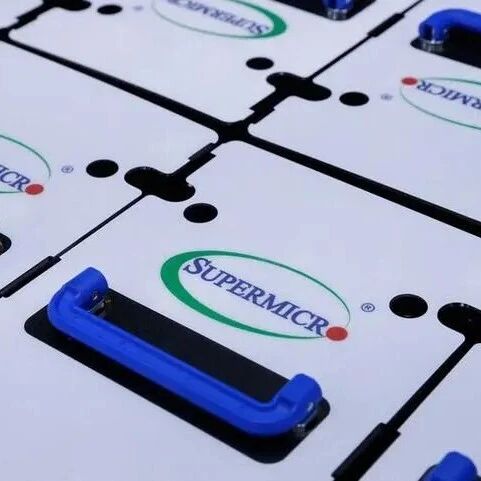
Core Viewpoint - Super Micro Computer, Inc. (SMCI) has faced significant challenges over the past year, including governance concerns due to delayed regulatory filings and investigations by the U.S. Department of Justice, which have impacted its stock price and investor confidence [1][3]. Financial Performance - The company reported preliminary financial results for Q1 of fiscal year 2026, with expected revenue of $5 billion, which is below the previous guidance range of $6 billion to $7 billion [3][4]. - The total design orders recently obtained exceeded $12 billion, with expected delivery in Q2 of fiscal year 2026 [3]. - The revenue shortfall in Q1 is attributed to the postponement of some revenue due to "design order upgrades," which analysts noted is over 20% lower than consensus expectations [3][4]. Operational Challenges - Analysts express concerns regarding the company's inability to achieve operational leverage, as revenue growth has not translated into improved profit margins, indicating either intense market competition or a lack of product differentiation [4][5]. - The company has faced funding difficulties, exacerbated by governance issues, which may deter potential clients from signing large contracts [4][5]. - Super Micro Computer acknowledged significant deficiencies in its internal controls over financial reporting, raising concerns about the accuracy of its financial statements [5][6]. Market Outlook - The company maintains a total revenue guidance of $33 billion for fiscal year 2026, implying a need to achieve $28 billion in revenue over the next three quarters, which analysts view as highly ambitious given the current performance [6]. - Short-term stock price expectations are around $50, with potential downward pressure if the company fails to meet its annual revenue guidance [6]. - The long-term outlook remains bleak, with declining profit margins and the risk of further sacrifices in profitability to sustain growth, leading to a potential "reckoning" in the coming quarters [6].

特斯拉加速世界转型?
美股研究社· 2025-10-24 11:27
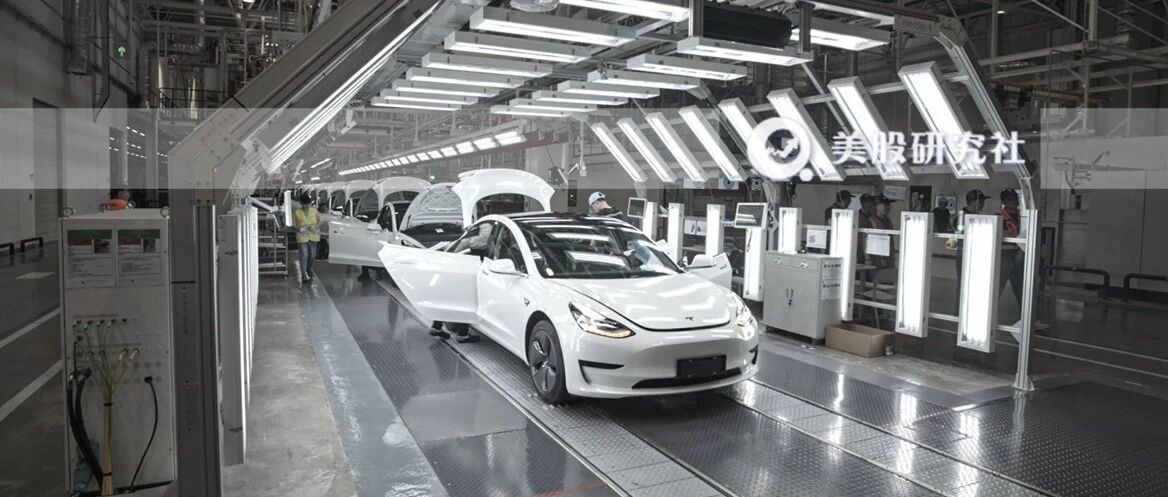
Core Insights - The article emphasizes that Tesla has transformed from a traditional car manufacturer into a vertically integrated technology and energy platform, possessing multiple reinforcing "moats" that enhance its competitive edge [2][3][14] Group 1: Manufacturing and Integration - Tesla's manufacturing advantage is the foundation of its competitiveness, showcasing vertical integration and engineering efficiency through innovations like "gigacasting" technology and structural battery packs [4] - The company has moved past the "production hell" that many competitors still face, allowing it to maintain a superior cost structure and innovation speed [4] Group 2: Data and AI - Tesla has built the world's largest autonomous driving dataset, with over 6 million vehicles transmitting billions of miles of real driving data daily [6][7] - This data-driven approach enhances Tesla's Full Self-Driving (FSD) system, creating a "flywheel effect" where improved systems attract more users, generating more data [7][8] Group 3: Distribution and Ecosystem - Tesla employs a direct-to-consumer sales model, eliminating intermediaries and strengthening brand and customer relationships [9] - The global Supercharger network has become an industry standard, further enhancing user retention and network effects [9] Group 4: Brand and Vision - Tesla is not just an automaker but a cultural symbol of progress and innovation, akin to Apple, fostering strong emotional connections with consumers [11] Group 5: Platform Expansion - Tesla's autonomous driving technology and future ride-hailing network could transform its vehicles from depreciating assets into revenue-generating ones [12] - The company aims to operate its own autonomous taxi network, avoiding the costs associated with driver payments, which enhances its economic advantages [12][13]
OpenAI竞争对手来了,Anthropic与谷歌洽谈云协议,最高达百亿美元
美股研究社· 2025-10-24 11:27
Core Viewpoint - Anthropic is negotiating a cloud computing agreement with Google valued between $1 billion and $10 billion, which will provide substantial computing power support for its AI model, Claude [7][8]. Group 1: Partnership and Investment - Google has previously invested approximately $3 billion in Anthropic, including a commitment of $2 billion in 2023 and an additional $1 billion earlier this year [12][13]. - This potential deal will strengthen the partnership between Google and Anthropic, positioning Google as both an investor and a cloud service provider for Anthropic [8][13]. Group 2: Market Impact - Following the news of the potential deal, Alphabet's stock rose by 1.69% in after-hours trading, while Amazon's stock fell by 1.1% due to recent cloud service disruptions in its AWS division [8][10][11]. - The collaboration is expected to enhance Google's competitive position in the AI cloud services market against Amazon AWS and Microsoft Azure [10]. Group 3: Growth Projections - Anthropic aims to achieve an annualized revenue run rate of $9 billion by the end of 2025, with projected annual revenue growth potentially doubling or tripling next year, driven by the rapid adoption of its enterprise products [16][17]. - The high demand for cloud computing resources highlights the capital-intensive nature of AI development, prompting major tech companies to invest in and partner with leading startups to reshape the tech industry landscape [14][17].