虎嗅APP

Search documents
Z世代的亲密关系,是21世纪的未解之谜
虎嗅APP· 2025-11-18 14:03
Core Insights - The article discusses the evolving relationship dynamics among Generation Z, highlighting their preference for short-term relationships and emotional connections over long-term commitments [5][10][11]. Group 1: Relationship Trends - Generation Z is experiencing a "situationship" crisis, characterized by ambiguous relationships that lack clear commitments [10][11]. - The popularity of short-term relationships is evident, with significant discussions on social media platforms, indicating a cultural shift towards casual dating [12][14]. - Various new terms have emerged to describe different types of relationships, reflecting the complexity of emotional connections among young people [14][21]. Group 2: Emotional Landscape - Generation Z exhibits high levels of loneliness, with a Cigna survey indicating an average loneliness score of 48.3, the highest among all generations [23]. - The generation's loneliness is exacerbated by the internet, which, while providing connectivity, also diminishes the quality of relationships [25][27]. - Despite their reliance on technology, 53% of childless Generation Z individuals express a desire to have children in the future, indicating a longing for deeper connections [28][29]. Group 3: Consumption Patterns - The consumption decisions of Generation Z are heavily influenced by their emotional needs, with a growing trend towards experiences that provide emotional satisfaction [34][52]. - The rise of virtual relationships and AI companions reflects a strong demand for emotional support, with 83% of Generation Z feeling they can form meaningful connections with AI [42]. - There is a notable shift towards experiential social activities, as young people seek authentic interactions beyond digital platforms [47]. Group 4: Brand Engagement - Brands are increasingly focusing on emotional resonance with Generation Z, as 67% believe brands should reflect their modern relationship experiences [62]. - Successful brands, like Hinge, have capitalized on the complexities of Generation Z's relationship dynamics, achieving significant revenue growth by aligning with their values [63]. - The emphasis on emotional value in consumption is reshaping brand strategies, with a focus on creating meaningful connections with consumers [66].


国产新能源汽车,直营“大退潮”
虎嗅APP· 2025-11-18 14:03
Core Viewpoint - The article discusses the significant shift in the sales strategy of various Chinese electric vehicle (EV) brands, moving from direct sales to a franchise model, particularly in lower-tier cities, while maintaining direct sales in first-tier cities [5][12]. Group 1: Industry Changes - Multiple EV brands, including Tengshi and Hongmeng Zhixing, are transitioning from direct sales to franchising, with plans to retain direct sales only in first-tier cities [5][6]. - The trend of converting direct sales to franchising is becoming an industry norm, with brands like Geely's Zeekr and Xiaopeng also making similar adjustments [6][7]. - The number of automotive stores in commercial areas has decreased significantly, indicating a contraction of the direct sales model [7]. Group 2: Challenges of Direct Sales - The high operational costs of direct sales are a major concern, with a single direct sales showroom costing approximately 400,000 to 500,000 yuan monthly, leading to annual costs of 12 billion yuan for 300 showrooms [9]. - Many direct sales stores are struggling with low sales volumes, often resulting in financial losses, which diminishes the perceived value of maintaining a direct sales model [9][10]. - The ongoing price war in the EV market has further pressured profit margins, with the average transaction price of EVs dropping below 160,000 yuan [9]. Group 3: Reasons for Retaining Direct Sales in Core Cities - Direct sales in first-tier cities serve as a crucial touchpoint for brand-consumer interaction, providing valuable market feedback for product development [12]. - First-tier cities have higher foot traffic and vehicle ownership, making it easier for direct sales to achieve breakeven and maintain brand visibility [12]. - Direct sales in these cities also have stronger profitability in after-sales services, as demonstrated by Tesla's successful service revenue growth [12][14].


消费者为什么不愿意进绝味了?
虎嗅APP· 2025-11-18 09:21
Core Viewpoint - The article discusses the decline of the brand "Juewei Duck Neck," highlighting consumer dissatisfaction due to rising prices, safety concerns, and increased competition from local shops and new brands, leading to a significant drop in sales and store closures [6][10][12]. Group 1: Consumer Sentiment - Consumers are increasingly choosing to ignore Juewei Duck Neck, with many feeling that the price does not match the value offered, leading to a decline in visits to the stores [6][8]. - A survey indicated that over 80% of respondents have reduced their frequency of purchasing from chain brands, with 86.67% citing price increases as the primary reason [8]. - Complaints regarding food safety have surged, with over 1,500 complaints logged against Juewei Duck Neck, raising concerns about product quality and safety [8][10]. Group 2: Financial Performance - Juewei Foods reported a revenue of approximately 62.57 billion yuan in 2024, a year-on-year decline of 13.84%, with net profit dropping by 34.04% [10]. - The core duck neck business saw a revenue decrease of about 7 billion yuan, from 42.23 billion yuan to 35.27 billion yuan [10]. - The number of stores has also decreased significantly, with over 4,000 closures reported by October 2025 [10][12]. Group 3: Franchisee Challenges - Franchisees are facing severe challenges, with daily sales dropping significantly and profit margins being squeezed due to rising costs [14][15]. - The franchise model has inherent contradictions, leading to a situation where the headquarters profits while franchisees struggle [15][21]. - Franchise management revenue fell from approximately 83.05 million yuan in 2023 to 61.22 million yuan in 2024, a decline of 26.28% [14]. Group 4: Industry Context - The entire snack food industry, particularly the duck neck segment, is experiencing a downturn, with major brands like Zhou Hei Ya and Huang Shang Huang also reporting declines in revenue and store closures [17][18]. - The industry growth rate has slowed, with a compound annual growth rate of only 6.42% from 2018 to 2023, leading to increased competition and market saturation [17][18]. Group 5: Strategic Responses - Juewei Foods is attempting to revitalize its brand through increased marketing efforts, including hiring a celebrity spokesperson and investing in AI technology for supply chain management [18][19]. - Despite these efforts, the increase in marketing expenses has not translated into revenue growth, with a 13.95% decline in main business income reported in 2024 [18]. - The company is also exploring product diversification, such as introducing milk tea, but faces challenges due to existing competition and operational constraints [18][19]. Group 6: Underlying Issues - The brand's challenges stem from a failure in its business model, particularly an over-reliance on franchise expansion and a disconnect between pricing strategies and consumer expectations [22][24]. - There is a lack of product innovation, making it difficult for the brand to adapt to changing consumer preferences and competition from alternative snack options [25]. - Ongoing food safety issues have severely damaged consumer trust, compounding the brand's difficulties in regaining market share [26][27].


慢性疲劳缠上年轻人:你以为的累,实际是病了
虎嗅APP· 2025-11-18 09:21
Core Viewpoint - The article discusses the experiences of individuals suffering from Chronic Fatigue Syndrome (CFS), highlighting the challenges they face in diagnosis, treatment, and societal perception of the disease [4][6][20]. Group 1: Patient Experiences - Jennifer Brea, a Harvard PhD student, experienced severe fatigue and was misdiagnosed multiple times before being diagnosed with CFS, which affects an estimated 15 to 30 million people worldwide [5][6]. - Another patient, Haichuan, felt like a "used battery," struggling with extreme fatigue that persisted despite rest, leading to a diagnosis of CFS after extensive medical consultations [10][11]. - A third patient, Lizi, faced similar challenges, experiencing a sudden decline in her physical capabilities and being misinterpreted by medical professionals as having a psychological issue rather than a physical illness [20][21]. Group 2: Societal and Medical Perception - The article emphasizes the stigma surrounding CFS, particularly for women, who are often told they are exaggerating their symptoms, while men are encouraged to "toughen up" [6][8]. - Many patients report feeling isolated and misunderstood, as their symptoms are often invisible and not easily validated by medical tests, leading to further frustration and self-doubt [20][26]. - The narrative also highlights the need for greater awareness and understanding of CFS within the medical community and society at large, as many patients feel their conditions are dismissed or misattributed to psychological factors [20][26][34]. Group 3: Coping Strategies - Patients like Peach have turned to alternative medicine after conventional treatments proved ineffective, illustrating the lengths to which individuals will go to find relief [29]. - The article discusses the importance of family support in coping with CFS, as seen in Peach's experience where her family provided understanding and encouragement during her illness [32]. - The narrative concludes with a focus on the ongoing journey of living with CFS, where patients learn to manage their expectations and adapt their lives around their condition [28][33].

俞敏洪念错经
虎嗅APP· 2025-11-18 09:21
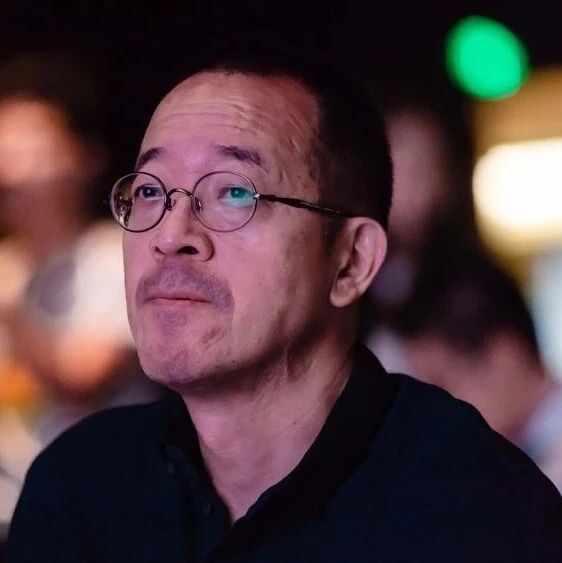
Core Viewpoint - The article critiques the communication style of Yu Minhong, founder of New Oriental, highlighting a disconnect between his grand narratives and the realities faced by employees, particularly in the context of a changing corporate environment [9][10][11]. Group 1: Communication Style - Yu Minhong's recent internal communication was criticized for its lack of structure and clarity, making it difficult for employees to engage with the content [6][8]. - The use of grand narratives and emotional appeals in his messages is seen as outdated, especially when addressing a more sophisticated and elite workforce [10][11]. - Employees expressed frustration over the disparity between Yu's experiences and their own struggles, indicating a need for more relatable and practical communication [11][16]. Group 2: Changing Workplace Dynamics - The article notes a shift in workplace culture where transparency and open communication are increasingly valued, contrasting with past practices of closed-off corporate environments [12][13]. - Social media has empowered employees to voice their concerns, making it harder for leaders to maintain a controlled narrative [13][14]. - The prevalence of employee feedback on platforms like Maimai has created a new dynamic where negative sentiments can quickly gain media attention, impacting corporate reputation [13][14]. Group 3: Recommendations for Improvement - To improve employee relations, it is suggested that Yu Minhong should adopt a more structured approach in his communications, including better formatting and a focus on specific issues rather than abstract sentiments [14][15]. - Emphasizing concrete plans and addressing employee welfare directly could foster a more positive response from staff [15][16]. - The article advocates for a shift from emotional appeals to practical discussions about company direction and employee engagement [15][16].

开车的人也是人
虎嗅APP· 2025-11-18 09:21
Core Viewpoint - The article emphasizes the emergence of the large six-seat SUV market in China, highlighting the intense competition among various brands and the need for manufacturers to cater to both passenger comfort and driver experience [2][26]. Market Dynamics - The large six-seat SUV segment has seen nearly 20 new models launched, with a wide price range from 200,000 to 1,000,000 yuan, indicating a significant market opportunity [2]. - The article describes a unique Chinese automotive culture where a single vehicle often needs to fulfill multiple roles, contrasting with the Western norm of having multiple cars for different purposes [5][6]. Consumer Experience - The focus on passenger comfort has led to a neglect of the driver's experience, with vehicles designed primarily for the comfort of passengers, often at the expense of driving enjoyment [4][10]. - The article critiques the industry norm that equates large family vehicles with a sacrifice of driving pleasure, suggesting that this has become an accepted but flawed mindset [9][10]. Product Innovation - The article introduces the concept of the "反共识" (anti-consensus) product logic exemplified by the智己LS9, which aims to balance comfort for all passengers while also enhancing the driving experience for the driver [11][19]. -智己LS9 features advanced technologies such as a unique 24° four-wheel steering system, significantly improving maneuverability for a large vehicle [12][14]. Competitive Advantage -智己's backing by the SAIC Group provides it with superior resources and technological support, allowing it to offer a comprehensive product that meets diverse consumer needs without compromising on quality [21][24]. - The article notes that智己's pricing strategy and product offerings have led to strong market demand, with significant pre-orders shortly after launch [22]. Conclusion - The evolution of the three-row six-seat SUV reflects the maturation of consumer preferences in China, where the demand for both comfort and driving enjoyment is increasingly recognized [26][27].

搞事情!AI天才扎堆虎嗅F&M之夜
虎嗅APP· 2025-11-18 06:17
Core Insights - The article discusses an event organized by Tiger Sniff, featuring young AI entrepreneurs who presented innovative ideas centered around personalized AI companions and emotional connections [2][4][8][10][14][17]. Group 1: Event Overview - The event, referred to as "F&M Night," showcased the creativity of 95 post-90s AI talents, focusing on the theme of creating AI pets that cater to individual emotional needs [2][3]. - The gathering included 150 participants from various fields, including AI entrepreneurs, scientists, and investors, fostering direct connections and collaborations [24]. Group 2: Key Presentations - Zhang Yuno, founder of Skyris, proposed the idea of an AI pet that understands and embraces users' unique preferences and emotions, creating a personal emotional space [4]. - Sun Donglai, founder of Dreamoo, explored the concept of using AI to capture and recreate individual life experiences and emotional memories, providing a tangible medium for remembrance [8]. - Yin Yujie, founder of Qiyin Technology, aimed to push the boundaries of music by training algorithms to create melodies that exceed human vocal limits, inspired by the evolution of sound [10]. - Huang Li'ang, co-founder of Gongji Technology, delved into the philosophical aspects of AGI and free will, questioning the fundamental logic shared between human brains and artificial intelligence [14]. - Zhuang Ziyang, co-founder of Shengjing Technology, suggested that the underlying logic of the world operates similarly to recommendation systems, emphasizing the connection between demand and resources [17][18]. Group 3: Discussion and Engagement - Following the presentations, a deep dialogue was facilitated by notable figures, discussing whether AI is reshaping worldviews, blending historical, commercial, and technological perspectives [21]. - The event provided exclusive networking opportunities for attendees to engage with AI innovators and explore potential collaborations [24]. Group 4: Participation and Accessibility - The event was invitation-only, with limited spots available for industry-related individuals, emphasizing the exclusivity and targeted nature of the gathering [26]. - For those unable to attend in person, a live streaming option was made available, allowing broader access to the discussions and insights shared during the event [27].
派特鲜生将全关,侯毅给他的宠物门店故事画上句号
虎嗅APP· 2025-11-17 23:45
Core Viewpoint - The article discusses the significant business adjustments of the pet fresh food retail project "Paiteshengsheng," founded by Hou Yi, highlighting the closure of all physical stores while retaining online operations due to market challenges and consumer behavior [2][4][12]. Business Adjustments - Paiteshengsheng plans to close all physical stores by mid-December 2023, focusing on online sales instead [2][4]. - The project, which initially aimed to open 100 stores in Shanghai, is now undergoing a major restructuring after less than a year of operation [3][12]. Market Challenges - Hou Yi stated that the pet fresh food market is not currently favorable, with a small market size and limited consumer interest in switching from traditional pet food [4][20]. - The fresh food products require thawing, making them less convenient for consumers, which has impacted the competitiveness of physical stores [4][20]. Consumer Behavior - The article notes that while the concept of fresh pet food is appealing, actual consumer adoption is slow, requiring time for market education [20][22]. - There are concerns among pet owners regarding the safety and quality of the fresh food products, with some reports of adverse reactions from pets consuming these products [24][25]. Financial Aspects - Paiteshengsheng raised $25 million in angel funding earlier in the year, which is the highest amount for a front-end brand in the domestic pet industry this year [11][28]. - The business model faces challenges in balancing costs and profitability, particularly with the commitment to low pricing leading to low profit margins [25][26]. Future Outlook - Despite the current setbacks, the article suggests that the adjustments made by Paiteshengsheng do not signify the end of the pet fresh food market, but rather a necessary evolution [29][30]. - Hou Yi remains optimistic about future ventures in the retail sector, emphasizing the importance of product quality over sales channels [5][30].

早报 | 暂缓日本进口影片上映;刘强东宣布京东外卖上线独立App;俞敏洪周年贺信员工称无法共情;赤峰通报免费采捡白菜事件
虎嗅APP· 2025-11-17 23:45
昨夜今晨 【相关影片进口方、发行方确认:暂缓日本进口片上映】 大家早上好!这里是今天的早报,每天早上,我都会在这里跟你聊聊昨夜今晨发生了哪些大事儿。 财联社11月17日电,《蜡笔小新:炽热的春日部舞者们》《工作细胞》等进口日本影片将暂缓上映。记者经向 影片引进方和发行方核实,此次调整是对日本进口片综合市场表现与我国观众情绪评估作出的审慎决策。 此前,动画电影《鬼灭之刃:无限城篇 第一章 猗窝座再袭》上映后,依托IP积累的粉丝基础,取得初期票房佳 绩。但是,随着日本首相高市早苗发表错误言论,立即引发广大中国观众的强烈不满。受高市早苗奇谈怪论的 拖累,此动画电影上映三天后票房已呈显著下滑态势,市场热度快速回落。目前,上映第五日的票房预测已经 跌至2000万元左右。 【知情人士:英国拟定对欧盟钢铁关税反制措施】 据美媒报道,在英国首相斯塔默无法达成协议以减轻欧盟拟议的钢铁关税上涨的影响时,英国正在制定反制措 施。知情人士透露,此前英国国内金属行业警告称,欧洲的计划可能引发其历史上最大的危机,促使英国政府 正在考虑采取报复行动。欧盟上个月公布了计划,打算将现有的外国钢铁免关税配额削减近一半,并将超出配 额的征税提高一 ...

反常的港股
虎嗅APP· 2025-11-17 23:45
Core Viewpoint - The article discusses the contrasting performance of A-shares and Hong Kong stocks during the current bull market, highlighting the dominance of domestic investors in A-shares and the influence of external liquidity and local market conditions on Hong Kong stocks [2][10]. Group 1: A-shares vs. Hong Kong Stocks - A-shares are primarily driven by domestic investors, particularly public and private funds, who are highly sensitive to policy information and favor "industry tracks" with high visibility [2]. - In contrast, Hong Kong stocks have seen significant price increases in certain assets, referred to as the "three sisters," with notable price surges: Old Poo Gold's stock price increased 11 times, Pop Mart rose 617%, and Mixue Group saw a maximum increase of 165% [3][4]. Group 2: Market Dynamics - The surge in these assets has amplified market sentiment, contributing to a 40% increase in the Hang Seng Index, which rose from around 17,000 to 24,800 points, with trading volume tripling [4]. - However, the "three sisters" share a common trait of concentrated liquidity and sentiment-driven trading, leading to rapid corrections once sentiment wanes [5][6]. Group 3: Liquidity Factors - Despite global liquidity improvements, Hong Kong stocks have struggled due to tightening local liquidity conditions, particularly as the overnight Hibor rate surged, indicating a decrease in market liquidity [10][18]. - The relationship between the Hang Seng Index and U.S. Treasury yields is highlighted, with the index typically responding inversely to changes in U.S. interest rates [11][13]. Group 4: Economic Fundamentals - The article emphasizes that global liquidity improvements do not necessarily equate to a recovery in risk appetite, as market confidence ultimately hinges on economic fundamentals [22][23]. - Recent trends show a marginal improvement in Hong Kong's corporate earnings, with a decrease in the rate of decline in net profits for the Hang Seng Index from a 7.2% drop in 2024 to a 1.4% decline in Q1 2025 [23][24]. Group 5: Future Outlook - The article suggests that the key factors influencing the future of Hong Kong stocks include the improvement of economic fundamentals and the establishment of a more accommodative liquidity environment [30][32]. - The potential for a more favorable liquidity situation is contingent upon the confirmation of a U.S. Federal Reserve rate-cutting cycle, which could lead to a decrease in local funding costs and an increase in market liquidity [33].