虎嗅APP

Search documents
2026年资产大转折,安全边际何在?
虎嗅APP· 2026-01-27 01:09
Core Viewpoint - The article suggests that 2026 may be a pivotal year for global asset allocation, influenced by the resilience shown in the markets amid the AI boom and policy changes, leading to potential macroeconomic turning points and asset price differentiation [5][6]. Group 1: Market Dynamics - The U.S. stock market is experiencing high concentration and valuation levels, with warnings of potential bubble formation due to excessive liquidity and investor enthusiasm, which could lead to a market correction within the year [6]. - Global growth dynamics and policy paths are diverging significantly, with the U.S. economy supported by fiscal stimulus and AI investments, while Europe and parts of Asia present more diversified opportunities due to reasonable valuations and structural reforms [6]. - Inflation may resurge, becoming a key variable influencing commodity prices and interest rates, thereby exerting pressure on fixed-income assets [7]. Group 2: Investment Strategies - Experts recommend that investors adopt more cautious and diversified allocation strategies, moving away from concentrated investments in single markets or asset classes. Emphasis should be placed on geographic diversification (e.g., focusing on opportunities in Europe and Asia), asset class diversification (increasing attention to physical assets, commodities, and alternative investments), and flexible tool usage (e.g., using derivatives for risk hedging) [8]. - The consensus is that 2026 will see intensified structural competition and unexpected path differentiation, requiring investors to deeply understand trend changes and adjust their allocations flexibly to navigate potential market shifts [8]. Group 3: Value Creation and Asset Pricing - Traditional value creation metrics, such as labor and debt, are being challenged by the rise of AI, which is altering the fundamental basis of asset pricing. The shift from human labor to algorithmic efficiency and data monopolies raises questions about the true nature of value creation [10][11]. - The narrative around growth is shifting from globalized expansion to regional self-sufficiency and digital internalization, with new engines like AI and energy transition needing to prove their ability to sustain economic growth [12]. - The role of debt is evolving, with rising government debt levels leading to a perception of debt as a "lifeline" rather than a growth catalyst, challenging the foundational logic of "risk-free assets" [15]. Group 4: Cognitive Challenges and Market Narratives - The market's direction is increasingly influenced by how narratives around data are constructed, making the understanding of these narratives a critical battleground for investors in 2026 [20][21]. - The current enthusiasm for AI reflects a collective belief that may overlook significant risks, such as the potential for massive financing needs and the deep societal impacts of AI on employment and stability [25][26]. - The interplay of geopolitical factors, industrial policies, and national security has become central to market dynamics, necessitating a shift in cognitive frameworks to accommodate these new realities [27]. Group 5: Strategic Approaches - Investors are advised to navigate contradictions in the market, such as the high valuations of U.S. tech stocks versus the ongoing momentum in AI, by adopting a strategy of "riding the trend while remaining vigilant" [35]. - The use of financial derivatives, such as options, is highlighted as a means to hedge against potential consensus collapses in overvalued segments of the market [37]. - A diversified approach to asset allocation is recommended, focusing on physical assets and equities in regions benefiting from structural growth, while maintaining exposure to non-U.S. currencies [40].


微信学会闷声发财了
虎嗅APP· 2026-01-27 01:09
Core Insights - The article emphasizes that WeChat (WXG) remains a crucial pillar for Tencent, with expectations for growth in features like video accounts and WeChat stores, highlighting the need for patience and time to integrate new technologies [5][6][10]. WeChat's Growth and Ecosystem - WeChat's public class in 2026 showcased significant attendance and engagement, indicating strong interest in its evolving features [6][8]. - The WeChat store has transitioned from a supplementary channel to a primary platform for brand operations, with brand sales growth outpacing the market by 430% and a 170% increase in active merchants [10][12]. - The user demographic is diversifying, with a 336% increase in users aged 25, and over 32% of users from high-tier cities [10][12]. Platform Strategy and Performance Metrics - WeChat's strategy focuses on ecosystem growth over immediate revenue, prioritizing natural traffic and GMV (Gross Merchandise Volume) growth while reducing low-quality traffic from 30% to single digits [10][12]. - The platform aims to create a robust trading ecosystem, with a significant increase in service providers and a 37.6% monthly growth rate in new stores [12][13]. Future Directions and Innovations - In 2026, WeChat plans to enhance its service provider capabilities and simplify platform policies, aiming for broader scene and category access [15][16]. - The platform will introduce new features to improve user engagement, such as live streaming enhancements and better integration of public and private domains [29][31][32]. - WeChat will also focus on optimizing user experience through improved search functionalities and social sharing features, aiming to reduce customer acquisition costs [36][38].


早报 | 美军称林肯号航母打击群正部署中东;黄金白银大幅回调;宇树宣布第三次上春晚;我国尼帕病毒检测能力如何? 张文宏发声
虎嗅APP· 2026-01-27 01:09
Group 1 - The U.S. military's Abraham Lincoln aircraft carrier strike group is being deployed to the Middle East to promote peace and stability in the region [2] - The European Commission has launched a formal investigation into X platform, focusing on the potential risks associated with its AI chatbot, Grok, and whether appropriate measures have been taken [2] - Microsoft has released its second-generation AI chip, Maia 200, which is designed to reduce reliance on Nvidia chips and improve efficiency, achieving a 30% performance increase per dollar compared to its latest hardware [4] Group 2 - Apple has launched an upgraded version of AirTag, featuring a 50% increase in tracking distance and a louder speaker, while maintaining the same price of $29 [5][6] - Alibaba has introduced its flagship reasoning model Qwen3-Max-Thinking, which has over one trillion parameters and outperforms top international models in various evaluations [8] - Trump announced an increase in tariffs on various South Korean goods from 15% to 25% due to the failure of the South Korean legislature to ratify a trade agreement [9] Group 3 - The price of silver has seen a significant fluctuation, erasing a 14% gain, while gold has dropped below $5000 per ounce [11] - Yuhui Supermarket in Beijing has temporarily closed due to issues with the property management, despite having reopened after renovations less than a year ago [13][14] - The founder of Miaokelan Duo has been removed from his positions, with the company's stock price dropping by 1.77% following the announcement [15] Group 4 - KFC has made a slight price adjustment of an average of 0.8 yuan for its delivery products, while maintaining in-store prices unchanged [19] - Baicaowei has faced criticism for misleading consumers regarding the contents of its nut gift boxes, which contain significantly less nuts than advertised [20][21] - Tencent's CEO Ma Huateng emphasized the importance of saving users' time and improving efficiency through AI integration in their products during the company's annual employee meeting [30]

AI狂奔,中国变压器成了最硬通货
虎嗅APP· 2026-01-26 13:22
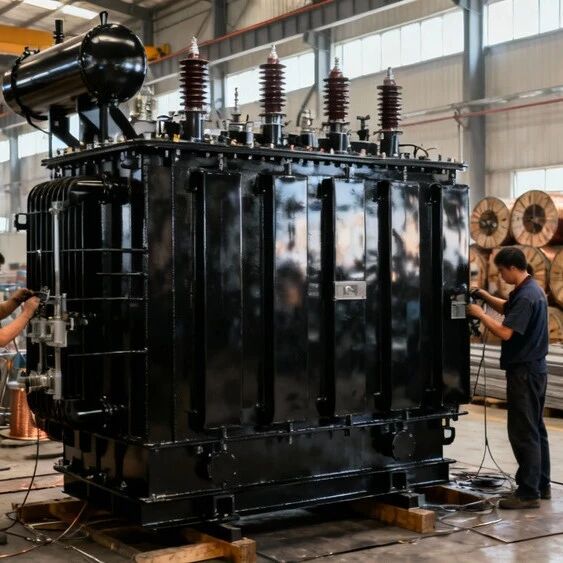
Core Viewpoint - The article emphasizes that the real bottleneck for the future of artificial intelligence (AI) is not computational power but electrical power, particularly the availability of large power transformers, which are crucial for the operation of AI data centers and energy infrastructure [4][6]. Group 1: Current Challenges in the U.S. and Europe - In the U.S., there is a significant shortage of large power transformers (LPTs), with an average delivery time of 128 weeks for standard transformers and 144 weeks for generator step-up transformers (GSUs) [6][8]. - The decline of U.S. manufacturing capabilities since the 1980s has led to over 80% of large power transformers being imported, primarily from China [7]. - European countries face similar issues, with many renewable energy projects unable to connect to the grid due to a lack of suitable transformers, highlighting a critical lag in the upgrade of transmission systems [10][11]. Group 2: The Role of China in Transformer Manufacturing - China has developed a complete and efficient transformer manufacturing supply chain, from raw materials to assembly, making it a key player in the global market [12][13]. - Chinese manufacturers can deliver large transformers in 10 to 14 months, significantly faster than their U.S. and European counterparts, which can take up to three years [13]. - The demand for Chinese transformers is increasing globally, as countries like the U.S. and those in Europe are forced to rely on Chinese imports despite political tensions and tariffs [15][18]. Group 3: Strategic Implications - The reliance on Chinese transformers reveals the limitations of "decoupling" strategies in critical infrastructure sectors, as the need for reliable electrical supply outweighs political considerations [15][18]. - The article suggests that the ability to produce essential infrastructure equipment domestically is a form of strategic deterrence in a world marked by supply chain vulnerabilities and geopolitical conflicts [18].


撒10亿铺路,“派”马化腾推销?
虎嗅APP· 2026-01-26 13:22
Core Viewpoint - Tencent emphasizes a steady and focused approach to its business, particularly in the context of AI development, highlighting the importance of long-term product competitiveness and user experience [5][6]. Group 1: AI Strategy and Product Development - Tencent's new product "Yuanbao" is inspired by past experiences and aims to explore new social interactions through AI, integrating features from existing platforms [5][6]. - The company plans to invest 1 billion yuan in cash red envelopes to attract new users to the Yuanbao app, hoping to replicate the success of WeChat's red envelope feature from 11 years ago [6][8]. - The "Yuanbao" app includes features such as AI interaction, task management, and multimedia activities, aiming to enhance user engagement and experience [10][12]. Group 2: Organizational Changes and Talent Acquisition - Tencent has restructured its AI team, moving the "Yuanbao" team to a more prominent position within the organization to enhance its AI application capabilities [15]. - The company has made significant changes in talent acquisition and organizational structure to strengthen its AI strategy, including the establishment of new departments focused on AI infrastructure and data [15][16]. - The appointment of key personnel, such as Yao Shunyu, signals a strategic focus on large models and AI applications within Tencent [15][16]. Group 3: Market Position and Competitive Strategy - Tencent aims to leverage its extensive user base and data to create a robust feedback mechanism, enhancing product development and user experience [18]. - The company believes that its ability to convert complex technology into user-friendly products will be crucial in the AI era, focusing on practical applications rather than just technical superiority [18]. - Tencent's strategy includes building a top talent pool and flexible organizational structures to adapt quickly to market changes and technological advancements [18].

A股“易中天”,开始摇摇欲坠
虎嗅APP· 2026-01-26 13:22
业绩不及预期,预示着光模 块进入泡沫破裂的状态 出品 | 妙投APP 作者 | 董必政 编辑 | 丁萍 头图 | AI制图 2025年,"易中天"(新易盛、中际旭创、天孚通信)不仅是A股AI算力赛道的图腾,更是无数股民口中津 津乐道的"财富密码"。 然而,进入2026年,风向变得有些诡谲。 虽然A股整体氛围依然躁动,但资金对"易中天"的态度却从"狂热"转向了"审视"。 开年以来,仅仅不到一个月,新易盛、中际旭创、天孚通信分别录得了11.11%、6.83%和4.10%的跌幅。 下跌本身并不可怕,可怕的是背后的逻辑支撑正在瓦解。 近日,天孚通信和剑桥科技相继发布的2025年业绩预告,像两盆冷水,浇在了还沉浸在"算力永不眠"美梦 中的投资者头上。 天孚通信预计2025年归母净利润18.81亿至21.5亿元,同比增长40%-60%。看似不错的增长,但中位数不仅 低于机构一致预期的21.45亿元,更重要的是,其隐含的四季度增速令人不安。 遗憾的是,故事正在露馅。 另一家光模块玩家剑桥科技更是不容乐观,预计全年净利2.52亿至2.78亿元,远低于预期的3.02亿元。 早在2025年12月9日,虎嗅妙投就在《"易中天"的" ...

普通人如何体面地老去
虎嗅APP· 2026-01-26 13:22
Core Viewpoint - The article discusses the complexities of aging in modern society, highlighting the increasing loneliness and existential challenges faced by the elderly, particularly in the context of China's demographic changes, including a rapidly aging population and declining birth rates [4][5]. Group 1: Economic Aspects of Aging - The ability to earn income typically peaks between the ages of 25 and 45, with a decline expected after 45 due to physiological factors [8][9]. - The article emphasizes the importance of maximizing time value during this "golden decade" for earning, as opportunities diminish with age [10][13]. - It suggests that individuals should choose their work environments wisely, as income potential varies significantly between cities and industries [11][12]. Group 2: Emotional and Social Needs in Aging - Economic security is essential for aging, but the sense of being needed is crucial for emotional well-being [15]. - Research indicates that social isolation increases the risk of early death among those over 60, and maintaining close relationships with children can significantly reduce depression rates [16][17]. - The desire for connection often leads individuals to reconsider the importance of having children as they age, viewing it as a way to create a legacy and maintain emotional ties [17][18]. Group 3: Acceptance of Aging - The article critiques the societal obsession with remaining youthful, arguing that most people will face the realities of aging, including physical decline and reduced social circles [24][25]. - Acknowledging the inevitability of aging is framed as a form of clarity, allowing individuals to prepare for their future [26][27]. - Understanding the truth about aging can lead to better decision-making regarding work, family, and retirement [27][28].

白银缺口为何持续扩大?
虎嗅APP· 2026-01-26 10:26
Core Viewpoint - The price of silver has historically surpassed $100 per ounce, with an annual increase of over 44%, driven by a persistent supply-demand gap in the silver market, indicating a shift from a financial asset to a critical strategic resource dominated by industrial demand [5][8]. Supply and Demand Dynamics - The global silver market has been in a structural deficit since 2021, with a projected supply-demand gap of nearly 300 million ounces by 2025, the highest on record, expected to widen further in 2026 [5][6]. - Industrial demand, particularly from the photovoltaic (solar), electric vehicle, and AI infrastructure sectors, now accounts for over 60% of total silver demand, with photovoltaic demand increasing by more than 1.6 times over the past five years [5][26]. - The supply of silver is constrained, with over 70% of production coming from by-products of copper, lead, and zinc mining, leading to a rigid supply response to price changes [6][21]. Inventory and Market Conditions - Global visible silver inventories are at multi-year lows, covering only about 1.2 months of consumption, significantly below the safety threshold of three months [27][28]. - The depletion of inventories is characterized by a one-way flow of silver into industrial applications rather than a return to the market, indicating a critical supply shortage [27][28]. Historical Context and Future Implications - The historical role of silver as a monetary asset is being challenged by its current industrial applications, leading to an identity crisis in the silver market [19][30]. - China has emerged as a dominant player in the silver market, being the largest producer of photovoltaic components, effectively locking in silver demand through industrial consumption rather than monetary accumulation [17][39]. Pricing Mechanisms and Market Dynamics - The traditional pricing mechanisms for silver, dominated by Western financial markets, are under pressure as the demand for physical silver increases, revealing vulnerabilities in the "paper silver" market [30][32]. - The Shanghai Futures Exchange's model, which mandates physical delivery, contrasts sharply with Western markets, leading to price discrepancies and highlighting the shift towards a more demand-driven pricing structure [32][34]. Future Scenarios - Several potential scenarios for the silver market's future include a "run on silver" leading to a price surge, technological breakthroughs reducing silver usage in industries, or strategic state control over silver resources reshaping market dynamics [45][46].

大模型淘汰赛下半场,阶跃的底牌是什么?
虎嗅APP· 2026-01-26 10:26
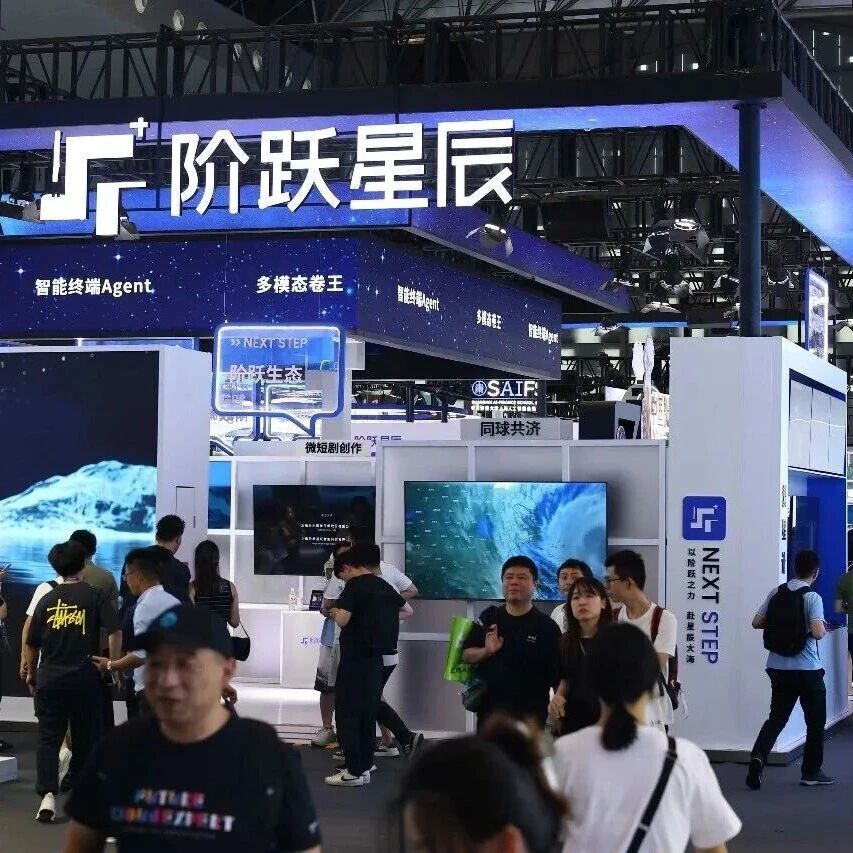
Core Viewpoint - The article highlights the emergence of new players in the large model sector, particularly focusing on Jieyue Xingchen, which has recently appointed a new chairman and secured over 5 billion yuan in Series B+ funding, setting a record for single financing in the past 12 months [2][3]. Group 1: Company Developments - Jieyue Xingchen's recent funding is seen as a significant bet on the next phase of large model commercialization, especially as few companies have managed to secure substantial financing in the past year [2]. - The appointment of Inqi as chairman is expected to enhance the company's strategic direction, given his extensive experience and connections within the industry [11][12]. Group 2: Business Model and Strategy - Jieyue Xingchen distinguishes itself by focusing on the "AI + terminal" closed-loop model, integrating large model capabilities directly into hardware products like cars and smartphones, rather than merely selling models or APIs [5][9]. - The company has established partnerships with major automotive brands, embedding its technology into smart vehicle systems, which has resulted in significant sales, such as the Galaxy M9 model achieving nearly 40,000 units sold within three months of launch [5][7]. - In the smartphone sector, Jieyue Xingchen has collaborated with 60% of leading domestic brands, indicating a strong market presence [7]. Group 3: Competitive Landscape - The article notes a clear differentiation among companies in the large model space, with Jieyue Xingchen's path being more straightforward compared to others that are either focusing on enterprise privatization or consumer applications [3][9]. - The current competitive environment is shifting from a focus on model capabilities to the ability to implement these models in real-world applications, with Jieyue Xingchen positioned to capitalize on this trend [19]. Group 4: Talent and Leadership - The leadership team at Jieyue Xingchen, including CEO Jiang Daxin and key figures like Zhang Xiangyu and Zhu Yibo, brings a wealth of experience in AI and system engineering, which is crucial for the company's success in the AI + terminal strategy [13][14][16]. - The combination of technical expertise and practical experience within the team is seen as a significant competitive advantage, enabling the company to effectively translate AI capabilities into marketable products [16].
天空的霸权,正在从硅谷转移到珠三角
虎嗅APP· 2026-01-26 10:26
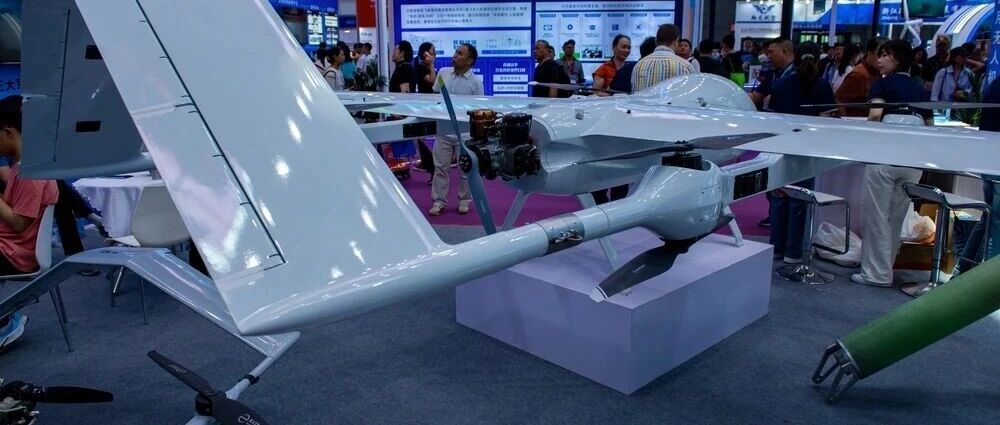
Core Viewpoint - The article discusses the shift of aerial dominance from Silicon Valley to the Pearl River Delta, highlighting China's advancements in drone technology and its implications for global competition [4][8]. Group 1: Understanding China's Low-altitude Economy - China's perspective on drones is fundamentally different from that of the U.S., viewing them as "flying servers" rather than just aircraft, which aligns with its infrastructure development mindset [10][12]. - The Chinese government has established a comprehensive low-altitude digital infrastructure, akin to building roads, to facilitate drone operations [11][13]. - The Civil Aviation Administration of China (CAAC) adopts a pragmatic regulatory approach, allowing for experimentation and learning from failures in designated areas [14][15]. Group 2: U.S. Regulatory Challenges - The U.S. Federal Aviation Administration (FAA) prioritizes manned aircraft, creating significant barriers for commercial drone operations, such as the "Visual Line of Sight" requirement [22][23]. - Despite having the most open airspace, the U.S. faces bureaucratic hurdles that hinder the commercial viability of drones, exemplified by Amazon's struggles with its Prime Air project [24][26]. - Cultural resistance, particularly the NIMBY (Not In My Backyard) mentality, further complicates the deployment of drone technology in the U.S. [25][26]. Group 3: Supply Chain and Manufacturing Disparities - The article emphasizes that the U.S. has lost its ability to produce affordable and effective hardware, while China excels in manufacturing drones at a lower cost and higher efficiency [30][31]. - The U.S. government's attempts to create a domestic drone ecosystem have resulted in higher costs and inferior performance compared to Chinese counterparts [32][33]. - This creates a cycle where limited commercial applications lead to low demand, preventing cost reductions through economies of scale [34][35]. Group 4: Military Implications and Future Strategies - The use of consumer drones in military conflicts, such as in Ukraine, has raised alarms in the U.S. regarding its military capabilities [39][41]. - China’s approach to drone technology has evolved from consumer products to military applications, while the U.S. relies on high-cost, high-precision military technology [42][43]. - The U.S. is now attempting to rapidly develop affordable drones through initiatives like the "Replicator Initiative," but faces challenges in manufacturing without relying on Chinese supply chains [45][46]. Group 5: Future Competition and Innovation - The article concludes that the future of aerial dominance will depend on which country can better embrace innovation, respect engineers, and allow for trial and error in technology development [48][52]. - The contrasting approaches of the U.S. and China highlight the potential for both nations to coexist in the aerial domain, but success will hinge on their respective regulatory and cultural environments [51][52].