虎嗅APP

Search documents
“富”可敌市,中国第一个万亿GDP地市辖区,诞生
虎嗅APP· 2026-01-28 00:23
Core Viewpoint - Shenzhen's Nanshan District is set to become China's first district with a GDP exceeding 1 trillion yuan by 2025, marking a significant milestone in the economic landscape of non-direct-controlled cities [5][8]. Group 1: Economic Milestone - Nanshan's GDP surpassing 1 trillion yuan signifies a breakthrough for non-direct-controlled urban areas, positioning it alongside major economic districts like Shanghai's Pudong and Beijing's Haidian [6][12]. - The district's rapid economic growth is highlighted by its average annual compound growth rate of nearly 15% over the past 35 years, transitioning from a marginal area to a leading economic zone [17][15]. Group 2: Economic Density and Competitiveness - Nanshan boasts the highest economic density in the country, with a per capita GDP exceeding 540,000 yuan and a land GDP of over 5.4 billion yuan per square kilometer [19]. - The district is recognized for its innovation capabilities, with a significant number of patents and R&D investment intensity nearly three times the national average [21][23]. Group 3: Industrial Structure and Growth Drivers - Nanshan's economy is characterized by a balanced integration of high-end manufacturing and modern service industries, with nearly 80% of its GDP coming from the tertiary sector [30][31]. - The district is home to numerous leading enterprises, including Tencent and DJI, and has a high concentration of high-tech companies, with over 6,000 high-tech firms and 218 listed companies [34][35]. Group 4: Future Development and Strategic Initiatives - Nanshan aims to enhance its global competitiveness through a strategic framework focusing on domestic and international circulation, as well as marine economy development [44]. - The district is positioned to lead in emerging industries such as artificial intelligence and low-altitude economy, with significant investments and initiatives planned for the next decade [36][39].



存储巨头的万亿赌局
虎嗅APP· 2026-01-28 00:23
Core Viewpoint - Changxin Technology, a leading domestic DRAM manufacturer, is set to go public on the Sci-Tech Innovation Board despite a net loss of nearly 20 billion yuan in 2023, driven by a strategic gamble during a market downturn that focused on capacity expansion and technological breakthroughs [5][10]. Group 1: Company Overview - Changxin Technology specializes in DRAM (Dynamic Random Access Memory), a core component in integrated circuits, essential for various devices from servers to smartphones [7]. - The company was established in 2016 and began production in 2019, gradually increasing its monthly capacity from 90,000 to 150,000 wafers [8]. - By 2023, Changxin had a market share of less than 3% globally but was starting to replace international brands in the Chinese market [8]. Group 2: Financial Performance - In 2023, Changxin reported revenues of 9.09 billion yuan, a year-on-year increase of less than 10%, while the global DRAM market faced a downturn with prices dropping over 40% [10][20]. - The company’s revenue is projected to surge to 24.18 billion yuan in 2024, reflecting a year-on-year growth of 166% [10]. - By the first half of 2025, revenues are expected to reach 15.44 billion yuan, with a year-on-year growth of 61% [10]. Group 3: Profitability and Market Position - The company is forecasted to achieve a net profit of 55 to 58 billion yuan in 2025, indicating a year-on-year growth of 134% [11]. - In the first half of 2025, both DDR and LPDDR product lines are expected to turn profitable, with DDR series achieving a gross profit margin of 18.9% [18][21]. - The significant increase in demand for high-performance DDR5 memory chips, particularly for AI servers, has contributed to Changxin's rapid revenue growth [28][29]. Group 4: Strategic Initiatives - Changxin has adopted a "jump-generation R&D" strategy, allowing it to leapfrog technological barriers and achieve production breakthroughs in DRAM technology [32]. - The company has maintained high R&D investment levels, with expenditures exceeding 50% of annual revenue in 2022 and 2023 [34]. - Changxin operates under a vertically integrated model, which enhances collaboration between design and manufacturing, aligning with national strategic goals for semiconductor self-sufficiency [42]. Group 5: Market Dynamics - The global DRAM market is dominated by three major players—Samsung, SK Hynix, and Micron—who collectively hold over 90% market share, while China's self-sufficiency in DRAM remains below 5% as of 2023 [7]. - The price of DDR5 products has surged over 300% since September 2025, while DDR4 prices have increased by 150%, benefiting Changxin as it transitions from DDR4 to DDR5 production [29].

第一波人形机器人倒闭潮,来了
虎嗅APP· 2026-01-27 14:17
Core Insights - The humanoid robot industry faced a harsh elimination race in 2025, with notable companies collapsing and the gap between leading and lagging firms widening significantly [4][5][11] - The industry is transitioning from a phase of hype and funding to one focused on actual production and commercial viability, highlighting the need for sustainable business models [9][12] Industry Overview - In 2025, the humanoid robot sector saw 610 financing events, nearly tripling from the previous year, with total funding exceeding 57 billion yuan, indicating a stark divide between top-tier and struggling companies [16] - The customer base shifted from academic institutions to industrial enterprises, reflecting a growing recognition of humanoid robots in production settings [16] Company Failures - K-Scale Labs, a once-prominent startup, collapsed just before mass production due to cash flow issues, revealing the challenges faced by many startups in the U.S. lacking a robust local supply chain [6][11] - Rethink Robotics, a pioneer in collaborative robots, faced its second closure in 2025 after failing to meet market demands, illustrating the rapid pace of technological evolution and competition [7][13] - iRobot, known for its Roomba, filed for bankruptcy in December 2025, struggling against low-cost competitors and regulatory hurdles, marking a significant decline for a once-leading company [8][11] Key Challenges - Many humanoid robot companies are experiencing funding shortages, with a lack of follow-up financing leading to operational difficulties [11] - Over 50% of humanoid robot orders are primarily for public relations and data collection rather than genuine productivity enhancement, indicating a failure in commercial viability [12] - Product homogeneity has intensified competition, with many companies producing similar low-barrier products, making it difficult to establish a competitive edge [12][13] Future Outlook - The survival of companies in the humanoid robot sector will depend on securing continuous funding and achieving repeat orders in industrial applications [16][17] - Companies must differentiate themselves, establish real commercial cycles, and leverage data to enhance AI capabilities to thrive in the evolving market [17] - The industry is expected to see a significant increase in humanoid robot shipments in 2026, contingent on technological advancements [16]

云南县城,成了一线中产的新欢?
虎嗅APP· 2026-01-27 14:17
Core Viewpoint - The article discusses the rising popularity of Tengchong as a winter travel destination for urban professionals, particularly from Beijing, highlighting its unique offerings that blend relaxation and learning experiences [5][50]. Group 1: Travel Trends - Tengchong has emerged as a favored winter getaway for Beijing workers, often referred to as their "back garden" [5][50]. - The typical travel experience in Tengchong includes a combination of hot springs, hiking, and coffee culture, appealing to the lifestyle preferences of urban professionals [14][46]. - Social media plays a significant role in promoting Tengchong, with travelers sharing their experiences and creating a buzz around the destination [16][48]. Group 2: Unique Offerings - The hot springs in Tengchong are characterized by their natural volcanic properties, providing a more authentic experience compared to urban spa facilities [24][30]. - Hiking in the region is enhanced by local guides who educate visitors about the flora and fauna, adding an educational aspect to the physical activity [35][37]. - The coffee scene in Tengchong features a mix of affordable options and high-end cafes, catering to the coffee culture of urban dwellers [43][44]. Group 3: Challenges and Expectations - Despite its appeal, visitors often face challenges such as high accommodation prices and varying standards of cleanliness, which can lead to disappointment [61][66]. - The article highlights a disconnect between the expectations of urban travelers and the realities of rural tourism, emphasizing the need for a balance between comfort and authenticity [72][73]. - The phenomenon of "滇病" (Dian disease) reflects the emotional impact of returning to urban life after experiencing the natural beauty and simplicity of Tengchong [75][90].

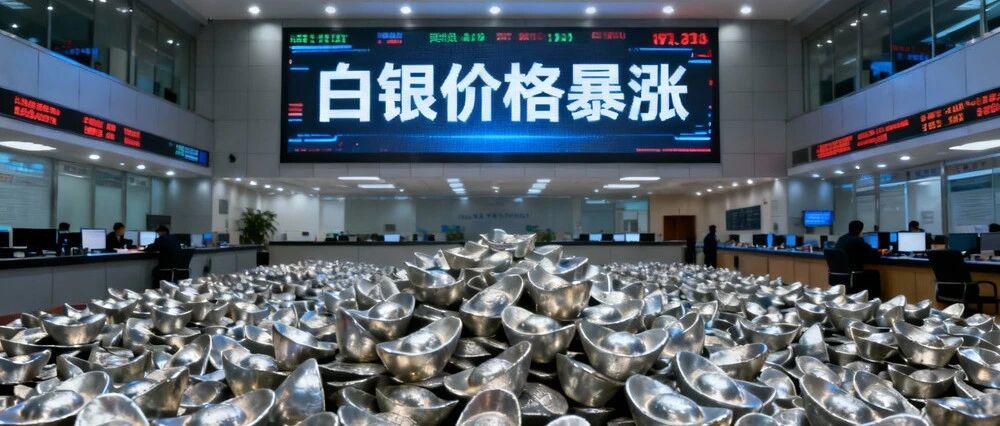
白银彻底失控了
虎嗅APP· 2026-01-27 14:17
Core Viewpoint - The recent surge in silver prices, which exceeded $110 per ounce, is primarily driven by speculative trading rather than fundamental market conditions, indicating a significant deviation from historical norms [5][11][12]. Group 1: Market Dynamics - The gold-silver ratio has fluctuated dramatically, dropping from over 100 to around 46.36, suggesting that silver has detached from its fundamental value [11][45]. - The increase in COMEX silver inventories in late 2024 and early 2025, which surpassed 2020 levels, contributed to a temporary price lag compared to gold [13][14]. - A significant decline in COMEX silver inventories began in mid-2025, which coincided with a sudden price explosion in recent months [15][16]. Group 2: Speculative Behavior - The speculative nature of the current silver market is evident, with a notable increase in non-commercial net long positions from 150,000 contracts to 220,000 contracts, a rise of 46.67% in two months [36]. - Major financial institutions like JPMorgan and Goldman Sachs have increased their net long positions from 10% to 35%, indicating a strategy of "increasing positions to drive prices up" [36]. - The volatility in silver prices has been exacerbated by speculative trading, with daily price fluctuations increasing from 3%-5% in December to 5%-8% in January [43]. Group 3: Price Predictions and Risks - Analysts predict a potential correction in silver prices, with estimates suggesting a 30% decline from current levels, bringing prices down to around $70 [46]. - The current market is characterized by high speculative pressure, with approximately 40% of the recent net long positions being short-term speculative funds, which may exit quickly if macro conditions stabilize [51]. - Technical indicators show that silver is in an overbought condition, with an RSI above 85, historically correlating with a 70% probability of a short-term price correction [54]. Group 4: External Influences - The geopolitical landscape, particularly U.S.-Iran tensions and tariff implications under the Trump administration, has significantly influenced silver market dynamics, leading to increased demand and price surges [20][39]. - Future price movements will depend on several variables, including the Federal Reserve's interest rate decisions, the stability of fund flows into silver ETFs, and the sustainability of geopolitical tensions [59][60].
深扒Minimax与智谱:大模型,到底是怎样的生意模式?
虎嗅APP· 2026-01-27 14:17
Core Viewpoint - The article discusses the financial dynamics and business models of two AI companies, Minimax and Zhipu, which both went public with valuations around $60 billion but are facing significant losses due to high operational costs and investments in model training [5][8]. Group 1: Revenue and Expenditure Dynamics - Both Minimax and Zhipu are characterized as "short and agile" companies with fewer than 1,000 employees, rapidly iterating products and achieving annual revenues approaching $100 million within a few years [9]. - Despite rapid revenue growth, expenditures for both companies are approximately ten times their current income, with Minimax's spending being over five times its revenue in the first nine months of 2025 [11]. - The article raises questions about whether increasing revenue will lead to a narrowing of losses or exacerbate them, indicating a potential scale inefficiency in their business models [14]. Group 2: Role of Computational Power - The article emphasizes the critical role of computational power in the business model of AI companies, noting that training costs are a significant portion of total expenditures, often exceeding 50% [21][24]. - For Minimax, the revenue generated in 2024 is only 65% of the training costs incurred in 2023, while Zhipu's coverage is even lower at 30% by mid-2025 [25][26]. - The companies rely heavily on third-party cloud services for computational power, which contributes to their high operational costs [20]. Group 3: Human Resource Investment - Both companies have a high percentage of R&D personnel, with Minimax's monthly salary per employee reaching up to 160,000 RMB, indicating a focus on talent density rather than sheer headcount [16][18]. - The overall salary expenditure for Minimax is around $10 million annually, which is about 90% of its revenue, reflecting a high investment in skilled labor [18]. Group 4: Business Model Challenges - The article highlights a fundamental contradiction in the business model: while revenue is increasing, it is not sufficient to cover the rising costs of model training and operational expenses, leading to significant losses [30][34]. - The companies are caught in a cycle where they must continuously invest in new models to remain competitive, requiring additional financing that often exceeds their revenue [35]. - The potential for a sustainable business model hinges on the ability to amortize training costs over a longer period, which is currently not feasible due to the rapid pace of model iteration [30][37]. Group 5: Competitive Landscape - The competitive landscape is described as a capital-intensive game, where companies must secure financing to survive, with only a few players likely to emerge as long-term leaders [39][44]. - The article notes that many smaller companies are struggling to compete against larger firms and open-source models, leading to a consolidation in the market [43].

关于斩杀线,背后真正的危机是什么?
虎嗅APP· 2026-01-27 09:14
Core Viewpoint - The article discusses the concept of the "killing line" in American society, highlighting the precariousness of the middle class and the increasing wealth gap, which resonates with similar sentiments in China [5][9][41]. Group 1: Concept of the Killing Line - The "killing line" refers to a threshold in American society where individuals, despite appearing successful, can quickly fall into poverty due to unexpected events, illustrating a high-risk, low-defense social structure [7][12]. - The term gained popularity in late 2025, originating from discussions in the Chinese internet, and reflects a shared anxiety about economic stability among the middle and lower classes in both the U.S. and China [7][9]. - A significant statistic from PNC's 2025 report indicates that 67% of Americans live paycheck to paycheck, emphasizing the fragility of financial security [15]. Group 2: Economic Disparities - The article cites a report indicating that the wealthiest 0.001% of the global population holds three times the wealth of the poorest 50%, highlighting extreme economic inequality [40]. - The narrative suggests that the current economic system rewards asset holders while punishing those reliant solely on labor income, leading to a sense of insecurity among the working class [42][46]. - The discussion includes a critique of the outdated poverty line calculation in the U.S., suggesting that the real poverty threshold should be around $140,000 for a family of four, rather than the official figure of $31,200 [22][28]. Group 3: Responses and Perspectives - The article presents contrasting views on the "killing line," with some arguing it reflects a genuine crisis while others see it as an exaggeration of the middle class's plight [26][36]. - Notable economist Noah Smith challenges the notion that a $140,000 income constitutes poverty, arguing that living standards have improved and that perceptions of poverty are influenced by rising expectations [27][32]. - The article emphasizes the need for individuals to adapt their financial strategies, moving from a focus on income to asset accumulation to navigate the changing economic landscape [54][56].

在一个不允许犯错的行业:巨头向左、初创公司向右
虎嗅APP· 2026-01-27 09:14
Core Viewpoint - The article discusses the contrasting strategies of tech giants and startups in the healthcare AI sector, emphasizing that while large companies aim for broad applications, startups focus on niche, specialized solutions [2][14]. Group 1: Industry Dynamics - The healthcare industry is characterized by a paradox: it generates a significant amount of data (30% of the world's data) but has low digital penetration in core diagnostic processes [9]. - The healthcare sector is projected to grow from $4.8 trillion in 2023 to $7.7 trillion by 2032, making it an unparalleled market opportunity [9]. - The compound annual growth rate (CAGR) of healthcare data is expected to be 36%, driven by the proliferation of electronic health records and wearable devices [9]. Group 2: Major Players and Strategies - OpenAI has invested $100 million to acquire Torch, a data cleaning company, and launched "ChatGPT Health," which allows users to integrate their health data [3][12]. - Anthropic has introduced Claude for Healthcare, which connects to extensive medical databases, focusing on B2B applications [13]. - The article highlights that OpenAI's ChatGPT sees 230 million weekly health consultations, indicating a high-frequency usage scenario in healthcare [11]. Group 3: Startup Opportunities - Startups like OpenEvidence focus on providing specialized services for healthcare professionals, requiring strict user verification and offering a "professional version" of AI tools [15][16]. - OpenEvidence employs a freemium model, generating revenue through targeted advertising rather than charging healthcare institutions [16]. - The startup's approach includes accumulating data through user interactions and integrating continuing medical education (CME) credits into its platform, enhancing user engagement [17]. Group 4: Challenges and Considerations - The healthcare sector's stringent data quality requirements mean that large companies may not have a definitive advantage over specialized startups [12]. - The article suggests that only industries with substantial scale and rich data resources are suitable for deep AI transformation [8].

把家变成大野地,是今年城市娃的终极梦想
虎嗅APP· 2026-01-27 09:14
Core Viewpoint - The article discusses the evolving relationship between humans and their living spaces, emphasizing a growing desire for outdoor and natural elements in residential and commercial environments, driven by a need for emotional value and connection to nature [5][6][17]. Group 1: Residential Trends - The modern human's pursuit of living spaces is increasingly focused on emotional value, with a trend towards transforming homes into nature-like environments, reflecting a desire to reconnect with the outdoors [7][17]. - In the U.S., enhancing outdoor spaces, such as yards, can significantly increase property value by approximately 7% to 30% [9][12]. - Maintaining a lawn offers the highest return on investment (ROI) in outdoor upgrades, with a reported ROI of 217% [13][15]. Group 2: Commercial Space Adaptations - Consumers show a preference for shopping environments that incorporate natural elements, leading to a willingness to pay higher prices in greener spaces [30]. - Research indicates that sales in stores with natural light and greenery can increase significantly, with potential sales per square foot rising from $2.00 to between $2.61 and $2.98 [30][32]. - Commercial spaces are increasingly designed to resemble parks, with examples including shopping centers integrating gardens and natural elements to enhance customer experience and attract foot traffic [31][32]. Group 3: Psychological and Cultural Implications - The article highlights a psychological hypothesis suggesting that humans have an innate desire to connect with nature, which has been disrupted by modern urban living [36]. - The trend towards creating nature-inspired spaces in homes and commercial areas reflects a collective yearning for authenticity and a return to a more natural lifestyle [36].

免签潮背后,中国护照开始悄悄值钱
虎嗅APP· 2026-01-27 09:14
Core Viewpoint - The article discusses the increasing number of countries offering visa exemptions to Chinese citizens, highlighting the implications for international relations and the tourism industry as China’s passport becomes more powerful post-pandemic [4][6][13]. Group 1: Visa Exemption Trends - Brazil has announced visa exemptions for certain short-term categories for Chinese citizens, following similar moves by Russia, Cambodia, Turkey, and the Philippines, indicating a growing trend in visa facilitation [4][5]. - The Henley Passport Index shows that by 2026, the Chinese passport will rank 59th, allowing visa-free or visa-on-arrival access to 81 countries, a significant improvement from its position before the pandemic [6]. Group 2: Impact on Tourism - Following the announcement of Brazil's visa exemption, travel searches for cities like Rio de Janeiro, São Paulo, and Brasília surged, with search volumes increasing over five times compared to the previous week [5]. - The easing of visa restrictions is seen as a strategic move by countries to attract Chinese tourists, who are crucial for the recovery of the global tourism market, especially in the context of a weak global economic recovery [20][22]. Group 3: Economic and Political Implications - The article emphasizes that visa policies reflect the trust and diplomatic relations between countries, with China’s unilateral visa exemptions being reciprocated by other nations as a sign of mutual trust [13][18]. - Countries like Turkey and Cambodia are using visa exemptions as a low-cost marketing strategy to boost tourism and foreign exchange earnings, highlighting the economic dependency on Chinese tourists [20][22]. Group 4: Future of Chinese Outbound Tourism - The combination of improved visa access, favorable exchange rates, and extended holiday periods is positioning the Chinese outbound tourism industry for significant growth in 2026 [25][28]. - The upcoming long Spring Festival holiday, lasting nine days, is expected to facilitate longer trips to destinations that were previously less accessible, indicating a shift towards deeper travel experiences [29][30].