雷峰网

Search documents
云渠道2025年观察:仍在困顿中找出路
雷峰网· 2025-10-30 11:06
Core Viewpoint - The article discusses the challenges faced by cloud channel vendors in the post-pandemic era, highlighting their struggles to retain customers and the fierce competition among them. It outlines various strategies these vendors are employing to survive, including diversifying into multi-cloud services, AI products, and exploring overseas markets. Group 1: Challenges in the Cloud Channel Market - The number of enterprise clients has drastically decreased, with only a fraction of the previous customer inflow being recorded [2] - Intense competition among channel vendors has led to aggressive discounting and reduced profit margins, making it difficult to acquire new clients [2][3] - Many vendors are attempting to pivot their business models, but the paths they are exploring are fraught with difficulties [4] Group 2: Multi-Cloud Strategy - The multi-cloud approach is seen as a potential lifeline, but many vendors find it challenging to implement effectively due to existing client relationships and market saturation [6][7] - Some vendors have joined the ranks of emerging platforms like Volcano Engine, hoping to capitalize on new opportunities [8][10] - However, despite initial enthusiasm, many vendors report disappointing results and low revenue from these new ventures [13] Group 3: AI Product Opportunities - AI is emerging as a key growth area, with major cloud providers reporting significant revenue increases from AI-related services [22] - Despite the hype, few vendors are successfully monetizing AI products, with many finding profit margins too thin to sustain their businesses [23][24] - The complexity and high investment required for AI projects deter many smaller vendors from pursuing this avenue [28][30] Group 4: Overseas Market Exploration - Some vendors are looking to international markets for growth, with reports of successful ventures yielding substantial profits [33] - The competitive landscape in overseas markets is more favorable, with clients more willing to invest in cloud services [34] - However, there are significant risks associated with international operations, including legal and regulatory challenges [36][37] Group 5: Declining Enthusiasm for Sales Events - The excitement surrounding major sales events like "Double Eleven" has diminished, with vendors struggling to meet previous sales figures [40] - The lack of robust incentive programs from cloud providers has contributed to this decline in motivation among channel vendors [40][41] - Many vendors are now focused on survival rather than aggressive growth, reflecting a broader trend of caution in the industry [41]


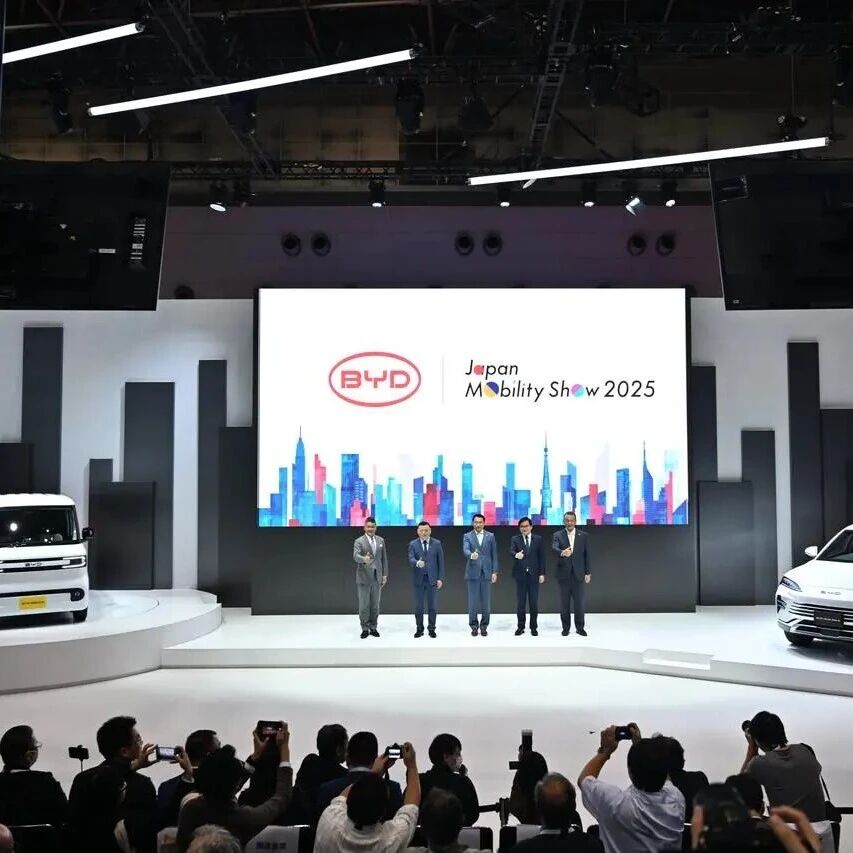
比亚迪出海日本:没有从零开始的机会,而是从负数开始
雷峰网· 2025-10-30 11:06
Core Viewpoint - BYD is strategically entering the Japanese microcar market with the launch of the K-Car model RACCO, aiming to increase its market share in Japan, which has a significant demand for microcars [6][21]. Group 1: Historical Context - In 2004, BYD faced a lawsuit from Sony in Japan over lithium-ion battery patents, marking a challenging entry into the international market [2][3]. - BYD's resilience in the face of legal challenges led to a landmark victory in 2005, establishing its reputation and showcasing its technological confidence [4][5]. Group 2: Product Launch and Features - At the Tokyo Motor Show on October 29, 2025, BYD unveiled the K-EV BYD RACCO, a microcar specifically designed for the Japanese market, alongside its first plug-in hybrid model, the Sea Lion 06DM-i [8][12]. - The RACCO measures 3395mm in length, 1475mm in width, and 1800mm in height, accommodating four passengers and adhering to Japanese K-Car regulations [10]. - The vehicle features a high body design and dual sliding doors for ease of access in narrow streets, powered by BYD's blade battery with two range options, set to launch in summer 2026 [11]. Group 3: Market Dynamics - The Japanese microcar market is substantial, with projected sales of 1.56 million K-Cars in 2024, representing 35% of the total market, making it a strategic target for BYD [21]. - However, the market is dominated by local brands, with over 95% of the total car sales in Japan attributed to domestic manufacturers, posing a significant challenge for foreign entrants [23]. Group 4: BYD's Market Position and Growth - Since entering the Japanese market, BYD has evolved from a newcomer to a key player, with its electric buses achieving the highest market share in Japan [17]. - As of January to September 2025, BYD's electric vehicle sales in Japan reached 2,899 units, surpassing Toyota and marking a year-on-year growth of over 66% [18]. Group 5: Future Outlook - BYD plans to establish a lineup of 7 to 8 electric and hybrid models in Japan by 2027, indicating a long-term commitment to the market [18]. - The introduction of the RACCO is seen as a crucial step for BYD to enhance its market presence in Japan [19].

新窗口指导大范围取消补贴;智算中心建设先算亏多少;已过会GPU公司成立新业务组;头部大厂收缩服务器供应商丨算力情报局
雷峰网· 2025-10-30 08:06
Core Viewpoint - The article discusses the impact of recent regulatory changes and market dynamics on the domestic AI chip industry, particularly focusing on the shift towards domestic chips and the evolving landscape of computing power rental and supply chain management. Group 1: Regulatory Changes and Market Dynamics - A new "window guidance" document mandates that projects with local subsidies must exclusively use domestic chips, prohibiting the use of foreign GPUs like H20 in new market-oriented projects [2] - Projects outside the "national hub computing power facility cluster" will not receive financial or electricity subsidies, leading to the cancellation of existing local policies [2] - The ban on foreign chips and the push for domestic alternatives create a favorable environment for domestic AI chip manufacturers [3] Group 2: Computing Power Rental Market - Major companies in East China are paying significantly higher rental prices for computing power, which benefits both the companies and their IDC partners by enhancing cloud business collaboration and easing financial pressures [5] - The rental market is seeing a shift, with a model company planning to lease 60 H200 servers, indicating a trend towards smaller, more flexible rental agreements that align with technology upgrade cycles [8] - GPU rental prices have drastically decreased, with H100 prices dropping from 60,000-80,000 yuan to around 40,000 yuan, while H200 is priced at 60,000 yuan, making it a more attractive option for companies [9] Group 3: Supply Chain and Vendor Management - Leading companies are tightening their supplier networks, imposing penalties exceeding 100 million yuan on non-compliant suppliers, indicating a move towards a more stable and closed supply chain [6] - The construction of computing centers is now focused on calculating potential losses rather than profits, reflecting a more cautious approach in project planning due to delayed subsidy disbursements [7] Group 4: Emerging Trends in Chip Technology - Domestic RISC-V chip companies are expected to aggressively enter the server market next year, with several firms already developing high-performance RISC-V server chips [10][11] - The storage chip market is experiencing price increases driven by strong demand from AI and high-performance computing sectors, with distributors adopting strategies to hold inventory until prices rise further [12]

10倍带宽突破、市值暴涨200亿美元,高通能否「分食」千亿级AI推理市场?
雷峰网· 2025-10-30 08:06
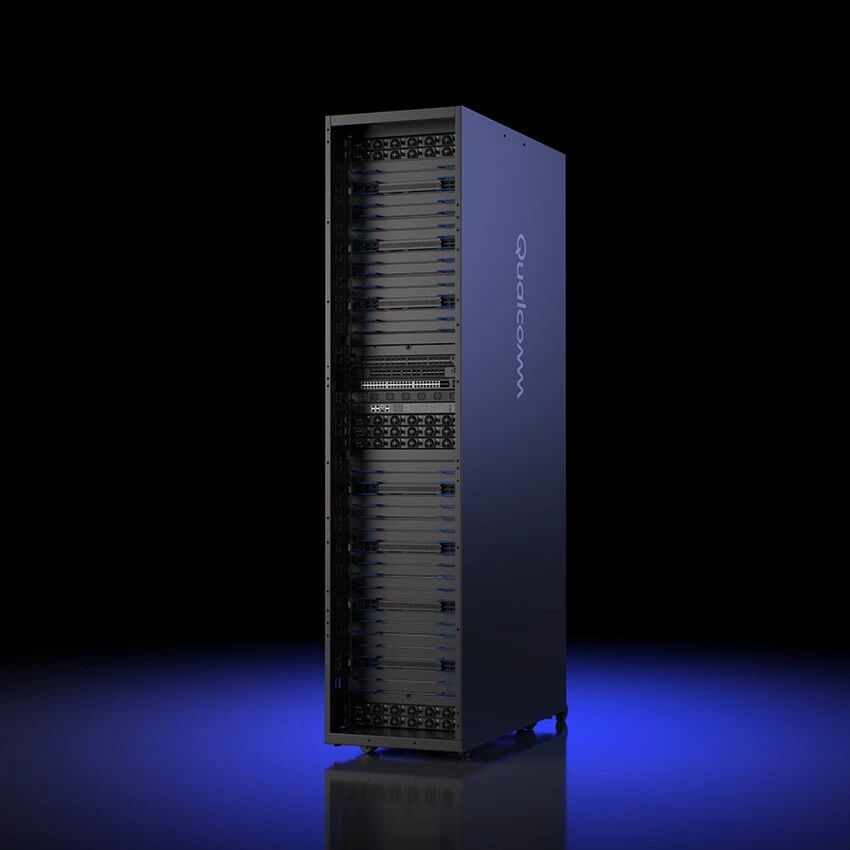
Core Viewpoint - Qualcomm's entry into the AI inference chip market is seen as a strategic move to compete with Nvidia, which has a dominant position in the sector, particularly in the cloud inference market [2][3][4]. Qualcomm's AI Inference Solution - Qualcomm announced its AI inference optimization solution for data centers, which includes the Qualcomm AI200 and AI250 cloud AI chips, along with corresponding accelerator cards and racks [2]. - The launch has positively impacted Qualcomm's stock, with a peak increase of 22% during trading, closing with an 11% rise, adding nearly $20 billion to its market capitalization [2]. Market Dynamics and Competition - Analysts suggest that Qualcomm's experience in edge chips could lead to new business growth in AI inference chips, as the market seeks to avoid Nvidia's monopoly [3]. - The global AI inference chip market is projected to grow from approximately $14.21 billion in 2024 to $69.01 billion by 2031, with a compound annual growth rate (CAGR) of 25.7% from 2025 to 2031 [5]. Technical Advantages and Challenges - Qualcomm emphasizes a low Total Cost of Ownership (TCO) but needs to prove its competitive edge in energy efficiency and memory processing capabilities in real-world scenarios [4]. - Nvidia's rapid iteration speed and technological advancements, such as the Rubin CPX platform, provide significant advantages in terms of token processing and cost efficiency [4]. Collaboration and Customization - Qualcomm has partnered with Saudi AI company HUMAIN to deploy its AI200 and AI250 solutions, with a planned scale of 200 megawatts starting in 2026 [5]. - The collaboration aims to develop cutting-edge AI data centers and hybrid AI inference services, focusing on customized solutions to meet specific client needs [5]. Hardware Specifications - Qualcomm's AI200 supports 768 GB LPDDR memory, while the AI250 is expected to adopt an innovative near-memory computing architecture, enhancing memory bandwidth and reducing power consumption [7][8]. - The comparison of specifications shows that Qualcomm's chips have a significant memory capacity advantage, which is crucial for private deployments [7][8]. Software Ecosystem Development - Qualcomm is also enhancing its software ecosystem to support its AI inference products, optimizing for leading machine learning frameworks and inference engines [9]. - The integration of Qualcomm's network chips is expected to create products with performance advantages in the competitive landscape dominated by Nvidia [9].
亚马逊突发大裁员:邮件突袭、权限秒关,友商迅速抢人;抖音电商内部人士回应京东否认二选一:不打自招;英伟达市值突破5万亿美元
雷峰网· 2025-10-30 01:30
Group 1 - Amazon announced a sudden layoff of 14,000 employees in its corporate division to streamline management and increase investment in AI strategies, marking its second-largest layoff since 2022 [4][5] - The layoffs were communicated via an internal email that was sent out abruptly, with employees receiving notifications shortly after, indicating a shift in Amazon's approach to workforce management [4][5] - Compensation rumors for the laid-off employees include various unverified models, such as "N+3/4+2 months buffer" or "N+6+ an additional week of salary for every six weeks worked" [5] Group 2 - Lei Jun, founder of Xiaomi, ranked fifth on the 2025 Hurun Rich List with a wealth increase of 196 billion yuan, a 151% rise from the previous year, attributed to the explosive growth of Xiaomi's automotive business and high-end smartphone sales [7][8] - The significant increase in wealth positions Lei Jun as the highest wealth gainer among entrepreneurs in the list, highlighting Xiaomi's successful global smartphone sales and IoT device performance [8] Group 3 - Tencent Music dismissed two executives due to corruption allegations, with one being accused of accepting bribes from gaming partners, leading to their transfer to law enforcement [12] - The internal investigation revealed that the dismissed executives had engaged in improper financial dealings during their tenure, raising concerns about corporate governance within Tencent Music [12] Group 4 - Douyin's internal response to rumors regarding JD's alleged "choose one of two" policy during the Double Eleven shopping festival indicates that JD's pricing strategies may limit merchants' operational freedom on other platforms [10][11] - JD's insistence that it is not engaging in "choose one of two" practices contrasts with Douyin's claims, suggesting ongoing tensions in the competitive e-commerce landscape [10][11] Group 5 - Nvidia became the first publicly traded company to surpass a market capitalization of $5 trillion, achieving this milestone in just 113 days, significantly faster than previous milestones [33] - The company's stock has rebounded over 135% since its low in April, with expectations of generating $500 billion in revenue in upcoming quarters, exceeding market forecasts [33] Group 6 - Microsoft CEO Satya Nadella revealed that the initial $1 billion investment in OpenAI was viewed as a high-risk decision, with concerns from Bill Gates about potential losses [30] - The total investment in OpenAI has since exceeded $13 billion, reflecting Microsoft's commitment to AI despite initial skepticism [30]





理想智驾逆袭往事:端到端的百日冲刺
雷峰网· 2025-10-29 10:54
Core Viewpoint - The article discusses the transformative journey of Li Auto in the autonomous driving sector, highlighting the shift from skepticism to a strong commitment to AI-driven end-to-end solutions, culminating in the successful launch of the "end-to-end + VLM" system, which significantly boosted sales and market presence [1][6][42]. Group 1: Strategic Shift - In March 2024, Li Auto's CEO, Li Xiang, expressed dissatisfaction with the company's autonomous driving performance, emphasizing the need for a decisive shift towards end-to-end technology [2][8]. - The introduction of the "end-to-end + VLM" system in July 2024 marked a pivotal moment for Li Auto, allowing the company to transition from a follower to a leader in the autonomous driving space [3][4]. Group 2: User Reception and Sales Impact - The "end-to-end + VLM" system received overwhelmingly positive feedback during initial trials, leading to a significant increase in user engagement, with 65% of test drives featuring the new technology by October 2024 [5][6]. - By the end of 2024, the delivery share of models equipped with the AD Max system (featuring the new technology) reached 75.4% in the 300,000+ yuan segment and 84.6% in the 400,000+ yuan segment, a dramatic increase from just 20% earlier in the year [6][50]. Group 3: Team Dynamics and Development - The autonomous driving team at Li Auto faced anxiety and uncertainty at the beginning of 2024, but the successful implementation of the end-to-end system led to a turnaround in morale and performance [8][12]. - Li Auto's strategy involved rapidly expanding its autonomous driving team from around 600 to over 1,000 by the end of 2023, although this expansion initially did not yield the expected results [9][10]. Group 4: Technological Innovation - The end-to-end approach allowed Li Auto to integrate various functions into a single model, enhancing efficiency and reducing complexity compared to traditional modular methods [57]. - The project was characterized by a rapid development cycle, with the team successfully delivering a demo version of the end-to-end system in just over a month, showcasing superior performance compared to previous iterations [31][52]. Group 5: Data-Driven Approach - The success of the end-to-end project was largely attributed to a robust data-driven strategy, which emphasized the importance of high-quality data over sheer manpower [63][71]. - Li Auto's data collection capabilities were built into every vehicle from the start, ensuring standardized and comparable data for algorithm training, which was crucial for the success of the autonomous driving system [71][72].

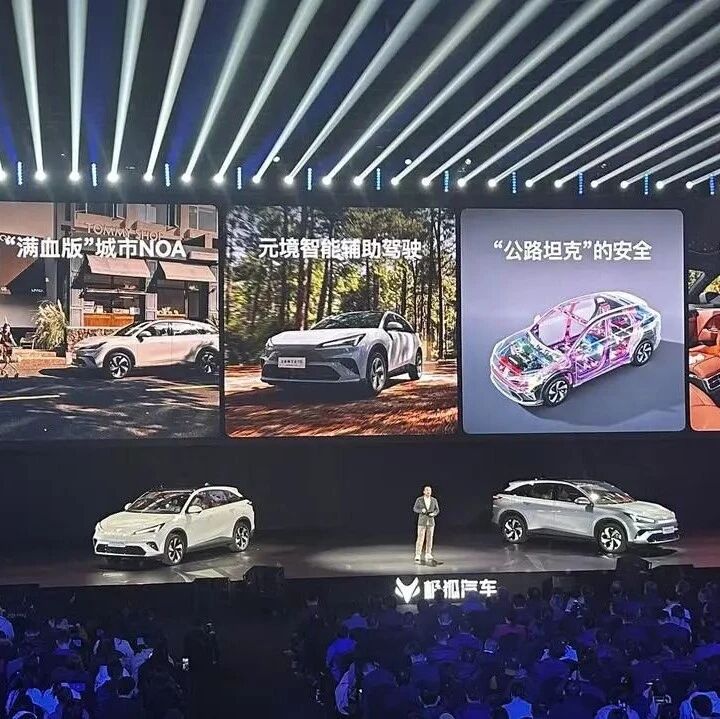
搭载卓驭端到端智驾2.0,极狐阿尔法T5 以10.98万起上市丨智驾前线
雷峰网· 2025-10-29 10:54
Core Viewpoint - The article discusses the strategic shift of Jihu Automobile, highlighting the launch of the new Alpha T5 model, which marks a transition from a luxury technology showcase to a more competitive stance in the mainstream market. The company aims to address consumer concerns about pricing and range anxiety with its new offerings [3][44]. Group 1: Product Launch and Features - The new Alpha T5 is available in both extended range and pure electric versions, with the extended range model offering a CLTC electric range of 215 kilometers and a total range exceeding 1200 kilometers [10][12]. - The extended range system features a lightweight and efficient design, achieving a fuel consumption of only 5.18 liters per 100 kilometers under WLTC conditions, with a peak power of 200 kW and torque of 365 Nm [10]. - The pure electric version is equipped with an 85.8 kWh battery, providing a real-world range of 705 kilometers, ensuring usability in various weather conditions [12]. - Both versions support 15-minute fast charging, enhancing convenience for users [13]. Group 2: Intelligent Driving Technology - The Alpha T5 incorporates the "Yuanjing" intelligent technology, which includes advanced driving assistance features developed in collaboration with Huawei [15][16]. - The vehicle is equipped with a Snapdragon 8775 automotive-grade chip and features an end-to-end intelligent driving model, covering urban, highway, and parking scenarios [18]. - The car includes 15 radars and 7 high-definition cameras for precise detection of moving and stationary objects, enhancing safety and driving ease [18][20]. Group 3: Market Position and Sales Performance - Jihu's sales have significantly improved, with monthly sales surpassing 20,000 and 30,000 units, compared to previous figures of around 1,000 units [7]. - The company has launched multiple lower-priced models, including the Koala S and the A0-level pure electric SUV T1, to capture a broader market segment [6][44]. - In the first three quarters of 2025, Beiqi Blue Valley, Jihu's parent company, reported cumulative sales of 111,500 units, a year-on-year increase of 64.34% [45]. Group 4: Financial Performance - Beiqi Blue Valley achieved a revenue of 15.384 billion yuan in the first three quarters of 2025, a 56.69% increase year-on-year, with Jihu contributing over 80% of the sales [51]. - The company reported a gross margin of 1.8%, marking its first positive margin in five years, indicating a positive shift in its financial structure [53]. - Despite still operating at a loss, the company has shown signs of recovery, with a net profit loss reduction of 23.73% year-on-year [52]. Group 5: Future Challenges - The company faces ongoing challenges, including maintaining a competitive edge in the crowded 150,000 yuan market and avoiding a price war that could undermine profitability [58][60]. - The need for brand recognition and consumer trust remains critical as the company continues to navigate its market position [59].

美元基金疯抢,Snapmaker快造距离「下一个拓竹」有多远?
雷峰网· 2025-10-29 07:49
Core Viewpoint - The article discusses the emergence of Snapmaker as a potential competitor to the leading 3D printing company,拓竹, highlighting its innovative product Snapmaker U1 and the challenges it faces in scaling production and maintaining competitive advantage [6][10][24]. Group 1: Snapmaker's Market Position - Snapmaker has achieved significant crowdfunding success with its U1 model, raising over $10 million in less than three days, setting a global record for 3D printer crowdfunding [6][9]. - The company is recognized as a pioneer in the multi-tool head concept in 3D printing, addressing key industry pain points such as low color change efficiency and material waste [14][15]. - Snapmaker's innovative design allows for a significant reduction in printing time, completing tasks that would typically take 20-30 hours in just 5-6 hours [19]. Group 2: Industry Context and Competition - The 3D printing industry is characterized by a clear divide between leading players like拓竹 and others, with Snapmaker positioning itself as a strong contender [7][8]. - The article notes that Snapmaker's success is partly due to the market education provided by拓竹, which has clarified consumer demand for multi-color printing [24]. - Following Snapmaker's U1 launch,拓竹 quickly responded with new product releases, indicating the competitive pressure Snapmaker is creating in the market [24]. Group 3: Challenges and Future Outlook - Snapmaker faces challenges in scaling production and ensuring timely delivery, which are critical for maintaining its market position [36][40]. - The company has invested significant time in developing its supply chain and is preparing to establish its own manufacturing facility to meet production demands [41][42]. - The future success of Snapmaker will depend on its ability to leverage its initial market advantage and continue innovating while addressing potential competition from拓竹 and other players [45][46].

29.98万元起售,腾势N8L切入高端家用SUV红海丨智驾前线
雷峰网· 2025-10-29 07:49
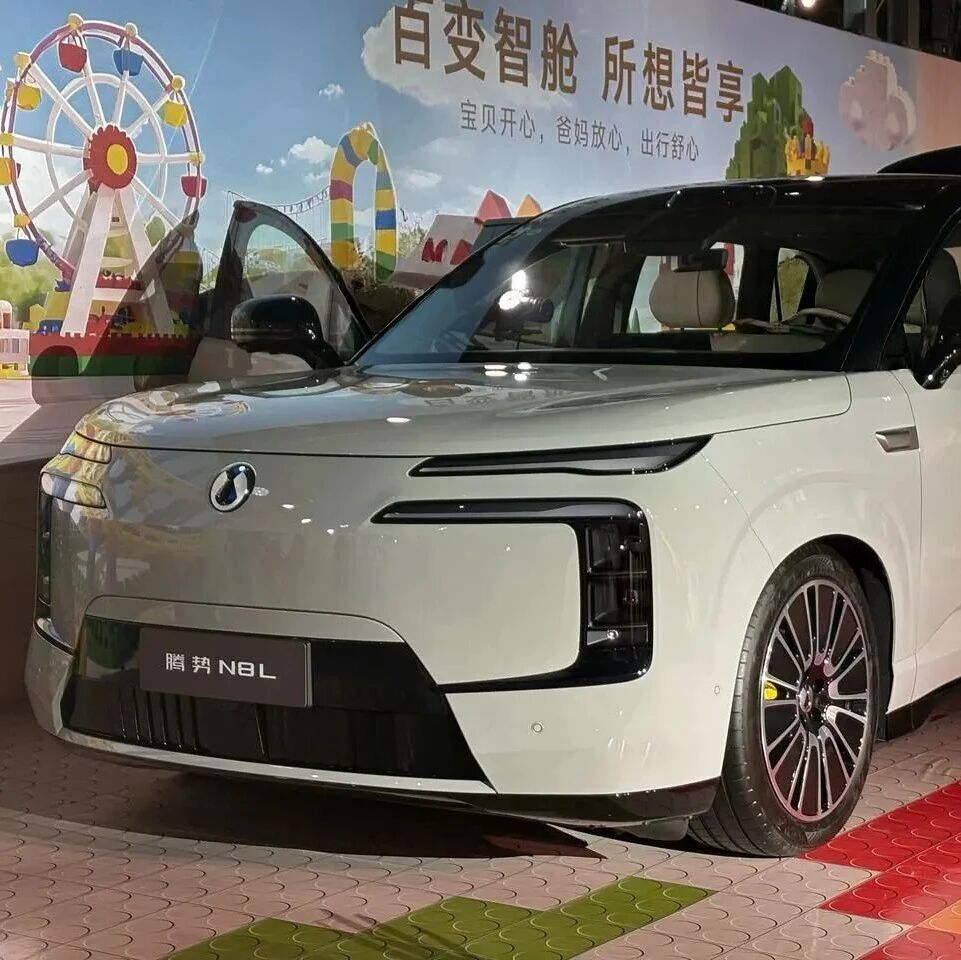
Core Viewpoint - Tengshi N8L is positioned as a high-performance family SUV, focusing on comfort, luxury, and spaciousness, aiming to meet the needs of multi-generational families [4][11][14]. Group 1: Product Launch and Market Response - Tengshi N8L was officially launched on October 28, with two versions priced at 299,800 yuan and 329,800 yuan, reflecting a 20,000 yuan reduction from the pre-sale prices [6][56]. - The pre-sale market response was reported as "exceeding expectations," indicating strong consumer interest [5][55]. - The launch event featured an increase in live sales, showcasing a shift in marketing strategy [3]. Group 2: Product Features and Specifications - The N8L is designed as a six-seat SUV with dimensions of 5200x1999x1820 mm and a wheelbase of 3075 mm, providing ample interior space [15][13]. - The vehicle's interior space reaches 6.11 square meters, offering over 1 square meter per passenger, enhancing comfort for all occupants [17]. - It includes a "4+N" seating layout, electric seats across all rows, and a variety of storage solutions, including a 51L hidden compartment [18][14]. Group 3: Performance and Safety - The N8L features a combined power output of 762 horsepower, achieving 0-100 km/h in just 3.9 seconds, showcasing its high-performance capabilities [30][29]. - It incorporates advanced safety features, including a cage body structure made from high-strength steel and a braking system that reduces stopping distance to 35.4 meters [39][41]. - The vehicle has set a world record for high-speed evasive maneuvers, demonstrating its stability and safety under extreme conditions [33]. Group 4: Technology and Connectivity - The N8L is equipped with the Dilink smart cockpit and a multi-screen system, enhancing the in-car entertainment experience [24][25]. - It features the "Tian Shen Zhi Yan" driving assistance system, which includes a laser radar and 30 sensors for advanced driving capabilities [36]. - Collaborations with brands like Midea and others aim to enhance the vehicle's smart home connectivity, addressing competition from brands with established ecosystems [25][27]. Group 5: Competitive Landscape and Market Strategy - Tengshi N8L targets the 300,000 yuan SUV market, competing with luxury brands like BMW and Mercedes-Benz, as well as domestic high-end models [57][58]. - The vehicle's competitive advantages include superior dimensions, space, configuration, and power compared to rivals [58]. - The company aims to strengthen brand building and user engagement to secure a foothold in the family SUV market amidst increasing competition [58].
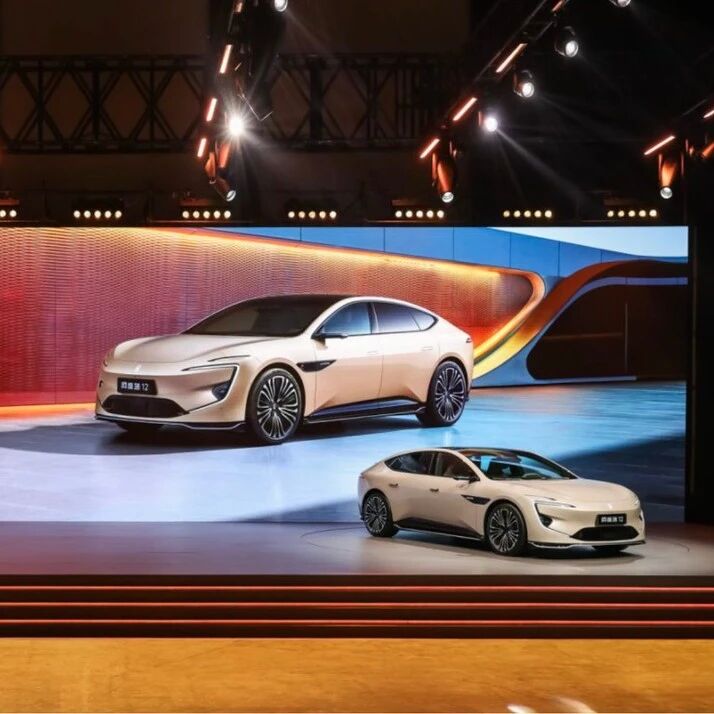
26.99万元起售,四激光雷达上车,阿维塔12再定义高阶智驾
雷峰网· 2025-10-29 00:40
Core Viewpoint - Avita aims to redefine luxury in the automotive industry with a focus on distinctive design, solid core technology, and smart travel experiences, as highlighted during the launch of the Avita 12 four-laser radar version [2][24]. Group 1: Product Features - The Avita 12 is the first coupe model from Avita, featuring advanced driver assistance capabilities with three laser radars, significantly exceeding the configurations of mainstream models at the time [2]. - The new model offers six configurations with prices ranging from 269,900 to 429,900 yuan, with limited-time discounts further reducing prices by 10,000 yuan [2][3]. - The vehicle's perception range has been enhanced to 360 degrees with the addition of a rear solid-state laser radar, improving long-distance and angle coverage [3]. - The Avita 12 has achieved top rankings in third-party AEB tests, demonstrating its ability to stop reliably at high speeds in various conditions [5]. Group 2: Technology and Safety - Avita's partnership with Huawei has led to the development of the CAS 4.0 system, which has successfully prevented over 3 million collision events [8]. - The new intelligent driving system imposes strict safety requirements, such as requiring seatbelt use to activate the assistance features and monitoring driver engagement with the steering wheel [10]. - The vehicle is equipped with a comprehensive sensing system, including four laser radars, three millimeter-wave radars, 12 ultrasonic radars, and 11 cameras for all-around perception [12]. Group 3: User Experience - The Avita 12 features the HarmonyOS 5.0 cockpit, which maintains a consistent user interface with Huawei devices, enhancing user interaction [11]. - The vehicle includes a health oxygen cabin that purifies the air and maintains humidity balance for a safer breathing environment [22]. - The sound system, featuring 25 speakers and a peak power of 2016 watts, provides an immersive audio experience, typically found in higher-end models [20]. Group 4: Market Strategy and Goals - Avita has set an ambitious annual sales target of 220,000 units by 2025, with recent sales data showing a consistent monthly sales increase, reaching 11,028 units in September [24]. - The company is transitioning from being a high-end electric vehicle manufacturer to a smart mobility technology company, as indicated by its strategic partnerships and future model plans [24][25]. - By 2030, Avita plans to launch 17 models across various segments, implementing a fully intelligent service system to enhance long-term competitiveness [24].