雷峰网

Search documents
智能品牌跨界造车做海外版华为;新势力三成薪资转股票,成本不降反增;智驾公司内斗搅黄收购终破产 | 智驾情报局VOL.6
雷峰网· 2025-10-25 07:08
Group 1 - Domestic automotive brand A successfully went public, but the forced dissolution of its subsidiary B months prior highlights significant internal conflicts and missed opportunities for integration [1][2] - A Company initially offered 20% equity and higher salaries to B's team, but the proposal to merge B into A was rejected due to concerns over stock value and lock-in periods [1] - The failure to unify A and B's interests led to B's dissolution, which has left A with operational challenges in its newly established intelligent driving center [2][3] Group 2 - New energy vehicle company C is facing cash flow issues and has proposed converting over 30% of salaries for senior employees into stock to alleviate financial pressure [3][4] - C's ongoing layoffs have not effectively reduced costs due to high salaries of senior staff, leading to a disproportionate impact on lower-paid employees [4] - Internal governance issues at C, including an excessive number of vice presidents and ineffective cost control measures, have exacerbated its financial struggles [4] Group 3 - Intelligent technology brand D has launched a cross-industry vehicle manufacturing initiative, aiming to become the "overseas version of Huawei" [5][6] - D's extensive experience in various industries and its aggressive funding strategy position it well for entering the automotive market, despite potential risks associated with its ambitious revenue targets [6] - The competitive landscape has shifted towards sales capabilities, with D leveraging its global network to enhance its market presence [7] Group 4 - Company E, once a promising player in the L4 autonomous driving truck sector, faced internal strife and cash flow issues, leading to its eventual collapse [8][9] - A proposed acquisition by company F fell through due to internal conflicts and a lack of trust among E's team members, highlighting the importance of cohesive governance [8][9] - The departure of E's CEO due to power struggles further illustrates the critical role of effective organizational structure in navigating crises [9] Group 5 - A collaboration between domestic brand G and foreign brand H has encountered severe disagreements, jeopardizing a joint electric vehicle project [10][11] - Initial plans for the partnership aimed to revitalize H's brand presence in China, but communication breakdowns have led to a shift in project control to the application party [10] - H's withdrawal from active project management reflects the challenges faced in cross-border collaborations within the automotive sector [10] Group 6 - High-level misconduct involving executive Ding at company I has resulted in significant professional and personal repercussions, affecting his leadership role [11][12] - Ding's previous successes were overshadowed by personal issues that led to a loss of support within the company, ultimately resulting in his diminished authority [12] - The situation underscores the impact of personal conduct on professional trajectories within the automotive industry [12] Group 7 - Company J has successfully entered the automotive market by leveraging its supply chain and innovative marketing strategies, achieving a competitive edge over traditional manufacturers [13][14] - J's approach includes extensive investments in upstream and downstream automotive enterprises, creating a robust supply chain that supports its production [13] - The company's marketing tactics, such as engaging logistics teams for effective vehicle promotion, demonstrate a creative approach to market visibility [14]


独家丨已规划7款新车,长安计划未来新车都基于SDA平台开发
雷峰网· 2025-10-24 09:09
Core Insights - Changan Automobile aims to achieve overall sales of over 5 million units by 2030, with "smart digital vehicles" contributing more than 3 million units [1][5] Group 1: SDA Platform Development - Changan has decided to fully transition future new models to the SDA platform, covering core brands such as Qiyuan, Deep Blue, and Avita [2] - The SDA platform, initiated in 2021, offers advantages in centralized computing and software decoupling, making it more suitable for the development of smart electric vehicles [3] - The first model based on the SDA platform, Qiyuan E07, is set to launch in October 2024, with a price range of 199,900 to 319,900 yuan [3] Group 2: Architectural Features of SDA - The SDA platform adopts a "central + domain control" architecture, which is a hybrid between centralized and distributed designs, allowing for a balance in functionality [4] - The transition to the SDA platform will significantly alter Changan's R&D and product planning, moving from a "single vehicle customization" approach to a platform-based, modular development system [4] Group 3: Future Product Strategy - New models based on the SDA platform are defined as "smart digital vehicles," which are expected to be the core driving force behind Changan's transformation towards intelligence and electrification [5]

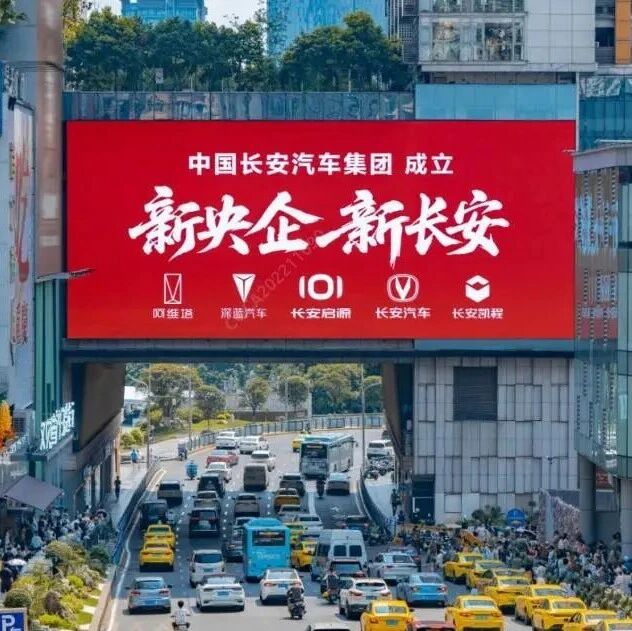
米哈游离自己的UGC梦想,还有多远?
雷峰网· 2025-10-24 09:09
Core Viewpoint - The essence of UGC (User Generated Content) is not merely tools and gameplay, but rather the ecosystem it creates [1]. Group 1: UGC Implementation in Genshin Impact - The recent update of Genshin Impact introduced the UGC module "Qianxing Qiyu," which has contributed to the game's rise to the second position on the iOS sales chart [2]. - The "Qianxing Qiyu" module consists of three main components: UGC gameplay content, a creator-oriented editor, and "Qiou" characters [3]. - The pricing for in-game appearances starts at 96 RMB per set, with the most rare five-star appearances requiring significant in-game purchases, potentially costing around 4000 RMB for full collection [3]. Group 2: Industry Expectations and Comparisons - UGC gameplay has become a standard feature in heavy mobile games, primarily aimed at enhancing player retention and community engagement [4]. - The current implementation of "Qianxing Qiyu" does not significantly differ from similar UGC modules in Tencent and NetEase games, which raises concerns about MiHoYo's position as an industry innovator [4]. - Despite having a development team of over 200 people, the output of MiHoYo's UGC module does not show a substantial advantage over Tencent's smaller team, which has only about 40 members [4]. Group 3: Monetization and Future Potential - A significant aspect of UGC is to provide financial incentives for active creators, as seen in NetEase's "Egg Party," which allows top creators to earn revenue [5]. - MiHoYo's approach to monetization, which centralizes all commercial aspects in its appearance shop, may hinder the effectiveness of the UGC module in enhancing player engagement [5]. - "Qianxing Qiyu" is still in its initial version, indicating that there is considerable growth potential, and it could evolve into a significant content engine for Genshin Impact in the future [5].

理想智驾自研的起点:卫城计划始末
雷峰网· 2025-10-24 09:09
Core Viewpoint - The article discusses the journey of Li Auto in developing its autonomous driving technology, highlighting the challenges faced and the strategic decisions made to shift from relying on suppliers to self-research and development. Group 1: Historical Context and Initial Challenges - In 2020, Li Auto sold 32,624 units of the Li ONE, significantly exceeding internal expectations, which were initially set at 3,000 units for the first year [2][6] - Despite the success, the company faced immediate pressure from competitors like NIO and Xpeng, who were launching new products and advanced autonomous driving features [4][6] - The internal celebration of sales success contrasted sharply with the external pressures of market competition and technological gaps [6][7] Group 2: Decision to Pursue In-House Development - The decision to pursue in-house development of autonomous driving technology was driven by the realization of dependency on suppliers and the need for greater control over technology [9][19] - Li Auto's leadership recognized the necessity of self-research to remain competitive, especially after observing advancements made by competitors [22][23] - The initial budget for autonomous driving research was limited, forcing the team to be resourceful and strategic in their approach [9][10] Group 3: Development Process and Key Milestones - The "Fortress Project" was initiated to develop Li Auto's first fully self-researched advanced driver assistance system, with a tight deadline of less than 100 days [27][30] - The team faced significant challenges, including high turnover and the need to recruit quickly to meet project demands [32][30] - The successful delivery of the autonomous driving system before the launch of the 2021 Li ONE marked a significant achievement for the company [34][44] Group 4: Data-Driven Approach and Technological Advancements - The establishment of a data closed-loop system named "Poseidon" was crucial for enhancing the efficiency of the autonomous driving development process [39][40] - The data-driven approach allowed the team to rapidly iterate and improve the autonomous driving features based on real-world data [41][42] - By the end of 2021, Li Auto achieved a delivery volume of 90,491 units, a 177.4% increase year-on-year, largely attributed to the new self-researched driving system [43][44] Group 5: Ongoing Challenges and Future Plans - The company faced ongoing challenges in keeping pace with competitors in the rapidly evolving autonomous driving market, particularly in urban navigation capabilities [51][52] - Li Auto's strategic pivot towards end-to-end development and the initiation of new projects like the "Golden Apple Plan" reflect its commitment to innovation and competitiveness [58][59] - The article concludes with anticipation for future developments in Li Auto's autonomous driving technology, emphasizing the need for continuous adaptation and strategic foresight [60]


曝京东管控商家定价:不许比京东低,违规或罚500万起;超过60岁不能办eSIM?中国电信被喷后改口;Meta AI裁员600人
雷峰网· 2025-10-24 00:45
Group 1 - JD.com has formed a patrol team to monitor merchant pricing during the Double Eleven shopping festival, prohibiting prices on other platforms from being lower than those on JD.com, with penalties starting at 5 million yuan for violations [3] - Lu Weibing from Xiaomi stated that future smartphone brands will be divided into two categories: those with self-developed chips and those without, emphasizing the importance of self-developed chips for better integration of hardware and software [6] - CEO of Leap Motor, Zhu Jiangming, reflected on his decision to enter the automotive industry, describing it as a choice made without fear due to his lack of prior experience in the sector [7][8] Group 2 - TikTok has undergone organizational adjustments, with the operations department's reporting structure shifting to the product team, enhancing the influence of young executive Zhi Ying [9] - A report from the China Electronic Commerce Association revealed that OPPO had the lowest complaint rate among major smartphone brands over the past five years, with a total of 32,680 complaints recorded [11] - Hesai Technology continues to lead the market in automotive lidar installations, achieving a market share of 46% and planning to produce over 2 million units annually [12] Group 3 - Xiaopeng Motors' CEO, He Xiaopeng, explained the company's strategy to develop range-extended electric vehicles, emphasizing the need to meet diverse global demands [17] - JD.com announced a record auction price of 78.19 million yuan for its "001" vehicle, with plans to reward participants with additional benefits [20] - Alibaba's Quark app has launched an AI dialogue assistant, integrating search and conversational capabilities to enhance user experience [22] Group 4 - Meta has laid off approximately 600 employees from its AI department, focusing on streamlining operations within its "superintelligent laboratory" [32] - Tesla's CEO Elon Musk revealed that TSMC and Samsung will collaborate on the production of the AI5 chip, while maintaining the use of NVIDIA's processors for certain tasks [34] - Reports indicate that Apple may skip the iPhone 19 and directly release the iPhone 20 in 2027 to commemorate the 20th anniversary of the iPhone [36]


为什么严谨的瑞士人让萝卜快跑拆了方向盘?
雷峰网· 2025-10-24 00:45
Core Viewpoint - The article discusses the collaboration between Chinese autonomous vehicle company,萝卜快跑 (LuoBo Kuaipao), and Swiss PostBus to launch the "AmiGo" autonomous driving service in Switzerland, highlighting the acceptance of Chinese technology in a country known for its precision and caution in public transport [2][3][10]. Group 1: Collaboration and Technology - The partnership with PostBus allows LuoBo Kuaipao to integrate into Switzerland's established public transport network, enhancing credibility compared to working with a tech startup [2][10]. - The sixth-generation autonomous vehicles will feature a "removable steering wheel" design, paving the way for fully autonomous operations [2][5]. - LuoBo Kuaipao has accumulated 200 million kilometers of safe driving mileage, surpassing Waymo's 155 million kilometers, with a risk rate in complex conditions only 1/14 that of human drivers [8][10]. Group 2: Strategic Considerations - Switzerland faces challenges such as high labor costs and the need for efficient public transport in mountainous regions, making autonomous vehicles a viable solution for the "last mile" transportation problem [10][11]. - The design of the sixth-generation vehicle redefines interior space, accommodating up to four passengers in a more social environment rather than a traditional vehicle setup [10][11]. - The acceptance of LuoBo Kuaipao's technology by Switzerland signifies a vote of confidence in "Chinese standards" and innovation [11][22]. Group 3: Global Expansion Strategy - LuoBo Kuaipao's global strategy involves partnerships with governments and ride-hailing giants like Uber and Lyft, allowing for a more efficient market entry without incurring high operational costs [16][26]. - The company has established a presence in key markets such as Switzerland, Dubai, and Abu Dhabi, positioning itself for broader European market access [26][27]. - The article emphasizes the importance of aligning technology with local ecosystems for successful commercialization of autonomous driving [16][18]. Group 4: Policy and Regulation - Switzerland has implemented regulations for autonomous driving, allowing for the use of such technology on highways and during parking, which facilitates testing and deployment [18][19]. - The article contrasts Switzerland's proactive regulatory approach with China's more cautious stance, suggesting that China needs to evolve its policies to match its technological advancements [21][22]. - The potential for a "negative list" and real-time monitoring systems in China could help balance safety and innovation in autonomous driving [22][23].


对话星灿智能李战斌:攀完自动驾驶「珠峰」,家庭机器人「沿途下蛋」,剑指万亿赛道
雷峰网· 2025-10-23 10:06
Core Insights - The article discusses the transition from autonomous driving to household service robots, focusing on the development of lawn mowers and companion robots as initial products, ultimately aiming for humanoid companion robots [1][5][6]. Group 1: Company Strategy and Vision - The company aims to leverage its experience in autonomous driving to create a supply chain and data loop for household service robots, starting with lawn mowers and progressing to more complex products [5][6]. - The initial focus on lawn mowers is driven by a significant market opportunity of $40 billion with low penetration rates, alongside the need for improved user experience [6][19]. - The long-term vision includes developing humanoid companion robots, with a phased approach to product development: starting with lawn mowers, then moving to household companion robots, and finally to humanoid robots [6][12][13]. Group 2: Market and Product Development - The lawn mower market is characterized by high usage frequency and the potential for data feedback, which can enhance user engagement and product performance [20]. - The company plans to adopt a "solution + ODM" strategy to streamline operations and establish a healthy cash flow, which will support the development of more complex household service robots [14][29]. - The company has already secured significant orders, including a three-year exclusive contract for lawn mowers, indicating strong market interest and demand [14][16]. Group 3: Technical Advantages and Challenges - The company utilizes advanced technologies such as 5D perception for slope recognition and navigation, which are critical for the performance of lawn mowers in varied outdoor environments [26][27]. - The challenges in the lawn mower industry include the need for reliable quality and high levels of intelligence, as outdoor conditions differ significantly from indoor environments [21][22]. - The company emphasizes that the core competitive advantage lies in AI capabilities rather than manufacturing or distribution channels, highlighting the importance of data loops for improving user experience and reducing costs [24][30]. Group 4: Team and Funding - The founding team has a strong background in technology and has been working together for years, which has facilitated the establishment of the company [7][11]. - The company successfully completed its first round of angel investment, with investors primarily from the industry supply chain, indicating confidence in the team's execution and technological potential [17][18].
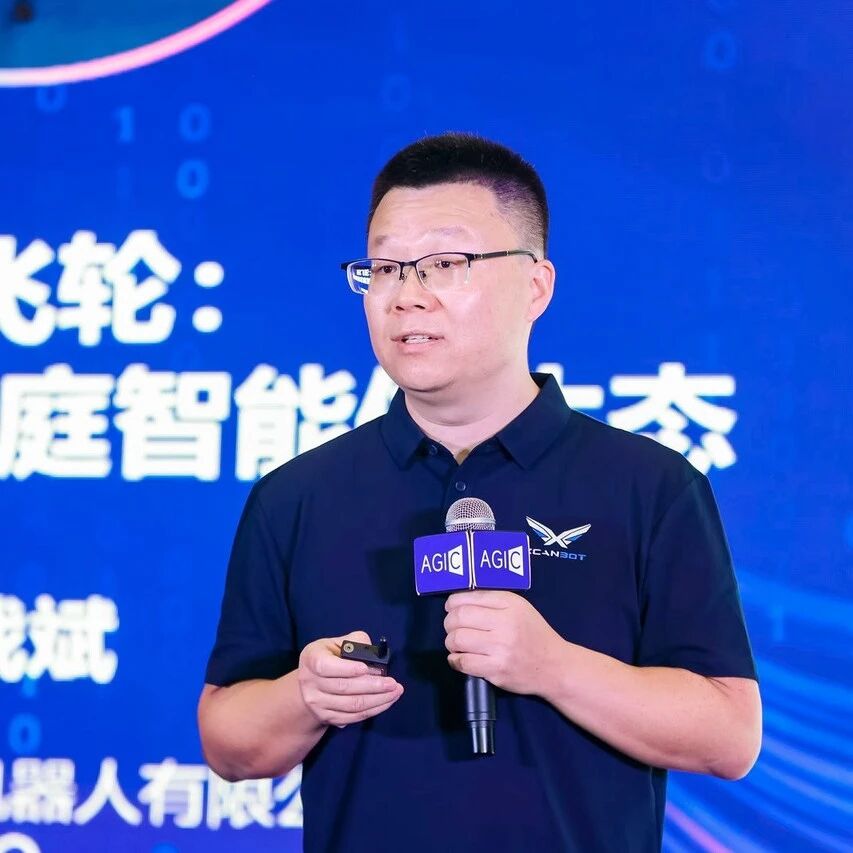
钉钉商业化新故事:AI开路,基层「上头」
雷峰网· 2025-10-23 10:06
Core Viewpoint - AI is transitioning from a supplementary feature to the primary decision-making factor for customers purchasing DingTalk, with an increasing number of clients specifically seeking AI capabilities [1][10]. Group 1: AI as a Decision Factor - Customers are increasingly approaching DingTalk specifically for its AI products, as evidenced by a recent order from an automotive rental company that was finalized with minimal interaction, highlighting the rapid decision-making enabled by AI [2][3]. - DingTalk's AI products, such as AI marketing services and AI hardware, effectively address management challenges faced by enterprises, leading to a surge in demand for these offerings [4][5]. Group 2: Changing Business Logic - The emergence of AI has created a sense of urgency among companies to adopt AI technologies, driven by fears of falling behind in the competitive landscape [8]. - Traditional enterprises are now making purchasing decisions based on AI capabilities rather than just office collaboration needs, as illustrated by a case where a fertilizer manufacturer chose DingTalk for its AI productivity platform [9][10]. Group 3: Grassroots Innovation - The AI wave is fostering grassroots innovation within companies, as employees are now empowered to create solutions using AI tools without needing extensive IT support [21][25]. - DingTalk has recognized this trend and is facilitating AI competitions to encourage widespread adoption and innovation among employees [22]. Group 4: New Business Models - As AI becomes integral to business operations, companies are willing to pay for AI solutions that deliver quantifiable benefits, shifting the purchasing mindset from software acquisition to value investment [27][30]. - A case study of a traditional manufacturing company illustrates the transition through three stages of AI adoption, culminating in significant cost savings and efficiency improvements [29][31].

揭秘小米汽车的产品方法论
雷峰网· 2025-10-23 08:16
Core Viewpoint - Xiaomi's automotive journey has transformed from skepticism to success, establishing itself as a significant player in the electric vehicle market with the launch of the SU7 and YU7 series, challenging established competitors like Tesla [2][3][6]. Group 1: Product Definition - Xiaomi's approach to automotive manufacturing emphasizes product definition, focusing on understanding user needs and market demands, which has been a cornerstone of its success [8][9]. - The company aims to create vehicles that not only meet but exceed user expectations, with a strong emphasis on driving performance and user experience [12][14]. - Xiaomi's strategy includes extensive market research and user feedback, which has informed the design and functionality of its vehicles, ensuring they resonate with consumer preferences [22][23]. Group 2: Product Strength - Xiaomi's vehicles are designed to be competitive in terms of quality and performance, with a focus on high-end materials and advanced technology, aiming to capture significant market share in the electric vehicle sector [10][16]. - The company leverages its experience in consumer electronics to enhance its automotive offerings, ensuring that its vehicles are not only functional but also appealing to a broad audience [14][16]. - Xiaomi's marketing strategy is built on the foundation of strong product capabilities, which enhances brand recognition and consumer trust, allowing for a successful market entry [13][15]. Group 3: Consumer-Centric Approach - Xiaomi targets a younger demographic, particularly urban dwellers with disposable income, reflecting a shift in consumer behavior towards more personalized and lifestyle-oriented products [19][21]. - The company actively engages with users to gather feedback, which informs product iterations and improvements, demonstrating a commitment to meeting consumer needs [22][24]. - Xiaomi's vehicles offer customization options and modern design elements that appeal to younger consumers, positioning the brand as a trendy choice in the automotive market [20][24].
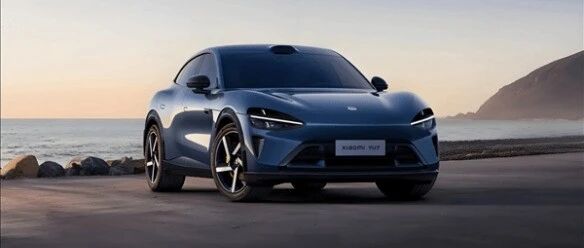
离谱!「卢浮宫被窃珠宝」竟挂某二手平台:售价近千万;叶国富:名创优品从0做到100亿比马云快;7800万!京东001号国民车被拍
雷峰网· 2025-10-23 00:38
Key Points - The article discusses various recent news and events related to companies and industries, highlighting significant developments and trends in the market. Group 1: Theft and Security - A theft incident at the Louvre Museum involved four masked robbers stealing eight royal jewels, with an estimated economic loss of 720 million yuan. The stolen items are reportedly being sold on a second-hand platform for prices ranging from 990,000 to 99.99 million yuan [4][5]. Group 2: Retail and Consumer Goods - Ye Guofu, founder of Miniso, claims that the company grew from zero to 10 billion yuan in just five years, faster than Jack Ma's Alibaba. Miniso opened over 1,000 stores in a single year, with a conversion rate of 30% for store visitors [7]. Group 3: Technology and Innovation - Huawei's HarmonyOS 6 now supports data transfer with iOS devices without the need for internet, enhancing cross-ecosystem connectivity [18]. - Microsoft CEO Satya Nadella's compensation reached 96.5 million USD (approximately 687 million yuan), marking the highest in over a decade, attributed to the company's advancements in AI [31]. Group 4: Automotive Industry - JD.com auctioned its "National Good Car" for 78.19 million yuan, with a bidding record of 23,733 entries. The auction began with a starting price of 1 yuan [17]. - Tesla reported a third-quarter revenue of 28.1 billion USD, with an adjusted net profit of 1.77 billion USD, reflecting a 29% year-over-year decline [37]. Group 5: Market Trends - Vivo maintained its position as the top smartphone brand in India with a market share of 20%, significantly ahead of competitors like Samsung and Xiaomi [24][25]. - LiblibAI secured 130 million USD (approximately 920 million yuan) in Series B funding, setting a record for domestic AI application financing in 2025 [27]. Group 6: Corporate Changes - Rovio announced layoffs of 36 employees as part of a restructuring effort following underperformance of its game "Angry Birds Dream Blast" [42]. - Li Kaiming, producer of the popular game "Rate of the Land," has left NetEase to pursue entrepreneurial ventures [20][21].