雷峰网

Search documents
28亿美元收购喜马拉雅,腾讯音乐剑指何处?
雷峰网· 2025-06-13 11:18
Core Viewpoint - Tencent Music Entertainment (TME) is acquiring Ximalaya for approximately $2.8 billion, which is seen as a strategic move to enhance its long audio content capabilities and defend against competitors like ByteDance [2][4]. Group 1: Acquisition Details - TME plans to acquire Ximalaya through a combination of cash and stock, with the total deal amounting to nearly $2.8 billion, equivalent to over 20 billion RMB [2]. - The acquisition is pending regulatory approval due to antitrust laws [2]. - Ximalaya's market value has decreased since its initial public offering, making this acquisition a potential exit opportunity for its shareholders [2]. Group 2: Market Context and Competition - The overlap in monthly active users between TME's main applications and Ximalaya is under 25%, indicating a potential for user base expansion [3]. - The acquisition is viewed as a defensive strategy against ByteDance's expansion in the audio sector, particularly with its apps like Tomato Novel and Hongguo Short Drama [5][12]. - TME's previous investments in Ximalaya and its ongoing efforts in the long audio sector reflect a broader trend of recovery in the internet investment landscape [12]. Group 3: User and Content Value - Ximalaya boasts a comprehensive audio content ecosystem with approximately 4.9 billion audio pieces and an average monthly active user count of 303 million in 2023, showing a 9.3% year-on-year growth [15][17]. - The potential value of the acquisition lies in Ximalaya's user base and audio content, which can complement TME's offerings in the audio market [14][15]. - Despite the growth in user numbers, the long audio industry faces challenges in monetization, with Ximalaya's paid membership growth at only 8% in 2024 [18]. Group 4: Future Outlook - Post-acquisition, TME aims to integrate Ximalaya's resources effectively, which may involve adjustments in management and personnel structures to align with new strategic goals [19]. - The success of the acquisition will depend on TME's ability to enhance user engagement and revenue generation from the combined platforms [4][19].

UniUni向左,纵腾向右
雷峰网· 2025-06-13 11:18
Core Viewpoint - The article discusses the evolving relationship between UniUni and Zongteng, highlighting their transition from partners to competitors in the North American last-mile delivery market, driven by market dynamics and strategic shifts [4][30]. Group 1: UniUni's Development and Challenges - In 2022, UniUni faced significant challenges, including failed fundraising efforts and cash flow issues, leading to a critical moment for the company [2][7]. - After securing investment from Zongteng, UniUni experienced initial growth, leveraging Zongteng's resources for business expansion and order acquisition [3][12]. - Despite rapid growth, UniUni struggled with profitability until late 2023, facing skepticism from investors due to its reliance on external funding and market competition [7][9]. Group 2: Market Dynamics and Competition - The emergence of platforms like Temu and SHEIN significantly increased demand for last-mile delivery services in North America, benefiting UniUni as it capitalized on its early market entry [15][16]. - By October 2023, UniUni's daily order volume in the U.S. exceeded 100,000, indicating a successful market penetration [16]. - Zongteng, recognizing the saturation of cross-border small package demand, began to explore its own last-mile delivery operations, leading to a competitive landscape between the two companies [20][21]. Group 3: Strategic Shifts and Future Outlook - As UniUni established its own team in China to attract direct clients, it aimed to reduce dependency on Zongteng, signaling a shift towards greater autonomy [19][30]. - Zongteng's strategy involved enhancing its last-mile delivery capabilities to compete with major players like USPS and FedEx, indicating a long-term vision for growth [26][29]. - The article concludes with the notion that both companies, while currently competitors, may still find opportunities for collaboration in the fragmented North American market [32][34].

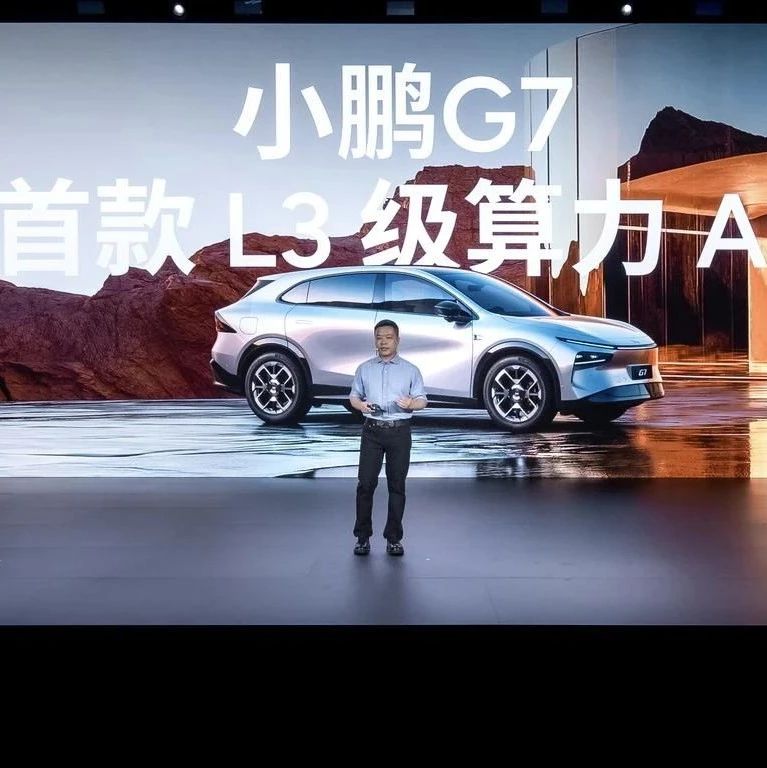
L3算力上车、首搭自研芯片,小鹏G7试图用AI走出亏损
雷峰网· 2025-06-13 11:18
Core Viewpoint - The article discusses the launch of Xiaopeng Motors' new model, the G7, which is positioned as the world's first L3-level AI car, emphasizing its advanced computing power and AI capabilities to capture the current market [2][9][16]. Group 1: Product Overview - Xiaopeng G7 is a new mid-size SUV with a starting pre-sale price of 235,800 yuan, set to launch in the third quarter of this year [3][7]. - The G7 features two versions: Max, equipped with two Orin-X chips, and Ultra, with three self-developed Turing AI chips, boasting a total computing power exceeding 2200 TOPS [2][9]. - The G7 targets young middle-class families, focusing on space and AI technology experience, differentiating itself from other models in the Xiaopeng SUV lineup [6][7]. Group 2: Market Positioning - The introduction of the G7 signifies Xiaopeng's refined strategy in the SUV segment, aiming to establish a foothold in the 200,000+ yuan market [7]. - The G7's pre-sale success, with over 10,000 orders in just 46 minutes, indicates strong market interest and potential for sales growth [8]. - Xiaopeng's strategy of "high configuration at low prices" continues, with the G7's computing power being a significant competitive advantage in the 250,000 yuan electric SUV market [22][30]. Group 3: Technological Advancements - The G7's Turing AI chips enable advanced AI capabilities, allowing for complex decision-making without relying on network connectivity [9][10]. - The vehicle incorporates innovative technologies such as AR-HUD for enhanced navigation and user interaction, developed in collaboration with Huawei [13][14]. - Xiaopeng aims to leverage its self-developed chips to strengthen its position in the smart vehicle sector, enhancing product competitiveness [14][28]. Group 4: Competitive Landscape - The G7 faces intense competition from established models like Tesla Model Y and BYD Tang EV, necessitating a strong differentiation strategy [20][21]. - Xiaopeng's focus on high computing power sets it apart from competitors, as few models in the same price range offer comparable capabilities [22][30]. - The CEO emphasizes that computing power will be a core variable in future market competition, with expectations for competitors to ramp up their capabilities by 2025 [20][21].

阿里自曝被DeepSeek逼急了,春节加班搞研发;曝中金系高管加盟蔚来,或将负责融资找钱;Temu美区全托管7月底将全面恢复运营
雷峰网· 2025-06-13 00:40
Key Points - The article discusses various significant developments in the automotive and technology sectors, highlighting key personnel changes, financial challenges, and strategic moves by companies like NIO, Alibaba, and others [4][5][8][18][22]. Group 1: NIO Developments - NIO has appointed Bagrin Angelov as Vice President of Capital Markets, expected to enhance the company's financing capabilities [4]. - The company faces severe financial challenges, with a reported net loss of 6.27 billion yuan and a cash reserve of only 26 billion yuan as of Q1 [5]. - NIO's gross margin has dropped to 10%, and it is actively seeking external funding to support operations [5]. Group 2: Alibaba's Response to Competition - Alibaba's Chairman, C. Z. Cai, revealed that the company felt pressured by DeepSeek's advancements, prompting engineers to work through the Spring Festival to accelerate development [8]. - The company launched the Qwen series of AI models in response to competitive pressures, emphasizing the importance of open-sourcing to enhance AI adoption [8]. Group 3: Automotive Industry Challenges - Neta Auto has announced a shift to remote work and is entering a restructuring process amid financial difficulties [9]. - Multiple Mercedes-Benz owners reported issues with their vehicle's infotainment systems, indicating potential widespread technical problems [12][13]. Group 4: Emerging Technologies and Investments - GAC's first mass-produced flying car, the GOVY AirCab, is set to be priced under 1.68 million yuan, with plans for operational trials in the Guangdong-Hong Kong-Macao Greater Bay Area [22]. - Nvidia and Samsung are investing in AI robotics company Skild AI, which is valued at approximately $4.5 billion, indicating a growing interest in the robotics sector [35]. Group 5: Regulatory and Market Developments - Temu is set to fully restore its operations in the U.S. by the end of July, following adjustments to its business model [27]. - Ant International plans to apply for a stablecoin license in Hong Kong, aiming to contribute to the region's financial ecosystem [10].






一加圈层变阵,用「游戏牌 」征服「性能党 」
雷峰网· 2025-06-13 00:40
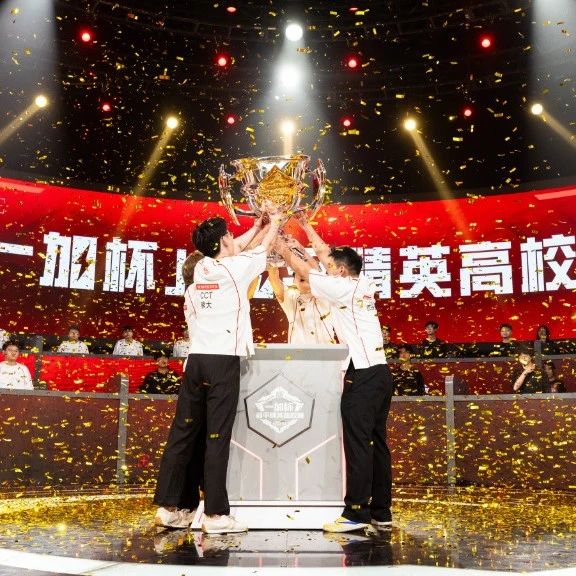
Core Viewpoint - OnePlus is focusing on co-creation with young consumers, emphasizing the importance of performance and community engagement in its marketing strategy [2][4][19]. Group 1: Engagement with Young Consumers - OnePlus has recognized that young users prefer smartphones that can sustain long gaming sessions, leading to a shift in product development towards high-performance devices [2]. - The company has actively engaged with university students to understand their needs, launching initiatives like the "OnePlus Cup" esports competition to strengthen ties with this demographic [2][9]. - OnePlus has implemented a comprehensive incentive system for participants in its competitions, offering benefits such as internship opportunities and recognition within the gaming community [2][3]. Group 2: Community and Cultural Integration - OnePlus is adapting to the changing landscape of community engagement by shifting focus from online to offline activities, recognizing the resurgence of in-person interactions among young people [6][9]. - The brand has established a vibrant offline presence through events like "water friend competitions" in retail stores, fostering a sense of community among users [3][9]. - The company has built a strong online community since its inception, with over 14 million users globally, which has been instrumental in shaping its product development [7][9]. Group 3: Performance and Gaming Focus - OnePlus aims to be a leader in gaming performance, leveraging its partnership with OPPO to enhance its gaming technology and user experience [13][14]. - The company has developed proprietary gaming technologies, such as the "Wind Chaser Game Kernel," to achieve industry-leading performance metrics [14]. - OnePlus has formed strategic partnerships with major gaming studios to integrate its products into popular games, enhancing brand visibility and user engagement [17][18]. Group 4: Future Aspirations - OnePlus plans to continue expanding its esports initiatives, with the "OnePlus Cup" becoming a long-term brand event aimed at solidifying its presence in the gaming community [18]. - The company is committed to optimizing its products based on user feedback and gaming performance standards, targeting a seamless gaming experience with zero frame drops and connectivity issues [18][19].
华为Pura 80影像旗舰重回高光,纯血鸿蒙再扩容
雷峰网· 2025-06-12 11:02
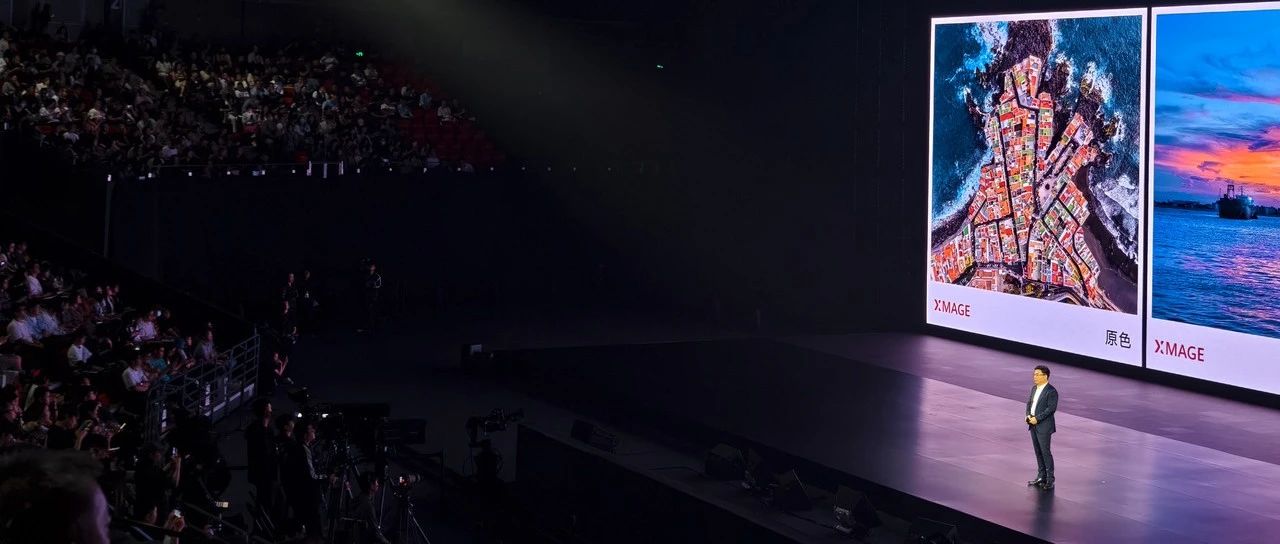
Core Viewpoint - Huawei's Pura 80 series represents a significant advancement in imaging technology while maintaining the same pricing strategy as its predecessor, Pura 70, aiming to compete directly with Apple in the high-end smartphone market [2][3][4]. Group 1: Product Launch and Pricing Strategy - Huawei officially launched the Pura 80 series on June 11, featuring three models: Pura 80 Pro starting at 6499 yuan, Pura 80 Pro+ at 7999 yuan, and Pura 80 Ultra at 9999 yuan [2]. - The Pura 80 series continues the "add more without raising prices" strategy, which reflects Huawei's confidence in the product's capabilities and aims to enhance channel performance [3][10]. Group 2: Technological Innovations - The Pura 80 series features significant advancements in imaging technology, including a one-inch main camera sensor and the introduction of the "one lens dual focus" periscope telephoto lens in the Ultra model, which is a first in the industry [7][8]. - Huawei has invested heavily in R&D, with a total of 12.49 billion yuan over the past decade, and 1.797 billion yuan in 2024 alone, accounting for 20.8% of its annual revenue [6]. Group 3: Market Position and Sales Strategy - The Pura 80 series aims to leverage the high school examination season to boost sales, with promotional activities targeting students and their parents [11][12]. - Huawei's market share in the high-end segment (over $600) reached 38% in Q1 2025, showing a 69% year-on-year growth, while Apple’s market share declined by 9% to 43% [17]. Group 4: Software Integration and Ecosystem Development - The Pura 80 series is equipped with the HarmonyOS 5.1, enhancing user experience and integrating various smart devices within Huawei's ecosystem [4][15]. - The new HarmonyOS features, including an upgraded AI assistant, aim to improve user interaction and expand the ecosystem's capabilities [16].
当SLG陷入「减负陷阱」,他们却砸1亿让玩家「专心打架」
雷峰网· 2025-06-12 11:02
Core Viewpoint - The article discusses the strategic shift of the game "Three Kingdoms: Strategy Edition" (referred to as "Three Wars") in response to the declining enthusiasm for GVG (Guild vs. Guild) gameplay in the SLG (Simulation Game) sector, emphasizing a return to core gameplay experiences and the introduction of a significant cash incentive to reignite player engagement [2][4][17]. Group 1: Industry Context - The SLG genre is experiencing a trend towards "reducing grind and burden," which has led to a decline in GVG excitement among players [2][4]. - A report indicates that top SLG products see player activity drop by over 50% in the later stages of a season, highlighting a common issue within the genre [6]. - Players express concerns about the fairness of gameplay, with many relying on external services to progress, which detracts from the core gaming experience [9][7]. Group 2: Strategic Initiatives - "Three Wars" has committed to distributing 100 million yuan in cash rewards over the next year to enhance competitive gameplay and player engagement [2][17]. - The introduction of a new game script, "Chang'an Chaos," aims to fundamentally change battlefield rules and enhance strategic depth, moving away from traditional gameplay mechanics [11][13]. - The game developers are addressing issues of large-scale control by external studios and imbalances in diplomacy through new features that promote transparency and fairness [15][17]. Group 3: Future Directions - The company believes that the primary player demand is for engaging gameplay rather than ease, indicating a focus on creating a rewarding gaming experience [19][20]. - The market is becoming more segmented, necessitating that each product excels in specific verticals to remain competitive [19]. - The article suggests that the ongoing changes and cash incentives could redefine the value proposition of the SLG genre, moving away from superficial solutions towards deeper engagement [20].

BBA集体失速,奥迪靠华为「智驾突围」
雷峰网· 2025-06-12 11:02
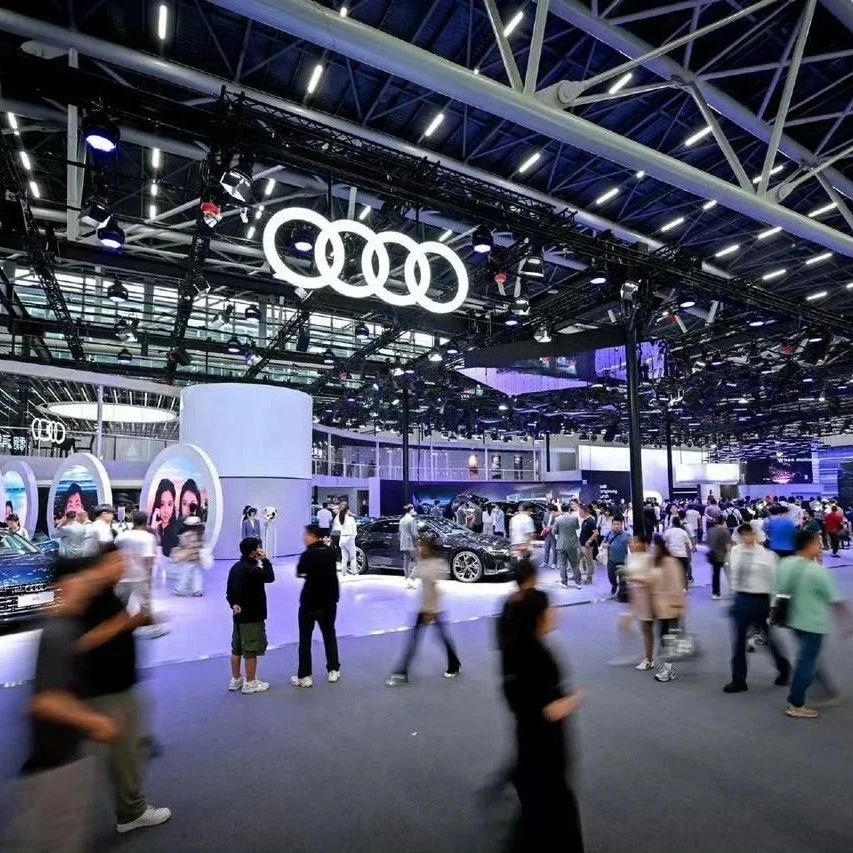
Core Viewpoint - The collaboration between Audi and Huawei is pivotal for both companies, with Huawei's intelligent driving technology set to enhance Audi's market competitiveness and address declining sales in the luxury segment [2][12]. Group 1: Audi and Huawei Collaboration - Audi is the first luxury brand to adopt Huawei's QianKun intelligent driving system, with models including A5L, A5L Sportback, and Q6L e-tron set to feature this technology [2]. - The partnership aims to integrate intelligent driving features into traditional fuel vehicles, challenging the perception that such technologies are exclusive to electric vehicles [2][4]. - The collaboration has historical roots, dating back to 2014 when Huawei established a connected vehicle lab, leading to the formation of its automotive business unit (BU) in 2019 [4][5]. Group 2: Market Dynamics and Challenges - Audi faces significant market pressure, with sales of its models declining; in Q1 2025, Audi's sales dropped to 144,500 units, a 7% decrease year-on-year [13]. - The luxury car market is increasingly competitive, with domestic brands capturing a significant share; for instance, Li Auto sold 111,000 units in Q1 2025, closing the gap with traditional luxury brands [16]. - The introduction of intelligent driving features is becoming essential for attracting younger consumers, with 54% of buyers prioritizing vehicle intelligence in their purchasing decisions [18][19]. Group 3: Strategic Importance of Intelligent Driving - The integration of Huawei's ADS QianKun intelligent driving system is seen as a critical strategy for Audi to regain market share and appeal to consumers looking for advanced technology [20][21]. - The upcoming Q6L e-tron model is targeted at both traditional luxury buyers and customers from emerging brands, emphasizing the importance of intelligent driving experiences [20].
当下的数据中心股,真没什么好买的
雷峰网· 2025-06-12 08:15
Core Viewpoint - The data center industry is characterized as a low-margin sector with significant overcapacity, leading to intense price competition and challenges in sustaining profitability [2][4][5]. Group 1: Industry Overview - The data center sector has experienced a prolonged decline from late 2020 to mid-2024, with leading companies like Guanghui New Network and Wangguo Data facing severe valuation drops [2][3]. - Despite a brief recovery in late 2023, the sector is now witnessing another downturn, with companies like Runze Technology experiencing significant stock price drops [3][4]. - The industry is heavily reliant on large internet companies for demand, but these companies are facing their own growth challenges, impacting data center utilization [10][11]. Group 2: Supply and Demand Dynamics - The current supply-demand relationship remains unfavorable, with an oversupply of data centers due to aggressive expansion during the pandemic and subsequent years [5][6]. - Data center operators are engaging in price wars to secure contracts, leading to unsustainable pricing levels that threaten profitability [7][8]. - The existing stock of data centers is expected to take at least two years to be fully absorbed, delaying any potential recovery in pricing [9]. Group 3: Regulatory and Operational Challenges - Regulatory scrutiny has increased, with stricter approval processes for new data center projects, particularly in regions with low utilization rates [17][19]. - New energy efficiency standards require that large data centers achieve a power usage effectiveness (PUE) of 1.25 or lower, complicating new developments [18]. - The demand for land and energy resources is becoming a significant challenge, especially as the need for data centers shifts towards urban areas for latency-sensitive applications [21][22]. Group 4: Financial and Investment Landscape - The data center industry faces significant financial pressures, with high debt levels and difficulties in securing bank loans due to perceived risks [23][24]. - Innovative financing methods, such as Pre-REITs and ABS, are being explored by companies like Century Internet and Wangguo Data to raise capital [24]. - Despite the risks, there has been a surge of investment in data center stocks, driven by the AI boom and expectations of increased demand for computational power [26][27]. Group 5: Recent Market Movements - Data center stocks have seen three significant rallies, primarily fueled by AI-related demand and capital expenditure announcements from major tech firms [25][26]. - The first rally was driven by ByteDance's aggressive capital spending plans, significantly boosting market sentiment [27]. - Subsequent rallies were linked to the emergence of new AI models and increased capital expenditures from companies like Alibaba and Tencent, further enhancing investor interest [31][32].

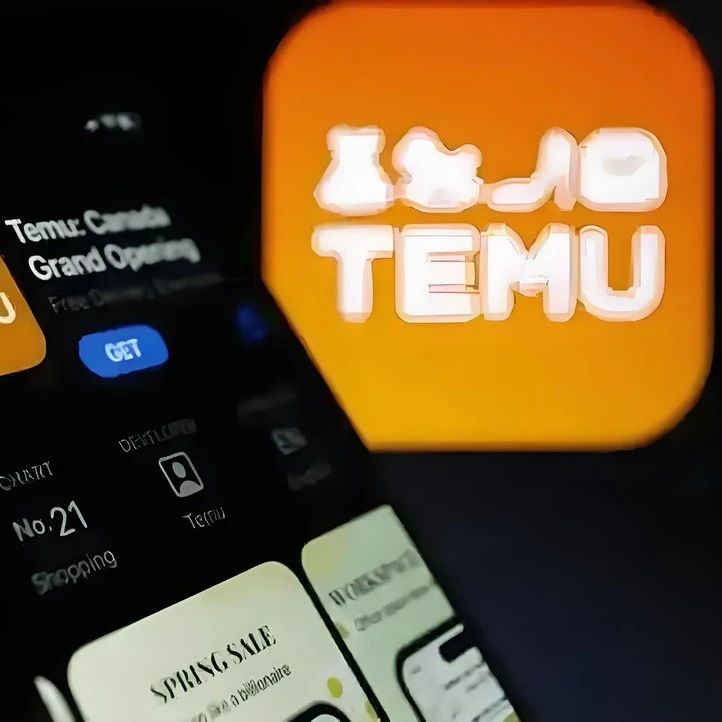
独家丨Temu美区全托管将在7月底全面恢复运营
雷峰网· 2025-06-12 08:15
Core Viewpoint - Temu is focusing on semi-managed and self-operated businesses while gradually restoring its full-managed operations in the U.S. market [2][4]. Group 1: Business Operations - Temu's full-managed operations in the U.S. are set to fully resume by the end of July, with some links already being restored since June, albeit slowly [2]. - The company has opened semi-managed local warehouses in Germany and Poland, which are rented and operated by Temu itself, differing from the full-managed pre-staging warehouses [2]. - Temu has been providing subsidies to merchants for using its warehouses, with the subsidy for official shipping labels dropping from $0.5 to $0.3 per order since April [2]. Group 2: Logistics and Supply Chain - The logistics for semi-managed operations include a subsidy of $1-2 per order, but this is only available to select high-quality merchants or specific categories that Temu aims to support [2]. - Following the implementation of T86, Temu ceased direct shipments from China to the U.S. and began selling products from local warehouses, having prepared a significant inventory in advance [4]. - The company is adjusting its strategies to navigate the challenges posed by the current market conditions and is expected to continue monitoring policy stability before making further investments [3].