材料汇

Search documents
2025半导体战国风云(附13页PPT)
材料汇· 2025-05-17 15:07
Core Insights - The article discusses Intel's ambitious plan to invest over $100 billion in its semiconductor manufacturing capabilities over the next four years, focusing on the development of advanced process nodes like Intel 18A and the collaboration with TSMC to enhance production capabilities [9][15][21]. Group 1: Intel's Manufacturing Strategy - Intel's 18A process node is reported to outperform TSMC's N2 and Samsung's SF2, achieving a score of 2.53 compared to TSMC's 2.27 and Samsung's 2.1 [7]. - The collaboration between Intel and TSMC is seen as crucial for Intel to regain competitiveness in the semiconductor market, with TSMC potentially assisting in the successful implementation of Intel's 18A technology [15][21]. - The U.S. government's support is highlighted as a factor that may strengthen Intel's position in the market, allowing it to form alliances with major players like TSMC and NVIDIA [15][21]. Group 2: Market Dynamics and Competition - The article notes that TSMC holds 72% of its shares owned by foreign investors, with over half of its independent directors being American, indicating a strong U.S. influence on TSMC's operations [15]. - The increasing collaboration between Intel and TSMC may lead to a more complex competitive landscape, as both companies navigate their roles as partners and competitors in the semiconductor industry [21]. - The article suggests that TSMC's deepening involvement with Intel could alleviate some of the pressures from U.S. regulations, allowing TSMC to expand its market presence while maintaining its competitive edge [15][21].


专家报告:消费电子塑性材料发展应用的趋势(附61页PPT)
材料汇· 2025-05-17 15:07
Group 1 - The article discusses the trends in the development and application of plastic materials in consumer electronics, emphasizing the shift towards sustainable and recyclable materials [3][5][79] - It highlights the importance of lightweight and thin-walled materials, which can reduce carbon emissions and enhance product performance [52][60][79] - The article mentions the increasing use of bioplastics and recycled materials in manufacturing, reflecting a growing consumer preference for sustainable products [89][91][106] Group 2 - The article outlines the advancements in LCP (Liquid Crystal Polymer) materials, which are crucial for high-frequency communication applications, ensuring reliable data transmission [20][21][37] - It notes the trend of using film technology to replace traditional automotive painting processes, potentially reducing CO2 emissions by up to 40% [11][12] - The article emphasizes the role of innovative manufacturing techniques, such as 3D printing and laser structuring, in enhancing the efficiency and sustainability of production processes [9][46][60] Group 3 - The article discusses the emergence of zero-carbon initiatives in various sectors, including automotive and food services, showcasing efforts to minimize environmental impact [5][8][79] - It highlights the significance of consumer awareness and demand for eco-friendly products, which is driving companies to adopt sustainable practices [82][85][88] - The article also addresses the challenges and opportunities in recycling and waste management, particularly in the context of plastic materials [79][90][99]

2025全球与台湾半导体产业发展与关键议题(附57页PPT下载)
材料汇· 2025-05-16 14:54
Core Viewpoint - The global semiconductor market is expected to rebound significantly in 2024 with a growth rate of 19.7%, followed by a more cautious growth forecast of 12.7% in 2025 due to economic uncertainties [6][7][8]. Trade Policy Environment - Global trade tensions and policy uncertainties are anticipated to impact the global economy in 2025, with trade policies, technology export controls, tariffs, and supply chain restructuring being key factors [4][5]. Semiconductor Market Overview - The semiconductor market is projected to exceed $1 trillion by 2030, driven by ongoing demand in high-performance computing (HPC), AI, next-generation communications, automotive, and IoT applications [8][9]. - In 2024, the semiconductor market is expected to recover from inventory adjustments and see a double-digit growth of 19.7% [7][8]. Taiwan Semiconductor Industry - Taiwan's semiconductor industry is forecasted to grow by 15.4% in 2025, with wafer foundry services being a primary growth driver [10][11]. Capital Expenditure Trends - Global semiconductor capital expenditure is projected to reach $174.5 billion in 2024, with a steady growth of 4% expected in 2025 [27][30]. - Major players like TSMC, Samsung, and Micron are expected to maintain strong capital expenditures, focusing on advanced processes and memory technologies [31][32]. Equipment and Material Market - The global semiconductor equipment market is expected to grow by 10.2% in 2024, reaching $117.1 billion, with a further increase to $125 billion anticipated in 2025 [34][32]. - The semiconductor materials market is projected to grow by 7.4% in 2024, driven by the increasing complexity of chip manufacturing processes [35][38]. Memory Chip Market Dynamics - The memory chip market is expected to rebound significantly in 2024 with a growth rate of 76%, following a period of decline [45]. - DRAM manufacturers are facing intense competition, with advancements in technology and production processes being crucial for maintaining cost competitiveness [37][39][44].

专家报告:车用塑料轻量化与功能化的技术机遇与挑战(附35页PPT)
材料汇· 2025-05-16 14:54
Group 1: Company Overview - Kingfa Technology achieved a record high sales volume of modified plastics at 211.25 million tons in 2023, representing a year-on-year growth of 19.88% [6][19] - The company has established a global production and R&D network with bases in China, India, Southeast Asia, North America, and Europe, and plans to expand further with new factories in Vietnam, Mexico, and Poland by 2025 [9][10] - Kingfa's core business segments include modified plastics, petrochemicals, new materials, and medical health products, with significant capacity enhancement projects underway [14][12] Group 2: Market Dynamics - The penetration rate of new energy passenger vehicles in China has exceeded 50%, indicating a strong market trend towards electrification [29][31] - The demand for automotive parts is shifting from traditional fuel vehicles to electric vehicles, necessitating a transformation in automotive plastics to meet new performance and sustainability standards [36][38] Group 3: Technological Innovations - Kingfa is focusing on lightweight and functional materials, with innovations such as high-performance engineering plastics and biodegradable materials to meet the evolving needs of the automotive industry [43][44] - The company is developing advanced materials for electric vehicles, including flame-retardant high-temperature nylon and electromagnetic shielding polymers, to enhance safety and performance [64][59] Group 4: Future Trends - The future of automotive materials is expected to emphasize lightweight, intelligent, and low-carbon solutions, with Kingfa positioning itself to lead in these areas through continuous innovation and development [68][70] - Kingfa aims to produce 1 million tons of green plastics and recycle 1 million tons of waste plastics by 2030 as part of its carbon neutrality strategy [17][17]


2025 CIBF展会|解锁电池技术新图景,这些黑科技正在重塑行业未来
材料汇· 2025-05-15 15:33
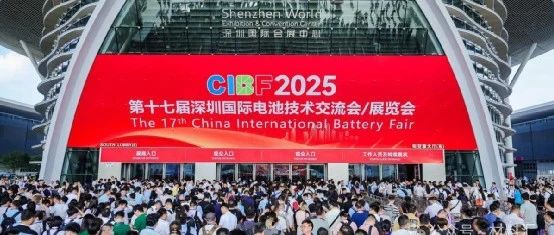
Core Viewpoint - The 2025 Shenzhen International Battery Technology Exhibition (CIBF) showcases over 3000 exhibitors, highlighting advancements in battery technology across the entire industry chain, focusing on eight core technological directions [2]. Group 1: Solid-State Batteries - Solid-state batteries are seen as the ultimate solution to energy density and safety challenges, with over 20 companies competing in this area, indicating a shift from sample demonstrations to large-scale production [4]. - Full solid-state batteries replace traditional electrolytes with solid electrolytes, significantly enhancing safety and energy density, with companies like Guoxuan High-Tech achieving energy densities of 300Wh/kg, a 20%-50% improvement over mainstream lithium batteries [5]. - CATL is advancing both oxide and sulfide solid-state battery technologies, with energy densities of 280Wh/kg and plans for mass production by 2026 [5][6]. Group 2: Sodium-Ion Batteries - Sodium-ion batteries are emerging as a low-cost alternative due to abundant sodium resources, with over 30 companies showcasing second-generation sodium battery technologies that achieve a 30% cost reduction and a 20% performance improvement [10]. - CATL's second-generation sodium-ion battery has an energy density of 160Wh/kg and costs below 0.4 yuan/Wh, with a cycle life exceeding 5000 times [11]. Group 3: Fast Charging and Smart Equipment - Fast charging technologies and smart manufacturing equipment are critical for addressing range anxiety in electric vehicles, with advancements leading to a "10-minute refueling era" [14]. - CATL's "Shenxing PLUS" battery supports a 10-minute charge for an additional 600km range, while BYD's upgraded blade battery achieves a 10-minute charge for 400km [16]. Group 4: Multi-Material Development - Material innovation remains a key theme, with breakthroughs in composite copper foils and new separator materials enhancing battery performance [20]. - Composite copper foils are being developed to improve safety and energy density, with companies like Putailai showcasing ultra-thin foils that reduce internal resistance by 15% [21]. Group 5: Full-Scene Applications - The battery technology landscape is expanding from single energy supply to full-scene energy coverage, with specialized batteries for commercial vehicles and eVTOLs [28]. - Commercial vehicle batteries are designed for high durability and efficiency, with companies like CATL and Ruipu showcasing batteries with cycle lives exceeding 8000 times [29]. Group 6: Lithium Metal Batteries - Lithium metal batteries are positioned as the next generation of high energy density technology, with companies focusing on suppressing lithium dendrite growth and enhancing interface stability [34]. - Multi-Flor's fluorine-based electrolyte technology improves cycle life to 500 cycles, while WeiLan's lithium metal battery achieves an energy density of 450Wh/kg [35]. Group 7: Battery Recycling Technology - Battery recycling is crucial for sustainable development, with companies showcasing technologies for high-value recovery of metals like lithium, nickel, and cobalt [36]. - GreenMei's dual-mode recycling system achieves over 95% lithium recovery and 98% nickel-cobalt-manganese recovery, enhancing the efficiency of battery recycling processes [37]. Conclusion - The CIBF 2025 exhibition illustrates a transformative future for the battery industry, emphasizing high performance, low costs, and sustainable practices across various applications [39].
OLED成长逻辑报告:技术替代+国产化+下游需求+终端材料(附60页PPT)
材料汇· 2025-05-15 15:33
Group 1 - The core viewpoint of the article emphasizes that OLED technology is leading the display industry upgrade due to its significant advantages over traditional display technologies like LCD and CRT [7][13][23] - OLED technology is characterized by being all-solid-state, self-emissive, energy-efficient, and capable of flexible displays, making it a strong candidate for mainstream adoption in the display market [13][16][23] - The transition from cost-driven to value-driven paradigms in the display industry is highlighted, with OLED technology enabling higher performance and innovative form factors, thus enhancing product pricing [23][24] Group 2 - The article outlines the OLED industry chain, which consists of upstream components (manufacturing equipment and materials), midstream (panel manufacturing and module assembly), and downstream applications (smartphones, TVs, etc.) [24][29] - There is a significant opportunity for domestic companies to replace imported components in the OLED supply chain, particularly in the upstream segment where the technology barriers are high [26][29] - The production cost structure of OLED panels shows that manufacturing equipment and organic materials account for a large portion of the costs, with equipment making up about 35% and organic materials around 23% [29][30] Group 3 - The article discusses the rapid growth of the OLED organic materials market, projecting a market size of approximately 43 billion yuan in 2023, with a compound annual growth rate of 11% expected until 2030 [37][50] - The domestic market for OLED materials is expanding, with several companies achieving breakthroughs in producing terminal materials, which were previously dominated by foreign suppliers [48][49] - The article notes that the OLED organic materials market is expected to reach 18.41 billion yuan by 2025, driven by the increasing demand for large and medium-sized panels [55][57]


新材料投资:新兴产业分析及投资思路
材料汇· 2025-05-14 15:32
点击 最 下方 " 推荐"、"赞 "及" 分享 ","关注"材料汇 添加 小编微信 ,遇见 志同道合 的你 正文 均乘 科创板成为我国自主可控集成电路全产业链集聚地 科创板已上市集成电路领域相关企业119家,占科创板企业数量的21%; 累计首发募集资金合计达2868亿元; 合计 A股市值达20685亿元,占科创板总市值的34%;其中7家企业(海光信息、中芯国际、中微公司、澜起科技、华润微, 寒武纪、格科微)A股市值超过500亿。相关公司已涵盖上游芯片设计、中游晶圆代工、下游封装测试以及材料和设 备制造等主要细分领域。 材料、化学品 EDA IP 沪硅产业 安集科技 中船特气 概伦电子 芯原股份 天岳先进 广钢气体 有研硅 芯片制造 封装测试 芯片设计 利扬芯片 汇成股份 海消息 寒記 中心国际 角矽电子 格科微 龙芯中科 国博电子 澜起科技 師中科技 唯捷创芯 纳芯微 晶晨股份 翱捷科技 欧美上漫 睿创微纳 思瑞浦 复目微电 中科飞测 中微公司 招荆科技_纠编 艾为电子 思特威 提出风光 首洋光电 路维光电 纳芯做 芯动联科 ٽٽروپوري 制造设备 IDM 华润微 佰维存储 燕东微 银河微申 6 数据截至 ...

光模块:硅光模块及其新材料的应用报告(附57页PPT)
材料汇· 2025-05-14 15:32
Core Viewpoint - Silicon photonic modules represent the next generation of high-integration optical transmission modules, transitioning from discrete components to silicon photonic technology, which offers advantages such as high integration, low cost, and low power consumption [4][11][40]. Group 1: Technology Overview - Silicon photonic modules integrate optical and electronic components on a single silicon chip, including lasers, modulators, and detectors, which reduces the number of components and overall size by approximately 30% [11][12]. - The technology leverages the inherent advantages of silicon materials and CMOS processes to meet the demands of data centers for lower costs, higher integration, and lower power consumption [4][11]. - The development of silicon photonic technology has progressed significantly over the past 30 years, with key milestones including the commercialization of silicon-based modulators and lasers [12][15]. Group 2: Market Applications - Silicon photonic modules are primarily used in data center communications and telecommunications networks, with a projected increase in market share from 34% in 2023 to 52% by 2029 [15][26]. - The demand for silicon photonic modules is driven by the exponential growth of data traffic due to AI and cloud computing, with major internet cloud providers planning to increase capital expenditures significantly [17][26]. - The transition to all-optical networks and the need for high bandwidth and low latency in telecommunications are expected to further enhance the adoption of silicon photonic modules [23][40]. Group 3: Future Trends - The market for silicon photonic modules is expected to exceed $10.3 billion by 2029, with a compound annual growth rate (CAGR) of 45% over the past five years [26][27]. - Future trends include advancements in speed, heterogeneous integration, and new materials, with silicon photonic modules evolving towards 1.6T and 3.2T capabilities [28][29]. - Innovations in packaging and integration techniques, such as co-packaged optics (CPO), are anticipated to reduce power consumption and improve signal integrity [20][29]. Group 4: Competitive Landscape - Major players in the silicon photonic module market are focusing on integrating III-V materials with silicon to enhance performance while maintaining cost-effectiveness [41][44]. - The competitive landscape is characterized by ongoing research and development aimed at overcoming challenges related to the integration of lasers on silicon chips [50][51]. - Companies are exploring various integration techniques, including heterogeneous bonding and epitaxy, to achieve high-performance silicon photonic devices [50][52].


55页PPT详解新材料产业分析及投资思路(附10篇新材料宝典)
材料汇· 2025-05-13 15:35
Core Viewpoint - The new materials industry is a strategic and foundational sector that supports modern industrial development and is crucial for optimizing and upgrading industrial structures, enhancing manufacturing capabilities, and fostering emerging industries [5][6][13]. Group 1: Overview of New Materials - New materials refer to materials with superior performance and special functions that are either newly developed or significantly improved from traditional materials [4]. - New materials can be classified based on composition, function, and application, with three main directions: technological innovation, process improvement, and new applications [4][5]. Group 2: Characteristics of the New Materials Industry - The new materials industry is characterized by "three highs and three longs": high difficulty, high investment, high barriers, long life cycle, long application period, and long R&D cycle [6][9]. - Most new materials companies struggle to achieve profitability within three years due to high upfront costs and uncertain market prospects [6][9]. - The industry emphasizes core technology development rather than individual flagship products, making it foundational across various sectors [7][9]. Group 3: Global Competitive Landscape - Countries are placing significant emphasis on new materials, with developed nations striving to secure technological advantages, leading to a shift in the industry focus towards the Asia-Pacific region [10][11]. - China lags in advanced high-end materials, with only 13 materials being internationally leading and 39 being advanced, while 101 materials are significantly behind, particularly in comparison to the U.S. [10][11]. Group 4: Current Status of China's New Materials Industry - The new materials industry in China has grown rapidly, with a compound annual growth rate exceeding 20%, and the total output value surpassing 6 trillion yuan by 2021 [13][14]. - The market size is projected to reach 7.6 trillion yuan in 2023 and exceed 8 trillion yuan in 2024, with an average annual growth rate of 13.5% from 2020 to 2025 [14][19]. Group 5: Key Areas of Development - The industry encompasses various categories, including advanced electronic materials, composite materials, and nanomaterials, with 42 key development directions identified [9][15]. - Key materials for future development include advanced steel, new display materials, high-performance alloys, and green energy materials [16]. Group 6: Investment Trends and Opportunities - Investment in the new materials sector is increasing, with significant capital flowing into areas such as clean technology, semiconductors, and biotechnology [36][37]. - The industry is witnessing a trend towards consolidation, with companies leveraging capital markets for mergers and acquisitions to enhance market share [30][31]. Group 7: Challenges Facing the Industry - The new materials industry faces challenges such as long project cycles, high capital requirements, and a fragmented market with many small players [22][23]. - There is a significant gap in high-end materials, with foreign companies dominating the market and setting high standards that complicate domestic companies' entry [22][23]. Group 8: Future Development Trends - The industry is expected to accelerate transformation and upgrade, focusing on high-end materials for emerging sectors like aerospace, automotive, and renewable energy [28][29]. - The push for domestic substitution of imported materials is becoming increasingly urgent due to geopolitical shifts and trade tensions [29].
专家报告:中国氢能发展之路(附39页PPT)
材料汇· 2025-05-13 15:35
点击 最 下方 " 推荐"、"赞 "及" 分享 ","关注"材料汇 添加 小编微信 ,遇见 志同道合 的你 正文 氢能产业政策 从从2016年到2024年,氢能产业发展政策逐步从支持以燃料电池汽车为主,逐步发展到工业、交通、 建筑等多个领域,绿电制绿氢的发展是在可再生能源强制配储下解决新兴电力系统安全运行的解决方案 | 2001年 | 国家"863"计划电动汽车重大专项 | 提出新能源汽车研发的"三纵三横"总体路线,其中"三纵"包含燃料电池汽车。 | | --- | --- | --- | | | 国务院发布《国家中长期科学和技术 | 将氢能及燃料电池技术列为先进能源技术之一,明确重点研究高效低成本的化石能源和可再生能源制氧技术,经济高效氢储 | | | | 行和输配技术、燃料电池墨磁关键部件制备和电堆集成技术、燃料电池发电及车用动力系统集成技术、形成氢能和燃料电池 | | 2006年 | 发展规划纲要(2006-2020年)》 | 技术规范与标准。 | | | 科技部、财政部联合发布的《节能与 新能源汽车示范推广财政补助资金管 | | | 2009年 | 理暂行办法》 | 规定燃料电池车每辆可获得国家补贴6 ...