东京烘焙职业人

Search documents
【书籍专题 · 面包大全】红豆哈斯
东京烘焙职业人· 2025-09-06 08:32
Core Viewpoint - The article discusses the process of making red bean bread using Haas dough, highlighting the steps involved in preparation and baking. Group 1: Ingredients and Preparation - The main ingredients include 900 grams of Haas dough and 600 grams of red bean particles [3] - The Haas dough is divided into portions of 300 grams each, rolled into balls, and allowed to rest for 20 minutes [5] - The dough is then rolled out before adding the red bean particles [6][9] Group 2: Baking Process - After adding the red bean, the dough is rolled from top to bottom, ensuring it is not too tight [10] - The rolled dough is shaped into a cylindrical form [11] - The dough is placed in a baking tray and allowed to ferment at 30℃ with 75% humidity for 60 minutes [16] - Once fermented, four slashes are made on the surface of the dough [17] - The dough is baked in an oven at 200℃ for the top and 190℃ for the bottom, with steam, for 25 minutes [18]

香味日记——《姜黄饮品是邪修还是趋势》
东京烘焙职业人· 2025-09-06 08:32
Core Viewpoint - Turmeric, particularly its active compound curcumin, has significant health benefits, including anti-inflammatory properties and potential cancer-fighting abilities, yet its application in the beverage industry remains limited due to flavor and perception issues [2][10][28] Group 1: Turmeric's Properties and Applications - Turmeric is a key ingredient in curry and is known for its strong anti-inflammatory effects, which contribute to its health benefits [2] - The chemical structure of curcumin suggests it has properties similar to antimicrobial drugs, indicating its potential in health applications [4] - Turmeric's coloring ability is significantly stronger than that of artificial lemon yellow, making it a valuable natural colorant [7] Group 2: Perception and Usage in Beverages - Despite its advantages, turmeric is often overlooked in the beverage industry, where artificial colorants are preferred due to the perception of turmeric being "too earthy" [9][10] - The flavor profile of turmeric, characterized by earthy and woody notes, contrasts sharply with the floral and fruity flavors typically found in beverages, making it challenging to incorporate [12][14] - Turmeric coffee has emerged as a more accepted application, with various preparation methods being explored, although the flavor integration remains a work in progress [17][19] Group 3: Future Opportunities - There is potential for turmeric to be paired with savory ingredients in beverages, such as protein-rich foods and sulfur-containing fruits, to enhance its appeal [22][24] - The beverage industry is poised for innovation with spices like turmeric, which could lead to significant market opportunities if successful pairings are identified [28]
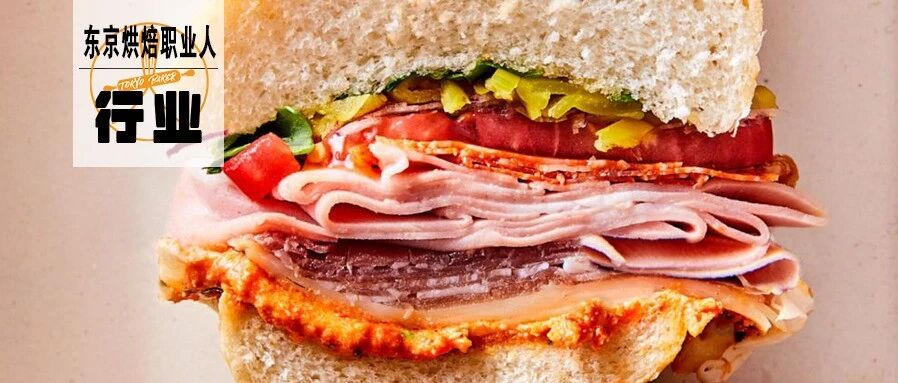
意式三明治:从平民餐桌到世界美食的奇幻之旅
东京烘焙职业人· 2025-09-05 08:33
作为欧洲美食双子星之一的意大利,其烘焙类美食实在太多了。 意大利的三明治有多"深入人心"?这么说吧,全球三明治评选的排行榜中如果意大利三明治没有占 据三席以上,这个榜单都不能算"正规"..... 所以今天就一起来聊聊意大利人的"三明治热爱"! 在意大利,"三明治"不只是果腹工具,而是一套被日常生活磨得极细的饮食系统:清晨的咖啡吧 台,站着喝一杯浓缩搭配一个三明治;午间快速午餐也靠它续命;下班的开胃小酌时段,三明治甚 至能化身"社交筹码"。 我们之前写过恰巴塔诞生的前因后果: 把法棍拉下神坛?!这事得从恰巴塔诞生说起...... 在过于知名的披萨、恰巴塔、佛卡夏等掩盖下,很多人忽略了支撑起意大利烘焙美食的另一个品类 —— 三明治。 80年代米兰还诞生过"帕尼那罗"青年亚文化——一群以名牌服饰与三明治吧为据点的潮人,简直 把"吃个三明治"变成了生活方式标签,这波风潮由米兰外溢全国,还被英国乐队Pet Shop Boys写进 歌里,足见群众基础之厚实。 中世纪时期,三明治在意大利各个城邦的发展已经呈现出鲜明的地域特色。威尼斯的商人将东方香 料融入面包夹心,创造了早期panino的雏形;而佛罗伦萨的工匠则发明了用前一 ...
【书籍专题 · 面包大全】潘妮多拉
东京烘焙职业人· 2025-09-05 08:33
Core Viewpoint - The article discusses various trends and insights in the baking industry, highlighting new openings, unique baking techniques, and the challenges faced by bakeries in a competitive market. Group 1: Industry Trends - The opening of Hai Di Lao's bakery is noted for its cost-effectiveness, aiming to attract customers with its "affordable gourmet bread" strategy [18]. - A significant influx of foreign tourists in China has led to a rising popularity of specific types of bread, indicating changing consumer preferences [18]. - The article mentions a bakery in Suzhou that has gained recognition through a unique branding strategy involving a "rye bird" [18]. Group 2: Challenges and Strategies - The closure of 100,000 bakeries highlights the challenges in the industry, while some shops continue to thrive by implementing effective business strategies [18]. - The article discusses the competitive landscape regarding ingredient transparency, particularly after the discontinuation of sodium dehydroacetate [18]. - Techniques such as overnight refrigeration and frozen baking are emphasized as methods to enhance efficiency and profitability for bakers [18]. Group 3: Expert Insights - The article features interviews with industry veterans and champions, providing insights into successful practices and innovations in baking [18]. - Specific tips from experts, such as maintaining the softness of bread over several days using yogurt, are shared to help bakers improve their products [18].
5家头部茶饮品牌上半年关店超1500家,行业打响“单店保卫战”
东京烘焙职业人· 2025-09-05 08:33
Core Viewpoint - The tea beverage industry is transitioning from rapid growth to a more stable and health-focused competition, with an emphasis on profitability and growth quality rather than just expansion speed [5][6][21]. Group 1: Financial Performance of Leading Brands - Gu Ming emerged as the biggest winner in the recent financial report season, achieving a revenue growth of 41.2% and an adjusted profit growth of 42.4%, outpacing its revenue growth [11]. - Ba Wang Cha Ji, despite maintaining the top position with revenue of 6.725 billion and profit of 1.307 billion, showed a concerning trend with a revenue growth of only 21.6% and an adjusted profit growth of just 6.8% [11]. - Hu Shang A Yi reported a profit growth of 14.0% but a revenue growth of only 9.7%, indicating potential fatigue in growth [11]. - Cha Bai Dao faced a challenging situation with a mere 4.3% revenue growth and a 13.8% decline in adjusted net profit [11][12]. Group 2: Store Opening and Closing Trends - Over 1,500 stores were closed among five leading tea brands in the first half of the year, indicating a significant shift in operational strategies [14]. - Gu Ming led in net store openings with an increase of 1,265 stores, while Hu Shang A Yi and Cha Bai Dao exhibited a high frequency of opening and closing stores [16]. - The aggressive expansion without proper management of single-store profitability has led to many franchisees facing difficulties, resulting in store closures [16][18]. Group 3: Market Strategy and Positioning - The tea beverage industry is entering a new cycle characterized by structural adjustments, where brands are shifting focus from rapid expansion to sustainable profitability [21]. - Ba Wang Cha Ji and Cha Bai Dao are focusing on high-tier cities, while Gu Ming and Hu Shang A Yi are targeting lower-tier markets for growth [23]. - The competition in lower-tier markets is becoming increasingly intense, with a shift from price wars to deeper operational capabilities, particularly in supply chain management [24]. Group 4: Online and Offline Channel Strategies - The reliance on online platforms for sales is growing, with Cha Bai Dao and Nai Xue's Tea investing heavily in online channels, while Gu Ming adopts a more cautious approach [25][26]. - The external pressures from online platforms create a dual-edged sword for brands, providing significant order volume but also leading to high commission and marketing costs [26]. - The new cycle in the tea beverage industry emphasizes the need for brands to establish a stable and reliable single-store profitability model [26].

【独家专访】隐于古城老街的超绝面包店!世界冠军坐镇,窑炉面包让“吃货”跨省排队!
东京烘焙职业人· 2025-09-04 08:38
Core Viewpoint - The article highlights the entrepreneurial journey of Zhou Bin, a world champion baker, who transitioned from a successful baking career to opening his own bakery, MCG Fruitwood Oven, emphasizing the challenges and learnings from his experiences in the baking industry [4][5][12]. Group 1: Entrepreneurial Journey - Zhou Bin opened his first bakery in a scenic area of Suzhou, initially experiencing high sales but faced a significant drop in revenue post-holiday due to seasonal customer dependency [6][8]. - To sustain his business, Zhou implemented a strategy of building a private customer community through WeChat, which helped him retain loyal customers despite operational challenges [9]. - His second attempt at opening a bakery in an industrial park failed due to strict security measures that hindered customer access, leading to a realization that running a bakery requires more than just baking skills [11][12]. Group 2: Business Philosophy and Strategy - After two setbacks, Zhou Bin recognized the importance of a systematic approach to running a bakery, which includes marketing, customer service, and inventory management, beyond just baking quality [12][13]. - MCG Fruitwood Oven was established as a new venture focusing on differentiated products, specifically wood-fired bread, which Zhou believes offers a unique flavor profile that modern equipment cannot replicate [13][15]. - The bakery's production process involves traditional methods, including a custom-built black ceramic wood oven, which emphasizes quality and authenticity over efficiency [20][21]. Group 3: Product Offerings - MCG Fruitwood Oven offers two main product lines: the "Soft European Series" and the "Hard European Series," with signature items like the Milk Fragrant Purple Rice European Bun and the Champion European Bun [24][27]. - The bakery emphasizes the use of high-quality, locally sourced ingredients and innovative recipes that reflect regional flavors, such as the Wine Brewed Osmanthus European Bun [38]. - Zhou Bin's commitment to quality is evident in the meticulous preparation processes, which include multiple days of fermentation and the use of natural ingredients without additives [26][30]. Group 4: Future Goals and Team Development - Zhou Bin aims to create a standardized operational system for MCG Fruitwood Oven, ensuring that all aspects of the business, from recipes to customer service, are documented and replicable [43]. - His leadership style is influenced by his experience as a national team coach, focusing on sharing knowledge and reducing the learning curve for his employees [46]. - Zhou Bin remains actively involved in daily operations, continuously seeking to improve both product quality and team performance while maintaining the bakery's core values [48].
【书籍专题 · 面包大全】布里萨努
东京烘焙职业人· 2025-09-04 08:38
Core Insights - The article discusses various trends and developments in the baking industry, highlighting the challenges and opportunities faced by businesses in this sector. Group 1: Industry Trends - The opening of the Haidilao bakery is noted, emphasizing its low-cost offerings and potential to attract a new customer base through the "poor-friendly bread" concept [20]. - A significant number of bakeries, approximately 100,000, have closed down, prompting an exploration of what successful shops are doing right to remain profitable [20]. - The article mentions the increasing competition regarding ingredient transparency, particularly after the discontinuation of sodium dehydroacetate [20]. Group 2: Innovations and Techniques - The article provides insights into the overnight refrigeration method, which bakers find both beneficial and challenging, offering tips for achieving time efficiency [20]. - It discusses the advantages of mastering frozen baking techniques, which can significantly enhance efficiency and revenue [20]. - A secret to maintaining the softness of yogurt bread even after three days is revealed, showcasing the innovative use of yogurt in baking [20]. Group 3: Interviews and Expert Opinions - Exclusive interviews with industry veterans and competition winners are highlighted, providing valuable perspectives on the baking landscape [20]. - The article features insights from Lin Yuwei, a prominent figure in the industry, regarding methods to keep toast soft for up to four days [20].

东北烘焙品牌扎堆进京:人均40元,主攻中高端商场
东京烘焙职业人· 2025-09-04 08:38
Core Viewpoint - A number of Northeast baking brands are aggressively entering the Beijing mid-to-high-end market, with "入口天物" being a notable example of success in this expansion [6][20]. Group 1: Company Overview - "入口天物," a baking brand from Shenyang, is preparing to open its first store in Beijing, located in Xizhimen [6]. - The brand has rapidly expanded, opening stores in cities like Xi'an, Qingdao, Hohhot, and Tianjin within a year of its inception [6][12]. - Each store opening generates significant consumer interest, with daily sales reaching up to 200,000 yuan [13]. Group 2: Consumer Engagement - The average consumer spends around 45 yuan per visit, with some products priced at 29 yuan for a signature durian bread and 38 yuan for a brioche [17]. - The store design features an open layout that enhances customer experience, resembling an art exhibition, which attracts a younger demographic willing to wait in line for up to two hours [8][14]. Group 3: Competitive Landscape - Other Northeast brands, such as "一栗 Nutco" and "崎本的店," are also entering the Beijing market, indicating a trend of regional brands seeking recognition and validation through expansion into major cities [20][21]. - "一栗 Nutco" has also seen success in Beijing, with a similar consumer spending pattern and long wait times reported [20]. - The entry of these brands into Beijing serves as a benchmark for their business models and future national expansion [21].

烘焙行业还能不能做出品牌?
东京烘焙职业人· 2025-09-03 08:33
Core Viewpoint - The article discusses the current state of the Chinese baking industry, highlighting the intense competition and the potential for brand development amidst a rapidly changing market landscape [6][19][33]. Group 1: Industry Background - The baking industry in China is heavily influenced by the "Jiangxi Gang," with over half of the brands linked to individuals from Jiangxi province, showcasing a unique marketing approach and trend-following ability [7][8]. - The market is characterized by a large scale but fragmented brand presence, with many local brands unable to expand nationally due to low entry barriers and geographical limitations [9][10]. - The baking retail market is projected to reach 611.07 billion yuan by 2024 and grow to 859.56 billion yuan by 2029, indicating significant market potential despite brand fragmentation [9][10]. Group 2: Current Market Dynamics - The industry is experiencing a wave of new entrants while many foreign brands are retreating, leading to a shift towards "new Chinese baking" as local brands expand rapidly [11][12]. - The competition is fierce, with brands engaging in price wars and rapid store openings, resulting in a market that is both large and difficult to navigate [13][19]. - The current environment is described as "卷" (intense competition), where brands are focused on marketing and product updates rather than establishing stable brand identities [16][22]. Group 3: Brand Development Opportunities - There is a belief that amidst the chaos, opportunities for true brand development will emerge as the market matures and stabilizes [19][26]. - Key factors for future brand success include capital and supply chain investments, which are addressing previous challenges in scaling operations [20][21]. - The article emphasizes the need for brands to clarify their "ecological position" and communicate effectively with consumers to build lasting relationships [28][29]. Group 4: Strategic Recommendations - Brands should focus on increasing the "information volume" they communicate to consumers, moving beyond price and product details to establish deeper connections [29][30]. - Creating unique content experiences that differentiate brands from one another is essential for standing out in a crowded market [31][32]. - The baking industry is at a pivotal moment where the combination of supply chain improvements and consumer engagement strategies can lead to the emergence of strong, lasting brands [33].

面团太粘手?一文告诉你如何打出一个「优秀面团」!
东京烘焙职业人· 2025-09-03 08:33
Core Viewpoint - The article emphasizes the importance of understanding the variables affecting dough quality in bread making, including mixing techniques, water content, and temperature, to achieve optimal results in bread production [1][2][8]. Group 1: Dough Mixing Techniques - The state of the dough can vary significantly based on mixing methods, moisture content, dough temperature, and ingredients used [2]. - Insufficient mixing can prevent gluten from forming properly, leading to smaller bread with thick bubble membranes [14]. - Overmixing can damage the gluten structure, resulting in a sticky and uneven dough [16]. Group 2: Water Content and Temperature - The ideal water absorption rate varies depending on the type of flour used, with higher protein content leading to higher absorption rates [34][55]. - The dough temperature is crucial; for example, a lower temperature can slow yeast reproduction, resulting in smaller bread with less flavor [25]. - Adjustments in water temperature are necessary based on environmental conditions to maintain the desired dough temperature [58][60]. Group 3: Ingredient Effects - Salt tightens the dough and enhances gluten elasticity, while forgetting to add salt can lead to a sticky dough [37][40]. - Excess sugar can inhibit gluten formation, making the dough difficult to combine [42][43]. - Fats can coat gluten proteins, preventing proper bonding and leading to a loose dough structure [46]. Group 4: Practical Tips for Dough Preparation - Controlling room temperature and using cold ingredients can help manage dough temperature during summer [60][61]. - Adjusting the order of ingredient addition can also help control dough temperature [66]. - Monitoring humidity levels is essential, as high humidity can require adjustments in water content to maintain dough consistency [71].