经济观察报

Search documents
拼多多的长期主义:短期业绩承压,千亿资源重塑产业生态
经济观察报· 2025-11-21 12:07
Core Viewpoint - Pinduoduo is committed to enhancing its platform ecosystem and social responsibility by investing more resources to solve practical issues for users, merchants, and industries, aiming for a multi-win scenario [1][12]. Financial Performance - In Q3, Pinduoduo reported revenue of 108.28 billion yuan, a year-on-year increase of 9%, but this growth rate has significantly slowed compared to previous quarters [2]. - Operating profit for Q3 was 25 billion yuan, showing only low single-digit growth year-on-year, while adjusted net profit attributable to ordinary shareholders was 31.4 billion yuan, up 14% year-on-year but down quarter-on-quarter [2]. - Revenue growth has been declining since last year, with projected year-on-year growth rates for upcoming quarters decreasing from 131% in Q1 2024 to 7% in Q2 2025 [2]. Strategic Initiatives - The slowdown in revenue and profit growth is attributed to Pinduoduo's proactive strategic investments, particularly the upgrade of its 10 billion yuan subsidy plan to a 100 billion yuan support plan aimed at reducing costs for merchants and promoting industry transformation [2][3]. - The "100 billion support plan" is a three-year initiative with a total investment exceeding 100 billion yuan, focusing on building a high-quality e-commerce ecosystem and supporting merchants' transformation [4]. Merchant Support - The support plan includes various measures such as the "2025 Duoduo Good Specialty" initiative to assist local agricultural products, and a 100 billion yuan merchant rebate program to stimulate orders [4][5]. - Merchants have reported significant savings, with some saving hundreds of thousands of yuan annually on promotional fees, and the platform has reduced store deposit requirements by over 50%, benefiting many small and medium-sized businesses [5]. High-Quality Development - Since the implementation of the support plan, Pinduoduo has accelerated its high-quality development, with agricultural product sales increasing by 47% year-on-year and a rapid growth in the number of merchants in industrial zones [6][9]. - The platform's support has enabled local businesses to transition from OEM to brand development, as seen in the case of Shaodong, which has transformed its bookbag industry [7]. Industry Impact - Pinduoduo's initiatives have prompted other major e-commerce platforms to announce their own merchant support plans, indicating a shift in industry competition from price and traffic wars to ecosystem competition and value creation [11].


赋能田野间,担当践初心——国信期货持续助力乡村全面振兴
经济观察报· 2025-11-21 12:07
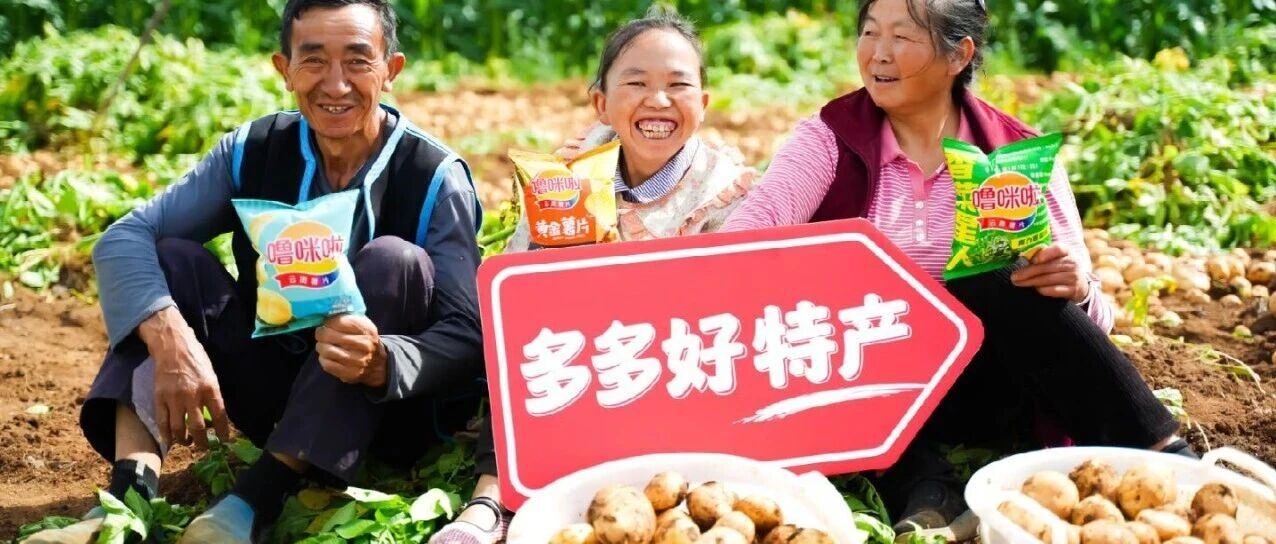
2025年,国信期货以"保险+期货"为核心,通过价格保障、 产业帮扶等多元举措,为超8万户农户稳收增收,持续注入金 融力量助力乡村振兴。 作者:王海言 封图:图片资料室 "有了期货工具兜底,种花生、养蛋鸡再也不用看天吃饭了!"河南省开封市祥符区农户李大姐的 感慨,道出了许多涉农从业者在国信期货乡村振兴服务中的获得感。2025年,作为金融服务实体 经济的先锋力量,国信期货以"保险+期货"为核心抓手,联动产业帮扶、消费帮扶、金融扶智等多 项举措,在广袤乡野间书写金融助农的生动答卷。 工具创新筑屏障,风险防控显实效 国信期货立足农业生产"靠天吃饭、看价增收"的痛点,持续深化金融工具创新应用,为特色产业 筑起风险"防护网"。 在江淮大地,安徽霍邱县鸡蛋产业迎来金融活水浸润。2025年1月至3月,国信期货安徽分公司联 合国信金阳推出鸡蛋场外期权项目,为当地农牧企业提供超400吨鸡蛋价格保障,通过2个月的期 权存续期管理,成功抵御市场波动风险,不仅稳定了农户收益,更以"订单收购+期货"模式推动产 业结构升级。 在黄河岸边的祥符区,花生产业获得更系统的金融护航。2025年8月,国信期货牵头的郑商所花 生"保险+期货"项目正 ...

赋能新质生产力!北京银行携手中国投资协会创投委打造股债联动共创空间
经济观察报· 2025-11-21 12:07
Group 1 - The event "Venture Capital Development Conference" was held in Beijing, emphasizing the critical role of venture capital in promoting the "technology-industry-finance" cycle, with policies supporting the growth of patient capital and the establishment of national venture capital guidance funds [1][2] - The integration of banking and venture capital is highlighted as a key path to activate innovation and drive industrial upgrades, with Beijing Bank focusing on a comprehensive service model that combines equity and debt financing [2][5] - A report titled "China Venture Capital Market Development Index Report" was released, providing multidimensional research results including various development indices that reflect the operational status and structural changes in the Chinese venture capital market [4] Group 2 - Beijing Bank has committed to serving technological innovation as a strategic core, establishing a private equity business center and expanding its network to nearly 3,000 VC/PE institutions, while providing significant credit support to technology-oriented SMEs [5] - The bank has provided over 1.4 trillion yuan in credit to 58,000 technology SMEs, serving a large proportion of listed companies on various stock exchanges, demonstrating its commitment to supporting specialized and innovative enterprises [5] - A strategic cooperation agreement was signed between Beijing Bank and the China Investment Association Venture Capital Committee to enhance collaboration and create integrated solutions for equity empowerment and debt support [4]


东欧“赘婿”文学,得了2025年布克奖?
经济观察报· 2025-11-21 10:49
Core Viewpoint - The novel "Flesh" by David Szalay presents the life of István, a character who experiences a series of bizarre and transformative events, contrasting with typical "dragon-slaying" narratives where protagonists triumphantly overcome adversity. Instead, István remains largely silent and passive, embodying a sense of emotional numbness and acceptance of his role as a "tool" in life [5][6][9]. Summary by Sections Character Development - István's journey begins in a Hungarian apartment with his mother, leading to a tragic incident that lands him in a juvenile detention center. After his release, he engages in various low-level jobs and eventually becomes a private driver for a wealthy family in London, marking a significant turn in his fortune [5][6]. - Despite achieving wealth and status, István's character is marked by silence and emotional detachment, often responding with "OK," which symbolizes his acceptance of life's changes and his numbness to his circumstances [6][9]. Themes of Desire and Identity - The novel explores the themes of desire and identity, illustrating how István's life is shaped by his physical experiences and societal expectations. His actions are often driven by instinct rather than conscious choice, leading to a disconnect between his emotional state and his actions [10][11]. - Szalay critiques the notion of male heroism in literature, presenting István as a character who does not fight against fate but rather reacts to it, highlighting the limitations of personal agency in the face of larger societal forces [10][12]. Societal Commentary - "Flesh" serves as a reflection on the impact of societal structures, such as war and economic disparity, on individual lives. Szalay suggests that István's fate is influenced by external events beyond his control, including the Iraq War and the financial crises of the early 21st century [15][16]. - The narrative emphasizes the isolation and loneliness experienced by individuals as they navigate their desires within the constraints of societal expectations, portraying a stark contrast to the more triumphant narratives prevalent in contemporary literature [17][18].

盟大集团兑付危机调查:是金融创新,还是“庞氏骗局”?
经济观察报· 2025-11-20 15:23
Core Viewpoint - The article discusses the withdrawal difficulties faced by investors in the "Liuke Yunbang" and "Xiaogu Fengshou" apps, both operated by the Mengda Group, highlighting a potential financial crisis within the company and investor concerns regarding the safety of their funds [1][2][3]. Group 1: Withdrawal Issues - Since November 2025, investors have reported difficulties in withdrawing funds from the "Liuke Yunbang" app, with many unable to access their money despite multiple attempts [2][4]. - The withdrawal issues began after the National Day holiday in 2025, initially affecting large withdrawals before escalating to all amounts being stuck in the platform [2][4]. - The Mengda Group has proposed a repayment plan that categorizes unpaid amounts into four tiers, with varying repayment timelines and conditions, including equity conversion for larger investments [3][8]. Group 2: Company Background - "Liuke Yunbang" was launched in 2021 and is operated by Dongguan Mengda Data Technology Co., Ltd., part of the Mengda Group, which has received investments from notable institutions [3][4]. - The Mengda Group also operates other platforms, including "Xiaogu Fengshou," which entered the liquor industry in 2023, promising fixed annual returns and claiming bank supervision of funds [3][4]. Group 3: Investor Reactions - Over 3,000 investors are reportedly involved, with total funds exceeding several billion yuan, leading to widespread panic and distrust in the company's assurances [4][6]. - Many investors have expressed their frustrations online, with some filing police reports against the Mengda Group for suspected contract fraud [4][6]. - The company's communication regarding the crisis has been met with skepticism, as investors doubt the feasibility of the proposed repayment plan and the company's ability to fulfill its commitments [4][19]. Group 4: Operational Challenges - The company cited external events and economic downturns as contributing factors to its liquidity issues, including a protective freeze on bank accounts due to investigations into money laundering [7][8]. - The Mengda Group has acknowledged losses due to overdue payments from client companies, many of which are small and medium-sized enterprises facing operational difficulties [7][8]. - Despite the crisis, the company claims that other business segments remain operational, although investor confidence has significantly waned [7][8].
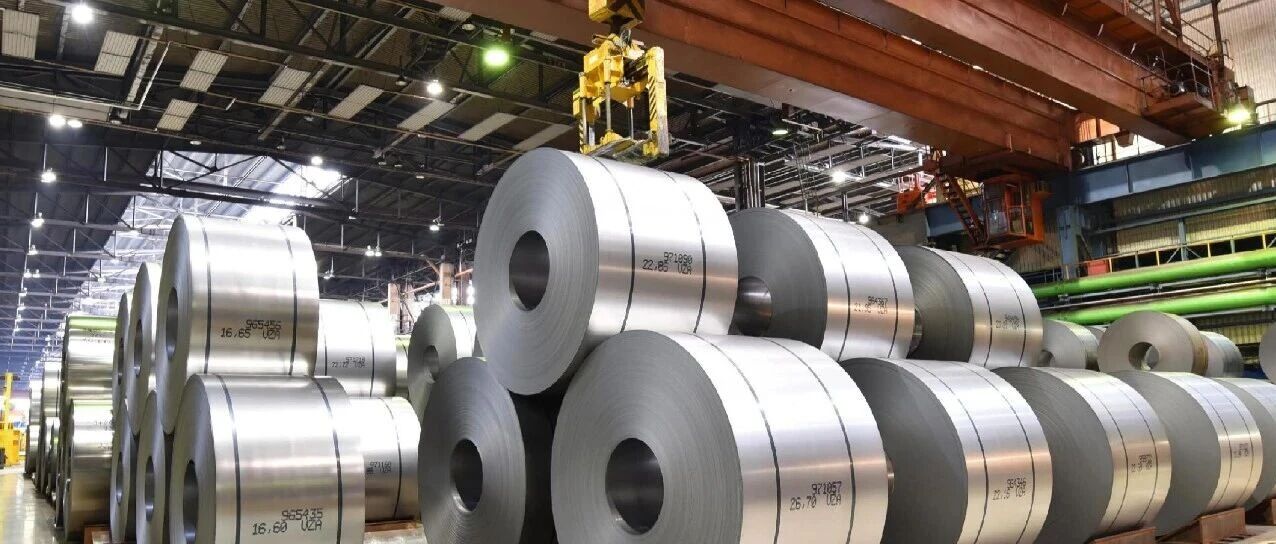
期货现货大劈叉 钢贸商开始虎口夺食
经济观察报· 2025-11-20 11:41
Core Viewpoint - The steel trading industry is facing unprecedented challenges due to a significant divergence between futures and spot prices, leading to collective losses among traders as operational costs cannot be covered by the price differences [1][6][12]. Group 1: Market Dynamics - The divergence between futures and spot prices for rebar has been expanding since August 2025, with the price difference exceeding 80 yuan/ton by mid-November, indicating a stark contrast between the optimistic spot market and the pessimistic futures market [4][5][10]. - Policies aimed at reducing overcapacity and promoting orderly competition have led to a significant reduction in steel inventories, with rebar stocks down 15.3% year-on-year as of mid-November 2025 [8][9]. - The current market conditions reflect a fundamental shift in the steel trading landscape, where traditional profit-making strategies based on price discrepancies are becoming obsolete [6][12]. Group 2: Trader Strategies - Many steel traders are adopting a "low inventory operation" model to mitigate risks associated with price fluctuations, with some reducing their rebar stocks from 20,000 tons to below 8,000 tons [5][15]. - Financial management and refined inventory control are becoming critical for survival, as traders face increased pressure from both inventory costs and financing challenges [13][20]. - Large trading firms are exploring more diverse strategies, such as engaging in arbitrage trading to capitalize on the price differences between futures and spot markets, with some firms reportedly securing profits of 80 to 100 yuan per ton through these strategies [16][17]. Group 3: Financial Pressures - The steel trading sector is experiencing heightened financial strain, with banks increasing loan rates and requiring reassessments of creditworthiness, leading to additional financial burdens for traders [21][22]. - The average profit margin for steel companies remains low, at just 1.97%, which exacerbates the credit risks perceived by banks [22][23]. - Traders are facing longer payment cycles from clients, with accounts receivable turnover days reaching a historical high of 83 days, significantly impacting cash flow [27][29]. Group 4: Adaptation and Future Outlook - In response to the evolving market conditions, traders are making difficult decisions, such as liquidating inventory at lower prices to improve cash flow and exploring new business models like consignment sales to reduce financial risk [30][31]. - The ability to adapt quickly to new market rules and maintain cash flow will determine which traders can survive and potentially thrive in the future [31][32].
告别“博行情” 钢贸商闯入套利战场
经济观察报· 2025-11-20 11:30
Core Viewpoint - The steel trading industry is facing unprecedented challenges due to a significant divergence between futures and spot prices, leading to collective losses and a need for strategic transformation among traders [1][6][12]. Group 1: Market Dynamics - Traditional trading strategies based on information and price discrepancies are no longer viable for established steel traders [1][6]. - Since August 2025, a persistent divergence between rebar futures and spot prices has emerged, with the price gap exceeding 80 yuan/ton by mid-November [5][10]. - The current market conditions are characterized by a strong spot market supported by supply-side constraints, while the futures market reflects pessimistic demand expectations [5][9]. Group 2: Inventory Management - Many steel traders are adopting a "low inventory operation" model to mitigate risks associated with price declines, reducing their stock levels significantly [5][15]. - A steel trading company has cut its rebar inventory from 20,000 tons to less than 8,000 tons due to concerns over future price depreciation [5][15]. - The trend towards low inventory is driven by heightened sensitivity to financial security and the rising costs associated with holding stock [15][17]. Group 3: Financial Pressures - Steel traders are experiencing increased financial strain due to longer sales cycles and higher implicit financing costs, as inventory turnover has slowed significantly [20][22]. - Banks are reassessing their lending to the steel industry, leading to higher interest rates and additional financial burdens for traders [21][22]. - The average profit margin for steel companies remains low, contributing to a challenging credit environment [22][23]. Group 4: Strategic Adaptations - Traders are exploring new operational strategies, such as utilizing futures for risk hedging and adjusting customer bases to focus on reliable clients [30][31]. - Some companies are engaging in arbitrage trading by taking advantage of the price discrepancies between futures and spot markets [16][31]. - The shift towards financialization and supply chain services is becoming essential for survival in the current market landscape [30][31].
“中国最大医院”一院区停诊 知情人士:是政策要求
经济观察报· 2025-11-20 10:24
Core Viewpoint - The closure of the West Campus of Zhengzhou University First Affiliated Hospital is a result of national policy aimed at optimizing medical resource allocation, with the campus set to be repurposed for clinical research activities [2][3]. Group 1: Hospital Closure and Policy Implications - On November 20, 2023, the West Campus of Zhengzhou University First Affiliated Hospital officially ceased operations, being recognized as "China's largest hospital" due to its leading number of beds and treatment volume [2]. - The closure aligns with the National Health Commission's guidelines, which state that by the end of 2025, public hospitals should not have more than three branch campuses [2][3]. - The Henan Provincial Health Commission has reiterated this policy, emphasizing that provincial hospitals should also limit their branch campuses to a maximum of three [3]. Group 2: Hospital Structure and Future Plans - Following the closure, Zhengzhou University First Affiliated Hospital will continue to operate four other campuses: Hexi, East, North, and South, with the Hexi campus being the main one [3]. - The West Campus had 15 wards and a total of 600 beds, and a renovation project with an estimated investment of approximately 583 million yuan was approved in February 2023 [3]. - The West Campus was initially opened in July 2024 as part of the hospital's efforts to expand and balance high-quality medical resources, alleviating pressure on the Hexi campus and addressing the lack of high-level hospitals in western Zhengzhou [4].

动力电池的“中间道路”:固液混合技术成业界“新宠”
经济观察报· 2025-11-20 10:20
Core Viewpoint - The article emphasizes that while solid-state batteries are still in the experimental phase and facing capital speculation, semi-solid batteries are emerging as a practical choice for automakers and battery manufacturers due to their "safety, controllability, and acceptable costs" [2][4]. Industry Insights - Recent discussions at battery industry conferences highlight the overhyped capital interest in solid-state batteries, with industry leaders advocating for semi-solid batteries as a more realistic option for mass production [2]. - Industry experts predict that semi-solid batteries will become mainstream in the ternary battery sector, with companies like Honeycomb Energy and Ganfeng Lithium already achieving mass production [2][4]. - The semi-solid battery technology offers a balance between safety and performance by incorporating solid electrolytes while retaining some liquid electrolytes, making it compatible with existing production processes [4]. Production and Capacity - The production capacity for semi-solid batteries is rapidly increasing, with major companies establishing approximately 5GWh of dedicated production lines, expected to rise to over 20GWh next year [8]. - The cost of retrofitting existing production lines for semi-solid batteries is estimated to be only 30% to 40% of the cost of building new solid-state battery lines, making it a more economically viable option [4]. Market Trends - The China Automotive Engineering Society forecasts that by 2026, the adoption of semi-solid batteries will reach a scale of 100,000 units, indicating a shift from demonstration to large-scale application [7]. - The semi-solid battery market is expected to initially penetrate the high-end vehicle segment priced above 300,000 yuan, gradually moving into the mid-range market [8]. Safety and Application - Safety remains a critical focus in battery technology development, with semi-solid batteries reducing risks associated with liquid electrolytes, thus enhancing overall safety [11]. - The expansion of application scenarios, such as in low-altitude economic sectors, aligns well with the advantages of semi-solid batteries, which meet stringent performance requirements for emerging technologies like flying vehicles [12]. Industry Perspective - Industry leaders call for a rational approach to battery technology development, emphasizing the need for a balanced focus on safety, cost reduction, and efficiency rather than chasing speculative trends [11][9]. - China's position in the semi-solid battery sector is seen as advantageous compared to traditional battery powerhouses like Japan and South Korea, which are more cautious in their approach to commercialization [9].

深度揭秘:三体公司CEO毒杀游族董事长林奇案始末
经济观察报· 2025-11-20 10:20
Core Viewpoint - The article investigates the shocking case of Xu Yao, the former CEO of San Ti Company, who was sentenced to death for intentional homicide and the use of dangerous substances, revealing the intricate details of the case over nearly five years [2][4][5]. Group 1: Case Background - Xu Yao was convicted of poisoning and causing the death of Lin Qi, the chairman of Youzu Network, and poisoning four others, including his competitors [8]. - The poisoning incident occurred in December 2020, leading to a lengthy investigation and trial process [6][10]. - Xu Yao's actions included purchasing various toxins online and conducting experiments in a rented warehouse [8][44]. Group 2: Xu Yao's Professional Background - Xu Yao was born in March 1981 in Guiyang, Guizhou Province, and had a strong educational background, including degrees from prestigious universities in France and the United States [11]. - He worked as a lawyer at Dewey & LeBoeuf LLP in Hong Kong before joining Fosun Group's legal department, where he quickly rose to a prominent position [12][13]. - Xu Yao was recognized for his contributions to international legal affairs at Fosun, overseeing significant transactions valued at approximately $14.26 billion [13]. Group 3: Lin Qi and the San Ti IP - Lin Qi, born in 1981, founded Youzu Network, which became a leading gaming company in China, and was known for his interest in the "Three-Body" series [15][16]. - Lin Qi's company acquired the rights to adapt the "Three-Body" series into various media formats, including film and games, but faced challenges in production [19][21]. - Xu Yao played a crucial role in securing the "Three-Body" IP for Youzu, which was valued at over 100 million yuan [21][22]. Group 4: Relationship Dynamics and Tensions - Xu Yao's relationship with Lin Qi deteriorated over time, particularly regarding the financial performance of San Ti Company and Xu's aspirations for equity [22][24]. - Tensions escalated in 2020 as Lin Qi began consolidating control over the company, leading to Xu Yao's dissatisfaction and eventual criminal actions [27][30]. - Evidence suggests that Xu Yao conducted surveillance on colleagues and engaged in premeditated actions leading to the poisoning [33][37]. Group 5: Investigation and Legal Proceedings - Following Lin Qi's hospitalization due to poisoning, police quickly identified Xu Yao as a suspect based on surveillance footage and forensic evidence [59][60]. - Xu Yao was arrested on December 18, 2020, and evidence collected included toxic substances and paraphernalia related to the poisoning [60][62]. - The court proceedings revealed Xu Yao's continuous denial of the charges and attempts to manipulate circumstances to avoid conviction [76][79].