经济观察报

Search documents
陆挺预测“十五五”出口增速或明显回落,但斌直言“投资要去大海里打鲸鱼”
经济观察报· 2025-11-20 10:20
Group 1 - The global economy is currently in a "Kondratiev wave depression," where old technological potentials are exhausted and new technologies have not yet matured, leading to a zero-sum mentality replacing multilateral cooperation [2][7] - China's export growth rate, which averaged nearly 8% over the past five years, is expected to decline to a range of 3% to 5% during the upcoming "14th Five-Year Plan" period [2][8] - The real estate sector, while no longer a growth engine, still poses significant macroeconomic challenges due to its debt chain and historical issues that must be addressed in the next five years [3][8] Group 2 - Investment strategies must shift from traditional "efficiency-first" globalization to focus on high-potential sectors like artificial intelligence (AI), which is seen as the next major growth driver [4][11] - The concept of "safety-based compensatory investment" has emerged, where companies must incur additional costs to mitigate risks, thus increasing the overall cost of globalization [6][7] - The current macroeconomic environment necessitates a long-term deleveraging process to address the historical debts left by the real estate sector, which is deeply intertwined with local finances and infrastructure [8][10] Group 3 - The investment landscape is changing, with a focus on companies that can leverage AI capabilities, as the ability to utilize AI will increasingly determine a company's value [12] - The upcoming generational wealth transfer in China, involving 3 million family businesses and a wealth scale of 300 trillion RMB, presents challenges in maintaining wealth across generations [13][15] - Institutional governance is essential for breaking the "wealth does not last beyond three generations" curse, emphasizing the need for structured family offices and governance systems [15]


灵隐寺免票,是城市最好的投资
经济观察报· 2025-11-20 10:20
Core Viewpoint - The article discusses the implications of free public park access in cities like Hangzhou, Chengdu, and Beijing, emphasizing the shift from revenue generation to enhancing human happiness and urban quality of life [1][5]. Group 1: Free Park Access - Starting December 1, 2025, Hangzhou's Lingyin Feilai Peak Scenic Area will no longer charge an entrance fee, allowing visitors to access Lingyin Temple, Yongfu Temple, and Taoguang Temple for free, which previously cost 75 yuan [2]. - The decision to eliminate entrance fees reflects a long-term strategy, as seen in 2002 when West Lake removed barriers, leading to a significant increase in tourism revenue from 29.4 billion yuan in 2002 to 345 billion yuan in 2024 [3]. Group 2: Social and Economic Impact - Free access to parks removes financial barriers, allowing diverse populations to share public spaces, which promotes social equity and enhances community engagement [3]. - The money saved on entrance fees is likely to be redirected towards local businesses, such as dining and accommodations, transforming parks from profit centers into catalysts for local economic activity [3]. Group 3: Urban Management Challenges - The transition to free access presents challenges for urban management, including the need for effective visitor management systems, environmental maintenance, and transportation logistics [4]. - Successful management of these challenges requires a shift in focus from merely controlling visitors to providing services that enhance the visitor experience [4]. Group 4: Global Context and Urban Planning - The article highlights global examples of urban park management, such as London’s green belts and Tokyo’s disaster preparedness parks, illustrating that modern parks serve multiple functions beyond aesthetics [4]. - The concept of "park cities" in China aims to integrate green spaces into urban planning, emphasizing their role as essential infrastructure for sustainable urban development [4].

专访中国海洋大学教授陈旭光:深海采矿要来了吗?
经济观察报· 2025-11-20 06:48
Core Viewpoint - Deep-sea mining is transitioning from exploration to development, driven by technological advancements and increasing demand for deep-sea metals, but it still faces significant cost, environmental, and legal challenges before commercialization can be achieved [2][4]. Group 1: Industry Overview - The deep sea contains rich metal resources, including over 60 types such as copper, cobalt, nickel, and gold, with an estimated total resource volume of approximately 30 trillion tons and a recoverable potential of about 750 billion tons [4]. - The prices of various metals have surged in recent years, making deep-sea mining economically viable, particularly for metals like copper and cobalt [4]. - Historical attempts at deep-sea mining date back to the late 19th century, with significant efforts in the 1960s and 1970s, but these were largely abandoned due to a lack of understanding of the minerals' uses [4]. Group 2: Environmental and Legal Concerns - There is ongoing controversy regarding the environmental impact of deep-sea mining, with 37 countries advocating for a pause or ban until the effects are fully understood and regulations are established [5][6]. - Key environmental concerns include sediment plumes (referred to as "feather flow"), heavy metal pollution, and noise pollution affecting marine life [7][8]. - Legal issues arise from the international nature of deep-sea resources, governed by frameworks such as the United Nations Convention on the Law of the Sea, which outlines resource management and distribution [8]. Group 3: Commercialization Challenges - Despite technological advancements in deep-sea mining equipment, such as mining vehicles and ships, a viable revenue model has not yet been established [11]. - Current mining vehicles face significant operational challenges, including slippage, sinking, and low extraction efficiency, with the best-performing vehicle extracting only about 100 tons of polymetallic nodules per hour [11][12]. - The complexity of deep-sea equipment development and the high costs associated with testing limit the pace of commercialization [12][13]. Group 4: Alternative Applications and Collaborations - While deep-sea mining vehicles have not yet been commercialized, they have potential applications in offshore wind turbine maintenance, leveraging research in marine geotechnics [14]. - Collaboration between heavy equipment manufacturers and deep-sea mining researchers is encouraged to combine manufacturing strengths with marine expertise, positioning companies advantageously in the deep-sea technology sector [14].

中金公司官宣合并两家上市券商,“汇金系”万亿券商来袭
经济观察报· 2025-11-20 02:01
Core Viewpoint - The merger of China International Capital Corporation (CICC) with Dongxing Securities and Xinda Securities aims to create a leading investment bank, enhancing the quality of service to the national strategy and real economy, while also improving shareholder returns [2][3]. Group 1: Merger Details - CICC plans to absorb Dongxing Securities and Xinda Securities through a share swap, which will result in a combined total asset of 1,009.4 billion yuan, making it the fourth largest securities firm in China by asset size [2][3]. - Following the merger, the number of listed securities firms in A-shares will decrease from 42 to 40, marking a significant consolidation in the industry [3]. Group 2: Financial Performance - For the first three quarters of 2025, CICC reported a revenue of 20.76 billion yuan, a year-on-year increase of approximately 54%, and a net profit of 6.57 billion yuan, up 130% [5]. - Dongxing Securities achieved a revenue of 3.61 billion yuan, a 20.25% increase, and a net profit of 1.6 billion yuan, growing by 69.56% [5]. - Xinda Securities reported a revenue of 3.02 billion yuan, up 28.46%, and a net profit of 1.35 billion yuan, increasing by 52.89% [5]. - The combined revenue of the three firms post-merger is projected to be 27.39 billion yuan, with a net profit of 9.52 billion yuan, positioning them third in the industry rankings [6]. Group 3: Strategic Advantages - The merger is expected to create synergies by combining CICC's investment banking capabilities with the client networks and capital resources of Dongxing and Xinda Securities, enhancing comprehensive financial services [7]. - CICC can leverage the expertise of the two firms in asset management and distressed asset disposal to expand its service offerings in debt restructuring and risk resolution [7]. Group 4: Industry Context - The merger reflects a broader trend of consolidation in the securities industry, driven by the need for firms to enhance competitiveness amid increasing market pressures [9][10]. - Central Huijin Investment, the actual controller of all three firms, has facilitated this merger, indicating a strategic move to strengthen the "Huijin system" in the securities sector [9][10].

招远来了一座新核岛
经济观察报· 2025-11-19 12:11
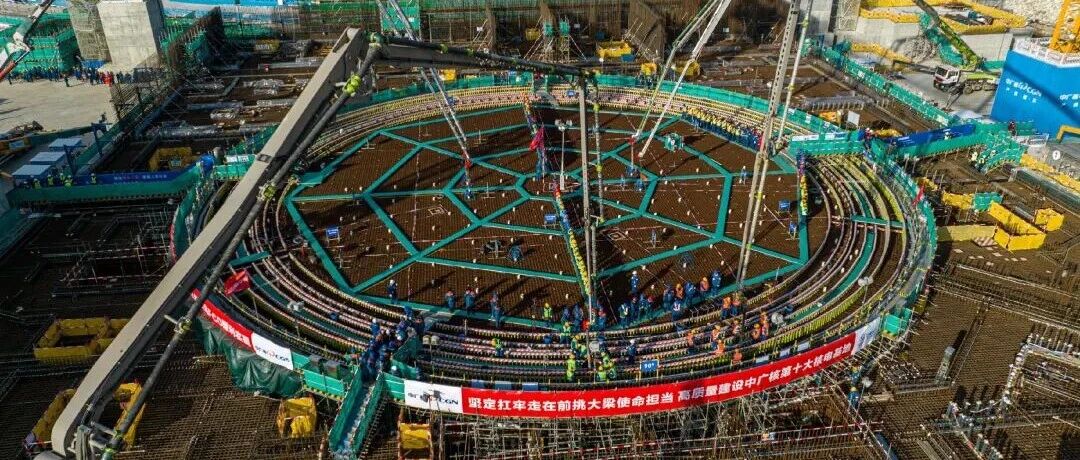
Core Viewpoint - The construction of the 203-meter natural ventilation cooling tower at the Shandong Zhaoyuan nuclear power project signifies a technological iteration in China's nuclear power sector, expanding the application of indigenous third-generation nuclear technology from coastal to near-coastal areas, thus opening new possibilities for future nuclear power industry layout [1][4]. Industry and Company Summary - The completion of the first concrete pour for the nuclear island of the "Hualong One" reactor marks the full commencement of the project, which is China's first nuclear power unit equipped with a cooling tower [2][3]. - The new cooling tower represents a significant technological advancement, allowing for a secondary cooling system that reduces reliance on large water bodies, thus enhancing the adaptability of nuclear power plants to various geographical locations [6][10]. - The project is expected to stimulate a trillion-yuan industry chain, impacting over 5,400 upstream and downstream enterprises, with the nuclear technology application industry projected to reach nearly 900 billion yuan by the end of 2024, growing at an annual rate of over 15% [4][10]. - The total investment for the Zhaoyuan nuclear power project is approximately 120 billion yuan, with a planned capacity of 7.2 million kilowatts, expected to generate 50 billion kilowatt-hours annually, equivalent to reducing coal consumption by about 15.27 million tons and CO2 emissions by approximately 46.2 million tons each year [10][11]. - The project aims to integrate nuclear energy for heating, with each unit capable of providing up to 1,000 tons of steam per hour, covering an area of over 15 million square meters [10][11]. - The construction employs advanced digital technologies and smart construction methods, enhancing efficiency and reducing costs, which are crucial for the future competitiveness of the nuclear power sector [11][12]. - The successful implementation of the Zhaoyuan model is expected to fundamentally change the landscape of China's nuclear power industry, providing a sustainable market outlook and avoiding past cyclical fluctuations [10][17].

南方基金亮相第十九届金博会 以金融赋能书写公募新篇章
经济观察报· 2025-11-19 11:11
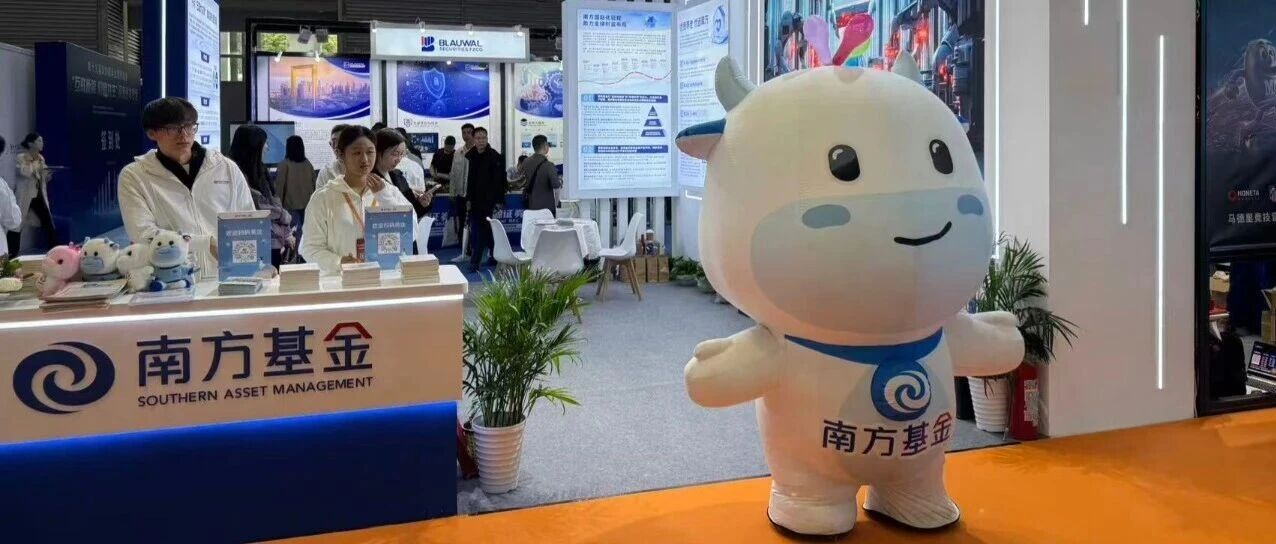
Core Viewpoint - The article highlights the participation of Southern Fund at the 19th Shenzhen International Financial Expo, emphasizing its commitment to five key areas: pension finance, technology finance, green finance, inclusive finance, and digital finance, showcasing its role in supporting national strategies and empowering the real economy [2][3]. Group 1: Event Overview - The 19th Shenzhen International Financial Expo opened on November 19, focusing on "Industry Finance New Heights, Sci-tech Empowerment Towards the Future" [2]. - Southern Fund, as one of the first regulated fund management companies in China, showcased its comprehensive service capabilities in asset management [2]. Group 2: Five Key Areas - In the technology finance sector, Southern Fund is enhancing its "platform-based, integrated, multi-strategy" research and investment system, increasing allocations to strategic emerging industries [3]. - In green finance, Southern Fund is integrating ESG principles into its long-term strategy and daily operations, improving its ESG rating system and expanding its green financial product offerings [3]. - For inclusive finance, Southern Fund is advancing its buyer advisory transformation, creating the "Sinan Advisory" service platform, and launching unique products that share benefits and risks with investors [3]. - In pension finance, Southern Fund is actively responding to national pension strategies, managing nearly one trillion yuan in pension assets to support the stable operation of the pension system [3]. - In digital finance, Southern Fund is leveraging cloud-native technology to drive digital transformation, aiming to become a "smart asset management company" and enhance research and service efficiency [3]. Group 3: Pension Finance Innovations - The expo coincided with the third anniversary of the personal pension system, where Southern Fund showcased a comprehensive pension finance system covering all three pillars and innovative practices for the third pillar personal pension products [4]. - Southern Fund has launched a variety of personal pension products, including target date, target risk, and index-based products, covering key dates from 2030 to 2060 [4]. - As one of the first fund managers to pass the acceptance test for the personal pension system and launch personal pension business, Southern Fund has over ten products listed in the personal pension product catalog [4]. Group 4: Customer-Centric Approach - The immersive and interactive experience at the expo reflects Southern Fund's customer-centric philosophy and its commitment to "finance for the people" [5]. - Southern Fund aims to continue leveraging the innovation landscape of the Guangdong-Hong Kong-Macao Greater Bay Area, focusing on the five key areas to seize investment opportunities and guide financial resources to support the real economy [5].
铁锂“七雄”谋涨价,聚首工信部抗议电芯“霸权”
经济观察报· 2025-11-19 11:11
Core Viewpoint - The lithium iron phosphate (LFP) industry is facing significant challenges, including continuous losses for over three years, rising raw material costs, and pressure from downstream battery manufacturers, leading to a critical need for resolution in the industry [2][3][4]. Industry Challenges - The LFP material prices have plummeted from 173,000 yuan/ton to 34,000 yuan/ton from the end of 2022 to August 2025, a decline of over 80%, while the average debt ratio of six listed companies in the sector is 67.8% [3][4]. - The industry is experiencing a dual squeeze, with upstream raw material prices rising while downstream battery manufacturers refuse to accept price increases, creating a situation where companies face losses regardless of whether they accept orders or not [8][10]. Demand Growth - The core application scenarios for LFP are expanding, with the penetration rate of new energy vehicles exceeding 45% in China, and a projected demand increase of over 30% for LFP materials in the coming year [6][8]. - The energy storage sector is expected to see a 60% year-on-year increase in installed capacity by 2025, with global energy storage battery shipments predicted to grow by 30% in 2026 [6][8]. Competitive Landscape - Chinese LFP products hold a dominant position in the global market due to technological, cost, and supply chain advantages, despite attempts by other countries to reduce reliance on Chinese products [7][8]. - The average cost of LFP production is around 15,600 to 16,200 yuan/ton, while the current market price is approximately 14,770 yuan/ton, leading to losses of nearly 1,000 yuan for every ton sold [9][10]. Industry Response - The establishment of the LFP Materials Subcommittee aims to address industry challenges by auditing costs and providing transparent pricing data to help companies set reasonable prices and curb destructive competition [13][14]. - Companies are exploring collective price increases to counteract the pressure from battery manufacturers, with some firms already controlling production capacity to stabilize prices [14][15]. Future Outlook - The anticipated demand from both domestic and international markets suggests that LFP prices are likely to rise, with projections indicating potential price increases by the end of this year and into the first half of next year [15].






金融监管总局、央行各自分工 联手重塑金融经纪监管
经济观察报· 2025-11-19 11:11
Core Viewpoint - The introduction of two regulatory measures signifies that the previously "invisible hand" of brokers will now operate under strict oversight, requiring them to be identifiable, traceable, and accountable in their operations [2][4]. Group 1: Regulatory Framework - The "Interbank Market Brokerage Business Management Measures" outlines clear operational rules for brokerage services in the interbank market, specifying what brokers can and cannot do [6][7]. - Brokers are restricted to facilitating existing transactions without engaging in primary issuance or price manipulation, ensuring they act solely as intermediaries [8][9]. - All brokerage activities must be traceable, with real-time reporting of quotes and transactions to the central bank, and communication records must be securely stored for at least five years [9][10]. Group 2: Licensing and Governance - The "Currency Brokerage Company Management Measures" establishes criteria for who can operate as a licensed brokerage, requiring a minimum registered capital of 100 million and a history of profitability [15][16]. - The scope of services for currency brokerage companies has been expanded to include gold and derivatives, allowing them to provide brokerage services across various financial markets [15][16]. - Governance and data security are emphasized, mandating a comprehensive internal control system and the preservation of all transaction-related information for five years [16][17]. Group 3: Market Impact and Observations - The first successful gold inquiry spot transaction under the new regulations indicates a shift towards a more transparent and regulated market environment, enhancing liquidity and price discovery [20][21]. - The regulatory changes are expected to reshape the industry landscape, moving from "gray intermediaries" to licensed brokers and in-house brokerage departments within financial institutions [25]. - The business model is transitioning from profit through hidden spreads to value creation through transparency and data services, challenging brokers to demonstrate their competitive edge in a regulated environment [26][28]. Group 4: Regulatory Objectives - The focus of regulation has shifted from merely preventing incidents to ensuring accountability and traceability in brokerage activities, creating a comprehensive regulatory loop from institutions to behaviors and data [30][31]. - The new framework aims to transform brokers from an "invisible hand" into a clearly defined entity with identifiable actions, potentially stabilizing the market during periods of volatility [31].

再谈日本敢不敢武力干涉中国的统一
经济观察报· 2025-11-19 11:11
有读者在笔者的上一篇评论后面留言,认为不能用正常的逻辑 思维研判日本国民和日本政客,因为历史上,前有发动全面侵 华战争,后有偷袭美国珍珠港,日本总是干一些不自量力的事 由日本首相高市早苗关于台海问题挑衅性言论所引发的事件,迄今没有平息的迹象。所以,有必要 再一次就日本敢不敢武力干涉中国统一这个重大问题做一番探究。 进入正题之前,也有必要以原文照登的方式,提醒读者朋友仔细、严谨地研读权威央媒的文章。 情。武力干涉中国的统一,日本未必干不出来。对于这种观 点,笔者表示尊重。 作者:王义伟 封图:本报资料室 不少自媒体最近几天都在突出一个标题,假如日本武力干涉中国统一,日本全国都有沦为战场的风 险。 这句话出自《解放军报》。11月16日,《解放军报》刊发题为《叫嚣武力介入台海局势只会把日 本引向不归歧途》的评论。评论列举了日本武力介入台海局势将会带来的三种灾难性后果,其中第 二种后果原文如下:"全国都有沦为战场的风险。日本已将北至北海道、南至冲绳的数十个机场、 港口变为军民两用基础设施。在今年10月的综合演习中,自卫队使用了多达39个机场、港口进行 战机起降和军事运输。这表明如果介入台海,日本政府会将全国民众绑上自 ...

官宣 | 2024-2025年度营响大会暨第二十三届杰出品牌营销年会定档12月10日
经济观察报· 2025-11-19 10:00
Core Viewpoint - The article discusses the upcoming "2024-2025 Annual Marketing Conference and the 23rd Outstanding Brand Marketing Annual Meeting," focusing on the intersection of brand economy and traffic economy, emphasizing the need for collaboration and integration in marketing strategies [3][4][6]. Group 1: Event Overview - The conference will take place on December 10 at the Beijing North Star Intercontinental Hotel, co-hosted by the China Advertising Association and Economic Observer [3]. - This event marks the 23rd iteration of a significant industry gathering aimed at exploring the future of marketing amidst ongoing changes [4][6]. Group 2: Key Themes - The conference will address critical questions such as how brands can build long-term assets that endure through cycles, the role of AI in reshaping narrative logic, and the balance between commercial benefits and social value in the context of globalization and sustainability [6][20]. - The event will feature three main chapters: 1. "Sincere Breakthrough" focusing on how AI can empower brands [17]. 2. "Multi-dimensional Resonance" discussing the transition from short-term bursts to long-term management [18]. 3. "Responsible Coexistence" examining how brands can balance social and commercial values [19]. Group 3: Award Highlights - The "23rd Outstanding Brand Marketing Annual Meeting" will showcase exemplary marketing cases, with a rigorous evaluation process having recently concluded [7][8]. - Notable marketing cases include campaigns from companies like Dongfeng Yipai, Alibaba Mama, and White Elephant Foods, highlighting innovative strategies in the marketing landscape [11][12].