财富FORTUNE

Search documents
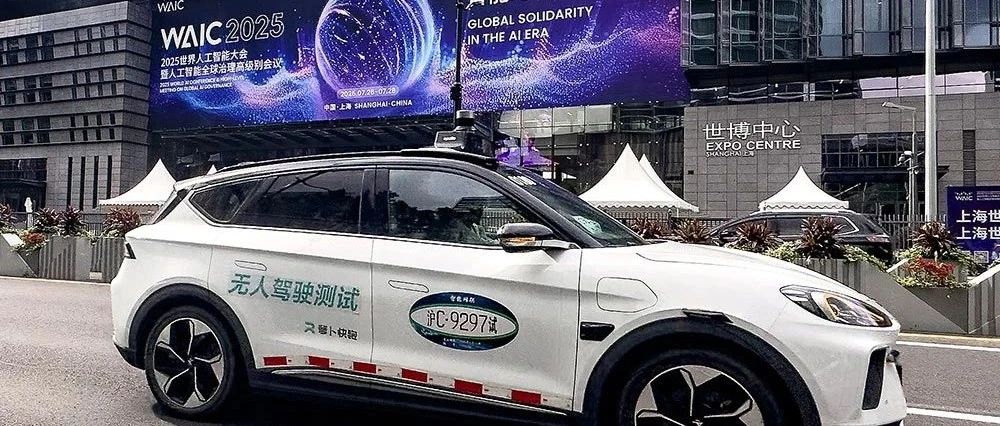
上海加入“Robotaxi盈利第一城”角逐
财富FORTUNE· 2025-08-04 13:05
图片来源:视觉中国 中美无人驾驶竞逐赛中,中国又增加一块练兵场——上海。 7月26日,在2025世界人工智能大会现场,上海正式发放首批智能网联汽车示范运 营牌照。文远知行、 小马智行、百度旗下萝卜快跑等八家企业获得牌照,可以在金桥、花木、世博、 浦东国际机场等浦东 新区重要功能片区,提供无人驾驶出租车(Robotaxi)服务。 两天后,上海方面又表示,将争取在年内实现浦东新区全域开放,同时推动奉贤、闵行等区域开放。该 市还制定目标:到2027年时,成为全球自动驾驶的领先玩家,L4自动驾驶车运送乘客超600万人次,拉 货超80万吨,全市Robotaxi商业运营范围扩大至2000平方公里、超5000公里道路。 支持和更好的运营效率,最早实现城市级盈利。 此前数年,对Robotaxi产业扩张速度的讨论聚焦于技术升级、成本下降、安全与体验。今年以来,焦点 开始发生转移。 不少业内人士认为,制约Robotaxi产业扩张最大的因素已经不再是技术,而变成了 人,尤其是监管者。 在《财富》近日于新加坡举办的头脑风暴人工智能大会上,几位自动驾驶领域的资深从业者认为,软硬 件技术的快速进步已经让Robotaxi的整车制造和运营成 ...


CEO零工经济兴起
财富FORTUNE· 2025-08-04 13:05
2025年,美国首席执行官流动率打破了以往纪录,正在重塑高管领导力的本质。根据高管猎头公司 Challenger, Gray & Christmas的最新数据,6月美国公司首席执行官离职人数攀升至207人,较5月的168 人增长23%。尽管这一数字较2024年6月的234人下降了12%,但2025年上半年却呈现加速趋势:多达 1235名首席执行官离职。这一数字较去年同期增长12%,是该公司自2002年追踪这项数据以来的同期累 计最高值。 该公司表示,这波离职潮并非仅是统计数据层面的异常现象。当下,企业对于临时首席执行官的依赖程 度远超以往,"短期任职"的"旋转门"现象已变得司空见惯,以至于薪资最高的高管职位正日益呈现 出"零工经济"工作的特征。该公司补充道:"2025年标志着首席执行官零工经济的兴起。" 首席执行官成了"零工" 另一个引人注目的趋势在于,内部与外部临时首席执行官的占比不相上下:53%源自公司内部,47%则 来自外部。当临时职位转为永久职位时,内部与外部候选人机会均等——各有20%的人最终成功斩获长 期职位。 截至2025年6月,新任首席执行官中,高达33%的人是以临时身份履职的,而去年同期这一 ...

刘强东的国际化棋局,注定是一场持久战
财富FORTUNE· 2025-08-02 13:06
Core Viewpoint - The article emphasizes JD's strategic shift towards local e-commerce in international markets, moving away from cross-border e-commerce models, with plans to establish local teams and sign partnerships with 1,000 Chinese brands for overseas expansion [2][5]. Group 1: International Business Strategy - JD's international business is identified as a key focus for future growth, with a clear intention to build local e-commerce operations rather than relying on cross-border models [2]. - The company is accelerating its international strategy, highlighted by the acquisition of 70% of Hong Kong's Jia Bao Food Supermarket for 4 billion HKD, aimed at enhancing its retail presence in Hong Kong [2]. - JD is also pursuing a voluntary public acquisition offer for Ceconomy AG, valuing the company at approximately 22.3 billion euros (about 185 billion RMB), to leverage its established European retail network [3][4]. Group 2: Market Positioning and Challenges - JD's approach to international expansion includes leveraging existing retail networks and human resources to adapt quickly to local markets, which may provide a cost-effective strategy depending on the final transaction amounts [5]. - The company acknowledges the need for a differentiated advantage in international markets, as merely selling Western brands would not provide a competitive edge [5]. - JD's international strategy involves significant long-term investments, with past experiences of failures in markets like Indonesia and Thailand serving as cautionary tales [6]. Group 3: Future Plans and Goals - JD has initiated a "100 billion, 1,000 products new growth plan," aiming to introduce 1,000 overseas new brands over the next three years, targeting a cumulative sales growth of 100 billion RMB [5]. - The company recognizes that achieving its international business goals will require a substantial time commitment, potentially spanning ten to twenty years for full realization [5].

一位《财富》美国500强CEO给应毕业生的建议
财富FORTUNE· 2025-08-01 13:28
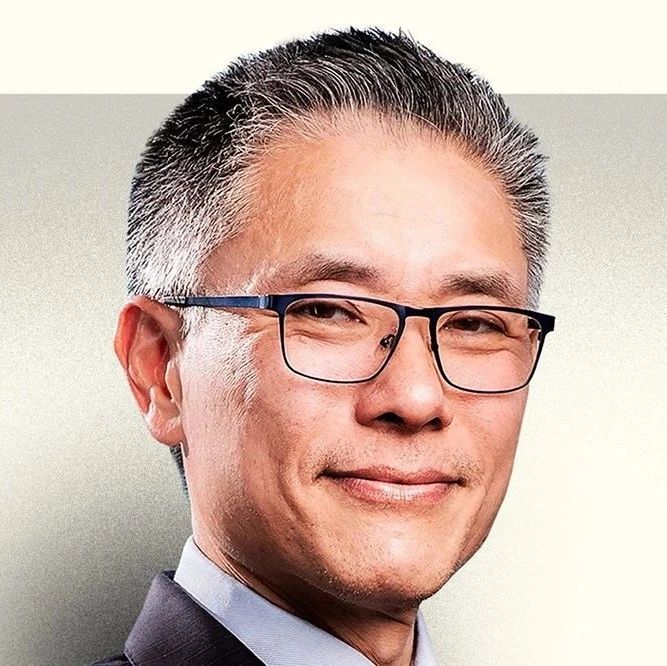
Core Insights - Tony Cheng, the president of American Reinsurance Group, has experienced a unique career trajectory, having risen through the ranks over 30 years to lead a company that provides $3.9 trillion in reinsurance coverage for active policyholders [2] - In 2025, American Reinsurance Group announced a landmark $1.5 billion agreement with Equitable to provide reinsurance services for a $32 billion life insurance policy, solidifying its industry leadership and potential for future profit growth [2] Group 1 - Tony Cheng's career path is notable for his long-term commitment to American Reinsurance Group since 1997, contrasting with the trend of frequent job changes for rapid career advancement [3] - Cheng attributes his work ethic and dedication to his parents, who were teachers and instilled values of hard work and perseverance in him [4] - The Asia-Pacific region has grown significantly under Cheng's leadership, expanding from a small team to over 1,000 employees and generating $4 billion in revenue [4][6] Group 2 - Cheng emphasizes the importance of a startup mentality in driving global business growth, focusing on problem-solving and innovation rather than merely competing in established markets [6] - He highlights the necessity of soft skills, such as communication and information synthesis, in the age of artificial intelligence, which may replace more straightforward mathematical tasks [7] - Continuous learning and humility are crucial for personal and professional growth, as Cheng believes that losing the passion for learning can hinder one's ability to succeed [7]
对话香港最大持牌虚拟资产交易所:稳定币启航,如何行稳致远?
财富FORTUNE· 2025-08-01 13:28
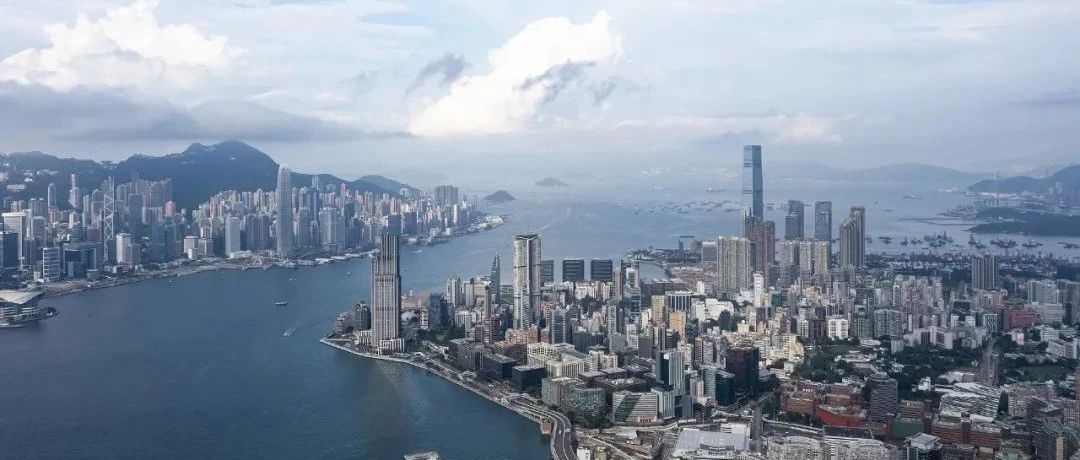
Core Viewpoint - The global stablecoin landscape is undergoing significant transformation, with the U.S. Stablecoin Act accelerating the tokenization process dominated by the dollar, while adjustments in Singapore's crypto ecosystem create development opportunities for Hong Kong [2][3]. Group 1: Hong Kong's Regulatory Framework - Hong Kong's Stablecoin Regulation came into effect on August 1, with the Hong Kong Monetary Authority (HKMA) indicating that institutions wishing to apply for licenses must express their intent by the end of August and submit applications by September 30 [2]. - The HKMA plans to issue the first phase of licenses by early 2026, with the initial number expected to be in single digits [2]. - HKMA's President emphasized the positive implications of stablecoins as emerging payment tools but cautioned against excessive market speculation, advocating for a prudent and sustainable approach to implementing the Stablecoin Regulation [2]. Group 2: HashKey Exchange's Position - HashKey Exchange, as Hong Kong's largest licensed virtual asset exchange, aims to avoid excessive speculation on stablecoins, focusing instead on sustainable innovation within a compliant framework [3][4]. - The exchange has established partnerships with traditional financial institutions, simplifying fiat-to-crypto processes and facilitating the tokenization of money market fund ETFs [4]. - HashKey's CEO noted a significant increase in stablecoin usage for cross-border payments, particularly in large trade settlements, highlighting the exchange's plans to collaborate with stablecoin license applicants to list HKD stablecoins [5]. Group 3: Market Dynamics and Opportunities - Stablecoins have emerged as a crucial alternative for cross-border payment settlements, especially in countries with unstable local currencies, where they serve as a financial substitute [5][12]. - The U.S. Treasury estimates that the stablecoin market could grow from approximately $250 billion to $2 trillion, creating a substantial buyer market for U.S. Treasury bonds [13]. - The potential for RMB internationalization could be enhanced through stablecoins, particularly with the introduction of offshore RMB stablecoins, which may improve payment efficiency and coverage [14][15]. Group 4: Competitive Landscape - Hong Kong's rapid advancement in stablecoin regulation positions it favorably against Singapore, which has tightened regulations on non-compliant entities, inadvertently benefiting Hong Kong's digital asset ecosystem [17]. - The Middle East, particularly Dubai, poses a competitive challenge to Hong Kong, with its more flexible regulatory environment and aggressive push for blockchain integration in financial services [18]. - HashKey's diverse ecosystem includes digital asset trading, asset management, and on-chain services, which distinguishes it from other exchanges and enhances its competitive edge [10][21]. Group 5: Compliance and Innovation - HashKey emphasizes compliance as a competitive advantage, implementing stringent KYC and anti-money laundering measures that exceed traditional banking standards [6][20]. - The exchange's commitment to compliance has fostered trust among institutional clients, enabling it to navigate regulatory challenges while pursuing innovative solutions [20]. - The company actively engages with regulators to optimize operational costs and enhance service offerings, ensuring that innovation aligns with compliance requirements [20].
曜影医疗:“医生主导”,引领中国高品质医疗新标杆
财富FORTUNE· 2025-08-01 13:28
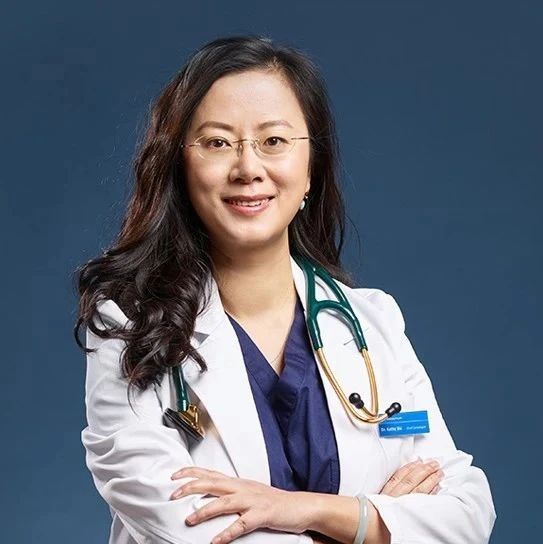
Core Viewpoint - The article highlights the success of Yao Ying Medical, led by Dr. Shi Haoying, emphasizing the importance of high-quality medical services driven by doctors and focused on patient needs [1][6]. Group 1: Medical Core Philosophy - The core of Yao Ying Medical is "doctor-led" care, prioritizing effective and efficient solutions for patients, avoiding unnecessary treatments [3][4]. - The medical team consists of highly qualified professionals, with many having international experience, which enhances the institution's capability to handle complex cases [3][4]. Group 2: Patient-Centric Approach - High-quality medical care is defined as meeting the genuine health needs of patients, focusing on preventive measures and comprehensive health management [4][5]. - The "full-spectrum + specialty" team collaboration model allows for tailored solutions to patient health needs, integrating various medical disciplines [5]. Group 3: International Recognition and Innovation - Yao Ying Medical has gained global recognition, with international patients praising its services and expressing a desire for expansion [6][7]. - The institution actively incorporates cutting-edge medical practices and technologies, such as gene sequencing and AI-assisted health management, to enhance patient care [7]. Group 4: Empowerment of Medical Professionals - The establishment of Yao Ying Medical emphasizes the growth and empowerment of healthcare teams, fostering a collaborative environment focused on patient welfare [9][10]. - The institution attracts top medical talent, creating a culture of continuous improvement and teamwork [9][10]. Group 5: Future Aspirations - Dr. Shi Haoying envisions Yao Ying Medical becoming synonymous with high-quality healthcare in China over the next decade, aiming to reshape the industry with a patient-first philosophy [12].
杰夫·贝佐斯的蜜月计划:抛售57亿美元股票
财富FORTUNE· 2025-08-01 13:28
Core Viewpoint - Jeff Bezos, the founder of Amazon, sold millions of shares of Amazon stock during his wedding celebration, resulting in significant financial gains despite the lavish expenses of the event [2][3]. Group 1: Stock Sales and Financial Gains - On June 27, the day of his wedding, Bezos sold over 3.3 million shares at prices between $221 and $223, earning approximately $735 million [2]. - Between July 3 and July 14, Bezos continued to sell shares, totaling around 6.7 million shares at prices ranging from $224 to $226, leading to an estimated total cash-out of about $5.7 billion from these transactions [3][4]. - Despite these sales, Bezos still holds approximately 884 million shares of Amazon, maintaining a significant stake comparable to major institutional shareholders like Vanguard [4]. Group 2: Stock Sale Mechanism - The stock sales were executed under a pre-established 10b5-1 trading plan, which allows executives to sell shares in a structured manner to avoid accusations of insider trading [5]. - This plan stipulates that the number, price, and dates of the transactions are determined by a formula rather than personal discretion, ensuring compliance with regulations [5]. Group 3: Charitable Intentions - Alongside his stock sales, Bezos also donated 633,812 shares to non-profit organizations on the same day he began selling shares, indicating a commitment to philanthropy [5][6]. - Although Bezos has not signed the "Giving Pledge," he has expressed intentions to donate a significant portion of his wealth to charitable causes during his lifetime [6].


谷歌CEO成新晋亿万富翁,他的成功秘诀是什么?
财富FORTUNE· 2025-07-31 13:05
Core Insights - The article emphasizes the importance of personal growth through discomfort and collaboration, as highlighted by Sundar Pichai's experiences and beliefs [1][2][3] - Pichai encourages the younger generation to pursue their passions, even if they seem irrational at first, as this is essential for success [1][2] - The competitive landscape in the tech industry, particularly in artificial intelligence, necessitates a strong work ethic and commitment from employees [4][6] Group 1: Personal Growth and Leadership - Sundar Pichai shares that feeling inadequate among more talented colleagues is a common experience that can drive personal growth [1] - He believes that placing oneself in challenging environments can lead to unexpected positive outcomes [1] - Finding the right partners is crucial for both personal development and the successful completion of work tasks [2][3] Group 2: Work Ethic and Company Culture - Sergey Brin encourages Google employees to work long hours, suggesting that a 60-hour work week is optimal for productivity [4] - Pichai maintains that in high-pressure situations, effective management involves staying calm and recognizing that employees often realize their mistakes before management does [5] - The article notes that despite Pichai's leadership of a major company, his net worth is significantly lower than that of Google's founders, indicating different paths to wealth within the company [6] Group 3: Advice for the Younger Generation - Larry Page advises young people to leverage technology to simplify their lives and find advantageous conditions for success [7] - He encourages the younger generation to embrace challenges and pursue their dreams, even in a seemingly chaotic world [8]

宝马押注氢能交通,2028年推出首款量产车
财富FORTUNE· 2025-07-31 13:05
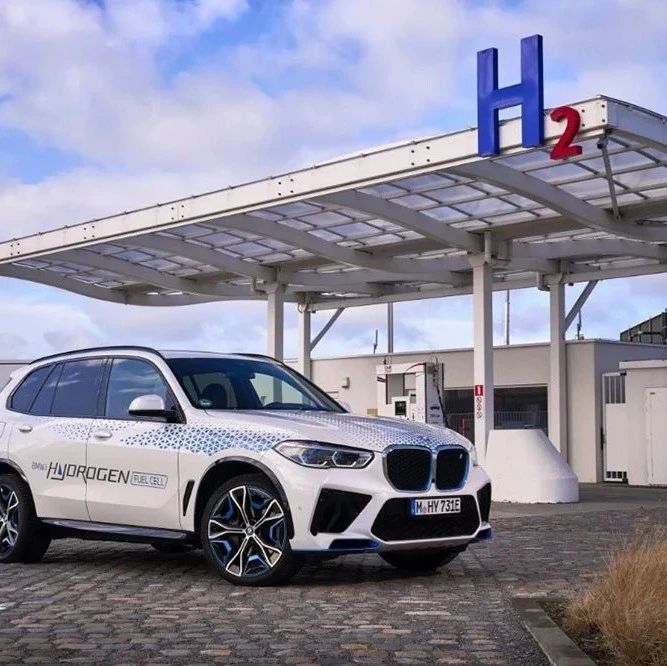
Core Viewpoint - Hydrogen fuel cell vehicles (FCEVs) are entering the market alongside battery electric vehicles (BEVs), but their sales remain significantly lower, with only 12,866 FCEVs registered globally in 2024 compared to 10.8 million BEVs [1] Group 1: Market Participation and Development - BMW plans to launch its first hydrogen fuel cell vehicle by 2028, while Toyota continues to lead in FCEV sales with its Mirai model [1][7] - Other manufacturers like Hyundai and Honda are also involved in the FCEV market, with Honda launching its CR-V e:FCEV in 2024 [1] - BMW has been cautiously producing small batches of hydrogen fuel cell vehicles since 2023, with the iX5 Hydrogen model already demonstrating reliable performance [1] Group 2: Infrastructure Challenges - The lack of hydrogen refueling stations is a significant barrier to FCEV adoption, with the number of stations in the UK decreasing from 15 in 2019 to only 4 by 2025 [2] - In contrast, the UK has a robust network of public charging points for BEVs, with 39,733 charging points available by May 2025 [2] - The high cost of building hydrogen refueling stations, estimated between $1.5 million to $2 million, poses a challenge for widespread infrastructure development [5] Group 3: Strategic Insights - Some industry experts argue that neglecting hydrogen infrastructure is a strategic mistake if the goal is to decarbonize road transport [3] - A complementary relationship exists between FCEVs and BEVs, suggesting that investing in both charging and refueling infrastructure could lower overall costs [4] - The development of hydrogen fuel cell technology could provide resilience against resource shortages associated with battery production [4] Group 4: Future Prospects - BMW is optimistic that by 2028, infrastructure improvements will make hydrogen a viable option for consumers [8] - The decision on where to launch the hydrogen vehicle will depend on local infrastructure conditions, with the UK currently lacking the necessary support [9][10] - Market demand for hydrogen vehicles exists, as indicated by surveys, but translating this interest into actual sales remains a challenge [11][12]
三家《财富》世界500强的新战事
财富FORTUNE· 2025-07-31 13:05
Core Viewpoint - The article highlights the continuous revenue growth and rising rankings of five Chinese internet giants—JD.com, Alibaba, Tencent, Pinduoduo, and Meituan—in the competitive landscape of the Fortune Global 500 list, indicating the ongoing penetration of the internet and e-commerce in China's vast market [1][2]. Group 1: JD.com - JD.com ranked 44th in the Fortune Global 500, rising three places and becoming the highest-ranked private company in China [4]. - The company officially entered the food delivery market in March, challenging Meituan's monopoly, which presents new opportunities for merchants, riders, consumers, and competitors like Alibaba [5][6]. - JD.com aims to leverage its existing instant delivery network, mature app, and technology to enhance user engagement and drive consumption across various product categories [7][9]. - The company has signed labor contracts with full-time riders, ensuring social security benefits, and has over 150,000 full-time riders as of June 2025 [9]. - JD.com’s core advantage lies in its supply chain capabilities, which have been optimized for efficiency and cost reduction, allowing it to outperform competitors like Gome and Suning [10][15]. Group 2: Alibaba - Alibaba rose seven places to rank 63rd in the Fortune Global 500 [18]. - The company is integrating its services by unifying Taobao's "hourly delivery," Ele.me's local retail, and Hema's instant delivery into a single platform called "Taobao Flash Purchase," enhancing its operational efficiency [17]. Group 3: Meituan - Meituan reported a revenue of 337.6 billion yuan for the year, ranking 327th on the Fortune list, with its core local business growing by 20.9% to 250.2 billion yuan [19]. - The company has built a robust instant delivery network with nearly 4 million riders, maintaining high net profits despite competitive pressures [20]. - Meituan faces challenges in quality control due to the diverse range of products and merchants involved in instant retail, which can affect consumer trust [20]. Group 4: Competitive Landscape - JD.com employs a supply chain model that emphasizes control over procurement, warehousing, and logistics, while Alibaba and Meituan utilize a platform model that connects supply and demand through digital technology [21][22]. - The article notes that both models have distinct operational logics, with the supply chain model focusing on strict quality control and the platform model allowing for rapid expansion of product categories [22][23]. - All three companies are navigating a new competitive environment, leveraging their unique strengths to explore new markets: JD.com extends its supply chain capabilities into instant retail and food delivery; Alibaba maximizes its platform effects and capital strength; and Meituan seeks higher profit margins through its extensive rider network [23].