首席商业评论

Search documents
宁波家族低调卖文具,年入400亿
首席商业评论· 2025-06-16 03:51
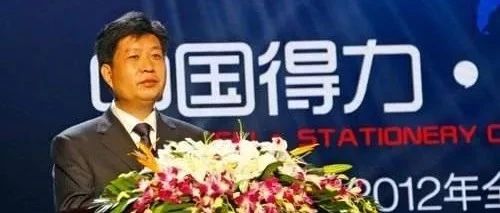
以下文章来源于21世纪商业评论 ,作者谢之迎 21世纪商业评论 . 《21世纪商业评论》敏感于一切商业新知、商业产品、商业模式和商业英雄,敏感于新公司的新玩意、 老公司的新改造、旧话题的新表达、老商业的新颠覆,为您提供最新鲜实用的商业养分。 大搞联名,追风谷子。 宁波文具大佬娄甫君,开始卖"谷子"了。 6月上旬,其掌舵的得力,在上海和北京大悦城,落地二次元主题快闪店"甜心派对"。 《21CBR》记者在现场看到,大批少女漫画IP"守护甜心"的粉丝排队打卡。"花了几百元,买了毛绒痛包挂 件、留言夹、便签等'谷子'。"有消费者表示。 "谷子"谐音goods,指IP衍生周边,已是千亿级市场。联名各种动漫IP、推盲盒文具,这位低调的浙江富豪 找到流量密码。 64岁的娄甫君,出了新招,其生意版图,跃出文具,涉足打印设备、办公家具、体育用品等。 多点发力,"2024中国制造业企业500强"榜单显示,得力集团营收升至402亿元,堪称文具行业一哥。 01 输出情绪 娄甫君,做起年轻人的情绪生意。 学生们可以在得力搜罗到一堆周边,涵盖黄油小熊、蜡笔小新、时光代理人、葬送的芙莉莲等知名IP。 拿"黄油小熊"来说,得力和其联名的SK ...

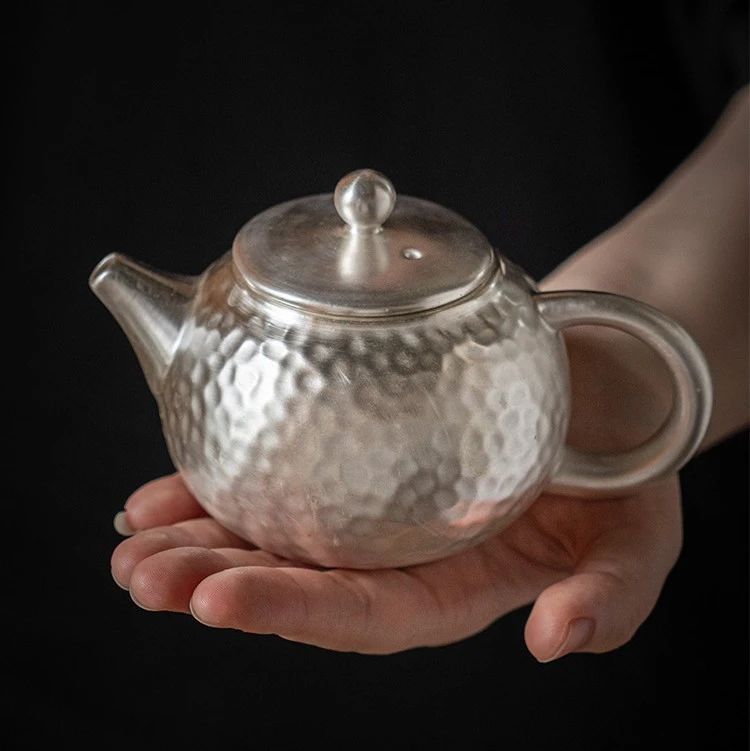
禅茶一味,一茶净心,喝的是茶,悟的是人生。
首席商业评论· 2025-06-15 04:00
Core Viewpoint - The article emphasizes the cultural significance of tea drinking in China, highlighting its historical roots and the aesthetic appeal of tea utensils, particularly silver teapots, which enhance the tea experience [1][3][12]. Group 1: Cultural Significance of Tea - Tea is recognized as one of the world's three major beverages, with China being its birthplace and a history of over 4,000 years of tea drinking [3]. - Drinking tea is portrayed as a moment to pause and appreciate life, enriching one's existence [1]. Group 2: Aesthetic Appeal of Silver Teapots - Silver teapots are described as elegant and pure, providing a unique experience that does not compromise the tea's aroma [8][11]. - The craftsmanship of silver teapots, particularly the hammer pattern technique, is highlighted as a significant feature that adds to their beauty and uniqueness [30][34]. Group 3: Product Recommendation - A specific silver teapot is recommended, priced at 99 yuan, which is considered an affordable alternative to traditional silver teapots [18]. - The teapot is made using a combination of porcelain and silver, showcasing both materials' beauty and craftsmanship [22][25]. Group 4: Product Features - The teapot has a capacity of 250ml, designed to enhance the interaction between tea and silver, resulting in a refined tea flavor [53]. - It comes with a gift box, making it suitable for gifting, and has received positive reviews [58][61].
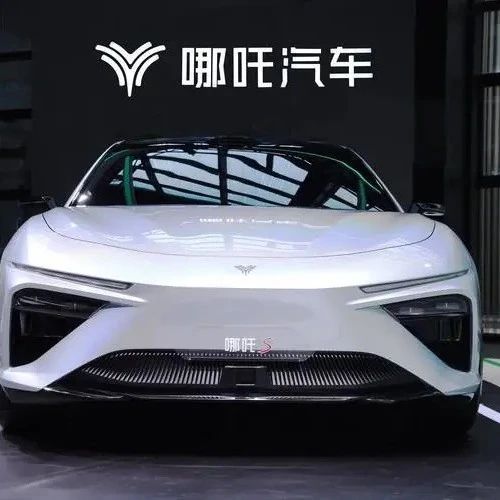
哪吒汽车正式进入破产重整程序|首席资讯日报
首席商业评论· 2025-06-15 04:00
Group 1 - Laofengxiang is set to launch AI glasses in collaboration with ByteDance, but the product has not yet obtained a sales license and is expected to be available after September [1] - Nezha Auto has officially entered bankruptcy reorganization, with its affiliated company, Hozon New Energy Automobile Co., Ltd., undergoing a bankruptcy review [2] Group 2 - The U.S. President Trump has approved a $14.9 billion acquisition of U.S. Steel by Japan's Nippon Steel, contingent upon resolving national security issues with the U.S. Treasury [2] - Boeing has resumed deliveries of the 787 wide-body aircraft to Chinese airlines, marking a significant development after a pause due to U.S.-China trade tensions [3] Group 3 - Tencent has open-sourced its Mix Yuan 3D 2.1 model, which has already seen over 1.8 million downloads on Hugging Face [5] - Moutai Group held a strategic meeting to discuss sustainable high-quality development and the compilation of its "15th Five-Year" strategic plan [6] Group 4 - Trump's financial report indicates he earned $57.4 million from his family's cryptocurrency business, World Liberty Financial, making it one of his largest income sources last year [7] - China has successfully conducted its first invasive brain-computer interface clinical trial, becoming the second country globally to enter this stage of testing [8] Group 5 - China's industrial robot exports surged by 55.4% in the first five months of the year, driven by increased production levels and a growing presence in emerging markets [9] - AMD has unveiled its flagship AI chips at the AMD Advancing AI conference, aiming to compete with Nvidia, with Morgan Stanley highlighting the potential impact of the upcoming MI400 product [13]
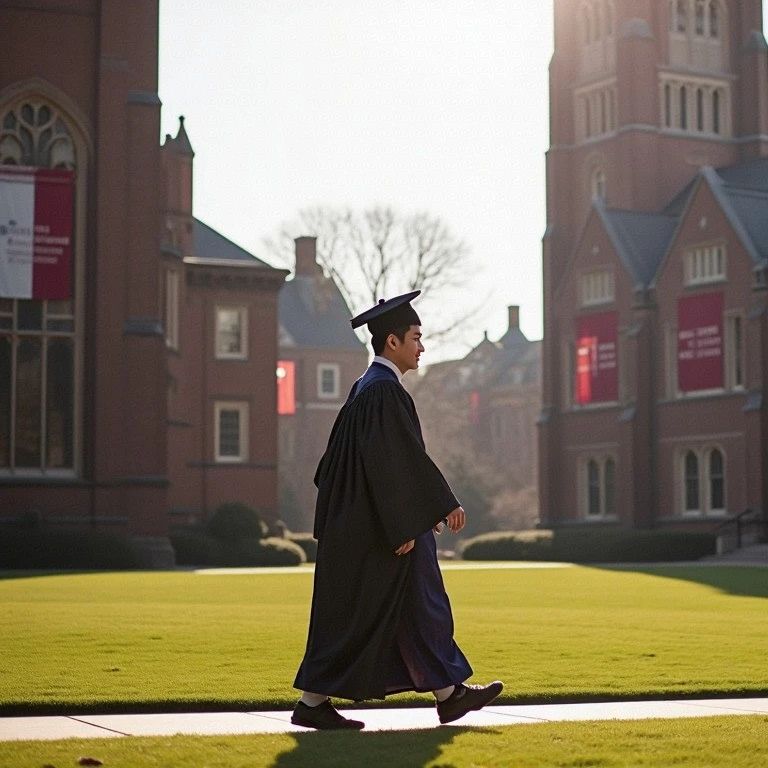
川普欢迎中国留学生,我却想回国了
首席商业评论· 2025-06-15 04:00
Core Viewpoint - The article discusses the drastic changes in the perception and reality of studying in the United States for Chinese students, highlighting a significant decline in student visa numbers and the challenges faced by those who remain in the U.S. [3][4][8] Group 1: Decline in Chinese Students in the U.S. - As of March this year, the number of Chinese student visas has dropped by 42.5% year-on-year, returning to levels seen a decade ago [4]. - Many students are leaving the U.S. due to a combination of disillusionment and sudden policy changes, with some feeling relieved to return home [3][5]. Group 2: Changing Perceptions of the American Dream - The once idealized view of the U.S. as a land of opportunity has shifted, with students now facing discrimination and job scarcity [8][9]. - The financial burden of studying in the U.S. has increased, with average costs for undergraduate education reaching over 1 million CNY for four years [17][18]. Group 3: Challenges Faced by International Students - International students report difficulties in integrating into American culture, with language barriers and social exclusion being common experiences [21][24][25]. - The political climate, particularly under Trump's administration, has led to increased scrutiny and anxiety among international students regarding their visa status [26][29][31]. Group 4: Employment and Visa Uncertainty - The process of obtaining work visas such as H-1B is fraught with uncertainty, with only a 1 in 3 chance of being selected in the lottery, and Chinese applicants facing even lower odds [39]. - Many students are struggling to secure employment that offers visa sponsorship, leading to a sense of instability and fear of returning to their home country without a degree [36][42][44]. Group 5: Economic and Social Implications - The article highlights the growing trend of students from middle-class families pursuing education abroad, indicating a shift towards a more widespread aspiration for the "American Dream" [18]. - The narrative concludes with a sense of nostalgia for a time when the U.S. was seen as a beacon of hope, contrasting it with the current challenges faced by international students [46][49].
印度传奇企业塔塔集团,是如何炼成的?
首席商业评论· 2025-06-15 04:00
Core Viewpoint - Tata Group is a significant player in India's economy, often referred to as the "backbone of the national economy," with a diverse portfolio spanning various industries, including steel, automobiles, IT, and hospitality, contributing approximately 6% to India's GDP as of 2024 [7][4][6]. Group 1: Historical Development - Tata Group originated from a small textile factory established by Jamsetji Tata in 1877, evolving into a major industrial empire over 156 years [8][4]. - The founder, Jamsetji Tata, initially engaged in cotton trade and later established India's first steel plant, which laid the foundation for the group's industrial growth [15][17]. - The group expanded significantly under the leadership of subsequent generations, with notable contributions from J.R.D. Tata, who established Tata Airlines, which later became Air India [20][21]. Group 2: Global Expansion - Tata Group began its international expansion in the late 20th century, diversifying into various sectors, including consulting and IT services, with Tata Consultancy Services (TCS) becoming a leading player in the global IT consulting market [25][27]. - The group made significant acquisitions, including the purchase of Jaguar and Land Rover in 2008, which helped transform Tata into a global automotive player [33][35]. - By 2024, Tata Group's revenue exceeded $168 billion, with a market capitalization of $365 billion, reflecting its successful global integration [7]. Group 3: Corporate Philosophy and Social Responsibility - Tata Group is known for its commitment to social responsibility, with a philosophy of "giving back to society," which is reflected in its charitable initiatives and the establishment of various educational and healthcare institutions [44][45]. - The family has maintained a unique ownership structure that ensures long-term control over the group while promoting social welfare, avoiding conflicts over wealth distribution [44][45]. - The group's approach to integrating social responsibility with business strategy has established a strong brand reputation and sustainability, serving as a model for other companies [46][47].
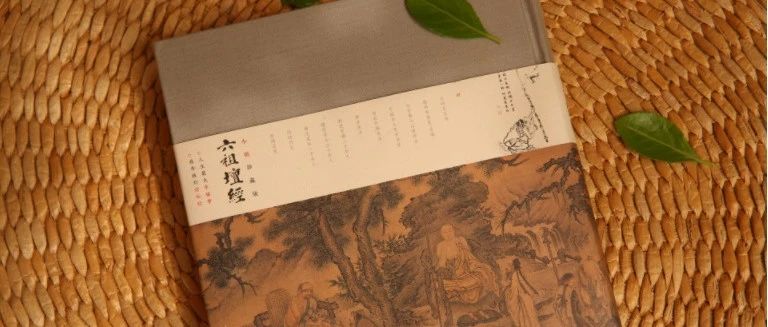
史上最美小楷《六祖坛经》,让您走入禅宗顿悟的神奇之门!
首席商业评论· 2025-06-14 04:26
Core Viewpoint - The article emphasizes the significance of the "Platform Sutra of the Sixth Patriarch" by Huineng as a vital text in Chinese Buddhism, regarded as a must-read for personal development and understanding of Zen principles [9][12][47]. Group 1: Importance of the "Platform Sutra" - The "Platform Sutra" is considered a unique Buddhist text, being the only one referred to as a "sutra" in Chinese Buddhism, highlighting its exceptional status [6][22]. - Influential figures, including Chairman Mao and renowned scholars like Qian Mu, have recognized the "Platform Sutra" as essential reading, placing it alongside other classic texts like "The Analects" and "Tao Te Ching" [10][12]. - The text is recommended for all ages, with the notion that it provides insights relevant to different life stages, making it beneficial to read at any time [12][27]. Group 2: Huineng's Life and Teachings - Huineng, originally a woodcutter, became the Sixth Patriarch of Zen Buddhism, illustrating a remarkable journey from humble beginnings to spiritual enlightenment [5][14]. - His teachings emphasize the concept of inherent Buddha-nature in all beings, advocating for an internal search for enlightenment rather than external pursuits [27][28]. - The "Platform Sutra" contains ten chapters, each addressing different aspects of Zen practice and philosophy, including the nature of wisdom, meditation, and the importance of self-awareness [25][39]. Group 3: Versions and Accessibility of the Text - The "Platform Sutra" has multiple versions due to historical transcription and publication, with the most popular being the one compiled by the monk Zongbao during the Yuan Dynasty [41][43]. - A newly published edition, the "Small Calligraphy Edition of the Platform Sutra," combines calligraphy, illustrations, and modern interpretations, making it accessible for contemporary readers [40][45][47]. - This edition aims to facilitate understanding of Zen principles, allowing readers with no prior knowledge of Buddhism to engage with the text meaningfully [47].
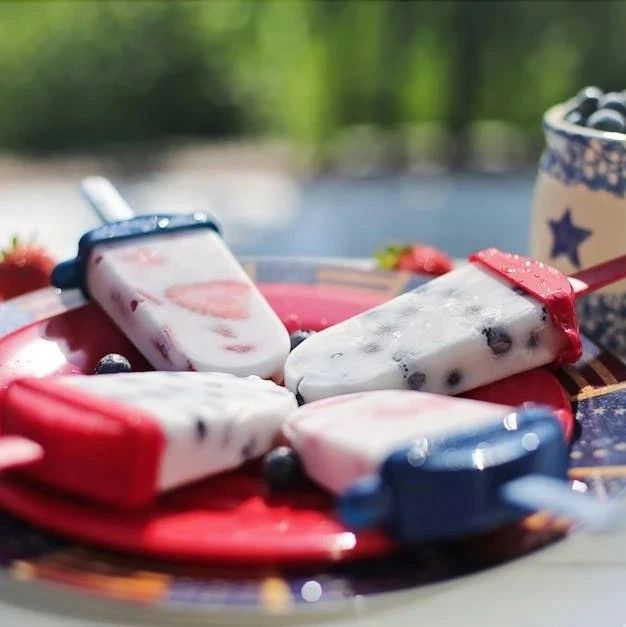
市场监管总局:3605批次冷冻饮品抽检合格率超99.5%|首席资讯日报
首席商业评论· 2025-06-14 04:26
Group 1: Sports and Events - Sichuan's "Bashu Xiongjing Cup" will draw on the successful development experience of the "Supert League" to enhance the event system and promote fair competition [1] - The competition is scheduled to take place from June 21 to July 6, 2025, with the finals set for September 5 to September 27, featuring both men's and women's teams in an eleven-a-side format [1] Group 2: Automotive Industry - Xiaopeng Motors aims to be among the first companies to introduce advanced intelligent driving assistance in Hong Kong, with plans for vehicle readiness and software development within two months [3] - The company is looking to leverage Hong Kong as a launchpad for global expansion in the smart driving sector [3] Group 3: Financial Technology - Ant Group's Ant Digital has initiated the application for a stablecoin license in Hong Kong, having already engaged in multiple rounds of discussions with regulators [4] - The establishment of "Ant Xinneng" in collaboration with GCL-Poly is part of Ant's strategy to anchor its global financial presence [4] Group 4: Technology and AI - Scale AI has received a significant new investment from Meta, with CEO Wang Tao stepping down to join Meta while remaining on Scale AI's board [5] - The company is actively seeking a new CTO to strengthen its engineering team [5] Group 5: Market Regulation - The State Administration for Market Regulation reported that over 99.5% of 3,605 batches of frozen beverages passed inspection, indicating a stable improvement in food safety [6] Group 6: Robotics and Elderly Care - The Ministry of Industry and Information Technology and the Ministry of Civil Affairs are launching pilot projects for smart elderly care robots in various settings, with preparations already underway in Hunan [7] Group 7: Corporate Earnings - Adobe reported Q2 revenue of $5.87 billion, exceeding analyst expectations of $5.8 billion, with projected digital media revenue for Q3 between $4.37 billion and $4.4 billion [8] Group 8: Mergers and Acquisitions - BioNTech has signed an agreement to acquire CureVac for $1.25 billion, aimed at enhancing its mRNA cancer immunotherapy research and commercialization efforts [9] Group 9: Stock Market Regulation - The Hong Kong Securities and Futures Commission is considering optimizing the Stock Connect program and adjusting the minimum trading lot size to enhance market liquidity [11][12] Group 10: Real Estate Initiatives - The Guangxi government aims to acquire 25,000 units of existing commercial housing by 2025 as part of its consumption promotion strategy [13]


清北毕业到底能赚多少钱?
首席商业评论· 2025-06-14 04:26
以下文章来源于九边 ,作者九边 九边 . 2023年印象笔记收藏量排第一的公号 高考季再写点吧,过来人感受不一定对,但说不定会给一些迷茫的小伙伴点启发。 那他们的收入最终大概多少呢? 我自己在大厂上班嘛,六七年前做PM的时候经常去大学招聘,那时候认识很多大学教书的,他们很多是清 北毕业的。后来工作中跟国企对接,也认识一些。还有不少读者也是清北毕业,一些在金融公司,还有在 出版社的,当公务员的。还有就是外企,外企也非常多。那些跨国公司待遇很好,加班少又人性化,招聘 很严格,毛病是升职加薪比较一般。 其实聊收入多少有点低俗,不过咱们也都诚实点,无论是考生还是家长,拼了命也要考个好学校,最根本 的目标还是想将来多赚点钱把日子过好点。也有类似张益唐这种确确实实对钱很无所谓的,但这类人非常 极少见。 我比较喜欢莫言的风格,有一次不知道得了个什么奖(不是诺奖那次),莫言作为一个深入简出不爱社交 的"i人",当然不想去。不过后来说是有100万奖金,立刻就去了,非常实诚,换我我也这么干。 关于清北毕业的收入,这也是个非常复杂的话题,因为没啥统计数据,只能是从我自己身边的感觉,还有 类似智联招聘等网站的数据来推算。 先说两个很 ...
“Lafufu”擦边Labubu,泡泡玛特失算,谁之过?
首席商业评论· 2025-06-14 04:26
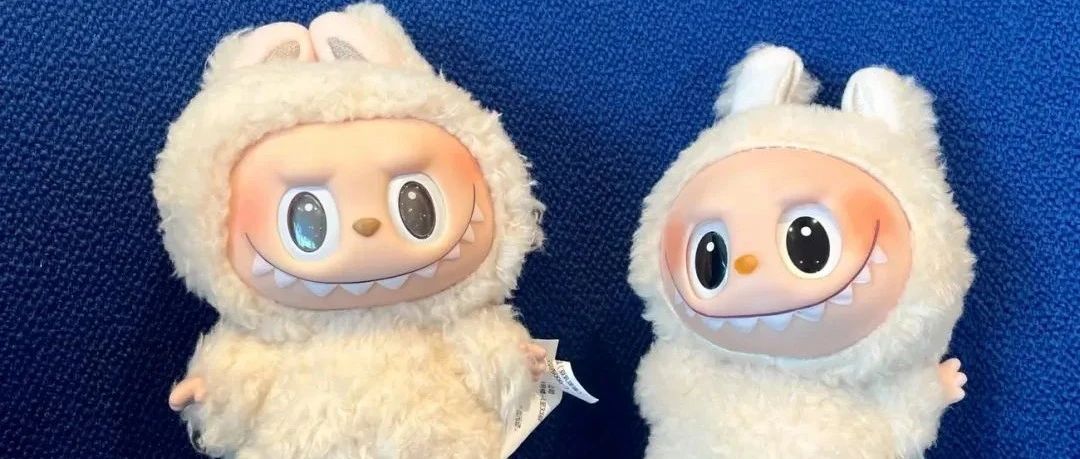
Core Viewpoint - The overwhelming popularity of Labubu has led to a surge in counterfeit products, with consumers struggling to obtain the original due to high demand and limited supply [1][3][32]. Group 1: Market Dynamics - The launch of Labubu 3.0 saw intense consumer interest, resulting in chaotic scenes at physical stores and online sales, with reports of violence and price gouging [1]. - The counterfeit market has flourished, with many "high-quality replicas" being sold under misleading pretenses, and some sellers openly labeling their products as "replicas" [2][4]. - The supply of counterfeit Labubu toys is currently outstripping demand, with factories reporting that they can sell products at any price due to high consumer interest [12][34]. Group 2: Consumer Behavior - The "hunger marketing" strategy employed by the original brand has created a perfect storm for counterfeits, as consumers are driven by a desire to own the product, often leading to impulsive purchases of fakes [13][16]. - The allure of blind box toys, where the exact item is unknown until purchase, heightens consumer curiosity and desire, further fueling demand [14][16]. - Social media plays a significant role in shaping consumer perceptions, with owning Labubu becoming a status symbol, especially after endorsements from celebrities [16][18]. Group 3: Counterfeit Characteristics - Counterfeit Labubu products are often of poor quality, with significant discrepancies in design and craftsmanship, yet they are still selling well, even overseas [26][28]. - The rise of "ugly" counterfeits has led to a unique subculture, where consumers share and showcase their fake Labubu products on social media [28][30]. Group 4: Legal and Economic Implications - The legal framework protects Labubu's design under copyright law, but enforcement remains challenging due to the decentralized nature of counterfeit production [39][41]. - Despite efforts to combat counterfeiting, including legal actions and increased surveillance, the economic incentives for counterfeiters remain high due to low production costs and high profit margins [46][49]. - To effectively combat counterfeiting, the original brand must innovate rapidly and create more collectible value in their products, while also educating consumers on the importance of avoiding counterfeit goods [50][52].

中国稀土往事,尊严与梦想!
首席商业评论· 2025-06-13 04:28
Core Viewpoint - China's rare earths are crucial materials for manufacturing permanent magnets, significantly impacting products like high-speed motors. The country has various strategies to leverage its resources effectively [1]. Group 1: Historical Context and Development - In the 1980s, Wang Zhenxi developed sintered NdFeB magnets, breaking foreign technology monopolies with a magnetic energy product of 38 MGOe [7]. - China has the world's largest rare earth reserves, accounting for approximately 30%-40% of global resources, but faced technological monopolies from the US, France, and Japan in the 1960s [17]. - The breakthrough in rare earth separation technology by Xu Guangxian in the 1970s led to China dominating the market, achieving 90% market share by 1990 [20]. Group 2: Current Market Dynamics - As of 2023, China produced 61% of the world's rare earth resources and holds 92% of the global refining capacity [14]. - The competition has shifted from separation processing to manufacturing high-performance permanent magnet materials, particularly NdFeB magnets, which are widely used in various industries [22][24]. - Chinese companies like Zhongke Sanhuan have made significant advancements, with over 200 patents, including more than 60 invention patents covering core technologies in rare earth permanent magnet manufacturing [27]. Group 3: International Relations and Trade - The US heavily relies on China for rare earth imports, with 70% of its rare earth compounds and metals sourced from China between 2020 and 2023 [48]. - The geopolitical landscape has led to increased tensions, with the US government implementing tariffs and export controls on rare earth elements [48]. - Chinese companies are expanding their global footprint, with investments in foreign rare earth mines, such as the Mountain Pass mine in the US, which exports nearly 50,000 tons of rare earth concentrates to China annually [37]. Group 4: Future Prospects - The demand for high-performance rare earth materials is expected to grow, particularly in sectors like electric vehicles and robotics, with companies like Jinli Permanent Magnet planning new factories in Mexico [42]. - The ongoing competition and technological advancements in rare earth processing and manufacturing will continue to shape the industry landscape, with Chinese firms actively participating in global supply chains [46].