美股IPO

Search documents
Wegovy销售不及预期,诺和诺德Q3营收增长5%,第四次下调全年业绩指引
美股IPO· 2025-11-05 13:15
Core Viewpoint - Novo Nordisk has significantly slowed its sales growth over the past year due to intensified market competition, contrasting sharply with the rapid growth previously achieved through its drug Wegovy. The company has adjusted its full-year performance guidance downward, reducing both sales and profit expectations [1][14][15]. Financial Performance - In Q3, Novo Nordisk reported a sales growth of 5%, reaching 75 billion Danish Krone (approximately 11.71 billion USD), which was below analyst expectations of 76.8 billion Danish Krone [3][5]. - The company's net profit for Q3 was 20 billion Danish Krone, lower than the expected 20.8 billion Danish Krone [6]. - Operating profit (EBIT) for Q3 was 23.7 billion Danish Krone, also below the forecast of 25.6 billion Danish Krone [7]. - The gross margin decreased from 84.1% in the same period last year to 76.1%, significantly lower than the market expectation of 81.1% [8]. - The operating profit margin fell from 47.4% to 31.6%, again below the anticipated 33.9% [9]. Sales and Product Performance - Sales of Wegovy in Q3 were 20.4 billion Danish Krone, an 18% increase year-on-year but below the market expectation of 20.9 billion Danish Krone [22]. - Ozempic sales reached 30.7 billion Danish Krone, slightly exceeding the expected 30.5 billion Danish Krone [22]. - Overall, the sales for diabetes and obesity drugs in the first three quarters totaled 70.3 billion Danish Krone, falling short of the expected 72.7 billion Danish Krone [22]. Guidance Adjustments - Novo Nordisk has narrowed its full-year sales growth forecast to 8% to 11% from a previous range of 8% to 14%, and operating profit growth forecast to 4% to 7% from 4% to 10% [15][17]. - The company has also reduced its capital expenditure expectations for 2025 to approximately 60 billion Danish Krone from 65 billion Danish Krone, and free cash flow expectations to between 20 billion and 30 billion Danish Krone [22]. Competitive Landscape - Novo Nordisk faces significant challenges from competitors like Eli Lilly and the impact of generic drugs, which have pressured its stock price, leading to a decline of about 50% this year [18][28]. - Eli Lilly's recent performance has shown it is closing the gap with Novo Nordisk, with its Q3 results exceeding expectations and an upward revision of its full-year guidance [20]. Strategic Moves - The new CEO Mike Doustdar is implementing major initiatives, including a workforce reduction of 11% to enhance operational efficiency [27]. - The company is also focusing on the oral version of Wegovy as a potential growth driver amid competitive pressures [28].


美银:市场波动率上升预示泡沫正在形成,但仍处于早期阶段
美股IPO· 2025-11-05 13:15
Core Viewpoint - The recent simultaneous rise of the S&P 500 index and the VIX index indicates a potential asset bubble driven by AI, suggesting that the expansion process may still be in its early stages [1][3][10]. Group 1: Market Dynamics - The occurrence of "price up, volatility up" is a hallmark of asset bubble formation, contrasting with the typical negative correlation between the S&P 500 and VIX [3][4]. - The current VIX index remains near its historical median, indicating that both the market and volatility have room for further upward movement [3][10]. - The report highlights that the primary risk in the current market is missing out on an upward trend rather than a significant downturn [3]. Group 2: Individual Stock Volatility - There is a notable increase in individual stock volatility, particularly among large tech stocks, with examples such as Meta's 11.3% drop on October 30, which was approximately 8.3 times its historical volatility [7]. - Amazon experienced a 9.6% increase on October 31, with its volatility being about 5.5 times its historical level [8]. - The frequency and magnitude of significant fluctuations in U.S. tech stocks have reached historical highs, surpassing even the dot-com bubble period [9]. Group 3: Bubble Stage Indicators - Despite the signs of a bubble, the VIX index is not at extreme levels, currently around 15, compared to over 40 during the late stages of the dot-com bubble [10]. - The realized volatility of the Nasdaq 100 index remains relatively controlled, significantly lower than the average of 93% during the peak of the internet bubble [13]. - These moderate indicators suggest that the current AI-driven bubble may have considerable room for further development before reaching a peak [14][17]. Group 4: Investment Strategies - The report recommends that investors should not exit the market entirely but instead utilize asymmetric tools like options to participate in potential upward movements while managing risks [3][17]. - Suggested strategies include selling VIX put options to construct zero-cost S&P 500 call spreads and buying long-term S&P 500 up-variance to capture the ongoing expansion of the bubble [17].

AI训练引爆散热革命?高盛:液冷明年全面超风冷,年复合增长超100%!
美股IPO· 2025-11-05 13:15
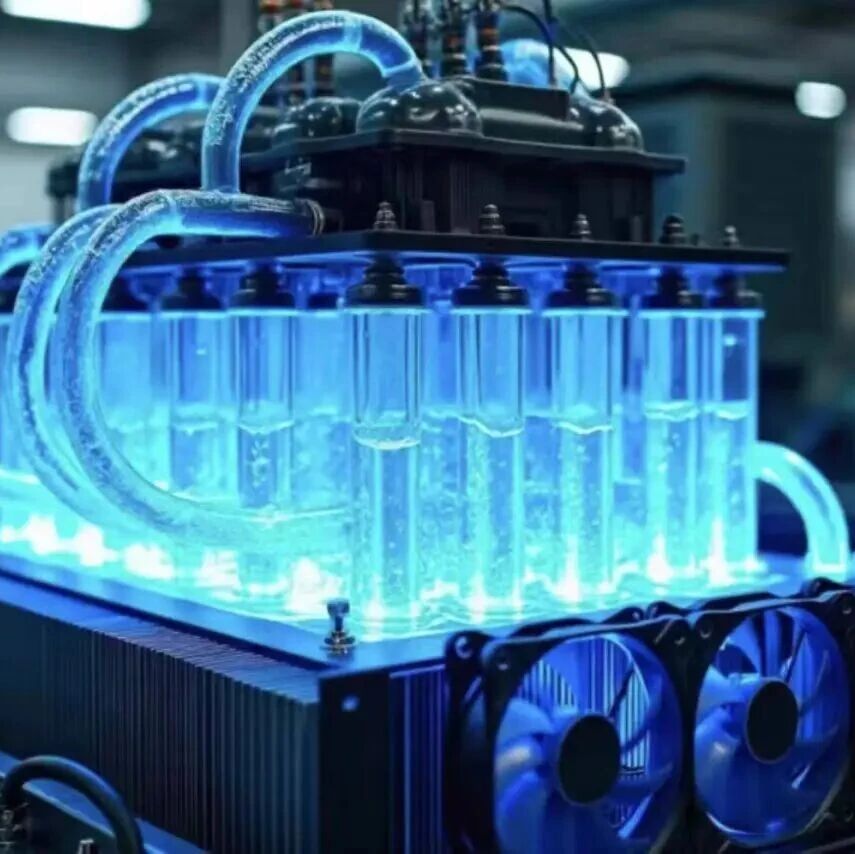
Core Insights - The global server cooling market is experiencing structural growth opportunities, with a projected total scale of $17.6 billion by 2027, driven primarily by AI training servers with a compound annual growth rate (CAGR) of 101% [1][6][7] Market Growth Projections - The server cooling market is expected to grow by 111%, 77%, and 26% year-on-year from 2025 to 2027, reaching $17.6 billion by 2027 [6][8] - The liquid cooling market is anticipated to grow from $1.2 billion in 2024 to $15.2 billion in 2027, while the air cooling market remains relatively stable [7] Liquid Cooling Penetration - Liquid cooling penetration for AI training servers is projected to rise from 15% in 2024 to 80% by 2027, with significant differentiation in penetration rates across segments [3][9] - Full rack AI training servers have already achieved 100% liquid cooling penetration, becoming a key market driver [3] Segment Analysis - The AI training server cooling market is expected to expand from $4.5 billion in 2025 to $12.4 billion in 2027, showcasing strong growth momentum [2][9] - In contrast, the general/HPC and AI inference server cooling markets are projected to grow more modestly, from $3.4 billion in 2025 to $5.1 billion in 2027 [9] Component Innovations - Key components in the liquid cooling segment, such as cold plates, manifolds, and CDU/RPU, are expected to see significant growth, while traditional components like 3D VC and heat sinks will grow at a more stable rate [10] - Innovative cooling designs are being developed to meet the increasing thermal demands of AI servers, including 3D printed cold plates and microchannel solutions [11][12]
股价下挫21%!“棒约翰”暴跌!美国零售巨头“连续暴雷”:Yum考虑出售“必胜客”
美股IPO· 2025-11-05 06:05
Core Viewpoint - The U.S. restaurant chain industry is facing significant challenges, with consumer spending fatigue spreading from low-income groups to the middle class, as evidenced by the recent struggles of major pizza chains like Papa John's and Pizza Hut [2][3][11]. Group 1: Papa John's Situation - Papa John's stock plummeted 21%, marking its largest single-day drop since March 2020, following the withdrawal of a privatization offer by Apollo Global Management [3][4]. - The failed acquisition highlights the cautious outlook of private equity firms regarding the restaurant industry's future amid ongoing consumer spending pressures [8]. - Papa John's is set to release its Q3 earnings report, with analysts predicting a 5.2% year-over-year decline in adjusted earnings [7]. Group 2: Pizza Hut's Challenges - Yum! Brands Inc. has initiated a strategic review of Pizza Hut, considering the potential sale of the struggling brand, which has seen sales decline for eight consecutive quarters [3][9]. - Pizza Hut's annual sales are approximately $1 billion, down 20% from a decade ago, contributing less than 15% to Yum! Brands' total revenue [9][10]. - The brand's inability to attract customers contrasts with competitors like Domino's, which continue to see revenue growth [10]. Group 3: Broader Industry Trends - The challenges faced by pizza chains reflect a broader trend of consumer spending fatigue, exacerbated by inflation, leading to reduced dining out [11]. - Chipotle Mexican Grill has also lowered its sales forecast for the third time this year, indicating that consumers are shifting towards grocery shopping to save costs [11]. - Goldman Sachs has reported that consumer spending slowdowns are now affecting middle-income groups, particularly those aged 25-35, with non-essential consumer goods stocks underperforming the market [11].

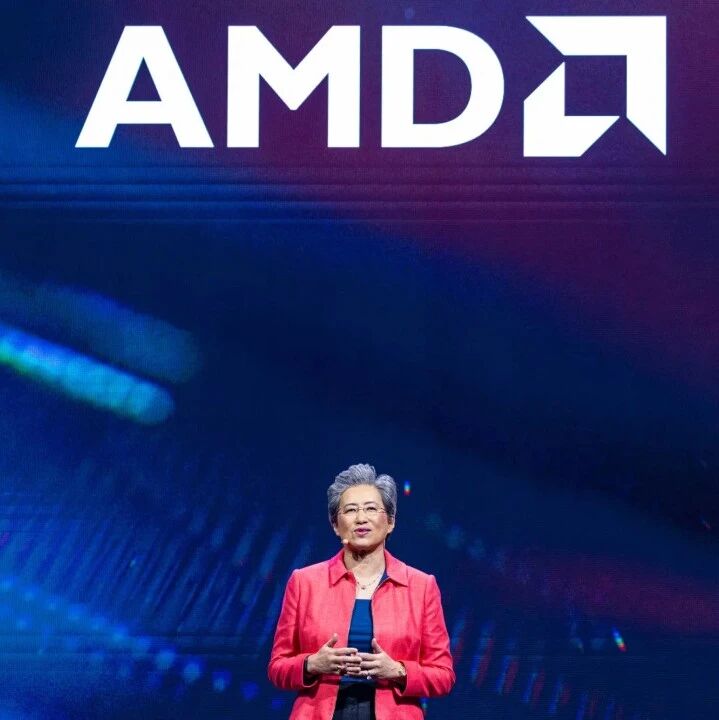
AMD CEO业绩电话会:展望“数百亿”AI收入,但投资者更关心“何时兑现”(电话会全文)
美股IPO· 2025-11-05 06:05
Core Viewpoint - AMD's CEO Lisa Su projects that the company's data center AI business will reach "hundreds of billions" in annual revenue by 2027, but short-term growth concerns persist among investors [1][3][11]. Group 1: AI Business Outlook - AMD's long-term AI revenue target is set at "hundreds of billions" by 2027, with a significant collaboration with OpenAI involving the deployment of the MI450 series accelerators starting in the second half of 2026 [3][8][13]. - The company is entering a new growth phase in its AI business, with the MI400 series and Helios solutions expected to launch in 2026, supported by major clients like OpenAI and Oracle [8][27][28]. - AMD's software ecosystem, particularly the ROCm platform, has seen significant advancements, with ROCm 7 offering improved performance and functionality, gaining support from developers [8][24][25]. Group 2: Short-term Growth Concerns - Despite a positive long-term outlook, analysts expressed concerns about the short-term growth catalysts for AMD's AI business, as traditional server CPU growth slightly outpaced the AI GPU segment in the last quarter [5][10][12]. - The fourth-quarter revenue guidance of approximately $9.6 billion exceeded analyst expectations but did not meet some investors' high hopes for explosive AI-driven growth, leading to cautious market evaluations [6][11][41]. - AMD's business in China remains uncertain, as the fourth-quarter guidance does not include revenue from the MI308 chip, adding to short-term uncertainties [7][11]. Group 3: Financial Performance - AMD reported a record revenue of $9.2 billion for Q3 2025, a 36% year-over-year increase, driven by strong demand across data center AI, server, and PC segments [19][36]. - The data center segment achieved record revenue of $4.3 billion, a 22% year-over-year increase, primarily due to the strong demand for the fifth-generation EPYC processors and MI350 series GPUs [19][37]. - The client and gaming segment also saw record revenue of $4 billion, up 73% year-over-year, reflecting robust demand for the latest client and graphics processors [30][37].

美股散户的“黑色星期二”:财报与空头夹击之下,妖股与币圈齐跌
美股IPO· 2025-11-05 06:05
Core Viewpoint - The article highlights a significant sell-off in popular stocks among retail investors, driven by disappointing earnings reports and increased bearish sentiment from notable investors, alongside turmoil in the cryptocurrency market [2][3][5]. Group 1: Stock Market Impact - On Tuesday, the Goldman Sachs-tracked retail investor heavy stock index plummeted by 3.6%, marking its largest single-day decline since April 10, and approximately three times the drop of the S&P 500 index [1][3]. - Despite retail investors net buying $560 million worth of stocks and ETFs on the same day, this did not prevent the Nasdaq from falling over 2% [1][3]. - The sell-off was exacerbated by the earnings report from Palantir, which raised concerns about its growth prospects, leading to a nearly 8% drop in its stock price [5][6]. Group 2: Influential Events - The bearish sentiment was intensified by Michael Burry's regulatory filing, revealing that he had established short positions in Palantir and Nvidia, which confirmed his warning about market overvaluation [7]. - The combination of these factors led to a panic sell-off among retail investors, as described by Melissa Armo, CEO of Stock Swoosh, indicating that fear triggers such market reactions [3][7]. Group 3: Cryptocurrency Market Turmoil - The cryptocurrency market also faced significant turmoil, with Bitcoin dropping below $100,000 for the first time since June, and Ethereum experiencing a decline of over 10% [9]. - In the past 24 hours, over 342,000 individuals in the crypto market faced liquidation, resulting in losses exceeding $1.3 billion, with long positions accounting for 85% of these losses [9][10]. - The recent downturn in the crypto market follows a previous liquidity crisis that had already shaken the market, contributing to the overall negative sentiment [11].

美股周四反弹?美国政府关门“势创纪录”,市场已然撑不住,周四或是“破局时刻”?
美股IPO· 2025-11-05 06:05
Core Viewpoint - The ongoing U.S. government shutdown, now in its 35th day, is causing significant turmoil in financial markets, with liquidity being drained similarly to multiple interest rate hikes. However, there are signs of potential progress in negotiations between the two parties in Congress, with some Republican lawmakers optimistic about reaching an agreement this week [1][3][4]. Group 1: Market Impact - The shutdown has led to a severe liquidity crisis, with the U.S. Treasury's General Account (TGA) balance increasing from approximately $300 billion to over $1 trillion in the past three months, effectively withdrawing over $700 billion from the market [5]. - The tightening effect of this liquidity withdrawal is comparable to several interest rate hikes, as key financing rates are under pressure. The Secured Overnight Financing Rate (SOFR) surged by 22 basis points on October 31, indicating that actual financing costs have not decreased despite the Federal Reserve's rate cuts [6]. Group 2: Political Developments - There are indications of a thaw in the political deadlock, with Senate Majority Leader John Thune proposing a potential solution that combines a short-term funding bill with a vote on extending subsidies for the Affordable Care Act (ACA), which is seen as a critical step to break the impasse [3][8]. - Some Republican senators express confidence that an agreement could be reached by the end of the week, particularly after local elections, which may pressure Democrats to soften their stance [4][8]. Group 3: Internal Party Divisions - Within the Democratic Party, there are noticeable divisions, with moderate members considering a compromise to temporarily reopen the government in exchange for a future vote on ACA subsidies. This proposal has angered progressive members who view it as a betrayal [9][10]. - Former President Trump has added complexity to the negotiations by pressuring Republicans to eliminate the Senate's filibuster rule, which could disrupt the negotiation process even if an agreement is reached in the Senate [10].

就在今天,特朗普任期首次重大选举!市场将获得重要数据,预判明年美国“中选”格局
美股IPO· 2025-11-05 06:05
Group 1 - The article highlights the significance of the gubernatorial elections in Virginia and New Jersey as a critical test for the Republican Party's support amid the ongoing federal government shutdown [1][3] - The elections are seen as a midterm referendum on the current Republican administration and reveal deep ideological divides within the Democratic Party, providing early insights into the potential direction of the 2026 midterm elections [3][4] - High voter turnout indicates strong public interest in these elections, with over 1.4 million ballots cast in Virginia and over 1.3 million in New Jersey as of Monday [3][4] Group 2 - In Virginia, Democratic candidate Abigail Spanberger is focusing on state economic issues and the federal government shutdown, while Republican Winsome Earle-Sears emphasizes immigration and parental rights [4] - In New Jersey, the Democratic incumbent aims to retain the governorship against a resurgent Republican candidate, Jack Ciattarelli, who has Trump's support and advocates for tax cuts and lower energy costs [4] Group 3 - The New York City mayoral race is marked by the rise of self-identified "democratic socialist" Zohran Mamdani, whose platform on housing costs and economic inequality has raised concerns on Wall Street [5][6] - Trump's intervention in the New York mayoral race includes support for independent candidate Andrew Cuomo and warnings about potential federal funding cuts if Mamdani wins, framing the election as a pivotal decision for the Democratic Party's future [6] Group 4 - In California, Governor Gavin Newsom is testing his political influence through Proposition 50, which aims to temporarily halt the state’s independent redistricting commission to create favorable congressional maps for Democrats [7] - The ongoing federal government shutdown, which is nearing historical records, is affecting economic data releases and could have prolonged negative effects on economic growth if the impasse continues [7]

敏感时刻,美股警报连连!著名估值指标“史上第二次”突破红线,上一次是1999年
美股IPO· 2025-11-05 06:05
著名估值指标——经周期调整的市盈率(Shiller P/E)近期已突破40,这是历史上第二次触及该高位,上一次发生在1999年互联网泡沫时期。基于该估 值模型的预测显示,未来十年美国大型成长股的真实回报可能为负。 一项由传奇投资者本杰明·格雷厄姆(Benjamin Graham)首创、并由诺贝尔经济学奖得主罗伯特·席勒(Robert Shiller)推广的经典估值方法,正在向 市场发出一个清晰信号:未来数年,请降低回报预期。 据《华尔街日报》最新报道,这项被称为"周期性调整市盈率"(CAPE或Shiller P/E)的指标近期已突破40大关。这是该指标有记录以来第二次达到如 此高位,此前唯一一次是在1999年,即科技股泡沫的顶峰时期。这一动态为当前高歌猛进的美国股市敲响了警钟。 从历史上看,Shiller P/E的峰值往往是市场未来表现不佳的预兆。数据显示,1929年、1966年和2000年的估值顶点之后,美国股市在接下来的十年里 都录得了负的真实(经通胀调整后)回报。这一历史规律让投资者对当前估值的可持续性产生了深刻的疑虑。 尽管美股的市销率(price-to-sales)也已攀升至历史最高点,但这一警告信 ...

盘后震荡下挫 近3%!AMD营收利润双双大超预期,但业绩指引未能打动投资者!
美股IPO· 2025-11-04 23:44
Core Viewpoint - AMD's Q3 financial results exceeded expectations in revenue, profit, and capital expenditure, but the Q4 revenue guidance did not impress investors, leading to a decline in stock price post-announcement. Concerns remain about the pace of AI-related revenue realization and AMD's ability to challenge Nvidia in the AI market [1][10][12]. Financial Highlights - Revenue: AMD reported Q3 revenue of $9.246 billion, up 36% from $6.819 billion year-over-year, surpassing analyst expectations of $8.74 billion [4]. - Gross Profit: Q3 gross profit was $4.78 billion, a 40% increase from $3.419 billion year-over-year, with a gross margin of 52%, up 2 percentage points from the previous year [5]. - Operating Profit: Q3 operating profit reached $1.27 billion, a 75% increase from $724 million year-over-year; net profit was $1.243 billion, up 61% from $771 million [6]. - Earnings Per Share: Q3 EPS was $0.75, up from $0.47 year-over-year, with non-GAAP EPS at $1.20, exceeding analyst expectations of $1.17 [6]. - Capital Expenditure: Q3 capital expenditure was $258 million, higher than the expected $219.7 million [6]. Business Segment Performance - Data Center Business: Revenue from the data center segment was $4.3 billion, a 22% year-over-year increase, exceeding analyst expectations of $4.14 billion, driven by strong demand for AMD EPYC processors and Instinct MI350 GPUs [6]. - Client and Gaming Business: Revenue from the client and gaming segment was $4 billion, a 73% increase year-over-year, surpassing analyst expectations of $2.6 billion [7]. - Embedded Business: Revenue from the embedded segment was $857 million, down 8% year-over-year [8]. Q4 Guidance - Revenue Guidance: AMD expects Q4 revenue to be between $9.3 billion and $9.9 billion, with an average analyst expectation of $9.21 billion. The midpoint of this range indicates a year-over-year growth of approximately 25% and a quarter-over-quarter growth of about 4% [8]. - Gross Margin Guidance: Non-GAAP gross margin is expected to be around 54.5%, in line with analyst expectations [9]. Market Position and Strategic Moves - AMD's recent partnerships with OpenAI and Oracle reflect a significant interest in its MI series AI accelerators, which compete directly with Nvidia's chips [16][17]. - AMD's collaboration with OpenAI involves providing up to 6 GW of GPU computing power for AI data centers, with OpenAI agreeing to purchase up to 160 million shares of AMD stock [16]. - AMD is also supplying chips for two supercomputers being built for the U.S. Department of Energy, representing a $1 billion investment [17]. - Despite these advancements, AMD still trails Nvidia, which holds a dominant position in the AI market with a market cap exceeding $5 trillion compared to AMD's approximately $418 billion [18]. Analyst Insights - Analysts express cautious optimism about AMD's future growth, emphasizing the importance of the MI450 chip and rack-level products in the company's strategy [19]. - There are concerns regarding AMD's ability to deliver higher returns on investment compared to Nvidia, as well as challenges related to ecosystem issues and rack density [20]. - Some analysts believe AMD is at a potential turning point, contingent on operational execution and the ability to produce high-performance chips at scale [20].