EB ENVIRONMENT(00257)

Search documents
盘中利好!002570,3分钟直线涨停
Zhong Guo Zheng Quan Bao· 2025-07-30 08:33
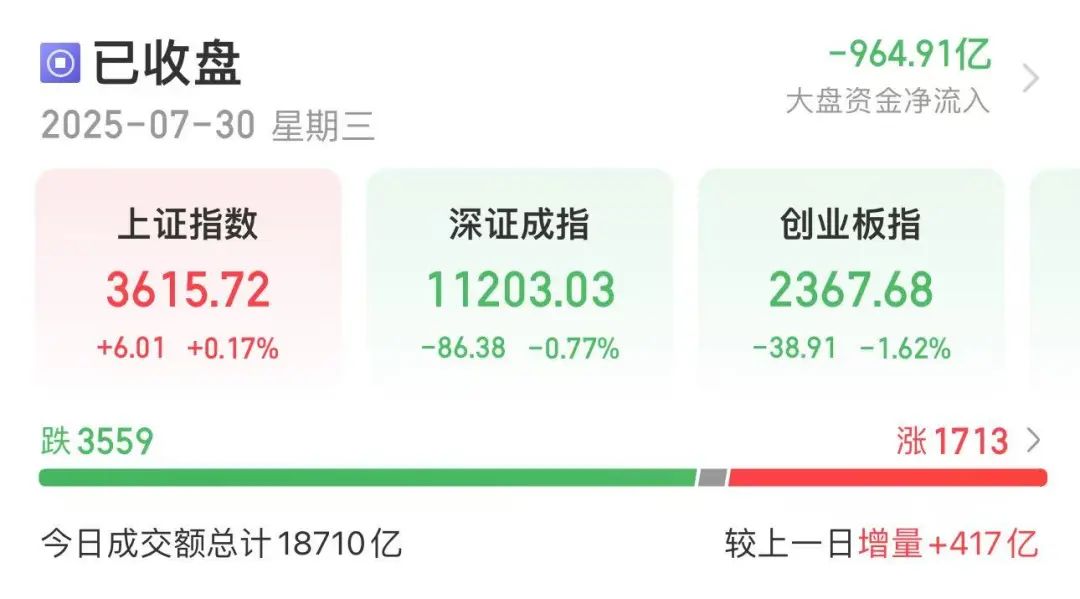
Market Overview - The Shanghai Composite Index rose by 0.17% to close at 3615.72 points, while the Shenzhen Component Index fell by 0.77% and the ChiNext Index dropped by 1.62%. The total market turnover exceeded 1.87 trillion yuan [2][4]. Sector Performance - Major sectors showed mixed performance, with banking, insurance, and steel stocks rising in the morning but retreating in the afternoon. The three-child policy concept stocks gained momentum, particularly Beiyinmei, which hit the daily limit within three minutes of trading [4][5]. - The battery, digital currency, diversified finance, military restructuring, and rare earth permanent magnet sectors experienced a collective pullback [4]. Baby and Maternal Sector - The baby and maternal sector saw significant activity, with stocks like Beiyinmei, Sunshine Dairy, and Taimoshi reaching their daily limits. Beiyinmei closed at 7.39 yuan per share, marking a 9.97% increase [5][6]. - The National Health Commission announced plans for a childcare subsidy system, with an initial budget of approximately 90 billion yuan for this year, which is expected to stimulate demand in the baby and maternal market [9]. Pharmaceutical Sector - The pharmaceutical sector remained active, particularly in innovative drugs, with companies like Nanjing New Pharmaceutical and Chenxin Pharmaceutical hitting their daily limits. The industry is transitioning towards a focus on profitability rather than just growth narratives [15][21]. - The innovative drug market is projected to continue its upward trend, with significant growth expected in the coming years, driven by policy support [10][21]. New Listings - The newly listed company N Hanhigh saw a dramatic increase of 418.47% on its first trading day, closing at 80 yuan per share. The company specializes in home hardware and outdoor furniture [22].

垃圾焚烧、水务运营资产:借贷成本下行,业绩端有望获增量贡献
Changjiang Securities· 2025-07-28 15:33
Investment Rating - The industry investment rating is "Positive" and maintained [8] Core Viewpoints - Since 2024, some waste incineration and water service companies have announced reductions in loan interest rates and financial expenses, which are expected to contribute positively to their performance in a low-interest environment [2][16] - The report emphasizes the importance of focusing on companies with stable performance, increased dividends, valuation recovery, and declining borrowing costs in the waste incineration and water service sectors [6][40] Summary by Sections Debt Situation - Waste incineration and water service projects typically have a high debt financing ratio, often around 70%. These projects require significant upfront investment over 1-2 years, followed by a 20-30 year period to recover costs through operational income [4][17] - As of the end of 2024, the outstanding debt for major companies in the sector includes: - China Everbright International: 91.7 billion HKD - Conch Venture: 28.2 billion HKD - Hanlan Environment: 16.3 billion CNY - Beijing Enterprises Water Group: 75.5 billion CNY - Yuehai Investment: 23.9 billion HKD - Xingrong Environment: 14.8 billion CNY [4][17] Trends in Debt Ratios - The debt ratio for waste incineration companies has shown a declining trend over the past two years, while the increase in water service companies' debt ratios has slowed down [5][21] Impact of Borrowing Costs - Since 2018, interest rates have been on a downward trend, and as new project loan rates decrease, some companies are replacing high-interest loans. This could lead to further reductions in borrowing costs, positively impacting the performance of waste incineration and water service companies [6][31] - The report recommends focusing on companies in the waste incineration and water service sectors that exhibit stable performance and declining borrowing costs, highlighting companies such as Hanlan Environment, Xingrong Environment, China Everbright International, and others [6][40] Performance Sensitivity to Borrowing Costs - If the average borrowing cost decreases by 10, 30, or 50 basis points in 2025, the estimated profit elasticity for leading companies such as Beijing Enterprises Water Group, China Everbright International, and Green Power will be 3.62%, 10.86%, and 18.10% respectively [38] - If the average borrowing cost reaches 2.50% in 2025, the profit elasticity for top companies will be significantly higher, with estimates of 28.28% for Yuehai Investment and 20.57% for Beijing Enterprises Water Group [38] Industry Growth and Transformation - The waste incineration and water service sectors are experiencing steady growth, improved cash flow, and increased dividends. Recent market reforms are pushing the industry towards a transformation from government-oriented (To G) to business and consumer-oriented (To B, To C) models, which is expected to accelerate valuation recovery [6][40]


申万公用环保周报:6月用电增速回升,天然气消费维持正增长-20250727
Shenwan Hongyuan Securities· 2025-07-27 14:21
Investment Rating - The report maintains a "Positive" outlook on the public utilities and environmental sectors, particularly in electricity and natural gas [1]. Core Insights - The report highlights a recovery in electricity consumption in June, driven by the tertiary sector and residential usage, with a total electricity consumption of 8,670 billion kWh, representing a year-on-year growth of 5.4% [15][17]. - Natural gas consumption showed a slight increase in June, with a total apparent consumption of 35.05 billion m³, up 1.4% year-on-year, indicating a recovery in industry sentiment [21][48]. - The report emphasizes the ongoing optimization of energy structure in China, with significant contributions from renewable energy sources, particularly solar and nuclear power [2][8]. Summary by Sections 1. Electricity: June Consumption Growth Accelerates - In June, the industrial electricity generation reached 7,963 billion kWh, a year-on-year increase of 1.7% [7][9]. - The breakdown of electricity generation types shows a decline in hydropower by 4.0%, while nuclear power grew by 10.3%, and solar power surged by 18.3% [9][15]. - The report notes that the second industry contributed significantly to the electricity increment, accounting for 38% of the total increase [16][17]. 2. Natural Gas: Global Price Decline and June Consumption Growth - The report states that the apparent consumption of natural gas in June was 35.05 billion m³, marking a 1.4% increase year-on-year [21][48]. - The average price of LNG in Northeast Asia decreased to $11.90/mmBtu, reflecting a broader trend of declining global gas prices [22][41]. - The report anticipates that the long-term outlook for natural gas will improve due to rising LNG export capacities from the US and the Middle East [48]. 3. Weekly Market Review - The public utilities and environmental sectors underperformed compared to the CSI 300 index, while the electrical equipment sector outperformed [50]. 4. Company and Industry Dynamics - The report mentions the increase in installed capacity for solar and wind energy, with solar capacity growing by 54.2% year-on-year [53]. - It highlights the ongoing construction of large seawater desalination projects in coastal provinces to support high water-consuming industries [53]. 5. Key Company Valuation Table - The report includes a valuation table for key companies in the public utilities and environmental sectors, indicating potential investment opportunities [60].



申万公用环保周报:雅江水电正式开工,欧亚气价回落-20250721
Shenwan Hongyuan Securities· 2025-07-21 07:43
Investment Rating - The report maintains a positive outlook on the power and gas sectors, recommending specific companies for investment based on their potential benefits from recent developments [3][4]. Core Insights - The commencement of the Yarlung Tsangpo River downstream hydropower project is expected to significantly boost demand for hydropower equipment, benefiting leading companies in the sector [4][14]. - The report highlights a decline in European and Asian gas prices due to varying supply and demand dynamics, suggesting a potential opportunity for gas companies [17][18]. Summary by Sections 1. Power: Yarlung Tsangpo Downstream Hydropower Project Commencement - The Yarlung Tsangpo River has substantial hydropower resources, with a theoretical capacity of 113 million kilowatts, making it one of the richest rivers in Tibet [8]. - The project involves the construction of five cascade power stations with a total investment of approximately 1.2 trillion yuan, primarily for power transmission outside Tibet [9][10]. - The project is expected to create a demand for hydropower equipment, with estimated annual orders of 4 billion yuan for Dongfang Electric and Harbin Electric, ensuring stable long-term performance for these companies [14][16]. 2. Gas: Global Supply and Demand Variations - As of July 18, the Henry Hub spot price in the US was $3.57/mmBtu, reflecting a weekly increase of 7.57%, while European gas prices showed a decline [17][19]. - The report notes that despite high temperatures increasing gas demand in the US, the overall supply remains stable, leading to a mixed outlook for gas prices [20][26]. - Recommendations include focusing on integrated gas companies like Kunlun Energy and New Hope Energy, which are expected to benefit from cost reductions and improved profitability [37]. 3. Weekly Market Review - The report indicates that the public utility, power, power equipment, environmental protection, and gas sectors underperformed compared to the CSI 300 index during the week [41]. 4. Company and Industry Dynamics - Recent government initiatives in Qingdao aim to accelerate the development of non-fossil energy and offshore wind projects, indicating a supportive policy environment for renewable energy [45]. - The report also highlights significant developments in nuclear power and energy storage projects in various provinces, showcasing ongoing investments in clean energy [47][48]. 5. Key Company Valuation Table - The report includes a valuation table for key companies in the public utility and environmental sectors, providing insights into their market positions and potential for growth [51].




中国垃圾是如何不够烧的
经济观察报· 2025-07-14 10:34
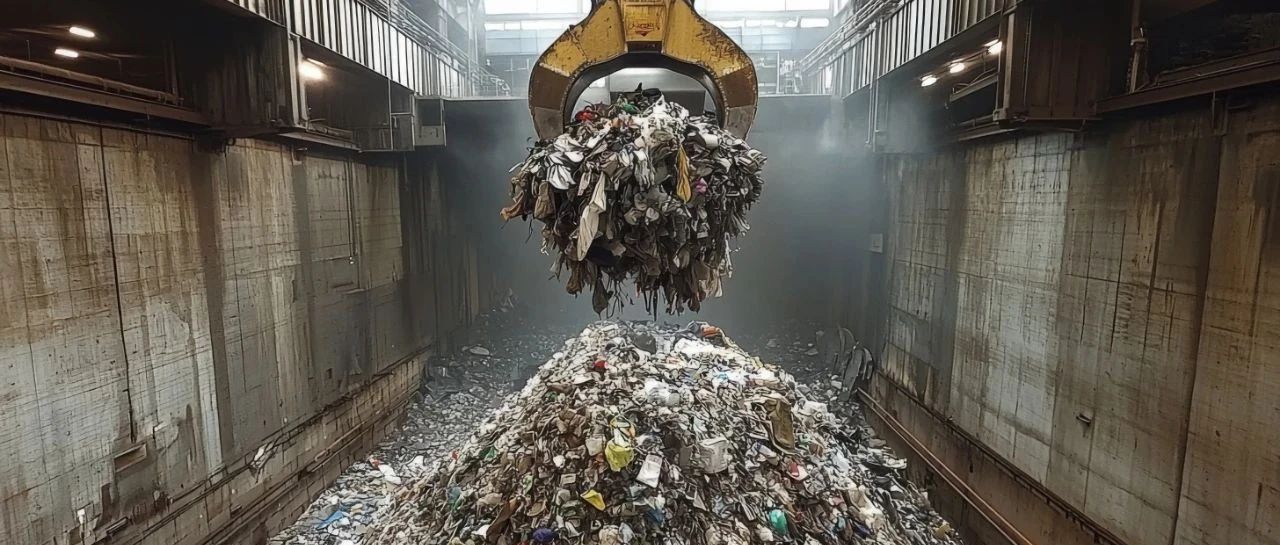
Core Viewpoint - The article discusses the phenomenon of "insufficient garbage supply" in China's waste incineration power generation industry, highlighting the transition from "garbage siege" to "garbage scarcity" and the challenges faced by incineration plants due to overcapacity and reduced waste generation [2][3][4]. Group 1: Industry Overview - In the past two decades, China has transformed its waste management approach, with the proportion of urban household waste treated by incineration rising from 9.8% in 2005 to 82.5% in 2023, while landfill treatment dropped from 85.2% to 7.5% [2]. - The number of waste incineration plants has increased from 67 to 1010, with an average capacity utilization rate of around 60% in recent years [3][4]. - The daily incineration capacity of waste has surged from 23.8 million tons in 2016 to 115.5 million tons in 2024, yet the industry average load factor remains below 60%, with 40% of capacity idle [9]. Group 2: Causes of Insufficient Garbage Supply - The insufficient garbage supply is attributed to two main factors: overestimation of future waste generation during planning and the impact of waste classification, which has diverted organic waste away from incineration [3][10]. - The construction of incineration plants has outpaced actual waste generation, leading to a supply-demand imbalance, with many plants operating at low capacity [10][11]. - The promotion of waste classification has resulted in a significant portion of waste being processed differently, reducing the amount available for incineration [11]. Group 3: Financial and Operational Challenges - The financial viability of incineration plants is increasingly challenged by the reduction of government subsidies and the need to diversify operations, such as providing steam and heat to nearby industries [4][20]. - The revenue structure of incineration plants relies heavily on government subsidies, which have been declining, leading to increased pressure on local governments to cover rising waste disposal fees [19][21]. - The average waste disposal fee has risen significantly, with some regions charging up to 150 yuan per ton, increasing the financial burden on local governments [23][24]. Group 4: Future Trends and Adaptations - The industry is expected to adapt by exploring new business models and expanding services beyond waste incineration, such as heat supply and sludge treatment [4][25]. - The article suggests that the industry must focus on improving economic efficiency and diversifying revenue sources to cope with the challenges of insufficient waste supply and subsidy reductions [25].
中国垃圾是如何不够烧的?
Jing Ji Guan Cha Wang· 2025-07-14 09:34
Core Insights - The Chinese waste incineration industry is facing a paradox of overcapacity and insufficient waste supply, with two-thirds of surveyed incineration plants reporting a lack of garbage to process [2][3][7] - The shift from "garbage encirclement" to "garbage scarcity" has been marked by a significant increase in incineration capacity, yet the average utilization rate remains around 60% [2][4][7] - The industry is urged to diversify operations, such as providing steam and heat, due to declining waste supply and reduced government subsidies [3][11][15] Industry Overview - The number of waste incineration plants in China has surged from over 100 to more than 1,000 in the past two decades, with incineration capacity rising from 3.3 million tons per day to 86.18 million tons per day [2][3] - The average daily incineration capacity increased from 23.8 million tons in 2016 to 115.5 million tons in 2024, yet the industry operates at an average load factor of less than 60% [5][7] - The government has historically supported the industry through subsidies, but recent policy changes have led to a reduction in these financial supports, increasing operational challenges for incineration plants [11][12][13] Challenges Faced - The decline in waste supply is attributed to overbuilding of incineration facilities, overly optimistic projections of waste generation, and effective waste sorting practices that reduce the amount of burnable waste [7][8] - The average waste disposal fee has increased significantly, from around 60-70 yuan per ton to over 100 yuan, placing additional financial pressure on local governments [12][13][14] - Some regions are resorting to excavating previously landfilled waste to meet incineration needs, although this approach is costly and complex [8][9] Future Trends - The industry is expected to continue evolving, with a focus on expanding market reach and exploring new business avenues such as heat and gas supply [15] - Chinese waste incineration companies are increasingly looking to international markets, with over 80 overseas projects reported [3][9] - The anticipated increase in waste processing capacity to 800,000 tons per day by the end of 2025 may further exacerbate the supply-demand imbalance if waste generation does not keep pace [7][11]
智通港股52周新高、新低统计|7月14日


智通财经网· 2025-07-14 08:41
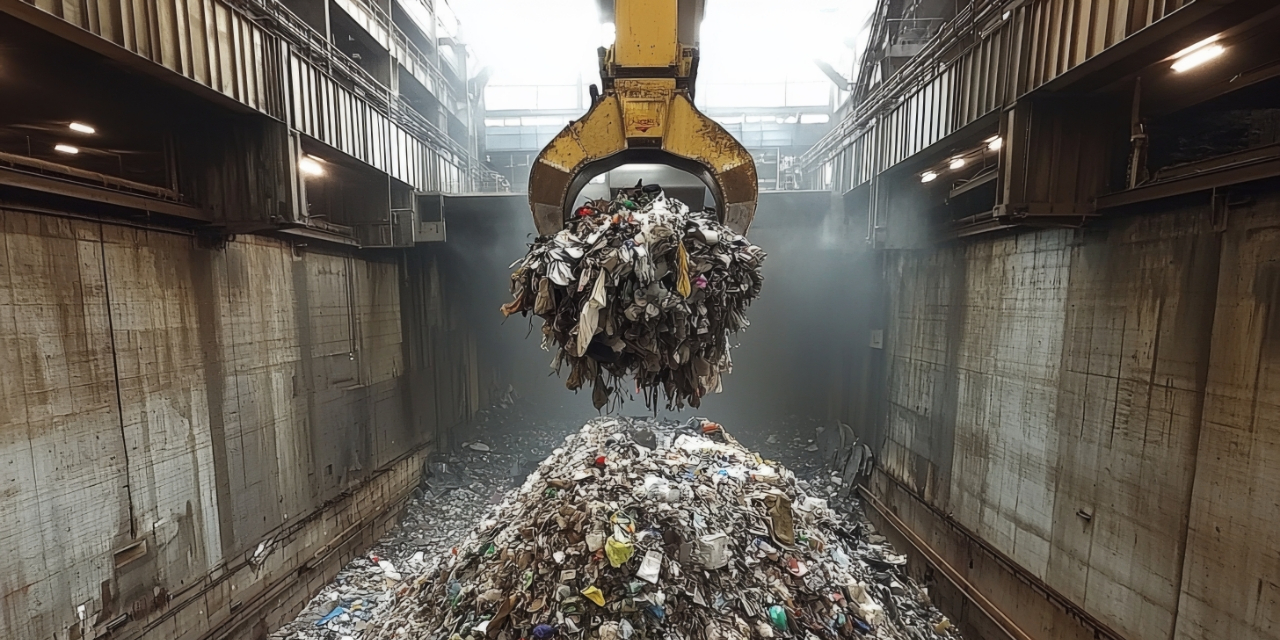
Summary of Key Points Core Viewpoint - As of July 14, a total of 138 stocks reached their 52-week highs, indicating a strong performance in the market, with notable leaders including Green Heart Group Holdings, OK Blockchain, and Pearl River Steel Pipe [1]. Group 1: Top Performers - Green Heart Group Holdings (02999) achieved a closing price of 0.013 with a peak of 0.017, marking a 70.00% increase [1]. - OK Blockchain (01499) closed at 0.680, reaching a high of 0.690, reflecting a 48.39% rise [1]. - Pearl River Steel Pipe (01938) had a closing price of 0.335 and a peak of 0.340, resulting in a 33.33% increase [1]. Group 2: Other Notable Stocks - Weishi Jiajie (00856) saw a 32.01% increase, closing at 8.870 with a high of 11.300 [1]. - Cloud Intelligence (09678) reached a high of 520.000, closing at 510.000, which is a 20.99% increase [1]. - China Chengtong Development Group (00217) closed at 0.165 with a peak of 0.166, marking a 14.48% rise [1]. Group 3: Additional Stocks with Significant Increases - Sihuan Pharmaceutical (00460) closed at 1.380, reaching a high of 1.430, which is a 14.40% increase [1]. - Taited Pharmaceutical (03880) had a closing price of 36.950 and a peak of 37.400, reflecting a 13.85% rise [1]. - Beihai Kangcheng-B (01228) closed at 0.850 with a high of 0.960, resulting in a 12.94% increase [1].
环保行业跟踪周报:生态环境部发文强调规提升执法质效,固废板块提分红+供热、IDC拓展提ROE-20250714
Soochow Securities· 2025-07-14 06:31
Investment Rating - The report maintains an "Accumulate" rating for the environmental protection industry [1]. Core Views - The report emphasizes the improvement in cash flow and dividend potential due to reduced capital expenditures in the waste management sector, alongside enhanced return on equity (ROE) through quality improvements in heating and IDC collaborations [1][11][15]. Summary by Sections Industry Trends - The environmental protection sector is experiencing a significant shift with a 9% increase in the sector's performance compared to the Shanghai and Shenzhen 300 indices [3]. - The report highlights a 73% increase in sales of new energy sanitation vehicles, with a penetration rate rising to 14.95% [25]. Key Recommendations - The report recommends several companies for investment, including Huaneng Environment, Green Power, and Yongxing Co., among others, due to their strong dividend potential and operational efficiency [5][11]. - It suggests focusing on companies like Yuehai Investment and Xingrong Environment for their robust cash flow and high dividend yields [17]. Policy Tracking - The Ministry of Ecology and Environment has issued a notice to enhance the quality of law enforcement, which is expected to improve operational efficiency and compliance in the industry [9][10]. - The report notes that the government is concentrating on environmental governance funding for 2025, which may positively impact the sector [7]. Financial Performance - The waste management sector is projected to see a significant increase in free cash flow, with dividends expected to rise as capital expenditures decrease [11][12]. - Specific companies are highlighted for their dividend growth, such as Junxin Co. with a 37% increase in cash dividends and Green Power with a 100% increase [12][13]. Market Dynamics - The report discusses the trend of garbage incineration and IDC collaborations as a new growth avenue, emphasizing the advantages of clean and efficient energy generation [14]. - The water utility sector is also highlighted for its stable growth and high dividends, with ongoing water price reforms expected to enhance profitability [15][17]. Sector Performance - The environmental protection and public utilities index rose by 2.69% during the week of July 7-11, 2025, outperforming the broader market indices [45].


光大环境20250708
2025-07-09 02:40
Summary of the Conference Call for Everbright Environment Company Overview - **Company**: Everbright Environment - **Period**: First half of 2025 Key Points Financial Performance - Revenue decreased by approximately 1 billion HKD in the first half of 2025, primarily due to the appreciation of RMB against HKD and impairment of fixed assets in hazardous waste business, although core profitability remained stable and showed slight improvement [2][3] - Free cash flow was positive in the first half of 2025, benefiting from reduced capital expenditures, but national subsidy recovery was lower than the same period last year [2][4] - The company plans to maintain a stable dividend, with discussions ongoing among management, including the CEO and CFO, to formulate an actionable plan [2][5][6] National Subsidy Recovery - Progress was noted in national subsidies, with some previously unlisted projects now included in the social list, potentially converting to receivables within the year [2][8] - The Ministry of Finance is raising 200 billion RMB to address subsidy arrears, which could positively impact cash recovery [2][8] Capital Expenditure - Total capital expenditure for 2025 is expected to be controlled between 4 to 5 billion HKD, influenced by the progress of international projects, particularly in Uzbekistan [2][10] - The water and green environmental sectors are projected to have capital expenditures of approximately 1.5 billion HKD and 450 to 500 million HKD, respectively [11] Uzbekistan Projects - Two new projects in Uzbekistan commenced in April 2025, with a total investment of 2.16 billion RMB, benefiting from higher processing and electricity fees compared to domestic rates [12][13] - The projects operate under a 100% guaranteed model, ensuring payment even if actual processing volume is below capacity [12][13] Waste Treatment Sector - The hazardous waste sector underwent fixed asset impairment in the first half of 2025 to stabilize annual performance, with processing prices showing some recovery but not significantly improved [2][9] Operational Efficiency and New Revenue Streams - The company is expanding into kitchen waste treatment and heating services to diversify income sources, with a focus on developing the IDC business in collaboration with major operators [17][18] - The heating business aims to increase output from 6 million tons in 2024 to at least 7 million tons in 2025, as it has a higher profit margin than power generation [17][18] Reducing Dependence on National Subsidies - Measures to reduce reliance on national subsidies include adjusting processing fees and developing new business lines such as heating and kitchen waste treatment [21] - The company aims to eliminate dependence on national subsidies by 2030 through various operational improvements and revenue diversification strategies [21] Shareholder Engagement - The new chairman values shareholder feedback and incorporates it into decision-making processes, ensuring ongoing communication with investors [25] Additional Important Information - The company is currently working on eight power network construction projects with a total investment of approximately 1.4 billion RMB to enhance operational efficiency and support new business developments [20] - The company is actively pursuing ABN or ABS financing models, contingent on stable national subsidy recovery [15]

垃圾真不够烧了?藏在25家公司财报里的产业真相
Mei Ri Jing Ji Xin Wen· 2025-07-07 03:33
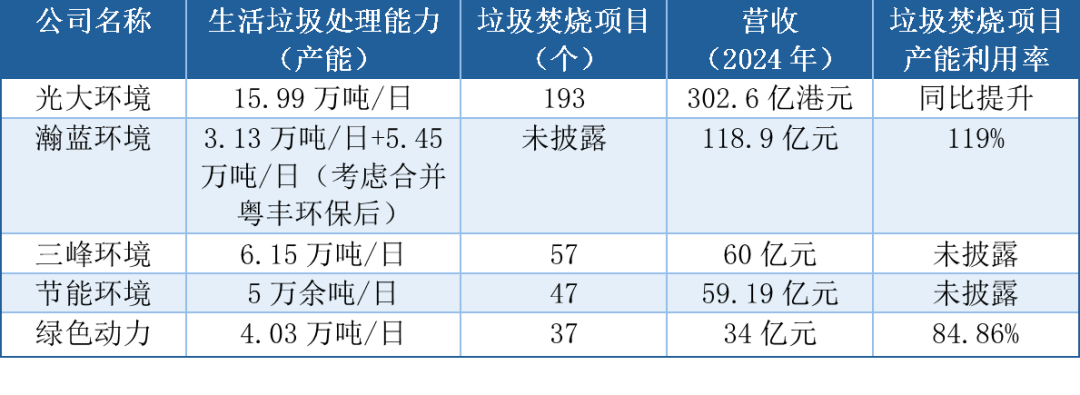
Core Viewpoint - The Chinese waste incineration industry is facing challenges in certain regions due to insufficient waste supply, leading companies to expand their operations through acquisitions and cross-regional strategies [1][2][3]. Industry Overview - The competition in China's waste incineration industry has intensified, with the country's waste incineration capacity surpassing that of the US, Japan, and the EU combined [3][4]. - The proportion of waste treated by incineration has increased significantly from 9.8% in 2005 to 82.5% in 2023, while landfill treatment has decreased from 85.2% to 7.5% [3][4]. - The number of waste incineration plants has grown from 67 in 2005 to 1010 by October 2024, indicating a shift from "garbage siege" to "garbage scarcity" over approximately 20 years [4]. Company Actions - Companies like Zhongke Environmental and Shenzhen Energy are actively acquiring and investing in waste incineration projects to secure more waste supply [1][2]. - The average capacity utilization rate for domestic waste incineration projects is around 60%, with 16% of facilities operating below 50% capacity [5][7]. - Major listed companies in the industry include China Everbright International, Hanlan Environment, Sanfeng Environment, and others, with varying capacities and revenue figures [6][7]. Market Dynamics - The phenomenon of "insufficient waste" is recognized as a common issue within the industry, particularly in county-level administrative units where planning may not align with actual waste generation [7][8]. - Specific examples, such as the waste incineration plant in Weinan, Shaanxi, show that actual processing volumes can be significantly lower than designed capacities, leading to low utilization rates [8][9].