
TENCENT(00700)

Search documents
腾讯:视频号家居消费趋势洞察与人设营销指南(2026版)
Sou Hu Cai Jing· 2026-02-26 10:28
Core Insights - The report highlights a shift in the home furnishing industry from incremental expansion to quality enhancement, with consumers becoming more rational in their decision-making and prioritizing quality and trust [1][2][28] - The industry faces challenges such as trust deficits, ineffective traditional marketing, and low-price homogenization, while persona marketing combined with the video platform ecosystem is seen as a key solution [1][2][49] Group 1: Industry Trends - The home furnishing market is transitioning from a focus on new construction to improving existing properties, with consumers increasingly seeking quality and sustainability [28][30] - Consumers are more cautious and rational in their purchasing decisions, often requiring over two weeks to make a decision and comparing multiple brands [32][41] - The industry is experiencing a significant shift from product promotion to building trust and relationships with consumers [2][49] Group 2: User Insights - Video platform users in the home furnishing sector tend to have higher incomes, larger living spaces, and greater purchasing power, showing a willingness to pay for quality and trust [1][2][14] - Users are increasingly influenced by social recommendations, with trust in content significantly enhanced through familiar social connections [2][12][59] - The report indicates that over 80% of users are willing to engage further with brands after being introduced to them through social recommendations [15][59] Group 3: Marketing Strategies - Persona marketing is identified as a critical pathway for building trust, driving growth, and creating long-term brand assets, focusing on creating relatable personas such as founders and designers [1][2][49] - The report outlines a three-step method for persona development: defining the persona based on altruistic thinking, building a structured content production system, and creating a closed-loop for user engagement [1][20] - The video platform is positioned as an ideal space for persona marketing due to its ability to facilitate deep content engagement and social trust [1][2][53] Group 4: Commercialization Paths - Home furnishing accounts on the video platform can achieve effective commercialization through three main models: lead generation, live streaming sales via WeChat stores, and collaborative content marketing [2][21] - The report emphasizes the importance of leveraging both organic and paid traffic strategies to enhance marketing efficiency [2][21] - Successful case studies demonstrate that authentic and professional personas, altruistic content, and the video platform's ecosystem are key to achieving sustainable growth in the home furnishing sector [2][22]



传媒周观察:模型密集迭代,入口之争火热;春节档电影头部单片亮眼,游戏K型景气度分化
GOLDEN SUN SECURITIES· 2026-02-26 10:24
Investment Rating - The report maintains an "Overweight" rating for the media industry, indicating a positive outlook for investment opportunities in this sector [5]. Core Insights - The media industry has shown significant performance, with the media index rising by 3.5% last week, outperforming the Shanghai Composite Index by 3.1% [11]. - The report highlights a K-shaped recovery in the gaming sector, with high-end and cost-effective games performing well, while mid-tier games lag behind [8]. - The competition for AI super applications intensified during the Spring Festival, with major players like ByteDance, Alibaba, and Tencent vying for market share [30]. Summary by Sections Weekly Market Review - The media index increased by 3.5%, achieving a trading volume of 715.2 billion yuan, marking the second-highest trading week in 26 years [11]. - Sub-sectors such as film and television, digital media, and publishing led the gains, with notable individual stock performances, including a 61% increase for Zhangyue Technology [14][11]. AI Spring Festival Special - The report discusses the concentrated iteration of AI models during the Spring Festival, with a focus on multi-modal generation and agent capabilities [26]. - Major internet companies are competing for the "AI super entrance," with significant updates from companies like ByteDance and Alibaba [30][35]. - The report notes that the demand for tokens is increasing, leading to accelerated commercialization of AI models [28]. Film Spring Festival Box Office - The overall box office for the Spring Festival reached 5.752 billion yuan, marking a decline compared to previous years, with a notable drop in audience numbers [8]. - The report identifies a strong performance from top films, with "Flying Life 3" leading the box office and "Biao Ren" breaking records for martial arts films [8]. Gaming Spring Festival Special - The gaming sector exhibited a K-shaped recovery, with high-value and luxury games outperforming others [8]. - Tencent maintained a strong position in the market, with several high DAU products dominating the sales charts [8]. - The report suggests that sports events may catalyze the performance of football games, indicating potential growth areas [8]. Internet Sector Insights - The report emphasizes the competitive landscape in AI narratives, with a focus on full-stack AI service providers [25]. - It also notes a potential easing of competition in instant retail, following regulatory discussions with major internet platforms [25].

港股26日跌1.44% 收报26381.02点
Xin Hua Wang· 2026-02-26 10:08
Market Performance - The Hang Seng Index fell by 384.7 points, a decrease of 1.44%, closing at 26,381.02 points [1] - The H-share Index dropped by 220.46 points, closing at 8,814.29 points, a decline of 2.44% [1] - The Hang Seng Tech Index decreased by 151.17 points, closing at 5,109.33 points, down by 2.87% [1] Blue Chip Stocks - Tencent Holdings decreased by 2.01%, closing at 512 HKD [1] - Hong Kong Exchanges and Clearing rose by 0.78%, closing at 415.4 HKD [1] - China Mobile fell by 0.88%, closing at 78.6 HKD [1] - HSBC Holdings increased by 1.61%, closing at 145 HKD [1] Local Hong Kong Stocks - Cheung Kong Holdings rose by 3.04%, closing at 48.06 HKD [1] - Sun Hung Kai Properties fell by 0.07%, closing at 136.3 HKD [1] - Henderson Land Development decreased by 0.4%, closing at 34.44 HKD [1] Chinese Financial Stocks - Bank of China fell by 0.64%, closing at 4.65 HKD [1] - China Construction Bank decreased by 1.6%, closing at 8 HKD [1] - Industrial and Commercial Bank of China fell by 0.62%, closing at 6.42 HKD [1] - Ping An Insurance dropped by 4.64%, closing at 67.85 HKD [1] - China Life Insurance decreased by 4.1%, closing at 31.38 HKD [1] Oil and Petrochemical Stocks - Sinopec fell by 1.63%, closing at 5.43 HKD [1] - PetroChina decreased by 1.46%, closing at 9.46 HKD [1] - CNOOC dropped by 3.22%, closing at 24.66 HKD [1]





北水动向|北水成交净卖出73.66亿 北水再度抛售芯片股 全天减持中海油(00883)近9亿港元
智通财经网· 2026-02-26 09:59
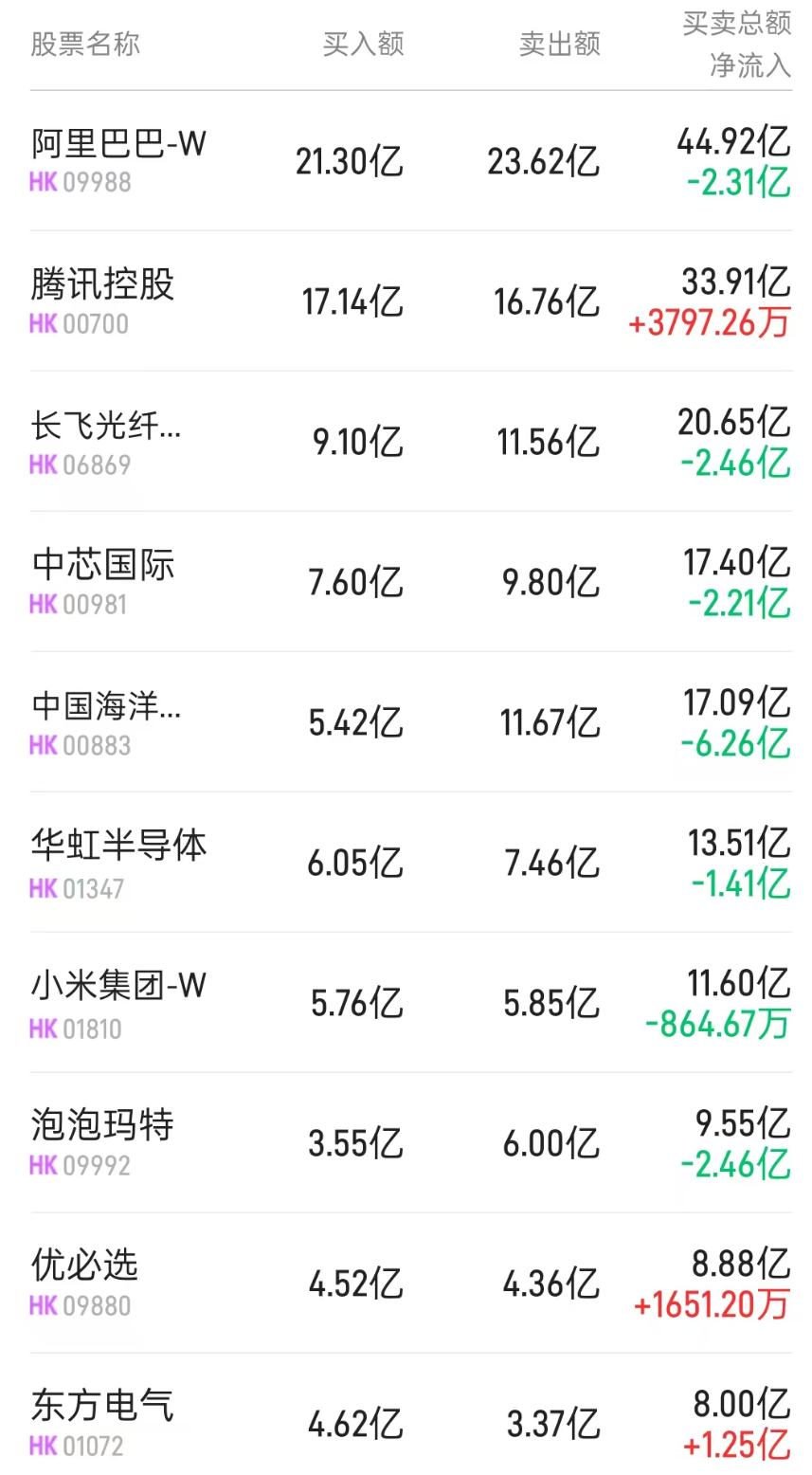
Core Viewpoint - The Hong Kong stock market experienced significant net selling from northbound capital, totaling HKD 73.66 billion, with notable net sell-offs in major stocks like Alibaba and CNOOC [1][2]. Group 1: Northbound Capital Flow - Northbound capital recorded a net sell of HKD 73.66 billion, with HKD 23.11 billion from the Shanghai Stock Connect and HKD 50.55 billion from the Shenzhen Stock Connect [1]. - The stocks with the highest net buying were Meituan (03690), Dongfang Electric (01072), and Xiaomi Group (01810) [1]. - The stocks with the highest net selling included CNOOC (00883), Alibaba (09988), and Changfei Optical Fiber (06869) [1]. Group 2: Individual Stock Performance - Alibaba (09988) had a buy amount of HKD 21.30 billion and a sell amount of HKD 23.62 billion, resulting in a net outflow of HKD 2.31 billion [2]. - CNOOC (00883) faced a net sell of HKD 8.93 billion, influenced by a drop in WTI crude oil prices below USD 65 per barrel and an increase in commercial crude oil inventory [6]. - Xiaomi Group (01810) saw a net buy of HKD 183.5 million, with the CEO emphasizing a focus on core technologies over the next five years [5]. Group 3: Market Reactions and Trends - The semiconductor sector is experiencing a divide due to AI demand, with upstream manufacturers benefiting while downstream PC and mobile manufacturers face cost pressures [5]. - Dongfang Electric (01072) received a net buy of HKD 1.25 billion, linked to the upcoming signing of a power supply commitment by major tech companies [4]. - Meituan (03690) had a net buy of HKD 3.11 billion, indicating strong investor interest [7].



产业焦点 | 几十亿烧完了,春节AI大战到底谁赢了?
Sou Hu Cai Jing· 2026-02-26 08:26
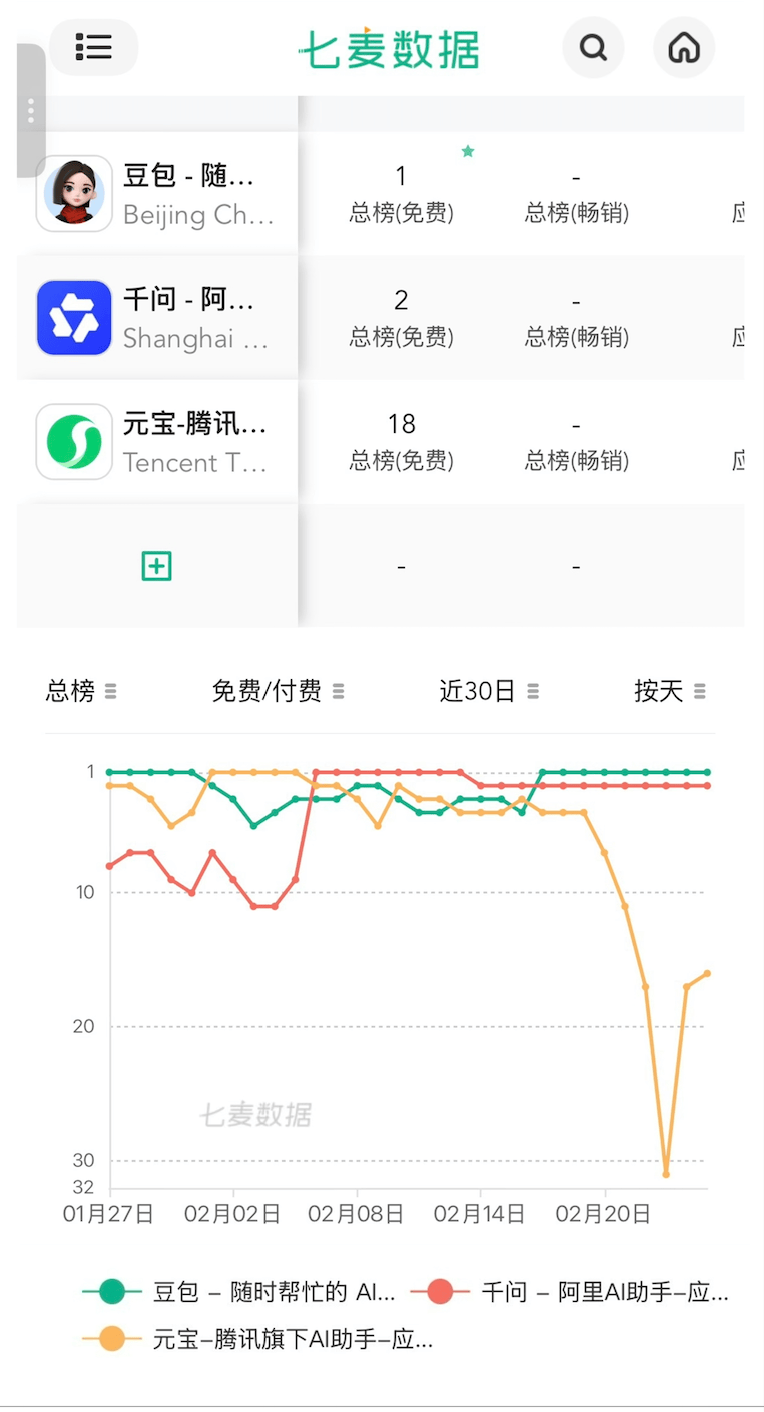
Core Insights - The competition among Chinese AI models during the Spring Festival has concluded, with ByteDance's Doubao and Alibaba's Qianwen maintaining top positions in the App Store download rankings, while Ant Group's Aifuku and Tencent's Yuanbao have dropped significantly [2][3][12] - The effectiveness of the substantial investments made to achieve these download rankings in converting users into long-term engagement remains uncertain [3][10] Group 1: Competition Overview - The "Spring Festival AI War" saw major players like Baidu, Alibaba, Tencent, and ByteDance invest billions in promotional activities, with Doubao leading the download rankings at 23% market share [6][7] - The competition was characterized by significant marketing efforts, including cash red envelope campaigns, which resulted in a dramatic increase in daily active users (DAU) for Yuanbao, reaching over 5 million after its promotional activities [7][10] - The rankings reflect a temporary success in user acquisition, but the long-term retention of these users is still in question, as many users reported decreased usage frequency post-promotion [10][12] Group 2: Market Dynamics - Analysts suggest that the current marketing strategies differ from traditional methods, focusing on building user engagement and retention rather than merely increasing downloads [11][12] - The competition has highlighted a divide between companies focusing on user experience and those relying heavily on promotional tactics, with Doubao and Qianwen establishing stronger user engagement through practical applications [12][14] - The ongoing battle for market share is seen as a critical moment for defining the future landscape of AI applications in China, with companies vying for the next major "super app" [16][18] Group 3: Future Implications - The current strategies employed by Chinese AI firms are contrasted with those in Silicon Valley, where companies are focusing on model performance and practical applications rather than aggressive user acquisition [16][18] - The long-term success of these AI models will depend on their ability to integrate into users' daily lives and provide real solutions to problems, rather than just relying on promotional tactics [13][14] - The outcome of this competition may set the stage for future developments in AI, with a potential shift towards more differentiated and specialized applications in the market [14][18]
微信新能力:能看图片使用次数,能看图片、视频等都给谁转发过
Sou Hu Cai Jing· 2026-02-26 08:25
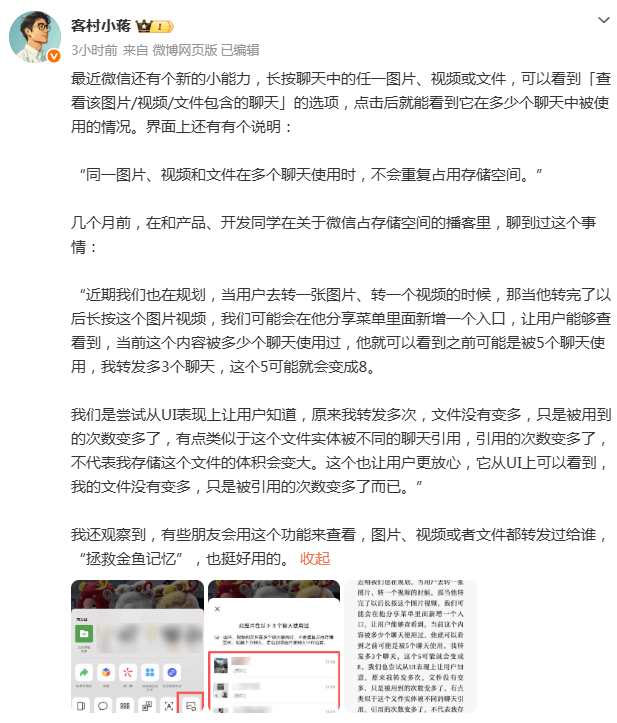
微信员工@客村小蒋 发文:最近微信还有个新的小能力,长按聊天中的任一图片、视频或文件,可以 看到「查看该图片/视频/文件包含的聊天」的选项,点击后就能看到它在多少个聊天中被使用的情况。 界面上还有个说明: 2月26日,微信员工@客村小蒋 发文称微信能看图片使用次数了,随即该话题登上微博热搜榜一。 "同一图片、视频和文件在多个聊天使用时,不会重复占用存储空间。" 几个月前,在和产品、开发同学在关于微信占存储空间的播客里,聊到过这个事情: "近期我们也在规划,当用户去转一张图片、转一个视频的时候,那当他转完了以后长按这个图片视 频,我们可能会在他分享菜单里面新增一个入口,让用户能够查看到,当前这个内容被多少个聊天使用 过,他就可以看到之前可能是被5个聊天使用,我转发多3个聊天,这个5可能就会变成8。 我们是尝试从UI表现上让用户知道,原来我转发多次,文件没有变多,只是被用到的次数变多了,有 点类似于这个文件实体被不同的聊天引用,引用的次数变多了,不代表我存储这个文件的体积会变大。 这个也让用户更放心,它从UI上可以看到,我的文件没有变多,只是被引用的次数变多了而已。" 我还观察到,有些朋友会用这个功能来查看,图片 ...
港股互联网ETF博时(159568)跌2.18%,成交额7274.44万元
Xin Lang Cai Jing· 2026-02-26 07:33
Core Viewpoint - The BoShi Hong Kong Internet ETF (159568) has experienced a decline of 2.18% in its closing price, with a trading volume of 727.44 million yuan on February 26, 2024. The fund has shown significant growth in both share count and total assets since the beginning of the year [1][2]. Fund Overview - The BoShi Hong Kong Internet ETF was established on February 8, 2024, with an annual management fee of 0.50% and a custody fee of 0.10%. Its performance benchmark is the adjusted return of the China Securities Hong Kong Internet Index [1]. - As of February 25, 2024, the fund's total shares stood at 333 million, with a total asset size of 521 million yuan. This represents a 31.12% increase in shares and a 22.96% increase in total assets since December 31, 2023, when the shares were 254 million and total assets were 424 million yuan [1]. Liquidity Analysis - Over the last 20 trading days, the cumulative trading amount for the ETF reached 1.85 billion yuan, with an average daily trading amount of 92.48 million yuan. In the 33 trading days of the year, the cumulative trading amount was 3.83 billion yuan, averaging 116 million yuan per day [1]. Fund Management - The current fund manager, Li Qingyang, has managed the BoShi Hong Kong Internet ETF since its inception, achieving a return of 63.13% during his tenure [2]. Top Holdings - The ETF's major holdings include Tencent Holdings (15.35%), Alibaba-W (14.43%), Xiaomi Group-W (13.96%), Meituan-W (12.30%), SenseTime-W (4.08%), Kuaishou-W (3.77%), Beike-W (3.73%), JD Health (3.71%), Bilibili-W (3.30%), and Kingdee International (3.25%). The total market value of these holdings reflects the fund's strategic focus on leading internet companies in Hong Kong [2].

游戏产业“东升西降”的底层逻辑:从“买断制”到“服务型”
Xi Niu Cai Jing· 2026-02-26 06:57
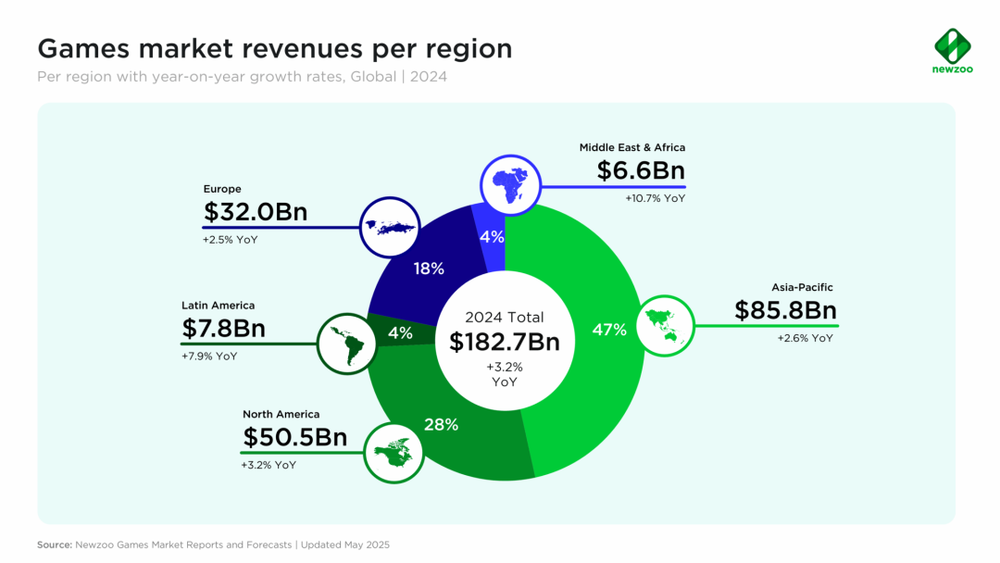
Core Insights - The global video game industry has shifted its power center from North America, Europe, and Japan to the Asia-Pacific region, particularly China, which has become the largest market surpassing the U.S. in several metrics [4][7][31] - The traditional Western model of "buyout" games is being challenged by the "service-oriented" model prevalent in East Asia, leading to a structural transformation in the gaming industry [12][13][31] - Companies like Tencent are exemplifying the globalization of Chinese gaming firms through diversified strategies that integrate investment, publishing, and self-development [7][64] Industry Dynamics - The Asia-Pacific region is now the fastest-growing and largest market in the global video game industry, with China leading in user numbers and revenue [4][31] - The shift from a "buyout" model to a "service-oriented" model reflects a fundamental change in the gaming industry's underlying logic, emphasizing long-term player engagement over one-time sales [12][31] - Western companies are attempting to adapt by either entering the mobile gaming market or incorporating service-oriented elements into their traditional buyout games [32][45] Business Models - The "buyout" model focuses on one-time sales, limiting ongoing interaction with players and revenue generation [12][19] - In contrast, the "service-oriented" model fosters continuous player engagement through regular updates and community activities, creating a sustainable revenue stream [13][17] - Successful examples of service-oriented games from East Asia demonstrate the integration of narrative, character development, and monetization strategies that enhance player loyalty [17][31] Market Trends - The rise of mobile gaming has led to a significant transformation in player demographics, with a migration from casual to hardcore gaming experiences [51][56] - The convergence of mobile and console gaming is blurring the lines between platforms, driven by advancements in hardware and cloud gaming technologies [58][62] - Companies must adapt to these changes by developing cross-platform capabilities and maintaining a focus on long-term player relationships [63][78] Strategic Responses - Tencent's strategy of "investment, publishing, and self-development" positions it well to leverage both traditional and emerging gaming markets [64][66] - Western companies are exploring hybrid models that combine elements of both buyout and service-oriented games to enhance revenue potential [41][45] - The ongoing evolution in the gaming industry suggests that future success will depend on understanding market dynamics and fostering continuous player engagement [75][78]
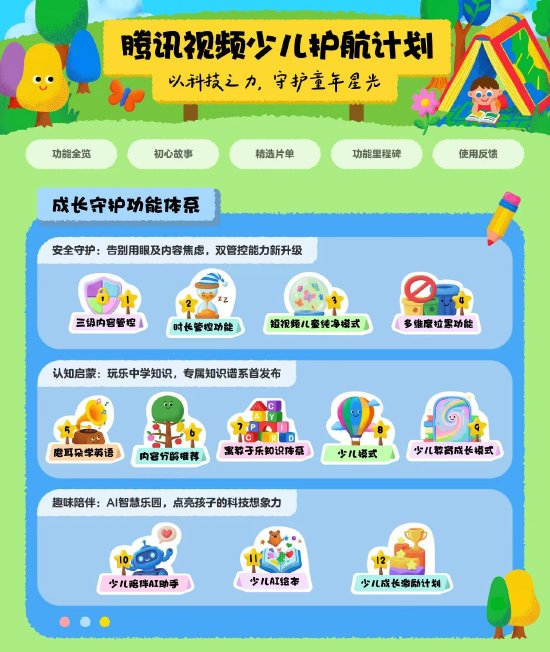
腾讯视频上线“少儿护航计划”
Xin Lang Cai Jing· 2026-02-26 06:49
Core Viewpoint - Tencent Video has launched the "Child Protection Plan" to address parental concerns regarding children's screen time and content safety, establishing a systematic protection mechanism for a safe and healthy viewing environment for children [1][3][4]. Group 1: Child Protection Mechanism - The child mode developed by Tencent Video is based on a three-tier control system that includes content access, viewing time, and usage permissions [1][3]. - The plan aims to alleviate parents' anxiety regarding eye strain and content appropriateness through upgraded dual control capabilities [2]. Group 2: Features of the Child Protection Plan - The newly launched dedicated page integrates five core modules: detailed explanations of protection features, origin story videos, quality content recommendations, a timeline of feature iterations, and a user feedback portal [4]. - The feedback channel allows for two-way communication, enabling parents to provide real suggestions that can inform product iterations [4].
大行评级丨高盛:春节线下娱乐呈现分化趋势,优质内容供应是娱乐消费的核心驱动力
Xin Lang Cai Jing· 2026-02-26 04:14
Core Insights - The report from Goldman Sachs indicates a divergence in offline entertainment trends during the Spring Festival, with quality live content being the core driver of entertainment consumption [1] - Travel consumption increased by 19% year-on-year during this year's Spring Festival, while box office revenue for movies was disappointing at 5.7 billion, a 40% decline compared to the previous year, returning to pre-pandemic levels [1] - The lack of quality films this year is highlighted, contrasting with the 4.8 billion box office revenue from the film "Nezha 2" during the Spring Festival in 2025 [1] Company Analysis - Recent stock price corrections due to concerns over the disruptive impact of artificial intelligence and competition have brought some companies' stock prices close to the lower end of their five-year price-to-earnings (P/E) ratios, such as Tencent at 15x, NetEase at 13x, and Kuaishou at 10x [1] - It is anticipated that earnings per share will achieve high single-digit to low double-digit year-on-year growth by 2026 [1] Industry Outlook - In the gaming sector, Tencent and NetEase are expected to maintain strong performance due to their enduring IP advantages, despite the increasing supply of new games and the importance of overseas expansion as a key growth engine [1] - The impact of AI models on game publishing and operations is considered limited [1] - In terms of competitive landscape in the entertainment industry, Kuaishou and Bilibili have solid business foundations and AI potential, while the music and live streaming sectors face more intense competition [1]



