
BYD(01211)

Search documents
锚定目标任务,坚定信心乘势而上
Chang Sha Wan Bao· 2026-02-24 23:46
Group 1 - Changsha is focusing on building "three high grounds" to accelerate high-quality development in 2026 [1] - Liuyang aims to become a leader in county-level economy by implementing the "three highs and four new" strategy, achieving significant project investments and industrial growth [3][4] - In 2025, Liuyang introduced 166 new projects with a total investment of 42.5 billion yuan, including two projects over 10 billion yuan [3] Group 2 - Changsha Economic Development Zone attracted 126 projects with a total investment of 54.69 billion yuan in 2025, including three projects over 10 billion yuan [7] - The zone aims for an 8.35% increase in industrial output value and a 9.9% increase in public budget revenue in 2025 [7] - The zone is focusing on emerging industries like artificial intelligence and has established several innovation centers [7][8] Group 3 - BYD's contribution to Changsha's automotive industry is significant, with 2025 sales of 2.257 million electric vehicles, marking a global sales leadership [11] - BYD has established six major bases in Changsha, providing over 60,000 jobs and achieving over 100 billion yuan in revenue for four consecutive years [11] - In 2025, BYD exported 82,000 vehicles from Changsha, a 135% increase year-on-year, showcasing the city's role in the company's growth [11] Group 4 - BYD plans to leverage its technological and manufacturing advantages in conjunction with Changsha's resources to enhance its global presence and brand strength [12] - The company aims to contribute to the acceleration of Changsha's automotive industry and support the creation of a significant advanced manufacturing hub in the country [12]

【太平洋科技-每日观点&资讯】(2026-02-24)
远峰电子· 2026-02-24 22:58
Market Overview - Major indices showed declines: North Exchange 50 (-0.22%), Sci-Tech Innovation 50 (-0.72%), Shanghai Composite (-1.26%), Shenzhen Component (-1.28%), ChiNext Index (-1.57%) [1] - TMT sector led the gains with SW Film and Animation Production (+2.66%), SW Semiconductor Equipment (+1.56%), and SW Robotics (+1.15%) [1] - TMT sector faced losses with SW Communication Cables and Accessories (-5.77%), SW Marketing Agency (-4.36%), and SW Passive Components (-2.43%) [1] Domestic News - Semiconductor packaging costs surged due to rising prices of upstream raw materials and key precious metals, prompting China Resources Microelectronics to raise prices across its entire range of microelectronic products by at least 10% [2] - Powerchip Semiconductor Manufacturing Corporation announced strategic agreements with Micron and its global subsidiaries, aiming to strengthen its financial position and transition into a key player in the global AI supply chain [2] - Tianma's new 12-inch Micro-LED high-brightness automotive display screen has been successfully lit, achieving brightness over 50,000 nits and a contrast ratio of 1,000,000:1, making it ideal for high-end panoramic HUD systems [2] - Hanbo High-tech's subsidiary, Chip East, plans to acquire assets in China from South Korea's Dongjin, enhancing its capabilities in the wet electronic chemicals sector [2] International News - The U.S. Department of Defense updated its "1260H list," adding 78 Chinese companies, including Alibaba and Baidu, for allegedly assisting the Chinese military, while removing 12 companies, including Yangtze Memory Technologies [3] - Samsung Electronics has begun delivering its advanced HBM4 chips to unnamed customers to close the gap with competitors in supplying key components for NVIDIA's AI accelerators [3] - TrendForce predicts a 10% annual decline in global smartphone production in 2026 due to rising memory prices, with total production expected to drop to approximately 1.135 billion units [3] - A group of U.S. lawmakers urged the government to strengthen export restrictions on wafer fabrication equipment to China, advocating for a near-total ban on selling chip manufacturing equipment to China [3] AI Insights - Doubao announced the launch of "Expert Mode" on its app and web platform, significantly enhancing its capabilities in mathematics, reasoning, and complex content understanding [4] - Wanjing Technology's AI video creation product has integrated with the Kling 3.0 model, allowing users to generate videos from text and images [4] - Tsinghua University proposed a new framework, RAM, which accelerates large model processing of long texts by 12 times while maintaining natural language interpretability [4] - Peking University introduced FieryGS, a framework that integrates multimodal large models with physical simulations for dynamic flame synthesis [4] Industry Tracking - Star Glory secured 5.037 billion yuan in D++ round financing for the development of its reusable liquid oxygen methane rocket [5] - Shenzhen's Industrial and Information Technology Bureau issued an action plan to promote AI applications in the semiconductor industry, focusing on optimizing chip design and software coding efficiency [5] - Infleqtion is collaborating with NASA's Jet Propulsion Laboratory to launch a quantum gravity sensor by 2030, showcasing a neutral atom quantum sensor [5] - Jingrui Electric Materials plans to invest in a comprehensive base for semiconductor manufacturing materials in Sichuan, including projects for high-purity electronic-grade sulfuric acid and ultra-pure hydrogen peroxide [5]





特斯拉在欧洲的困境持续恶化,原因何在
Xin Lang Cai Jing· 2026-02-24 15:07
Core Viewpoint - Tesla's sales in Europe have declined for the 13th consecutive month, with a 17% year-on-year drop in new car registrations, while its main competitor, BYD, has seen significant growth in the same market [3][4][12]. Group 1: Tesla's Performance - In January, Tesla's new car registrations fell to 8,075 units, down from the previous year, resulting in a market share decrease from 1% to 0.8% in the EU, UK, Switzerland, Norway, and Iceland [3][11]. - Analysts indicate that Tesla's brand image has deteriorated, with increased competition from affordable electric vehicles from brands like BYD, MG, and Zeekr, while Tesla has not introduced new models [3][4][12]. - The influx of first-generation Tesla models into the second-hand market has further pressured prices, making it difficult for Tesla to maintain its market position [3][4][12]. Group 2: BYD's Growth - BYD's new car registrations in Europe reached 18,242 units in January, marking a 165% increase year-on-year, and its market share doubled from 0.7% to 1.9% [8][16]. - Analysts highlight that BYD and other Chinese manufacturers possess a significant cost advantage, which poses a long-term challenge for Tesla and European automakers [8][16]. - Despite the challenges, European manufacturers and Tesla are adapting by narrowing the cost gap in battery and vehicle production, leading to the introduction of more affordable models [8][16]. Group 3: Market Trends - Overall, car sales in the EU, UK, and EFTA countries declined by 3.5% in January, totaling 961,382 units [8][16]. - Gasoline vehicle registrations fell by approximately 26%, while sales of pure electric, plug-in hybrid, and hybrid vehicles increased by nearly 14%, 32%, and 6%, respectively [9][17].



26Q1整车看好比亚迪和江淮
2026-02-24 14:16
Summary of Conference Call on Automotive Sector Company and Industry Overview - The conference call was led by Dong Xiaobin, Chief of Automotive at Industrial Securities, focusing on the automotive sector, specifically on companies BYD and Jianghuai Automobile (JAC) [1][2]. Key Points and Arguments Industry Outlook - The automotive industry is currently facing very pessimistic expectations, with January's production and sales data being worse than anticipated, leading to stock price adjustments [1]. - Retail sales in January dropped by approximately 14%, aligning with market expectations [1]. - The current holding in the automotive sector is at a historical low, with most investments concentrated in parts and robotics [1]. Investment Recommendations - **BYD**: - Recommended due to expected opportunities arising from a technology launch in March, which historically has led to significant stock price movements [2][3]. - Anticipated innovations include ultra-low energy consumption and low-temperature blade batteries, which could create substantial market impact if successfully announced [4][5]. - Current institutional holdings are very low, suggesting limited downside risk and potential for price increases if the March event exceeds expectations [6]. - The overall sentiment in the industry is already factored into stock prices, indicating a favorable risk-reward ratio for investment in BYD [6][7]. - **Jianghuai Automobile (JAC)**: - Positive outlook on the MPV segment, particularly the S800 model, with optimistic sales projections of around 10,000 units per month based on market research [8][9]. - Anticipated demand from high-net-worth families and the business sector, especially as alternatives to Japanese brands due to geopolitical tensions [8][9]. - JAC's preparations for increased production capacity and market entry strategies are expected to yield significant sales growth [9][10]. - The potential for export growth, particularly in markets like the Middle East and South America, is highlighted, with expectations of higher profit margins compared to domestic sales [12][14]. Additional Important Insights - The luxury vehicle market is not purely stable; it can experience significant fluctuations based on the introduction of high-quality offerings, which could lead to increased sales volumes [10][11]. - JAC's export strategy is expected to leverage existing channels, potentially increasing profitability significantly compared to domestic sales [14]. - The overall sentiment towards JAC's future, especially regarding the S800 and its MPV offerings, is optimistic, with expectations of strong market performance [15][16]. Conclusion - The conference call emphasized a cautious yet optimistic outlook for the automotive sector, particularly for BYD and JAC, with specific attention to upcoming technological advancements and market dynamics that could influence stock performance in the near term [16].

BYD Shows It Is King Of The EV Market
247Wallst· 2026-02-24 13:51
Group 1 - The world economy is generally divided into three regions, with one being China [1]


华源晨会精粹20260224-20260224
Hua Yuan Zheng Quan· 2026-02-24 12:18
Group 1: Solid-State Battery Industry - The global solid-state battery industry is expected to achieve GWh-level mass production by 2027, driven by collaborative innovation in materials, processes, and equipment [5][6][7] - The solid-state battery supply chain is evolving towards a "materials-equipment-manufacturing-application" collaborative innovation model, with key advancements in electrolyte film formation processes impacting ionic conductivity [6][7] - The global solid-state battery equipment market is projected to reach 120 billion yuan by 2026, with significant demand for new equipment such as dry electrode preparation and isostatic pressing [7][8] Group 2: AI Applications and Media Consumption - The 2026 Spring Festival has become a battleground for major AI companies to showcase their technological capabilities, integrating AI deeply into program production and real-time interactions [10][11] - The focus of domestic AI large models has shifted from general capabilities to native agent capabilities, emphasizing task planning and multi-modal technology breakthroughs [10][11] - The gaming sector during the Spring Festival saw a preference for high DAU games, particularly in the MOBA and FPS genres, with Tencent's games dominating the market [11][12] Group 3: Energy Sector and Coal Market - In 2025, the State Grid's total bidding amount reached 89.4 billion yuan, doubling that of 2022 and increasing by 27% compared to 2024, indicating strong growth in the energy sector [14][15] - The coal market experienced unexpected inventory reductions before the Spring Festival, leading to optimistic coal prices post-holiday, supported by favorable supply conditions [16] - The release of the national unified electricity market policy aims to establish a market-oriented mechanism centered on supply and demand, emphasizing sustainability [17][18] Group 4: New Consumption Trends - The 2026 Spring Festival saw a significant increase in travel and consumption, with cross-regional passenger flow expected to reach 9.5 billion, a 5.32% increase from 2025 [19][20] - The beauty sector showed signs of recovery during the off-peak season, with a notable increase in sales, particularly in the makeup category, driven by festive consumption [22][23] - The overall retail and catering sales during the Spring Festival increased by 8.6% compared to the previous year, reflecting a vibrant consumer market [21][22]



2026年1月储能系统中标TOP10! 比亚迪开年夺魁
Xin Lang Cai Jing· 2026-02-24 11:06
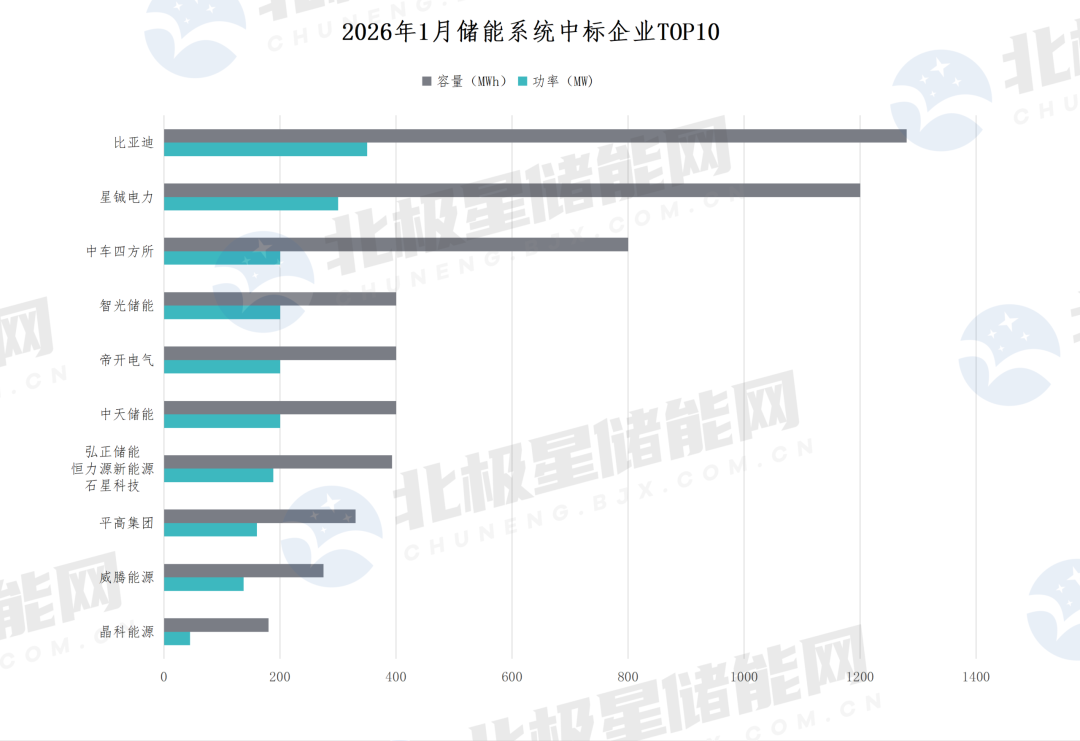
Core Insights - The energy storage market in January 2026 shows significant fluctuations, with a notable increase in storage prices and a resurgence of centralized procurement by state-owned enterprises [1][17]. Group 1: Market Overview - In January 2026, the total bidding segments for energy storage systems reached 45, with a combined capacity of 2.513GW/7.067GWh (excluding centralized procurement) [1]. - The total winning bid scale for energy storage systems was 2.015GW/5.729GWh, reflecting a month-on-month decrease of 23% and 18.3% respectively [17]. - The bidding scale for energy storage systems was 1.19GW/2.92GWh, showing a significant month-on-month decline of 69% and 73% [17]. - The centralized procurement scale for energy storage equipment was 46.15GWh [17]. Group 2: Price Trends - The average winning bid price for 2-hour energy storage systems increased by 17.9%, ranging from 0.3707 to 0.6152 yuan/Wh [17][23]. - The average winning bid price for 4-hour energy storage systems rose by 4.2%, with prices ranging from 0.42 to 0.6314 yuan/Wh [17][23]. Group 3: Leading Companies - BYD led the market with a total winning bid of 1280MWh, including projects for Guotian Energy and China Power Construction [19][20]. - Xingcheng Power ranked second with a winning bid of 1200MWh, primarily from a project with China Power Construction [20]. - CRRC Sifang secured third place with a winning bid of 800MWh for a project in Delingha [21]. - Other notable companies in the top ten include Zhiguang Energy, Dikai Electric, and Zhongtian Energy, each with a winning bid of 400MWh [21]. Group 4: Major Projects - The largest user-side energy storage project in January was awarded to Hongzheng Energy, Hengli Source New Energy, and Shixing Technology, supplying approximately 188MW/393MWh for a distributed energy storage project in Tengzhou Economic Development Zone [21]. - The most competitive bidding project was for the Inner Mongolia Energy Chaoyou Qianqi 150MW/300MWh energy storage system, where Xujigroup won with a bid significantly lower than the estimated price [25][26]. Group 5: Centralized Procurement Initiatives - In January 2026, several enterprises initiated centralized procurement for energy storage systems, with a total scale of 46.15GWh across 12 bidding segments [31]. - Notable centralized procurement initiatives include China National Power Investment's 12GWh procurement, which includes both energy cells and centralized storage systems [33].
比亚迪:硫化物固态电池已明确2027年实现小批量生产
Zhong Guo Qi Che Bao Wang· 2026-02-24 10:13
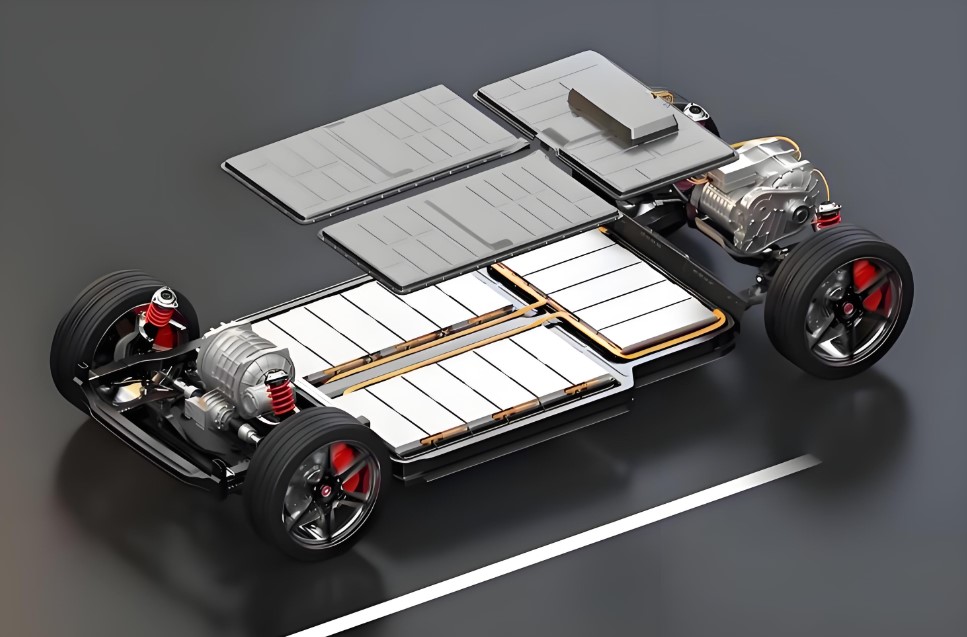
Core Insights - BYD has disclosed its latest technological advancements in solid-state and sodium-ion batteries, positioning itself strategically for the post-lithium battery era with a dual technology approach [1] - The highly anticipated sulfide solid-state battery is set for small-scale production by 2027, marking a significant step from laboratory development to engineering application [1][3] - The sodium-ion battery has completed its third-generation technology platform development, achieving a cycle life of over 10,000 times, with mass production contingent on market demand [1][4] Solid-State Battery Developments - BYD has identified the sulfide system as the core breakthrough direction among various solid-state battery technologies, with ionic conductivity nearing that of traditional liquid electrolytes [3] - Current research focuses on overcoming challenges related to cycle life and fast charging performance, with products aimed at high-end models or specific applications post-2027 [3] - The public timeline reflects BYD's confidence in its technology and indicates an impending competitive race for the next generation of power batteries [3] Sodium-Ion Battery Readiness - Unlike the solid-state battery's countdown, the sodium-ion battery is in a state of technological readiness, awaiting market opportunities for mass production [4] - The third-generation sodium battery utilizes a highly stable poly-anion system, addressing common industrial challenges and clearing technological barriers for commercialization [4] - The production schedule will be dictated by market demand, allowing BYD to adjust capacity as needed based on cost curves and customer orders [4]
1月皮卡销量达近5年同期高位:长城领跑,长安比亚迪等快速崛起
Xin Lang Cai Jing· 2026-02-24 10:12
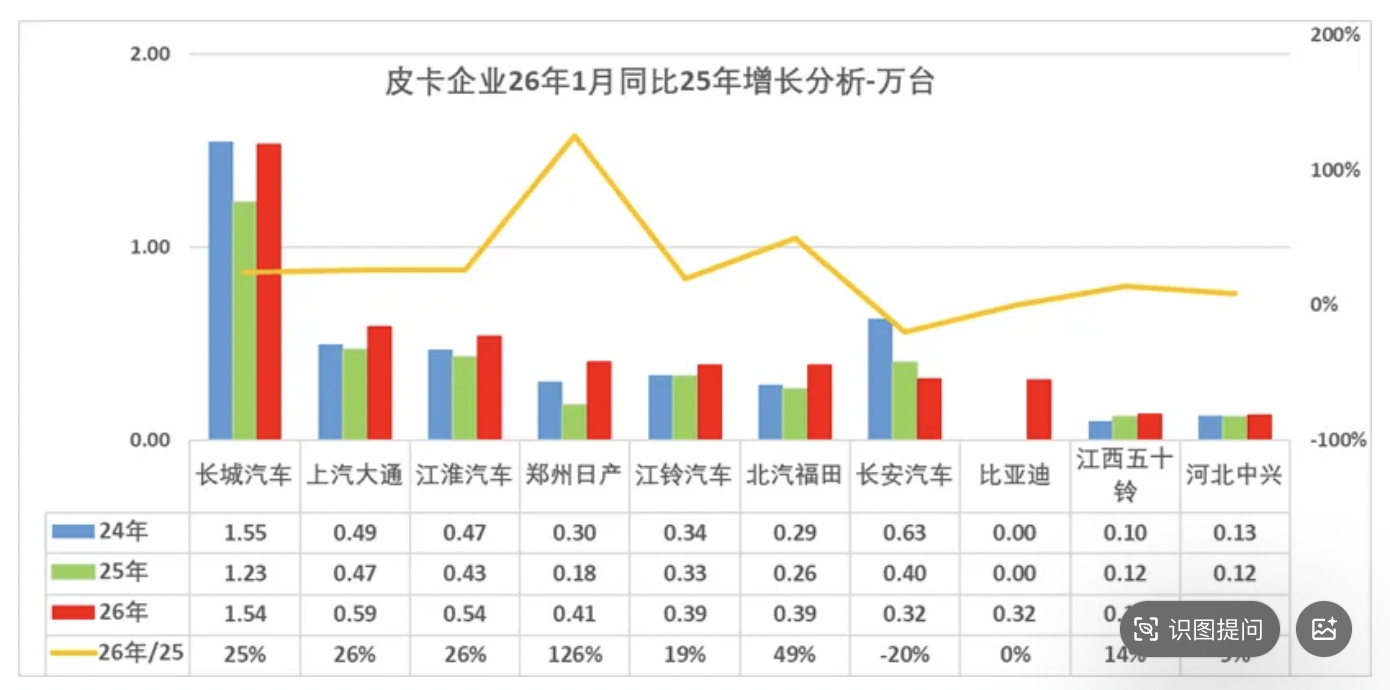
Group 1 - In January 2026, China's pickup truck market sold 49,000 units, a year-on-year increase of 22.5%, marking a high point for the same period in the past five years; production reached 52,000 units, up 29.3%, indicating a robust market for both production and sales [1][5] - Great Wall Motors holds nearly 50% market share in domestic sales, maintaining its leading position, while Jiangling Motors, Zhengzhou Nissan, and Jiangxi Isuzu also show strong performance; Geely's pickups are gradually entering the mainstream market, indicating an evolving competitive landscape [1][5] - In the overseas market, Great Wall Motors remains the top exporter of pickups, but companies like Changan, BYD, JAC, and SAIC Maxus are rapidly rising, creating a competitive pressure on smaller firms [3][5] Group 2 - Great Wall Motors has a strong market share in the northwest and southwest regions, while Jiangling performs well in East China and the Yangtze River basin; Zhengzhou Nissan excels in the northwest and southwest, and Jiangxi Isuzu shows strength in the southwest and northeast [5][7] - The increase in pickup sales is primarily driven by demand from sectors such as construction, municipal power, agriculture, and retail, as well as new customers seeking high-end, passenger-oriented, and off-road vehicles; the trend of migrant workers returning home is boosting the market in small cities and rural areas [5][7] - The pickup market reflects the development of small private businesses, with Great Wall Motors leading the recovery of the automotive market post-pandemic; the rise of middle-aged consumers' interest in outdoor activities is increasing the demand for pickups [7][8] Group 3 - The sales of new energy pickups in China were 6,000 units in January 2026, a year-on-year increase of 18% and a month-on-month increase of 6%, showing a strong growth trend compared to the overall pickup market [7][8] - BYD's overseas sales of pickups reached 3,150 units, while Geely's Radar electric pickup sold 1,241 units; Zhengzhou Nissan sold 785 units, and Changan's extended-range pickup sold 410 units, indicating a growing scale of new energy vehicles in the pickup segment [8] - The acceleration of electrification in the pickup market is notable, with significant growth in regions like Beijing and South China, driven by models like the Radar electric pickup and Changan's hybrid pickup [8]

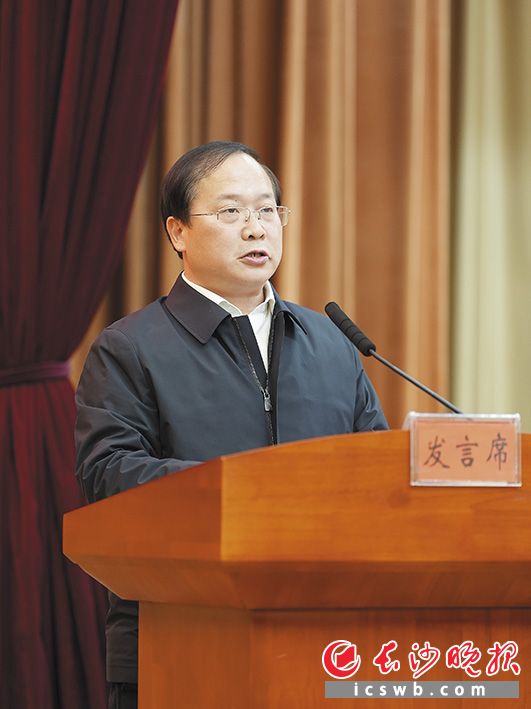
比亚迪股份有限公司湖南省总经理易珑:为助推长沙汽车产业加速进位争先贡献比亚迪力量
Chang Sha Wan Bao· 2026-02-24 09:34
Group 1 - In 2025, BYD achieved a historic milestone by becoming the world's top seller of pure electric vehicles with annual sales of 2.257 million units [1] - BYD's success is significantly attributed to its operations in Changsha, where it has established six major bases covering various aspects of the electric vehicle industry, including manufacturing, battery production, and components [1] - The company has created over 60,000 jobs in Changsha and has consistently generated revenue exceeding 100 billion yuan for four consecutive years [1] Group 2 - In 2026, BYD aims to enter a new phase of technological iteration, smart-electric integration, and globalization, leveraging its engineering spirit and combining its strengths with Changsha's innovation and resources [2] - The company plans to enhance its technology, products, and services while accelerating its global expansion to establish itself as a world-class Chinese brand [2] - BYD's achievements are supported by the local government and community, and the company is committed to advancing Changsha's automotive industry and contributing to the development of a significant manufacturing hub in China [2]