
BYD(01211)

Search documents
比亚迪春季大规模招聘超2100名工人,最高月薪上万
Nan Fang Du Shi Bao· 2026-03-12 12:22
Core Insights - The article highlights BYD's large-scale recruitment initiative, aiming to hire over 2,100 workers across various roles, reflecting the company's growth and capacity expansion strategy [2][5]. Group 1: Recruitment Details - BYD plans to recruit more than 2,000 industrial workers, including both operational and technical roles, with specific recruitment actions taking place in the Deep-Shan Special Cooperation Zone [2][5]. - The recruitment includes over 1,100 technical workers, with salaries ranging from 5,000 to 10,000 yuan per month, and some positions offering up to 10,000 yuan [1][4]. Group 2: Production Capacity and Financial Performance - The Deep-Shan BYD Automotive Industrial Park is projected to achieve an annual output value exceeding 220 billion yuan, encompassing a complete industrial system from core components to vehicle manufacturing [5]. - BYD anticipates a significant increase in sales, projecting 4.6 million electric vehicles sold in 2025, marking a 7.73% year-on-year growth, and maintaining its position as the global leader in electric vehicle sales for four consecutive years [5][6]. - The company expects to see a substantial rise in overseas sales, with projections indicating a 145% increase, reaching nearly 1.05 million units sold [5]. Group 3: Industry Context - The recruitment drive reflects not only BYD's internal growth needs but also the positive trajectory of the Chinese electric vehicle industry, transitioning towards intelligent, high-end, and globally coordinated development [6].



比亚迪启动大规模招聘,技术工最高月薪1万元
新华网财经· 2026-03-12 11:07
Core Viewpoint - BYD is significantly increasing its recruitment efforts, planning to hire over 2,000 workers in its Deep-Shan Special Cooperation Zone, reflecting the growing demand for labor in the rapidly expanding electric vehicle industry [1][4]. Recruitment Plans - BYD is launching a large-scale recruitment drive in the Deep-Shan area, with over 2,000 positions available, including more than 1,000 for operators and over 1,100 for technical workers [1][2]. - The salary range for operators is between 5,500 to 6,500 yuan per month, while technical positions can earn between 5,000 to 10,000 yuan, with some roles offering up to 10,000 yuan [2][3]. Industry Context - The demand for labor in China's electric vehicle sector is surging, with a projected talent gap of 1.03 million by 2025, including both high-end and frontline workers [5]. - The average monthly salary in the new energy sector is reported to be 12,447 yuan, significantly higher than many traditional manufacturing industries [5]. Company Performance - BYD's total revenue for the first three quarters of 2025 reached 566.27 billion yuan, a year-on-year increase of 12.75%, with a net profit of 23.33 billion yuan [4]. - The company sold a total of 3.26 million vehicles globally from January to September 2025, marking an 18.64% increase year-on-year, with overseas sales surging by 132% [4]. Future Projections - The Deep-Shan base is expected to achieve a production capacity of nearly 290,000 vehicles annually by 2025, reflecting a 16% increase compared to previous years [4]. - As BYD continues to expand its production capabilities, particularly with the construction of new battery factories, the demand for skilled labor is anticipated to rise significantly [4].

400GWh增量在即,AIDC储能红利谁来收割?
行家说储能· 2026-03-12 10:36
Core Viewpoint - The article discusses the emerging market for AIDC (AI Data Center) energy storage, highlighting the technological advancements and the competitive landscape as companies prepare for a significant shift in energy demands driven by AI and data centers [2][3][4]. Group 1: Market Trends and Developments - By 2026, AIDC energy storage is transitioning from technology validation to project trials, marking the beginning of large-scale development [3]. - The demand for energy storage in AIDC is projected to create a new trillion-dollar market, with estimates suggesting that 100GW of new AI data centers could require 200-400GWh of storage [2]. - Major technology companies are committing to self-sufficient power for AI data centers, indicating a trend towards decoupling AIDC from traditional power grids [2]. Group 2: Key Technological Directions - Four main trends are identified for AIDC energy storage: 1. Full architecture compatibility, requiring adaptation to both existing AC and next-generation high-voltage DC systems [5]. 2. Long-duration energy storage becoming a necessity, with requirements for sustained power supply exceeding 4 hours [5]. 3. Multi-technology collaboration, with sodium and lithium batteries being the current mainstream solution [5]. 4. Intelligent scheduling as a core capability, utilizing AI and big data for dynamic optimization of energy storage systems [5]. Group 3: Competitive Landscape - AIDC energy storage players are categorized into three types: native energy storage companies, technology and power equipment giants, and cross-industry participants [4]. - Companies like CATL and BYD are leading with specialized energy storage solutions tailored for AIDC applications, with BYD's blade battery application exceeding 30% in AIDC [6]. - New entrants and established players are rapidly developing solutions, such as Hicharge's lithium-sodium collaborative energy storage solution and Ronghe Yuan's green electricity direct connection system [6][7]. Group 4: Industry Collaboration and Events - Industry forums are being organized to facilitate collaboration and knowledge sharing among stakeholders, with events scheduled to discuss the synergy between AIDC and third-generation semiconductors [8]. - These forums aim to break down information silos and support companies in transitioning from planning to monetization of AIDC energy storage solutions [8].


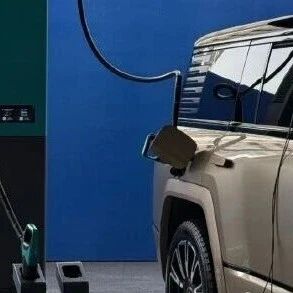
“电车不过山海关”成为历史!比亚迪彻底改写补能规则
商业洞察· 2026-03-12 09:37
Core Viewpoint - The second-generation blade battery has been launched, addressing two major industry pain points: slow charging and difficulties in low-temperature conditions, establishing a new benchmark in fast charging technology [1] Group 1: Charging Efficiency - Charging from 10% to 70% takes only 5 minutes, and reaching 97% takes just 9 minutes; at -30 degrees Celsius, charging from 20% to 97% takes 12 minutes, only 3 minutes longer than at room temperature, making charging efficiency comparable to refueling [3] - BYD has developed a new fast charging pile with a single-gun charging power of 1500kW, the highest power for mass-produced charging piles globally [9] Group 2: Battery Performance - The energy density of the second-generation blade battery has been improved by over 5% compared to the first generation, with the Tengshi Z9GT achieving a range of 1036 kilometers, leading its class [5] Group 3: Infrastructure Development - BYD has launched the "Fast Charge China" strategy, planning to establish 20,000 fast charging stations by the end of the year, with 1,000 highway stations operational before May Day, ensuring convenience for northern drivers [7] Group 4: Technological Advancements - The fast charging piles are equipped with energy storage systems, which do not impact the national grid and prevent slow charging when multiple vehicles are connected, ensuring a smooth charging experience [11] - BYD aims to solve user pain points with robust technology, contributing to the global electrification movement and showcasing the strength of domestic automakers [13]
比亚迪(002594):二代刀片电池及闪充发布,精准解决行业痛点
CMS· 2026-03-12 09:34
Investment Rating - The report maintains a strong buy recommendation for BYD, indicating a positive outlook for the company's stock performance [6]. Core Insights - BYD has launched its second-generation blade battery and a comprehensive fast-charging technology system, addressing key pain points in the electric vehicle industry, such as slow charging and low-temperature charging efficiency [1]. - The second-generation blade battery significantly enhances performance across multiple dimensions, including fast-charging capabilities, energy density, low-temperature adaptability, and safety, making it one of the most balanced and practical solutions in the global market [2]. - The fast-charging capability allows for rapid energy replenishment, achieving a 10% to 70% charge in just 5 minutes at room temperature, and 20% to 97% in 12 minutes at -30°C, effectively eliminating charging time disparities with traditional fuel vehicles [3]. - The energy density of the new battery exceeds 190-210 Wh/kg, with significant improvements in the range of vehicles, including a maximum range of 1036 kilometers for high-end models [4]. - Safety standards have been upgraded, with the battery passing extreme safety tests and demonstrating resilience against punctures and collisions [5]. - The report outlines a strategic plan to establish 20,000 fast-charging stations across various urban and rural areas by the end of 2026, aiming to create a comprehensive charging ecosystem [11]. - Financial projections indicate a steady increase in net profit, with estimates of 34.7 billion, 36.5 billion, and 38.9 billion yuan for 2025, 2026, and 2027 respectively, reflecting a strong growth trajectory [13]. Financial Data Summary - Total revenue is projected to grow from 602.3 billion yuan in 2023 to 969.4 billion yuan in 2027, with a compound annual growth rate of 42% in 2023 and gradually decreasing to 5% by 2027 [14]. - The operating profit is expected to rise from 38.1 billion yuan in 2023 to 48.8 billion yuan in 2027, with a notable increase of 77% in 2023 [17]. - The return on equity (ROE) is projected to decrease from 24% in 2023 to around 14% by 2026, indicating a potential shift in profitability dynamics [18].
功率半导体市场跟踪-频发涨价函背后是否已现产业周期拐点
2026-03-12 09:08
Summary of Power Semiconductor Market Conference Call Industry Overview - The power semiconductor market is currently experiencing a cyclical bottom, with expectations of a clear recovery in the second half of 2026 and a full cyclical reversal anticipated in 2027 [1][2] - The largest single market for power semiconductors is the electric vehicle (EV) sector, projected to reach a scale of approximately 33 billion RMB by 2026, accounting for about 56% of the overall market [2][3] - The photovoltaic (PV) and energy storage sectors are also significant growth areas, expected to reach 57 billion RMB by 2026, driven by demand for 1,500V products [1][2] Demand Trends - Demand for IGBT (Insulated Gate Bipolar Transistor) in the EV sector remains strong, with unit values ranging from 600 to 3,900 RMB, primarily used in main inverters, onboard chargers, and air conditioning systems [2][3] - The industrial control sector shows stable growth, maintaining a market share of about 20%, with applications including variable frequency drives and servo systems [2] - Order volume is expected to increase by 8%-15% in Q2 2026, with a further increase to around 20% in the second half of the year [1][5] Pricing Dynamics - Price increases are expected, but the actual implementation may be challenging, with anticipated client price increases around 5% [1][8][17] - Clients are generally resistant to price hikes, preferring indirect methods of price adjustment, such as reducing discounts [8] - The demand from AI and EV sectors is a key driver for price increases, alongside rising raw material costs [8] Supply Chain and Production Capacity - The overall supply of power semiconductors is balanced, with only specific high-voltage and automotive-grade products experiencing tight supply, constituting about 10% of the market [9][10] - Structural shortages are primarily seen in high-end automotive-grade products, which are heavily reliant on imports and have long certification cycles for domestic alternatives [10][13] - Major domestic manufacturers like SIDA and Silan Micro are expected to continue increasing production capacity, while BYD's growth may slow down [15] Competitive Landscape - SIDA leads in the automotive-grade IGBT market, followed by Silan Micro and BYD, with SIDA's technology gap to leading firms like Infineon being approximately one year [16][18] - The competitive intensity has eased compared to 2023-2024, moving away from aggressive price wars to a more balanced market [14] - The business models of companies vary, with SIDA operating on a Fabless model and Silan Micro on an IDM model, impacting their cost structures and profitability [12][16] Future Outlook - The market is expected to see marginal improvements across major downstream sectors, with the automotive and PV storage sectors being the primary growth drivers [7] - The growth in demand for silicon carbide (SiC) in automotive applications is anticipated to be slow, with prices expected to remain stable or decline in 2026 due to shifts in Tesla's product strategy [18] - The overall trend in the semiconductor market is moving towards a more balanced demand structure, with a gradual increase in the adoption of SiC products [18][19]


比亚迪启动大规模招聘
财联社· 2026-03-12 08:57
据第一财经,比亚迪深汕鹅埠园区、小漠园区联合启动大规模招聘, 其中操作工招聘需求超1000人,月薪资范围5500元~6500元;技术工招聘需求 超过1100人,学历要求初中及以上,月薪资最高可达1万元。 与此同时,比亚迪西安工厂也在同步招聘百余人,比亚迪2026全球春季校园招聘也已于3月初开启。 据悉, 目前比亚迪集团员工人数已突破90万人 ,是A股上市公司中员工数量最多的公司。 ...

【月度分析】2026年2月份全国乘用车市场分析
乘联分会· 2026-03-12 08:09
Core Insights - The overall retail market for passenger vehicles in February 2026 saw a significant decline, with retail sales reaching 1.034 million units, a year-on-year decrease of 25.4% and a month-on-month decrease of 33.1% [13][14]. - The production of passenger vehicles in February 2026 was 1.373 million units, reflecting a year-on-year decline of 21.0% and a month-on-month decline of 31.5% [17]. - The export of passenger vehicles in February 2026 reached 555,000 units, marking a year-on-year increase of 56.0% [16]. Overall Market Analysis - Retail sales for the year-to-date reached 2.578 million units, down 18.9% year-on-year [13]. - The February retail performance is characterized by significant fluctuations due to seasonal factors, particularly the Spring Festival [13]. - The market is currently experiencing a recovery phase following the expiration of the new energy vehicle purchase tax exemption policy, which has led to some consumer behavior adjustments [13][14]. New Energy Market Insights - In February 2026, the retail sales of new energy vehicles (NEVs) totaled 464,000 units, down 32.0% year-on-year [18]. - The production of NEVs in February was 645,000 units, a year-on-year decrease of 21.3% [18]. - NEVs accounted for 44.9% of the total retail market penetration in February, indicating a slight decline compared to the previous year [21]. Export Performance - The export of new energy vehicles reached 269,000 units in February, representing a year-on-year increase of 124.7% [22]. - NEVs constituted 48.5% of total vehicle exports, showing a significant increase from the previous year [22]. - Major exporters included BYD, Geely, and Chery, with substantial growth in overseas markets, particularly in Europe and Southeast Asia [22][23]. Manufacturer Performance - In February, domestic brands sold 630,000 units, down 30% year-on-year, with a market share of 61.2% [16]. - The luxury vehicle segment saw retail sales of 130,000 units, down 12% year-on-year, but with a market share increase [16]. - The competitive landscape is shifting, with traditional manufacturers like Geely and Changan showing improved performance in the new energy segment [16][24]. Future Outlook - March 2026 is expected to see a rebound in sales due to the resumption of normal operations post-Spring Festival and the introduction of new models [26]. - The government’s consumption promotion policies are anticipated to stimulate demand, particularly in the new energy vehicle sector [26][27]. - The automotive industry is projected to play a crucial role in driving economic growth, with significant contributions to manufacturing and employment [27][28].

为了转化油车死忠,比亚迪计划投百亿元建闪充站
晚点Auto· 2026-03-12 07:31
Core Viewpoint - BYD aims to leverage infrastructure to drive growth, focusing on expanding its charging network and enhancing vehicle technology to maintain its leadership in the global electric vehicle market [2][3]. Group 1: Sales and Market Position - BYD sold 4.6 million vehicles in 2025, maintaining its position as the global leader in new energy vehicle sales, with overseas sales reaching 1.05 million, a 150% increase from the previous year [3][4]. - In China, BYD's sales were approximately 3.55 million vehicles, despite facing significant challenges after a period of explosive growth [3][4]. Group 2: Technological Advancements - BYD introduced its new fast-charging technology, increasing charging power from 1 MW to 1.5 MW, allowing for a 10% to 70% charge in just 5 minutes under normal conditions [4][6]. - The second-generation blade battery will be paired with the fast-charging technology, with plans to deploy it across 10 vehicle models, focusing on flagship and updated models [6][7]. Group 3: Infrastructure Development - BYD plans to build 20,000 fast-charging stations by the end of 2026, including 18,000 urban "station-in-station" setups and 2,000 highway stations, with 4,239 already completed [4][6]. - The company will invest over 10 billion yuan in its charging station initiative and cover the charging costs for fast-charging vehicles for the first year [6][7]. Group 4: Competitive Landscape - The competitive environment has changed significantly, with over 50% penetration of new energy vehicles and increased industry homogenization, leading to a shorter window for single-point technological advantages [7]. - BYD's strategy now emphasizes building infrastructure and expanding model coverage, which will test its capital efficiency and organizational capabilities [7].

国海证券:维持比亚迪“买入”评级,2月海外销量超越内销
Jin Rong Jie· 2026-03-12 06:07
Core Insights - BYD's sales in February 2026 reached 190,000 units, reflecting a year-on-year decline of 41.1% [1] - The company achieved overseas sales of 100,000 units, outperforming domestic sales of 90,000 units [1] - The high-end product line is steadily advancing, with the Fangchengbao model showing exceptional performance [1] Group 1 - The short-term sales fluctuation in February was influenced by the Spring Festival holiday, but several new models are set to launch soon, presenting significant growth potential [1] - Overseas business is a crucial growth engine for BYD, with the Tengshi brand officially entering the Philippine market, indicating continued high growth in international sales for 2026 [1] - BYD aims to enhance its procurement capabilities through scale advantages, thereby improving price competitiveness and solidifying its global market position [1] Group 2 - The company is driving innovation in plug-in hybrid batteries, leading the high-quality development of new energy technology [1] - Considering the new product cycle in 2026 and ongoing international expansion, the company maintains a "buy" rating [1]
