
GWMOTOR(02333)

Search documents
闪电快讯|全新坦克400开启预售, 30.98万元起
Xin Lang Cai Jing· 2025-10-22 08:42
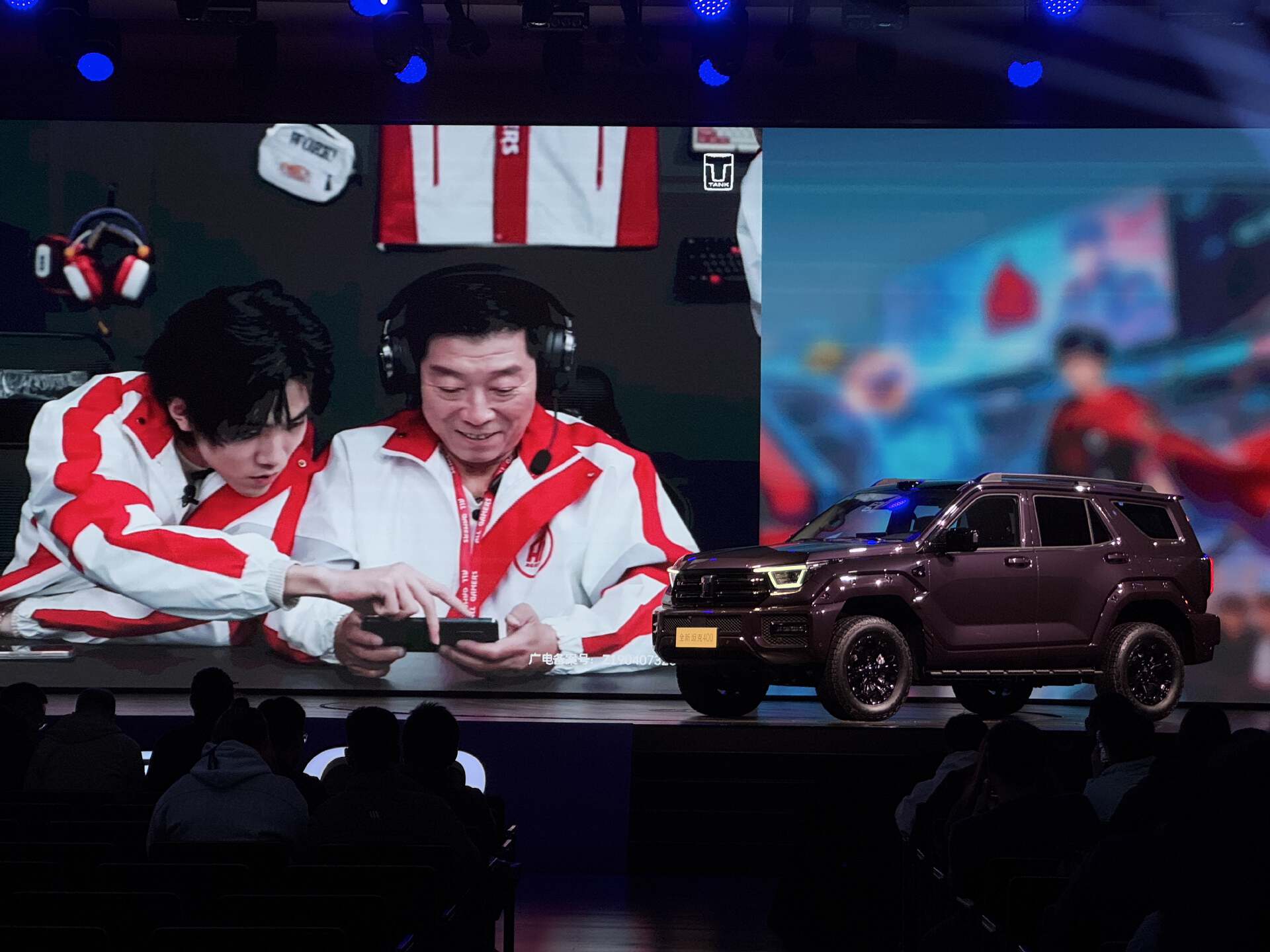
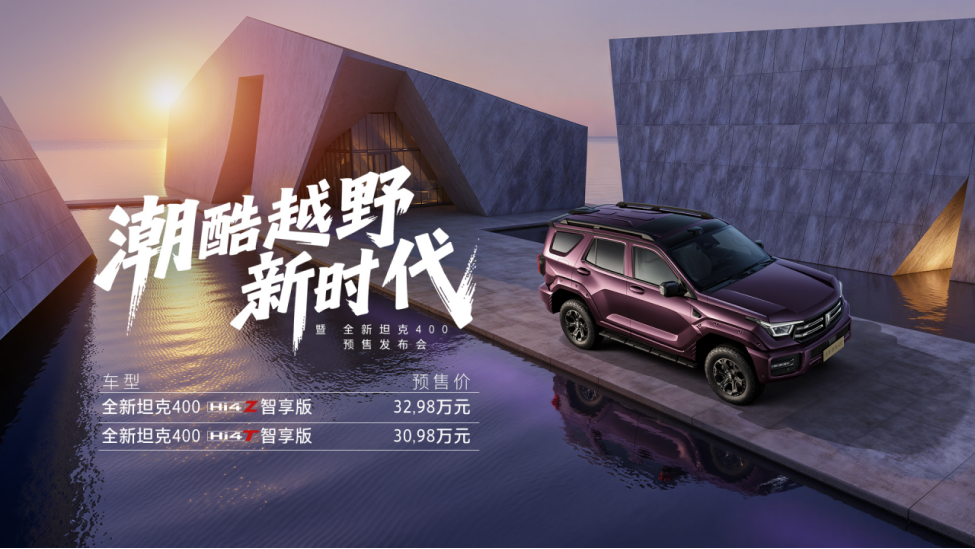
Core Viewpoint - The Tank brand of Great Wall Motors launched the pre-sale of the new Tank 400, emphasizing its innovative design and advanced technology aimed at redefining off-road experiences for young consumers [1] Group 1: Product Launch - The pre-sale event for the new Tank 400 was themed "潮酷越野新时代" and featured two versions: Hi4-Z Intelligent Edition priced at 329,800 yuan and Hi4-T Intelligent Edition priced at 309,800 yuan [1] - The event included a live demonstration of the vehicle's performance, showcasing its capabilities through interactive gaming and rock climbing challenges [1] Group 2: Design and Aesthetics - The new vehicle's design incorporates 74,595 straight lines, 64,598 planes, and 21,532 angles, with a front hood windbreak angle of only 3mm [3] - The exclusive color "Dunhuang Purple" is derived from mineral pigments in the Mogao Caves, combined with 5-micron pearl powder and an 8-layer composite paint process to create specific light reflection effects [3] - The design aims to break traditional SUV curves, enhancing the mech-style visual characteristics [3] Group 3: Powertrain and Performance - The Hi4-Z Intelligent Edition features a decoupled four-wheel drive architecture, a 3-speed DHT transmission, and achieves 0-100 km/h in 4.3 seconds with a WLTC pure electric range of 200 km [3] - The Hi4-T Intelligent Edition upgrades to a second-generation hybrid system with an electric motor power of 130 kW and torque of 495 Nm, reducing fast charging time from 30-80% to 16 minutes [3] - Both models utilize power distribution technology to optimize energy management, addressing performance limitations in low-speed and continuous climbing scenarios [3] Group 4: Intelligent Features - The vehicle includes the Coffee Pilot Ultra driver assistance system, supporting navigation assistance for both urban and highway environments, along with a fully integrated parking system compatible with over 200 parking types [4] - Interior features include a 5.4L wide-range temperature control refrigerator, a 15.6-inch rear entertainment screen certified by German Rheinland for eye protection, and Nappa leather seats with ventilation, heating, and massage functions [4] - The interactive system is powered by an 8295 chip and Coffee GPT voice model, enabling natural language recognition [4]


转型新能源赛道,长城押注魏牌MPV
2 1 Shi Ji Jing Ji Bao Dao· 2025-10-22 07:47
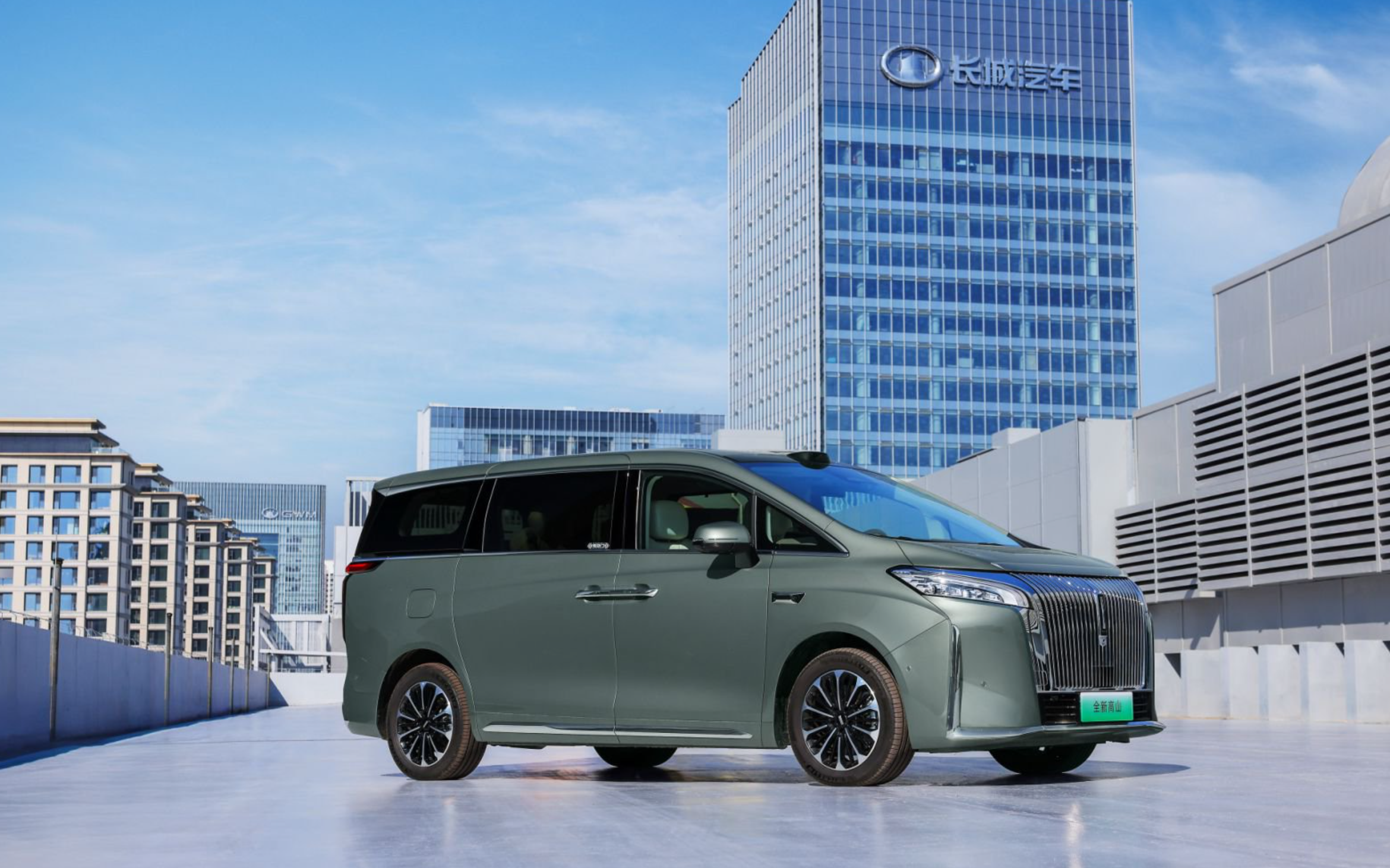
Core Insights - The launch of the Gao Shan 7 MPV by Wei brand aims to address the traditional MPV issues of being "heavy" and "slow" by incorporating Hi4 intelligent electric hybrid four-wheel drive and advanced driver assistance systems [1] - The Gao Shan series completes Wei brand's coverage of the MPV market, targeting different consumer segments from flagship to entry-level family users [1] - Despite initial order success, the market response for Gao Shan 7 has been lukewarm, with a minor price adjustment of 4,000 yuan failing to significantly attract buyers compared to the more popular Gao Shan 8 [1][2] Product Positioning - Gao Shan 9 is positioned as a flagship model suitable for both business and family use, Gao Shan 8 is designed for large families, while Gao Shan 7 focuses on young family users [1] - The Gao Shan series has shown strong market competitiveness, with Gao Shan sales reaching 7,768 units in September, a 55% month-on-month increase, making it the second best-selling MPV after Toyota Sienna [2] Sales Performance - Wei brand's sales from January to September reached 63,600 units, a year-on-year increase of 96.35%, significantly outpacing other brands like Tank and Haval [2] - Despite impressive growth, Wei brand's sales volume is still less than one-eighth of Haval's, which sold 528,500 units in the same period [2] Strategic Importance - Wei brand's growth is strategically significant for Great Wall Motors, as it aims to enhance the company's overall electric vehicle sales, which currently lag behind competitors like Geely [2] - Great Wall's total electric vehicle sales for the first nine months of the year were 278,500 units, with a penetration rate of 30%, compared to Geely's 1,167,800 units and a penetration rate of 53.8% [2] Channel Strategy - Wei brand is focusing on a direct-to-consumer (DTC) model to reshape the car buying experience, emphasizing the importance of direct brand-user connections [3] - The core objective is to effectively communicate Great Wall's technological advancements and brand value to consumers [3]
颁奖!2025“中国汽车工程学会科学技术奖”名单出炉!
Zhong Guo Qi Che Bao Wang· 2025-10-22 03:48
Core Points - The 2025 "China Society of Automotive Engineers Science and Technology Award" was announced and awarded at the 32nd SAECCE, recognizing outstanding achievements and innovative talents in the automotive engineering field [1] - Award-winning projects focus on key technologies in intelligent networking, power batteries, electric chassis, hybrid power, and smart manufacturing, indicating significant advancements in autonomous innovation capabilities [1][3] - The automotive industry is undergoing a critical transformation and upgrade, with an emphasis on original technology development and breakthroughs in core technologies [1] Awards Summary - A total of 89 awards were given, including 4 special awards for scientific progress, 1 first prize for technological invention, 10 first prizes for scientific progress, 6 second prizes for technological invention, 17 second prizes for scientific progress, and 51 third prizes for scientific progress [3] - The special awards for scientific progress were awarded to collaborative projects involving Great Wall Motors, Beihang University, and others, focusing on key technologies for hybrid vehicles and autonomous driving [3] Innovation and Talent Recognition - The first prize for technological invention was awarded to a project on key technologies for intelligent driving in complex scenarios, developed by Tsinghua University and several automotive companies [5] - The Science and Technology Achievement Award recognized 4 individuals, while the Youth Science and Technology Award honored 6 individuals for their contributions to automotive technology [5][7] Team Awards - The Innovation Team Award for automotive components was awarded to the Konghui Technology team for their advancements in intelligent suspension systems, marking a significant achievement in the industry [9] - Konghui Technology has developed key technologies in air suspension systems and has achieved a market share of 41.3% in the domestic air spring market by 2024 [11][13] Industry Outlook - The Chinese automotive industry is gaining global recognition, with domestic components gradually replacing imports, indicating a strong future for national brands like Konghui Technology in supporting high-quality development [15]




开启潮酷越野新时代 全新坦克400正式预售30.98万元起
Qi Lu Wan Bao· 2025-10-22 03:42
Core Points - The new Tank 400 SUV is positioned as a trendy off-road vehicle targeting young consumers, with a focus on aesthetics, performance, and luxury features [1][4][6] - The pre-sale event highlighted the vehicle's unique design and advanced technology, aiming to redefine the off-road experience for a younger audience [3][4][6] Pricing and Models - The pre-sale prices for the new Tank 400 are set at 329,800 yuan for the Hi4-Z Intelligent Version and 309,800 yuan for the Hi4-T Intelligent Version [1][16] - The Hi4-Z version offers a value package worth 39,000 yuan, while the Hi4-T version includes a package worth 26,000 yuan [16] Design and Aesthetics - The Tank 400 features an original mech aesthetic, incorporating 74,595 straight lines, 64,598 planes, and 21,532 angles, aiming to meet the expectations of young consumers for style and attitude [7] - The "Dunhuang Purple" color draws inspiration from ancient art, enhancing the vehicle's cultural significance and aesthetic appeal [9] Performance and Technology - The Tank 400 is the only off-road SUV globally to cover the entire power matrix, featuring the Hi4-Z architecture for optimal energy distribution and performance [10][12] - The Hi4-Z version boasts a peak power of 600 kW, achieving 0-100 km/h in 4.3 seconds, while the Hi4-T version has improved power and torque [12] Comfort and Smart Features - The vehicle includes the Coffee Pilot Ultra driver assistance system, providing comprehensive coverage for urban and highway driving scenarios [13] - It features a 5.4L onboard refrigerator, a 15.6-inch rear entertainment screen, and high-quality Nappa leather seats with heating, cooling, and massage functions for enhanced passenger comfort [15] Promotional Offers - During the pre-sale period, customers can enjoy six exclusive benefits, including significant discounts and financing options [17]
30.98万元起!长城汽车官宣
Mei Ri Jing Ji Xin Wen· 2025-10-22 01:27
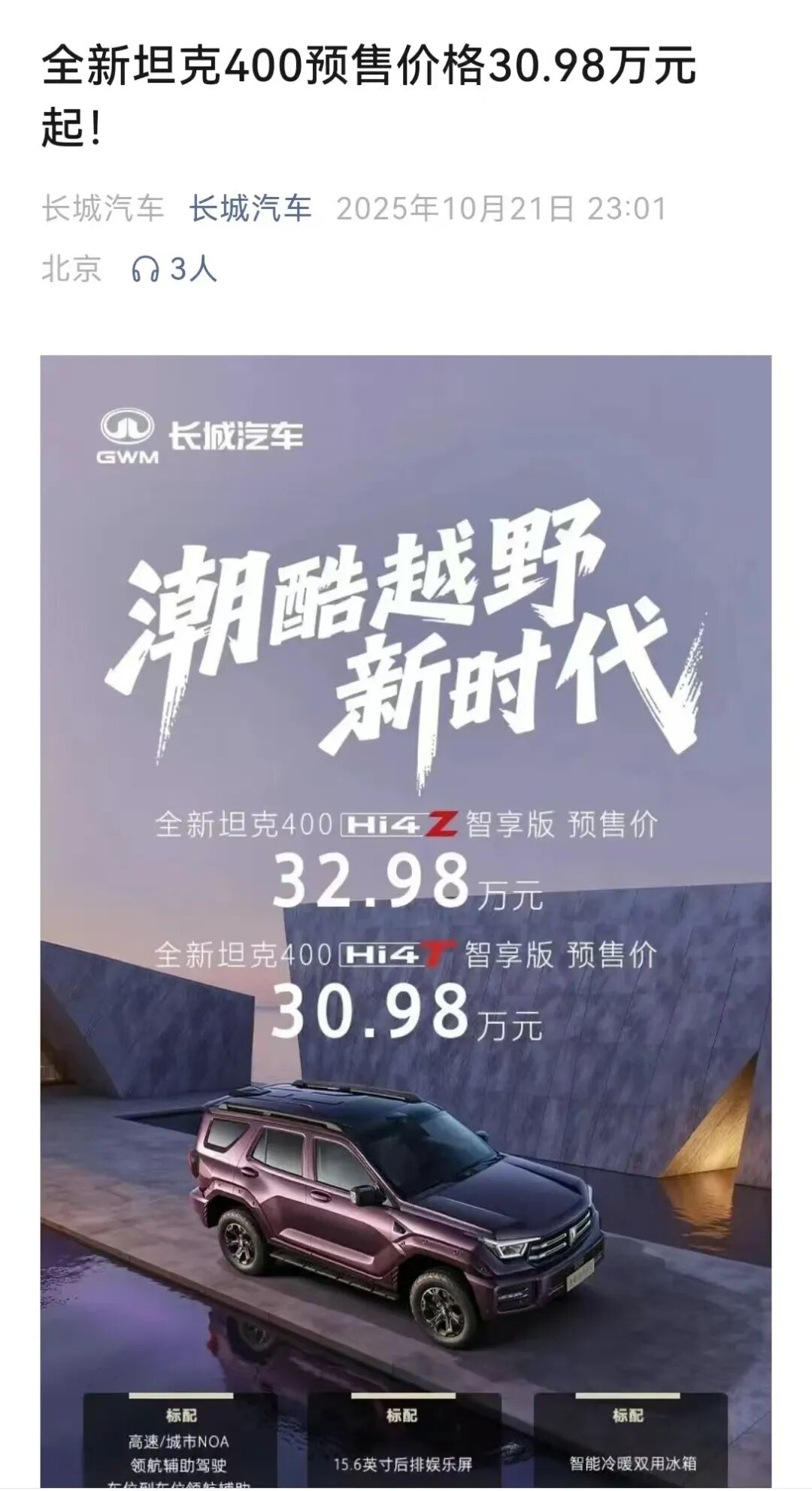
Core Viewpoint - Great Wall Motors has officially launched the pre-sale of its new Tank 400 model, starting at a price of 309,800 yuan, indicating a strategic move to enhance its product lineup and market presence [1]. Group 1: Sales Performance - In September, Great Wall Motors achieved record sales of 133,639 vehicles, marking a year-on-year increase of 23.29%, the best performance for September in its history [4]. - The WEY brand sold 11,026 vehicles in September, reflecting a significant year-on-year growth of 63.23% [4]. - For August, the company reported sales of 115,558 vehicles, a year-on-year increase of 22.33%, also setting a historical record for that month [4]. Group 2: Global Expansion - The completion of the Brazilian factory in August is expected to significantly boost Great Wall Motors' efforts in the Brazilian and Latin American markets, marking a key milestone in its globalization strategy [4]. - The company has adopted the "ONE GWM" brand strategy and an "ecological export" model, which encompasses research, production, supply, sales, and service, to strengthen its overseas presence [4]. - Great Wall Motors has over 15 million global users and more than 1,400 overseas sales channels, with total overseas sales exceeding 2 million vehicles [4]. Group 3: Stock Performance - As of October 21, Great Wall Motors' stock closed at 23.17 yuan, with a daily increase of 0.83%, bringing its market capitalization to 198.29 billion yuan [5].
30.98万起!长城汽车官宣
Mei Ri Jing Ji Xin Wen· 2025-10-22 00:20
Group 1 - In September, Great Wall Motors achieved record sales of 133,639 vehicles, marking a year-on-year increase of 23.29% [3] - The WEY brand sold 11,026 vehicles in September, reflecting a significant year-on-year growth of 63.23% [3] - For August, Great Wall Motors reported sales of 115,558 vehicles, which is a 22.33% increase year-on-year, also setting a record for the month [3] Group 2 - The company is focusing on accelerating new product launches and enhancing intelligent features to improve market performance [3] - Great Wall Motors has completed the construction and production launch of its factory in Brazil, which is expected to drive its expansion in the Brazilian and Latin American markets [3] - The company has established a global user base of over 15 million and has more than 1,400 overseas sales channels, with total overseas sales exceeding 2 million vehicles [3] Group 3 - As of October 21, Great Wall Motors' stock price was 23.17 yuan, with a daily increase of 0.83%, and a market capitalization of 198.29 billion yuan [4]
9月国内乘用车市场销量分析:新能源主导增长 自主品牌强势领跑
Zhong Guo Zhi Liang Xin Wen Wang· 2025-10-21 09:12
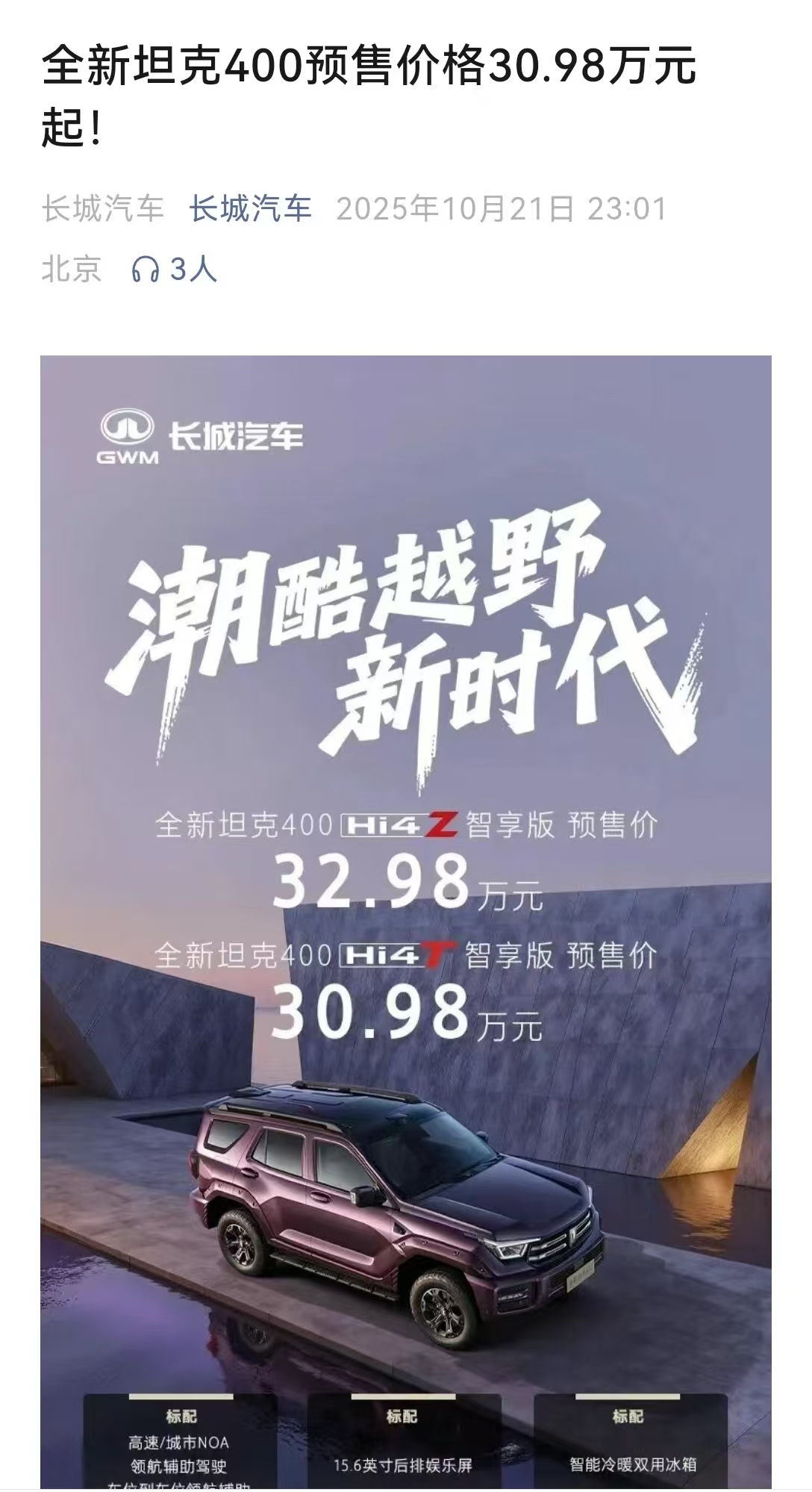
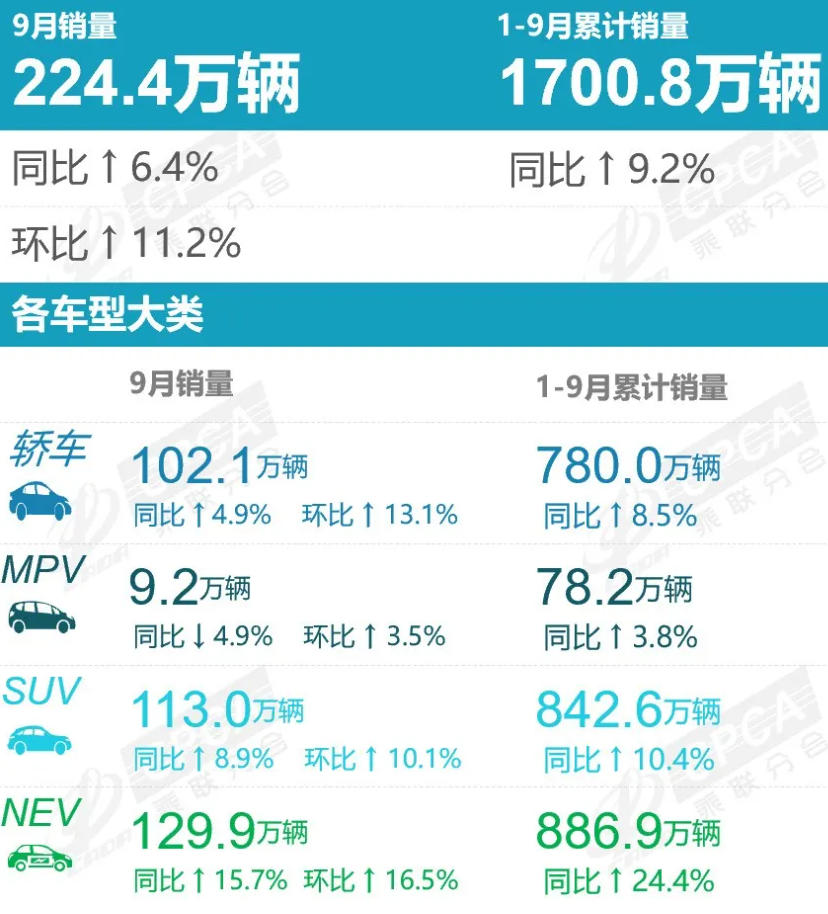
Core Insights - September marked a record high in retail sales for the domestic passenger car market, driven by traditional sales peaks and the expiration of new energy consumption policies, with retail sales reaching 2.244 million units, a year-on-year increase of 6.4% and a month-on-month increase of 11.2% [1][2] Sales Performance - In September, the breakdown of sales by vehicle type showed that sedans, SUVs, and new energy vehicles all exceeded one million units, with new energy vehicle sales reaching 1.299 million units, up 15.7% year-on-year and 16.5% month-on-month [2][12] - The total retail sales for the first nine months reached 17.008 million units, reflecting a year-on-year growth of 19.2% [2] Brand Competition - The competitive landscape in the retail market showed a clear trend of "independent brands expanding comprehensively while joint ventures face collective pressure," with independent brands capturing 66.9% of the retail market share, a year-on-year increase of 3.6 percentage points [3][7] - BYD led the sales rankings with 347,353 units sold in September, maintaining a market share of 15.5%, despite a year-on-year decline [4][12] Manufacturer Rankings - In the September sales rankings, Geely ranked second with 232,460 units sold, achieving a remarkable year-on-year growth of 42.8% [4][5] - Changan and Great Wall Motors also showed strong performance, with sales of 138,396 units and 75,813 units respectively, reflecting year-on-year increases of 32.1% and 37.3% [5][7] New Energy Vehicle Market - The new energy vehicle market saw retail sales of 1.296 million units in September, marking a year-on-year increase of 15.5% and a penetration rate of 57.8%, up 5 percentage points from the previous year [11][12] - BYD maintained its leading position in the new energy market with sales of 347,353 units, while Geely and Changan also reported significant growth in their new energy vehicle sales [12][13] Emerging Players - New entrants like Leap Motor, Hongmeng Zhixing, and Xiaomi Auto have made their mark, with Leap Motor achieving a remarkable year-on-year growth of over 84% [15] - Xiaomi Auto's sales reached 41,948 units, reflecting a year-on-year increase of 209.4%, driven by the successful positioning of its main model [15]
长城汽车10月20日获融资买入1716.96万元,融资余额5.57亿元
Xin Lang Cai Jing· 2025-10-21 01:29
Core Viewpoint - On October 20, Great Wall Motors experienced a slight increase in stock price by 0.57%, with a trading volume of 293 million yuan, indicating a stable market performance [1] Financing and Margin Trading - On October 20, Great Wall Motors had a financing buy-in amount of 17.17 million yuan and a financing repayment of 16.44 million yuan, resulting in a net financing buy of 730,400 yuan [1] - As of October 20, the total financing and margin trading balance for Great Wall Motors was 558 million yuan, with the financing balance accounting for 0.39% of the circulating market value, which is below the 10th percentile level over the past year [1] - In terms of securities lending, on October 20, the company repaid 8,500 shares and sold 11,200 shares, with a selling amount of 257,400 yuan, while the remaining securities lending balance was 71,400 shares [1] Financial Performance - For the first half of 2025, Great Wall Motors reported a revenue of 92.33 billion yuan, reflecting a year-on-year growth of 0.99%, while the net profit attributable to shareholders decreased by 10.48% to 6.34 billion yuan [2] - Cumulatively, since its A-share listing, Great Wall Motors has distributed a total of 34.70 billion yuan in dividends, with 8.95 billion yuan distributed over the past three years [3] Shareholder Structure - As of June 30, 2025, Great Wall Motors had 178,500 shareholders, an increase of 18.73% from the previous period [2] - Among the top ten circulating shareholders, China Securities Finance Corporation holds 197 million shares, remaining unchanged, while Hong Kong Central Clearing Limited reduced its holdings by 1.94 million shares to 85.52 million shares [3]
魏牌高山7上市,售价28.58万元
Bei Ke Cai Jing· 2025-10-21 00:48
Group 1 - The core point of the article is the launch of the Great Wall Motors' Wei brand Gao Shan 7, priced at 285,800 yuan, with a focus on user satisfaction and service support in remote areas [1] - The CEO of Great Wall Motors' Wei brand emphasizes that user satisfaction is the most important internal assessment metric, leading to the establishment of 35 service stations along key routes in western China [1] - The Gao Shan 7 features dimensions of 5050mm in length, 1960mm in width, and 1900mm in height, with a wheelbase of 3085mm [3] Group 2 - The Gao Shan 7 is equipped with an automotive-grade 8295 chip and supports the Coffee GPT large model [3] - The vehicle utilizes Hi4 intelligent four-wheel drive hybrid technology, with a maximum power output of 337 kW and a maximum torque of 644 Nm [3] - It is powered by a 44.28 kWh battery, offering a pure electric range of 172 kilometers under WLTC conditions [3]
长城直营变革:坦克撤出魏牌渠道 魏牌All in直营
2 1 Shi Ji Jing Ji Bao Dao· 2025-10-20 23:04
Core Insights - The company is transitioning to a fully direct sales model for its Wei brand, phasing out the previous dealership model and rebranding existing stores to "Wei Brand New Energy" [1][5] - The shift aims to enhance brand identity and streamline operations, positioning Wei as the closest brand to new energy vehicle manufacturers within the Great Wall Automotive system [1][5] - The direct sales strategy is part of a broader trend among automotive companies to adopt dual sales models, balancing direct sales with traditional dealership networks [2][3] Group 1: Direct Sales Model - Great Wall Automotive has decided to fully embrace a direct sales model, moving away from the dual sales approach that included traditional dealerships [2][3] - The transition to direct sales is intended to improve customer experience and brand image, with a focus on connecting directly with consumers [5][6] - The company plans to expand its direct sales outlets significantly, targeting second and third-tier cities to capture new market segments [6] Group 2: Brand and Market Strategy - The Wei brand will become the sole focus of the direct sales channel, with the Tank brand being withdrawn from this model [1][5] - The company has reported significant sales growth for the Wei brand, with a 63% year-on-year increase in September deliveries and a 96% increase in cumulative deliveries from January to September [6] - The strategic shift aims to position Wei in competitive markets against emerging players, while also addressing the high costs associated with direct sales operations [6][7] Group 3: Challenges and Organizational Changes - The dual sales model presents challenges in maintaining consistent pricing between direct sales and dealership networks, which can lead to internal competition [3] - Transitioning to a fully direct sales model requires significant changes in organizational processes, decision-making, and corporate culture, which poses a greater challenge for traditional automakers [7]