
CSC(06066)

Search documents
中信建投:国有三资改革重构资产价值 关注四大投资机会
智通财经网· 2026-02-23 01:09
国有三资改革是指对国有资源、资产和资金按"资产化、证券化、杠杆化"原则进行系统化盘活与管理的 改革实践,核心在于通过"确权—确值—分类盘活"方法论,依托市场化工具激活存量价值,服务稳增 长、防风险宏观目标。其政策体系呈现中央顶层设计与地方差异化落实的格局,中央以盘活存量资产、 防范隐性债务为核心划定合规边界,地方以湖北"1+N"政策体系为代表形成系统推进框架,且改革已纳 入国企改革深化提升行动重点任务。 各地实践呈现鲜明分化:湖北将改革嵌入大财政体系,聚焦全链路盘活服务化债与财政增收;安徽 以"大资产"全域统筹为核心,通过统一台账与跨部门调剂提升资产配置效率;湖南侧重自然资源与生态 权益资产化,以特许经营权模式打通价值转化通道;广东以数据资产化与国企重组双轮驱动,深化产业 与资本市场联动;浙江主打REITs规模化发行,构建标准化资产退出与再投资循环。尽管路径各异,各 地均以REITs、并购重组等为核心工具。 智通财经APP获悉,中信建投证券发布研报称,国有三资改革是指对国有资源、资产和资金按"资产 化、证券化、杠杆化"原则进行系统化盘活与管理的改革实践,已形成中央顶层设计与地方差异化实践 相结合的格局。改革共 ...

中信建投:具身智能商业化落地加速 “AI+体育”“AI+安防”市场潜力较大
智通财经网· 2026-02-22 23:35
智通财经APP获悉,中信建投研报称,当前具身智能商业化落地加速,主要聚焦在球类运动和安防巡检 场景,机器人&机器狗能够解决其难题和痛点。卧安机器人(06600)的网球机器人Acemate和Navee的高 尔夫球童机器人,以及涛涛车业(301345.SZ)联合宇树、康迪车业(KNDI.US)联合云深处的安防巡检机器 人,表明"AI+体育""AI+安防"的市场潜力较大,同时智能出行领域的企业有潜力拓展休闲运动和安防 巡检场景,能够复用其需求理解、生产制造和销售渠道能力。 机器人&机器狗的具体应用案例:1)网球:卧安机器人于2025年5月推出AI网球机器人Acemate,众筹金 额超240万美元,被市场认可表明其具有商业化落地潜力,推动卧安的增强型移动机器人业务实现快速 增长,并且其它主流产品众筹均超目标,预示着AI具身智能在体育训练场景的商业化落地正在加速。2) 高尔夫:追觅系Navee推出多款电动高尔夫推车,表明智能出行领域的企业有潜力拓展高尔夫及其他休 闲运动场景,并且新兴品牌Robera目标实现每年超过50%的规模增长,与此同时,2025年7月康迪联合 云深处进入北美高尔夫智能装备市场,参与玩家众多。3)安 ...
A股节后怎么投资?多家券商发“干货”
证券时报· 2026-02-18 09:50
e公司 . e公司,证券时报旗下专注上市公司新媒体产品,立志打造A股上市公司资讯第一平台。提供7x24小时上市公司标准化快讯,针对可能影响上市公司股价的 主题概念、行业事件及时采访二次解读,从投资者需求出发,直播上市公司有价值的活动、会议。 时值马年春节假期,A股股市正处于休市中,但证券时报·e公司记者注意到,不少券商分析师春节"不打烊"。 大年初一(2月17日),部分券商坚持发布投资"干货"。有券商提到,A股估值处于历史中低位,全球比较具性价比。 国金证券研究发布了一篇《驭势马年新动能丨AI应用篇》的文章。文章指出,AI应用产业趋势确立,2026年有望迎来"双击"。其认为,部分公司AI订单/收 入/ARR占到整体收入的比例达到10%及以上,冷启动时间已过。行业基本面于2025年下半年确立拐点,利润弹性高、赔率显著。 针对AI应用产业角度,国金证券推荐四大方向。一是超级入口:大模型量收共振,作为流量与商业化双重枢纽的逻辑已实现。二是AI Infra:软件定义算 力,获取"卖铲子"的确定收益。软件基建决定了AI应用的成本曲线与能力天花板,且先于应用端兑现业绩。三是高增长:AI技术升维,营销、漫剧成为商业 化落地 ...




A股节后怎么投资?多家券商发“干货”!
Xin Lang Cai Jing· 2026-02-18 03:39
Group 1 - The core viewpoint of the articles emphasizes that A-shares are currently undervalued compared to historical levels, presenting a global comparative advantage [1][2][6] - Guotai Junan Securities predicts that the AI application industry will establish a trend, with a potential "double hit" expected in 2026, as some companies see AI orders/revenue/ARR constituting over 10% of total revenue [1][6] - The report identifies four key directions for AI applications: super entry points, AI infrastructure, high growth sectors, and high barrier industries [1][6] Group 2 - The analysis from Dongfang Caifu Securities indicates that 2026 will be a phase of "structural repair" and "new momentum cultivation," necessitating asset diversification to manage uncertainties [2][7] - The report discusses various asset classes: cash assets are under pressure in a low-interest environment but provide liquidity; bond assets are reasonably valued but face pressure on long-term yields; stock assets are seen as undervalued, particularly in high-dividend sectors [2][7][8] - The recommendation includes a pyramid model for asset allocation, with a focus on high-grade bonds and utility stocks, while also suggesting participation in industrial metals and frontier sectors like commercial aerospace and AI applications [8]
中信建投证券研究所所长黄文涛博士2026马年新春寄语
Xin Lang Cai Jing· 2026-02-16 12:09
Core Viewpoint - The Chinese economy has demonstrated strong resilience amidst a complex international environment, achieving high-quality development with GDP surpassing 140 trillion yuan for the first time [4][5]. Economic Outlook - The outlook for the new year is optimistic, with China's economy characterized by strong resilience, a complete industrial system, a vast market, and continuously improving technological innovation capabilities [5][14]. - The capital market is expected to play a more significant role in supporting technological innovation, promoting industrial upgrades, and enhancing consumption upgrades [5][14]. Market Trends - The A-share and Hong Kong stock markets will focus on the "New Four Bulls" logic, advancing along three main lines: technological self-reliance, industrial upgrades, and strategic resource security [6][15]. - The stock market is anticipated to continue a slow upward trend, with capital and liquidity concentrating on endogenous economic growth [6][15]. Investment Opportunities - Key sectors expected to shine in the new year include AI, semiconductors, computers, primary products, minor metals, new energy, high-end manufacturing, humanoid robots, low-altitude economy, military industry, and pharmaceuticals [6][15]. - The bond market is entering a low-interest-rate era, with a long-term downward trend in yields expected, particularly in the short to medium term [6][15]. Commodity Insights - Gold and silver are viewed as long-term investment opportunities, with recent price fluctuations driven by geopolitical factors rather than traditional economic indicators [7][16]. - Central banks and investors are increasing their holdings of gold and silver due to concerns over geopolitical tensions, rising debt levels, and the weaponization of the dollar [7][16].
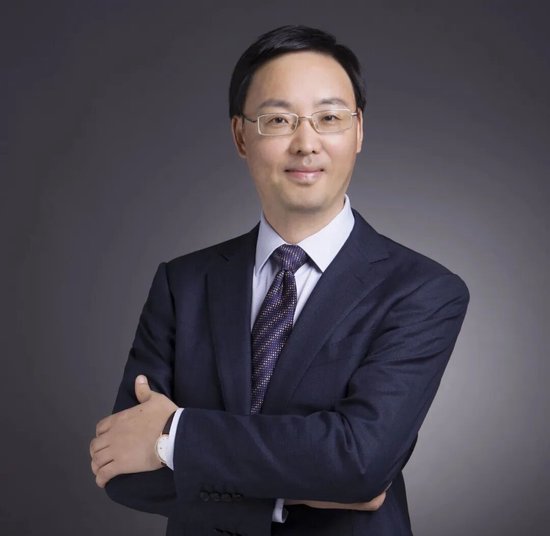
中信建投基金总经理金强:固本培元守初心 协同聚力赴新程
Xin Lang Cai Jing· 2026-02-16 01:45
Core Viewpoint - The public fund industry is entering a phase of high-quality development, with significant reforms and a shift from scale-oriented to return-oriented strategies, as highlighted by the implementation of the "Action Plan for Promoting High-Quality Development of Public Funds" [3][4]. Industry Overview - In 2025, the total scale of public funds exceeded 37 trillion yuan, with ETF scale surpassing 6 trillion yuan, ranking first in Asia. The market value of REITs reached 200 billion yuan, and fixed income plus products became a core asset allocation for residents [3][4]. - The public fund industry demonstrated resilience and vitality, with a notable increase in asset management scale by 23.78% year-on-year [4]. Company Performance - In 2025, the company launched nine new public funds, exceeding the industry median, and achieved the first nationwide public REITs in Northeast revitalization [4]. - The company maintained a leading position in the Beijing Stock Exchange fund category and had several products ranked in the top 20% and top 10% of market performance [4]. Strategic Outlook - The year 2026 is seen as a critical year for advancing the construction of a financial power and deepening high-quality development in the public fund industry [5]. - The company aims to leverage its parent company's full industry chain advantages to create a professional, collaborative, digital, and distinctive development pattern [5]. Investment Focus - The company emphasizes long-term investment strategies, focusing on technology innovation, high-end manufacturing, and green low-carbon sectors, aligning with national strategic areas [6]. - The product matrix is being optimized to include fixed income plus, equity index products, and public REITs, enhancing asset allocation options for investors [6]. Collaborative Growth - The company is building a collaborative development system by leveraging the full business chain advantages of its parent company, enhancing resource sharing and market insight [7]. - Collaboration with research, investment banking, and wealth management lines is aimed at improving service experience and driving growth [7]. Technological Integration - The company is advancing digital infrastructure and integrating AI and big data into research, risk control, and operations to enhance efficiency and compliance [8]. - A comprehensive digital risk control system is being developed to ensure rigorous compliance and risk management [8]. Brand Differentiation - The company is focusing on public REITs as a core business, managing existing projects effectively and preparing for new project launches [9]. - High-value specialty products are being developed to create competitive advantages and differentiate from peers [9]. Compliance and Responsibility - Compliance is prioritized as a fundamental aspect of development, with a robust risk management system in place [10]. - The company integrates ESG principles into investment decisions and product design, promoting responsible investment practices [10].

券商一年少近8000人,公募却九次刷新纪录:金融人正“用脚投票”
Xin Lang Cai Jing· 2026-02-15 14:47
Core Viewpoint - The financial industry is experiencing a significant migration trend, with professionals moving from brokerage firms to public funds, indicating a shift in resource allocation within the wealth management sector [3][17][24]. Group 1: Migration Trends - A notable number of brokerage employees have changed their careers to join public funds, exemplified by individuals like Zhao Binghao moving from CITIC Securities to Huazhang Fund [3][17]. - As of the end of 2025, the number of employees in securities companies is projected to decrease to 327,800, reflecting a net loss of nearly 8,000 in one year, while public fund assets are expected to reach 37.71 trillion yuan, marking an increase of nearly 5 trillion yuan [5][19]. Group 2: Reasons for Migration - The decline in commission rates and shrinking investment banking projects have led to reduced income for brokerage employees, making the once lucrative positions less attractive [7][20]. - In contrast, public funds are experiencing rapid growth, with a significant demand for investment research talent, as evidenced by the average management scale per employee exceeding 1.1 billion yuan [20][25]. Group 3: Characteristics of Migrating Professionals - Two main groups are migrating: experienced professionals returning to their roots in public funds and investment managers transferring their product management rights as part of a business transition [9][22]. - The migration is not merely a job change but reflects a strategic realignment in response to market demands and opportunities [24][26]. Group 4: Industry Dynamics - The surge in public fund assets is driven by a shift in consumer investment preferences, as traditional wealth management products face challenges, leading to increased inflows into public funds [11][25]. - The current trend signifies a structural transformation in China's wealth management industry, moving from a focus on brokerage services to a greater emphasis on product management and research capabilities [14][26].


再融资新规红利释放,投行谁将受益?
Xin Lang Cai Jing· 2026-02-15 05:57
Core Viewpoint - The introduction of new refinancing regulations by the Shanghai, Shenzhen, and Beijing stock exchanges is seen as a positive development for the investment banking sector, providing opportunities for both large and small brokerage firms to adapt and capitalize on the changes [1][2][8]. Group 1: Market Response and Opportunities - The new refinancing regulations are expected to enhance the efficiency of refinancing processes, addressing previous concerns raised by market participants [2][10]. - In the first week following the announcement of the new regulations (February 10-12), at least 10 listed companies in the three exchanges issued new refinancing proposals, indicating a quick market response [2][11]. - The refinancing market in January saw a significant increase, with a total of 130 billion yuan raised, marking a 56% year-on-year growth and a 234% month-on-month increase [3][11]. Group 2: Impact on Brokerage Firms - Analysts believe that leading brokerage firms with strong pricing and underwriting capabilities will benefit the most from the new regulations, while smaller firms will need to find differentiated strategies to compete [4][12]. - The top five brokerage firms accounted for 54% of the underwriting volume in 2025, with CITIC Securities leading by underwriting 36 companies [4][12]. - Smaller brokerage firms are focusing on the Beijing Stock Exchange's refinancing market, which is seen as a key area for growth due to the concentration of small and medium-sized enterprises [5][13][14]. Group 3: Challenges and Requirements - The new regulations emphasize "supporting the strong and limiting the weak," which raises the bar for brokerage firms in terms of their capabilities, particularly in pricing for unprofitable technology companies [7][16]. - There is a limited number of firms with experience in pricing for unprofitable companies, highlighting a potential challenge for many in the industry [7][16]. - The ability to effectively integrate technology and finance is becoming increasingly important, requiring firms to enhance their understanding of industries and technologies [7][16].


再融资新规红利释放,投行谁将受益?
券商中国· 2026-02-15 05:56
Core Viewpoint - The introduction of new refinancing regulations by the Shanghai, Shenzhen, and Beijing stock exchanges is expected to improve the investment banking business, creating opportunities for both large and small brokerages [1][2]. Group 1: Policy Changes and Market Reactions - The new refinancing regulations aim to enhance the efficiency of refinancing approvals, responding to market demands and facilitating the rapid development of new economies [2]. - The first week following the policy announcement saw at least 10 listed companies in the three exchanges release new refinancing plans, indicating a positive market response [2][3]. - The refinancing market had already shown significant growth prior to the new regulations, with A-share refinancing in January reaching 130 billion, a year-on-year increase of 56% and a month-on-month increase of 234% [3]. Group 2: Impact on Investment Banking Landscape - The new regulations are expected to benefit leading brokerages with strong pricing and underwriting capabilities, while smaller firms may need to find differentiated development paths [4][5]. - The top five brokerages accounted for 54% of the underwriting cases in 2025, indicating a concentration of market power among leading firms [5]. - Smaller brokerages are focusing on the Beijing Stock Exchange's refinancing market, which presents opportunities for growth due to the concentration of small and medium enterprises [6][5]. Group 3: Challenges and Requirements for Brokerages - The new refinancing rules emphasize "supporting the strong and limiting the weak," raising the capability requirements for investment banks [7]. - There is a limited number of brokerages experienced in pricing for unprofitable companies, highlighting a gap in expertise that needs to be addressed [8]. - The ability to integrate industry knowledge and resources is becoming increasingly important for brokerages, especially in the context of financing technology innovation [8].

中信建投:光纤光缆行业迎来景气周期 看好头部公司出海机遇
智通财经网· 2026-02-15 01:33
Core Viewpoint - The report from CITIC Securities indicates a sustained increase in fiber optic prices in the Chinese market since Q3 2025, reflecting strong demand and tight supply conditions. The global demand for fiber optic cables is robust, driven by overseas demand and AI-related applications, leading to a recommendation for continued investment in the fiber optic sector [1]. Group 1: Price Trends and Demand - Since Q3 2025, the price of domestic G652D fiber has consistently increased, reaching 31.5 yuan per core kilometer in January 2026, a 79% increase from November 2025, indicating a favorable industry demand and tight supply [1]. - In 2025, China's optical fiber exports increased by 47.1% in volume and 65.4% in value, while optical preform exports rose by 89.5% in volume and 81.7% in value, reflecting strong global demand for fiber optic cables [1]. Group 2: Future Demand Projections - The demand for fiber optics is expected to grow rapidly due to AI and other factors, with significant increases in global optical module demand anticipated in 2026, which will correspondingly boost fiber demand [2]. - By around 2027, the demand for fiber optics is projected to scale up significantly, with Corning estimating that this demand could be 2-3 times that of existing enterprise network business [2]. Group 3: Supply Dynamics - The North American market is experiencing a supply gap, with fiber demand growth outpacing supply growth, leading to potential shortages as AI continues to drive demand [3]. - The supply-demand balance in the U.S. market is projected to show deficits of 0.28 million core kilometers in 2023, 0.24 million in 2024, and 0.24 million in 2025, indicating a tightening market [3]. - Major suppliers in North America, such as Corning and Prysmian, are operating at high capacity utilization rates and are expanding slowly, which may create significant export opportunities for leading domestic fiber optic companies [3].