JD(09618)

Search documents
滴滴美团京东集体杀入家政赛道,万亿市场争夺战打响
Sou Hu Cai Jing· 2025-12-29 02:20
Core Viewpoint - The entry of major internet companies like Didi, Meituan, and JD into the home service market signifies a strategic shift to tap into a massive, underexplored market, aiming to leverage their existing user bases and technological advantages to create new growth opportunities [4][15]. Group 1: Market Overview - The home service market in China is projected to reach a revenue of 1.23 trillion yuan in 2024, with an expected growth to 1.8 trillion yuan by 2025, representing a 120% increase from 2020 and an annual compound growth rate exceeding 18% [5]. - The industry employs over 30 million people and has more than 1.7 million companies, indicating a significant workforce and business presence [5]. - The market is characterized by a "dumbbell structure," with high-end and basic services coexisting, where sectors like elderly care, maternal and infant care, and high-end cleaning are leading the growth [6]. Group 2: Competitive Landscape - Major players are entering the home service sector to capture a share of the trillion-yuan market, focusing on high-frequency user engagement and business synergy [4][6]. - The home service industry is currently fragmented, with no dominant players, providing an opportunity for tech giants to leverage their user base and technology to gain market share [6][7]. - The entry of these companies is expected to lead to the emergence of concentrated market leaders, as they utilize their technological capabilities to standardize services and improve quality [7][15]. Group 3: Business Strategies - Companies like JD are integrating home services with their e-commerce platforms to enhance customer retention and drive repeat purchases, while Meituan and Didi are utilizing their logistics and driver networks to optimize service delivery [9][10]. - The use of AI and smart scheduling by these companies aims to reduce response times and improve service quality, thereby increasing consumer trust [10][11]. - The initial phase of these services often involves subsidized pricing to quickly build market presence, similar to the early days of ride-hailing services [11][13]. Group 4: Future Outlook - The home service market is expected to grow significantly, with projections indicating a market size exceeding 2.5 trillion yuan by 2030, maintaining a compound annual growth rate of over 15% [7]. - The integration of technology and service in the home service sector is transforming it from a low-end labor market to a modern service industry that emphasizes quality and consumer trust [7][15]. - The competition among major players is not merely about market share but about establishing a comprehensive ecosystem that connects various aspects of home and lifestyle services [15].




京东“七鲜小厨”公开招募合伙人,首批开放三大核心区域
Feng Huang Wang· 2025-12-29 01:32
Core Viewpoint - JD.com has launched a nationwide partner recruitment plan for its restaurant brand Qixian Xiaochu, aiming to complete its layout in all first- and second-tier cities in China by 2026 [1] Group 1: Business Expansion - The first batch of partner recruitment will focus on three core regions: Beijing-Tianjin-Hebei, Yangtze River Delta, and Pearl River Delta, covering over ten key cities including Beijing, Tianjin, Shanghai, Guangzhou, and Shenzhen [1] - Qixian Xiaochu has opened its first store in Harbin, with new stores in Shenzhen, Guangzhou, Shanghai, and Tianjin expected to launch in January 2026 [1] - The business model has already been operating in Beijing, with 30 stores opened, covering major areas within the city's Fifth Ring Road [1] Group 2: Operational Model - Qixian Xiaochu will provide a supply chain system, kitchen equipment, and standardized management, while partners are responsible for providing locations and local operations [1] - Recent promotional activities in Beijing have led to a daily order volume exceeding 20,000 [1] Group 3: Market Positioning - Qixian Xiaochu positions itself as a "people's kitchen," emphasizing "fresh stir-fry, transparent ingredients, and live kitchen broadcasts," with pricing in the range of 10-20 yuan [1] - The brand aims to replace existing "ghost kitchens" in the market with quality takeout options [1] - Operational data from Beijing indicates that strong order popularity has positively impacted the delivery volume of nearby partner restaurants, achieving an overall growth of nearly 10% in some business districts [1]
京东旗下餐饮品牌七鲜小厨启动面向全国的经营合伙人招募计划
Xin Lang Cai Jing· 2025-12-29 01:30
12月29日,据"京东黑板报"消息,京东旗下餐饮品牌七鲜小厨今日宣布,启动面向全国的经营合伙人招 募计划,首批开放京津冀、长三角、珠三角三大核心区域。目前,七鲜小厨哈尔滨首店已开业,深圳、 广州、上海、天津等多地新店将于2026年1月集中亮相,并计划在同年完成国内所有一二线城市的布 局。 ...
京东七鲜小厨:面向全国招募经营合伙人,计划2026年完成所有一二线城市布局
Xin Lang Cai Jing· 2025-12-29 01:25
Core Viewpoint - JD's quality dining brand Qixian Xiaochu has launched a nationwide partner recruitment plan, focusing on key regions including Beijing-Tianjin-Hebei, Yangtze River Delta, and Pearl River Delta, with plans to expand to all first- and second-tier cities by 2026 [1][4]. Group 1 - Qixian Xiaochu aims to address the issue of low-quality "ghost takeout" in the food delivery market, which has led to food safety becoming a core concern [3][6]. - The brand has gained market recognition through its three core initiatives: fresh stir-frying, transparent ingredients, and live kitchen broadcasts, offering a price range of 10-20 yuan, providing consumers with higher quality and cost-effective options [3][6]. - Currently, Qixian Xiaochu has opened 30 stores in Beijing, covering major areas within the Fifth Ring Road [3][6]. Group 2 - A promotional event held from December 25 to 27, 2025, resulted in daily order volumes exceeding 20,000 in Beijing, positively impacting nearby quality restaurants and achieving nearly a 10% overall growth in some business districts [3][6]. - The nationwide partner recruitment will focus on major cities such as Beijing, Tianjin, Shanghai, Suzhou, Hangzhou, Guangzhou, Shenzhen, Foshan, Dongguan, Zhuhai, and Zhongshan, with partners responsible for local operations while Qixian Xiaochu provides a mature supply chain, smart kitchen equipment, and unified food safety and operational management standards [3][6].
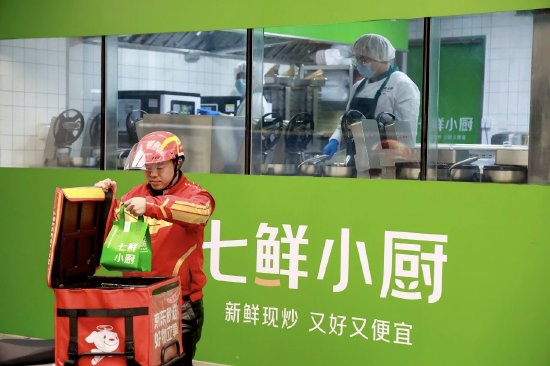
京东官宣“七鲜小厨”走向全国,明年完成国内所有一二线城市布局
Sou Hu Cai Jing· 2025-12-29 01:24
Core Insights - JD's restaurant platform, Qixian Xiaochu, is launching a nationwide recruitment plan for business partners, aiming to expand its presence across China [1][3] - The first phase of recruitment will focus on three major regions: Beijing-Tianjin-Hebei, Yangtze River Delta, and Pearl River Delta, covering key cities such as Beijing, Shanghai, Guangzhou, and Shenzhen [1][3] - Qixian Xiaochu has already opened its first store in Harbin and plans to unveil new stores in multiple cities in January 2026, with a goal to establish a presence in all first- and second-tier cities by the end of that year [1][3] Business Model and Market Position - Qixian Xiaochu aims to address the issues in the food delivery market, particularly the prevalence of low-quality "ghost deliveries," by offering fresh stir-fried meals with transparent ingredients and live kitchen broadcasts [3] - The pricing strategy for Qixian Xiaochu is set between 10-20 yuan, targeting quality-conscious consumers [3] - Currently, Qixian Xiaochu operates 30 stores in Beijing, primarily within the Fifth Ring Road, and has validated its business model in this market [3] Operational Strategy - The platform operates on a "delivery + self-pickup" model, allowing users to place orders online without dine-in options [3] - Qixian Xiaochu emphasizes quality by sourcing fresh ingredients directly from suppliers, utilizing standardized processes for washing, cutting, and packaging, along with 24-hour live kitchen broadcasts [3]

京东七鲜小厨将布局一二线城市
Bei Jing Shang Bao· 2025-12-29 01:23
Core Viewpoint - JD's quality dining brand Qixian Xiaochu has launched a nationwide partner recruitment plan, focusing on key urban areas in China [1] Group 1: Business Expansion - The first batch of recruitment targets the Beijing-Tianjin-Hebei, Yangtze River Delta, and Pearl River Delta regions, covering major cities such as Beijing, Tianjin, Shanghai, Suzhou, Hangzhou, Guangzhou, Shenzhen, Foshan, Dongguan, Zhuhai, and Zhongshan [1] - Qixian Xiaochu's first store has opened in Harbin, with new stores set to debut in Shenzhen, Guangzhou, Shanghai, and Tianjin in January 2026 [1] - The company plans to complete its layout in all first- and second-tier cities in China by the end of 2026 [1]
3000元挖一个骑手,红黄橙血拼背后,是即时零售的万亿赌局
3 6 Ke· 2025-12-29 00:25
Core Insights - The competition among major players in the instant retail market is intensifying, with companies like Meituan and JD.com offering substantial incentives to attract experienced delivery riders, indicating a strategic focus on securing mature logistics capabilities for long-term growth in the instant retail sector [1][2][3] Group 1: Market Dynamics - The recruitment drive is not merely a seasonal response but a strategic move to build a robust logistics network essential for the anticipated growth of the instant retail market, projected to reach 7.81 trillion yuan in 2024, with a year-on-year growth of 20.15% [2] - Instant retail is expected to surpass 10 trillion yuan by 2026 and potentially reach 20 trillion yuan by 2030, significantly outpacing traditional retail growth rates [2] Group 2: Differences Between Instant Retail and Traditional Delivery - Instant retail differs fundamentally from traditional food delivery, focusing on a broader range of products and complex delivery scenarios, which require enhanced logistical capabilities from riders [5][6] - The supply scope of instant retail includes various categories beyond food, such as fresh produce, daily necessities, and pharmaceuticals, thus expanding the delivery landscape [5][6] Group 3: Value Proposition for Stakeholders - Instant retail enhances the operational radius for merchants, allowing them to reach customers beyond their immediate vicinity, which can lead to a 40% increase in average order volume for participating convenience stores [8] - Consumers benefit from faster delivery times, with services promising delivery within hours or even 30 minutes, addressing urgent needs and enhancing overall shopping convenience [8] - Delivery riders experience increased order volume and income stability, with reports indicating a 40% rise in average earnings compared to traditional food delivery roles [9] Group 4: Challenges and Risks - Despite the growth potential, the instant retail sector faces significant challenges, including quality control issues and rising consumer complaints, with a 62% increase in complaints reported in 2024 [11] - The competitive landscape has led to unsustainable practices, such as high short-term subsidies that may inflate operational costs and ultimately burden merchants and consumers [12] - The lack of standardized practices across platforms creates confusion and inefficiencies, hindering the industry's collaborative development [13]
京东推出「检修分离」服务:能不修就不修,家电将进入“无维修”时代?
3 6 Ke· 2025-12-29 00:20
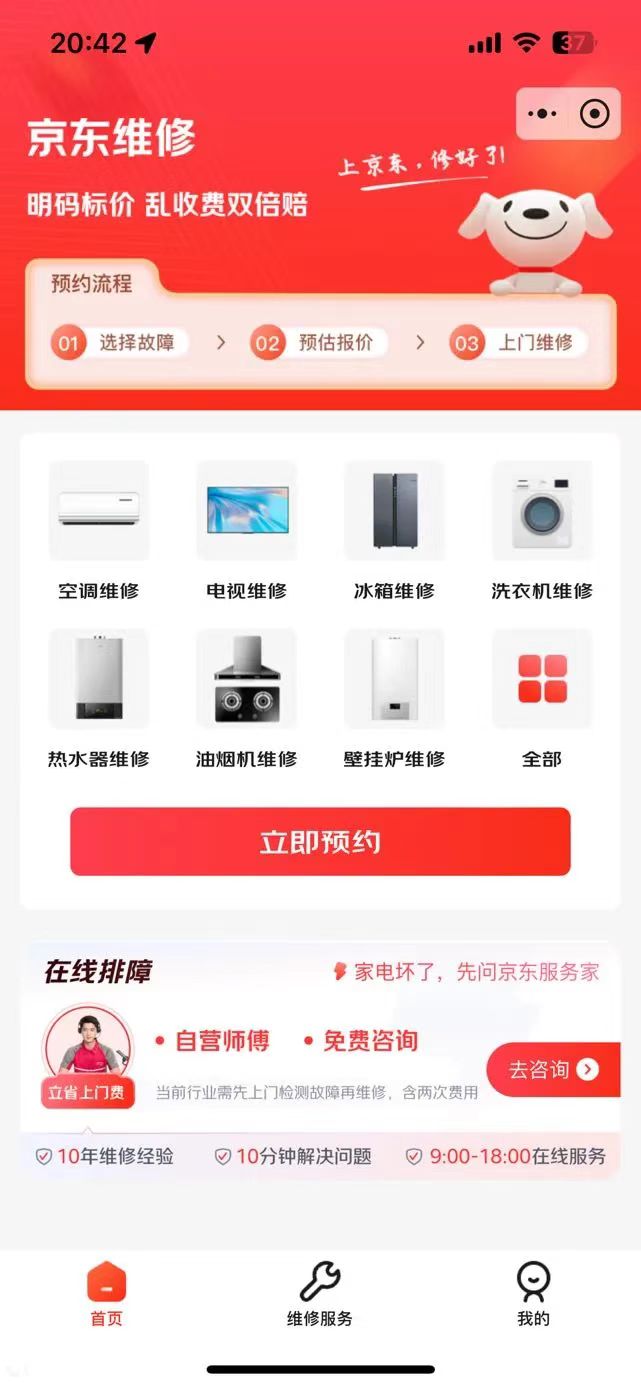
今年即将收尾,家电市场这一年过得并不顺意。 奥维云网数据显示,今年第三季度,中国电视市场销量「近五年来唯一环比下滑」。而在双 11 大周期,国内彩电全渠道零售量同比下滑 22.0%,零售额同 比下滑 22.9%;更多家电品类上,空调、冰箱、冷柜、洗衣机、干衣机全渠道零售额,同比分别下滑 33.9%、26.4%、10.4%、22.1%、43.0%。 销售量不增长了,至少还有销售额的盼头;销售额也不增长的话,那么全市场的日子就真的不好过了,即便今年有「国补退坡」的显著外因。 国内家电市场,似乎整体进入到了存量竞争的发展阶段。老用户家中电器的「以旧换新」或复购,以及全用户买入新品的售后服务和维修保障,愈加成为各 大平台和品牌争夺和比拼的焦点。 能不修就不修,电商平台层面终于开始力推 在这样的行业发展背景下,京东服务近期推出号称行业首创的「检修分离」家电维修模式。升级后的家电服务新范式,京东直接喊出了「能不修就不修」的 大口号,并通过行业首创的「检修分离」模式来实现。 相比各大平台传统的「检修一体」方式,京东新推出的「检修分离」模式,给需要售后服务的家电用户,目前提供有三重解决方案: 1.远程指导服务,工程师不上门, ...
经济大省挑大梁│巨头竞相落子,南京新“擎”澎湃
Nan Jing Ri Bao· 2025-12-28 12:58
Core Insights - Nanjing is increasingly becoming a hub for major industry players, focusing on high-end projects such as R&D centers and regional headquarters, which are essential for future growth [1][6] - The city is shifting its investment strategy from single projects to developing an ecosystem that supports high-value industries [1][6] Group 1: Industry Developments - Major companies like SAIC, Xiaomi, and ABB are establishing significant operations in Nanjing, indicating a trend towards high-tech and innovative manufacturing [3][5][8] - ABB's new super factory in Nanjing, with an investment of approximately 1.5 billion yuan, will focus on the R&D and production of industrial motion control products, crucial for advanced robotics [5][6] - Xiaomi's automotive delivery center in Nanjing has evolved into a major R&D hub, employing over 5,000 people and fostering a network of over 20 ecosystem partners [8][10] Group 2: Collaborative Ecosystem - Nanjing is promoting a collaborative ecosystem where leading companies act as "chain masters," driving the development of the entire industry chain [7][8] - The establishment of the JD.com R&D center in Nanjing aims to create a strategic hub for innovation, focusing on AI, robotics, and cloud computing [12][13] - Partnerships between major firms, such as JD.com and New Work Group, are enhancing the industrial internet and supply chain capabilities in Nanjing [13][14] Group 3: Talent and Infrastructure - Nanjing's favorable business environment and rich talent pool are attracting high-end technology professionals, contributing to the city's growth as a tech hub [14][18] - The Nanjing Intelligent Computing Center is set to provide significant computational power, supporting AI and algorithm development [17][18] - The rapid establishment of projects, such as Xiaomi's automotive center, showcases the efficiency of Nanjing's government in facilitating business operations [18][19]



中国公司全球化周报|京东物流首个海外智狼仓在英国投用/飞书在海外上线AI办公App“AnyGen”
3 6 Ke· 2025-12-28 04:24
Key Points - 36Kr will document the global stories of Chinese brands at CES 2026, following its coverage of IFA and GITEX GLOBAL in 2025 [2] - JD Logistics has launched its first overseas smart warehouse in the UK, enabling same-day delivery for its European online retail business, Joybuy [3] - ByteDance's Feishu has launched an AI office app, AnyGen, which allows users to convert voice notes and ideas into documents and presentations [3] - Alibaba Tongyi has released two foundational models to enhance industrial-grade video and voice capabilities, including a video generation model and an upgraded voice generation model [4] - Tuya Smart has introduced an AI life assistant, Hey Tuya, which integrates with various smart devices and has over 12,000 AI agents developed on its platform [4] - Wuji Power and ZF LIFETEC have formed a strategic partnership to collaborate on robotics training and deployment systems [5] - SF International has signed a memorandum of cooperation with MSC Air Cargo to enhance global supply chain services [5] - Tencent Midas has partnered with Mastercard to improve digital commerce in the global entertainment industry [6] - XPeng Motors has made significant progress in the Middle East and Africa, launching its brand in Qatar and establishing a flagship experience center in Abu Dhabi [6] - Lynk & Co has officially entered the UAE market, showcasing its flagship SUV and emphasizing community interaction [6] - Jinbei Automotive and E-Works have signed a memorandum to establish R&D centers in China and Germany for electric commercial vehicles [7] - Baidu's autonomous driving service platform, Luobo Kuaipao, will begin testing in the UK in 2026 [7] - LONGi Green Energy and Solarpro will collaborate to build the largest BC photovoltaic power station in Europe, with a total capacity of 450MW [7] - Xiangpiaopiao plans to invest approximately 268 million yuan to establish a beverage production base in Thailand [8] - Sazhi Intelligent has completed several rounds of financing, with over 20% of its revenue coming from overseas markets [9] - Yundong has secured pre-IPO financing and is preparing for an A-share listing, focusing on robotics applications in various industries [9] - Qianjue Technology has raised nearly 100 million yuan to expand its global commercialization efforts in the embodied intelligence sector [10] - Mianbi Intelligent has completed financing to enhance its edge AI model development and expand into emerging markets [10] - Thailand will eliminate the tax exemption for cross-border packages starting January 1, 2026, impacting e-commerce costs [11] - The Saudi Arabian e-commerce market is projected to grow significantly, reaching $708.7 billion by 2033 [11]