TONGWEI CO.,LTD(600438)

Search documents
通威股份(600438) - 通威股份有限公司公开发行A股可转换公司债券受托管理事务报告(2024年度)
2025-06-18 10:47
证券代码:600438 证券简称:通威股份 可转债代码:110085 可转债简称:通22转债 通威股份有限公司 公开发行 A 股可转换公司债券 受托管理事务报告 (2024 年度) 债券受托管理人 二〇二五年六月 重要声明 本报告依据《公司债券发行与交易管理办法》(以下简称"《管理办法》") 《通威股份有限公司公开发行 A 股可转换公司债券之受托管理协议》(以下简称 "《受托管理协议》")《通威股份有限公司公开发行 A 股可转换公司债券募集说 明书》(以下简称"《募集说明书》")《通威股份有限公司 2024 年年度报告》等 相关公开信息披露文件、第三方中介机构出具的专业意见等,由本期债券受托管理 人中信建投证券股份有限公司(以下简称"中信建投证券")编制。中信建投证券 对本报告中所包含的从上述文件中引述内容和信息未进行独立验证,也不就该等引 述内容和信息的真实性、准确性和完整性做出任何保证或承担任何责任。 本报告不构成对投资者进行或不进行某项行为的推荐意见,投资者应对相关事 宜做出独立判断,而不应将本报告中的任何内容据以作为中信建投证券所作的承诺 或声明。在任何情况下,投资者依据本报告所进行的任何作为或不作为 ...

通威股份: 通威股份有限公司2025年度第三期科技创新债券发行结果公告
Zheng Quan Zhi Xing· 2025-06-18 10:33
通威股份有限公司 2025 年度 第三期科技创新债券发行结果公告 本公司董事会及全体董事保证本公告内容不存在任何虚假记载、误导性陈 述或者重大遗漏,并对其内容的真实性、准确性和完整性承担法律责任。 通威股份有限公司(以下简称"公司")第八届董事会第二十二次会议及 2025 年第一次临时股东大会审议通过了《关于申请注册发行债务融资工具(DFI)的 议案》,准许公司根据公司实际资金需求情况,在中国银行间市场交易商协会注 册有效期内择机一次或分期发行债务融资工具,具体内容详见公司在上海证券交 易所网站(www.sse.com.cn)披露的相关公告。 | 股票代码:600438 | 股票简称:通威股份 | 公告编号:2025-060 | | --- | --- | --- | | 债券代码:110085 | 22 债券简称:通 | 转债 | 商协会")下发的《接受注册通知书》(中市协注2025DFI27 号)。《接受注册 通知书》中明确:交易商协会决定接受公司债务融资工具注册;注册自通知书落 款之日(2025 年 4 月 28 日)起 2 年内有效;公司在注册有效期内可分期发行 超短期融资券、短期融资券、中期票据、永 ...
通威股份(600438) - 通威股份有限公司2025年度第三期科技创新债券发行结果公告
2025-06-18 10:02
近日,公司已完成 2025 年度第三期科技创新债券发行工作,发行结果如下: | 债券名称 | 通威股份有限公司 年度第三期科技创新债券 | | 债券简称 | 25 通威 | | | 2025 | SCP003(科创债) | | --- | --- | --- | --- | --- | --- | --- | --- | --- | | 代码 | 012581394 | | 期限 | 天 181 | | | | | | 起息日 | 2025 年 18 日 | 6 | 兑付日 | 2025 年 月 | 12 | 月 | | 16 日 | | 计划发行总 额(万元) | 50,000.00 | | 实际发行总额 (万元) | 50,000.00 | | | | | | 发行利率 | 2.20% | | 发行价(百元面值) | 100.00 | | | | | | 主承销商 | 招商银行股份有限公司 | | 联席主承销商 | 兴业银行股份有限公司 渤海银行股份有限公司 | | | | | 本次发行的募集资金已于 2025 年 6 月 18 日全额到账。 本公司董事会及全体董事保证本公告内容不存在任何虚假记载、误导性 ...
新疆产业链白皮书:光伏篇:战略引领,产业腾飞
Shenwan Hongyuan Securities· 2025-06-16 08:43
Investment Rating - The report maintains a positive outlook on the photovoltaic industry in Xinjiang, suggesting a "Buy" rating for investments in the sector. Core Insights - Xinjiang possesses unique advantages in solar energy resources, land availability, and supportive policies, facilitating the rapid development of a complete photovoltaic industry chain [2][3][4]. - The current phase of upstream overcapacity suggests a strategic focus on midstream high-efficiency manufacturing segments, which are expected to recover in valuation as construction accelerates [3][4]. - The "East Data West Computing" initiative and the expansion of green data centers in the region are expected to enhance local energy consumption and alleviate transmission bottlenecks, improving the economic viability of photovoltaic projects [3][4]. - The dual security value of energy and industry highlights Xinjiang's strategic importance in national clean energy initiatives, enhancing the resilience of China's renewable supply chain [3][4]. Summary by Sections Introduction - The global energy transition is accelerating, with a shift from fossil fuels to clean energy becoming irreversible. Photovoltaic power is a key player in this transition due to its zero carbon emissions and renewable nature [5][6]. Resource Endowment and Advantages of Xinjiang's Photovoltaic Industry - Xinjiang has abundant solar resources, with annual sunshine hours significantly exceeding the national average, making it a prime location for large-scale photovoltaic projects [7][9]. - The region's vast, flat, and largely unutilized land provides ideal conditions for the installation of photovoltaic systems, reducing development costs [13][14]. - Strong government policies at both national and local levels support the growth of the photovoltaic industry, ensuring resource optimization and sustainable development [16][17]. Current Development Status of Xinjiang's Photovoltaic Industry - Xinjiang is a major base for industrial silicon and polysilicon production, with significant contributions to national output [20][24]. - The midstream sector has seen advancements in the manufacturing of key components, such as monocrystalline silicon rods and photovoltaic modules, although capacity still lags behind demand [30][34]. - Large-scale photovoltaic projects have been established, with total installed capacity exceeding 56.66 million kilowatts, marking Xinjiang as a leader in clean energy production [38][40]. Key Companies and Projects - Xinjiang Daqo New Energy Co., Ltd. is a leading player in the polysilicon market, with a production capacity of 305,000 tons, positioning it among the top tier in the industry [46][49]. - New Special Energy Co., Ltd. focuses on polysilicon production and has expanded its capacity to 300,000 tons per year, while also exploring various operational models for renewable energy projects [57][59]. - Hoshine Silicon Industry Co., Ltd. is developing an integrated industrial park to enhance efficiency across the photovoltaic supply chain, contributing to the region's competitive edge [66].



耀看光伏第8期:SNEC2025亮点回顾
Changjiang Securities· 2025-06-16 05:08
Investment Rating - The report maintains a "Positive" investment rating for the industry [5]. Core Insights - The overall scale of the industry remains stable, with a decrease in enthusiasm leading to differentiation among companies [12][19]. - Policy expectations are anticipated to strengthen further, driven by public statements from industry leaders [22][23]. - New technologies, particularly BC technology, are gaining attention, while other routes are progressing steadily [26][28]. - Auxiliary materials and equipment are advancing with BC and TOPCon modifications, contributing to efficiency improvements [46][62]. - Inverters are evolving, with a focus on commercial storage solutions and continued iterations in large-scale storage [67][82]. Summary by Sections Overall - The scale of the industry is stable with over 3,500 participating companies and more than 500,000 attendees, showing no significant change from 2024 [19]. - There is a noticeable decrease in overall enthusiasm, with some exhibition spaces left vacant, indicating a divergence in interest between leading and smaller companies [19]. Policy - Industry leaders are actively promoting policy implementation, with initial solutions proposed to address the "internal competition" in the silicon material sector [23]. - The asset-liability ratio in the photovoltaic main industry chain has shown a significant increase, indicating financial pressures [24]. New Technologies - The HIBC technology from Longi has achieved a standard module power of over 700W, while Aiko's ABC modules have a double-sided rate of 80% ± 5% [28]. - The TOPCon route focuses on efficiency improvements, with leading companies showcasing modules with power ratings up to 670W and conversion efficiencies of 24.8% [33]. - HJT technology is also advancing, with Tongwei's HJT module reaching a power output of 790.8W, marking a significant achievement in the sector [41]. Auxiliary Materials & Equipment - Leading manufacturers are launching BC-specific products, including low-weight encapsulation films and high-reflectivity black materials [46]. - The introduction of low-cost metal solutions is becoming a trend, with companies like Jingsilver and Shanghai Silver Paste showcasing their innovations [52]. - Equipment for TOPCon modifications is gaining traction, with edge passivation becoming a mainstream technology [62]. Inverters - The focus on commercial storage products is evident, with new high-power products being prominently displayed at the SNEC exhibition [67]. - The latest large-scale storage solutions, such as the PowerTitan3.0 from Sungrow, feature significant upgrades in capacity and efficiency [82].


2025光伏SNEC:即使入不敷出,也要装得“很棒”
阿尔法工场研究院· 2025-06-15 11:39
Core Viewpoint - The photovoltaic industry is experiencing significant losses, with major companies like Longi, JA Solar, and Jinko facing drastic profit declines and negative cash flows, as component prices have fallen below production costs, leading to widespread financial distress [1][3][5]. Group 1: Industry Overview - The 2025 SNEC photovoltaic exhibition reflects a stark contrast to previous years, with a noticeable decline in attendance and empty exhibition spaces, indicating a downturn in the industry [2][3][5]. - Major industry leaders were absent from the event, highlighting the current struggles within the sector, as many companies are grappling with substantial losses and negative cash flows [5][6]. - The average gross margin in the photovoltaic industry has turned negative, with cash outflows exceeding 10 billion yuan, and over 50% of companies are reducing capital expenditures and workforce to mitigate losses [10][11]. Group 2: Financial Performance - In Q1 2025, several key companies reported significant revenue declines and losses, with TCL Zhonghuan facing a nearly 10 billion yuan loss, while Longi, JA Solar, and Jinko also reported steep profit drops [6][10]. - The average revenue for 18 photovoltaic companies showed a mixed performance, with some companies like Sunshine Power and Jiejia Weichuang reporting growth, while others like Tongwei and Jinko faced severe losses [6]. Group 3: Industry Challenges and Strategies - The industry is facing a "cold winter," with prices for components, silicon materials, and battery cells all declining, leading to a competitive environment characterized by price wars and reduced demand [10][11]. - Industry leaders are recognizing the need for self-reliance and have proposed strategies such as limiting production, prices, and investments to stabilize the market [13][14]. - There is a call for higher technical and environmental standards to phase out outdated capacities and promote industry consolidation rather than bankruptcy [15][16]. Group 4: Future Outlook - The current financial strain and cash flow issues have led to discussions about redirecting funds towards more effective investments, such as technology breakthroughs and integrated solutions for green electricity [20][21]. - The 2025 SNEC is seen as a turning point for the industry, marking the end of an old cycle and potentially signaling the beginning of a new one, where companies must focus on internal capabilities rather than external appearances [22][23][24].


光伏高管们的话,说给汽车高管们听
第一财经· 2025-06-15 04:02
Core Viewpoint - The current state of the new energy vehicle (NEV) industry mirrors that of the photovoltaic (PV) industry, with both sectors facing challenges from price wars and cost-cutting measures that threaten innovation and overall industry health [1][2]. Group 1: Industry Challenges - The price war in the PV sector has led to a significant decline in prices across the supply chain, with prices for polysilicon and components dropping nearly 30%, despite a 28.3% year-on-year increase in new installations [2][3]. - Major PV companies, including Longi Green Energy and Tongwei Co., have reported substantial revenue declines and losses, indicating that the aggressive pricing strategies are unsustainable [2][3]. - The NEV industry is currently experiencing a similar price war, with many companies unable to differentiate their products, leading to increased losses and cash flow issues [2][3]. Group 2: Capacity Expansion and Market Dynamics - The PV industry has faced severe overcapacity, driven by both market competition and local government incentives, which has historically led to inefficiencies and a poor market experience [3][4]. - The NEV sector is beginning to see similar patterns, with calls from industry leaders to halt new factory constructions and instead utilize existing overcapacity [3][4]. - The PV industry is now encouraging mergers and acquisitions to consolidate and eliminate low-quality capacity, a trend that is expected to emerge in the NEV sector as well [4][5]. Group 3: Innovation and Intellectual Property - The lack of intellectual property protection has hindered innovation in the PV sector, with new technologies quickly becoming common knowledge and not providing competitive advantages to early innovators [5][6]. - The NEV industry is undergoing a transformation that emphasizes the importance of innovation, particularly in software and artificial intelligence, necessitating both investment in R&D and protection of innovative outcomes [5][6]. - A supportive market environment that encourages and protects innovation is essential for the long-term success of both the PV and NEV industries in the global market [6][7].


光伏高管们的话,说给汽车高管们听
第一财经· 2025-06-15 03:21
Core Viewpoint - The current state of the new energy vehicle (NEV) industry mirrors that of the photovoltaic (PV) industry, with both sectors facing challenges from price wars and cost-cutting measures that threaten innovation and overall profitability [1][2]. Group 1: Industry Challenges - The price war in the PV sector has led to a significant decline in prices across the supply chain, with prices for polysilicon and components dropping nearly 30%, despite a 28.3% year-on-year increase in new installations [2]. - Major PV companies, including Longi Green Energy and Tongwei Co., have reported substantial revenue declines and losses, indicating that the aggressive pricing strategies are unsustainable [2][3]. - The NEV industry is experiencing similar pressures, with some companies facing increasing losses and cash flow issues, highlighting the risks of relying solely on price competition [2][3]. Group 2: Capacity Expansion and Market Dynamics - The PV industry has seen severe overcapacity, driven by both market competition and local government incentives, which has historically led to inefficiencies and market saturation [4]. - The NEV sector is beginning to echo these patterns, with calls from industry leaders for a halt to new factory constructions in favor of utilizing existing overcapacity [4][5]. - Mergers and acquisitions are being encouraged in both industries as a means to consolidate and eliminate low-quality capacity, supported by recent regulatory changes [4][5]. Group 3: Innovation and Intellectual Property - The lack of intellectual property protection has hindered innovation in the PV sector, where new technologies quickly become widely adopted without adequate rewards for the original innovators [6][7]. - The NEV industry must prioritize protecting innovation and fostering a supportive environment for technological advancements to avoid repeating the mistakes of the PV sector [6][7]. - A collaborative approach involving policy support is essential for creating a market environment that encourages and protects innovation across both industries [7][8].

电力贸易商 挤满光伏展
Jing Ji Guan Cha Wang· 2025-06-14 04:10
Core Insights - The SNEC exhibition highlighted a shift in focus from photovoltaic components and energy storage to virtual power plants and electricity trading, indicating a significant trend in the renewable energy sector [2][3] - The implementation of the "Document No. 136" is expected to transform the revenue model for photovoltaic power stations from fixed pricing to market-based pricing, enhancing the profitability of virtual power plants and electricity trading services [2][4] Industry Trends - Virtual power plants and electricity trading have become key offerings at the SNEC exhibition, with major companies like Envision Energy and Trina Solar promoting these services [2][3] - The market for electricity trading services is viewed as a "blue ocean" opportunity, despite the current lack of comprehensive supporting regulations following the "Document No. 136" [4] Market Dynamics - Developers of photovoltaic power stations are expressing anxiety about transitioning to the electricity market, with concerns about profitability and market conditions [3] - The average price for photovoltaic electricity in Xinjiang has decreased by 0.56% year-on-year, raising concerns about potential losses for power station operators [3] Policy Impact - The "Document No. 136" mandates that renewable energy sources must fully enter the market by May 31, 2025, which is expected to increase competition and market dynamics [7] - Various provinces are implementing regulations that require a portion of electricity to enter the market, with some regions mandating up to 20% of electricity to be traded [7][8] Financial Opportunities - The potential market for electricity trading is substantial, with estimates suggesting that if all renewable energy installations enter the market, the annual tradable electricity could reach approximately 4 trillion kWh, creating a market space of around 600 billion yuan [8] - Companies are increasingly interested in virtual power plants as a means to enhance the asset yield of their photovoltaic projects, with some reporting significant increases in revenue through these services [12][13] Technological Advancements - The development of virtual power plants requires significant technological capabilities, including the ability to aggregate and control diverse photovoltaic installations [14][15] - Companies are focusing on improving their algorithms and data capabilities to enhance their competitiveness in electricity trading [13][14]




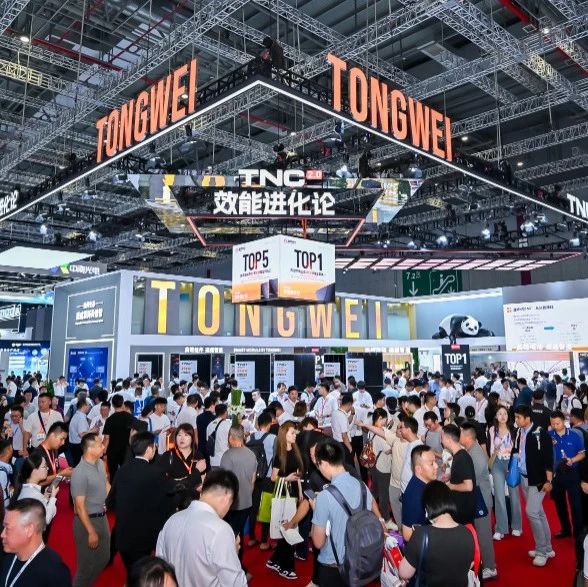
通威TNC 2.0亮相上海SNEC:双面率破88% 重构光伏收益模型
经济观察报· 2025-06-12 10:15
Core Viewpoint - The article highlights the launch of Tongwei's latest TNC 2.0 module, which utilizes advanced technologies to enhance module efficiency and performance in the photovoltaic industry [1][3]. Group 1: Product Launch and Technology - Tongwei introduced the TNC 2.0 module at the SNEC exhibition, showcasing its capabilities through innovative technologies such as 908 technology, TPE technology, polytech, and steel mesh printing [1][3]. - The TNC 2.0 module features a bifaciality rate exceeding 88%, aligning with industry trends and providing high-quality, efficient solar solutions [4][9]. - Compared to conventional TOPCon products, the TNC 2.0 module's bifaciality rate has improved by 5-10 percentage points, significantly enhancing energy generation in open-field scenarios [10]. Group 2: Market Trends and Competitive Landscape - The photovoltaic industry is witnessing a shift from merely maximizing peak power to focusing on the alignment of generation curves with electricity price curves, as well as controllable investment risks [6][8]. - The competition among mainstream manufacturers of BC and TOPCon technologies is intensifying, with production power differences remaining within 10W [5]. - The TNC 2.0 module's high bifaciality and excellent low-light performance provide a competitive edge, particularly during early morning and late evening hours [10][26]. Group 3: Economic Benefits and Financial Performance - The TNC 2.0 module can reduce EPC costs by over 200,000 yuan for a 10,000 square meter commercial rooftop project, resulting in a net profit increase of more than 94,000 yuan [23][25]. - The project offers cash flow advantages, with net profits consistently exceeding those of BC projects over a 14-25 year operational period, depending on electricity prices [24][25]. - The TNC 2.0 project is positioned to mitigate investment risks associated with market fluctuations and policy changes, providing a robust return on investment [25][26]. Group 4: Industry Evolution and Future Outlook - The SNEC exhibition reflects a broader industry trend towards quality over quantity, with a focus on extreme environment adaptability defining the next generation of modules [27]. - The investment return model is evolving, with factors such as payback periods, capital occupancy ratios, and electricity price curves becoming critical decision-making criteria [28]. - The competitive landscape in the photovoltaic sector is shifting towards a multidimensional approach, emphasizing the economic viability of the entire lifecycle of solar power plants [29].