
GAC GROUP(601238)

Search documents
八部门印发《汽车行业稳增长工作方案(2025—2026年)》,理想i6将于月底发布 | 投研报告
Zhong Guo Neng Yuan Wang· 2025-09-15 03:28
Group 1 - The core viewpoint of the report highlights the positive momentum in the automotive industry, supported by government policies aimed at stabilizing growth from 2025 to 2026 [1][2] - The report notes that the A-share automotive sector outperformed the broader market, with the Shanghai and Shenzhen 300 Index rising by 1.38% and the automotive sector increasing by 1.74% [1][2] - Key developments in the industry include the release of the "Automotive Industry Stabilization Growth Work Plan (2025-2026)" by the Ministry of Industry and Information Technology and other departments, as well as significant advancements in electric vehicle sales and technology [2][3] Group 2 - The report suggests focusing on various companies within the automotive sector, including BYD, Great Wall Motors, and Li Auto, among others, indicating a diverse range of investment opportunities [3] - In the commercial vehicle segment, companies such as China National Heavy Duty Truck Group and FAW Jiefang are highlighted as potential investment targets [3] - The automotive parts sector is also emphasized, with recommendations for companies like Midea Group and Fuyao Glass, showcasing a broad spectrum of investment prospects across the industry [3]




港股新能源汽车股走高
Di Yi Cai Jing· 2025-09-15 03:14
蔚来涨超5%,理想汽车涨近3%,广汽集团、小鹏汽车涨超2%,零跑汽车、比亚迪股份等跟涨。 (本文来自第一财经) ...



汽车股涨幅居前 八部门印发汽车行业稳增长方案 目标全年销量3230万辆
Zhi Tong Cai Jing· 2025-09-15 02:27
Group 1 - The automotive stocks have shown significant gains, with NIO-SW (09866) up 4.22% at HKD 50.15, GAC Group (601238) (02238) up 3.6% at HKD 3.45, BYD (002594) (01211) up 3.35% at HKD 108, and Leap Motor (09863) up 2.87% at HKD 62.7 [1] - The Ministry of Industry and Information Technology and seven other departments have issued the "Automotive Industry Stabilization and Growth Work Plan (2025-2026)", aiming for approximately 32.3 million vehicle sales in 2025, a year-on-year increase of about 3%, with new energy vehicle sales targeted at around 15.5 million, a year-on-year increase of about 20% [1] - The plan also aims for stable growth in automotive exports and a 6% year-on-year increase in the added value of the automotive manufacturing industry [1] Group 2 - Guotai Junan Securities released a report stating that the plan builds on previous initiatives like the "anti-involution" proposal and the joint notice on rectifying network chaos in the automotive industry, emphasizing the need for optimized management policies and regulated market competition to foster a healthy market environment [2] - The report indicates that the Chinese passenger car market performed steadily from January to August 2025, with sales reaching 18.354 million units, a year-on-year increase of 14% [2] - The firm anticipates a 5% year-on-year growth rate for the Chinese passenger car market in 2026, indicating a stable growth trend in the context of a mature market [2]

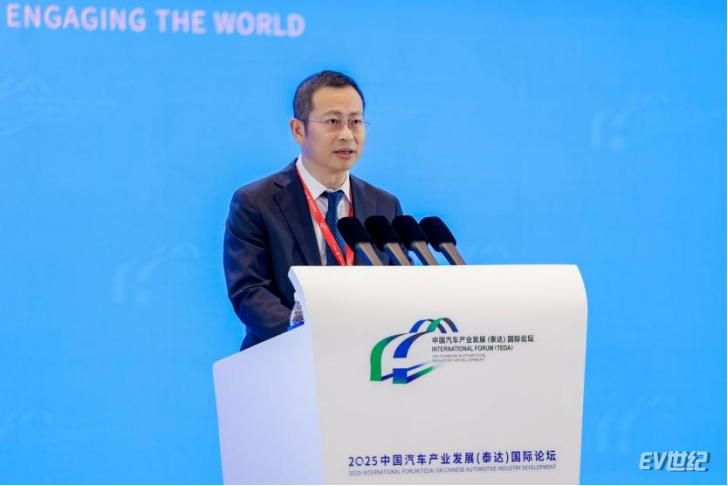
广州汽车集团股份有限公司副总经理閤先庆:创新驱动,赋能新广汽
Xin Lang Cai Jing· 2025-09-15 00:49
Core Viewpoint - The automotive industry is undergoing a significant transformation driven by technological innovation and ecological restructuring, with AI and advanced electronic architectures playing crucial roles in this evolution [3][4][5]. Group 1: Technological Innovation - The rapid development of AI technology is expanding automotive functionalities beyond traditional applications, impacting all aspects of vehicle operation and service [3][4]. - The maturity of electronic and electrical architectures supports the concept of "software-defined vehicles," enabling companies to create standardized frameworks and reshape supply chains [3][4]. - User demand and technological innovation are driving the industry towards a comprehensive service ecosystem, with innovative business models like Robotaxi emerging [4]. Group 2: Strategic Focus Areas - The company emphasizes the importance of planning and dual-driven innovation, ensuring that all innovations are market-driven and meet user needs [4][5]. - Key focus areas for innovation include intelligent systems and low-carbon technologies, with resources concentrated on breakthroughs in these domains [5][6]. Group 3: Intelligent Systems Development - In the field of intelligent systems, the company is advancing its electronic architecture, smart cockpit, combined assisted driving, and intelligent chassis technologies [6][7]. - The company has launched its "Star Spirit Architecture" and is developing next-generation electronic architectures to enhance automation experiences [6]. - The smart cockpit system aims to improve user experience through a cloud-integrated model, achieving industry-leading AI cockpit certification [6]. Group 4: Low-Carbon Initiatives - The company is focusing on extreme energy efficiency and electrification, with over 20 self-developed engines and hybrid products achieving world-leading thermal efficiency [7]. - The company is advancing its self-developed battery technologies and aims to introduce new high-energy-density batteries by 2027 [7]. Group 5: Future Technology and Talent Strategy - The company is investing in forward-looking technologies such as flying cars and robotics, with successful prototypes already in operation [8]. - A strong emphasis is placed on talent acquisition and development, with initiatives to attract key personnel and establish expert-led innovation teams [8]. Group 6: Collaborative Innovation - The company promotes open collaboration with ICT enterprises, universities, and research institutions to build an innovative ecosystem [9]. - Since 2017, strategic partnerships have been formed to enhance the development of key technologies within the automotive industry [9]. Group 7: Achievements and Future Commitment - The company has filed over 23,000 patents and received numerous awards, maintaining a leading position in the industry [10]. - The commitment to innovation and strategic planning aims to contribute to the high-quality development of the Chinese automotive industry [10].

新能源与新材料周度报告:新能源汽车全年目标销量1550万辆,增速20%左右-20250914
Dong Zheng Qi Huo· 2025-09-14 13:16
1. Report Industry Investment Rating No relevant content provided. 2. Core Viewpoints of the Report - The "Automobile Industry Steady Growth Work Plan (2025 - 2026)" aims for about 32.3 million vehicle sales in 2025, a 3% YoY increase, with around 15.5 million new energy vehicle sales, a 20% YoY increase, and a 6% YoY growth in automobile manufacturing added - value. In 2026, the industry is expected to maintain a stable and positive development trend [1][105][116]. - From January to August, China's automobile sales reached 21.128 million, a 12.6% YoY increase, and new energy vehicle sales were 9.62 million, a 36.7% YoY increase, achieving 65.4% and 61.9% of the annual targets respectively [1][106][118]. - In the 36th week (September 1 - 7), new energy passenger vehicle retail sales were 220,000, a 0.5% YoY decrease, and the annual cumulative retail sales were 7.645 million, a 23.4% YoY increase. The single - week penetration rate reached 60.6%, and the annual cumulative penetration rate was 51.9%, showing a slow upward trend [2][109][118]. - In July, global new energy vehicle sales reached 1.392 million, an 18.5% YoY increase, and from January to July, sales were 9.233 million, a 25.9% YoY increase. Except for China, Europe and other regions had significant growth, with 29.5% and 53.4% growth respectively from January to July [2][118]. - In August, the US new energy vehicle sales were 177,000, an 18.4% YoY increase, much higher than the overall vehicle growth rate of 2%. From January to August, the cumulative sales were 1.01 million, a 2.4% YoY increase [2][112][119]. 3. Summary by Related Catalogs 3.1 Financial Market Tracking - The weekly price changes of relevant sectors and listed companies are presented. For example, BYD's closing price on September 12 was 105.91 yuan, with a - 1.26% weekly change; CATL's closing price was 325 yuan, with a - 0.03% weekly change [13][15][16]. 3.2产业链数据跟踪 3.2.1 China New Energy Vehicle Market Tracking - **Sales and Exports**: In August, new energy vehicle production and sales were 1.391 million and 1.395 million respectively, with YoY growth of 27.4% and 26.8%. From January to August, production and sales were 9.625 million and 9.62 million respectively, with YoY growth of 37.3% and 36.7%. In August, new energy vehicle exports were 224,000, a 100% YoY increase. From January to August, exports were 1.532 million, an 87.3% YoY increase [106][107][108]. - **Inventory Changes**: Data on monthly new additions to new energy passenger vehicle channel inventory and manufacturer inventory are provided [25][26]. - **Delivery Volumes of Chinese New Energy Vehicle Manufacturers**: Monthly delivery volumes of manufacturers such as Leapmotor, Li Auto, XPeng, NIO, Zeekr, Aion, Voyah, and Deepal are presented [28][29][33]. 3.2.2 Global and Overseas New Energy Vehicle Market Tracking - **Global Market**: In July, global new energy vehicle sales reached 1.392 million, an 18.5% YoY increase, and from January to July, sales were 9.233 million, a 25.9% YoY increase [2][118]. - **European Market**: Relevant data on new energy vehicle sales and penetration rates in Europe, including the UK, Germany, and France, are provided [44][45][49]. - **North American Market**: In August, US new energy vehicle sales were 177,000, an 18.4% YoY increase. From January to August, the cumulative sales were 1.01 million, a 2.4% YoY increase. Data on North American new energy vehicle sales and penetration rates are also presented [2][112][119]. - **Other Regions**: Data on new energy vehicle sales and penetration rates in other regions, such as Japan, South Korea, and Thailand, are provided [60][61][65]. 3.2.3 Power Battery Industry Chain - Data on power battery installation volume (by material), export volume (by material), weekly average price of power battery cells, and material costs are presented. Information on the operating rates and prices of ternary materials, precursors, lithium iron phosphate, negative electrode materials, electrolytes, and other related materials is also provided [76][78][82]. 3.2.4 Other Upstream Raw Materials - Data on the daily prices of rubber, glass, steel, and aluminum are provided [97][98][100]. 3.3 Hot News Summaries 3.3.1 China: Policy Dynamics - The eight - department joint issuance of the "Automobile Industry Steady Growth Work Plan (2025 - 2026)" aims to achieve specific sales and growth targets for 2025 and 2026 [1][105][116]. - The six - department joint launch of a three - month special rectification action for online chaos in the automobile industry aims to improve the handling efficiency of online chaos and regulate marketing and publicity behaviors [105]. - The two - department release of the "Implementation Opinions on Promoting High - Quality Development of 'Artificial Intelligence +' Energy" promotes the application of artificial intelligence in energy - related fields [106]. 3.3.2 China: Industry Dynamics - In August, new energy vehicle production and sales data are as stated above. From January to August, the production and sales of new energy vehicles also showed significant growth [106][107][108]. - From September 1 - 7, new energy retail sales decreased by 3% YoY, and the cumulative retail sales increased by 25% [109]. - In August, China's power battery installation volume was 62.5GWh, a 32.4% YoY increase. From January to August, the cumulative installation volume was 417.9GWh, a 43.1% YoY increase [110][111]. - The China Association of Automobile Manufacturers is preparing to establish a new energy vehicle battery branch [111]. 3.3.3 Overseas: Policy Dynamics - Mexico plans to raise import tariffs on products from Asian countries such as China, South Korea, and India to 50%, which requires congressional approval [112]. - The US has exempted a variety of products, including gold, graphite, and nickel, from tariffs [112]. 3.3.4 Overseas: Industry Dynamics - In August, US new energy vehicle sales were 177,000, an 18.4% YoY increase [112][113][119]. 3.3.5 Overseas: Enterprise Dynamics - Construction of South Korean battery factories in the US has been interrupted due to immigration enforcement. LG Energy Solution has taken corresponding measures [113][114]. - VinFast delivered 72,167 vehicles globally in the first half of 2025, with significant growth in vehicle and motorcycle sales. In the second quarter, revenue increased by 91.6% YoY, and the net loss was approximately 812 million US dollars [115]. - InoBat, a Slovakian electric vehicle battery manufacturer, received 54 million euros in subsidies and 456,000 euros in loans from the Spanish government to support the construction of a battery super - factory [116][117]. 3.4 Industry Views The "Automobile Industry Steady Growth Work Plan (2025 - 2026)" sets clear goals for 2025 and 2026, and current market data shows the development status of the new energy vehicle industry [1][116][118]. 3.5 Investment Suggestions - China's new energy vehicle market penetration rate has reached a relatively high level. In 2025, high - competitiveness new models are continuously launched, and price wars are gradually ending. - Due to severe trade protectionism in Europe and the US, there are risks in exports. Attention should be paid to new growth points such as Belt and Road countries and the Middle East. - In the competitive landscape, domestic brands' market shares continue to expand. Attention should be paid to enterprises with strong product capabilities, smooth overseas expansion, and stable supply [3][120][121].




极狐T1爆卖4.3万辆,广汽系电池供货北汽
高工锂电· 2025-09-14 10:36
Core Viewpoint - The development of power battery matching is moving towards a more market-oriented and open direction [3] Group 1: Product Launch and Market Response - The new model, Arcfox T1, was officially launched on September 11, with over 11,000 orders within two hours of pre-sale starting on August 22, and cumulative orders exceeding 43,000 by the launch date, marking it as another "phenomenal hit" in the A0-level pure electric market [4] Group 2: Battery Technology and Collaboration - The Arcfox T1 utilizes battery cells from three manufacturers: Zhongchuang Xinhang, Inpai Battery, and JuWan Technology, marking the entry of internal battery companies into the external market [5] - Inpai Battery, previously supplying Aion from GAC, has seen its June shipment volume rank among the industry's top, with a cell energy density of 195 Wh/kg and high manufacturing consistency [5] - JuWan Technology leads in ultra-fast charging, providing a solution for charging from 30% to 80% in 16.9 minutes, with the Arcfox T1 achieving a real-world range of 479.8 km under mixed urban and highway conditions [5] Group 3: Industry Trends and Standards - The collaboration between battery manufacturers and the Arcfox T1 reflects a shift in focus for automakers from brand background to whether battery cells meet system-level standards and application requirements [6] - Entering the Arcfox supply chain serves as industry recognition of the technical strength of battery companies [7] - The Arcfox T1 features the Aurora battery system, which exceeds national safety standards, with tests showing performance far above the new national standards in various stress tests [8] - The introduction of commitments like "burn one, compensate one" and "lifetime warranty for the first owner" raises battery safety standards and pressures battery companies to enhance product reliability and consistency [8] Group 4: Market Dynamics and Future Outlook - The battery supply model for the Arcfox T1 indicates a turning point in the power battery industry, with GAC's battery companies supplying to BAIC for the first time, breaking traditional supply chain barriers between automakers [9][10] - Future competition in the power battery sector will encompass system integration, safety verification, and user experience, with the Arcfox T1 serving as an important example of this new competitive landscape [10]
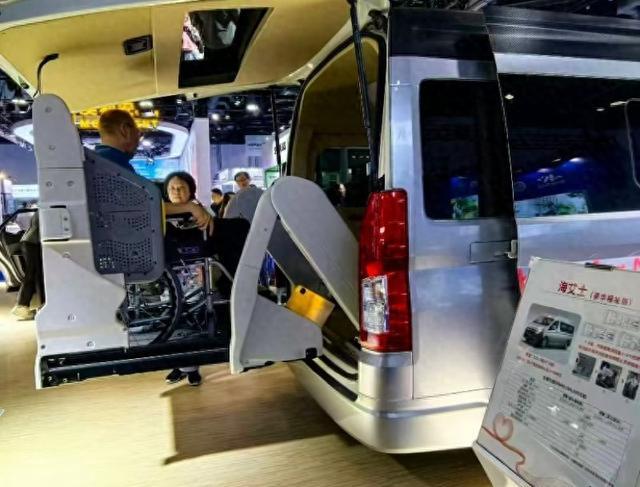
福祉车传递关怀,用科技点亮行动不便者的出行之光|聚焦中国国际福祉博览会
Hua Xia Shi Bao· 2025-09-13 10:30
Core Insights - The 2025 China International Welfare Expo showcased over 10,000 assistive devices for the elderly and disabled, highlighting the growing demand for accessible transportation solutions [2][12] - Major automotive companies like Toyota, GAC Trumpchi, Great Wall, and SAIC Maxus presented welfare vehicles equipped with advanced technologies to enhance mobility for people with disabilities [2][12] Industry Trends - The welfare vehicle market is experiencing rapid growth due to an aging population and increasing demand from over 85 million disabled individuals in China, making accessible transportation a pressing social need [12][15] - Companies are expanding their focus from single product innovation to building a complete ecosystem that includes research, production, sales, and service [12][15] Technological Innovations - Toyota's welfare vehicles, such as the bz3 welfare modified version, feature electric rotating seats and spacious storage for wheelchairs, catering to diverse user needs [5][13] - GAC Trumpchi's M8 model includes a detachable welfare seat that transforms into an electric wheelchair, controlled via a mobile app, enhancing user independence [7][13] - Great Wall's new high mountain welfare version integrates voice prompts and programmable safety features, emphasizing comfort and safety [9][14] Market Challenges - The welfare vehicle market faces challenges such as limited purchasing channels and high prices for premium models, which may hinder broader adoption [15] - Companies are exploring modular modification solutions to reduce costs and maintain vehicle functionality, with over 60% of families opting to install welfare seats for disabled members [15] Future Outlook - Analysts predict that as modular modification solutions and intelligent services become more prevalent, welfare vehicles will transition from niche products to mainstream choices, promoting equal and dignified mobility for all [16]


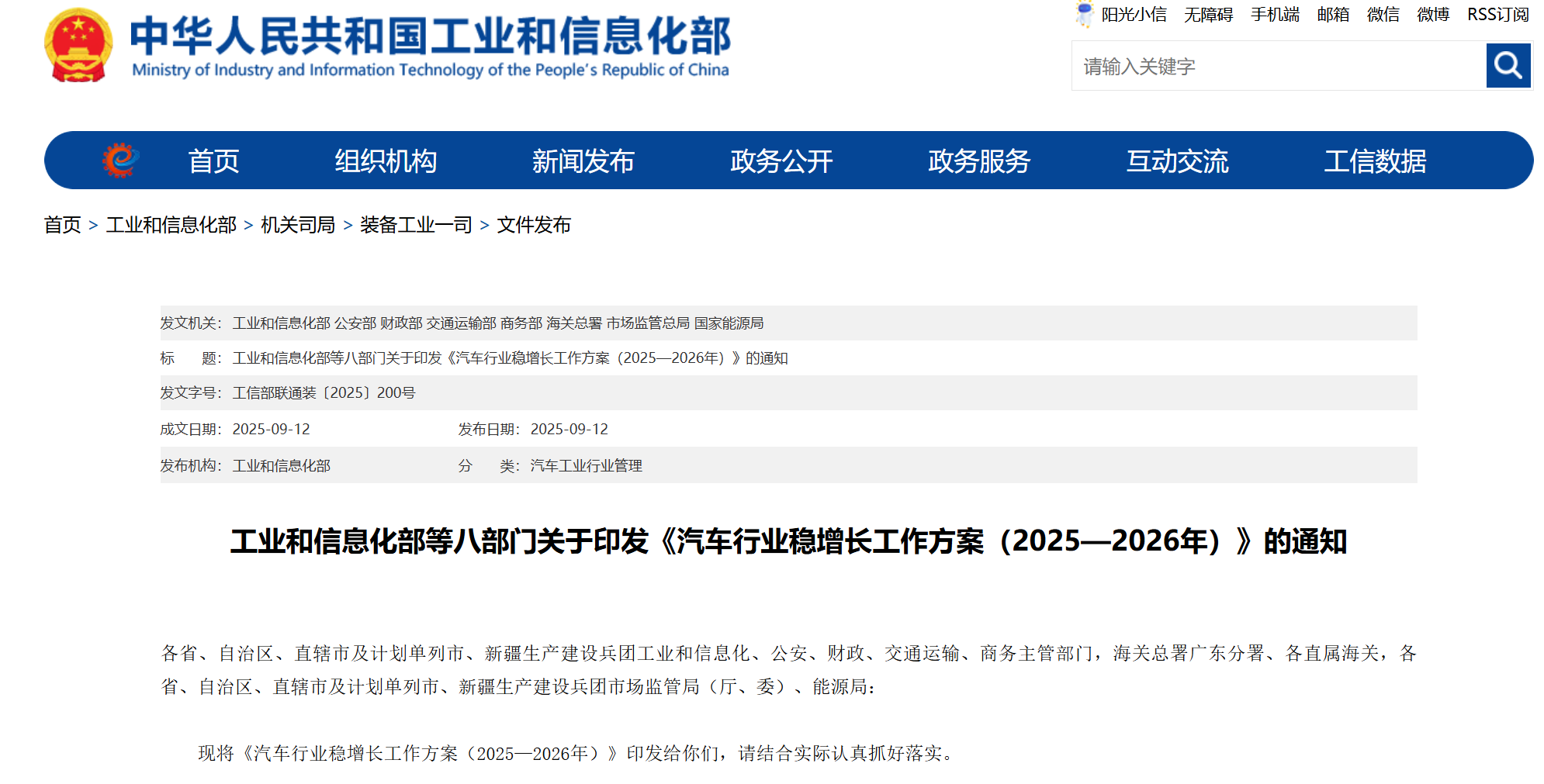
汽车行业稳增长方案出台!2025年力争实现汽车销量3230万辆左右 工信部:努力实现汽车行业经济发展主要预期目标
Mei Ri Jing Ji Xin Wen· 2025-09-13 10:07
Core Insights - The Ministry of Industry and Information Technology (MIIT) is implementing a new round of the "Automobile Industry Stabilization and Growth Work Plan (2025-2026)" to optimize tax incentives for new energy vehicles and promote electric vehicles in public sectors [1][3] - The plan sets a target of approximately 32.3 million vehicle sales in 2025, with new energy vehicle sales expected to reach around 15.5 million, reflecting a 20% year-on-year growth [1][4] Group 1: Policy and Economic Goals - The "Work Plan" aims to achieve key economic development targets for the automobile industry, which is considered a pillar of the national economy [3][9] - The MIIT has outlined several measures to boost domestic automobile consumption, including promoting electric vehicles in public sectors and enhancing charging infrastructure [6][8] Group 2: Market Performance and Projections - In the first eight months of 2025, China's automobile production and sales both exceeded 20 million units, with year-on-year growth of 12.7% and 12.6% respectively [4] - The average monthly sales in the domestic market reached 2.641 million units, suggesting a potential increase of about 10 million units in the remaining months of 2025 [4] Group 3: Challenges and Industry Dynamics - The automobile industry faces challenges such as intensified overseas competition, insufficient effective demand, and irrational competition within the market [7][8] - The MIIT has initiated a three-month special action to address online irregularities in the automobile industry, aiming to create a healthier competitive environment [7][8] Group 4: Technological Advancements - The plan emphasizes the need for breakthroughs in key technologies such as automotive chips, operating systems, and solid-state batteries to enhance product performance and meet consumer demands [8][9] - It also proposes the advancement of intelligent connected vehicles and the approval of L3-level vehicle production [8]


飞行汽车2035年产业规模可达1万亿元!与智能汽车产业重合度达70%
Hua Xia Shi Bao· 2025-09-13 09:38
Group 1 - The 21st China Automotive Industry Development (Teda) International Forum highlighted the importance of flying cars and eVTOLs in building a new ecosystem for integrated air-ground transportation [2][3] - The forum reached three consensus agreements focusing on emerging industries, carbon cycle ecology, and digital intelligence, with the first consensus emphasizing the need for a low-altitude economic industry system [2][3] - The low-altitude economy is seen as a crucial aspect of new aviation, encompassing drones, eVTOLs, and flying cars, which are expected to alleviate urban traffic congestion and expand urban transportation space [3][4] Group 2 - Numerous automotive companies are entering the low-altitude economy sector, transforming into integrated transportation service providers, with examples including XPeng Motors and Chery [4][5] - The flying car industry is rapidly advancing, with several companies like Geely and GAC Group making significant progress in testing and certification of their flying car models [5][6] - The integration of low-altitude economy and automotive technology is essential, with a reported 70% overlap in the industrial chain between flying cars and traditional electric vehicles [6][7] Group 3 - The collaboration between automotive and aviation sectors is driven by technological integration, focusing on power systems, auxiliary driving, and manufacturing systems [6][7] - Companies are leveraging existing automotive supply chains to reduce manufacturing costs and improve product quality, with over 80% supply chain reuse and over 90% localization reported [7][8] - The low-altitude economy market is projected to reach 10 trillion yuan by 2040, with flying cars expected to account for approximately one-third of this market by 2035 [9]

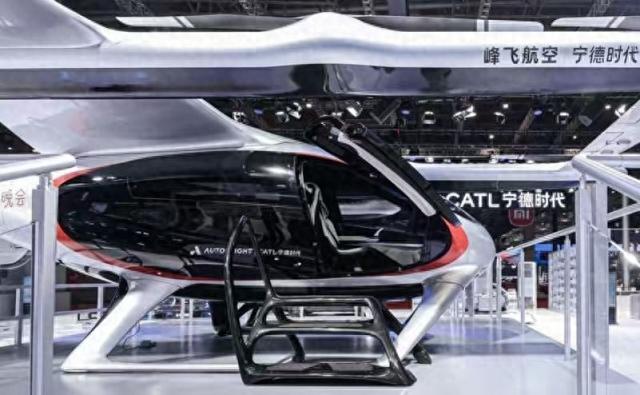
广汽集团閤先庆:预计2027年实现新一代电芯搭载上车
Mei Ri Jing Ji Xin Wen· 2025-09-13 07:43
Core Insights - Guangzhou Automobile Group Co., Ltd. is focusing on developing end-to-end large model architecture based on generative AI for smart driving, enhancing collaboration with technology companies [1] - The company has achieved coverage of smart driving technology from Level 2 to Level 4, with a nationwide rollout of urban navigation assistance systems and has obtained the first batch of national Level 3 road test qualifications [1] - The self-developed Level 4 Robotaxi has commenced demonstration operations, and the company has partnered with Didi to launch the first mass-produced Level 4 vehicle with global adaptability [1] - In terms of low-carbon electrification, the company will concentrate on core technologies related to batteries and integrated electric drive systems, accelerating self-research and production [1] - The company plans to develop a new generation of high energy density batteries and electric drive controllers, with expectations to have the new battery cells installed in vehicles by 2027 [1]