GWMOTOR(601633)

Search documents
魏建军道歉
券商中国· 2026-03-06 15:05
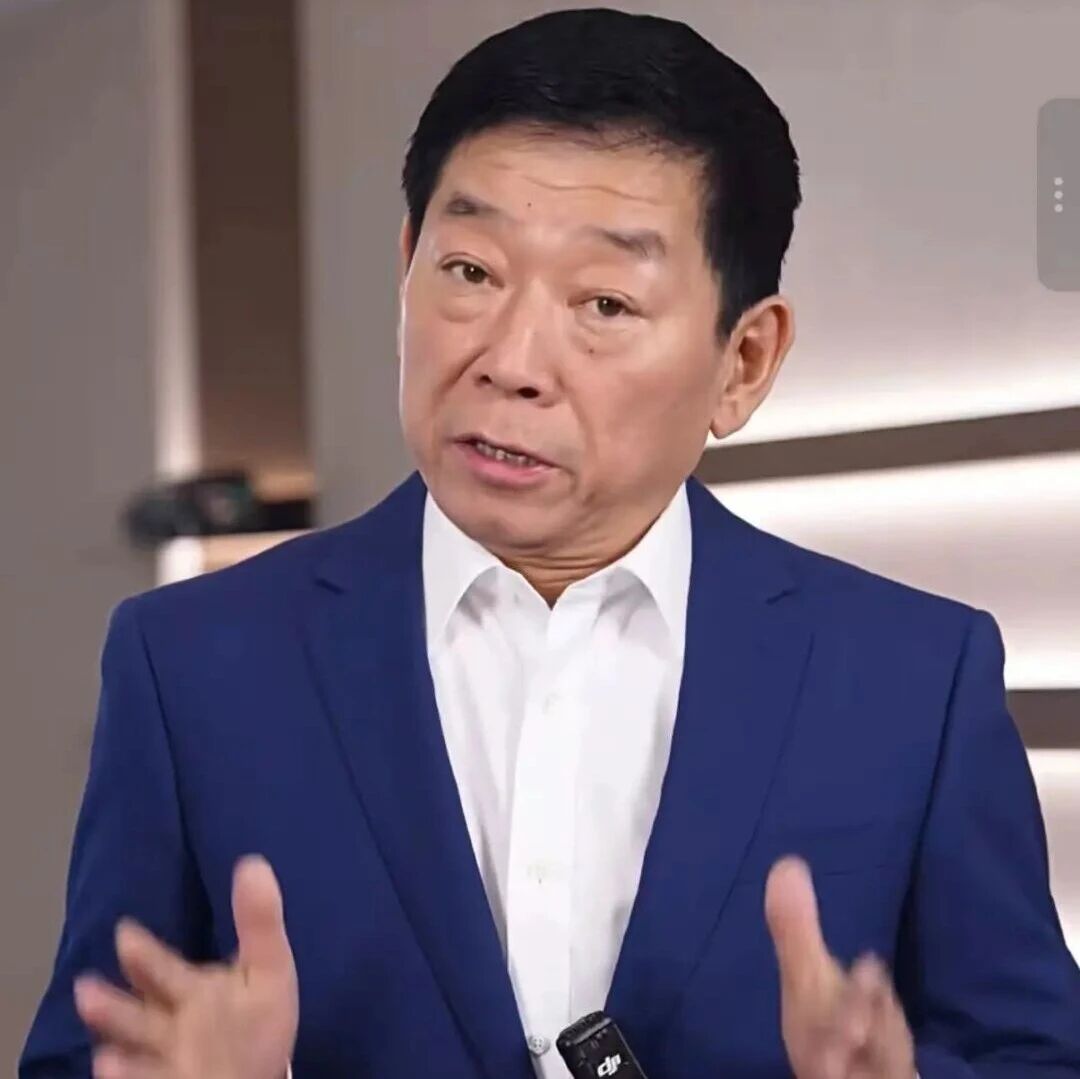
Core Viewpoint - The recent controversy surrounding the Wei brand's new car poster, which was accused of plagiarism, led to public apologies from both the chairman of Great Wall Motors, Wei Jianjun, and the CEO of Wei brand, Zhao Yongpo, acknowledging the issue and committing to improvements in internal management and oversight [1][2]. Group 1: Apologies and Accountability - Wei Jianjun, the chairman of Great Wall Motors, publicly admitted that the Wei brand V9X promotional poster was indeed plagiarized, taking full responsibility for the oversight and apologizing to the Land Rover brand and the original creator [1]. - Zhao Yongpo, the CEO of Wei brand, also issued an apology on social media, acknowledging the serious oversight and emphasizing the importance of respecting original creative work [2]. Group 2: Internal Measures and Future Commitment - Following the incident, Great Wall Motors plans to reflect deeply and optimize its internal management and review processes to prevent future occurrences of plagiarism [1]. - Both Wei Jianjun and Zhao Yongpo reiterated the company's commitment to originality and expressed a willingness to accept public scrutiny moving forward [1][2].


魏建军承认海报抄袭
21世纪经济报道· 2026-03-06 14:32
Core Viewpoint - The chairman of Great Wall Motors, Wei Jianjun, publicly apologized for the alleged plagiarism of a promotional poster for the WEY brand V9X, which closely resembles a previous advertisement for the Land Rover Range Rover Sport, acknowledging the issue and committing to take full legal and financial responsibility [1][3][6]. Group 1: Incident Overview - The WEY brand officially announced the launch of the V9X flagship model on March 5, 2023, with Wei Jianjun as the spokesperson. The promotional poster was quickly criticized by netizens for its similarities to Land Rover's advertising, leading to a significant online discussion [6]. - Wei Jianjun admitted the poster was indeed plagiarized and expressed a commitment to prevent such incidents in the future, emphasizing the importance of originality in the company's work [3][6]. Group 2: Sales and Production Data - In February 2023, Great Wall Motors reported total sales of 72,594 units, a year-on-year decrease of 6.79%, and a production total of 64,811 units, down 13.42% year-on-year [6][7]. - The sales breakdown showed that the Haval brand sold 43,660 units, a slight increase of 0.83% year-on-year, while the WEY brand saw a significant increase of 54.13% year-on-year with 5,615 units sold [7]. - The company's overseas sales in February reached 42,700 units, and the sales of new energy vehicles were 12,700 units for the same month [7]. Group 3: Financial Performance - Great Wall Motors reported a revenue of 222.79 billion yuan for the year 2025, reflecting a year-on-year growth of 10.19%. However, the net profit attributable to shareholders decreased by 21.71% to 9.91 billion yuan, with a significant drop in the net profit excluding non-recurring items by 36.48% [8].
魏牌新车海报被指抄袭路虎,长城汽车魏建军道歉:责任在我,把关不严
YOUNG财经 漾财经· 2026-03-06 14:32
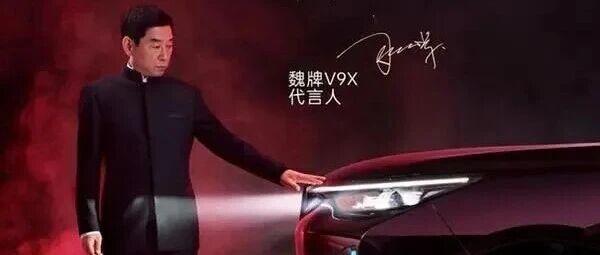
Core Viewpoint - The recent controversy surrounding the Wei brand's new car poster, which was accused of plagiarism from Land Rover, has led to public apologies from both the chairman of Great Wall Motors, Wei Jianjun, and the CEO of Wei brand, Zhao Yongpo, acknowledging the oversight and committing to improve internal processes to prevent future incidents [2][4][5]. Group 1: Incident Overview - Wei Jianjun, the chairman of Great Wall Motors, publicly apologized for the plagiarism incident, stating that the responsibility lies with him for not ensuring proper oversight [2][4]. - The Wei brand's new car poster for the V9X was found to closely resemble the Land Rover Range Rover Sport advertisement, with significant similarities in background, positioning of figures, and vehicle angles [7]. - Zhao Yongpo, the CEO of Wei brand, also issued an apology, emphasizing the importance of respecting original creative work and acknowledging the company's failure in this instance [5][7]. Group 2: Company Background and Performance - The Wei brand was established in November 2016 and is named after its founder, reflecting Great Wall Motors' ambition to enter the high-end market [7]. - Recent sales data indicates that Wei brand sold 5,615 vehicles in February, representing a year-on-year increase of 54.13%, with a cumulative total of 13,488 vehicles sold in the first two months of the year, up 55.93% year-on-year [7]. - The Wei brand has experienced frequent leadership changes, with the shortest tenure being four months and the longest being one year and six months, indicating challenges in maintaining stable leadership [7].
魏牌海报涉嫌抄袭路虎,长城汽车魏建军道歉:主要责任在于我审核把关不严
Mei Ri Jing Ji Xin Wen· 2026-03-06 14:08
Core Viewpoint - The chairman of Great Wall Motors, Wei Jianjun, publicly acknowledged and apologized for the plagiarism incident involving the promotional poster for the new Wei brand V9X vehicle, confirming the existence of copyright infringement [1][3]. Group 1: Incident Details - The promotional poster for the Wei brand V9X, which was announced on March 5, was found to closely resemble a creative design for the Land Rover Range Rover Sport from a year ago, particularly in background color, composition, character poses, and vehicle placement [3]. - Wei Jianjun expressed apologies to the Land Rover brand and the original creator of the poster, stating that he and Great Wall Motors are willing to bear all legal and financial responsibilities arising from the incident [3]. Group 2: Internal Response and Future Actions - Wei Jianjun admitted that the main responsibility lies with him as the spokesperson for not ensuring strict oversight during the review process [3]. - Great Wall Motors plans to reflect deeply on this incident and improve its internal management and review processes to prevent future occurrences of plagiarism, while also accepting public supervision [3]. Group 3: Product Launch Information - The Wei brand V9X is set to launch on March 9, and it is positioned as an AI luxury six-seat flagship vehicle built on Great Wall Motors' Guiyuan platform [3]. - The V9X is expected to compete directly with models such as the Wenjie M9, Li Auto L9, and Lantu Taisan [3].
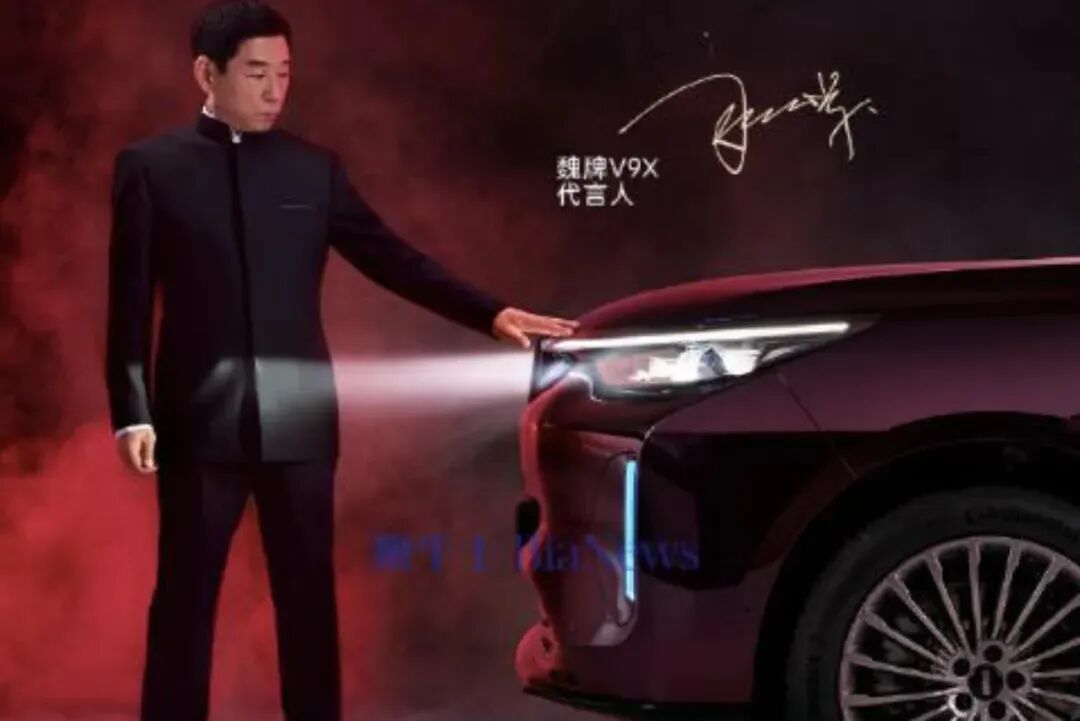
长城汽车董事长魏建军致歉
Xin Lang Cai Jing· 2026-03-06 13:56
Core Viewpoint - The chairman of Great Wall Motors, Wei Jianjun, publicly acknowledged and apologized for the plagiarism incident involving the promotional poster for the new Wei brand V9X vehicle, which has sparked significant market discussion [1][5]. Group 1: Acknowledgment and Apology - Wei Jianjun confirmed that the promotional poster for the Wei brand V9X indeed contained elements of plagiarism, stating that there can be no justification for this [3][8]. - He expressed apologies to the Land Rover brand, the original creator of the poster, and the general public, emphasizing that both he and Great Wall Motors are willing to bear all legal and financial responsibilities arising from this incident [3][8]. Group 2: Internal Accountability and Future Actions - Wei Jianjun admitted that the primary responsibility lies with him as the spokesperson for not ensuring proper oversight during the review process [3][8]. - Great Wall Motors plans to conduct a thorough reflection and optimize its internal management and review processes to prevent future occurrences of plagiarism, reiterating its commitment to originality and accepting public scrutiny [3][8][9]. Group 3: Background of the Incident - The controversy arose shortly after the announcement on March 5 that Wei Jianjun would be the spokesperson for the new V9X vehicle, with industry creators pointing out that the poster closely resembled a design they created for the Land Rover Range Rover Sport a year prior, leading to demands for creative fees [3][9].
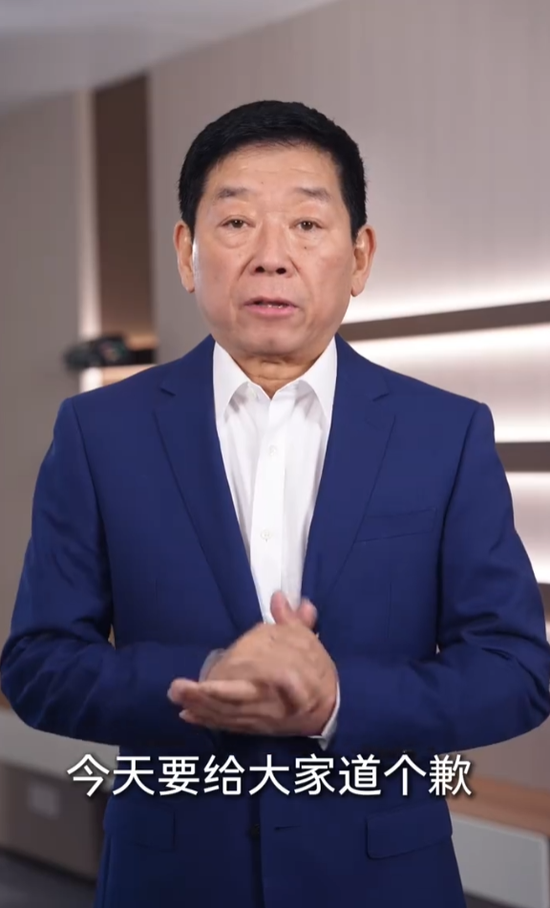
海报被指抄袭路虎,长城汽车魏建军道歉:愿承担全部法律和经济责任
Xin Lang Cai Jing· 2026-03-06 13:23
Group 1 - The chairman of Great Wall Motors, Wei Jianjun, publicly apologized for a plagiarism incident involving a promotional poster for the WEY brand's V9X SUV, acknowledging the similarities to a Land Rover advertisement [1] - The controversial poster was released on March 5, 2026, and was criticized by netizens for its resemblance to a Land Rover Range Rover Sport promotional image, leading to the term "pixel-level tribute" being used [1] - Wei Jianjun stated that both he and Great Wall Motors are willing to take full legal and financial responsibility for the incident, emphasizing the need for stricter oversight and a commitment to originality in future work [1] Group 2 - WEY, a premium brand under Great Wall Motors, was established in 2016 and has undergone several name changes, recently reverting from "WEY New Energy" back to "WEY" [2] - In February 2026, Great Wall Motors sold approximately 72,600 new vehicles, representing a year-on-year decline of 6.79%, while WEY's sales reached 5,615 units, marking a significant year-on-year increase of 54.13% [2] - On March 6, 2026, Great Wall Motors' stock closed up by 1.15%, trading at 20.19 yuan per share [2]
魏建军承认抄袭
第一财经· 2026-03-06 12:59
Core Viewpoint - The chairman of Great Wall Motors, Wei Jianjun, publicly apologized for the alleged plagiarism of the promotional poster for the new Wei brand V9X vehicle, acknowledging the issue and taking full responsibility for the incident [3]. Group 1: Incident Overview - The promotional poster for the Wei brand V9X was found to closely resemble the advertising material of the Land Rover Range Rover Sport, leading to accusations of plagiarism [3]. - Wei Jianjun stated that the company would reflect deeply on its management processes to prevent future plagiarism incidents and emphasized the importance of originality [3]. Group 2: Company Response - Wei Jianjun has committed to taking all legal and financial responsibilities arising from the incident and has issued apologies to Land Rover, the original designer, and the public [3]. - The controversial promotional material has been removed from circulation by the Wei brand [3]. Group 3: Future Actions - Wei Jianjun is scheduled to appear as the spokesperson for the Wei brand V9X at a global live event showcasing the vehicle's design aesthetics on March 9 [4].
长城汽车魏建军就海报抄袭路虎事件致歉
Bei Jing Shang Bao· 2026-03-06 12:40
北京商报讯(记者 蔺雨葳)3月6日,长城汽车董事长魏建军针对近期海报抄袭事件进行公开致歉。 魏建军表示,"昨天,魏牌官宣了我作为V9X代言人拍摄的海报。细心的网友们发现我拍的海报有抄袭的嫌疑,网友的吐槽我都看了,经过核查,那张海报 的确是抄袭的,不能有任何的辩解。" 同时,魏建军向路虎、原版海报的设计师道歉,也向网友朋友们道歉。魏建军表示,愿意承担由此带来的全部法律和经济责任。 t ...
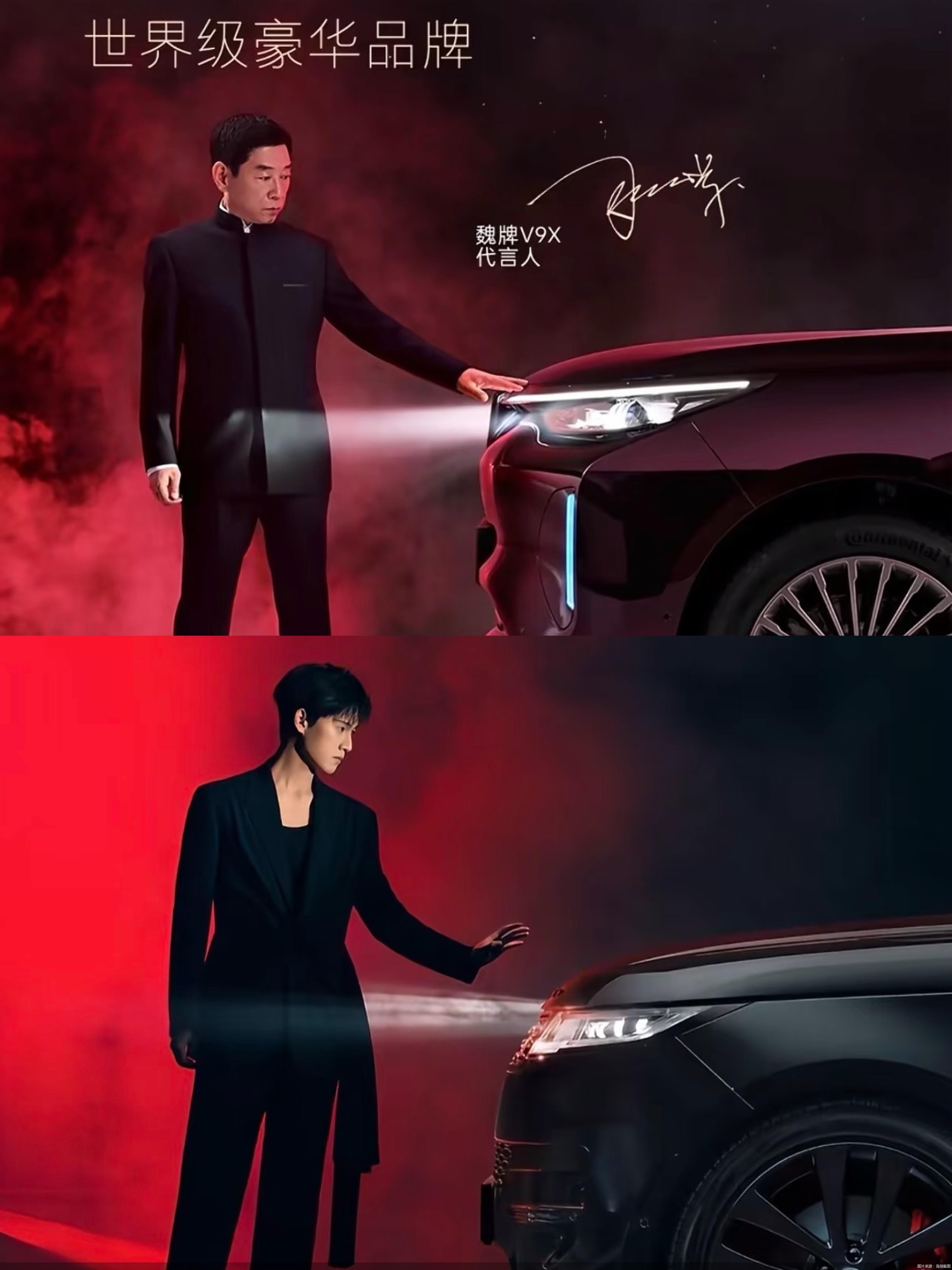
长城汽车魏建军针对海报抄袭事件道歉:责任主要在我,愿承担全部法律和经济责任
Xin Lang Cai Jing· 2026-03-06 12:18
Core Viewpoint - The chairman of Great Wall Motors, Wei Jianjun, publicly apologized for a recent incident involving alleged plagiarism of an advertisement for the Wei brand V9X, acknowledging the mistake and taking full responsibility for the oversight [1]. Group 1: Apology and Responsibility - Wei Jianjun admitted that the advertisement for the Wei brand V9X had elements of plagiarism, confirming that the company would accept all legal and financial responsibilities arising from the incident [1]. - The chairman expressed his apologies to Land Rover and the original designer of the advertisement, as well as to the fans and followers who trusted him [1]. Group 2: Commitment to Originality - Wei emphasized that Great Wall Motors has always adhered to an original spirit and expressed a desire for public oversight to help the company improve and avoid future plagiarism incidents [1]. - The company plans to reflect deeply on its management and processes to ensure that such issues do not occur again [1].
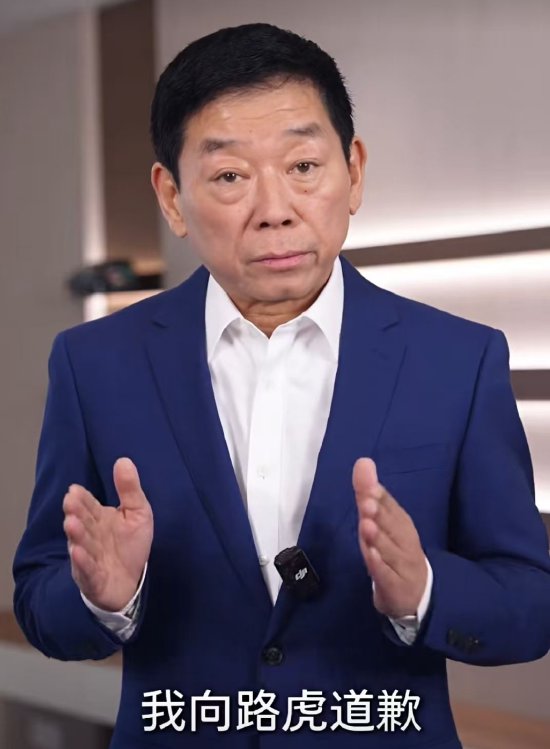
长城汽车董事长魏建军就“海报抄袭”公开致歉
Mei Ri Jing Ji Xin Wen· 2026-03-06 12:14
Core Viewpoint - The chairman of Great Wall Motors, Wei Jianjun, publicly acknowledged and apologized for the plagiarism incident involving the promotional poster for the Wei brand V9X, confirming the existence of the issue and expressing willingness to bear all legal and financial responsibilities [1]. Group 1 - The promotional poster for the Wei brand V9X was confirmed to have plagiarized content [1]. - Wei Jianjun expressed apologies to the Land Rover brand, the original creator of the poster, and the general public [1]. - The company emphasized that there would be no excuses for the incident and accepted full accountability [1].