Roborock(688169)

Search documents
石头科技:2025年净利润13.6亿元,同比下降31.19%
Xin Lang Cai Jing· 2026-02-27 08:21
Group 1 - The company announced a total revenue of 18.616 billion yuan for the year 2025, representing a year-on-year growth of 55.85% [1] - The net profit attributable to the parent company was 1.36 billion yuan, showing a year-on-year decline of 31.19% [1] - The company's global market leadership position has been further strengthened, with its smart vacuum robots maintaining the number one sales and market share globally according to the latest IDC report [1]

石头科技跌3.59% 甬兴证券去年高位喊买入
Zhong Guo Jing Ji Wang· 2026-02-26 09:21
Group 1 - The core viewpoint of the article indicates that Stone Technology (688169.SH) experienced a stock price decline of 3.59%, closing at 145.30 yuan [1] - The stock price reached its peak for the year on August 27, 2025, at 222.10 yuan [1] - Analysts from Yongxing Securities, Wu Dongju and Hu Haohan, released a report on August 26, 2025, stating that the company's revenue showed significant growth and profits are expected to recover, assigning a "buy" rating to the company [1]
科技年货点燃新春消费 科创板公司精准发力满足春节智能消费需求
Zheng Quan Ri Bao· 2026-02-24 13:39
Group 1 - The smart imaging consumption market experienced explosive growth during the Spring Festival, with Yingstone Innovation Technology Co., Ltd. emerging as a leading player in the domestic smart imaging sector, showcasing the vitality of tech consumption [1] - The demand for panoramic cameras surged among the younger demographic, driven by "self-reward consumption" and the need for New Year gifts, with Yingstone's Insta360 product lines effectively capturing the festive consumption scenarios [1] - The increase in demand for smart imaging devices was fueled by activities such as ice and snow sports, family gatherings, and travel during the Spring Festival [1] Group 2 - Ninebot Limited maintained service operations during the Spring Festival, ensuring consumer protection with over 700 service outlets open, offering various customer-friendly services [2] - Promotional activities included a comprehensive vehicle inspection for just 0.01 yuan, free roadside assistance, and discounts on exterior parts, enhancing the consumer experience [2] - Online platforms also contributed to the festive sales, with exclusive New Year discounts available across multiple e-commerce sites, allowing consumers to save significantly on popular models [2] Group 3 - Beijing Stone Century Technology Co., Ltd. highlighted the importance of smart cleaning products in enhancing holiday quality of life, with smart vacuum robots and high-temperature steam cleaning machines becoming popular choices for home upgrades and gifts [2] - The company showcased a full-scene smart cleaning solution that tapped into the potential of home consumption, emphasizing the role of technology in improving household health and convenience [2] - The strong performance in the smart home appliance sector during the Spring Festival illustrated the robust vitality and new momentum in intelligent consumption [2]

科创板上市公司助力春节消费“智能升级”
Zhong Guo Xin Wen Wang· 2026-02-24 13:16
Group 1 - The core theme of the articles highlights the significant role of "hard technology" in enhancing the consumer market during the 2026 Spring Festival, particularly through the integration of innovative tech products into traditional festive consumption [1][2] - The smart imaging market experienced growth during the Spring Festival, driven by "self-rewarding consumption" and the demand for gift items, with panoramic cameras becoming popular among the younger demographic [1] - Insta360, a leading company in the smart imaging sector, showcased strong market performance with its GO, Ace, and X series panoramic cameras, effectively catering to the festive consumption scenarios [1] Group 2 - The smart travel sector provided essential services during the Spring Festival, with Ninebot Company operating over 700 service stores nationwide, offering various customer-friendly services such as vehicle inspections and free roadside assistance [2] - The company also introduced a "Knight Supply Station" for delivery riders, providing complimentary hot drinks, emergency charging, and free Wi-Fi, ensuring a worry-free travel experience for users [2] - Smart home products, including robotic vacuum cleaners and high-temperature steam cleaning machines, became popular choices for home upgrades and gift-giving during the holiday, with Stone Technology leveraging its comprehensive smart cleaning solutions to enhance consumer spending [2]
境外上市备案监管审核视角下的制造业A to H关注的法律问题分析
Sou Hu Cai Jing· 2026-02-24 13:11
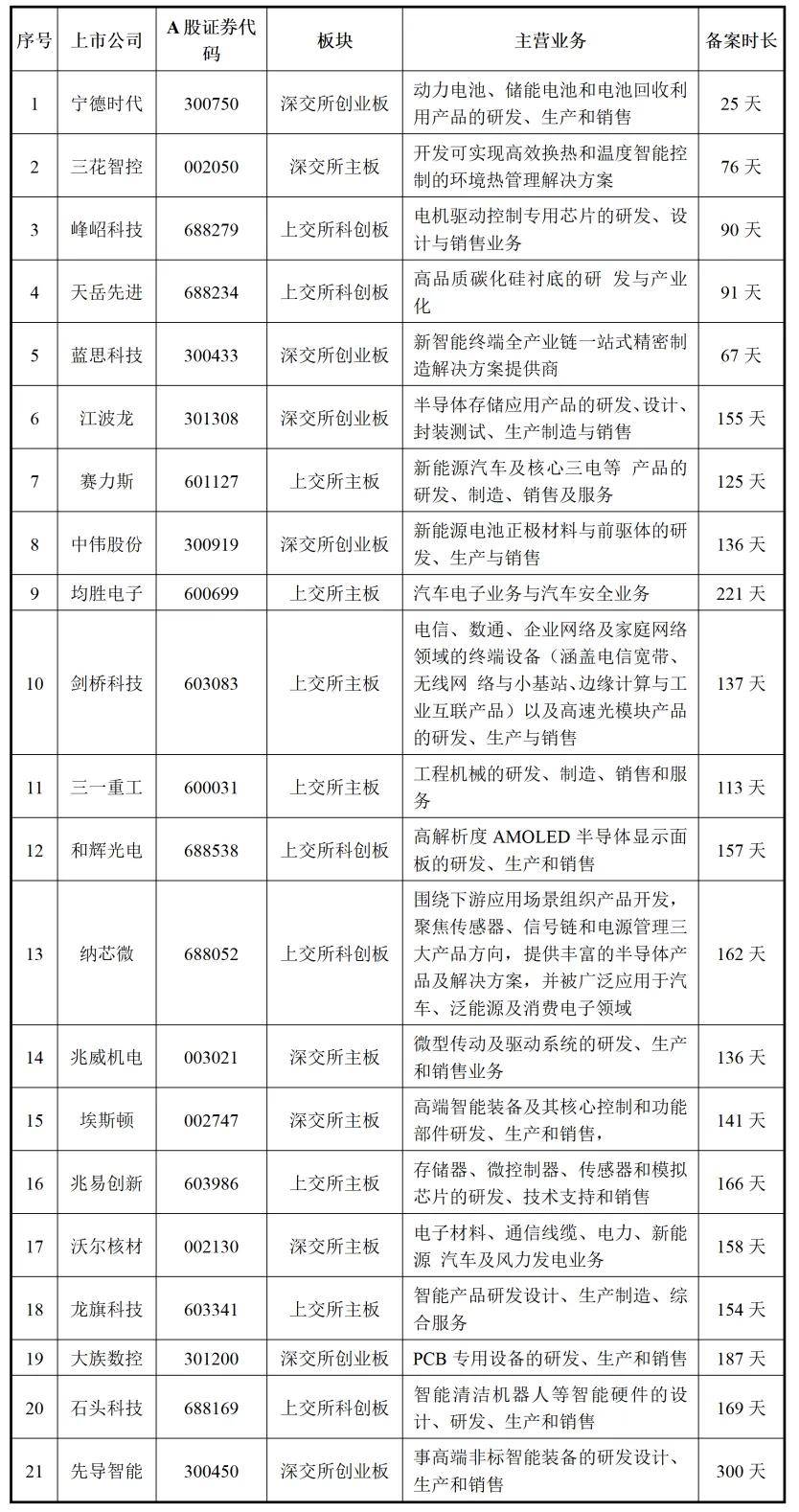
Core Viewpoint - The A to H listing model for manufacturing A-share companies is becoming a significant pathway for expanding financing channels and achieving global layout, driven by the optimization of overseas listing filing management, the recovery of the Hong Kong stock market, and the release of domestic companies' overseas financing needs [1][2]. Group 1: Overview of H-share Filing Situation in 2025 - In 2025, over 160 A-share listed companies disclosed plans for listing in Hong Kong, with more than 90 formally submitting applications to the Hong Kong Stock Exchange [2]. - By the end of 2025, 33 A-share companies received filing approval from the China Securities Regulatory Commission (CSRC), with 19 successfully achieving A+H listings, a significant increase from 3 in 2024 [2]. - The total fundraising amount for the 19 companies that successfully listed in Hong Kong reached approximately 139.99 billion HKD, with CATL alone raising 35.66 billion HKD, indicating strong recognition from overseas capital markets for high-quality domestic manufacturing enterprises [2]. Group 2: Filing Duration and Characteristics - The average filing duration for companies directly applying for Hong Kong listings in 2025 was approximately 190 days, while manufacturing A-share companies had an average duration of about 141 days, which is lower than the overall average [3]. - High-end advanced manufacturing companies experienced longer filing durations due to special regulatory matters involving core technologies and controlled items [3]. Group 3: Legal Issues and Compliance Suggestions - The filing review for A to H companies in the manufacturing sector focuses on universal legal issues such as cross-border compliance and market access, which all manufacturing companies must address [6][7]. - Specific legal concerns for high-end advanced manufacturing companies include core technology transfer and management of controlled items, necessitating tailored compliance strategies [6][16]. Group 4: Common Legal Issues in Filing Review - Key areas of regulatory focus include compliance with overseas investment and foreign exchange registration, ensuring that companies have fulfilled necessary procedures and that their funding sources are legal [8][9]. - Companies must also ensure that their business scope does not involve industries restricted or prohibited for foreign investment, as outlined in the negative list [10][11]. Group 5: Data Security and User Information Protection - With the implementation of laws regarding cybersecurity and data protection, companies involved in information content products must ensure compliance with user data collection, storage, and security management [13][14]. - The review process emphasizes the need for companies to have robust data security management systems and to comply with regulations regarding data transfer, especially if it involves cross-border data [15]. Group 6: Differentiated Regulatory Focus for High-end Advanced Manufacturing - High-end advanced manufacturing companies face unique regulatory scrutiny regarding core technology protection, management of dual-use items, and compliance with technology export regulations [16][17]. - Companies must establish comprehensive systems to protect core technologies and ensure compliance with relevant export control laws to mitigate risks associated with technology leakage and unauthorized transfers [16][17].






整个社会都在喊没钱了,为什么这些公司反而年赚百亿?
创业家· 2026-02-24 10:28
Core Insights - The article emphasizes that despite the prevailing narrative of economic hardship, certain industries are thriving and generating substantial profits, particularly in the context of Japan's "lost 30 years" and its implications for various sectors [3][4]. Group 1: Economic Trends - The concept of a "low-desire society" does not equate to a lack of opportunities, as consumer behavior is shifting towards different spending patterns [4]. - The article identifies eight key industries that are capitalizing on changing consumer demands, highlighting that demand migration and consumption segmentation present significant business opportunities [5]. Group 2: Key Industries - **Second-Hand Economy**: The second-hand luxury market in Japan, exemplified by companies like Daikokuya, has seen a dramatic increase in revenue. In China, platforms like Hongbulin and Panghu are experiencing similar growth [6][7]. - **Pet Economy**: With declining birth rates, spending on pets is increasing, as seen with brands like Inaba in Japan and Guobao in China, which are witnessing strong sales in pet food and healthcare products [12][13][15]. - **Adult Care**: The adult diaper market in Japan has surpassed $10 billion, indicating that aging populations can drive significant economic opportunities [18][19]. - **Health Food and Beverages**: The rise in health consciousness has led to increased demand for products like sugar-free tea and functional beverages in both Japan and China [21]. - **Beauty and Aesthetics**: The beauty industry continues to thrive, with products like collagen supplements and home beauty devices gaining popularity, indicating a strong consumer desire for self-improvement [23][25][26]. - **Outdoor Recreation**: Companies in the outdoor equipment sector, such as Snow Peak in Japan, are profiting from the growing interest in outdoor activities, with Chinese brands also seeing rapid sales growth [29][31]. - **Convenience Economy**: The demand for convenience is driving growth in frozen food and smart home appliances, as consumers seek to save time in their daily routines [39][40]. - **Lazy Economy**: The trend towards convenience is evident in the increasing popularity of products that save time, suggesting that time-saving solutions may hold more commercial value than cost-saving ones in a low-desire economy [42]. Group 3: Market Dynamics - The article posits that while many perceive the current market as a "winter," the true winners will be those who identify and invest in counter-cyclical opportunities [44].





未知机构:财通家电孙谦团队美国关税点评关于美国对等关税的裁定-20260224
未知机构· 2026-02-24 03:55
Summary of Conference Call Notes Industry Overview - The discussion focuses on the home appliance industry, particularly regarding the impact of U.S. tariffs on exports from China and other countries [1][2]. Key Points and Arguments 1. **Tariff Changes**: - The effective export tariff for Chinese home appliances has decreased from a potential 45% (25% in 2018 + 10% for equal tariffs starting June 2025 + 10% for fentanyl tariffs starting June 2025) to 40% (25% in 2018 + 15% under Section 122) [1]. - However, starting June 2025, a separate 50% tariff on steel and aluminum (non-U.S. sourced) will apply, resulting in a higher effective tariff for complete appliance exports [1]. 2. **Tariff Adjustments for Other Countries**: - Countries like Vietnam, Indonesia, and Thailand are expected to see a slight decrease in tariffs from 20%/19% to 15% [1]. - Mexico is anticipated to maintain a 0% tariff if it complies with the USMCA (United States-Mexico-Canada Agreement) [1]. 3. **Impact on Export Costs**: - The ruling that equal tariffs are illegal is expected to lower the export costs to the U.S., which is beneficial for exporting companies [2]. - Despite the tariff changes, the tax differentials between China and Southeast Asian countries or Mexico remain largely unchanged, indicating ongoing uncertainties [2]. 4. **Global Production Strategy**: - The necessity for global production capacity layout remains a trend, with companies that adopt this strategy likely to gain export advantages [2]. Recommended Companies - The following companies are recommended for investment in the home appliance sector: - TCL Electronics - Haier Smart Home - Midea Group - Roborock Technology - Ecovacs Robotics [2].



春节消费开门红,出游及体验消费亮眼
HTSC· 2026-02-24 02:09
Investment Rating - The report maintains an "Overweight" rating for the consumer sector, particularly highlighting the potential in experience and emotional consumption, domestic travel, and AI technology products [7]. Core Insights - The report indicates a strong recovery in consumer spending during the Spring Festival, with key retail and catering enterprises showing an average daily sales increase of 8.6% compared to the same period last year [10]. - The report emphasizes the growth in experience consumption driven by travel and leisure activities, with significant increases in hotel occupancy and average daily rates during the holiday period [27]. - The report identifies structural opportunities in the market, particularly in AI technology consumption, emotional value products, and the rise of domestic brands [5]. Summary by Sections Retail Consumption - Retail sales during the Spring Festival showed a notable recovery, with a 8.6% increase in daily sales compared to the previous year, driven by improved consumer sentiment and a more active lower-tier market [10][12]. - Specific regions such as Hubei (+12%), Guangxi (+15%), and Nanjing (+17%) experienced rapid growth in consumption [2]. Domestic Travel - The report highlights a record high in cross-regional travel during the Spring Festival, with an estimated 3.1 billion daily movements, reflecting a 6.6% year-on-year increase [14]. - Key tourist destinations saw significant visitor numbers, with hotels experiencing a rise in both occupancy rates and average daily rates, indicating a robust recovery in the hospitality sector [27][19]. Experience Consumption - Experience consumption, particularly in travel and dining, has rebounded strongly, with restaurants like Haidilao reporting a 10% increase in customer flow during the holiday [33]. - Emotional consumption products, such as toys and scented items, gained popularity, with sales of pet clothing increasing by 116% during the holiday season [11]. AI Technology Consumption - The report notes a surge in sales of smart wearable devices, with a 19.7% increase in sales, and smart glasses seeing a growth of 250% [11]. - The introduction of new products under the "old for new" policy is expected to drive further growth in the AI technology sector [11]. Investment Recommendations - The report recommends several companies for investment, including Pop Mart, Haidilao, and Midea Group, focusing on emotional and experience consumption, domestic brand growth, and AI technology [5].




经济越来越差,这八大行业越赚爆!
创业家· 2026-02-23 09:33
Core Insights - The article emphasizes that despite the prevailing narrative of economic hardship, certain industries are thriving and generating substantial profits, particularly in the context of Japan's "lost 30 years" and its implications for various sectors [3]. Group 1: Economic Trends and Opportunities - The concept of a "low-desire society" does not equate to a lack of opportunities, as there are still significant business prospects available [4]. - The article identifies "consumption stratification" and "demand migration" as the largest commercial opportunities in the current market [5]. - As consumers shift away from purchasing homes and luxury goods, money is flowing into alternative markets, such as the second-hand economy, which has seen significant growth in both Japan and China [6][7]. Group 2: Emerging Industries - The second-hand luxury market is booming, with brands like "大黑屋" in Japan and "红布林" in China experiencing substantial revenue increases [6][7]. - The pet economy is thriving, with young consumers spending on high-quality pet products despite having fewer children, indicating a shift in spending priorities [11][12][15]. - The adult care market is expanding, particularly in Japan, where the adult diaper market has surpassed $10 billion, suggesting a similar potential in China [16][17][18]. - Health food and beverage sectors are growing due to changing demographics and rising health consciousness, with products like sugar-free tea and functional drinks gaining popularity [21]. Group 3: Consumer Behavior and Preferences - The "beauty economy" is on the rise, with consumers investing in beauty products and treatments, even if they cannot afford high-end cosmetic procedures [23]. - Outdoor leisure activities are gaining traction, with brands in China seeing rapid sales growth in camping and outdoor equipment [25][26]. - The "emotional economy" is emerging, where consumers are willing to spend on products that provide emotional comfort, such as low-alcohol beverages [28][29]. - The "lazy economy" reflects a trend where younger generations prefer convenience, leading to increased demand for frozen foods and smart home appliances that save time [33][35][36]. Group 4: Market Outlook - The article posits that the current economic climate, often viewed as a "winter," presents opportunities for those willing to invest in counter-cyclical sectors [39].


人形机器人春晚技惊四座,机器人ETF易方达等产品被连夜“翻牌”
Cai Jing Wang· 2026-02-19 15:37
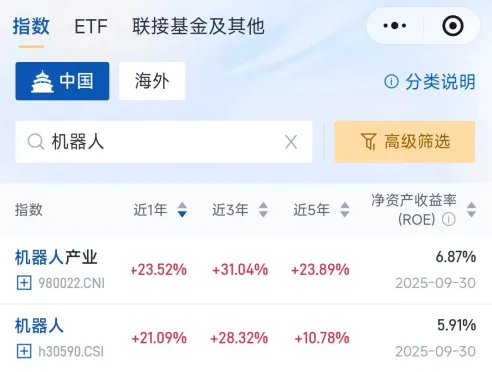
Core Viewpoint - The collaboration between Yushu Technology and Tagou Martial Arts School for the Spring Festival Gala showcased significant advancements in humanoid robotics, leading to a surge in interest and investment in the robotics sector, particularly in related ETFs [1]. Investment Opportunities - The market has seen a more than 300% increase in robot-related searches on JD.com within two hours of the gala, indicating heightened investor interest in the robotics industry [1]. - Two main robotics indices are highlighted: the Guozhen Robotics Industry Index and the Zhongzheng Robotics Index, each with different focuses and compositions [1][2]. Index Characteristics - The Guozhen Robotics Industry Index focuses on humanoid robots and core components, with nearly 80% of its weight in humanoid robot-related companies, suggesting higher sensitivity to market movements in this segment [3]. - The Zhongzheng Robotics Index has a broader coverage, including software and hardware providers for robotics, with approximately 65% weight in humanoid robots [3]. - The Guozhen index has 50 constituent stocks with a more balanced weight distribution, while the Zhongzheng index has 66 stocks with a higher concentration in its top holdings [3][4]. Performance Metrics - The Guozhen Robotics Industry Index has shown a return of +23.52% over the past year, while the Zhongzheng Robotics Index has returned +21.09% [2]. - The top ten holdings in both indices include companies like Greentec, iFlytek, and Top Group, with the Guozhen index featuring unique companies like Sanhua Intelligent Control [3][4]. Investment Strategy - Investors are advised to choose between the two indices based on their investment goals and risk tolerance, with the Guozhen Robotics Industry Index being a preferable option for those targeting humanoid robotics specifically [5].