
Roborock(688169)

Search documents
A股发行价最高的10只股票,其中七成破发,其中有1只跌幅达93%!
Sou Hu Cai Jing· 2026-02-19 12:21
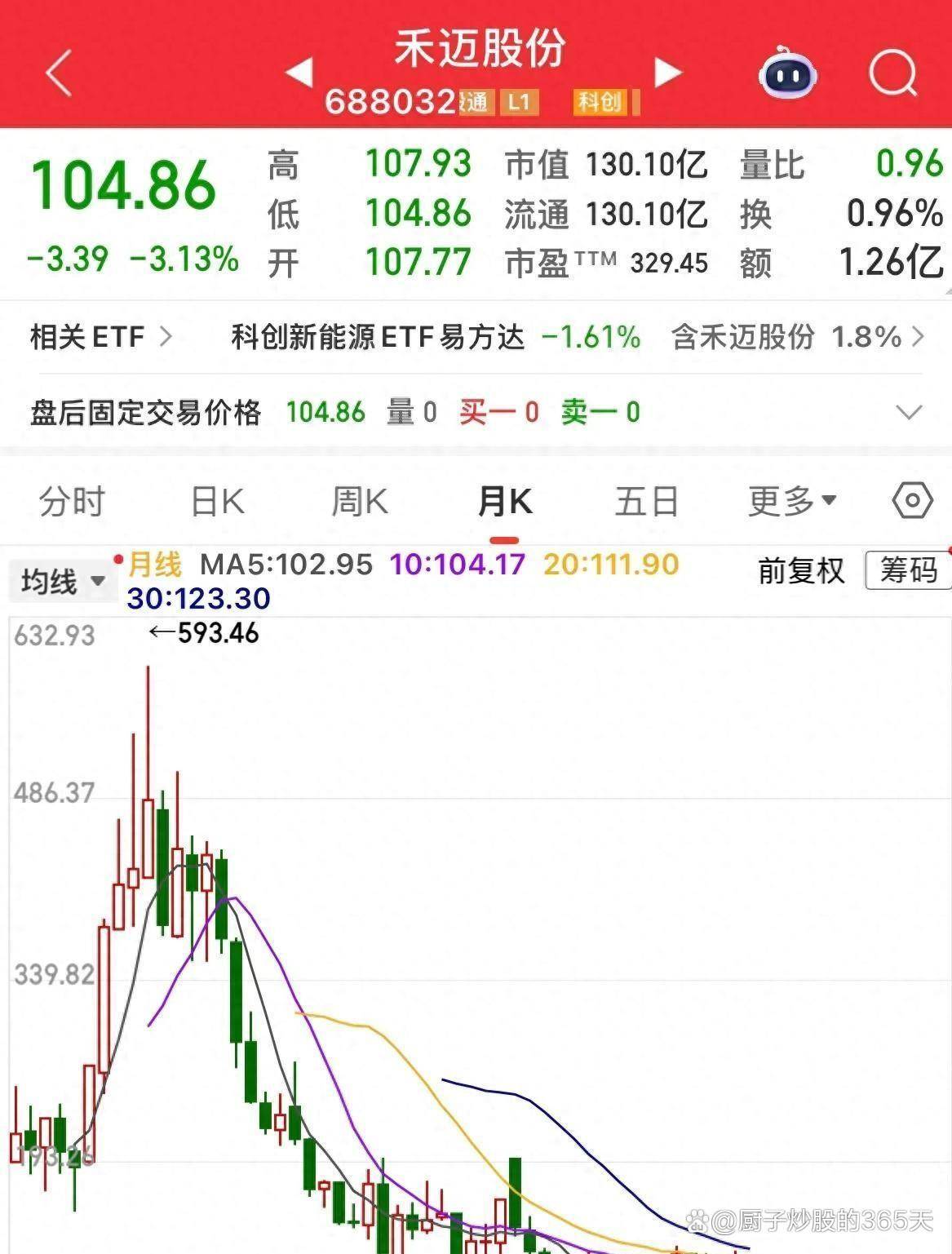
Core Viewpoint - The article discusses the significant decline in the stock prices of ten high-issue-price stocks in the A-share market, with seven of them falling below their issue prices, highlighting the risks associated with high valuations and market sentiment shifts [1][22]. Group 1: Stock Performance - Among the ten stocks, only Stone Technology, Naxin Micro, and BeiGene remain above their issue prices as of mid-February 2026 [6][8]. - The maximum decline from issue prices includes: - CanSino down 69.15% - Wanrun New Energy down 58.54% - Huabao New Energy down 54.93% - Yiqiao Shenzhou down 42.22% - Hemai down 32.82% - Foxit Software down 22.17% - Suocheng Technology down 12.83% [10]. - CanSino experienced a dramatic drop of 93% from its peak price of 797.20 yuan to 63.90 yuan [11][19]. Group 2: Company Backgrounds - Hemai, the highest issue price stock at 557.80 yuan, faced a significant decline after reaching a peak of 1877.43 yuan [12]. - Wanrun New Energy, listed at 299.88 yuan, never reached its issue price after its first day of trading [15]. - Yiqiao Shenzhou, with an issue price of 292.92 yuan, peaked at 353.83 yuan before falling to 73.38 yuan [16]. - CanSino, a COVID-19 vaccine stock, was listed at 209.71 yuan and peaked at 797.20 yuan before its decline [17]. Group 3: Market Conditions and Trends - The high issue prices were driven by market enthusiasm for sectors like hard technology, new energy, and biomedicine during the registration reform period from 2020 to 2023 [5][4]. - The overall market sentiment has shifted, leading to a decline in these stocks as the initial excitement waned [22]. - The article notes that the current new stock market shows a stark contrast, with a recent increase in participation and initial gains, but also warns of accumulating risks [24][26]. Group 4: Investment Implications - The high issue prices and P/E ratios of these stocks are no longer guarantees of company strength, but rather potential warning signs of investment risk [28]. - The article emphasizes that the era of easy profits from new stock subscriptions has ended, requiring more thorough research and disciplined investment strategies [27].


石头科技公布国际专利申请:“底座组件与清洁系统”
Sou Hu Cai Jing· 2026-02-13 21:59
Group 1 - The core point of the article is that Stone Technology (688169) has filed an international patent application for a "Base Component and Cleaning System," with the application number PCT/CN2025/112718, published internationally on February 12, 2026 [1] - Stone Technology has announced a total of 30 international patent applications this year, representing a 1400% increase compared to the same period last year [1] - In the first half of 2025, the company invested 685 million yuan in research and development, which is a year-on-year increase of 67.28% [1]

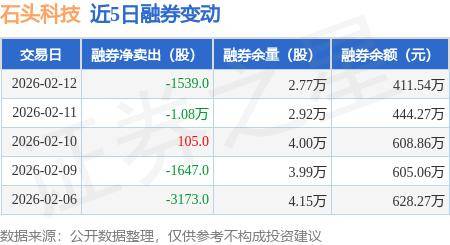
石头科技2月12日融资动态:融资净卖出943万 融券净买入1539股 余额7.98亿
Sou Hu Cai Jing· 2026-02-13 19:24
Core Viewpoint - The financing and securities lending dynamics of Stone Technology (688169) have shown a net outflow, indicating a divergence in market sentiment regarding the company's stock price movement [1][3]. Financing Summary - On the latest trading day, the company experienced a net outflow in financing, with investors buying 35.854 million yuan and repaying 45.2841 million yuan, resulting in a decrease of 9.4301 million yuan in financing balance, which settled at 794 million yuan [1]. - The total margin balance on that day was 798 million yuan, reflecting a decrease of 1.21% compared to the previous day [3][4]. Securities Lending Summary - The securities lending data showed a contrasting trend, with a net buy of 1,539 shares despite only 200 shares being sold on that day, indicating ongoing short-selling activities by some investors [2]. - The securities lending balance remained at 27,700 shares, with 11 out of the last 20 trading days showing net selling, suggesting persistent bearish sentiment among certain market participants [2]. Market Sentiment Analysis - The changes in financing and securities lending balances reflect a clear division in market participants' views on the company's stock price trajectory, with increasing financing balances typically seen as bullish signals and rising securities lending balances indicating strengthening short-selling pressure [3][4]. - Analysts note that the dual-directional capital flow changes may lead to increased stock price volatility, emphasizing the importance of considering fundamental company data and industry trends in investment decisions [4].
智能硬件公司觉得自己无所不能|TMT年度盘点
Jing Ji Guan Cha Wang· 2026-02-13 12:40
Core Insights - The technology and internet sectors are experiencing rapid changes in 2025, with companies aggressively competing in computing power and large model applications, while e-commerce is reshaping its foundations amidst regulatory pressures [2][3] - The era of easy financing through simple presentations is over; companies must demonstrate technological, commercial, and ecological advantages to survive in the TMT industry [3] Industry Dynamics - The smart hardware industry is characterized by a collective confidence among manufacturers, leading to innovations such as multifunctional cleaning robots and cross-industry expansions by companies like DJI and others [4][6] - The underlying logic for the explosive growth in the smart hardware sector is the urgent need for AI to find physical world applications, prompting a re-evaluation of all product categories in the AI era [5][6] Strategic Shifts - Major hardware companies are increasingly diversifying their product lines, with firms like DJI and others venturing into new markets, including automotive and robotics, reflecting a trend of "not sticking to one's main business" [6][7] - The competitive landscape is marked by a rush to establish ecosystems, with companies striving to integrate their core technologies into various electronic devices [6][7] Investment Trends - The influx of capital into the smart hardware sector is driven by a belief that hardware is essential for AI applications, leading to a surge in investments from various funding sources [8][9] - Startups emerging from established companies are attracting significant investment, with former employees of leading firms being particularly sought after for their experience and potential [8][9] Competitive Environment - The competition in the smart hardware industry has intensified, with companies employing unconventional strategies, including aggressive marketing tactics and patent disputes [10][11] - The market for smart rings and AI glasses has become saturated, leading to fierce price wars and diminishing profit margins, with some products seeing prices drop significantly [11]




家用电器行业双周研究观点:把握龙头α:治理提效和海外扩张-20260213
GF SECURITIES· 2026-02-13 12:01
Core Insights - The report emphasizes the importance of governance improvement and overseas expansion for leading companies in the home appliance industry, particularly in the white goods sector [2][11]. Group 1: White Goods - The governance improvements in leading white goods companies are expected to enhance market confidence in sustainable growth, which can lead to a higher valuation [16]. - Midea Group has experienced a significant valuation increase from a PE of 8x to over 20x due to governance reforms and market conditions, despite recent performance challenges [17]. - Haier Smart Home's privatization has led to a notable stock price increase, with a 59% rise following the announcement of its restructuring plan [22][23]. Group 2: Black Goods - Japanese brands like Sony and Samsung are facing significant challenges, with Sony's ET&S department reporting an 8.2% decline in revenue and a 22.6% drop in operating profit [47][49]. - Chinese brands are expected to continue gaining market share globally, with TCL Electronics forming a joint venture with Sony to enhance their market presence [48]. - The Mini LED segment is seeing increased penetration, with a 32.25% online market share, indicating a positive trend for domestic competition [50][56]. Group 3: Small Appliances - The robotic vacuum cleaner market has shown a 10% year-on-year increase in online sales, driven by a low base effect from the previous year and seasonal factors [7]. - The competitive landscape in the small appliance sector is improving, with leading brands like Ecovacs and Roborock increasing their market shares [7]. Group 4: Investment Recommendations - The report recommends investing in white goods companies like Midea Group, Haier Smart Home, Gree Electric, and Hisense Home Appliances due to their stable growth and high dividend yields [7]. - For black goods, TCL Electronics and Hisense Visual are highlighted as beneficiaries of product iteration and improved domestic competition [7]. - In the cleaning appliance sector, Ecovacs and Roborock are expected to see profit margin recovery in 2026, making them attractive investment options [7].



扫地机器人“鼻祖”谢幕,中国品牌占据C位
Qi Lu Wan Bao· 2026-02-13 11:30
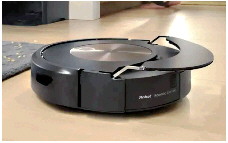
Core Viewpoint - The global smart cleaning industry is undergoing a historic transformation, with Chinese brands dominating the market following the decline of iRobot, the pioneer of robotic vacuum cleaners [1][6]. Group 1: Market Dynamics - iRobot, once holding over 80% market share at its peak, has seen its share plummet to 7.9% by Q3 2025, with total liabilities reaching $508 million and cash flow nearly depleted [1]. - Chinese brands such as Ecovacs, Roborock, and others have captured over 65% of the global market share, with significant presence in various regions, including the U.S. and Europe [2][6]. - The online sales revenue of China's robotic vacuum industry reached 16.6 billion yuan in the first ten months of 2025, marking a 17% year-on-year increase [2]. Group 2: Technological Advancements - The industry has evolved from basic cleaning functions to incorporating AI and embodied intelligence, allowing products to understand complex user intentions [3][4]. - Innovations such as the "active water roller" technology have addressed core cleaning issues, with the market for these products expected to exceed 80% share by 2026 [3]. Group 3: Cross-Industry Expansion - Chinese brands are transitioning from single cleaning device manufacturers to comprehensive smart ecosystem enterprises, with companies like Roborock and Ecovacs expanding into various home appliance categories [4][5]. - Roborock plans to launch a range of smart home products, including air conditioners and refrigerators, while Ecovacs is diversifying into window cleaning robots and air purifiers [5]. Group 4: Competitive Landscape - The entry of cross-industry players, such as DJI with its ROMO robotic vacuum, intensifies competition, indicating a shift from traditional home appliance logic to robotic logic [5][6]. - The ongoing competition is characterized by technological innovation and global capabilities, with Chinese brands leading in R&D investment and market adaptability [6].

整个社会都在喊没钱了,为什么这些公司反而年赚百亿?
创业家· 2026-02-13 10:10
Core Insights - The article discusses how certain industries are thriving despite a general perception of economic downturn, highlighting eight key sectors that present significant business opportunities in a low-desire society [3][4]. Group 1: Key Industries - **Second-Hand Economy**: The second-hand luxury market in Japan, represented by companies like Daikokuya, has seen a surge in revenue. In China, platforms like Hongbulin and Panghu are experiencing similar growth, indicating a shift in consumer spending towards second-hand goods [6][7][8][9]. - **Pet Economy**: With a decline in birth rates, young consumers are increasingly spending on pets, leading to significant growth in pet food and healthcare products. Companies like Inaba in Japan and Guobao in China are capitalizing on this trend [12][13][15][16]. - **Adult Care Products**: The adult diaper market in Japan has surpassed $10 billion, showcasing the potential of the aging population as a lucrative market segment [17][18][19]. - **Health Food and Beverages**: Changing demographics and rising health awareness have led to the growth of sugar-free beverages and functional foods in both Japan and China, with brands like Suntory and Dongpeng gaining traction [21][22]. - **Beauty and Aesthetic Products**: The demand for beauty products, including collagen supplements and at-home beauty devices, remains strong, indicating that consumers prioritize personal care even in economic downturns [23][24][26]. - **Outdoor Recreation**: Companies in the outdoor equipment sector, such as Snow Peak in Japan and various Chinese brands, are benefiting from increased interest in outdoor activities as a form of stress relief [29][31][32]. - **Convenience Economy**: The rise of frozen foods and smart home appliances reflects a shift towards convenience, with brands like Anjijia and Kewell seeing steady growth as consumers seek time-saving solutions [39][40][42]. - **Lazy Economy**: The trend of reduced cooking time among younger generations has led to a preference for ready-to-eat meals and smart appliances that automate household tasks, indicating a shift in consumer priorities [39][40][42]. Group 2: Market Dynamics - The article emphasizes that even in a low-desire economy, there are significant opportunities for those willing to invest in counter-cyclical sectors. Companies that can identify and act on these opportunities are likely to emerge as winners [44].




“扫地茅”石头科技去哪儿了
Xin Lang Cai Jing· 2026-02-11 11:13
Core Viewpoint - The article discusses the challenges faced by Stone Technology, a leading player in the robotic vacuum market, as it attempts to regain its former glory while navigating increased competition and financial difficulties. Company Overview - Stone Technology, once valued at nearly 100 billion yuan with a peak stock price of 1494.99 yuan per share in 2021, has seen its market capitalization drop to 39.4 billion yuan, a decline of over 50% [3][4][26][27]. - The company is attempting to diversify its revenue streams by entering the washing machine market and exploring opportunities in the electric vehicle sector, but these efforts have not yet yielded significant results [5][28][39][40]. Market Position and Competition - In the global robotic vacuum market, Stone Technology is currently ranked second with a market share of 23.69%, closely trailing behind Ecovacs, which holds 24.8% [8][31]. - The competition is intensifying, with new entrants like DJI and traditional appliance giants such as Midea and Haier entering the market, leveraging their supply chain advantages [8][31]. Financial Performance - For the first three quarters of 2025, Stone Technology reported revenue exceeding 12 billion yuan, a year-on-year increase of 72%, but its net profit fell by nearly 30% [10][33]. - The company's cash flow from operating activities turned negative for the first time since 2020, with a net cash flow of -1.06 billion yuan [10][33]. Marketing and Brand Strategy - Stone Technology's high marketing expenses have been a significant burden, with sales costs reaching 3.18 billion yuan in the first three quarters of 2025, a 103% increase year-on-year [11][34]. - The company is considering high-profile marketing strategies, such as sponsoring the CCTV Spring Festival Gala, to enhance brand visibility and consumer recognition [14][37]. Future Prospects - The company is exploring advanced robotic technologies, as demonstrated at CES 2025, where it showcased a new robot capable of navigating complex environments [20][43]. - However, the transition to more advanced robotics presents challenges, including higher costs and increased competition, raising concerns about the company's ability to maintain its competitive edge [21][44].
国联民生证券:家电板块2026年行情或值得期待 估值向上有空间
智通财经网· 2026-02-11 06:21
Group 1 - The core viewpoint of the report indicates that the home appliance sector is expected to experience a stable performance in 2026, with domestic demand stabilizing and external demand showing signs of improvement, despite the transitional year of national subsidy policies [1][2] - The report highlights that the home appliance sector's performance in 2026 may be promising due to upward expectations in fundamentals, easing trade tensions, and anticipated overseas interest rate cuts, which could lead to surprising performances from home appliance companies venturing abroad [1] - The report notes that the home appliance sector's relative valuation remains at historically low levels, with expectations for gradual improvement in fundamentals and upward potential in valuations as the value style warms up at the end of the year [2] Group 2 - The report recommends several leading companies in the home appliance sector, including Midea Group, Haier Smart Home, Hisense Home Appliances, and Gree Electric for their cost-performance advantages in white goods [2] - It also suggests focusing on Hisense Visual Technology for its comprehensive strength and steady improvement in market share and profitability in the color TV segment, while keeping an eye on TCL Electronics [2] - Additionally, the report recommends leading companies in the cleaning appliance sector, such as Roborock and Ecovacs, and kitchen appliance leaders like Boss Electric, Supor, and Bear Electric for their international expansion and product innovation strategies [2]


家电行业2025年报业绩前瞻:以旧换新催化延续,海外产能陆续达产出口链盈利改善
Shenwan Hongyuan Securities· 2026-02-10 09:31
Investment Rating - The report maintains a positive outlook on the home appliance industry, particularly for major players in the white goods sector, indicating a favorable investment environment for 2025 [3][5][6]. Core Insights - The home appliance sector is expected to benefit from the continuation of the "trade-in" policy and improvements in overseas production capacity, leading to enhanced profitability in the supply chain [2][5]. - The report highlights three main investment themes: 1. **Dividend**: Major white and black appliance companies are characterized by low valuations, high dividends, and stable growth, providing a high margin of safety and significant elasticity in stock prices [6][7]. 2. **Technology**: Core component manufacturers are transitioning into emerging tech fields such as robotics and semiconductor cooling, seeking cross-industry growth [7]. 3. **Export**: Recovery in export demand and sustained domestic sales of new products, particularly in the small appliance sector, are expected to drive growth [7]. Summary by Sections 1. White Goods and Components - In 2025, the air conditioning sector is projected to produce 195.37 million units, a 3% year-on-year decline, while sales are expected to reach 198.39 million units, down 1% year-on-year, with domestic sales increasing by 1% [5][13]. - The average price of white goods is declining due to high base effects from the trade-in policy, with air conditioning prices dropping by 13% year-on-year [23][24]. 2. Kitchen Appliances - The kitchen appliance sector is experiencing a recovery driven by real estate and trade-in policies, with online sales of range hoods and gas stoves increasing by 7.9% and 1.7% respectively in 2025 [33][34]. - Major companies like Boss Electric and Vatti are leveraging trade-in policies to boost sales, with Boss Electric maintaining a leading market share in range hoods [35][36]. 3. Small Appliances - The small appliance sector is seeing a revival due to the trade-in policy, with significant growth in cleaning appliances, although overall market consumption remains subdued [6][7]. - Companies like Roborock and Ecovacs are expected to benefit from high demand for new products, with projected revenue growth of 34% and 12% respectively in Q4 2025 [5][7]. 4. New Displays and Lighting - The emerging display sector is at a turning point, while the lighting industry is anticipated to see growth as it awaits market recovery [6][7]. - Companies like Hisense and OP Lighting are expected to experience revenue declines in Q4 2025, with projections of -10% and -2% respectively [6][7]. 5. Investment Highlights - The report recommends a combination of leading white goods companies such as Haier, Midea, and Gree, along with Hisense, as they are currently undervalued and offer stable growth prospects [6][7]. - The report also emphasizes the importance of component manufacturers adapting to new technologies and markets, with companies like Huaxiang and Sanhua expected to see significant growth in their respective sectors [7][29][30].


