TCL TECH.(000100)

Search documents
中国企业跻身奥运赞助商,日企缺席
日经中文网· 2026-02-15 08:06
Core Viewpoint - The Milan-Cortina 2026 Winter Olympics highlights the rise of Chinese technology companies, with Alibaba and TCL among the top sponsors, marking a shift away from Japanese corporate presence in this space [2][4]. Group 1: Sponsorship and Financial Aspects - Alibaba and TCL are among three Chinese companies that have secured top sponsorship roles for the Winter Olympics, with the total revenue from top sponsors expected to reach $3 billion from 2021 to 2024 [2]. - Each top sponsor is estimated to bear a cost of approximately 8 billion Japanese yen annually [2]. Group 2: Technological Contributions - Alibaba provides AI technology for event operations and broadcasting, including a global chat service and an AI assistant for staff, utilizing its AI model "Qwen" [8]. - The Winter Olympics will feature advanced imaging technology allowing for 360-degree replays in 17 sports, with AI capable of reconstructing footage in seconds [8]. - TCL has equipped the athletes' village with smart appliances and provided technical support for broadcasting, including televisions and monitors [8]. Group 3: Comparison with Japanese Companies - The article contrasts the rise of Chinese tech firms with the decline of Japanese companies, noting that Intel and Panasonic, which supported the Tokyo 2020 Olympics, have faced challenges and are exiting sponsorship roles after the Paris 2024 Olympics [5][8]. - The shift in sponsorship dynamics reflects a broader trend of diminishing influence of Japanese technology firms in the global market, particularly in the television industry [8].


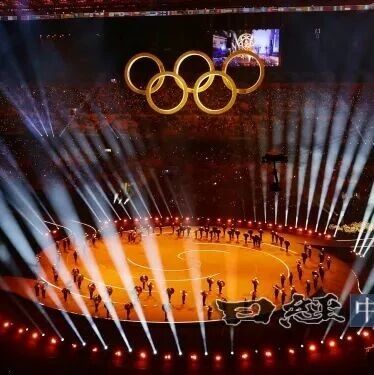
从米兰巨幅广告到快闪店,冬奥迎来史上最多中国顶级赞助商
第一财经· 2026-02-15 01:23
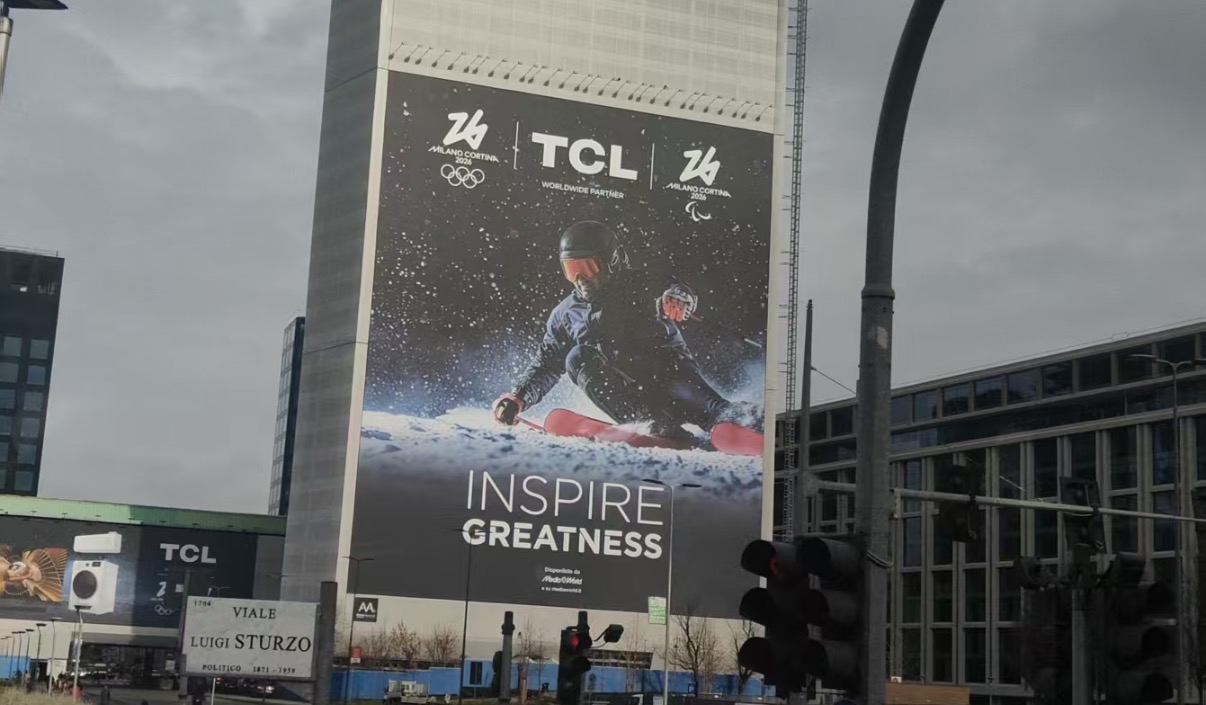
Core Viewpoint - The article highlights the significant presence and impact of Chinese brands as TOP sponsors at the Milan-Cortina Winter Olympics, showcasing the evolving landscape of sports marketing and sponsorship dynamics in the context of global sporting events [5][15]. Group 1: Sponsorship Landscape - The Milan-Cortina Winter Olympics features a record number of Chinese brands as TOP sponsors, with TCL, Alibaba, and Mengniu participating, marking the highest representation of Chinese sponsors in Olympic history [5][15]. - The TOP sponsorship program is crucial for the financial support of the Olympics, with companies paying over $300 million per cycle, contributing significantly to the International Olympic Committee's revenue [12]. - The article notes that the TOP sponsorship program has seen a shift in participants, with traditional sponsors like Panasonic and Toyota exiting, while new entrants like TCL and Budweiser are filling the gaps [17][18]. Group 2: Marketing and Brand Visibility - Major sponsors have utilized prominent advertising spaces in Milan, with TCL securing the largest outdoor billboard, showcasing their products alongside Olympic themes [7][10]. - The presence of sponsors extends beyond advertising, as they provide services and products within the Olympic Village, enhancing the experience for athletes and staff [10][11]. - The article emphasizes the importance of sports marketing for brand recognition, with TCL's market share in Italy growing by approximately 50% due to their Olympic sponsorship efforts [20]. Group 3: Technological Integration - The integration of new technologies, such as AI and cloud services, is highlighted as a key trend among sponsors, enhancing the viewing experience and operational efficiency during the Olympics [18][20]. - Alibaba's AI assistant and TCL's advanced display technologies are examples of how sponsors are leveraging innovation to improve engagement and service delivery at the event [11][18]. Group 4: Economic Impact and Market Strategy - The article discusses the economic implications of the Olympics for sponsors, noting that brands are seeking to expand their global presence through strategic marketing initiatives tied to the event [20]. - Companies like TCL are adapting their strategies to local market conditions in Italy, recognizing the diverse economic landscape and competitive environment [20].


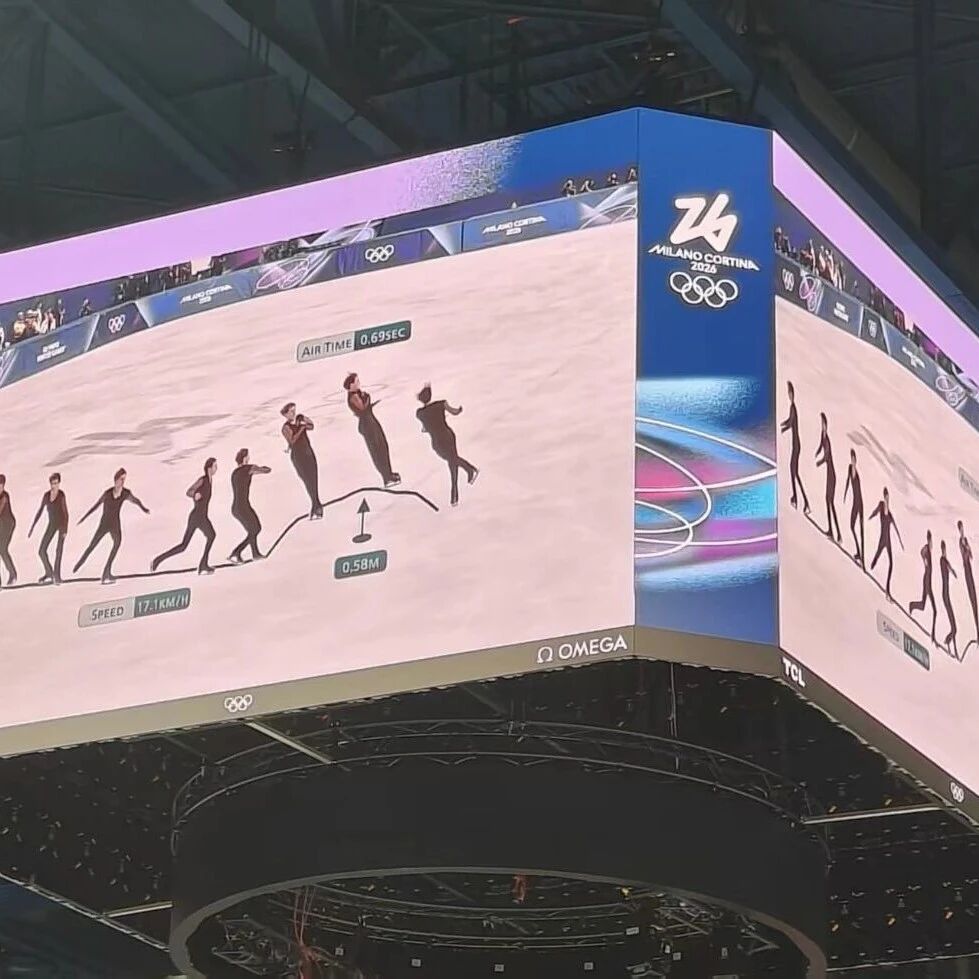
从米兰巨幅广告到快闪店 冬奥迎来史上最多中国顶级赞助商
Di Yi Cai Jing· 2026-02-14 23:49
Core Insights - The Milan-Cortina Winter Olympics is showcasing a strong presence of global brands, particularly Chinese sponsors, marking a significant moment in sports marketing [1][7]. Group 1: Sponsorship and Advertising - Major sponsors like TCL, Alibaba, and Coca-Cola are leveraging the Olympics for extensive advertising, with TCL securing the largest outdoor billboard in Milan [1][2]. - The city has transformed into a winter Olympics-themed venue, with advertisements from various sponsors visible in public spaces, including bus stops and tram bodies [2]. - The current Winter Olympics features 12 TOP sponsors, including three from China, highlighting the increasing influence of Chinese brands in global sports [3][7]. Group 2: Services and Products Provided by Sponsors - TOP sponsors are not only providing financial support but also services, such as TCL setting up a lounge in the Olympic Village equipped with their products [4]. - Other sponsors like Alibaba and Procter & Gamble are also providing unique experiences and products for athletes, enhancing the overall Olympic experience [4]. - The use of advanced technology, such as AI and cloud services, is evident in the broadcasting and event management, with Alibaba's AI assistant deployed for operational support [9]. Group 3: Economic Impact and Market Dynamics - The TOP sponsorship program is a significant revenue source for the International Olympic Committee, with companies paying over $300 million per cycle [6]. - The financial contributions from TOP sponsors are crucial for the organization and development of Olympic events globally [5]. - TCL's market share in Italy has grown by approximately 50%, indicating the effectiveness of sports marketing in enhancing brand recognition [10]. Group 4: Changes in Sponsorship Landscape - The upcoming Paris Olympics will see a shift in the sponsorship landscape, with several long-standing sponsors exiting the TOP program, creating opportunities for new entrants [8]. - The departure of traditional sponsors reflects a broader trend of industry transformation, with a focus on new technologies and market dynamics [8]. - The increasing presence of Chinese brands in the TOP sponsorship ranks signifies a shift in global commercial power within the Olympic framework [7].
从米兰巨幅广告到快闪店,冬奥迎来史上最多中国顶级赞助商
Di Yi Cai Jing· 2026-02-14 23:45
Core Insights - The Milan-Cortina Winter Olympics has become a significant platform for commercial competition among global brands, with a strong presence of sponsors in the city and at the events [1][3][12] Group 1: Sponsorship and Advertising - Major sponsors like TCL, Alibaba, and Coca-Cola are part of the Olympic Top Partners (TOP) program, with this edition featuring the highest number of Chinese brands as TOP sponsors [3][12] - The city of Milan has transformed into a Winter Olympics-themed venue, with prominent outdoor advertisements from sponsors like TCL and Samsung, showcasing their products alongside Olympic imagery [4][5] - The TOP program includes 12 sponsors, with significant representation from both Chinese and American companies, highlighting a shift in commercial power dynamics [5][12] Group 2: Brand Engagement and Experience - Sponsors have created interactive experiences for athletes and visitors, such as TCL's lounge in the Olympic Village featuring their products and Alibaba's interactive booth [6][8] - The use of advanced technology, including AI and cloud services, enhances the viewing experience and operational efficiency during the Olympics, with Alibaba and TCL playing key roles [14][16] Group 3: Financial Impact and Revenue - The TOP program is a crucial revenue source for the International Olympic Committee (IOC), contributing significantly to the funding of the Olympics and global sports development [8][9] - Historical data shows that the TOP program's revenue share has increased from 30% to 36% in recent Olympic cycles, indicating its growing importance [9] Group 4: Market Expansion and Strategy - Companies like TCL are leveraging the Olympics to expand their international market presence, particularly in Italy, where they have seen substantial growth in market share [16] - The competitive landscape is shifting, with traditional brands exiting the TOP program and new technology-focused companies gaining prominence, reflecting changes in consumer preferences and market dynamics [13][16]
TCL华星第8.6代印刷OLED产线主体建设已完成40%
WitsView睿智显示· 2026-02-14 05:40
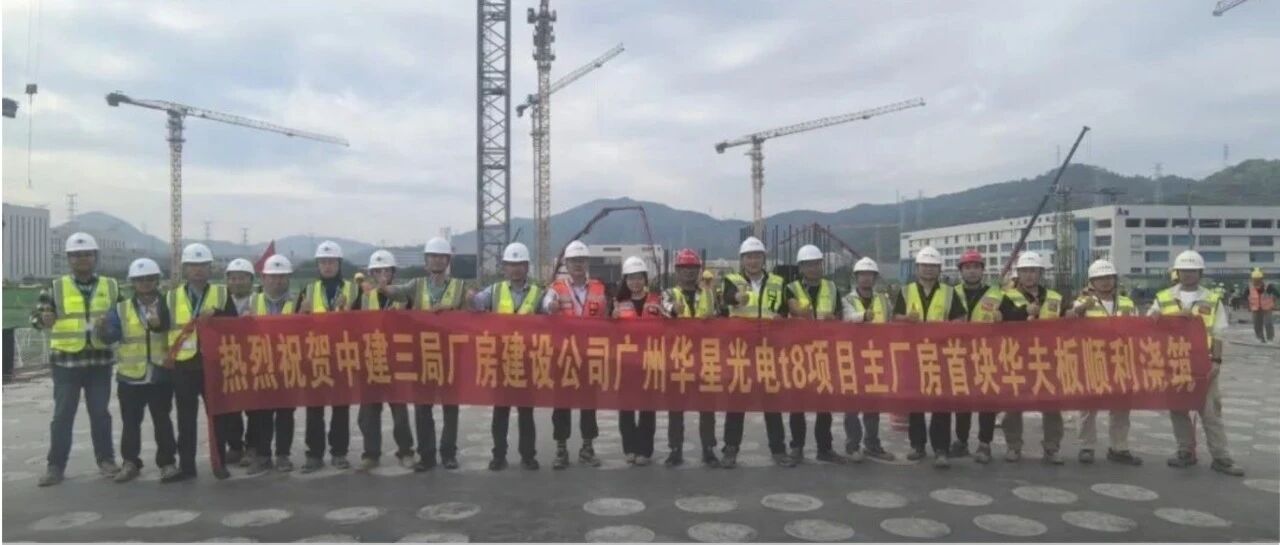
Group 1 - The T8 project by TCL Huaxing has completed 40% of its main construction, with a total investment of 29.5 billion RMB, focusing on the production of printed OLEDs for medium-sized displays [1] - The project is designed to process approximately 22,500 glass substrates per month, with initial applications in monitors, laptops, and tablets [1] - Key construction milestones have been achieved ahead of schedule, including the completion of the first waffle slab for L20 layer 20 days early and the first roof slab 40 days early [1] Group 2 - TCL Huaxing has initiated the equipment bidding process for the production line, with 17 items announced, including various types of printers and deposition machines [3] - The timing of the bidding suggests that equipment suppliers may have already been selected, indicating a strategic approach to project execution [4] - The T8 project is expected to shift the high-generation OLED technology landscape from a single technology route to a dual approach of printing and evaporation, enhancing China's competitive position in the global medium-sized OLED market [4]
米兰见证中国速度,TCL华星“一块好屏”点亮冬奥赛场
WitsView睿智显示· 2026-02-14 05:40
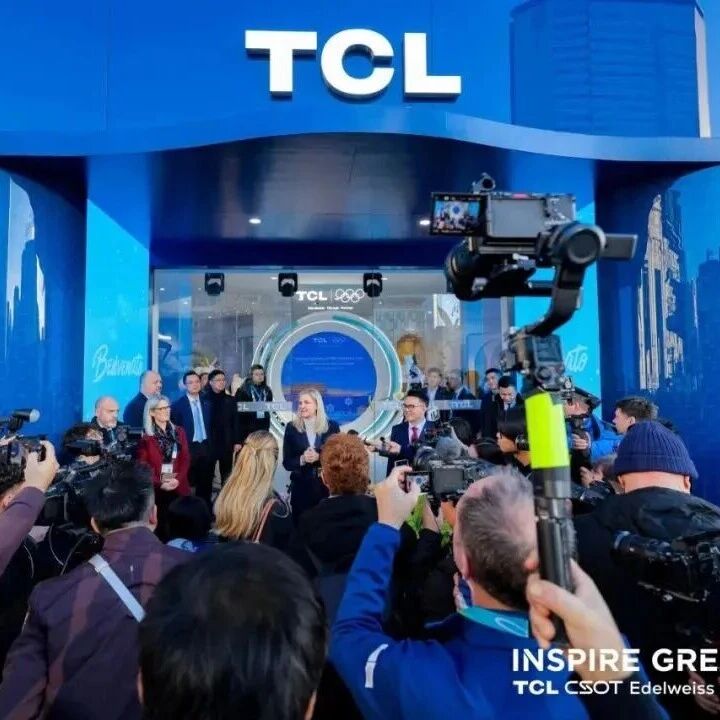
Core Viewpoint - The article highlights TCL Huaxing's innovative display technologies showcased at the "Snow Velvet Wonderland" exhibition during the Milan Winter Olympics, emphasizing their commitment to immersive viewing experiences, sustainability, and technological advancement in the display industry [3][20]. Group 1: Display Technology Innovations - TCL Huaxing utilizes XR immersive display technology to enhance the viewing experience, featuring products like the Varjo VR with a 3.59-inch 1512 PPI display and dual 8K screens, providing a realistic sense of presence [8][11]. - The exhibition includes a 27-inch 4K 120Hz desktop OLED display that captures fine details, and a foldable 28-inch OLED display that expands from 16 inches, catering to diverse viewing needs [12][14]. Group 2: Sustainability Efforts - TCL Huaxing's 85-inch ultra-low power display achieved European A-level energy efficiency certification, consuming only 1 kWh over three days in static mode, aligning with the green Olympics initiative [15][17]. - The exhibition features multi-size electronic paper displays with low standby power consumption, suitable for outdoor use, demonstrating the practical value of display technology in sustainable event management [15][17]. Group 3: Comprehensive Display Ecosystem - The display solutions provided by TCL Huaxing cover key areas of the Winter Olympics, including competition venues, broadcasting centers, and the Olympic Village, ensuring a cohesive display experience [18][20]. - The collaboration with global partners enhances the viewing experience and supports the promotion of the Winter Olympics, showcasing the importance of unity and cooperation in large-scale events [20][21].
中国厂商掌握6成日本电视市场
36氪· 2026-02-13 13:34
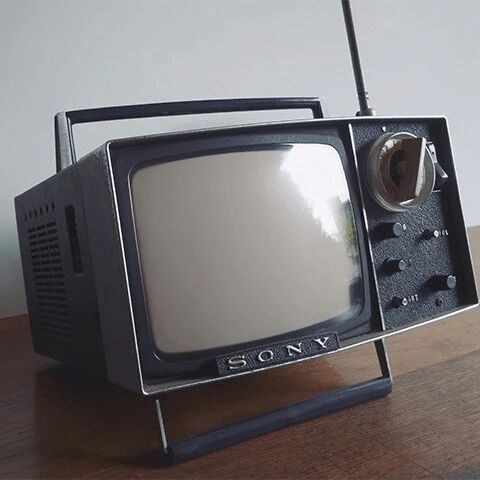
Core Viewpoint - The article discusses the significant shift in the Japanese television market, highlighting the increasing dominance of Chinese companies and the necessity for Japanese firms to adapt their business models as they retreat from the consumer electronics sector [4][5]. Group 1: Market Dynamics - Sony Group plans to divest its television business, transitioning it to a joint venture led by Chinese giant TCL, which will result in Chinese companies controlling 60% of the Japanese domestic television market by 2025 [5][6]. - REGZA, a brand associated with Toshiba, is primarily manufactured and sold by TVS REGZA, which is 95% owned by China's Hisense Group, indicating a significant shift in capital ownership within the market [5][6]. Group 2: Competitive Landscape - Chinese companies, such as TCL, are outperforming Japanese firms in pricing, with a 43-inch 4K LCD TV priced around 50,000 yen (approximately 2,257.55 RMB) compared to Sony's price of around 100,000 yen (approximately 4,515.1 RMB) [5]. - By 2025, if Sony's brand is fully integrated into the TCL-led joint venture, the Chinese market share in Japan's television sector is projected to reach 60% [6]. Group 3: Broader Implications - The global television market is increasingly dominated by companies like Samsung and LG, with Japanese firms losing their competitive edge [8]. - Panasonic is the only major Japanese company pursuing an independent strategy in the television sector, while others are considering divestment or restructuring [8][9]. - Japanese companies are shifting focus from hardware to digital services and infrastructure, as exemplified by Sony and Hitachi's transition to revenue models based on continuous service offerings [9].

广东第十个万亿赛道新进展:TCL华星t8项目智能厂房拔地而起
2 1 Shi Ji Jing Ji Bao Dao· 2026-02-13 09:33
Core Viewpoint - The T8 project by TCL Huaxing represents a significant advancement in the high-end OLED production industry, aiming to transform the global mid-size OLED market and enhance China's competitive edge in this sector [1][6]. Group 1: Project Overview - The T8 project, located in Guangzhou's Huangpu District, has a total investment of approximately 29.5 billion yuan and is expected to produce around 22,500 glass substrates monthly, focusing on applications in displays for monitors, laptops, and tablets [1][5]. - Construction of the T8 project began in October last year, with the main structure already 40% completed as of December [1][2]. Group 2: Construction Techniques - The construction of the T8 project involves high precision, with floor flatness requirements comparable to home tiling, allowing for a maximum deviation of only 2 millimeters over a 2-meter range [2]. - The construction team employs a "6 verification and 3 acceptance" method to ensure precision at every stage, from framework setup to concrete pouring [2][3]. Group 3: Industry Context - China currently holds 70% of the global LCD production capacity but remains behind in the high-end OLED market, which has been dominated by foreign companies due to technology and patent barriers [5][6]. - The T8 project is positioned to break this trend by establishing a leading position in the printed OLED technology, which is expected to reduce reliance on foreign equipment and patents [6][7]. Group 4: Economic Impact - Once operational, the T8 project is projected to generate over 10 billion yuan in annual revenue and significantly boost the upstream and downstream industries related to printed OLED materials and equipment [7]. - The project is part of a broader strategy to develop Guangdong's ultra-high-definition video industry, which aims to achieve an annual revenue of 1.08 trillion yuan by 2025, marking it as a key player in the global market [7][8].
MeetBrands 出海向新 | 带电品类成出海主力:家电的破局之道
3 6 Ke· 2026-02-13 04:12
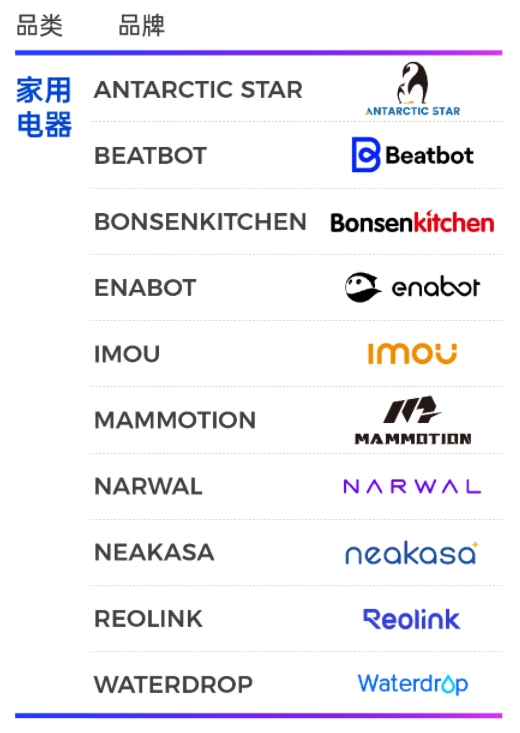
Core Insights - In 2024, China's home appliance export value is expected to exceed $100 billion for the first time, with an annual growth rate significantly higher than the global average, indicating strong growth momentum [1] - Approximately 20% of the brands listed in the 2025 Meet Brands report are from the home appliance category, reflecting a 6 percentage point increase from the previous year, highlighting the category's continued expansion in the overseas market [3] Industry Trends - The home appliance category is transitioning from a phase of "category expansion" to a refined competition stage focused on scenario understanding and product systems [5] - AI technology is becoming a key support for the home appliance category's overseas expansion, with products increasingly capable of autonomous environmental understanding and decision-making [6][7] - Home security management is becoming a new necessity for overseas households, with smart security appliances transitioning from optional to standard [11][12] Brand Development - Brands in the home appliance sector are moving towards a dual-driven model of software and hardware, focusing on a comprehensive evaluation of product performance rather than just hardware functionality [5] - The development focus for brands has shifted from single camera products to a more segmented approach that addresses various spaces and usage scenarios within the home [12][16] Marketing Challenges - New brands face challenges in building trust and educating users, as home appliances are durable goods that require consumer confidence before purchase [19] - The fragmented nature of media channels complicates customer acquisition, as consumers often need to compare and validate information across multiple platforms [20] - Many brands experience a disconnect between traffic acquisition and conversion due to mismatched content and presentation styles on their websites [21] Case Study - BeyondClick has successfully assisted TCL in optimizing its marketing strategy for the Black Friday shopping season in Spain, focusing on a multi-channel approach to enhance conversion efficiency [22][24]
800现金流ETF汇添富(563680)开盘跌1.42%
Xin Lang Cai Jing· 2026-02-13 01:41
Group 1 - The 800 Cash Flow ETF managed by Huatai-PineBridge opened at 1.317 yuan, experiencing a decline of 1.42% [1] - Major holdings in the ETF include China National Offshore Oil Corporation (CNOOC) down 2.93%, SAIC Motor Corporation down 0.14%, and China Aluminum Corporation down 1.82% [1] - The ETF's performance benchmark is the CSI 800 Free Cash Flow Index, with a return of 33.50% since its inception on April 30, 2025, and a return of 5.17% over the past month [1]