
Three Squirrels(300783)

Search documents
三只松鼠花名是“归属感”还是“洗脑”?员工眼中的两个世界
凤凰网财经· 2025-11-27 02:10
Core Viewpoint - The article discusses the recent controversy surrounding the use of "mouse names" at Three Squirrels, a practice that has sparked mixed reactions among employees and the public, highlighting the company's unique corporate culture while also revealing underlying performance issues [1][3][8]. Group 1: Employee Perspectives on Nickname Culture - Employees have divided opinions on the "nickname system," with some appreciating the separation of work and personal life it provides, while others find it uncomfortable and reminiscent of a "brainwashing" culture [4][7]. - A current employee expressed that using a nickname allows for a more relaxed work environment and diminishes hierarchical distinctions, while a former employee criticized the practice as excessive and detrimental to customer interactions [6][7]. - The acceptance of this corporate culture appears to correlate with job roles, personal values, and team dynamics, indicating a complex relationship between employee satisfaction and corporate identity [7]. Group 2: Financial Performance and Challenges - Three Squirrels reported a revenue of 7.76 billion yuan for the first three quarters of 2025, marking an 8.22% year-on-year increase, but the net profit attributable to shareholders plummeted by 52.91% to 1.61 billion yuan, indicating a significant decline in profitability despite revenue growth [8][9]. - The company's net profit was heavily reliant on government subsidies, with 988 million yuan coming from such sources, leading to a stark drop in the actual operating profit to 570 million yuan, down 78.57% year-on-year [8][10]. - The cash flow situation is concerning, with a net cash flow from operating activities of -506 million yuan, a drastic decline of 1690.52%, attributed to increased procurement expenses, and a significant rise in short-term loans [10]. Group 3: Market Position and Strategic Concerns - The brand's reliance on low pricing to attract traffic has created a cycle of diminishing brand value and profitability, as traditional e-commerce revenues have declined since 2020, despite temporary recoveries through new channels like Douyin [10]. - The lack of effective synergy between online and offline channels further complicates the company's growth strategy, emphasizing the need for a more sustainable business model that prioritizes product quality and employee respect over superficial branding practices [10].

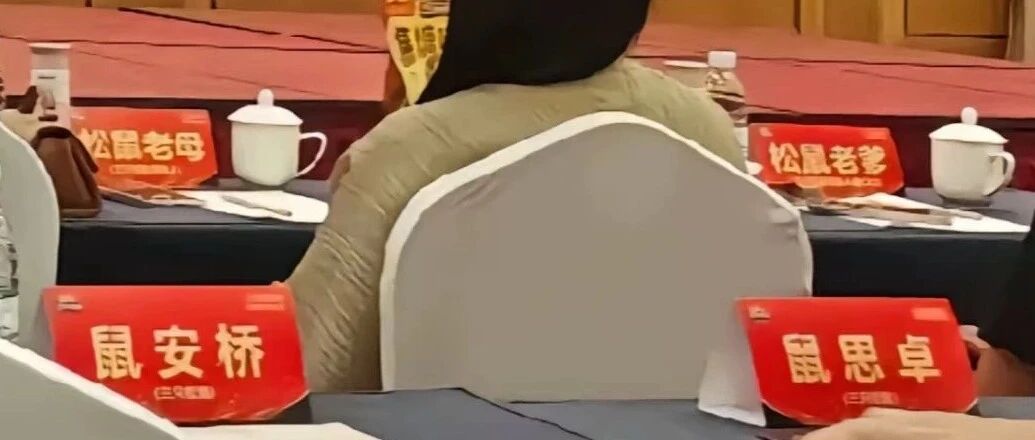
创始人叫“松鼠老爹”,员工叫“鼠某某” 专家:从“松鼠”到“鼠”恐造成品牌认知错乱
Mei Ri Jing Ji Xin Wen· 2025-11-26 10:03
Core Viewpoint - The company, Three Squirrels, has implemented a unique naming culture where employees adopt names starting with "鼠" (Shu), symbolizing a family-like atmosphere and enhancing team cohesion, although participation is voluntary [2][3]. Group 1: Company Culture - The practice of adopting "鼠" names is intended to create a friendly and cute brand image, fostering a sense of belonging among employees [3]. - The founder and CEO, known as "松鼠老爹" (Squirrel Dad), emphasizes that any cultural practice that resonates with employees and aligns with the company's values is beneficial [3]. - The company views itself as a family, encouraging members to contribute their best efforts, which reflects the internal culture [3]. Group 2: Brand Perception - There are concerns that the shift from "松鼠" (Squirrel) to "鼠" (Mouse) may confuse consumers, as it creates a disconnect between the brand's identity and the internal naming culture [4][5]. - The company has faced criticism for instances where return labels displayed "退货鼠" (Return Mouse), leading to perceptions of disrespect towards consumers [4]. - Experts suggest that the internal culture should not be directly promoted to consumers, as it may not align with brand values and could lead to misinterpretation [10]. Group 3: Industry Practices - The use of nicknames or "花名" is common in the tech industry, with companies like Alibaba and Tencent adopting unique naming conventions to foster a casual work environment [6][8]. - Other companies, such as Pinduoduo and NetEase, have also implemented creative naming practices that reflect their brand identities and corporate cultures [6][8]. - The effectiveness of such naming conventions depends on their alignment with the company's core culture and leadership style, as mismatched practices can lead to confusion and ineffective branding [10].
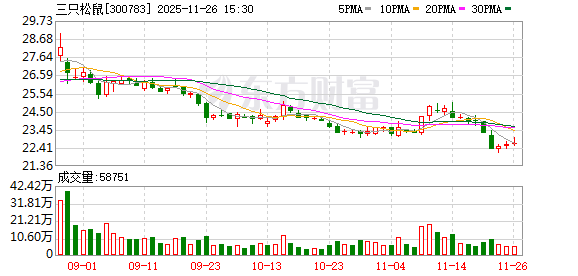
三只松鼠入职需改“鼠名”?律师:强制花名或触法律红线
Xin Lang Cai Jing· 2025-11-26 00:16
三只松鼠花名文化引热议 近日,一名网友在社交平台发布的照片显示,在一会议现场,每个座位都摆放着以"鼠"字开头的名牌, 如"松鼠老爹""松鼠老母"等,该帖子迅速引发关注,三只松鼠的花名文化也浮出水面。 近日,休闲食品企业三只松鼠的内部"花名制度"意外引发舆论热议。有网友在社交平台爆料,入职三只 松鼠后员工需以"鼠"字命名,仿佛"失去本名",客服还要叫消费者"主人" 。11月24日,三只松鼠工作人 员回应媒体称,公司确实有以"鼠"字作为名字前缀的文化,但并不是强制规定的。 从早期阿里巴巴的"风清扬""逍遥子"……到如今的"松鼠森林",花名成为新兴企业的一种文化标识。表 面上,这是"淡化层级、营造亲和氛围"的管理举措,但随着此次争议发酵,也引发了大众关于企业文 化、员工权益与法律边界的广泛讨论。 全员"鼠"姓、称消费者"主人" 在业绩方面,三只松鼠前三季度的营收为77.59亿元,同比增长8.22%;归属于上市公司股东的净利润为 1.61亿元,同比下降52.91%。今年4月,三只松鼠还向港交所递交招股书,若成功上市,其将成为国内 首个"A+H"双上市的零食品牌。 互联网公司花名文化成风 律师:强制花名或触法律红线 可 ...
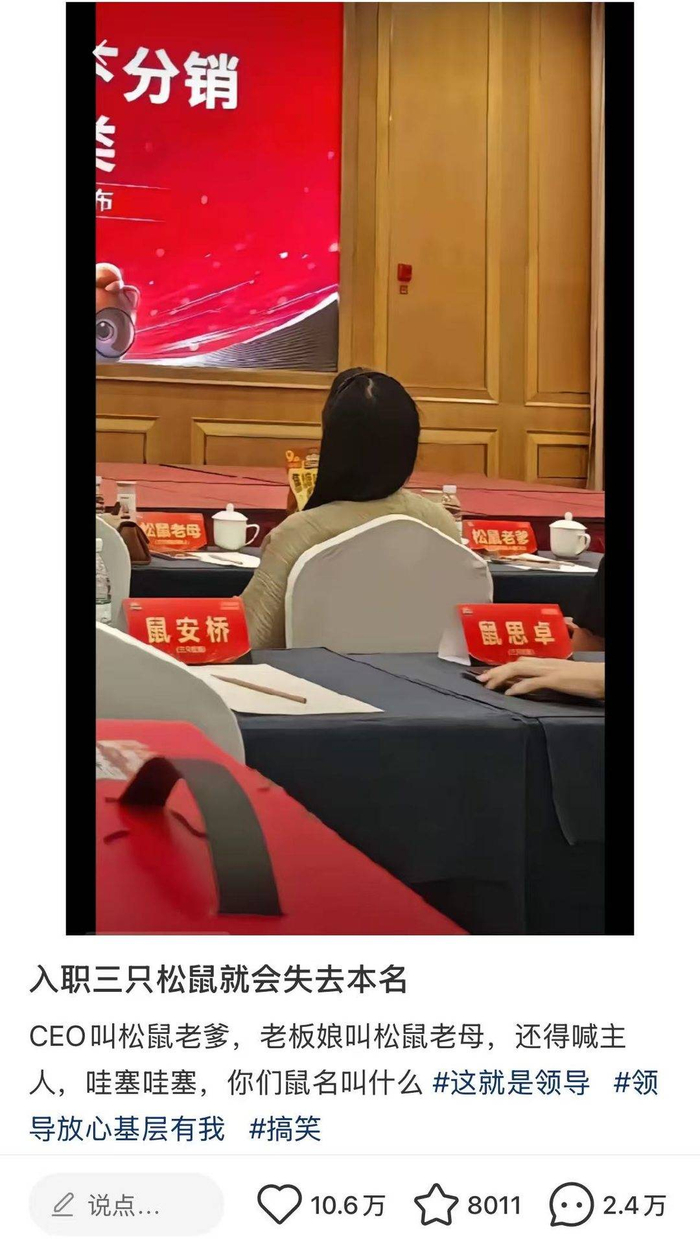
三只松鼠客服称员工入职改“鼠”名系由于企业文化,并非强制
Cai Jing Wang· 2025-11-25 14:15
Core Viewpoint - The recent controversy surrounding Three Squirrels (300783) involves employees changing their names to include the character "鼠" (meaning "squirrel"), which has sparked public discussion about the company's culture and branding [1] Company Culture - Three Squirrels has a cultural practice of using the character "鼠" as a prefix in employee names, which is intended to create a sense of warmth and cuteness, while also highlighting the brand's unique identity [1] - Customer service representatives from Three Squirrels confirmed that the name change is part of the company's culture and denied any claims of it being mandatory for employees [1]
比优特门店破百;沃尔玛南非开店;达美乐比萨CEO卸任
Sou Hu Cai Jing· 2025-11-25 12:02
Group 1: Retail Expansion and Market Positioning - Biyoute Supermarket has opened two new stores in Changchun, reaching a total of 101 stores, marking its entry into the "hundred-store era" [1] - The company aims for a sales target of nearly 7.4 billion yuan in 2024 and expects to surpass 10 billion yuan in 2025, positioning itself as a leading regional player in Northeast China [1] - Biyoute's strategy includes taking over several Carrefour and Yonghui stores in Northeast China to strengthen its market presence [1] Group 2: Brand Management and Consumer Relations - Fila China is facing backlash after a store employee was found to have made inappropriate remarks about customers in a member group, leading to a public relations issue [3] - The company has initiated an internal investigation and confirmed that the employee violated conduct guidelines, emphasizing the importance of consumer privacy and service quality [3] Group 3: International Market Entry - Walmart has opened its first store in South Africa, marking its entry into the African market, and will compete with local retailers by offering a 60-minute online delivery service [4] - The new store has created 80 jobs and partnered with 15 local small and medium enterprises, showcasing Walmart's commitment to local economic development [4] Group 4: Corporate Leadership Changes - Domino's Pizza Group announced the resignation of CEO Andrew Rennie, with COO Nicola Frampton stepping in as interim CEO while a successor is sought [6] - This leadership change may impact the company's strategic direction and operational efficiency in the competitive pizza market [6] Group 5: Legal and Brand Protection - Little Swan has initiated legal action against the counterfeit brand "Little Gull," emphasizing the importance of brand integrity and consumer protection in the appliance market [8] - The company is collaborating with regulatory authorities to investigate the infringement and has urged consumers to purchase through official channels [8] Group 6: Corporate Culture and Performance - Three Squirrels has responded to concerns about its unique corporate culture involving "mouse" surnames, clarifying that it is not mandatory and aims to foster a friendly atmosphere [10] - The company reported a revenue of 7.759 billion yuan for the first three quarters of the year, reflecting an 8.22% year-on-year growth, although net profit has declined by 52.91% to 161 million yuan [10] Group 7: Market Developments and Investments - Farmer Spring has established a sales company in Tibet, indicating its expansion strategy in new regions [15] - Dream Dragon Ice Cream Company plans to invest 50 million pounds (approximately 470 million yuan) to upgrade its Gloucester factory, aiming for a 50% increase in production by 2027 [20]




三只松鼠员工入职要改姓“鼠”?
盐财经· 2025-11-25 09:12
Core Viewpoint - The article discusses the unique naming culture at Three Squirrels, where employees adopt names starting with "Squirrel," reflecting the company's branding and internal culture [5][6]. Group 1: Company Culture - Three Squirrels has a culture where employees are encouraged to use names prefixed with "Squirrel," such as "Squirrel Dad" for the founder and "Squirrel Mom" for the CEO, creating a friendly and approachable atmosphere [5][6]. - This naming convention is not mandatory, as company representatives clarified that there are no repercussions for not adopting a "Squirrel" name [5][6]. Group 2: Recent Controversies - A recent incident involved a customer questioning the name "Return Squirrel" on a return label, which was perceived as having negative connotations. The company responded that this naming is part of their culture and not intended to offend [5][6]. - The founder, Zhang Liaoyuan, emphasized that if employees enjoy this naming practice and it aligns with the company's values, it contributes positively to the corporate culture [5][6]. Group 3: Company Performance - Three Squirrels, founded in 2012 and listed in 2019, has experienced significant revenue decline, with a reported revenue of 7.759 billion yuan for the first three quarters of the year, a year-on-year increase of 8.22%, but a net profit drop of 52.91% to 161 million yuan [6]. - As of November 24, the company's stock price was 22.46 yuan, with a market capitalization of 9.022 billion yuan [7].
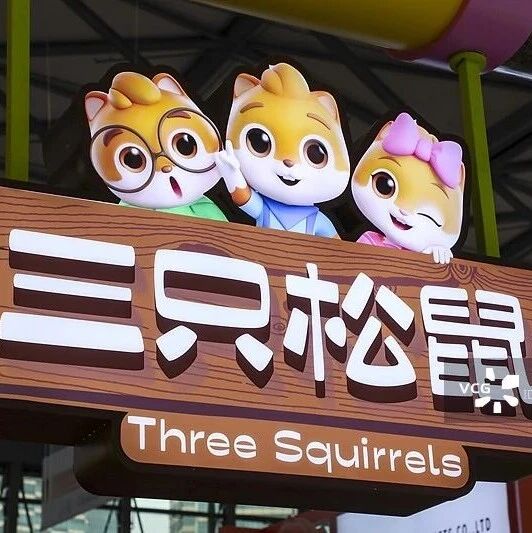
三只松鼠员工都改姓鼠引热议,公司已注册松鼠老爹商标
Yang Zi Wan Bao Wang· 2025-11-25 09:05
Company Culture - The company has a unique internal culture where employees adopt the prefix "鼠" (Shu) in their names, creating a sense of warmth and brand identity [2] - This naming practice is not mandatory; employees are informed about it upon joining and can choose to accept it without facing any consequences for opting out [2] Company Overview - Three Squirrels Co., Ltd. was established on February 16, 2012, with a registered capital of 401 million RMB [3] - The company operates in the food manufacturing industry and has a diverse business scope, including food production, retail of branded merchandise, and sales of self-owned brand and animated character products [3] Shareholder Information - The largest shareholder is Cao Xiangmo, holding 40.3% of the shares, followed by NICE GROWTH LIMITED with 2.15% [4] - Other notable shareholders include Anhui Meiyuan Investment Management Co., Ltd. and Anhui Songguo Investment Management Center (Limited Partnership) [4] Trademark Registration - The company has successfully registered multiple trademarks, including "松鼠老爹" (Squirrel Dad), covering categories such as convenience foods, daily chemical products, and jewelry [4]

冰箱都叫“鼠名”,三只松鼠的花名文化有多上头?
3 6 Ke· 2025-11-25 08:17
Core Viewpoint - The recent "mouse name" culture at Three Squirrels has sparked widespread discussion, with nearly every employee adopting a name containing the character "鼠" (mouse), including the CEO and the founder [1][21]. Group 1: Company Culture - The company has creatively integrated the mouse theme into various aspects of its culture, such as naming the office building "mouse nest" and using terms like "mouse fridge" for their appliances [7][8]. - Employees have adopted playful names like "mouse invoice" and "mouse wealth" for different roles, showcasing a humorous and engaging workplace environment [9][14]. - The founder and CEO, Zhang Liaoyuan, emphasized that the adoption of mouse names is voluntary and aims to foster a fun and collaborative corporate culture [21]. Group 2: Public Reception - The public response to the mouse name culture has been largely positive, with many finding it entertaining and engaging, reflecting a trend seen in other tech companies that utilize nickname cultures [23]. - However, there are concerns regarding the implications of using "鼠" (mouse) in names, as it may evoke negative connotations associated with rats, and some names could be misinterpreted [24][25]. - The company has taken steps to leverage this cultural phenomenon by promoting activities that allow the public to engage with their headquarters and learn more about their unique mouse culture [22].
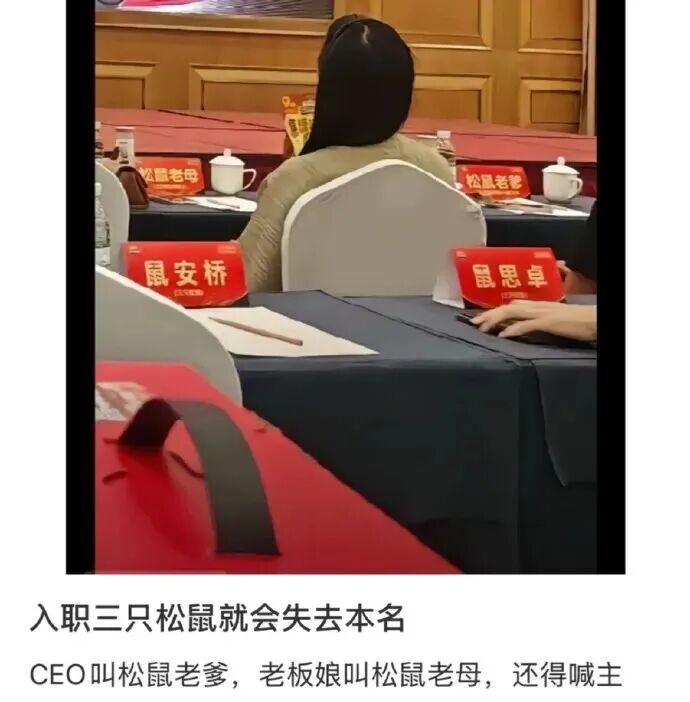
一财主播说 | 入职要姓“鼠”?三只松鼠:企业文化非强制 企业花名文化能否实践管理智慧?
Di Yi Cai Jing· 2025-11-25 07:56
Core Viewpoint - The recent controversy surrounding the practice of renaming employees with a prefix "鼠" (Squirrel) at Three Squirrels has sparked discussions about corporate culture and individual identity rights [1] Group 1: Company Culture - Three Squirrels has a cultural tradition of using the prefix "鼠" to enhance team cohesion and brand recognition, reflecting the company's playful and united characteristics [1] - The company clarified that this practice is not mandatory, and employees who choose not to participate will not face any penalties or workplace discrimination [1] Group 2: Industry Practices - The use of nicknames or pseudonyms in corporate culture is not unique to Three Squirrels, with other companies like Alibaba also adopting similar practices [1] - Experts in corporate culture suggest that linking employee names with brand symbols can theoretically enhance a sense of belonging and identity, but it may also create psychological pressure of being a "brand appendage" for employees [1]
员工入职要改成“鼠”姓?公司回应……网友炒翻
Huan Qiu Wang· 2025-11-25 06:10
Core Viewpoint - The recent social media discussion regarding the practice at Three Squirrels Co., Ltd. where employees adopt names starting with "Shu" (鼠) has sparked significant public interest and debate about corporate culture and employee identity [1][9]. Group 1: Company Culture - Three Squirrels has a cultural practice where employees are encouraged to use names prefixed with "Shu," which the company believes fosters a sense of closeness and brand identity [9]. - The company's founder and CEO, Zhang Liaoyuan, stated that if employees willingly accept this naming convention and it aligns with the company's values, it contributes positively to the corporate culture [9]. - This is not the first time the company's naming culture has attracted attention; a recent incident involved a customer questioning the name "Tuihuo Shu" (退货鼠) used for returns, which was perceived negatively [11]. Group 2: Employee Perspectives - Some employees and commentators find the practice amusing and engaging, while others express discomfort with the idea of losing their original names [5][7]. - Concerns have been raised about the potential for this naming convention to become a form of "soft coercion," despite the company's assertion that participation is voluntary [6][12]. - Legal experts indicate that as long as the practice is not enforced and does not infringe on employees' rights, it is generally considered lawful [12]. Group 3: Broader Implications - The implementation of such naming conventions is not unique to Three Squirrels; other companies like Alibaba and Pinduoduo have similar practices, reflecting a trend in corporate culture [13]. - There is a need for companies to balance internal cultural initiatives with external perceptions, as societal understanding may not always align with internal practices [13][14]. - Companies should be cautious to avoid misinterpretations and ensure that such cultural practices do not create inequality among employees [14].
