Three Squirrels(300783)

Search documents
三只松鼠(300783.SZ):坚定贯彻“高端性价比”总战略,向品质化和差异化持续升级
Ge Long Hui· 2026-02-12 07:40
Core Viewpoint - The company is committed to its "high-end cost performance" strategy and is continuously upgrading towards quality and differentiation, despite facing profit declines due to structural issues in the sales season and rising raw material prices [1] Group 1: Strategic Focus - The company is focusing on community retail opportunities by launching a new store model called "Lifestyle Hall" with a full range of proprietary brands [1] - The company is actively optimizing its sales structure by refining traditional store types, integrating channel resources, and reducing inefficient product categories [1] Group 2: Financial Performance - Profit decline is attributed to the structural misalignment during the 2025 sales peak season and significant increases in nut raw material prices [1] - The company is closely monitoring market fluctuations in its stock price and aims to balance corporate value and market capitalization through steady operations and high-quality development [1]

三只松鼠(300783.SZ):公司高度重视智能制造与自动化升级
Ge Long Hui· 2026-02-12 07:40
Core Viewpoint - The company emphasizes the importance of smart manufacturing and automation upgrades in its production processes, particularly for core products like nuts, to enhance production efficiency and product stability [1] Group 1: Smart Manufacturing and Automation - The company has widely implemented automated equipment in the production lines of its core products, which has effectively improved production efficiency and product stability [1] - The automation efforts strengthen the company's quality control capabilities, providing solid supply chain support for its high-end cost-performance strategy [1] - The company plans to continue advancing its smart manufacturing initiatives to further enhance operational efficiency and core competitiveness [1]
坚果礼盒坚果占比仅三成?三只松鼠、良品铺子、百草味被批注水
Sou Hu Cai Jing· 2026-02-10 09:36
Core Insights - The article highlights the issue of misleading packaging in nut gift boxes, where the actual nut content is significantly lower than advertised, leading to consumer dissatisfaction and potential brand trust erosion [1][2][3] Group 1: Misleading Packaging Practices - Many well-known brands, such as Baicaowei and Three Squirrels, are selling nut gift boxes where the nut content is less than 50% of the total weight, with some boxes containing as little as 33 grams of nuts in a package labeled as 958 grams [1] - The use of vague descriptions like "8 items over 4 pounds" or "10 items over 2.5 pounds" misleads consumers into thinking the boxes contain mostly nuts, while in reality, they include various snacks and beverages [1][2] Group 2: Consumer Impact and Reactions - Consumers are expressing frustration over the perceived value of these products, with some humorously suggesting that the low-cost gift boxes are suitable for "plastic relatives" [3] - The article suggests that consumers should be vigilant when purchasing, advising them to check product specifications carefully and to prefer options labeled as "pure nuts" to avoid being misled [3]

中国银河证券:食饮行业供需关系有望改善 看好价格修复相关机会
Zhi Tong Cai Jing· 2026-02-10 04:06
Core Viewpoint - The food and beverage industry is expected to see improvements in supply and demand dynamics across multiple sub-sectors by 2026, with a clearer recovery trend in CPI, indicating sustained new consumption but with internal rotations. Traditional consumption sectors benefiting from CPI recovery are anticipated to experience bottom improvements, particularly in the mass consumer goods and liquor sectors [1] Group 1: CPI and PPI Trends - The CPI turned positive for the first time in October 2025, showing a month-on-month improvement with November and December CPI at +0.7% and +0.8% respectively, while food CPI was +0.2% and +1.1% [1] - Fresh vegetable and fruit prices have seen significant increases, with November and December fresh vegetable CPI at +14.5% and +18.2%, and fresh fruit CPI at +0.7% and +4.4% [1] - The decline in prices for grains, edible oils, and livestock has narrowed, with November and December grain CPI at -0.4% and -0.3%, edible oil CPI at -1.2% and -1.0%, and livestock CPI at -6.6% and -6.1% [1] Group 2: Liquor Sector Insights - The price of Feitian Moutai has shown signs of recovery, with prices for whole boxes and individual bottles at 1710 and 1660 yuan respectively, reflecting increases of 30 yuan and 10 yuan since January 31 [2] - The demand for liquor is strong due to festive consumption, and the recent price drop has activated potential consumers, leading to improved sales [2] - Moutai's supply chain adjustments and channel reforms are effectively supporting the price stability of its products [2] Group 3: Dairy Industry Developments - The average price of fresh milk in major production areas was 3.04 yuan/kg as of January 29, showing a year-on-year decrease of 2.9% but a month-on-month increase of 0.3%, indicating a strong bottoming signal [3] - The dairy price is expected to enter an upward trend in 2026 due to supply-side adjustments and improved demand driven by demographic policies and product upgrades [3] Group 4: Consumer Goods Price Movements - The frozen food sector is nearing a competitive bottom, with potential demand recovery in 2026 expected to drive fundamental improvements [4] - Leading company Anjijia has begun to recover some promotional policies, which may lead to profit recovery [4] - Three squirrels have raised the ex-factory prices of certain nut gift products, which may alleviate pressures from rising raw material and transportation costs, improving profitability [4]

食品饮料行业点评报告:供需关系有望改善,看好价格修复相关机会
Yin He Zheng Quan· 2026-02-10 03:19
Investment Rating - The report maintains a "Recommended" rating for the food and beverage industry [1] Core Viewpoints - The supply-demand relationship is expected to improve, with a focus on investment opportunities related to CPI recovery [5] - CPI has shown a positive growth trend since October 2025, with food CPI also reflecting improvements [5] - The report highlights specific sectors such as liquor, dairy, and consumer goods that are poised for recovery [12][14][15] Summary by Sections Supply-Demand Relationship and CPI Recovery - PPI transmission combined with consumer recovery is likely to sustain the CPI improvement trend, with CPI growth recorded at +0.7% in November and +0.8% in December 2025 [5] - Food CPI showed a year-on-year increase of +0.2% in November and +1.1% in December, with fresh vegetable prices rising significantly [5][11] - The report anticipates that the CPI recovery will continue into 2026, driven by PPI improvements and supportive domestic demand policies [5] Sector-Specific Insights - **Liquor**: The price of Feitian Moutai has rebounded, with prices reaching 1710 RMB for whole boxes and 1660 RMB for individual bottles as of February 8, 2026, indicating strong demand during the Spring Festival [12][14] - **Dairy**: The average price of fresh milk has stabilized around 3.04 RMB per kilogram, with expectations for upward movement in 2026 due to supply adjustments and improved demand from demographic policies [14] - **Consumer Goods**: Prices for certain products, such as frozen foods and snacks, are beginning to recover, with companies like Anjijia adjusting promotional strategies to enhance profitability [15] Investment Recommendations - The report suggests focusing on companies within the consumer goods sector, including Dongpeng Beverage, Nongfu Spring, and others, as well as key players in the liquor sector like Guizhou Moutai and Shanxi Fenjiu [21]





2026年1月飞瓜快手直播电商月报
Fei Gua Shu Ju· 2026-02-09 09:05
Investment Rating - The report does not explicitly provide an investment rating for the industry Core Insights - The January e-commerce data shows a significant increase in sales and promotional heat, driven by the successful New Year shopping festival, which has injected strong momentum into the market [5][58] - Various product categories, particularly in food and beverages, have experienced high growth rates, indicating a robust consumer demand during the festive season [14][27] Summary by Sections January E-commerce Data Review - The sales heat increased by 1.87% and promotional heat by 0.91% compared to December [5] - The New Year shopping festival, starting on January 15, successfully stimulated consumer purchasing behavior, leading to multiple sales peaks throughout the month [5] Industry Marketing Situation - The food and beverage sector saw a surge in consumer interest, with gift box products becoming a market focal point [14] - Key high-growth categories included snacks, beverages, and alcoholic drinks, with specific products like nuts and chocolates leading the sales [10][25][29] January Category Sales Overview - The sales heat for nuts and snacks grew by 286.58%, with promotional heat increasing by 32.96% [20] - The beverage category saw substantial growth, particularly in fruit juices and carbonated drinks, with some segments experiencing over 600% growth [27] February E-commerce Trend Forecast - Key marketing dates for February include Valentine's Day and the Spring Festival, with brands encouraged to launch themed products and promotions [41][45] - The report highlights the importance of targeting family gatherings and gifting needs during the festive season to drive sales [48] Monthly Rankings - The report includes a sales ranking of brands across various categories, with notable mentions in jewelry, clothing, and food products, indicating strong market competition [62][64][66]



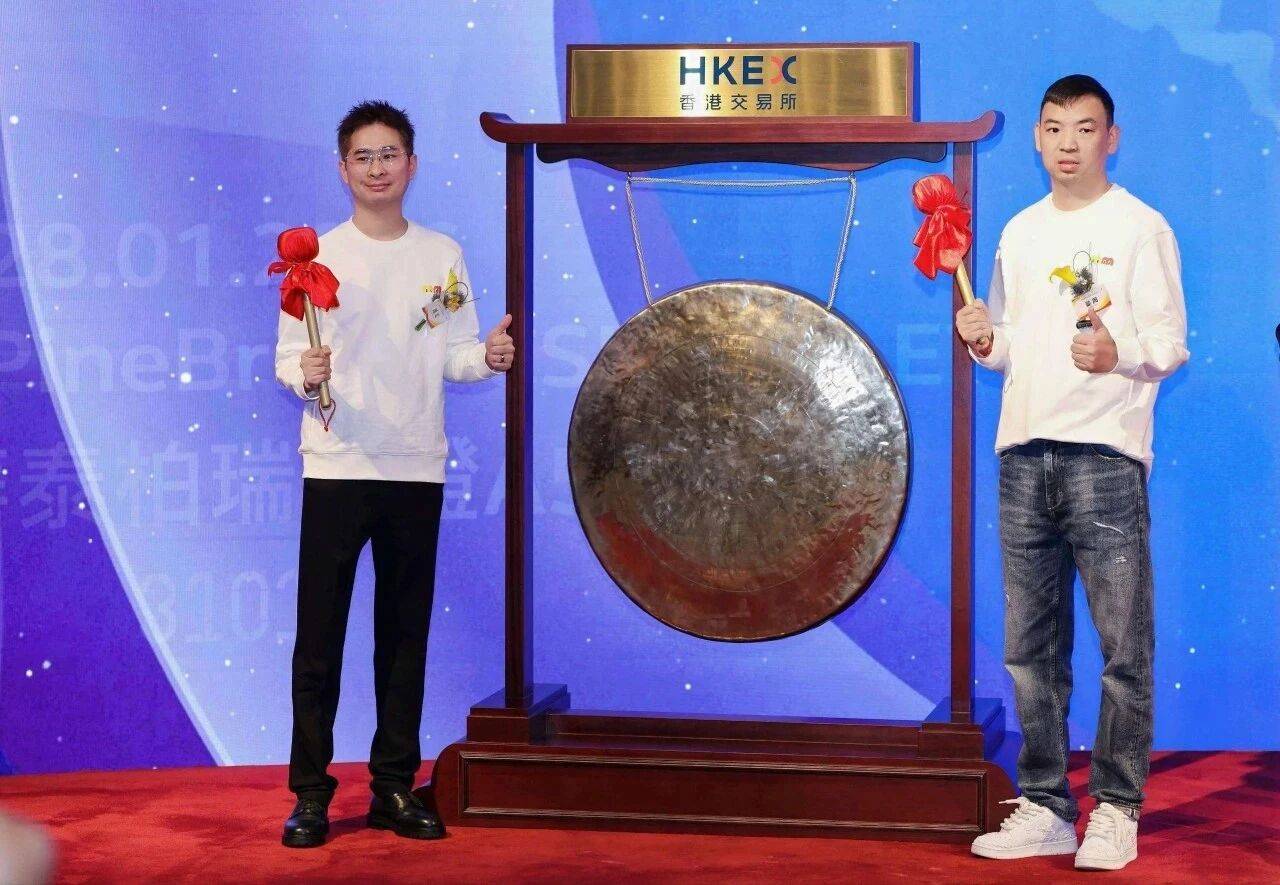
市值875亿!零食很忙港交所上市,开盘暴涨88.88%,碾压三只松鼠、卫龙登顶赛道
Sou Hu Cai Jing· 2026-02-09 01:58
Core Viewpoint - The successful IPO of "Snacks Are Busy" marks a significant milestone in the Chinese snack industry, reflecting the market's recognition of the bulk snack retail model and its rapid growth potential [1][4][12]. Group 1: Company Performance - "Snacks Are Busy" debuted on the Hong Kong Stock Exchange at a price of 445 HKD, a substantial increase of 88.88% from its issue price, resulting in a market capitalization exceeding 952.75 billion HKD (approximately 875 billion RMB) [1]. - The company achieved a GMV (Gross Merchandise Volume) of 661 billion RMB in the first three quarters of 2025, positioning it as the largest leisure food chain retailer in China [4][10]. - From 2022 to 2024, the number of stores increased from 1,902 to 14,394, with revenue rising from 4.286 billion RMB to 39.344 billion RMB, reflecting a compound annual growth rate of 203% [10]. Group 2: Market Trends - The rise of the bulk snack model is reshaping the competitive landscape of the snack industry, with bulk snack stores capturing 37% of the market share in 2024, surpassing traditional supermarkets (22%) and e-commerce platforms (20%) [8]. - Approximately 80% of snack sales in China still occur through offline channels, highlighting the importance of bulk snack stores in the retail landscape [8]. Group 3: Competitive Landscape - The competitive environment is intensifying, with "Snacks Are Busy" facing challenges from rivals like Wanchen Group, which has over 15,000 stores and reported a revenue of 36.562 billion RMB in the first three quarters of 2025 [12]. - Both companies are expanding their product categories to include non-snack items, indicating a shift towards broader retail strategies [12]. Group 4: Operational Strategy - "Snacks Are Busy" employs a unique franchise model where 99.5% of revenue comes from product sales, minimizing franchise fees and enhancing franchisee engagement [11]. - The company has established a logistics network with 36 warehouses, reducing inventory turnover days to 11.6 days and ensuring standardized operations across stores [11]. Group 5: Challenges Ahead - Despite rapid growth, the company faces challenges such as increasing competition and pressure on profit margins, with gross margins fluctuating between 7.5% and 9.7% and net margins at 3.4% [12][14]. - The expansion rate of stores has significantly slowed, dropping from 246.21% to 46.02% between 2023 and 2025, indicating potential difficulties in sustaining growth [14]. Group 6: Future Outlook - The overall market for food and beverage retail in China is projected to grow from 7.1 trillion RMB in 2024 to 8.7 trillion RMB by 2029, with a compound annual growth rate of only 4.3% [16]. - "Snacks Are Busy" aims to address sustainability in its low-margin model and manage the complexities of expanding into new product categories, which will be crucial for its long-term success [16].

三只松鼠:目前公司正处于战略深化的关键阶段,围绕“高端性价比”长期战略
Zheng Quan Ri Bao Zhi Sheng· 2026-02-06 14:10
Core Viewpoint - The company is currently in a critical phase of strategic deepening, focusing on a long-term strategy of "high-end cost performance" while restructuring its product structure, channel system, and supply chain efficiency [1] Group 1: Strategic Initiatives - The company is planning a Hong Kong stock issuance to support key investments in global supply chain layout, offline channel expansion, and digital capability development [1] - The issuance aims to optimize the capital structure, enhancing financing flexibility and capital efficiency [1]
三只松鼠:公司坚定贯彻“高端性价比”总战略,并向品质化和差异化持续升级
Zheng Quan Ri Bao Zhi Sheng· 2026-02-06 12:07
Group 1 - The company is committed to a "high-end cost-performance" strategy and is continuously upgrading towards quality and differentiation [1] - Profit decline is attributed to structural misalignment during the 2025 sales peak season, significant increases in nut raw material prices, and proactive adjustments in sales structure, including optimizing traditional store types, integrating channel resources, and reducing inefficient product categories [1] - The company is seizing opportunities in the community retail sector by launching a new store model called "Lifestyle Pavilion," which features a full range of proprietary brands, aimed at promoting long-term high-quality development [1]
休闲零食春节档:坚果礼盒热卖,量贩装礼包“抢跑” 生产企业全力开工保供应
Xin Lang Cai Jing· 2026-02-06 06:56
Core Viewpoint - The upcoming Spring Festival is driving a surge in sales for leisure snacks, with strong demand for gift boxes and bulk snack packages, although the industry faces intense competition and cost pressures [1][5][6] Group 1: Sales Trends - Sales of gift boxes are booming, particularly for brands like Three Squirrels and Qiaqia Foods, with prices around 50 to 290 yuan [1][2] - Recent data indicates that the sales of "snack gift boxes" exceeded 1 billion yuan in the last 30 days, with core categories like "mountain walnuts/nuts/roasted goods" accounting for over 51.6% of sales [2][6] - Bulk snack packages are gaining popularity, with brands like Yanjinpuzi and Jinzhai Foods seeing strong sales ahead of traditional gift box sales [2][4] Group 2: Production and Supply Chain - Companies are ramping up production to meet demand, with Jinzhai Foods reporting a daily production capacity exceeding 10 million packages [4] - The industry is actively ensuring stable supply through sales forecasts and pre-fulfillment strategies, particularly for high-demand categories like gift boxes and nuts [4][5] Group 3: Pricing and Cost Pressures - Despite strong sales, companies are cautious about raising prices due to competitive pressures and rising raw material costs, which are impacting profit margins [5][6] - Three Squirrels and Qiaqia Foods have both projected significant declines in net profit for the year, attributed to increased raw material prices and structural changes in sales [5] - The industry is exploring upstream strategies to mitigate the impact of raw material price fluctuations, such as Qiaqia Foods' trial planting of sunflower seeds overseas [5] Group 4: Market Outlook - Analysts are optimistic about the first quarter, expecting double-digit revenue growth for many snack brands due to the favorable timing of the Spring Festival and returning consumer traffic [6]