
BABA(BABA)

Search documents
传媒行业2026年度策略报告:Agent定义入口,AIGC重塑供给:AI时代的流量分发重构与内容产能爆发-20260109
Xinda Securities· 2026-01-09 06:34
Core Insights - The report emphasizes that in 2026, the media internet sector will undergo a dual reconstruction driven by the transition from AI as a "technical infrastructure" to "application deep water zone," focusing on entry form migration, distribution rule repricing, and supply-side capacity explosion [1][11] - AI Agents are set to replace traditional apps as the new super entry point, shifting the traffic distribution logic from "time capture" to "efficient execution" [1][12] - AIGC (AI-Generated Content) is expected to lead to a significant increase in content production capacity, with zero marginal cost production becoming a reality, thus redefining the value of quality data and IP [1][11] Group 1: AI Agents and Traffic Distribution - AI Agents signify a generational leap in human-computer interaction, evolving from GUI to IUI, fundamentally changing the traffic distribution logic [1][12] - The traditional "click-jump" model is being replaced by a "dialogue-execute" paradigm, where AI Agents understand user intent and execute tasks across applications [1][12] - The emergence of AI Agents is expected to create a new operational layer that could potentially replace single apps as the primary distribution entry point [1][12][19] Group 2: AIGC and Content Supply - AIGC is anticipated to transition from a phase of "cost reduction and efficiency enhancement" to a "new demand creation" explosion by 2026, significantly increasing content supply [1][41] - The production barriers for video, 3D, and gaming assets are expected to lower drastically, leading to a surge in content supply and a devaluation of mediocre content [1][41] - Content consumption is evolving from passive viewing to active engagement, with new formats like "generative interactive dramas" and "AI companion games" emerging [1][43] Group 3: Investment Recommendations - The investment strategy in the media internet sector is shifting towards high-quality assets in both traffic distribution and content supply, focusing on companies that can effectively capture user intent and provide quality content [1][41] - Companies with operational system bases or super Agent platforms are likely to gain new traffic distribution rights and bargaining power, while mid-tier apps lacking exclusive content may face risks of being "pipelined" [1][19] - Key players in the AI Agent space include Alibaba, Tencent, and ByteDance, which are actively developing their AI capabilities to secure new traffic entry points [1][25][40]





CES 2026观察:AI眼镜并没有迎来iPhone时刻
Tai Mei Ti A P P· 2026-01-09 06:23
Core Insights - The CES 2026 highlighted AI glasses as a core topic, but failed to deliver groundbreaking innovations, indicating that the industry is still struggling to transition from niche products to mainstream necessities [1] - Despite promising growth projections, the AI glasses market has not yet crossed the gap from "geek toys" to "essential consumer products," suggesting that the anticipated explosion in demand may be more of an industry fantasy [1] Group 1: Exhibition Highlights - Several manufacturers showcased their innovations at CES, revealing both strengths and limitations in the current AI glasses market [2] Group 2: Company Innovations - Meta introduced the Ray-Ban Display series, featuring a micro-display and improved voice interaction, but faced limitations in field of view and battery life, indicating a focus on incremental innovation rather than breakthrough technology [3] - Thunder Innovation launched the X3 Pro Project eSIM, enabling independent communication and AI interaction, but its weight and eSIM subscription challenges may hinder widespread adoption [4] - XREAL presented the 1S model with advanced spatial computing capabilities, but its high price point and lack of quality AR content limit its market reach [5] - Quark's AI glasses S1 integrated various Alibaba services but struggled with competitive pricing and compatibility issues, reflecting a tension between high specs and market viability [7] - Rokid's lightweight glasses achieved a record low weight of 49 grams and strong sales, but compromised on camera quality and field of view, positioning it as a smart assistant tool rather than a full-fledged device [8] Group 3: Industry Challenges - The AI glasses industry faces three main barriers: technological limitations, unclear use cases, and fragmented ecosystems, which hinder the potential for explosive growth [9][10] - The "impossible triangle" of lightweight design, long battery life, and high performance remains unsolved, with current products often falling short of user expectations [9] - The lack of a unified operating system and collaboration with traditional optical retailers further complicates market development, leading to inconsistent product quality and consumer confusion [10] Group 4: Future Outlook - The AI glasses market is expected to remain in a phase of technological iteration and market education, with significant breakthroughs potentially taking 3-5 years [11] - The development of specialized low-power chips and advancements in optical technology are seen as critical for overcoming current limitations [11] - Price reductions and increased competition from companies like Xiaomi and Quark may drive market growth and improve product affordability [11] - The industry awaits a "killer app" or a revolutionary product that combines technological innovation, practical use cases, and ecosystem compatibility to trigger widespread adoption [12]

MiniMax港股上市暴涨,阿里巴巴大涨近3%!港股通科技30ETF(520980)、恒生科技ETF基金(513260)双双飘红!
Xin Lang Cai Jing· 2026-01-09 05:56
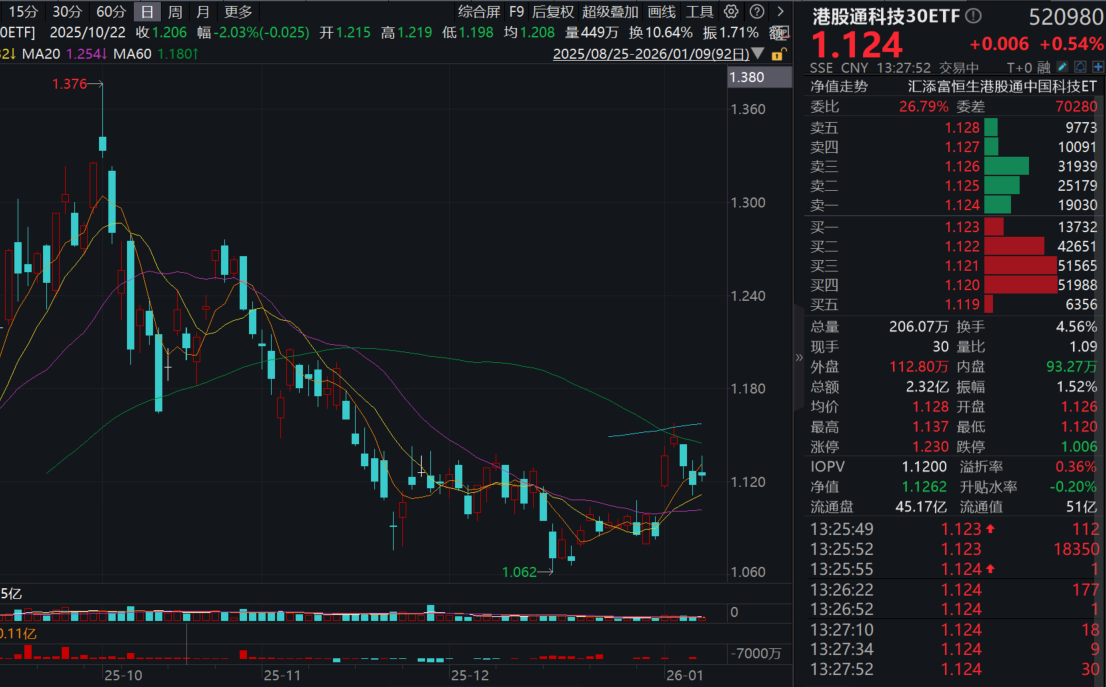
Group 1: Market Performance - The Hong Kong stock market's technology sector showed positive performance, with the Hong Kong Stock Connect Technology 30 ETF (520980) rising nearly 1% and achieving a trading volume exceeding 240 million yuan [1] - The Hang Seng Technology ETF (513260), which has the lowest management fee of 15 basis points, also increased by 0.35%, with a trading volume surpassing 300 million yuan [3] - Notable stocks in the technology sector included Alibaba-W and Kuaishou-W, both rising over 2%, while Meituan-W fell over 2% [7] Group 2: New Listings and Innovations - MINIMAX-WP, a leading global general artificial intelligence company, listed on the Hong Kong stock market on January 9, with its stock price surging over 80% shortly after opening [5] - Alibaba reported significant progress in its Taobao Flash Sale service, aiming for market share growth by 2026 [6] - JD.com established a "Chameleon Business Department" to focus on the commercialization of core AI products, with new self-developed AI toys set to launch in mid-January [6] Group 3: Fund Flows and Investor Sentiment - Southbound capital continued to flow into Hong Kong stocks, with Xiaomi Group-W leading net purchases at 4.401 billion HKD over the past week [9] - Institutional insights suggest that the Hong Kong market is attractive for long-term investment, driven by new year positioning and short covering [11] - The market is expected to enter a period of upward volatility, with potential for increased allocation of southbound funds into Hong Kong technology stocks [11]

MiniMax上市大涨,米哈游腾讯红杉阿里赚翻
Sou Hu Cai Jing· 2026-01-09 05:39
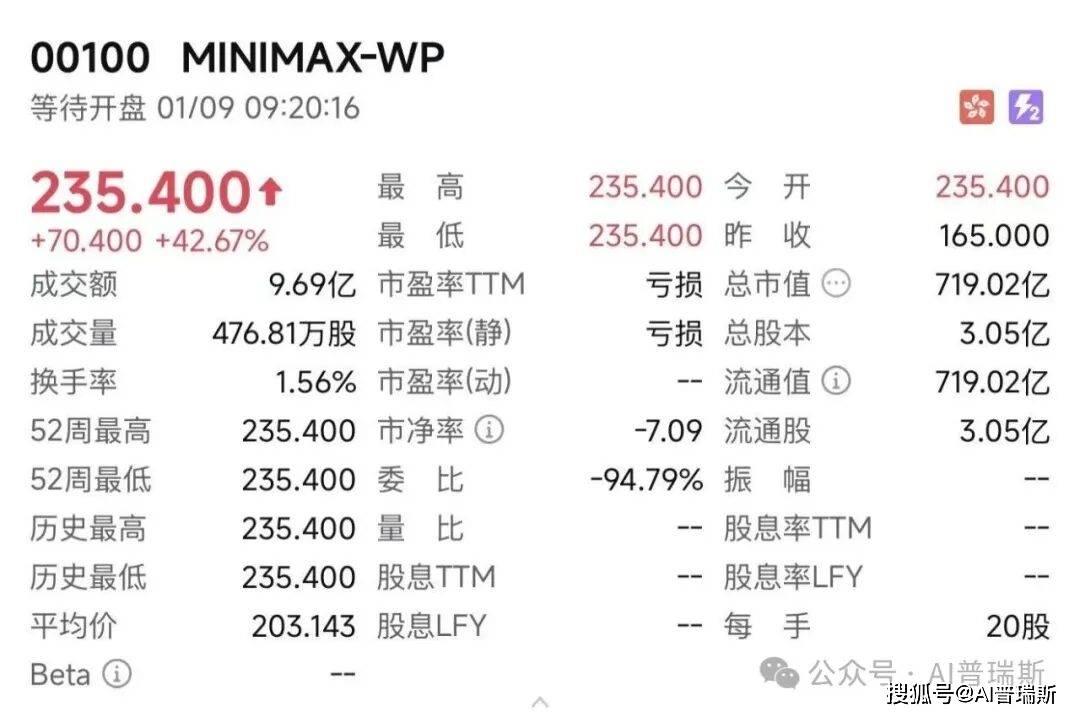
AIPress.com.cn报道 大模型独角兽MiniMax今日在港股市场首次开盘,在以165港元定价后,竞价阶段大涨42.6%至235.4港元,总市值一举突破700亿港元大关。 这场IPO不仅验证了国产大模型的二级市场定价能力,更为其身后集结的红杉、阿里、米哈游、腾讯等豪华投资天团带来了惊人的账面财富。 | 45.400+ | 最高 | 235.400 今 开 | 235.400 | | --- | --- | --- | --- | | 0.400 +42.67% | 最低 | 235.400 昨 收 | 165.000 | | 交额 | 9.69亿 市盈率TTM | 亏损 总市值 → | 719.02亿 | | 下 | 476.81万股 市盈率(静) | 亏损 总股本 | 3.05亿 | | 三区 | 1.56% 市盈率(动) | -- 流通值(i) -- 流通值(i) | 719.02亿 | | 司最高 | 235.400 市净率(i) | -7.09 流通股 | 3.05亿 | | 司最低 | 235.400 委 比 | -94.79% 振 幅 | | | 户最高 | 235.400 量 比 | - ...
阿里巴巴-2026 财年第三季度前瞻:云业务态势不变,但核心电商业务恶化
2026-01-09 05:13
Summary of Alibaba Group Holding (BABA.N) Earnings Call Company Overview - **Company**: Alibaba Group Holding (BABA.N) - **Industry**: China Internet and Other Services - **Current Price Target**: US$180.00 (previously US$200.00) [1][6] - **Market Capitalization**: US$348,554 million [8] Key Financial Metrics - **3QF26 Revenue**: Expected to be Rmb286.2 billion, a 2.2% increase YoY [14] - **Adjusted EBITA**: Expected to decline by 44.6% YoY to Rmb30.4 billion [14] - **Net Income**: Expected to decrease to Rmb31.9 billion, a 37.6% decline YoY [14] - **EBITA Margin**: Expected to be 10.6%, down from 19.6% YoY [14] Core Business Insights - **Cloud Revenue Growth**: Expected to accelerate to over 35% YoY, with a stable EBITA margin of 9% [3][11] - **Customer Management Revenue (CMR)**: Growth slowed to 3% YoY, down from 7.3% in 3Q25, attributed to weak consumer spending and high competition [4][11] - **E-commerce EBITA**: Expected to decline by 3% due to weak spending and high competition [4] Financial Performance Highlights - **Consolidated Adjusted EBITA**: Expected to decline by 45% YoY to Rmb30 billion, driven by weaker e-commerce performance and increased losses in other segments [5][11] - **Quick Commerce (QC) Loss**: Estimated at Rmb23 billion in F3Q, prioritizing market share over loss reduction [5] - **"All Others" Segment Loss**: Expected to widen to Rmb7 billion, driven by increased AI adoption costs [5] Valuation and Price Target - **Revised Price Target**: Lowered to US$180 due to weaker CMR and core EBITA performance [6] - **SOTP Valuation**: Revised to US$240, with cloud value unchanged at US$84 [6] Investment Thesis - **Overweight Rating**: Reiterated due to expected cloud growth and potential recovery in core business [6][22] - **AI Adoption**: Alibaba is positioned to benefit from the current AI cycle in China, enhancing its cloud infrastructure [26] - **Regulatory Environment**: Easing regulations may benefit Alibaba as a key player in the market [27] Risks and Considerations - **Market Competition**: Intense competition in the e-commerce sector may continue to pressure margins [4] - **Consumer Spending**: Weak consumer sentiment could impact revenue growth in the near term [4] - **Valuation Sensitivity**: Price target is sensitive to changes in market conditions and company performance [22] Additional Insights - **Cash Flow Generation**: Strong cash flow capabilities and ongoing share buybacks may provide downside support [27] - **Long-term Growth**: Expected total revenue CAGR of 8% over F25-28e, with adjusted EBITA CAGR of 6% [30] This summary encapsulates the key points from the earnings call, focusing on financial performance, market positioning, and future outlook for Alibaba Group Holding.
阿里巴巴-2026 财年第三季度前瞻:宏观环境疲软,云业务 CMR 高基数态势不变
2026-01-09 05:13
Summary of Alibaba Group Holding FY3Q26 Preview Company Overview - **Company**: Alibaba Group Holding - **Ticker**: 9988.HK (HKD), BABA (USD) - **Market Cap**: HK$2,723.6 billion, US$350.4 billion Key Financial Metrics - **Total Consolidated Revenues**: Rmb289.8 billion (+3.4% YoY) [2] - **Non-GAAP Net Profit**: Rmb28.7 billion (9.9% margin) [2] - **China E-commerce Group Revenues**: Rmb164.0 billion, with CMR growth of 2.7% YoY to Rmb103.5 billion [2] - **Cloud Revenues**: Rmb42.9 billion (+35% YoY) [2] - **AIDC Revenues**: Rmb40.5 billion (+7.3% YoY) [2] - **Adjusted EBITA**: Rmb27.7 billion (-49% YoY) [2] - **EBITA Margin**: 9.6% [2] - **Revised Estimates**: Revenue and non-GAAP profit adjusted down by -2% and -27% respectively for FY3Q26E [2][62] Core Insights - **Market Conditions**: Anticipated softer macroeconomic conditions and high base effects are expected to impact CMR growth negatively [1][60] - **E-commerce Performance**: The e-commerce EBITA is expected to decline due to lower growth in CMR and ongoing reinvestment [1][62] - **Cloud Business**: Cloud revenue growth is projected to remain strong at 35% YoY, with stable EBITA margins at 9% [1][62] - **Investment Strategy**: Alibaba is focusing on market share gain for Taobao Shangou, with significant investments planned to solidify its leadership position [12] Business Updates - **E-commerce VAT Implementation**: Strengthened VAT regulations are being implemented, which may impact SMEs more than larger merchants due to increased tax burdens [9][11] - **Taobao Shangou**: Achieved an average of 10 million non-meal orders per day, with a focus on market share growth [12] - **Amap Upgrades**: Amap has introduced significant feature upgrades, attracting 860,000 new merchants and increasing order volumes by over 330% [15] - **Lazada Performance**: Lazada reported a 26x surge in GMV during the 11.11 sale, indicating strong consumer demand [44][45] Risks and Considerations - **Consumer Spending**: There is a potential decline in consumer purchasing willingness post-Singles Day, which may lead to softer retail sales in December [60] - **Revised Growth Forecasts**: CMR growth forecast has been revised down from 8.3% to 2.7% due to slower GMV and other factors [61] - **Investment in AI and Cloud**: Increased spending on AI tools and cloud services may lead to higher losses in the short term [63] Conclusion - **Investment Recommendation**: Despite the challenges, the company maintains a "Buy" rating due to its strong positioning in AI and cloud services, along with operational efficiency improvements [1]
MiniMax上市首日涨超60%,阿里、米哈游等投资方“躺赢”
第一财经· 2026-01-09 04:10
2026.01. 09 本文字数:1522,阅读时长大约3分钟 作者 | 第一财经 刘晓洁 又一只AI明星股来了。1月9日,大模型公司MiniMax(00100.HK)在港交所上市,开盘后股价迅速 冲高,一度涨超80%,股价逼近300港元,市值破900亿港元。 随后涨幅有所回落,截至11:30分,MiniMax报270.6港元/股,涨64%,总市值827亿港元。以盘面价 格计算,此前申购MiniMax的中签者每手20股,不计手续费,一手将赚超2100港元。 1月8日,MiniMax公布定价结果,将以165港元的定价上限发行,假设绿鞋全额行使,此次全球发售 约3358万股,募集资金总额约 55.4 亿港元(约合人民币50亿元)。 公开消息显示,新加坡主权财富基金(GIC)、百利投资(Baillie Gifford)和挪威央行已参与 MiniMax此次公开募股。最终融资申购额超2831亿港元,公开发售部分超额认购倍数超过1837倍, 吸引42万人认购,为近期唯二两个获逾40万人申请的新股。 据全球公开发售文件,MiniMax此次引入14名基石投资者,阵容涵盖国际长线基金、头部科技企 业、中资长线机构及保险资本等类 ...

杭州AI的秘密,藏在小镇里
3 6 Ke· 2026-01-09 03:49
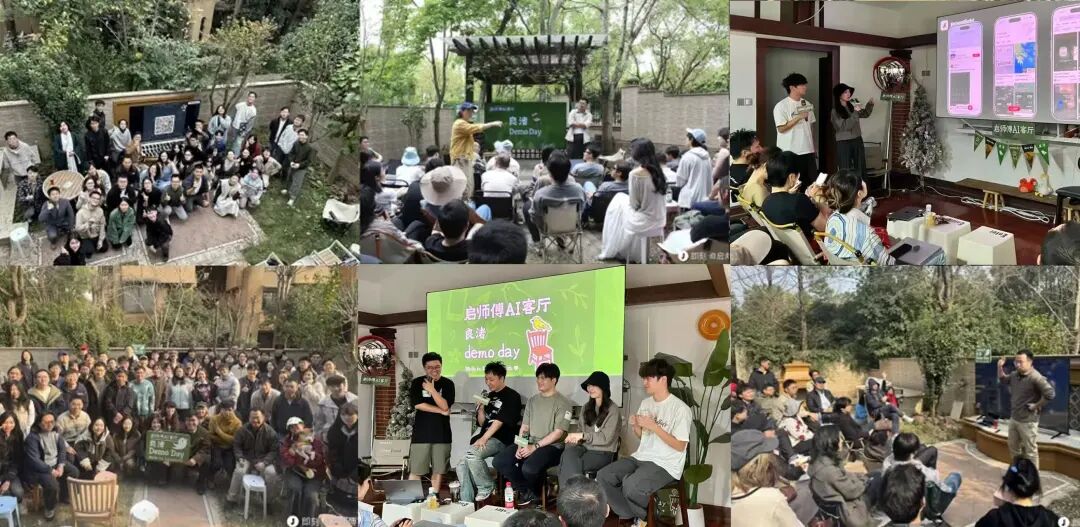
Core Insights - The article highlights the emergence of Hangzhou as a new hub for AI innovation, driven by the "Six Little Dragons" and the influence of Alibaba, marking a shift from an e-commerce narrative to an AI narrative by 2025 [3][4]. Group 1: The Rise of Hangzhou's AI Ecosystem - Hangzhou's "Six Little Dragons" represent six high-growth companies focusing on cutting-edge technologies such as robotics, AI, and game development, which have attracted talent from other regions [3][4]. - The city has become a magnet for entrepreneurs due to its favorable environment, including lower living costs and a supportive atmosphere for startups, allowing for a more focused entrepreneurial spirit [4][5]. - The local government has provided significant support to tech startups, including direct investments and resources for talent acquisition, which has fostered a nurturing environment for innovation [5][6]. Group 2: The Role of Local Culture and Community - The entrepreneurial culture in Hangzhou is characterized by a blend of idealism and realism, allowing for a unique ecosystem where startups can thrive despite high uncertainty [6][7]. - The "small town mechanism" in Hangzhou facilitates rapid information flow and community interaction, which is essential for innovation, contrasting with larger cities where resources are more dispersed [9][13]. - Hangzhou's small towns, such as the AI Town and Cloud Town, serve as incubators for startups, providing a compact environment that encourages collaboration and reduces operational costs [9][10]. Group 3: The Influence of Alibaba - Alibaba has played a crucial role in establishing the digital economy in Hangzhou, providing a foundation for talent and technological support that has enabled the rise of the "Six Little Dragons" [14][15]. - The presence of Alibaba has created a talent pool and a culture of innovation that attracts new startups, further enhancing Hangzhou's reputation as a tech hub [14][16]. - The city's ambition to become a "Silicon Valley" of China is reflected in its ongoing development of innovation clusters like "China Cloud Valley," which aims to drive the AI industry forward [15][17]. Group 4: Future Prospects and Challenges - Hangzhou's strategy of integrating small towns and larger innovation valleys aims to create a seamless flow of resources and ideas, positioning the city for future growth in the tech sector [18]. - Despite its rapid development, Hangzhou still faces challenges in original innovation capabilities and global influence compared to other major cities like Beijing and Shanghai [18]. - The city's vibrant ecosystem continues to evolve, with the potential to produce groundbreaking innovations that could reshape industries [18].


港股速报|港股高开 阿里巴巴强劲反弹 早盘涨超4%
Mei Ri Jing Ji Xin Wen· 2026-01-09 03:05
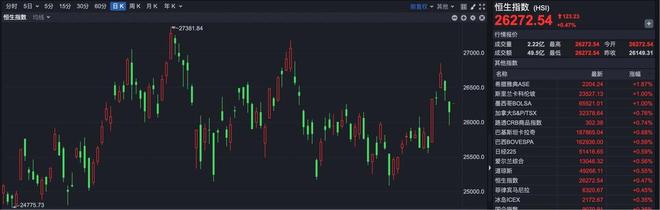
Core Viewpoint - The Hong Kong stock market experienced a slight rebound in early trading on January 9, with the Hang Seng Index and Hang Seng Tech Index showing positive movements, driven by strong performances from companies like Alibaba and new listings such as MINIMAX-WP [1][2][4][6]. Company Highlights - Alibaba's stock rebounded strongly, rising over 4% in early trading, following a more than 5% increase in its U.S. shares the previous evening [6]. - MINIMAX-WP, regarded as the "first stock of general artificial intelligence," opened nearly 43% higher on its first trading day, with a profit of over 1,400 HKD per lot [6][8]. - MINIMAX has developed a multi-modal general model and has seen rapid user growth, with monthly active users increasing from 3.1 million in 2023 to 27.6 million by the first nine months of 2025, covering over 200 countries and regions [8]. Market Trends - The Hang Seng Index was reported at 26,272.54 points, up 123.23 points or 0.47%, while the Hang Seng Tech Index was at 5,699.97 points, up 21.63 points or 0.38% [2][4]. - Other new listings included Rebo Bio-B, which opened 29% higher, and Jin Xun Resources, which opened 26% higher [8]. - The technology sector showed mixed results, with JD.com up over 3% and Bilibili up over 6%, while Baidu and Meituan saw declines [8]. Market Outlook - Huatai Securities anticipates a "good start" for the Hong Kong stock market in the first quarter, with potential seasonal inflows of southbound funds and expectations of monetary easing from the U.S. Federal Reserve [9]. - The report suggests that despite geopolitical uncertainties, the overall impact on the market is manageable, with a potential for high growth in the first half of 2026, particularly during the earnings season [9]. - Recommendations include focusing on lithium and copper stocks, as well as sectors like hotels and airlines that may benefit from improved domestic demand [9].
Beijing Steps In To Stop Brutal Online Discount Wars
Yahoo Finance· 2026-01-09 02:31
Regulatory Changes - China has introduced new regulations to curb aggressive competition in e-commerce, prohibiting major platforms like Alibaba from coercing merchants into promotions or deep discounts [1] - The regulations will take effect in February and follow warnings to Alibaba, JD.com, and Meituan regarding disruptive pricing tactics [1] Impact on Companies - Shares of Alibaba and JD.com declined as investors assessed the implications of increased regulatory oversight [2] - Meituan reported its first loss in nearly three years, attributing it to "irrational competition" and ongoing price wars with Alibaba and JD.com amid weak consumer demand [3] Strategic Adjustments - Alibaba has restructured its delivery and retail strategy by phasing out its food-delivery brand Ele.me, integrating it into its instant-retail strategy [4][5] - The company is enhancing its logistics network and unifying various platforms under a coordinated delivery workforce, while launching a unified membership program to increase customer loyalty [6]