BYD(BYDDY)

Search documents
比亚迪(01211)将加推4款210km大电池插混车型,纯电续航翻一倍
智通财经网· 2026-01-10 09:40
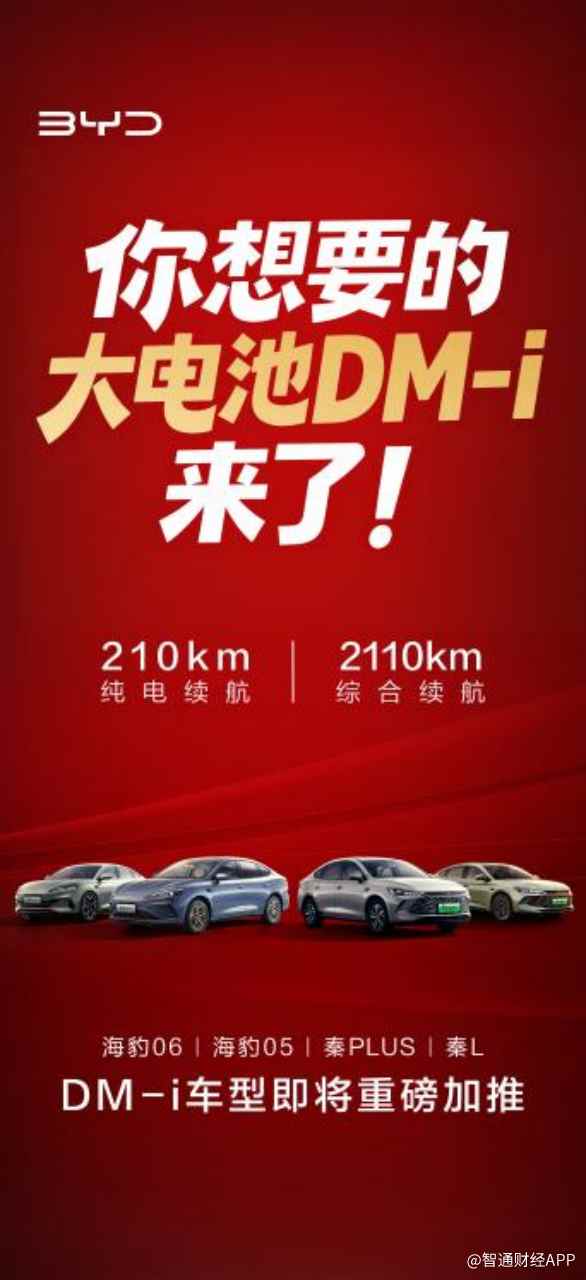
Group 1 - BYD announced the launch of long-range versions of four popular models, achieving a pure electric range exceeding 210 km, which is double that of competing hybrid models [1][4] - The new models are designed to set a new value benchmark in the 100,000 RMB hybrid market, appealing to consumers planning to purchase vehicles in 2026 [4] - The fifth-generation DM technology enhances battery energy density and incorporates AI energy management, effectively doubling the pure electric range without compromising vehicle performance or weight [4] Group 2 - BYD has sold over 7.86 million hybrid vehicles by the end of 2025, with one in two hybrid cars sold in China being from BYD [4] - With the new regulations in 2026 raising the pure electric range requirement to 100 km, BYD's introduction of models with a 210 km range demonstrates its technological foresight and commitment to high-quality long-range hybrids [4] - BYD's continuous technological and product innovation is establishing a new value benchmark in the hybrid market and promoting the mainstream development of hybrid technology in China [4]


他要同时对战宁德时代与比亚迪
3 6 Ke· 2026-01-10 04:46
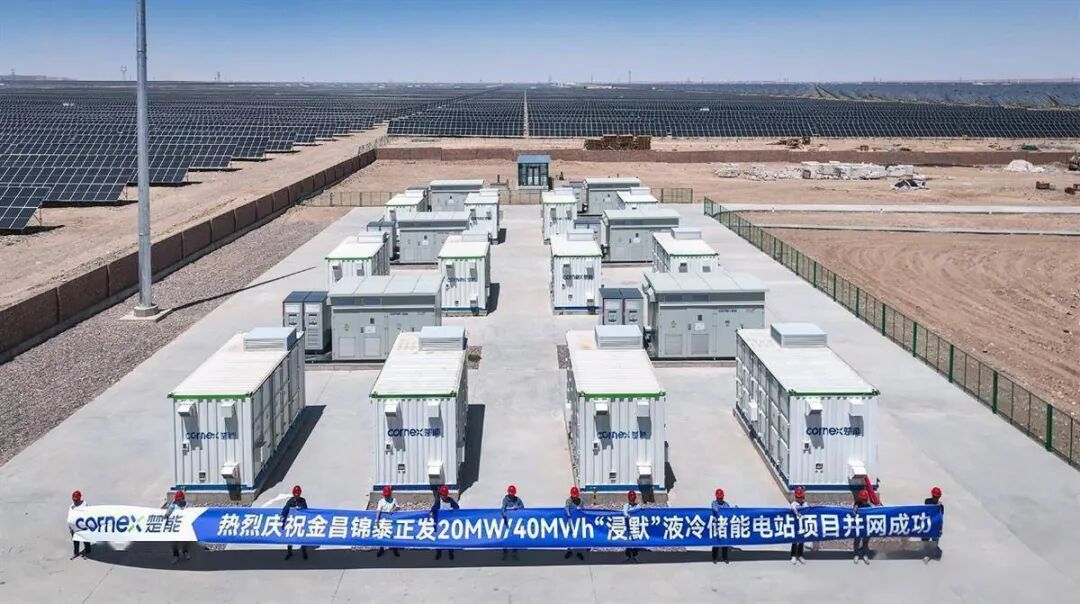
Core Viewpoint - Chuangneng New Energy has emerged as a significant player in the energy storage battery market, achieving over 45 billion yuan in orders and rapidly expanding its market presence within just four years of establishment [1][2]. Group 1: Company Overview - Chuangneng New Energy Co., Ltd. was founded in August 2021 in Xiaogan, Hubei, focusing on the research, production, and marketing of energy storage batteries, power batteries, and energy management systems [2]. - The company has quickly gained recognition in a competitive market dominated by established giants like CATL, which has a market value in the trillions [2]. Group 2: Product Innovations - In December 2022, Chuangneng launched the first "Immersion" battery safety system in the energy storage industry, which effectively prevents fire spread by submerging at-risk areas with a liquid suppressor [3][4]. - The "Immersion" system has received the "Excellence in Energy Storage Technology Award" in 2023 and has been implemented in various projects, including those by major energy companies [4]. Group 3: Market Strategy and Performance - In August 2023, Chuangneng announced a groundbreaking price of 0.5 yuan/Wh for its 280Ah cells, significantly undercutting the market price of 0.9 yuan/Wh, which has helped the company secure contracts with major state-owned enterprises [6]. - By 2024, Chuangneng had secured over 30 GWh of domestic and international energy storage orders, ranking eighth globally in energy storage battery shipments, with a projected shipment of over 50 GWh in the first three quarters alone [6][8]. Group 4: Global Expansion - Chuangneng's energy storage business has expanded to over 60 countries and regions, with cumulative orders exceeding 100 GWh, primarily driven by strong demand in Europe [8]. - The company has also signed strategic agreements for projects in the UK and Honduras, further solidifying its international presence [6]. Group 5: Future Aspirations - Chuangneng is not only focused on energy storage batteries but is also entering the power battery market, having established partnerships with several automotive manufacturers [10]. - The company plans to develop a range-extended SUV, aiming to become a vertically integrated player in the electric vehicle market, challenging established competitors like BYD [11][37]. Group 6: Leadership and Support - The founder, Dai Deming, is recognized for his cross-industry expertise and has received significant support from the Hubei provincial government, which has designated Chuangneng as a key enterprise for development [19][20]. - Local governments have implemented comprehensive support measures to facilitate Chuangneng's rapid growth and project execution [21][22]. Group 7: Investment and Growth - Chuangneng has committed 137.5 billion yuan to establish three major production bases in Hubei, with a total designed capacity of 350 GWh, positioning itself among the top players in the industry [26]. - The company has rapidly built a workforce of over 2,000 R&D personnel and has submitted nearly 5,000 global lithium battery patents, showcasing its commitment to innovation and rapid product development [29][32].

超20家车企卷入降价促销潮:特斯拉0息购 比亚迪杀入8万区间
Di Yi Cai Jing· 2026-01-10 02:52
Core Insights - The Chinese automotive market is experiencing a new round of competition in 2026, characterized by aggressive promotions and the introduction of updated models without price increases [1][6] - Major brands, including BMW and BYD, have initiated significant price cuts and promotional offers, leading to a broader trend among both joint venture and domestic brands [1][3] Group 1: Price Cuts and Promotions - BMW announced price reductions on 31 models, with discounts reaching up to 300,000 yuan, prompting other brands like FAW-Volkswagen and FAW-Toyota to follow suit with discounts ranging from 10,000 to 50,000 yuan [1][3] - Over 20 automakers have launched promotional activities since January 1, with more than 75 models involved, utilizing various strategies such as cash subsidies, fixed pricing, and interest-free financing options [1][3] - BYD has also reduced the starting price of its new Qin L plug-in hybrid model from 119,800 yuan to 116,800 yuan while increasing its electric range from 120 km to 210 km [1][6] Group 2: Market Dynamics and Expert Opinions - Industry experts suggest that the current price reductions are not indicative of a price war but rather a rational adjustment to alleviate dealer cash flow pressures and respond to increased costs from new tax policies [2][4] - The automotive market is expected to see continued price cuts throughout 2026, with a potential stabilization in sales volume compared to the previous year [2][5] - The introduction of new models and the early implementation of national subsidies are anticipated to positively impact market performance in January 2026 [4][5] Group 3: Competitive Strategies - The competition in 2026 is marked by a shift towards "adding features without increasing prices" for new models, contrasting with the direct price-cutting strategies seen in previous years [6][7] - Several traditional and new energy vehicle manufacturers are launching updated models with enhanced features while maintaining competitive pricing to attract consumers [6][7] - The automotive industry is also adapting to regulatory guidelines aimed at ensuring fair pricing practices and preventing market disruption through improper pricing strategies [7]
超20家车企卷入降价促销潮:特斯拉0息购,比亚迪杀入8万区间
Di Yi Cai Jing· 2026-01-10 02:22
Core Viewpoint - The Chinese automotive market is experiencing a new round of competition in 2026, characterized by aggressive promotions and model updates without price increases, with a notable early onset of competition compared to previous years [1][2]. Group 1: Price Reductions and Promotions - BMW announced price cuts on 31 models, with reductions up to 300,000 yuan, prompting over five joint venture brands to follow suit with promotional offers ranging from 10,000 to 50,000 yuan [1][3]. - BYD, the leading electric vehicle manufacturer, has also reduced the starting price of its new Qin L plug-in hybrid model from 119,800 yuan to 116,800 yuan while increasing its electric range from 120 km to 210 km [1][6]. - More than 20 automakers have launched limited-time promotional activities, with over 75 models participating, employing various strategies such as cash subsidies, fixed-price sales, and interest-free financing options [1][3]. Group 2: Market Dynamics and Expert Opinions - Industry experts suggest that the current price reductions are not indicative of a price war but rather a rational return to reasonable pricing, with expectations of continued price cuts throughout 2026 [2][4]. - The increase in the new energy vehicle purchase tax has raised costs for consumers, influencing promotional strategies among automakers to mitigate these impacts [4]. - Predictions indicate that the automotive market may experience a year-on-year stabilization in Q1 2026, despite a projected quarter-on-quarter decline of 25% compared to Q4 2025 [5]. Group 3: New Model Launches and Competitive Strategies - The competition in the automotive market is intensifying, with numerous new models being launched, primarily focusing on upgrades without price increases [6][7]. - BYD has introduced four new models, enhancing electric range and reducing prices, while other brands like Xpeng are also launching updated models with added features at unchanged prices [6][7]. - The transition between old and new models is marked by significant cash discounts on older models, aimed at clearing inventory to make way for new releases [7].
比亚迪开启插混车型长续航攻势
Bei Ke Cai Jing· 2026-01-09 15:05
Core Viewpoint - BYD is intensively launching new long-range plug-in hybrid models with a strategy focused on high cost-performance and extended electric range, aiming to enhance user experience in both daily commuting and long-distance travel [1][2]. Group 1: New Product Launches - The 2026 models of Qin L DM-i and Qin PLUS DM-i have been introduced, featuring a pure electric range of 210 kilometers and a combined range of 2110 kilometers, priced between 89,800 to 122,800 yuan [2]. - Additionally, the long-range version of BYD Song Pro DM-i is set to be launched on January 10 [3]. Group 2: Policy Influence - The new policy on January 1, 2026, regarding the exemption of purchase tax for new energy vehicles mandates that plug-in hybrid vehicles must have a pure electric range of at least 100 kilometers, prompting BYD to exceed this threshold with its new models [4]. Group 3: Market Dynamics - BYD's plug-in hybrid vehicle sales are projected to exceed 7.86 million units by the end of 2025, but there is a noted decline in sales of these models by 7.91% year-on-year, contrasting with a 27.86% increase in pure electric vehicle sales [5]. - Increased competition from domestic brands like Geely, Chery, and Great Wall, as well as accelerated technology adoption by some joint venture brands, is intensifying market pressure [6]. Group 4: Technological Development - BYD's chairman, Wang Chuanfu, acknowledged a decrease in the "market surprise" of BYD's technological achievements and highlighted the need for breakthroughs to address user pain points, such as slow charging speeds in low temperatures [6]. - Wang also indicated that BYD has significant undisclosed technological advancements and emphasized the importance of its 120,000-engineer team in maintaining a competitive edge [7]. - The company plans to focus on electric and intelligent technology advancements over the next 2-3 years, increasing research and development efforts [8].
比亚迪孙华军:反超特斯拉,藏着死磕磷酸铁锂的20年
2 1 Shi Ji Jing Ji Bao Dao· 2026-01-09 15:00
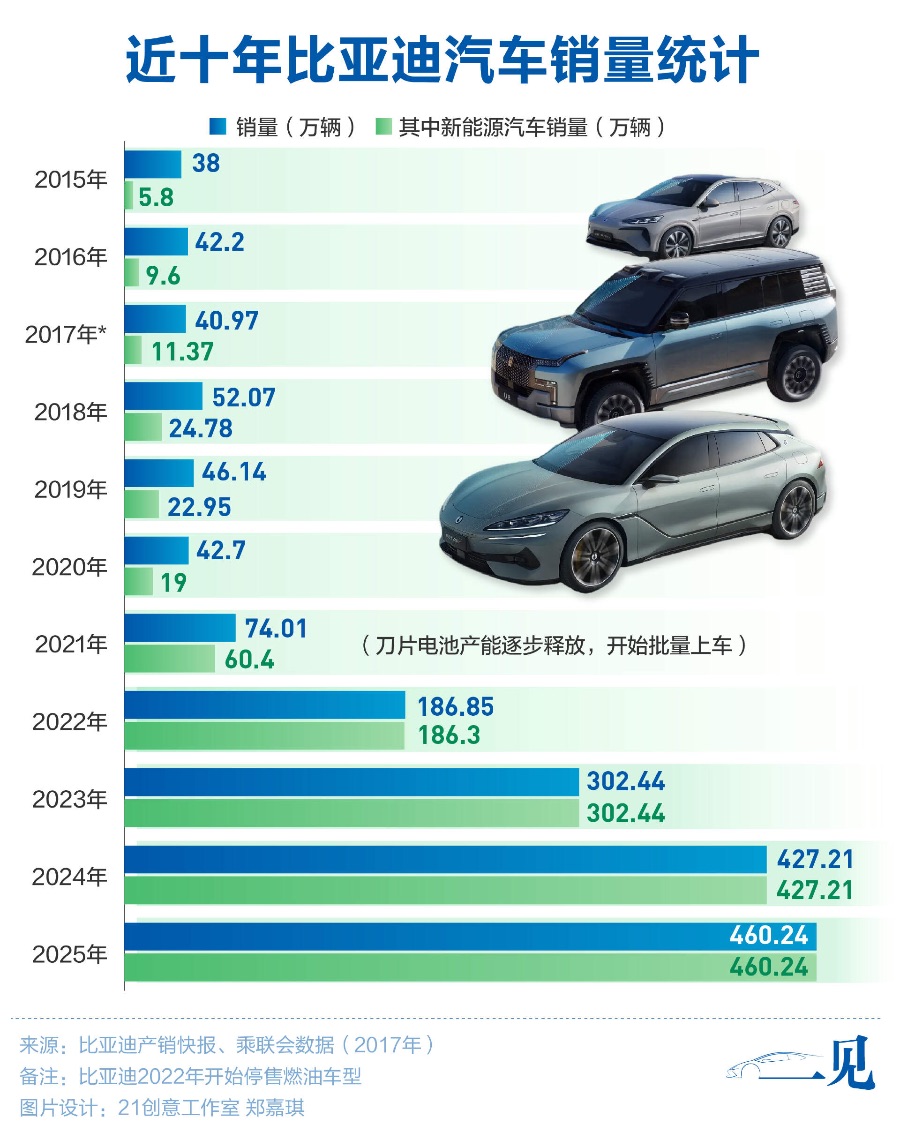
Core Viewpoint - BYD has surpassed Tesla in pure electric vehicle sales for the first time, achieving a total of 2.2567 million units sold in 2025, marking a year-on-year growth of 27.86% [1] Group 1: Historical Context and Technological Development - The journey of BYD from being overtaken by Tesla in 2019 to reclaiming the top position in 2025 began with a long exploration of battery technology, particularly focusing on lithium iron phosphate (LFP) batteries, which were initially deemed unsuitable for electric vehicles [2][3] - The decision to pursue LFP technology was made by BYD's chairman Wang Chuanfu in 2002, prioritizing safety and resource availability over energy density [3][4] - BYD's first plug-in hybrid model, the F3DM, launched in 2008, utilized self-developed LFP batteries, setting the foundation for future models [4] Group 2: Market Challenges and Strategic Decisions - Between 2017 and 2019, the electric vehicle market faced challenges, leading to a shift towards high-energy-density ternary lithium batteries, which dominated the market during that period [4][5] - In 2019, BYD faced significant difficulties, prompting a strategic pivot from commercial vehicles to passenger vehicles and a renewed focus on LFP battery technology [5][6] Group 3: Innovations and Product Launches - The "Blade Battery" was developed as a result of internal discussions aimed at improving the range of LFP batteries, achieving over 600 kilometers of range by enhancing space utilization in battery packs [6][7][8] - The introduction of the Blade Battery in 2020 marked a turning point for BYD, leading to a resurgence in sales, with 190,000 electric vehicles sold that year [8][11] Group 4: Competitive Advantages and Future Directions - BYD's vertical integration in the supply chain became a significant advantage during the global semiconductor shortage, allowing the company to maintain production and growth [11] - As the industry shifts towards ultra-fast charging and solid-state batteries, BYD plans to continue investing in LFP technology while also developing a "megawatt fast-charging battery" capable of providing 400 kilometers of range in just five minutes [11][32] - The company remains committed to enhancing the safety and performance of LFP batteries, with ongoing investments in research and development [33]
21对话|比亚迪孙华军:反超特斯拉,藏着死磕磷酸铁锂的20年
2 1 Shi Ji Jing Ji Bao Dao· 2026-01-09 14:52
Core Insights - BYD has surpassed Tesla in global electric vehicle sales for the first time, achieving a total of 2.2567 million pure electric vehicles sold in 2025, marking a year-on-year growth of 27.86% [2] - The foundation of BYD's success lies in the development of lithium iron phosphate (LFP) batteries, which were initially considered unsuitable for electric vehicles due to their lower energy density [2][3] - The strategic decision to focus on LFP batteries was driven by safety concerns and the availability of raw materials in China, as opposed to the reliance on cobalt and nickel used in ternary batteries [3][4] Development Timeline - BYD began exploring LFP technology in 2002, with the first LFP battery used in a plug-in hybrid model, the F3DM, launched in 2008 [4] - The company faced challenges between 2017 and 2019 when the electric vehicle market cooled, leading to a temporary shift in focus towards ternary batteries due to their higher energy density [5][6] - In 2019, BYD made a pivotal decision to refocus on LFP technology, leading to the development of the "blade battery" which improved space utilization and safety [6][7] Technological Innovations - The blade battery design allowed for a higher space utilization rate of over 60%, enabling a range of 600 kilometers, which was a significant improvement over previous designs [6][18] - The manufacturing process for the blade battery involved overcoming significant engineering challenges, including precision in stacking and cutting the battery cells [20][21] - BYD's commitment to LFP technology has resulted in a robust R&D team of approximately 10,000 members, emphasizing the company's dedication to innovation in battery technology [21] Market Position and Future Outlook - BYD's sales began to recover in the latter half of 2020, with total electric vehicle sales reaching 190,000 units that year, and over 600,000 units sold in 2021 [7] - The company has established a competitive edge through vertical integration of its supply chain, which became particularly advantageous during global shortages of chips and batteries [7][8] - Looking ahead, BYD plans to continue investing in LFP technology while also addressing challenges such as charging speed and safety standards in response to new regulations [24][25]

比亚迪新款海鸥亮相:首次可选激光雷达
Feng Huang Wang· 2026-01-09 14:34
Core Viewpoint - BYD's new model, the Seagull, has been unveiled with significant upgrades in its autonomous driving capabilities, including the option for lidar technology, while maintaining its existing design [1] Group 1: Vehicle Features - The new Seagull model features an upgraded autonomous driving system, now available with the DiPilot 300 version, which includes lidar capabilities [1] - The current Seagull model, the Intelligent Driving Edition, is equipped with the DiPilot 100 system, featuring 5 millimeter-wave radars, 12 surround cameras, and 12 ultrasonic sensors [1] - The vehicle supports various advanced driving functions such as memory navigation, high-speed navigation, valet parking, automatic parking, and automatic emergency braking (AEB) [1] Group 2: Performance Enhancements - The new Seagull will see an increase in motor power from 55 kW to 60 kW, while maintaining a maximum speed of 130 km/h [1] - The vehicle is equipped with lithium iron phosphate blade batteries, ensuring improved performance and efficiency [1]
比亚迪新车发布会宣传语“撞衫” 东风日产连夜发文称“震惊”
Guo Ji Jin Rong Bao· 2026-01-09 14:11
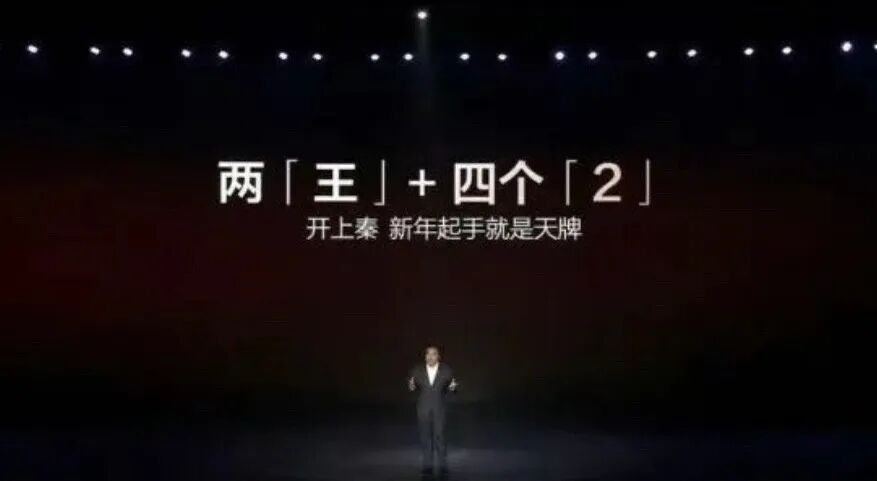
Core Viewpoint - The controversy between BYD and Dongfeng Nissan revolves around the similarity in product presentation language during their respective vehicle launch events, particularly regarding hybrid models, which has sparked discussions about intellectual property and originality in the automotive industry [1][2][3]. Group 1: Product Launch and Controversy - BYD's 2026 Qin L DM-i model launch utilized the phrase "two kings + four twos," which closely resembles the creative language used by Dongfeng Nissan during the launch of their N6 model [2][3]. - Dongfeng Nissan's N6, the first hybrid sedan under the "Tianyan" architecture, was officially launched on December 1, with a starting price of 99,900 yuan [3]. - The "four twos" expression was previously used by Dongfeng Fengshen L8, indicating that the phrase is not exclusive to Dongfeng Nissan [3]. Group 2: Sales Performance - Dongfeng Nissan's N7 model, launched in April 2025, initially garnered attention with reports of over 20,000 pre-orders in 50 days, but its sales declined significantly, with only 5,000 units sold in total for the year, representing 8% of Dongfeng Nissan's overall sales of 600,000 units [4]. - BYD's total sales for 2025 reached 4.6024 million units, with the Qin series contributing 660,000 units, although specific model sales figures were not disclosed [3]. Group 3: Industry Insights - Industry experts view the "clash" as an opportunity for Dongfeng Nissan to gain publicity, highlighting the current transition in the electric vehicle sector from rapid growth to a focus on high-quality development [5]. - The need for automotive companies to prioritize original innovation and respect for intellectual property is emphasized, suggesting that true market success will come from technological advancements and brand building rather than short-term publicity [5].
比亚迪新车发布会宣传语“撞衫”,东风日产连夜发文称“震惊”
Guo Ji Jin Rong Bao· 2026-01-09 14:09
Core Viewpoint - The recent controversy between BYD and Dongfeng Nissan revolves around the similarity in product highlight expressions used during their respective vehicle launch events, particularly the phrase "two kings + four twos" [1][2]. Group 1: Event Details - BYD's launch event for the 2026 Qin L DM-i model on January 8 sparked debate due to its use of a phrase similar to that used by Dongfeng Nissan during the N6 launch on December 1 [1]. - Dongfeng Nissan's marketing department head, Sun Hao, expressed surprise at the similarity and suggested that BYD's use of the phrase was an acknowledgment of their work, even humorously mentioning potential intellectual property fees [2]. - As of the report, BYD had not publicly responded to the controversy [3]. Group 2: Product Information - The Dongfeng Nissan N6, which is positioned as a plug-in hybrid vehicle, was launched with a starting price of 99,900 yuan and had a pre-sale price starting at 106,900 yuan [3]. - The N6 is part of Dongfeng Nissan's "Tianyan" architecture and was the first plug-in hybrid sedan from the brand [3]. - BYD's 2026 Qin L DM-i model is also a plug-in hybrid, making it a direct competitor to the N6 [3]. Group 3: Market Context - The N7 model from Dongfeng Nissan, launched in April 2025, initially gained attention but saw a significant drop in sales, with only 50,000 units sold in its first year, accounting for 8% of Dongfeng Nissan's total sales of 600,000 units [5]. - Industry experts view the "similarity" incident as an opportunity for Dongfeng Nissan to gain publicity, highlighting the current transition in the electric vehicle sector from rapid growth to a focus on high-quality development [6]. - The expert emphasized the importance of originality and respect for intellectual property in the competitive landscape, suggesting that companies should focus on technological innovation and brand building rather than chasing fleeting trends [6].