LI AUTO(LI)

Search documents
热门中概股收盘多数下跌
Mei Ri Jing Ji Xin Wen· 2025-11-19 21:26
Core Viewpoint - The majority of popular Chinese concept stocks closed lower, with the Nasdaq Golden Dragon China Index declining by 1.53% [1] Group 1: Stock Performance - Pinduoduo fell by over 1% [1] - NetEase dropped by over 4% [1] - JD.com and Baidu both decreased by over 1% [1] - Xpeng experienced a decline of over 6% [1] - Li Auto, NIO, and Bilibili each fell by over 3% [1]


理想反思出海战略滞后,将加速布局中东中亚欧洲市场
Xin Lang Ke Ji· 2025-11-19 15:35
Group 1 - The core viewpoint of the article is that Li Auto acknowledges its mistake of delaying its international expansion strategy, which it now aims to accelerate [1][2] - Li Auto held a strategic meeting in mid-October to reflect on various issues including declining sales, R&D, and product strategies, leading to a decision to enhance its overseas market presence and increase AI investments [1] - Previously, Li Auto had relied on parallel exports to markets like Russia and Central Asia, achieving a peak monthly export volume of 4,000 vehicles, but this has significantly decreased due to new restrictions [1][2] Group 2 - The Chinese government has imposed strict controls on new car exports under the guise of used cars, which will effectively cut off Li Auto's parallel export line starting January 1, 2026 [2] - Other competitors like Xpeng, Leapmotor, and NIO have prioritized international expansion during the two years that Li Auto hesitated, while Li Auto's own overseas strategy remained unclear [2] - Li Auto has recently clarified its intention to focus on expanding into the Middle East, Central Asia, and Europe, establishing R&D centers in Germany and the U.S., and retail centers in Uzbekistan and Kazakhstan [2]


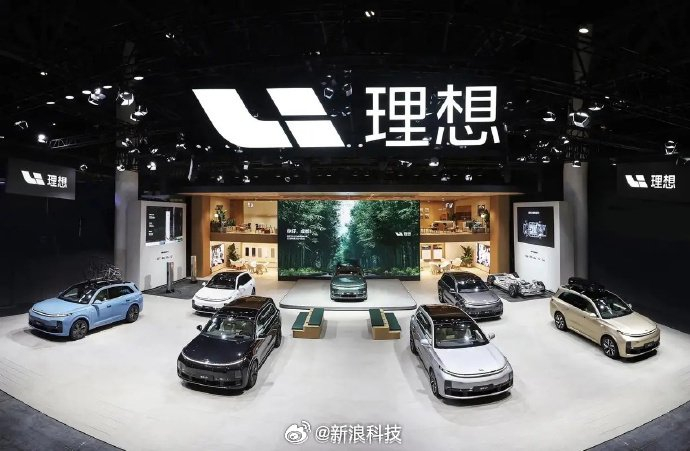
车企竞相押注的增程车,还是门好生意吗?
Di Yi Cai Jing· 2025-11-19 14:26
Group 1 - The market for range-extended vehicles (REVs) is experiencing a surge in new entrants, with 12 new models launched in the last three months alone [1] - Sales of REVs have shown significant growth over the past four years, with year-on-year increases of 218%, 130%, 154%, and 70.9% from 2021 to 2024 [1] - Despite the growth, the market share of REVs has been declining since June, with a 1.9% year-on-year drop in wholesale sales in October, totaling 121,000 units [1] Group 2 - The number of new REVs expected to launch in 2025 is projected to exceed 30, compared to 19 in 2024, but the average sales per model have decreased from nearly 30,000 in 2024 to approximately 9,000 this year [2] - Industry competition is intensifying as companies seek to capture market share, with Li Auto's market share being eroded by other manufacturers [2] - Key players are focusing on enhancing battery capacity and efficiency, with models like the Zhiji LS9 featuring a 66 kWh battery and the Xiaopeng X9 equipped with a 63.3 kWh fast-charging lithium iron phosphate battery [2] Group 3 - The competition in the REV market is not just about technology but also about identifying unique selling points and timing for market entry [3] - There is a trend of increasing advertised range for REVs, indicating a competitive "involution" in the sector [3] - Future growth opportunities may lie in REVs priced below 200,000 yuan with a range exceeding 200 kilometers, particularly in the 100,000 to 150,000 yuan segment [3]

36氪分享理想2025年秋季战略会部分内容
理想TOP2· 2025-11-19 13:26
Core Insights - The company acknowledges a slowdown in efficiency and plans to accelerate its international expansion and increase investment in AI technology [1] Group 1: Strategic Adjustments - The company plans to shorten the product iteration cycle from four years to two years, mobilizing the supply chain for this change [1] - There will be a greater differentiation in vehicle models, moving beyond configuration-based distinctions to design-based ones [1] - The research and development (R&D) department is considering establishing an independent system to enhance product innovation, similar to Xiaomi's recent structural changes [1] Group 2: Financial and Operational Considerations - The company recognizes that past emphasis on R&D cost-effectiveness led to revenue declines, prompting a shift to de-emphasize this metric [1] - The decision to cut jobs in response to losses from the MEGA project has negatively impacted morale [1] Group 3: International Expansion and AI Investment - The company identifies its late international expansion as a significant mistake and plans to accelerate its official global presence [1] - There is a commitment to increase investment in AI, particularly in reasoning computing capabilities, with a second-generation chip expected to launch in two years [1] - The exploration of AI will extend beyond product integration to include robotics and AI terminal applications [1]
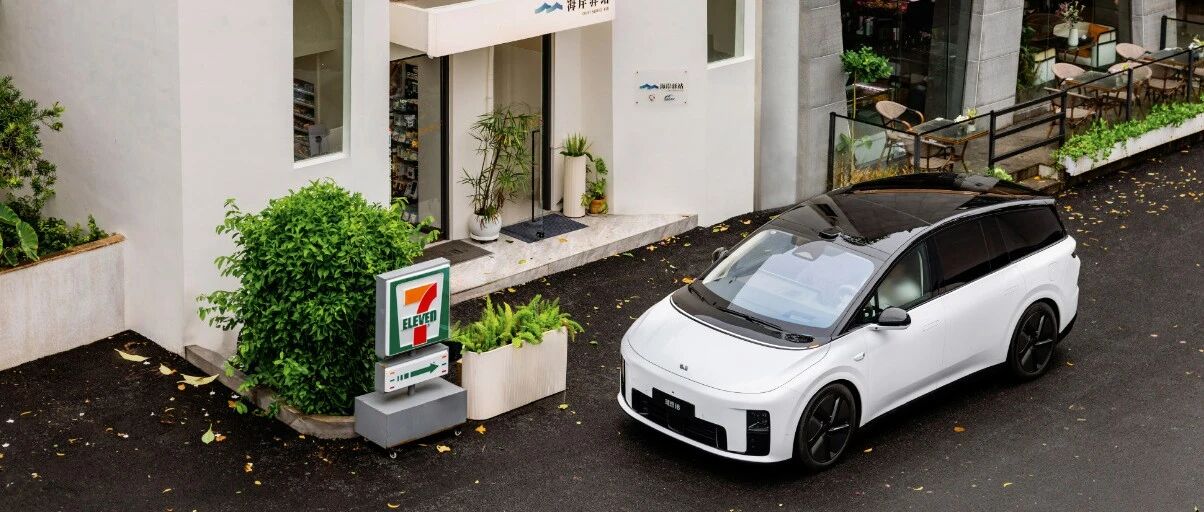
理想战略会大反思:承认变慢、全力出海、重投AI|36氪独家
3 6 Ke· 2025-11-19 12:25
Core Insights - Li Auto is facing unprecedented pressure with a decline in vehicle sales, selling 31,767 units in October, showing both year-on-year and month-on-month decreases [1] - The company acknowledges a slowdown in efficiency and is adjusting its product and research strategies, including accelerating its overseas expansion and increasing AI investments [1][3] Sales Performance - In October, Li Auto's sales dropped significantly, with the i8 model underperforming and the i6 model facing delivery challenges due to production capacity constraints [1] - The L series, which previously achieved over 50,000 monthly sales, has now fallen to around 20,000 units [3] Strategic Adjustments - Li Auto held a three-day closed-door strategy meeting to reflect on various issues, including sales decline and product development [1] - The company plans to shorten its product iteration cycle from four years to two years to better compete in the market [4] Competitive Landscape - Li Auto is facing intensified competition from rivals like Xiaomi and Huawei, with Xiaomi's YU7 model emerging as a significant competitor [4][6] - The company recognizes that its previous strategy of relying on parallel exports for overseas sales is no longer viable due to increasing restrictions [6][7] AI and Technology Investments - Li Auto is increasing its investment in AI, focusing on enhancing reasoning computing power, with current capabilities at 10 EFLOPS for training and 3 EFLOPS for reasoning [10] - The company plans to launch its second-generation AI chip in two years, emphasizing reasoning capabilities over training [10][11] Organizational Changes - Li Auto is shifting its focus away from strict cost-effectiveness in R&D to ensure adequate resource allocation for innovation [5] - The company is also considering establishing an independent R&D system to enhance product innovation [5] Overseas Expansion Strategy - Li Auto has recognized the need to accelerate its overseas expansion plans, previously delayed until 2028, and is now focusing on markets in the Middle East, Central Asia, and Europe [6][7] - The company is setting up retail centers in various countries and adapting new models to meet international regulations [7] Future Outlook - Li Auto is recalibrating its strategies to enhance competitiveness, focusing on agile product development, increased AI investment, and a more robust overseas presence [12]
从技术路线到人员更迭,为什么智能驾驶又开始了“新造词”?
3 6 Ke· 2025-11-19 12:19
Core Insights - The automotive and intelligent driving industry is experiencing rapid technological iterations, leading to new terminologies and concepts that challenge user understanding and acceptance [1] - The transition from rule-based systems to end-to-end and world model architectures is reshaping the landscape of autonomous driving, with significant implications for company strategies and personnel [2][4][10] Industry Trends - The shift towards end-to-end systems, exemplified by Tesla's FSD V12, has prompted other companies like Huawei, Xpeng, and NIO to explore similar approaches, indicating a trend towards more integrated solutions [2][4] - The industry recognizes the upcoming critical period for the implementation of advanced driver assistance technologies, particularly from Q4 2023 to mid-2024, as companies race to adopt and refine these technologies [1] Technical Developments - Current autonomous driving systems, whether rule-based or end-to-end, primarily rely on mimicking human driving through extensive data collection and learning, which presents challenges in efficiency and adaptability [4][5] - The introduction of VLA (vision-language-action) models aims to enhance understanding of the physical world, moving beyond mere imitation to a more human-like comprehension of driving scenarios [7][11] Company Strategies - Companies like Xpeng and Li Auto are pivoting towards VLA models, with Xpeng's second-generation VLA eliminating the language translation step to improve efficiency and data utilization [8][11] - The restructuring of R&D departments within companies such as Li Auto and NIO reflects a strategic shift towards prioritizing VLA and world model approaches, indicating a broader industry trend towards adapting organizational structures to new technological demands [15][17] Competitive Landscape - The competition between self-developed autonomous driving technologies and third-party solutions is intensifying, with companies increasingly opting for partnerships with specialized suppliers to enhance their capabilities [18][21] - The financial burden of self-development is prompting companies to reconsider their strategies, as seen in Xpeng's significant investment in computing resources and the need for profitability in Q4 2023 [19][22]

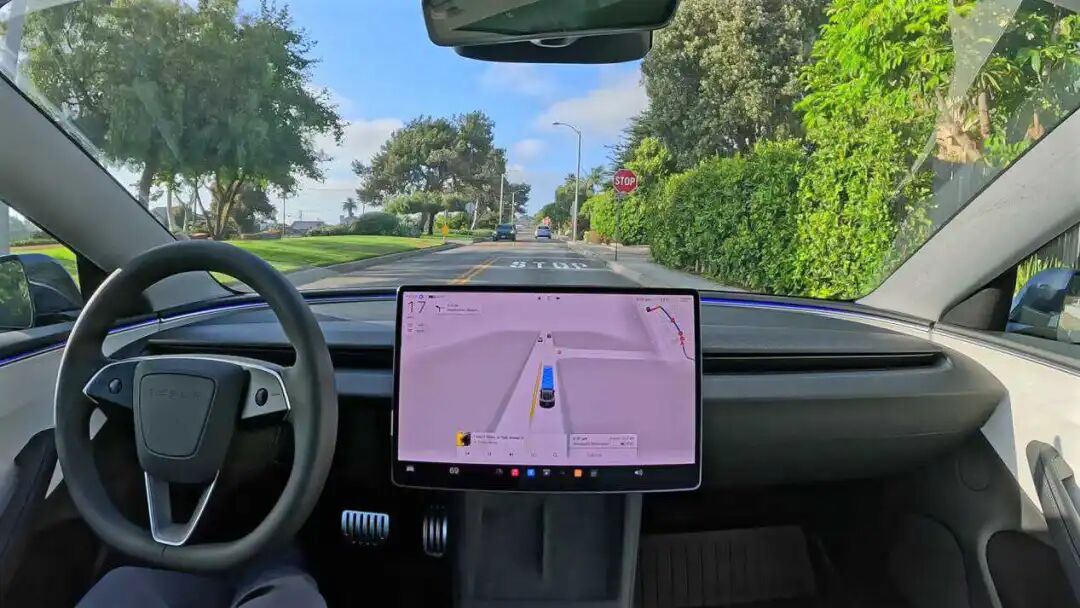
理想战略会大反思:承认变慢、全力出海、重投AI
3 6 Ke· 2025-11-19 11:25
Core Insights - Li Auto is facing unprecedented pressure with a decline in vehicle sales, selling 31,767 units in October, showing both year-on-year and month-on-month decreases [2] - The company acknowledges that its efficiency has slowed, with product and organizational rhythms failing to match current competitive intensity [4][6] - Li Auto is recalibrating its strategies, focusing on product development, overseas expansion, and increased investment in AI technology [2][13] Sales Performance - In October, Li Auto's sales dropped significantly, with the L series sales falling from over 50,000 units to around 20,000 units [4] - The new electric models, i8 and i6, are underperforming in a highly competitive market, facing challenges from rivals like NIO and Xiaomi [4][6] Strategic Adjustments - The company held a three-day closed-door strategy meeting to address sales declines and rethink product and R&D strategies [2] - Li Auto plans to shorten its product iteration cycle from four years to two years to enhance competitiveness [6] - The company is shifting its focus from merely increasing hardware configurations to creating standout products that impress users [6][8] Overseas Expansion - Li Auto has recognized its delay in fully committing to overseas markets, previously relying on parallel exports, which have now significantly decreased due to new restrictions [9][10] - The company is now prioritizing overseas expansion, particularly in the Middle East, Central Asia, and Europe, with plans to establish retail centers and adapt new models to meet international regulations [11][12] AI Investment - Li Auto is increasing its investment in AI, particularly in reasoning computing power, with a current capacity of 10 EFLOPS for training and 3 EFLOPS for reasoning [14] - The company is developing its second-generation AI chip, expected to launch in two years, focusing on enhancing reasoning capabilities [14][15] - Discussions during the strategy meeting emphasized the need for broader AI applications beyond automotive, including robotics and AI terminals [17][18]
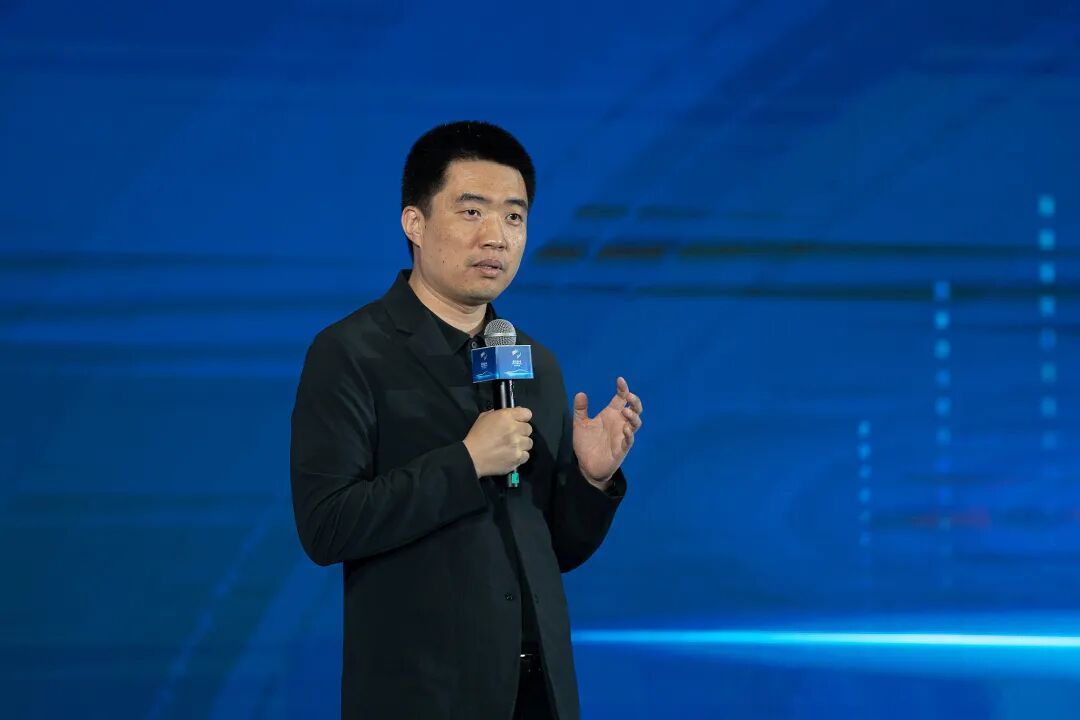
Tesla CEO Elon Musk Once Called LiDAR 'Fool's Errand' — Volvo Now Pulls Plug On Luminar Partnership: LAZR Stock Hits All-Time Low - Luminar Technologies (NASDAQ:LAZR)
Benzinga· 2025-11-19 10:23
Core Insights - Volvo has decided to discontinue its partnership with Luminar Technologies and will not include LiDAR technology in its 2026 ES90 and EX90 models due to supply chain issues and Luminar's failure to meet contractual obligations [1] - Elon Musk's long-standing criticism of LiDAR technology is gaining traction as major automakers like Volvo move away from it, suggesting a potential shift in the industry [1][3] - Tesla continues to advocate for a vision-only approach for its Full Self-Driving (FSD) technology, despite scrutiny from regulatory bodies like NHTSA [4][5] Company Developments - Volvo will not offer LiDAR in its upcoming models and has officially ended its relationship with Luminar Technologies [1] - Luminar's stock has reached an all-time low of $0.9018, indicating market concerns about its future following the loss of Volvo as a partner [2] - Tesla's FSD system is under investigation by NHTSA, which is reviewing incidents involving 2.88 million vehicles [5] Industry Trends - Elon Musk has consistently criticized LiDAR, labeling it as "stupid" for automotive applications, while emphasizing the importance of solving vision technology [3] - Despite Tesla's stance, other companies like Waymo and Hesai Technology are still pursuing LiDAR technology for their autonomous vehicle solutions [6] - Tesla's stock performance shows a decline, with a 1.88% drop to $401.25 at market close, reflecting investor sentiment amidst ongoing scrutiny [7]


从技术路线到人员更迭,为什么智能驾驶又开始了“新造词”? | 电厂
Xin Lang Cai Jing· 2025-11-19 10:20
Core Insights - The automotive and smart driving industry is experiencing rapid technological iterations, leading to new terminologies and concepts that challenge user understanding and acceptance [1] - The transition from rule-based systems to end-to-end and world model architectures is reshaping the industry, with significant implications for company strategies and personnel [2][6] Group 1: Technological Evolution - The shift from rule-based to end-to-end systems has highlighted the limitations of modular approaches, particularly in terms of latency and information loss [2] - Tesla's introduction of the end-to-end FSD V12 has sparked interest among other companies like Huawei, Xpeng, and NIO, who are also developing similar solutions [2][5] - The industry is moving towards VLA (vision-language-action) models, which aim to better understand the physical world and improve driving actions [8][12] Group 2: Challenges in Implementation - Current systems, whether rule-based or end-to-end, rely heavily on passive learning from vast amounts of driving data, which limits their ability to adapt to new scenarios [5][6] - The VLA model faces challenges such as multi-modal feature alignment and the inherent limitations of language models in processing complex real-world situations [11][15] - Companies like Ideal Auto and Xpeng are exploring innovative VLA approaches to enhance their systems' capabilities and efficiency [8][12] Group 3: Organizational Adjustments - The transition to new technological routes has led to significant organizational restructuring within companies like Xpeng, Ideal Auto, and NIO, reflecting a shift in focus towards foundational models [13][14] - Xpeng's leadership changes indicate a strategic pivot from traditional VLA to innovative VLA, emphasizing the need for a robust foundational model [14] - NIO and Ideal Auto have also undergone multiple organizational adjustments to align their resources with the evolving technological landscape [15][17] Group 4: Competitive Landscape - The trend of self-research in autonomous driving technology is shifting towards partnerships with specialized suppliers, as seen with companies like Chery and Great Wall [18][19] - Suppliers are gaining an edge in flexibility and rapid iteration capabilities compared to traditional automakers, which face constraints in their development processes [21] - The competition is intensifying, with suppliers expected to play a more dominant role in the market as they advance their solutions [18][22]

理想彻底“去华为化”,华为系高管全离场
Xin Lang Cai Jing· 2025-11-19 06:24
Core Insights - Ideal Automotive has officially ended its three-year "learning from Huawei" strategy, marking a shift back to a centralized management model led by its founder, Li Xiang [1][7] Group 1: Background and Initial Strategy - In September 2022, facing market pressures, Li Xiang initiated a "comprehensive learning from Huawei" strategy to leverage a mature management system for significant growth [3] - The company recruited several Huawei executives, including Li Wenzhi and Yuan Chunfeng, to implement Huawei's management practices, which initially led to impressive results, with 2023 deliveries reaching 376,000 units, a 182.2% year-on-year increase, and revenue surpassing 120 billion yuan [3][4] Group 2: Challenges and Internal Conflicts - Over time, the Huawei management model began to conflict with Ideal's corporate culture, leading to issues such as unhealthy competition among sales teams and an inefficient decision-making process [4][5] - By 2024, Ideal's sales growth stagnated, with cumulative deliveries of 329,000 units by October 2025, only 51.4% of its annual target, and a 38% year-on-year decline in October deliveries, highlighting the pressure to abandon the Huawei model [4][5] Group 3: Organizational Changes and Management Shift - In July 2025, Ideal began to abandon the Huawei PBC performance model in favor of the OKR management system, signaling the start of significant organizational adjustments [5] - The November announcement confirmed the integration of the organization and human resources departments, with Li Xiang taking direct control of personnel matters, marking a complete exit of Huawei's core management team [6][7] - The restructuring aims to refocus on user needs, reduce meeting frequency by one-third, and re-establish an efficient decision-making system [7] Group 4: Industry Implications - Ideal's experience illustrates that management models must align with a company's unique culture and growth stage, as the rigid application of a mature enterprise's practices can lead to inefficiencies and misalignment [7]