LI AUTO(LI)

Search documents
理想汽车范皓宇:我们宁可“慢一点”,也要确保产品的安全
2 1 Shi Ji Jing Ji Bao Dao· 2025-11-20 16:19
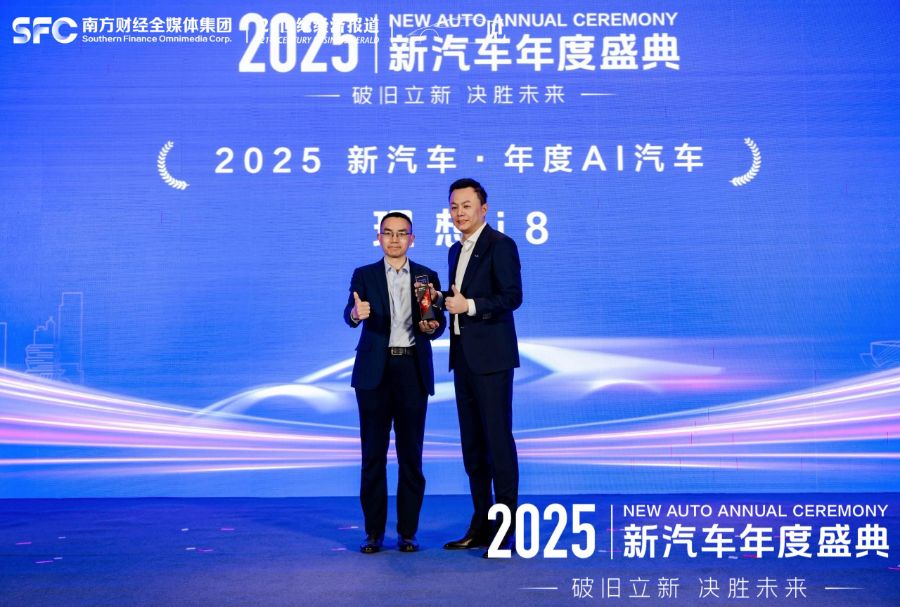
Core Insights - Li Auto's first pure electric SUV, the Li Auto i8, was awarded the "Annual AI Car" title at the 2025 New Automotive Annual Ceremony, highlighting its innovative features and advancements in AI technology [1] - The company emphasizes its identity as an ecosystem company, similar to Apple and Huawei, focusing on smart driving and smart cockpit as key AI products [3] Group 1: AI Technology and User Experience - The VLA driver model, launched on September 10, has seen a doubling in mileage penetration and user activity since its full rollout, with over 510,000 trial users and a satisfaction rate exceeding 98% [3] - The VLA driver model integrates reinforcement learning and a closed-loop training system, enhancing user experience across six dimensions: route selection, speed, comfort, safety, communication, and efficiency [3] - The interactive mode of the VLA model allows users to understand decision-making processes through visual and communicative means, significantly increasing user trust in assisted driving [4] Group 2: Safety and Innovation - Li Auto has reported that its AEB system has helped avoid approximately 2.418 million potential collisions and nearly 2 million nighttime incidents, emphasizing the company's commitment to safety [4][5] - The company prioritizes safety in its technology development, ensuring that all features are reliable and high-quality before enhancing capabilities, which includes standardizing laser radar across all products [5]


理想战略会大反思:承认变慢、全力出海、重投AI|36氪独家
36氪· 2025-11-20 10:43
Core Viewpoint - Li Auto is undergoing unprecedented pressure, with October sales dropping to 31,767 vehicles, reflecting a decline both year-on-year and month-on-month. The company is recalibrating its strategies in response to these challenges, particularly in product development, overseas expansion, and AI investment [6][7]. Sales Performance - In October, Li Auto sold 31,767 vehicles, marking a decline in both year-on-year and month-on-month comparisons. The new pure electric model i8 has underperformed, while the i6, which has high orders, is constrained by production capacity [6][7]. Strategic Adjustments - Li Auto held a three-day closed-door strategy meeting to reflect on various issues, including sales decline and product development. The company acknowledged that its efficiency has slowed and that its product and organizational rhythms are not keeping pace with current competition [6][9][14]. Product Development Challenges - The company admitted that its product iteration cycle has become too slow, with the L series sales dropping from over 50,000 to around 20,000 units. The i8 and i6 face stiff competition from rivals like NIO and Xiaomi [9][11]. Overseas Expansion - Li Auto's previous reliance on parallel exports has led to a significant drop in overseas sales due to tightening policies. The company is now accelerating its overseas strategy, which had previously been deemed a low priority until 2028 [17][18]. AI Investment - The company is increasing its investment in AI, focusing on enhancing reasoning computing power. Li Auto currently has 10 EFLOPS of training power and 3 EFLOPS of reasoning power, with plans to launch a second-generation chip in two years [21][23][24]. R&D Strategy - Li Auto is shifting its R&D approach to prioritize product differentiation and reduce reliance on cost-effectiveness metrics. The company plans to establish an independent R&D system to foster innovation [13][14][27]. Market Positioning - The competitive landscape is intensifying, with rivals like Huawei and Xiaomi launching numerous models. Li Auto is adjusting its product strategy to focus on creating standout models rather than relying on a family of similar designs [11][12][27].
基于准确的原始材料对比小鹏理想VLA
理想TOP2· 2025-11-20 10:42
Core Viewpoint - The article discusses the advancements in autonomous driving technology, particularly focusing on the VLA (Vision-Language-Action) architecture developed by Li Auto and the insights shared by Xiaopeng's autonomous driving head, Liu Xianming, during a podcast. Liu emphasizes the removal of the intermediate language component (L) to enhance scalability and efficiency in data usage [1][4][5]. Summary by Sections VLA Architecture and Training Process - The VLA architecture involves a pre-training phase using a 32 billion parameter (32B) vision-language model that incorporates 3D vision and high-definition 2D vision, improving clarity by 3-5 times compared to open-source models. It also includes driving-related language data and key VL joint data [10][11]. - The model is distilled into a 3.2 billion parameter (3.2B) MoE model to ensure fast inference on vehicle hardware, followed by a post-training phase that integrates action to form the VLA, increasing the parameter count to nearly 4 billion [13][12]. - The reinforcement learning phase consists of two parts: human feedback reinforcement learning (RLHF) and pure reinforcement learning using world model-generated data, focusing on comfort, collision avoidance, and adherence to traffic regulations [15][16]. Data Utilization and Efficiency - Liu argues that using language as a supervisory signal can introduce human biases, reducing data efficiency and scalability. The most challenging data to collect are corner cases, which are crucial for training [4][6]. - The architecture aims to achieve a high level of generalization, with plans to implement L4 robotaxi services in Guangzhou based on the current framework [4][5]. Future Directions and Challenges - Liu acknowledges the uncertainties in scaling the technology and ensuring safety, questioning how to maintain safety standards and align the model with human behavior [5][18]. - The conversation highlights that the VLA, VLM, and world model are fundamentally end-to-end architectures, with various companies working on similar concepts in the realm of Physical AI [5][18]. Human-Agent Interaction - The driver agent is designed to process short commands directly, while complex instructions are sent to the cloud for processing before execution. This approach allows the system to understand and interact with the physical world like a human driver [17][18]. - The article concludes that the traffic domain is a suitable environment for VLA implementation due to its defined rules and the ability to model human driving behavior effectively [19][20].

实现更广领域更深层次更高质量互利共赢
Xin Hua Ri Bao· 2025-11-20 06:40
Core Insights - The 2025 Industry Chain Supply Chain International Cooperation Exchange Conference and Entrepreneurs Taihu Forum was held in Wuxi, focusing on enhancing international cooperation and collaboration mechanisms with global enterprises [1] - Jiangsu aims to strengthen its industrial chain and supply chain by fostering deep cooperation in emerging and characteristic industries, ensuring mutual benefits and high-quality development for various enterprises [1] Group 1 - The forum introduced industry chain matching activities, emphasizing the establishment of supply-demand bridges in key areas [1] - Jiangsu's Governor Liu Xiaotao engaged with leaders from multinational companies and research institutions, discussing their needs in research innovation, market expansion, and financing [1] - The government is committed to providing essential support, ensuring legal rights for enterprises, and enhancing the industrial chain and supply chain [1] Group 2 - During a meeting with Pfizer's global senior vice president, Liu Xiaotao highlighted Jiangsu's position as a core hub for the biopharmaceutical industry in China, with significant advantages in industry, talent, and funding [2] - Jiangsu plans to promote open innovation across the entire biopharmaceutical industry chain and create a top-tier business environment [2] - Pfizer expressed intentions to increase its presence in Jiangsu, collaborating with local enterprises and research teams for joint research and development [2]



张颖:二十年风雨,我恰好在场
投中网· 2025-11-20 03:45
Core Insights - The article emphasizes the importance of adaptability and seizing opportunities in the evolving investment landscape over the past two decades [3][15] - It highlights the strategic decisions made by the company, including focusing on the mobile internet and establishing dual-currency funds, which have contributed to its success [4][6] Group 1: Key Strategic Decisions - The company identified the potential of the mobile internet early on and sought to invest in individuals with industry expertise rather than traditional investors [4] - It established a dual-currency fund strategy, launching its first RMB early-stage fund in 2010, to better align with the Chinese market's liquidity and exit paths [5][6] - The company recognized the importance of post-investment services, investing in team building and support systems to enhance trust with founders [5] Group 2: Investment Focus and Trends - The company shifted its focus towards the new energy vehicle sector, aligning with national priorities for technological self-reliance and innovation [6][7] - Successful investments in companies like Li Auto and XPeng Motors marked significant milestones in the company's transition towards a technology-driven investment strategy [7][8] Group 3: Personal Insights and Philosophy - The company values a deep understanding of human nature, which aids in identifying the core motivations of entrepreneurs [9] - The philosophy of "self-strengthening leads to collective strength" is emphasized, highlighting the importance of personal integrity and genuine relationships in business [10][13] - The company aims to support quality entrepreneurs through various initiatives, reinforcing its commitment to the entrepreneurial ecosystem [13][15]


观察 | 新能源车零售渗透率达57.2% 广州车展勾勒2026年市场格局
Zhong Guo Zhi Liang Xin Wen Wang· 2025-11-20 03:31
Core Insights - The 2025 Guangzhou International Auto Show will open on November 21, showcasing the achievements of domestic and international electric vehicles and outlining the new market landscape for 2026 [1] - The domestic electric vehicle market has achieved a historic breakthrough in 2023, with over 10 million applications for vehicle trade-in subsidies, of which 57.2% are for electric vehicles, leading to a 24.4% year-on-year increase in retail sales of new energy passenger vehicles from January to September [2][5] - The market structure of the domestic automotive industry has shifted, with electric vehicles accounting for 51.6% of total new car sales in October [2] Policy and Market Dynamics - The sustained growth in electric vehicle sales is driven by both policy incentives and market demand, including trade-in subsidies and tax exemptions, which enhance consumer purchasing power [5] - The variety of domestic electric vehicle products, technological upgrades, and improved charging infrastructure are meeting diverse consumer needs, making the Guangzhou Auto Show a significant platform for showcasing electric vehicles [5] Competitive Landscape - Major global brands will participate in the auto show, indicating a diversified competitive landscape, with traditional brands accelerating their electrification efforts and new entrants focusing on smart technology [7] - Data from October shows that domestic brands have a retail penetration rate of 77.9% in the new energy vehicle market, while joint ventures only account for 7% [7] Technological Trends - The 2026 electric vehicle market will feature three parallel technological routes: pure electric, range-extended, and plug-in hybrid, with a focus on ultra-fast charging, long range, and smart features [9] - The competition will shift towards intelligent driving assistance systems and smart cockpit features, with high-end models increasingly equipped with advanced technologies [11] Future Market Outlook - The Chinese electric vehicle market is expected to continue expanding, with a penetration rate projected to exceed 60% by 2026, maintaining its lead in the global market [13] - The competition in the mainstream market (priced between 100,000 to 200,000 yuan) will intensify, focusing on product performance and cost-effectiveness [13]



浪人早报 | 英伟达第三季度营收570亿美元、理想内部承认低估小米、OpenAI最强编程模型发布…
Xin Lang Ke Ji· 2025-11-20 02:51
Group 1 - Nvidia reported third-quarter revenue of $57.01 billion, exceeding market expectations of $55.19 billion [2] - Li Auto acknowledged underestimating Xiaomi's impact on the automotive market, leading to strategic adjustments in response to declining sales [2] - Xiaomi's entry into the automotive sector has intensified competition, with two successful models launched in two years [2] Group 2 - OpenAI announced the release of the GPT-5.1-Codex-Max programming model, which significantly enhances long-term reasoning, efficiency, and real-time interaction capabilities [3] - Elon Musk stated that the development of generative AI will render money "meaningless," although energy and quality will still impose limitations [4] Group 3 - Kuaishou reported third-quarter revenue of 35.6 billion yuan, a year-on-year increase of 14.2%, with core business revenue growing by 19.2% [5] - Kuaishou's operating profit increased by 69.9% year-on-year to 5.3 billion yuan, while adjusted net profit rose by 26.3% to 5 billion yuan [5] Group 4 - A report predicts that global DRAM prices, which have already surged by 50% this year, may rise an additional 30% by Q4 2025 and 20% in early 2026 [8]


理想汽车战略会
数说新能源· 2025-11-20 02:09
Group 1: Product and Technology - The company acknowledges its efficiency lag and plans to accelerate product development, shifting from a four-year iteration cycle to a two-year cycle to keep pace with industry standards [1][2] - Sales of the L series have declined from over 50,000 units to around 20,000 units per month, while the i8 faces strong competition from NIO's ES8 and AITO's M8, and the i6 is challenged by Xiaomi's SU7 [1] - The company is moving away from a "configuration stacking" approach to focus on refining single configurations, enhancing design differentiation among new models [2] Group 2: Overseas Strategy - The company made a significant error by relying on parallel exports, particularly to Russia and the Middle East, which has seen a drastic drop in volume due to tightening policies [4] - The company is now focusing on key markets such as the Middle East, Central Asia, and Europe, establishing R&D centers in Germany and the U.S., and retail centers in Uzbekistan and Kazakhstan [5] Group 3: AI and Chip Development - The company has increased its strategic focus on computing power, investing over 100 million yuan monthly, with current reserves of 10 EFLOPS for training and 3 EFLOPS for inference [6] - Breakthroughs in self-developed chips are expected, with the first generation set for deployment in flagship models by early 2025, and the second generation emphasizing inference capabilities [7] - The company aims to evolve beyond just "automotive AI" by exploring smart glasses and other terminal hardware, aspiring to become a comprehensive enterprise in the AGI era [8]


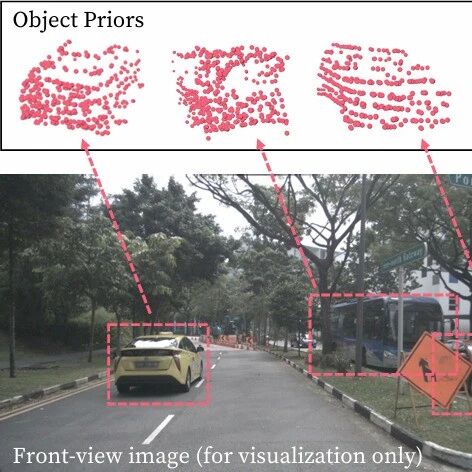
理想一篇中稿AAAI'26的LiDAR生成工作 - DriveLiDAR4D
自动驾驶之心· 2025-11-20 00:05
Core Viewpoint - The article discusses the development of DriveLiDAR4D, a novel LiDAR scene generation pipeline by Li Auto, which integrates multimodal conditions and an innovative temporal noise prediction model, LiDAR4DNet, to generate temporally consistent LiDAR scenes with controllable foreground objects and realistic backgrounds [2][8]. Background Review - Data is a fundamental element driving AI development, especially in autonomous driving, where high-quality data is crucial due to the data-intensive nature of deep learning models and the need to capture rare driving behaviors and unique road environments [3]. - Current LiDAR scene generation methods have made significant progress but still face limitations, such as the inability to generate temporally consistent scenes and accurately positioned foreground objects [3][7]. DriveLiDAR4D Contributions - DriveLiDAR4D is the first end-to-end method to achieve temporal generation of LiDAR scenes with full scene control capabilities, featuring two core characteristics: integration of multimodal conditions and a carefully designed noise prediction model [8][9]. - The method allows for precise control over foreground objects and background elements, addressing the shortcomings of existing techniques that primarily focus on unconditional generation [7][8]. Methodology - The pipeline involves extracting three types of multimodal conditions (road sketches, scene descriptions, and object priors) during the training phase, which are then used to predict and reconstruct noisy image sequences [9][18]. - The LiDAR4DNet model employs an equirectangular representation for efficient scene description and integrates spatial-temporal convolution and transformer modules to enhance feature learning and maintain temporal consistency [18][20]. Experimental Results - DriveLiDAR4D outperforms state-of-the-art methods in generating LiDAR scenes, achieving a FRD score of 743.13 and an FVD score of 16.96 on the nuScenes dataset, with improvements of 37.2% and 24.1% respectively over the previous best method, UniScene [2][22][26]. - The model demonstrates significant advancements in both foreground and background control, as well as in the generation of temporally consistent sequences [22][30]. Conclusion - The introduction of DriveLiDAR4D marks a significant step forward in LiDAR scene generation for autonomous driving, providing a robust framework that enhances the realism and controllability of generated scenes, which is essential for the development of safe autonomous systems [2][8].
美股三大指数集体收涨,谷歌、英伟达涨超2%,中概指数跌1.53%
Ge Long Hui A P P· 2025-11-19 22:19
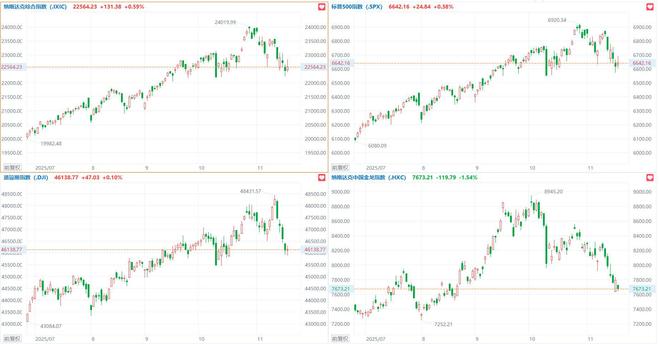
Market Performance - The three major U.S. stock indices closed higher, with the Dow Jones Industrial Average up 0.10%, the S&P 500 up 0.38%, and the Nasdaq Composite up 0.59% [1] - Large-cap tech stocks showed mixed results, with Google, Nvidia, Oracle, and Intel rising over 2%, while Netflix fell over 3%, AMD dropped over 2%, and Microsoft and Meta declined over 1% [1] Chinese Stocks - The Nasdaq Golden Dragon China Index fell by 1.53%, with most popular Chinese concept stocks declining [1] - Xpeng Motors dropped over 6%, NetEase fell over 4%, and NIO, Bilibili, and Li Auto each decreased by over 3%, while JD.com and Baidu were down over 1% [1]