Micron Technology(MU)

Search documents
1000亿美元!美光建芯片超级工厂!
国芯网· 2026-01-12 12:23
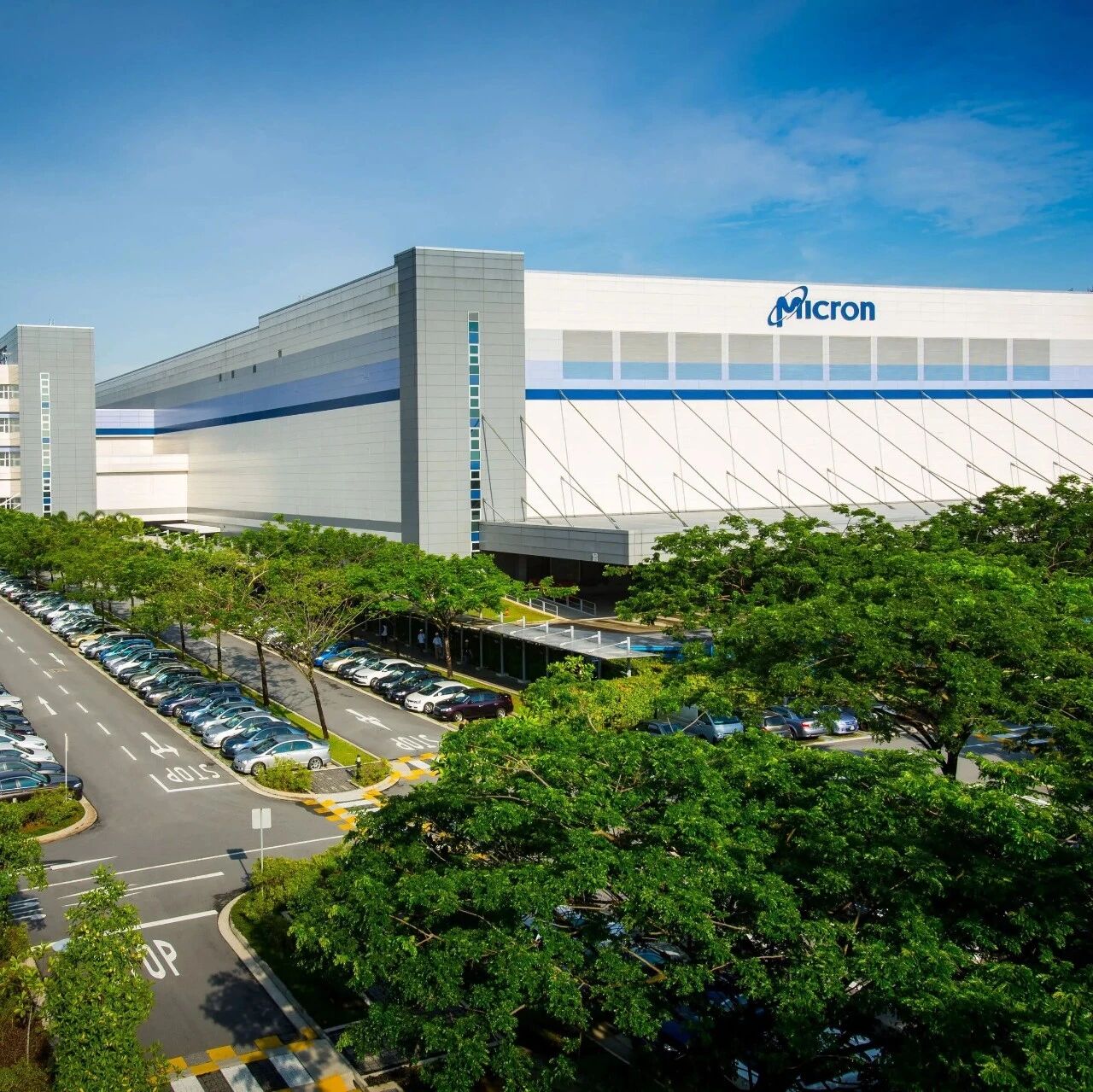
国芯网[原:中国半导体论坛] 振兴国产半导体产业! 不拘中国、 放眼世界 ! 关注 世界半导体论坛 ↓ ↓ ↓ 1月12日消息,据外媒报道,美光科技2022年10月份宣布投资最高1000亿美元,在纽约州建设的超级晶圆厂,在经过多年的等待之后,即 将动工建设。 美光科技宣布,计划在纽约州奥农达加县建设的超级晶圆厂,将在1月16日动工,包括美光科技董事长、总裁兼CEO Sanjay Mehrotra在 内的多位高管和美国、纽约及当地的多位官员,将出席当天的动工仪式。 第二步:在公众号里面回复"加群",按照提示操作即可。 爆料|投稿|合作|社群 从美光科技在官网公布的消息来看,他们即将动工建设的超级晶圆厂,将是纽约州历史上规模最大的私营企业投资,将成为先进存储芯片 的制造基地,有助于满足AI领域日益增长的需求,工厂在全部建成之后,将成为美国最大的半导体工厂,将创造近5万个就业岗位,其中近 9000个是美光的高薪岗位。 不过,从美光科技此前公布的消息来看,他们在这一工厂计划的1000亿美元投资,并不是几年,而是跨越20多年,一期是计划到2029年 投资200亿美元。 此外,美光科技这一工厂的建设,已经晚于他们的预期。 ...


你没看错!美光:存储将缺货到2028年!
是说芯语· 2026-01-12 11:53
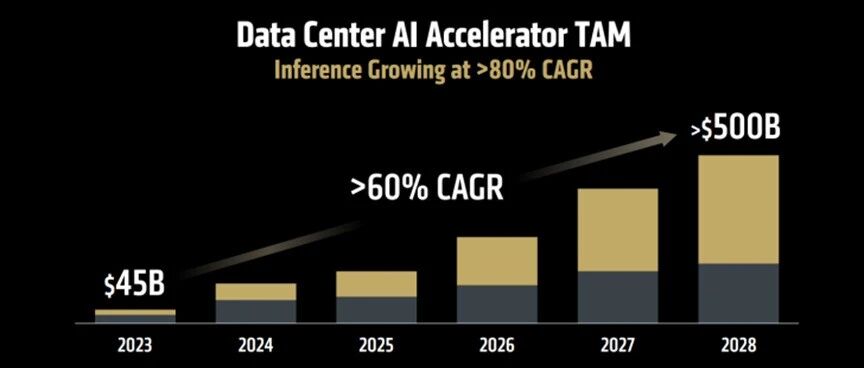
Core Viewpoint - Micron is a leading memory manufacturer facing a significant demand surge in DRAM memory due to the rise of artificial intelligence, which has led to a supply shortage affecting both consumer and data center markets [1][2][3] Group 1: Current Market Situation - The total addressable market (TAM) for data centers is rapidly expanding, with potential market size increasing from 30%-35% to 50%-60%, indicating a substantial demand for memory [2] - Micron's OEM consumer channel constitutes a significant portion of its market share, supplying major PC brands like Dell and Asus, thus maintaining a presence in the consumer market despite the exit from the "Crucial" brand [2][3] - The current supply shortage is not solely a Micron issue but a broader industry challenge, with all manufacturers struggling to meet the heightened demand [3] Group 2: Production Capacity and Challenges - Micron is facing challenges in adjusting production lines to meet varying memory module capacities, which complicates efforts to increase overall DRAM output [5][6] - The company is working to stabilize demand and production to maximize yield, as fluctuations in memory configurations can lead to reduced output [6] - Significant expansions in production capacity will not yield results until 2028 due to the lengthy process of construction and customer certification [7] Group 3: Competitive Landscape - There is increasing speculation about Chinese memory suppliers potentially filling market gaps, with Micron welcoming competition as a means to improve its own offerings [8][9] - The memory industry is experiencing a strong demand driven by AI infrastructure, which is expected to sustain high prices and profitability for manufacturers [10][13] Group 4: Future Outlook - Analysts predict that the demand for NAND flash and DRAM will continue to grow, with capital expenditures from major tech companies expected to rise significantly [14][17] - Despite the current high demand, memory manufacturers are cautious about expanding production capacity due to past experiences with market volatility [17][18]
美光高管解读:为何投入巨大,内存短缺在2028年前难以改善?
Xuan Gu Bao· 2026-01-12 11:21
Core Insights - Micron executives indicate that despite significant investments, the memory shortage issue will not improve until 2028 [1] - The current supply constraints are driven by a surge in AI data center demand combined with increasing complexity in memory manufacturing [1] - The structural change in DRAM demand, particularly from data centers and AI, has risen from 30%-40% to 50%-60% of the total DRAM market [2] Group 1: Industry Challenges - The memory supply issue is not unique to Micron but is an industry-wide constraint affecting all major memory manufacturers [2] - The shift in demand prioritization towards AI does not equate to consumer neglect; rather, it reflects a temporary supply mismatch due to the expanding total addressable market (TAM) [2] - Micron emphasizes that simply increasing production capacity will not alleviate the shortage, as the main bottleneck is the fragmentation of product specifications leading to production inefficiencies [3] Group 2: Production and Capacity - The production bottleneck arises from the need for frequent switching between different product designs, which reduces effective output [3] - Micron is working to minimize the variety of chip specifications to maximize output efficiency [3] - New capacity from Micron's ID1 wafer fab in Idaho is expected to come online in mid-2027, but significant scale production will take additional time, likely pushing substantial supply changes to 2028 [4]
行业周报:美国政府放松H200对华出口,美光在纽约州兴建多座晶圆厂-20260112
Guoyuan Securities· 2026-01-12 11:20
Investment Rating - The report maintains a "Recommended" investment rating for the semiconductor and semiconductor production equipment industry [5] Core Insights - The U.S. government has relaxed export controls on NVIDIA H200 chips to China, which is expected to boost the AI chip market in China [3] - Micron plans to build up to four wafer fabs in New York, potentially receiving over $25 billion in federal subsidies, with the first fab expected to be operational by 2030 [3] - The global electric vehicle sales are projected to reach 20.985 million units in 2025, a year-on-year increase of approximately 22%, and are expected to rise to 24.166 million units in 2026, a 15% increase [2][23] - The domestic AI chip index increased by 7.8% this week, with several companies experiencing significant gains [10] Market Indices Summary - The overseas AI chip index fell by 1.5%, while the domestic A-share chip index rose by 7.8% [10] - The storage chip index increased by 12.1%, with notable gains from companies like Purun and Hengsuo [10][16] - The power semiconductor index rose by 5.7%, indicating positive market sentiment in this segment [10][16] - The server ODM index decreased by 3.0%, reflecting challenges in the server market [10][16] Industry Data Summary - Global smart watch shipments are expected to grow by 7% by the end of 2025, recovering from a decline in 2024 [2][25] - The shipment volume of foldable smartphone panels is projected to grow by 46% in 2026, driven by Apple's entry into the foldable smartphone market [2][28]


If You'd Invested $100 in Micron Stock 10 Years Ago, Here's How Much You'd Have Today
The Motley Fool· 2026-01-12 11:07
Core Viewpoint - Micron has emerged as a leading AI stock, driven by strong demand for its memory chips, particularly in the AI sector, resulting in significant stock price appreciation over the past year [1]. Group 1: Stock Performance - Micron's stock has surged over 245% in the last year, reflecting its strong performance in the tech sector [1]. - The stock is currently priced at $345.09, with a market capitalization of $388 billion [2]. - Over the past decade, Micron's stock has increased approximately 2,490%, indicating substantial long-term growth [3]. Group 2: Product Demand and Revenue - The company's high-bandwidth-memory (HBM) chips are in high demand from major AI processor manufacturers like Nvidia and AMD, contributing to a new growth phase [3]. - Micron's focus on high-margin AI chips has led to increased revenue streams and positive effects on its consumer memory chip business [4]. - The heightened demand in the memory chip market has also enhanced Micron's pricing power in the consumer segment, indicating robust business performance [5].
存储厂商,谨慎扩产
半导体芯闻· 2026-01-12 10:23
Group 1 - The core viewpoint of the article highlights an unprecedented supply shortage in the global memory market driven by the rapid development of AI infrastructure, despite high demand from PC and smartphone manufacturers [1] - Major tech companies like Amazon, Google, Microsoft, and Meta are projected to have a combined capital expenditure of $407 billion in 2025, increasing to $523 billion in 2026, which is fueling demand for NAND Flash and HDD [2] - The memory industry is experiencing a generational supply-demand imbalance, with the total shipment growth rate for NAND Flash and HDD expected to reach 19% over the next four years, significantly higher than the past decade's average of 14% [2] Group 2 - Memory manufacturers are exercising extreme restraint in increasing production capacity due to past painful losses and a cautious strategy influenced by Wall Street, despite the current high prices and shortages [3] - Micron recently achieved record quarterly sales and operating profits, while Samsung anticipates a threefold increase in operating profit for Q4 2024 compared to the same period in 2023 [2] - Analysts believe that memory chip and HDD prices will remain high through 2026, and if demand continues to be strong, the current upward cycle could last for several years [4]


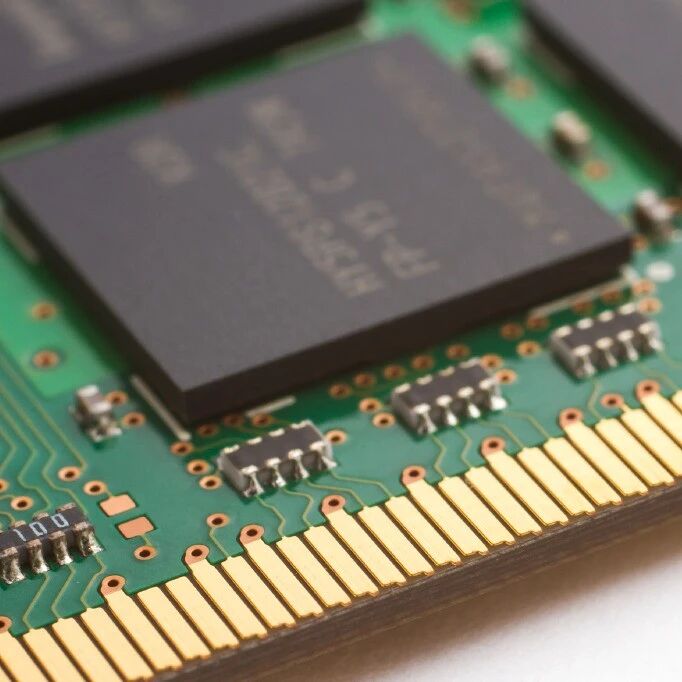
三国演义,存储市场硝烟已起
新财富· 2026-01-12 08:05
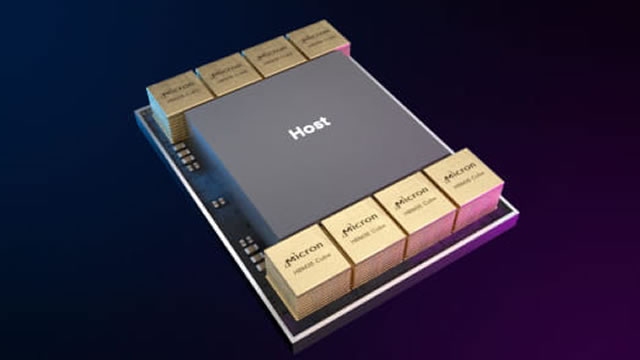
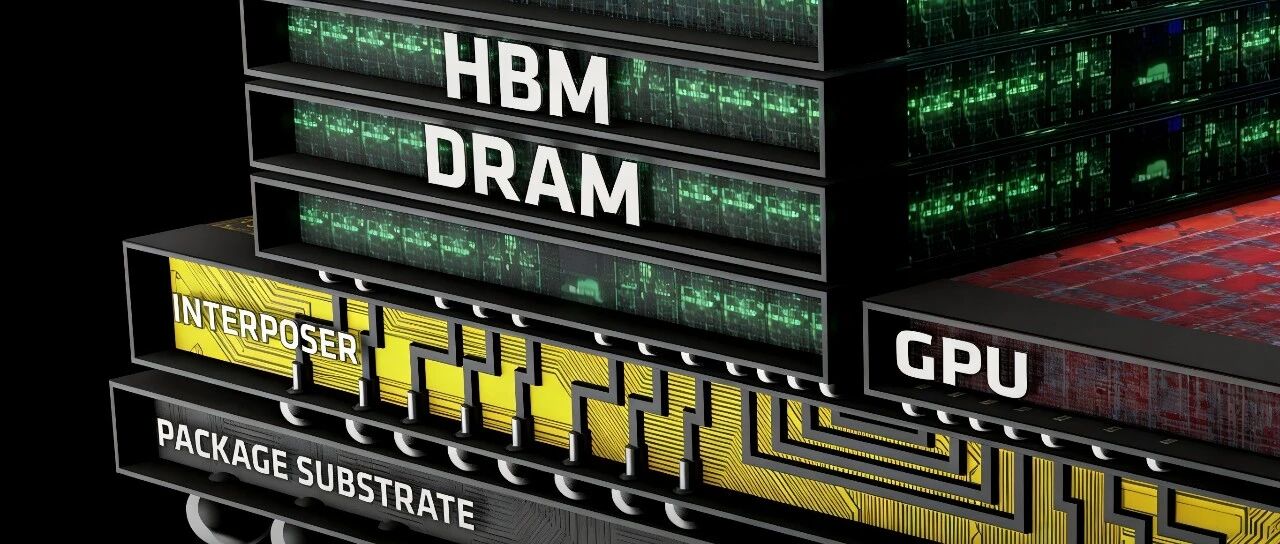
Core Insights - The performance of AI is heavily influenced by the capabilities of HBM (High Bandwidth Memory), with leading companies like Samsung, SK Hynix, and Micron dominating the market [2][5][10] - The upcoming years (2026-2028) will be crucial for these companies as their strategic decisions will significantly impact the evolution of the global AI industry [2] HBM Market Dynamics - In Q1 2025, SK Hynix surpassed Samsung for the first time in market share, holding approximately 36% of the global DRAM market, while Samsung held 34% and Micron 25% [5] - This shift is indicative of a broader industry transformation centered around HBM technology [5] - SK Hynix's success is attributed to its early investments in HBM technology and its ability to supply DRAM products effectively [7] Technological Advancements - HBM technology offers two major advantages: extremely high bandwidth (up to several tens of times that of traditional DDR memory) and high energy efficiency, which is critical for AI computing [7] - Samsung is responding to competitive pressures by accelerating its HBM production, planning to increase its monthly capacity by nearly 50% by 2026 [10][15] Competitive Strategies - Samsung aims to regain market share from SK Hynix by leveraging its extensive manufacturing capabilities and aiming for a significant increase in HBM production [10][15] - The competition is intensifying as both SK Hynix and Samsung plan to start HBM4 production in Q1 2026, which will shift the balance of power in the market [27][28] Pricing Trends - The price of HBM4 is expected to rise significantly, with SK Hynix's agreements indicating a more than 50% increase compared to HBM3E [22] - This price increase reflects the complex manufacturing processes and the current supply-demand imbalance in the high-end memory market [22] Future Outlook - The global HBM market is projected to reach $60 billion by 2026, with a potential market size of around $100 billion by 2030 [22] - The competition among SK Hynix, Samsung, and Micron will drive technological advancements and cost reductions in the HBM sector, benefiting the broader AI industry [29]
“Micron (MU) Will Put Up Plants,” Says Jim Cramer
Yahoo Finance· 2026-01-12 07:26
We recently published 10 Stocks Jim Cramer Talked About. Micron Technology, Inc. (NASDAQ:MU) is one of the stocks on Jim Cramer talked about. Micron Technology, Inc. (NASDAQ:MU) is one of the top-performing stocks in the semiconductor sector. Its shares are up by a whopping 247% over the past year. Micron Technology, Inc. (NASDAQ:MU)’s importance in the chip industry, underscored by the fact that it is one of the few firms capable of providing NVIDIA with the latest memory chips for its GPUs, means that ...
1000亿美元!巨头宣布打造全球最先进存储厂!
是说芯语· 2026-01-12 05:52
Core Viewpoint - Micron Technology has announced the groundbreaking of a massive semiconductor manufacturing facility in New York, representing a significant investment in the storage industry and aiming to meet the growing demand for high-end storage solutions driven by artificial intelligence [1][4]. Group 1: Project Overview - The project involves a total investment of $100 billion, making it the largest private investment project in New York's history [4]. - The facility will consist of four wafer fabs focused on DRAM memory production, targeting the increasing storage needs of AI systems [4]. - The project has received $5.5 billion in tax incentives under the U.S. CHIPS Act, which has facilitated its progress [4]. Group 2: Environmental and Construction Details - The project will occupy 176.44 acres of regulated freshwater wetlands and 193.38 acres of federally regulated wetlands, along with 6,413 linear feet of federally jurisdictional streams [4]. - To mitigate environmental impacts, Micron has partnered with wetland trust organizations to plan five wetland restoration projects in Oswego County [4]. - The construction schedule includes clearing trees by March 31, followed by the development of rail spurs and wetland grading [4]. Group 3: Production Timeline and Employment - The first wafer fab is expected to begin production in 2030, with the second fab opening three years later, and the fourth fab projected to be completed by 2045 [5]. - Once fully operational, the project is anticipated to create approximately 9,000 jobs [5]. Group 4: Market Position and Strategy - As of Q3 2025, Micron holds a 21% revenue share in the global high-bandwidth memory (HBM) market, ranking third behind SK Hynix and Samsung [5]. - The demand for DRAM in AI servers is eight times that of regular servers, highlighting a structural shift in storage chip demand [5]. - Micron plans to launch HBM4 products in Q2 2026, aiming for a market share increase to over 20% in HBM and 40% in the overall DRAM market [6].
芯片行业,再破纪录
半导体行业观察· 2026-01-12 01:31
Core Viewpoint - The global semiconductor market is experiencing a significant growth phase driven by AI, with sales reaching a historical high of $75.3 billion in November 2025, marking a month-over-month increase of 3.5% and a year-over-year increase of 29.8% [1][4]. Group 1: Regional Performance - The Asia-Pacific region is the strongest growth driver, with a year-over-year increase of 66.1% and a month-over-month increase of 5%, reflecting full manufacturing capacity and ongoing supply chain restructuring [2][3]. - The Americas market shows a year-over-year increase of 23% and a month-over-month increase of 3%, driven by strong demand for AI computing power and data center investments [1][3]. - The Chinese mainland market maintains steady growth with a year-over-year increase of 22.9% and a month-over-month increase of 3.9% [1][2]. - The European market experiences moderate growth with an 11.1% year-over-year increase and a 1.2% month-over-month increase [2]. - Japan is the only major market showing a decline, with a year-over-year decrease of 8.9% and a month-over-month decrease of 0.1%, attributed to weak demand in consumer electronics and automotive sectors [1][3]. Group 2: Market Dynamics - The growth in semiconductor sales is not driven by a single product line but rather by a synchronized expansion across all major semiconductor categories, indicating a long-term expansion phase centered around AI [1][3]. - Logic chips benefit from increased demand for AI training and inference, while high-bandwidth memory (HBM) faces supply constraints, driving up prices and shipment volumes [3][4]. - The automotive sector is seeing a significant increase in semiconductor usage due to the electrification trend, marking a new growth curve for the industry [9]. Group 3: Future Projections - The World Semiconductor Trade Statistics (WSTS) forecasts global semiconductor sales to reach $975.4 billion by 2026, representing a year-over-year increase of 22.5% [5]. - The long-term growth of the semiconductor industry is driven by five core dynamics: ongoing AI computing arms race, sustained capital expenditure in data centers, structural high margins from HBM supply constraints, recovery in consumer electronics, and the rise of automotive intelligence [5][6][7][8][9]. Group 4: Key Beneficiaries and Challenges - Key beneficiaries include NVIDIA, TSMC, Samsung, SK Hynix, and Broadcom, which are positioned to capitalize on the growing demand for AI and advanced semiconductor technologies [10]. - Companies like Intel and Micron face challenges due to ongoing transitions and slower competitive positioning in the HBM market, while Japanese semiconductor firms struggle with weak end-demand [10].