Toyota(TM)

Search documents
【新能源周报】新能源汽车行业信息周报(2025年10月27日-11月2日)
乘联分会· 2025-11-04 08:43
Industry Information - The term "semi-solid battery" is proposed to be renamed as "solid-liquid battery" to avoid confusion with solid-state batteries, which are seen as the future direction due to their higher safety, energy density, lifespan, and faster charging capabilities [9] - Shanghai's Haitong International Automobile Terminal has achieved a record high automobile export volume of 1.109 million units in the first three quarters of this year [10] - The commercial insurance premium income for new energy vehicles exceeded 100 billion yuan, reaching 108.79 billion yuan, with a year-on-year growth of 36.6% [11] - Anhui province ranked first in the country with an automobile production of 2.4044 million units in the first three quarters, significantly outpacing Guangdong [12] - The profit of the automobile manufacturing industry increased by 3.4% year-on-year from January to September [13] - The establishment of 10 measurement talent training centers has been approved, including those focused on new energy vehicles [13] - Huawei's HarmonyOS has delivered over 1 million units in just 43 months [13] - A new project for producing 1.6 million sets of chassis components has officially commenced [13] - The first automotive chip standard verification platform in China has been put into operation [16] - The demand for energy storage has significantly boosted the performance of the lithium battery industry in the third quarter [21] Policy Information - The National Energy Administration has released several important standards related to electric vehicle charging infrastructure [26] - Shenzhen's vehicle replacement subsidy policy will cease after October 28, 2025, due to budget constraints [30] - Guizhou province has implemented a management plan for electric vehicle charging infrastructure construction [30] - The Ministry of Industry and Information Technology is promoting the development of green industries, including new energy vehicles [20] Company Information - Seres Group plans to go public in Hong Kong with a maximum issue price of 131.50 HKD per share, aiming for a total issuance scale of approximately 17 billion USD [43] - Nio has achieved over 90 million battery swaps, with an average daily swap volume exceeding 100,000 [43] - Xpeng Motors has entered the Baltic states and Cambodia markets [43] - BYD's new car registrations in Europe increased nearly fourfold in September [43] - The establishment of Zhejiang Li Auto Battery Co., Ltd. has been completed with a registered capital of 70 million yuan [24]


Toyota set for second straight quarterly profit drop as US tariffs weigh
Reuters· 2025-11-04 08:07
Core Viewpoint - Toyota Motor is anticipated to experience a decline in operating profit for the second consecutive quarter due to U.S. tariffs and supply-chain risks, despite strong global sales of hybrid vehicles [1] Group 1: Financial Performance - The company is expected to report a decrease in quarterly operating profit, marking the second consecutive decline [1] Group 2: Market Conditions - U.S. tariffs are impacting the company's operations negatively [1] - Supply-chain risks are also contributing to the operational challenges faced by the company [1] Group 3: Product Performance - Despite the challenges, there is robust global demand for hybrid vehicles, which remains a positive aspect for the company [1]
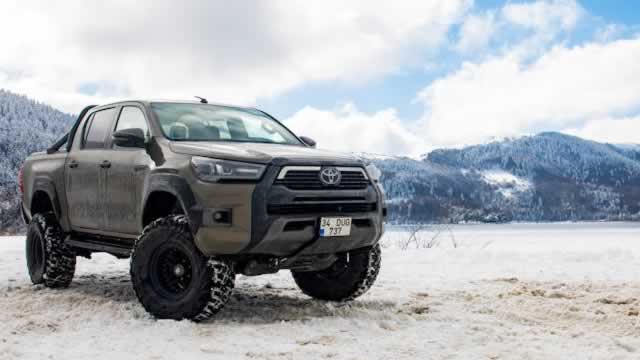
Daimler’s Satyakam Arya to lead Hino Motors as President & CEO from April 2026
BusinessLine· 2025-11-04 06:53
Core Insights - Satyakam Arya has been appointed as President and CEO of Hino Motors, effective April 1, 2026, marking a significant leadership change for Daimler Truck and Toyota Motor Corporation's integration of their commercial vehicle subsidiaries [1][3] - The integration aims to establish a new listed holding company for Mitsubishi Fuso and Hino Motors, with Daimler Truck and Toyota each targeting a 25% ownership stake [3] - Succession planning for Daimler India Commercial Vehicles (DICV) is currently in progress, with further details to be announced soon [4] Company Performance - Under Satyakam Arya's leadership, DICV has achieved record-breaking profitability growth in its trucks and buses portfolio, while also doubling its customer base across all segments [6] - The dealership network for BharatBenz expanded significantly from 182 to over 385 locations nationwide, enhancing customer accessibility [6] Industry Outlook - The commercial vehicle industry in India is poised for transformation, driven by increased infrastructure investments and a shift towards sustainable mobility, creating strong growth fundamentals [7] - DICV is well-positioned to leverage these opportunities due to its solid foundation and exceptional leadership [7]

汽车早餐 | 朱华荣已卸任长安福特董事长;威马宣布“好事将近”;蔚能完成6.7亿元C轮股权融资
Zhong Guo Qi Che Bao Wang· 2025-11-04 01:13
Domestic News - The National Health Commission and five other departments have launched a one-year special campaign to rectify illegal "ambulance" vehicles, focusing on both registered and unregistered vehicles providing emergency medical services [2] - Guangdong Province will implement a consumption season activity from November 2025 to March 2026, offering one-time subsidies for personal consumers purchasing new energy vehicles and compliant fuel vehicles [3] - Jiangsu Province has approved the construction plan for an innovation center focused on power and control systems for new energy commercial vehicles, led by Xuzhou Xugong Automobile Manufacturing Co., Ltd. [4] - China's robot industry revenue increased by 29.5% year-on-year in the first three quarters, with industrial robot production reaching 595,000 units and service robot production reaching 13.5 million sets [5] International News - Toyota is recalling 99,178 vehicles in Canada due to software issues affecting rearview camera displays, with free software updates provided to affected customers [6] - Hyundai plans to establish a clean mobility hub in Malaysia, with government support for hydrogen production projects [7] - Tesla has completed the design review of its AI 5 chip, with future AI chips AI6, AI7, and AI8 in the pipeline [8][9] Corporate News - Zhu Huarong has resigned as chairman of Changan Ford, with Zhao Fei taking over the position [10] - WM Motor announced an upcoming new car launch event, indicating positive developments despite ongoing challenges in after-sales service [11] - The autonomous delivery service "Luo Bo Kuaipao" reported over 250,000 weekly orders, all of which are fully autonomous, with total global orders exceeding 17 million [12] - Huitian Aerospace Technology has successfully produced its first "land aircraft carrier" flying vehicle, marking a milestone in the mass production of flying cars [13] - Hesai Technology and Guanghetong have launched a collaborative solution for robot lidar, focusing on key functionalities for intelligent robots [14] - Weinan Battery Asset Co., Ltd. has completed a C-round financing of 670 million yuan, with funds allocated for battery asset operations and technology development [15]






末日幸存欲,才是2025年的消费源动力
虎嗅APP· 2025-11-03 09:53
Core Viewpoint - The article discusses the emergence of a "polycrisis" era, highlighting the interconnectedness of economic inequality, political instability, ecological imbalance, and technological risks, which are increasingly shaping consumer behavior and market trends in 2025 [7][8]. Group 1: Global Uncertainty and Economic Impact - The World Uncertainty Index (WUI) indicates that global uncertainty in the first half of 2025 has surged over five times compared to the same period in 2024, reflecting a significant decline in market confidence [10]. - Major factors driving this increase in uncertainty include policy unpredictability and geopolitical tensions [11]. Group 2: Climate Crisis and Consumer Behavior - By 2050, it is predicted that there will be 1.2 billion climate refugees, with Asia experiencing climate impacts at twice the global average rate [14]. - The climate crisis is influencing consumer trends, merging survivalist demands with a desire for security, which is becoming a key driver of consumption in 2025 [17]. Group 3: Rise of Survivalist Consumption - The concept of "doomsday consumption" is gaining traction, with products like the Toyota Tacoma being favored for their reliability and perceived safety, showing a 188% increase in Q1 2025 sales compared to Q1 2024 [22]. - Affordable survival shelters are emerging as a new trend, with membership-based services like Fortitude Ranch gaining popularity among middle-class consumers concerned about societal instability [24][26]. Group 4: Cultural Reflections of Doomsday Sentiment - The cultural landscape is reflecting doomsday sentiments, with popular media and entertainment focusing on survival themes, indicating a growing consumer interest in products that evoke a sense of security and survival [29]. Group 5: Innovations in Climate-Responsive Products - There is a rising demand for cooling apparel, with a 16% increase in searches for cooling fabrics in 2025, highlighting the importance of personal climate regulation [42]. - Innovative products like wearable solar-powered vests are being developed to help individuals cope with extreme heat, showcasing the retail industry's adaptation to climate challenges [40]. Group 6: Security and Personal Safety Consumption - In the UK, sales of stab-proof clothing have surged due to rising concerns over personal safety, with projections indicating a global market growth to $2.3 billion by 2032 [49]. - In the U.S., there is a notable increase in home security investments, with middle-class consumers increasingly interested in creating safe spaces within their homes [52][53]. Group 7: Digital Security and Asset Protection - The demand for encrypted USB drives is rising, reflecting a growing concern for personal information security, with a steady market growth rate of approximately 7.1% [55]. - The cold wallet market for cryptocurrency is expected to grow significantly, with projections indicating a rise from $3.5 billion in 2024 to $12.2 billion by 2033, driven by increasing concerns over digital asset security [60].

日本汽车,还有最后一招值得中国学习
3 6 Ke· 2025-11-03 05:20
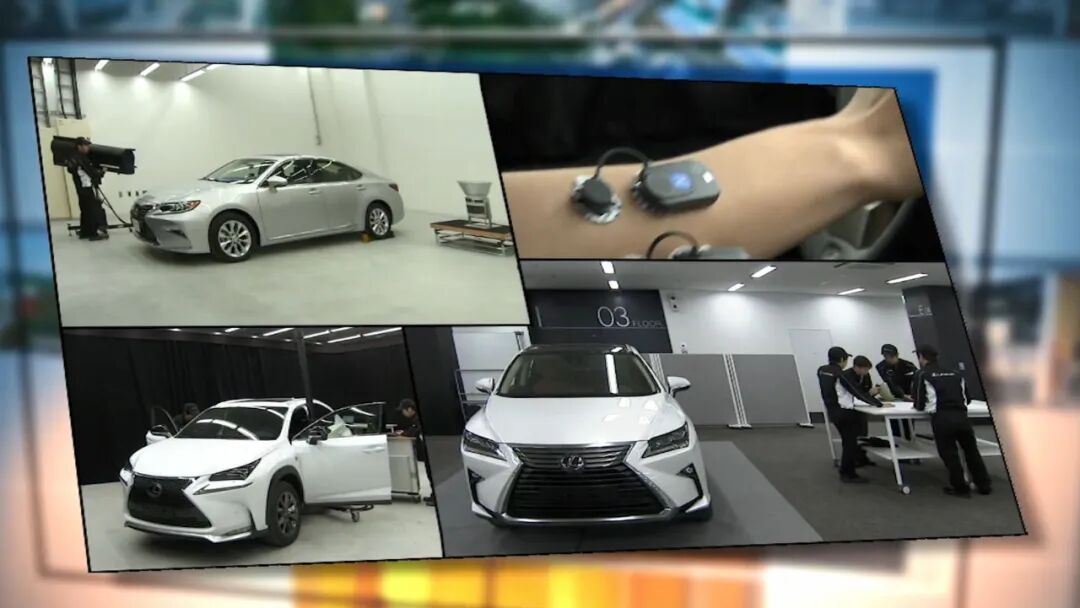
Core Viewpoint - The article emphasizes the importance of human involvement in the automotive manufacturing process, particularly in the context of Japanese automotive practices, which can provide valuable lessons for the Chinese automotive industry as it transitions towards electrification and automation [3][5][11]. Group 1: Human-Centric Manufacturing - Japanese automotive manufacturing, exemplified by Lexus, prioritizes human involvement alongside automation, showcasing a balance that enhances quality and efficiency [5][11]. - The Lexus Miyata factory, known for its high production capacity, integrates human skills with advanced machinery, demonstrating that certain tasks still require human touch for optimal results [6][9]. - The concept of "craftsmanship" is highlighted, where skilled workers perform tasks that require sensitivity and dexterity, which machines cannot replicate [10][14]. Group 2: Lessons for Chinese Automotive Industry - The Chinese automotive sector, while advanced in electrification and automation, faces challenges in battery safety and driving efficiency, areas where Japanese practices could offer solutions [5][11]. - Japanese manufacturers have historically maintained a lower level of automation compared to China, focusing instead on lean production and skilled labor, which can serve as a model for improving quality in Chinese manufacturing [11][12]. - The article suggests that the human element in manufacturing can lead to better outcomes, particularly in quality control and intricate tasks that require nuanced judgment [14][15]. Group 3: Employee Welfare and Innovation - Lexus factories emphasize employee welfare, encouraging workers to monitor their health and report issues without fear of punishment, fostering a culture of safety and quality [16][18]. - The encouragement of employee innovation is evident, with workers empowered to propose improvements that enhance production efficiency, reflecting a commitment to continuous improvement [19][21]. - The factory's operational philosophy includes three key principles: safety first, thoroughness in all tasks, and a commitment to quality, which collectively contribute to high manufacturing standards [23].
大批召回!国际车企巨头宣布→
新华网财经· 2025-11-03 01:15
Group 1 - Toyota Motor Corporation is recalling 99,178 vehicles in Canada, including over 30 models such as Lexus, due to software issues that may cause the rearview camera to malfunction [2] - The recall affects only vehicles equipped with the panoramic view monitoring system, and dealers will provide free software updates to customers [2] - Toyota plans to notify affected customers by the end of December this year [2]

汽车早报|多家车企公布10月销量数据 丰田在加拿大召回近10万辆汽车
Xin Lang Cai Jing· 2025-11-03 00:36
Group 1: Corporate Appointments - The State-owned Assets Supervision and Administration Commission (SASAC) appointed four external directors to China Changan Automobile Group, including Shao Lin, Li Shulei, Fan Bing, and Gao Hesheng [1] Group 2: Automotive Sales Performance - In September 2025, China's automotive market share reached 38%, with total global sales of 8.55 million units, a year-on-year increase of 10% [2] - SAIC Motor sold 454,000 vehicles in October 2025, a 13% year-on-year increase, with cumulative sales of 3.647 million units from January to October, up 19.5% [2] - BYD achieved record sales of 441,706 vehicles in October 2025, with cumulative sales of 3.701 million units from January to October [3] - Geely Automobile reported passenger car sales of 307,133 units in October 2025, a 35% increase, with new energy vehicle sales reaching 177,882 units, up 64% [4] - Chery Group sold 281,161 vehicles in October 2025, a 3.3% increase, with new energy vehicle sales of 110,346 units, up 54.7% [5] - Changan Automobile's total sales in October 2025 were 278,000 units, an 11% increase, with new energy vehicle sales of 119,000 units, up 36% [6] - Great Wall Motors sold 143,078 new vehicles in October 2025, a 22.5% increase, with significant growth in various models [7] - BAIC Group's total vehicle sales exceeded 160,000 units in October 2025, an 11% increase, with the Arcfox brand achieving a 110% increase in sales [8] Group 3: Recalls and Quality Issues - Toyota announced a recall of 99,178 vehicles in Canada due to software issues affecting the rearview camera display, impacting over 30 models including Lexus [9]




日产陷致命一击,丰田本田利润集体跳水
汽车商业评论· 2025-11-02 23:06
Core Viewpoint - Japanese automotive manufacturers are facing significant financial challenges, with Nissan predicting an operating loss of 275 billion yen (approximately 1.8 billion USD) for the fiscal year ending March 2026, marking its most severe financial crisis in over two decades [4][6]. Group 1: Nissan's Financial Outlook - Nissan has lowered its consolidated sales forecast for fiscal 2025 from 12.5 trillion yen to 11.7 trillion yen, leading to a 6.1% drop in its stock price on October 31, the largest single-day decline in nearly two months [5]. - The company is experiencing a crisis comparable to its near-bankruptcy situation in the past, exacerbated by ongoing leadership turmoil and declining profits [6]. Group 2: Toyota and Honda's Challenges - Toyota sold 5,267,216 vehicles in the past six months, achieving the highest sales record in two years, yet it faces a projected net profit decline of 44.2% to 2.66 trillion yen (approximately 170 million USD) for the current fiscal year [8][10]. - Honda's global sales fell nearly 6% in September, with a 13% decline in the Chinese market, and it anticipates a 70% drop in profits for the fiscal year ending March 2026 [11][23]. Group 3: External Pressures - The automotive industry is under pressure from tariffs, a strong yen, and supply chain disruptions, which are collectively squeezing profit margins [13]. - The U.S. tariffs on non-American manufactured vehicles and parts, initially set at 25%, have been reduced to 15%, but still pose a significant burden on Japanese manufacturers [17][20]. Group 4: Currency Impact - The appreciation of the yen is expected to reduce the annual profits of Japan's seven major automakers by approximately 1.5 trillion yen, with Toyota facing a potential loss of 745 billion yen due to currency fluctuations [30][31]. - The yen's strengthening has reversed the benefits previously gained from its depreciation, leading to a projected 31% decline in Toyota's operating profit [32]. Group 5: Supply Chain Issues - A semiconductor supply shortage, particularly related to Nexperia, is threatening production across the industry, with Nissan indicating that its chip inventory may only last until early November [36][38]. - Additionally, the reliance on rare earth materials from China has decreased significantly, impacting the production of electric vehicles [43][44]. Group 6: Strategic Responses - Japanese automakers are focusing on deepening their presence in the U.S. market and localizing supply chains to mitigate risks from tariffs and currency fluctuations [47]. - Nissan is increasing production capacity in its U.S. factories and exploring partnerships with Honda to utilize idle capacity for producing pickup trucks [48][51]. Group 7: Cost Optimization and Product Strategy - Nissan is aggressively restructuring, planning to cut 20,000 jobs and reduce its global manufacturing sites from 17 to 10 [54][56]. - Both Nissan and Honda are shifting focus towards hybrid vehicles, with Toyota reporting that hybrid models accounted for 42% of its U.S. sales in the first half of the year [61].



车载电池(3)谁才是"真命天子"?
日经中文网· 2025-11-02 00:33
Core Viewpoint - The article discusses the ongoing development of next-generation batteries, particularly solid-state batteries and sodium-ion batteries, as alternatives to traditional lithium-ion batteries, which are facing performance limitations [2][6][8]. Group 1: Solid-State Batteries - Toyota and Idemitsu Kosan are collaborating to develop solid-state batteries, aiming for mass production by the fiscal year 2027 [6]. - Solid-state batteries utilize solid electrolytes, which can prevent unwanted side reactions and allow for high-temperature operation, potentially enhancing electric vehicle (EV) performance [6]. - Nissan plans to produce solid-state batteries by 2028, using metallic lithium as the electrode material, while Honda aims for production in the latter half of the 2020s [6]. Group 2: Lithium-Sulfur Batteries - Lithium-sulfur batteries, which use metallic lithium for the anode and sulfur for the cathode, are being developed with the goal of equipping EVs by 2030 through collaboration between Stellantis and emerging U.S. companies [7]. Group 3: Sodium-Ion Batteries - Sodium-ion batteries are emerging as a new type of battery, replacing lithium with sodium, which reduces costs due to the absence of rare metals [8]. - The evaluation criteria for these next-generation batteries will include cost, battery capacity that extends range, lifespan, safety, resource risks, and recycling performance [8].