
东阿阿胶

Search documents
机构最新研判:医药行情看这四条主线丨每日研选
Shang Hai Zheng Quan Bao· 2026-01-27 01:17
Core Viewpoint - The pharmaceutical sector is experiencing significant capital inflow, driven by the emergence of Nipah virus cases in India, which has heightened interest in vaccines and innovative drugs, alongside the continuous expansion of Chinese pharmaceutical companies in overseas markets [1] Group 1: Market Dynamics - On January 26, the pharmaceutical sector saw a notable increase in capital inflow, with market sentiment becoming more active due to multiple factors, including marginal improvements in industry fundamentals and supportive policies [1] - The emergence of overseas pandemic events, such as Nipah virus infections, has reignited market focus on vaccines, antiviral drugs, and public health defense systems, reinforcing long-term investment confidence in the pharmaceutical sector, particularly in innovative drugs, vaccines, and diagnostics [1] Group 2: Structural Opportunities - Recent institutional insights indicate that structural opportunities within the pharmaceutical sector are becoming clearer, with the strong momentum of innovative drugs continuing to be a core driver of the sector [1] - By January 2026, several companies, including Yilian Biotech and Rongchang Biotech, have achieved licensing agreements, validating the global competitiveness of Chinese innovative drugs, especially in cutting-edge technology areas like ADC, bispecific antibodies, and small nucleic acids [1] Group 3: Sector Developments - Progress in specific subfields is enhancing confidence in the sector, with small nucleic acid drugs showing positive clinical data in chronic hepatitis B and metabolic diseases, attracting accelerated investments from leading domestic and international companies [2] - Breakthroughs in oral immunomodulatory drugs targeting new pathways provide new treatment options for difficult diseases such as psoriasis and ulcerative colitis, warranting ongoing monitoring of related domestic companies' clinical advancements [2] - The GLP-1 class products maintain high demand in the weight loss and diabetes markets, with a gradually forming domestic pricing system and rapid overseas market expansion opening up further growth opportunities [2] Group 4: Investment Strategies - Institutions suggest investors focus on the following main lines for pharmaceutical sector investments: - Concentrate on cutting-edge areas of innovative drugs, particularly in the accelerating overseas expansion of bispecific antibodies, ADC, and small nucleic acids, such as YK Pharma and Sunlight Novo [3] - Capitalize on innovative breakthroughs in tumor therapeutic vaccines [3] - Invest in the CXO and research service industry chain that supports innovative research and development, such as Yinos and Zhaoyan New Drug [3] - Pay attention to traditional Chinese medicine and pharmacy sectors with overseas potential or high dividend defensive attributes, such as Zoli Pharmaceutical, Dong'e Ejiao, and Yifeng Pharmacy [3]





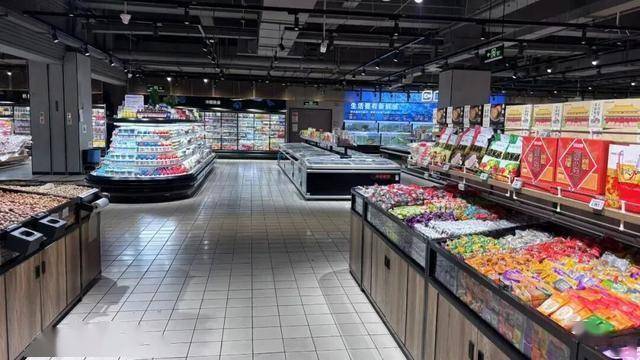
探店北京区域“胖改”店
Sou Hu Cai Jing· 2026-01-26 16:36
Core Viewpoint - The transformation of traditional supermarkets is not just about store renovation but involves deeper challenges such as supply chain restructuring, organizational culture change, and sustainable profitability [1]. Group 1: Consumer Behavior and Store Experience - Consumers have decreased in number at renovated stores, with some expressing dissatisfaction over higher prices and a lack of everyday items like fresh produce [3][6][8]. - Renovated stores have adopted a more boutique supermarket style, which some consumers find appealing, but others feel it lacks the "liveliness" and affordability of previous offerings [6][10][11]. - Observations indicate that foot traffic has significantly declined post-renovation, with stores that were once crowded now appearing empty, especially during peak shopping times [8][10]. Group 2: Pricing and Competition - The price increases following renovations have led consumers to seek alternatives, with many opting for online shopping where prices are often lower [14][16]. - Comparisons show that some products in renovated stores are priced significantly higher than similar items available on e-commerce platforms, leading to a perception of poor value [16][18]. - The competition from membership-based warehouse stores like Sam's Club adds pressure on traditional supermarkets to justify their pricing strategies [31]. Group 3: Operational Challenges and Employee Dynamics - The transformation efforts have resulted in a substantial increase in labor costs, with employee numbers and salaries rising significantly, which poses challenges to profitability [35][37]. - The need for consistent service quality across different locations and store sizes remains a critical challenge as companies scale their renovation efforts [37]. - The unique cultural and operational strengths of successful models like "胖东来" are difficult to replicate, creating a gap in execution for other supermarkets [35][37]. Group 4: Future Outlook and Strategic Considerations - The ongoing transformation of traditional supermarkets is seen as a necessary evolution in response to changing consumer preferences and competitive pressures [29][33]. - The ability of companies to navigate deeper operational challenges will determine whether they can establish themselves as sustainable "quality supermarkets" rather than fleeting trends [37][38].

研判2026!中国药食同源行业政策汇总、销售额、销量、竞争格局及发展趋势分析:市场需求爆发,新兴成分表现出强劲增长势头[图]
Chan Ye Xin Xi Wang· 2026-01-26 01:21
Core Insights - The health-conscious consumer trend is driving demand for food products that offer health benefits, leading to increased interest in "food-medicine" products like goji berries, yam, and red dates [1][3][4] Industry Overview - The "food-medicine" concept is rooted in traditional Chinese medicine, emphasizing the dual role of certain foods as both nutrition and medicine [3] - The market for "food-medicine" products in China is projected to reach 56.78 billion yuan in 2024, with a year-on-year growth of 3% [1][6] Market Dynamics - The nutritional health food market in China is expected to grow to 678 billion yuan in 2024, reflecting a 7.3% increase year-on-year, providing a solid foundation for the "food-medicine" industry [6][7] - Sales of traditional ingredients like bird's nest and goji berries remain strong, while new ingredients like poria and astragalus are gaining traction, with astragalus seeing a 75.2% increase in sales [7][8] Competitive Landscape - The "food-medicine" industry features diverse competition from traditional pharmaceutical companies, food enterprises, new retail businesses, and internet health companies [9][10] - Major players include Tongrentang, Yunnan Baiyao, and Kang En Bei, which leverage their traditional medicine expertise to develop health-oriented food products [10][11] Development Trends - Future product development will focus on functional and scenario-specific offerings, catering to various consumer needs, such as liver health for night owls and digestive health for the elderly [12][15] - Cross-industry collaborations will become common, integrating "food-medicine" with baked goods, beverages, and other food categories to enhance flavor and health benefits [14][15] - Young consumers are emerging as a new growth segment, with increased interest in health products and innovative formats appealing to their preferences [15][16] - Stricter regulatory policies are expected to drive the industry towards higher quality standards, with ongoing support for traditional health culture and product innovation [16]


“十五五”科技叙事启新篇 中国农业大学—东阿阿胶产业创新研究院首批成果隆重发布
Xin Hua Cai Jing· 2026-01-25 07:54
Core Insights - The event marked the launch of a new chapter in the "15th Five-Year Plan" for the Ejiao industry, emphasizing the integration of technological innovation and industrial development [1][2] - The collaboration between China Agricultural University and Dong'e Ejiao aims to enhance the entire industry chain through technological empowerment and sustainable practices [2][5] Group 1: Event Overview - The innovation achievement release conference was held on January 25, showcasing key technological advancements in the Ejiao industry [1] - Over 600 participants attended, including experts from various fields, media representatives, and Dong'e Ejiao management [2] Group 2: Key Technological Advancements - The conference highlighted breakthroughs in areas such as industry economics, donkey cell cloning, precision nutrition, and the high-value utilization of donkey milk [3][4] - Research reports presented included global trends in the donkey industry, health food innovations, and nutritional analysis of donkey milk, providing a comprehensive view of the industry's future [3][4] Group 3: Strategic Goals - Dong'e Ejiao aims to strengthen its position in technological innovation and enhance its competitive advantages during the "15th Five-Year Plan" [2][5] - The company plans to integrate the four chains of industry, supply, innovation, and value to build a sustainable global donkey industry ecosystem [2][5]
2026老字号国潮年货大集在临沂盛大开市
Qi Lu Wan Bao· 2026-01-23 06:09
Core Viewpoint - The 2026 Old Brand National Trend New Year Goods Fair aims to activate consumer potential through high-quality offerings, promoting traditional brands and enhancing cultural consumption during the New Year season [2][5]. Group 1: Event Overview - The fair, held at the Linyi International Expo Center, features nearly 200 old brand enterprises from 16 provinces, creating an immersive cultural consumption experience [1][3]. - The event includes five themed exhibition areas: "New Year's Eve Dinner," "Happy Reunion," "Visiting Friends," "Langya Gifts," and "Traditional Folk Experience" [3]. Group 2: Government and Industry Support - The event aligns with the central economic work meeting and the Ministry of Commerce's initiatives to boost domestic demand and consumption in Shandong [2]. - Local officials emphasize the importance of policy support and service optimization to foster the development of old brands [2]. Group 3: Product Offerings - The fair showcases nearly 10,000 selected products across various categories, including food, beverages, grains, crafts, and traditional Chinese medicine, providing a comprehensive shopping platform [3]. Group 4: Interactive Experiences - The fair features a non-heritage interactive experience area where attendees can engage in traditional crafts like paper-cutting and wood carving, enhancing the cultural experience [4]. - Food experiences, such as freshly made snacks and traditional dishes, attract significant attention, creating a lively atmosphere [4]. Group 5: Consumer Engagement and Promotions - A series of consumer-friendly promotions, including limited-time discounts and gift offerings, are implemented to stimulate purchasing enthusiasm [5]. - The dual approach of "discounts + experiences" not only drives immediate consumption but also fosters emotional connections with old brand products [5].
近200家老字号企业亮相,老字号国潮年货大集在临沂开市
Qi Lu Wan Bao· 2026-01-22 13:26
Core Viewpoint - The "2026 Old Brand National Tide New Year Goods Fair" serves as a significant cultural and consumer event, showcasing traditional Chinese brands and promoting local products while enhancing consumer engagement through immersive experiences [1][2][3] Group 1: Event Overview - The fair, held at the Linyi International Expo Center, features nearly 200 old brand enterprises from 16 provinces, creating a vibrant cultural consumption atmosphere for the New Year [1] - The event includes five themed exhibition areas: "New Year's Eve Dinner," "Happy Reunion," "Visiting Friends and Relatives," "Langya Gifts," and "Traditional Folk Experience," highlighting various aspects of traditional New Year celebrations [1] Group 2: Consumer Engagement - Interactive experiences such as traditional paper-cutting, wood carving, and live cooking demonstrations attract significant visitor interest, enhancing the festive atmosphere [2] - The fair offers various consumer incentives, including limited-time discounts and gifts for purchases, effectively stimulating consumer enthusiasm and promoting immediate sales [2] Group 3: Cultural Significance - The event not only serves as a consumer fair but also plays a crucial role in promoting traditional Chinese culture and fostering innovation in domestic brands [3] - The fair runs from January 22 to January 26, providing an opportunity for consumers to engage with traditional crafts and experience the vibrant atmosphere of the New Year [3]

为什么胖东来、山姆越火,食品品牌却越焦虑?
首席商业评论· 2026-01-22 04:52
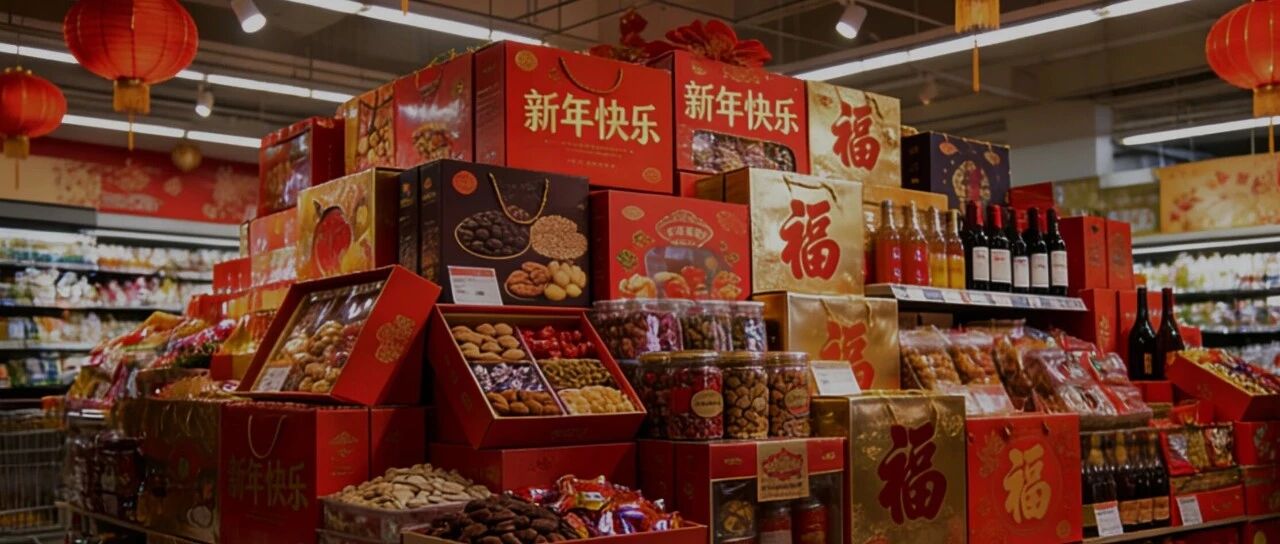
Core Insights - The article discusses the evolving landscape of consumer behavior regarding traditional New Year gift boxes, highlighting a shift towards more rational purchasing decisions as consumers prioritize product value over packaging and marketing narratives [2][3]. Group 1: Shifts in Consumer Behavior - The essence of New Year gift boxes is rooted in ceremonial consumption, representing emotional, social, and cultural values, but consumers are increasingly questioning the intrinsic value of these products beyond their festive symbolism [3]. - Consumers are gravitating towards membership-based supermarkets like Pinduoduo and Sam's Club, indicating a preference for self-branded products that offer perceived value [2]. Group 2: Product Innovation Trends - Brands must provide compelling reasons for consumers to choose their products, leading to a focus on deep product innovation rather than superficial marketing [5]. - The first key transformation is the precise definition of "functional value," where products must clearly address specific consumer needs, exemplified by Danone's targeted offerings for GLP-1 drug users [5][6]. - The second transformation involves AI-driven flavor and experience reconstruction, as seen in Genki Forest's use of AI for over 500 flavor iterations to enhance product appeal [10]. - The third transformation is the modernization of "food as medicine," with brands like Dong'e Ejiao offering convenient, ready-to-eat products that fit contemporary lifestyles [12]. - The fourth transformation focuses on value sourcing from the supply chain, where brands that control high-quality raw materials and production processes gain a competitive edge [14]. Group 3: Market Trust and Experience - As product innovation becomes a necessity, brands face the challenge of gaining market visibility and trust in a fragmented information landscape [16]. - Successful brands are returning to physical spaces to create tangible experiences that foster consumer trust, as demonstrated by the popularity of membership stores [16]. - The concept of "consensus pre-sale" is emerging, where brands validate their products through community engagement or industry exhibitions before market launch, ensuring they enter the market with established consumer trust [25][26]. Group 4: The Role of Industry Exhibitions - Industry exhibitions serve as critical platforms for brands to validate trends, calibrate value, and build trust, allowing companies to quickly gather insights and feedback from industry peers and consumers [29]. - Exhibitions facilitate rapid trust-building through direct interactions, which are essential for establishing commercial partnerships and reducing risks in cross-border trade [33]. - New brands leverage exhibitions to connect with potential partners and streamline their innovation processes, enhancing their ability to bring products to market effectively [33].
中药板块1月20日涨0.54%,*ST长药领涨,主力资金净流出2325.16万元
Zheng Xing Xing Ye Ri Bao· 2026-01-20 08:51
Group 1 - The Chinese medicine sector saw a rise of 0.54% on January 20, with *ST Changyao leading the gains [1] - The Shanghai Composite Index closed at 4113.65, down 0.01%, while the Shenzhen Component Index closed at 14155.63, down 0.97% [1] - Notable gainers in the Chinese medicine sector included *ST Changyao with a closing price of 0.53, up 20.45%, and ST Xiangxue with a closing price of 9.72, up 7.05% [1] Group 2 - The Chinese medicine sector experienced a net outflow of 23.25 million yuan from major funds, while retail investors saw a net inflow of 20.95 million yuan [2] - The top stocks by net inflow from retail investors included *ST Changyao and ST Xiangxue, with retail inflows of 2.20 million yuan and 4.16 million yuan respectively [3] - Major funds showed a significant net outflow in stocks like Zhongsheng Pharmaceutical and Yiling Pharmaceutical, with net outflows of 10.68 million yuan and 5.57 million yuan respectively [3]


脑机接口商业化可期,医疗创新ETF(516820)交投活跃
Sou Hu Cai Jing· 2026-01-20 03:59
Group 1 - The core viewpoint is that the brain-computer interface (BCI) industry is experiencing significant policy support and technological breakthroughs, leading to a promising commercialization outlook [2] - The National Medical Products Administration has prioritized the approval of implantable BCI medical devices, with expected registration certificates to be issued gradually in the first quarter of 2026 [1][2] - The National Healthcare Security Administration is guiding local authorities to establish pricing standards for invasive and non-invasive BCI procedures, facilitating clinical application and payment pathways [1][2] Group 2 - The China Securities Medicine and Medical Device Innovation Index (931484) shows mixed performance among its constituent stocks, with New Hope leading at a 1.99% increase, while Gan Li Pharmaceutical is the biggest loser [1] - The top ten weighted stocks in the China Securities Medicine and Medical Device Innovation Index account for 63.75% of the index, including companies like WuXi AppTec and Mindray [3] - The Medical Innovation ETF closely tracks the China Securities Medicine and Medical Device Innovation Index, reflecting the overall performance of profitable and growth-oriented companies in the pharmaceutical and medical device sectors [2]
黄河两岸满目新 山东省农信联社3651亿元助力沿黄地区发展
Jin Rong Shi Bao· 2026-01-20 02:12
Core Viewpoint - The financial support from rural commercial banks in Shandong Province is crucial for the ecological protection and high-quality development of the Yellow River Basin, contributing to rural revitalization and the growth of the real economy [1][3]. Group 1: Financial Support for Agriculture - The Shandong Rural Credit Union has guided 21 rural commercial banks along the Yellow River to develop specialized credit products and increase loan issuance, focusing on supporting local agricultural products such as black cattle, yellow river carp, and winter jujubes [3]. - As of the end of Q3 2025, the total agricultural loan balance for these banks reached 150.9 billion yuan, an increase of 4.7 billion yuan since the beginning of the year [3]. - In Gaoqing County, 70% of the 573 cattle farming entities have received credit support from rural commercial banks, with an average credit line of 3 million yuan for 13 black cattle farmers [2]. Group 2: Support for Small and Micro Enterprises - The Dong'a Rural Commercial Bank provided a 9.9 million yuan intellectual property pledge loan to a local pharmaceutical company, significantly reducing financing costs and addressing liquidity issues [4][5]. - As of the end of Q3 2025, the small and micro enterprise loan balance for the 21 banks reached 197.9 billion yuan, an increase of 10.9 billion yuan since the beginning of the year [6]. - The banks are implementing a "thousand enterprises, ten thousand households" outreach initiative to enhance financial services for small and micro enterprises, ensuring quick and accessible financing [5][6]. Group 3: Green Development Initiatives - The Shandong Jinma First Decoration Materials Co., Ltd. received a 16 million yuan loan from Qihe Rural Commercial Bank to upgrade its production line for low-carbon manufacturing, demonstrating the bank's commitment to supporting green development [7]. - The Shandong Rural Credit Union is promoting green finance by optimizing credit resource allocation and developing innovative financial products to support enterprises in their green transformation efforts [8]. - The banks are implementing differentiated credit policies to support traditional industries' upgrades and green projects, including specialized loans for technological improvements and environmental initiatives [8].